12 Texas Perennials to Cut Down in Fall and Which to Leave Alone
My pruning shears get twitchy every October, and I bet yours do too after this long Texas summer. Yet some of those scruffy stems in your beds are quietly doing important work right now.
Cut the wrong plant, and you might expose a tender crown to the first sharp cold snap. Leave the wrong one, and pests or fungus can tuck themselves in for a cozy winter stay.
Extension experts across the state have sorted this puzzle out, and their advice saves real guesswork and sore knees. Birds and tiny beneficial insects also have strong opinions about your fall cleanup plans, believe it or not.
Below you will find which favorites deserve a haircut now and which ones should stay standing until late winter. Your Texas garden will look tidier, and the wildlife will quietly thank you for it later.
1. Bearded Iris
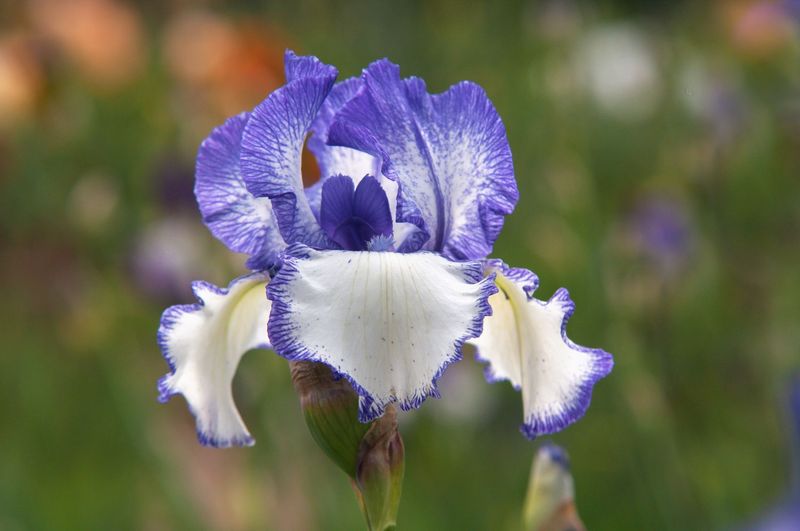
Those sword-shaped leaves look tough, but by October many of them are brown at the tips and flopping sideways. Bearded iris is one plant where a fall trim really pays off for the whole bed.
Old foliage can hide iris borer eggs and leaf spot fungus, which both love to linger through winter. Removing that tired growth this month reduces trouble long before fresh green fans appear next season.
Grab clean shears and trim the leaves into a neat fan shape about four to six inches tall. Pull away any brown, mushy pieces near the rhizome, and toss them in the trash instead of compost.
Fall is also a fine time to divide crowded clumps that bloomed poorly last spring in your garden. Replant the firm rhizomes shallowly, with their tops peeking out of the soil like sunbathing potatoes.
I love how a freshly trimmed iris bed looks like a row of tidy little paintbrushes. You will get cleaner leaves and stronger flower stalks when spring finally rolls around each year.
Keep the soil around them lean and well drained, since soggy winter ground often leads to rot. A light sprinkle of bone meal is fine, but skip heavy nitrogen that encourages floppy leaves.
2. Daylily
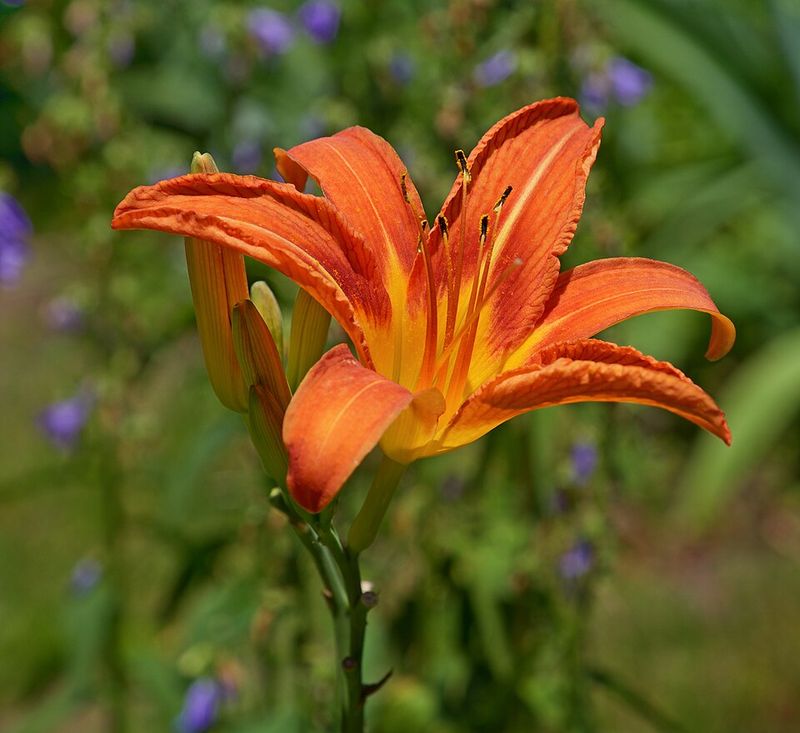
Daylilies earn their name because each bloom lasts only one day, yet the plants themselves are tough as boots. By early fall, their long arching leaves often turn yellow and streaky, looking a bit sad.
Trimming that faded foliage to a few inches above the ground tidies the bed and improves airflow. It also removes hiding spots for slugs and snails, which adore damp, shady clumps of old leaves.
Evergreen types may keep some green leaves through winter, so only remove the brown or spotted ones. Dormant types will look ragged after the first freeze, and you can cut them back fully then.
You can also divide large clumps now, since the cooler weather helps new divisions settle in nicely. Dig the whole clump, then tease it apart into sections with a few fans and healthy roots.
I smile at how forgiving daylilies are, bouncing back from rough handling with hardly a complaint at all. Water new divisions well, then let the cool weeks of autumn do most of the heavy lifting.
Your Texas Garden Changes Every Week. Your Plan Should Too.
Gardening in Texas changes quickly throughout the season. Every Friday you’ll receive a simple weekly plan showing exactly what to plant, prune, fertilize, harvest, and protect so you never miss the right timing.
Add a thin layer of mulch after trimming to keep roots steady during sudden cold snaps this winter. Next summer, you will have a fresh fountain of leaves and plenty of trumpet-shaped flowers.
3. Canna
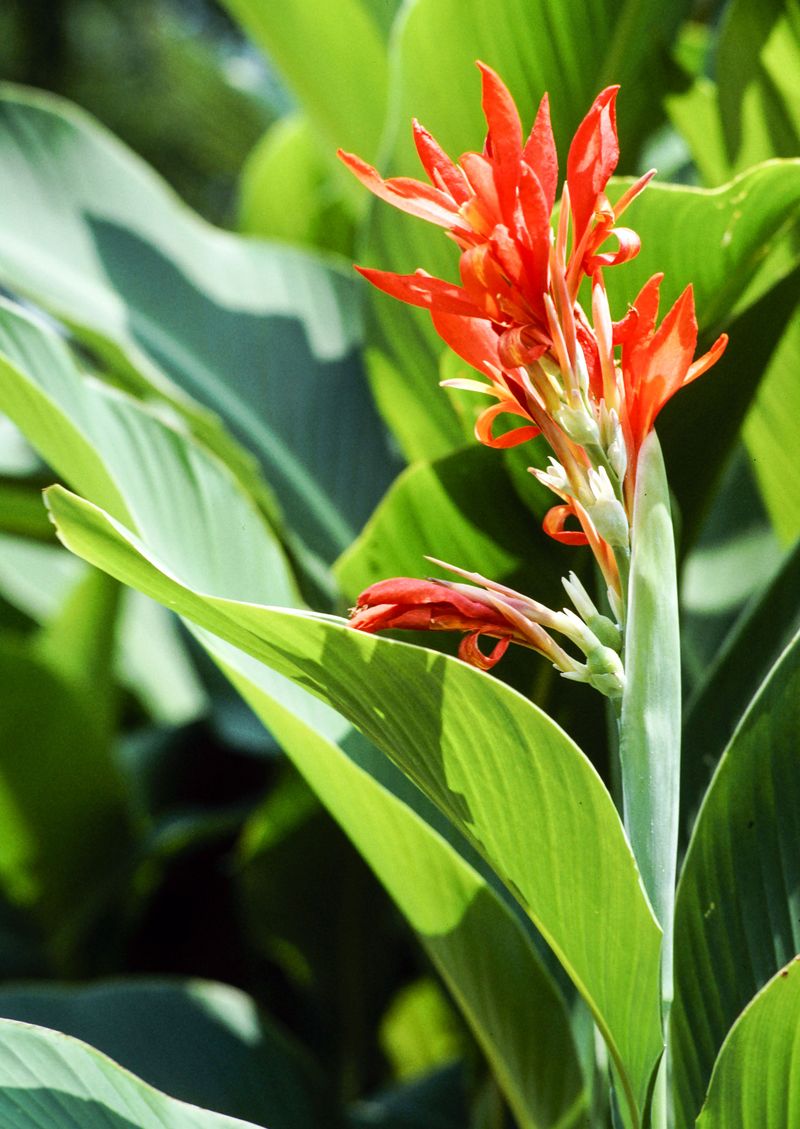
Huge paddle leaves and tropical flowers make cannas feel like a vacation, but frost changes the mood fast. One cold night turns those glossy leaves into a soggy brown mess flopping across the bed.
Once frost blackens the foliage, cut the stalks down to a few inches above the soil line. Leaving the mushy leaves in place invites fungus and gives canna leaf rollers a place to overwinter.
Those leaf rollers are caterpillars that glue leaves shut and chew ragged holes all through summer. Clearing old growth in fall is one of the easiest ways to reduce their numbers next year.
In the southern half of Texas, the rhizomes usually stay snug in the ground through winter. Northern gardeners may want to add a thick blanket of mulch over the cut stubs for extra protection.
Crowded clumps can be divided in late winter, so mark their spots now before the bed looks bare. A simple plant tag or painted rock saves you from accidentally stabbing them with a shovel later.
I find it satisfying to clear a canna patch, almost like closing the curtain after a great show. Those fat rhizomes rest underground, storing energy for another round of bold color when warm weather returns.
4. Garden Mum
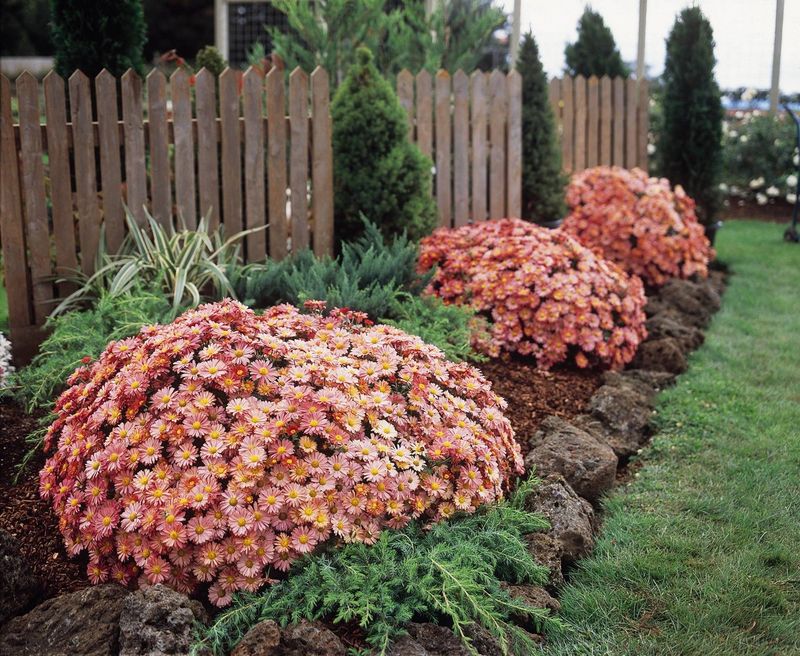
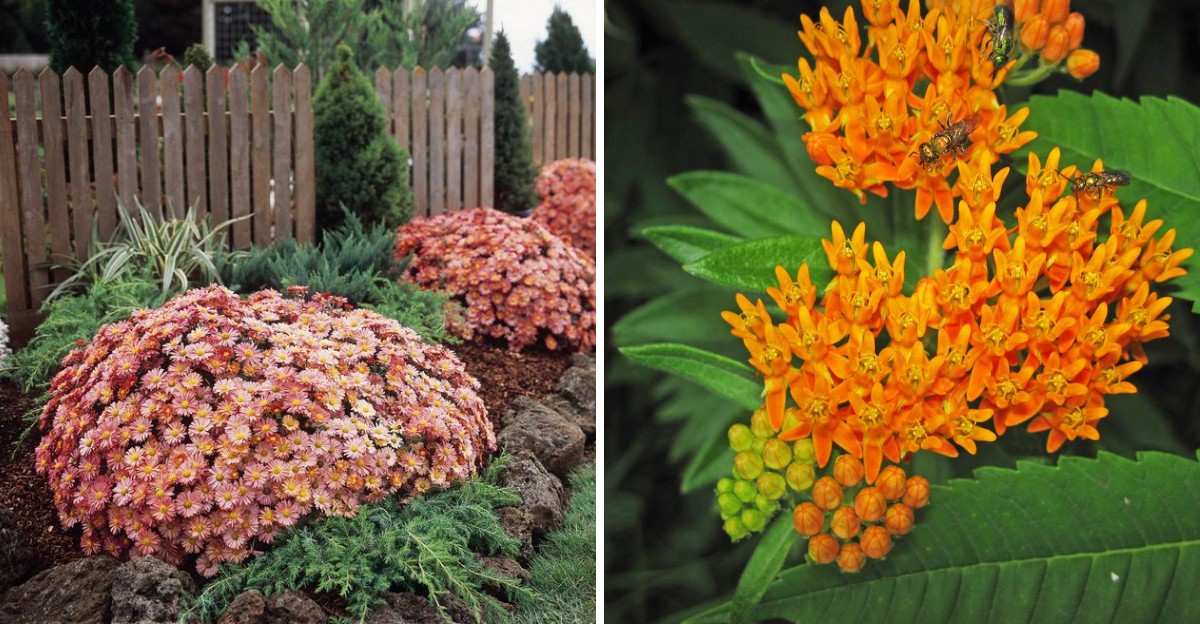
Mums steal the spotlight every October, glowing in shades of bronze, burgundy, and buttery yellow on porches everywhere. Once the last flower fades, though, the plant shifts gears and starts focusing on its roots.
After blooms turn brown, cut the stems back to a few inches tall and clear away fallen leaves. This simple step reduces leaf spot problems and makes room for new shoots at the base.
Look closely, and you will often see small green rosettes already forming near the soil surface. Leave those little clusters alone, since they are next year’s plants getting a head start on winter.
Garden mums are hardy perennials in much of the state, unlike many potted florist types sold as decorations. If you bought pots this fall, plant them in the ground soon so roots can settle before cold.
Next season, pinch the tips a few times before midsummer to keep the plants bushy and compact. That trick gives you a rounded mound covered in buds instead of a tall, floppy tangle.
I love that one plant can serve as fall decor and then return as a garden regular. A little cleanup now turns a seasonal purchase into a dependable friend for many autumns ahead.
5. Fall Aster
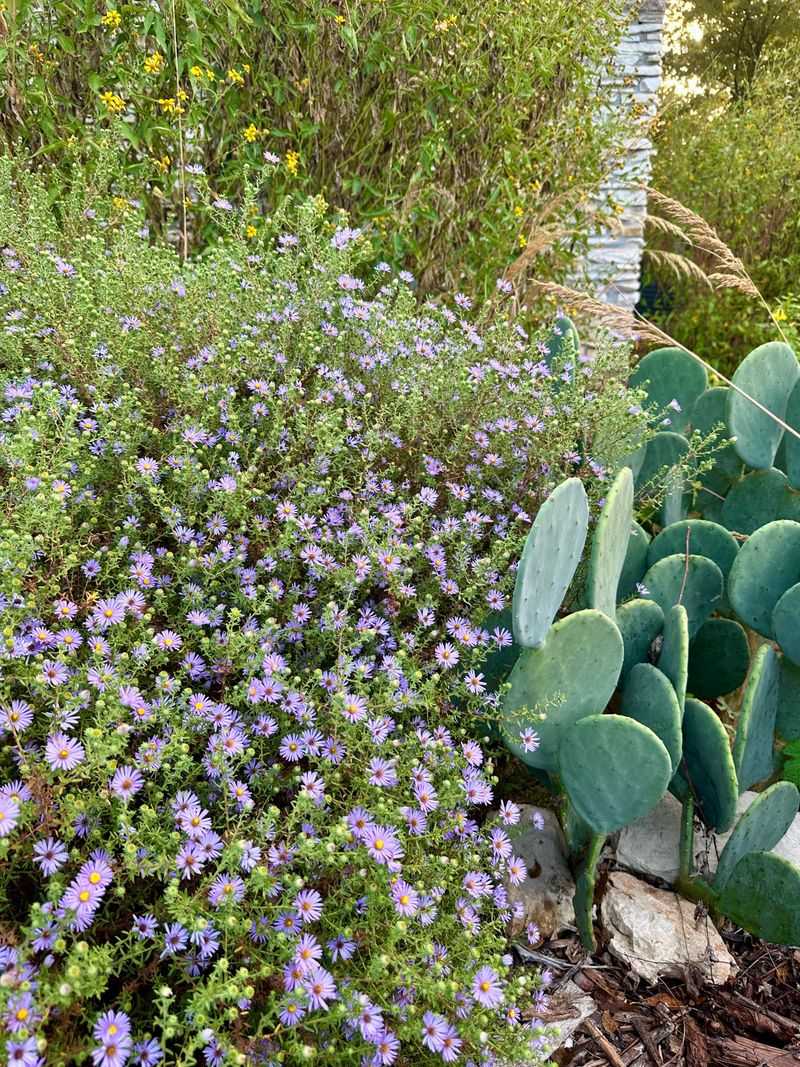
Purple daisy clouds covering a fall aster in October can make even a tired garden look freshly painted. Bees and butterflies crowd those blooms, since few other plants offer so much nectar this late.
Native across much of Texas, Symphyotrichum oblongifolium handles heat and dry rocky soil with impressive grit and charm. Its blooms often peak right now, so please hold off on any cutting for several more weeks.
Once flowers fade in late fall, trim the stems back to a few inches above the ground. That cleanup keeps the mound neat and encourages a fresh, compact flush of growth next year.
Some gardeners leave a few seed heads for birds, which is fine if self-seeding does not bother you. Either way, the woody old stems rarely add much winter beauty once their color is gone.
Next summer, a light trim before July helps keep this aster from sprawling across nearby plants. Cutting back about one third in early summer creates a tighter dome loaded with buds for autumn.
I enjoy watching migrating monarchs stop to sip from these blooms during their long trip south. Few plants give so much late-season color while asking for so little care in return.
6. Purple Coneflower
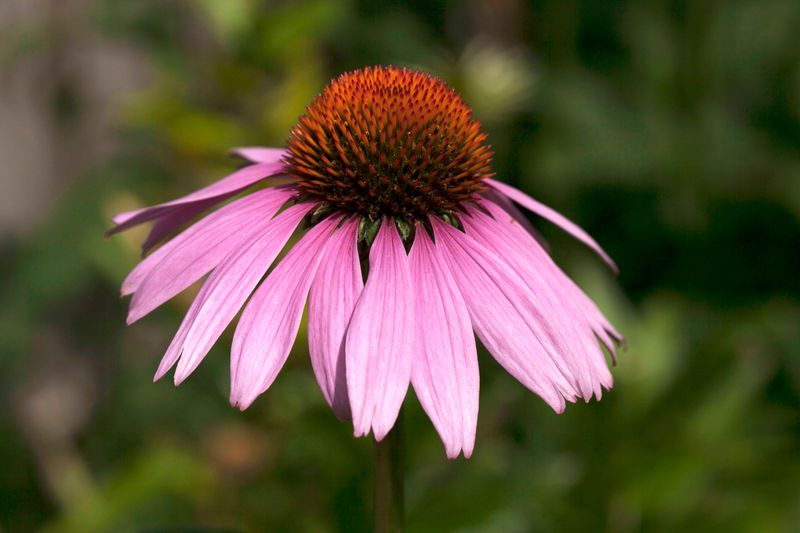
Goldfinches treat a patch of spent coneflowers like a snack bar, hanging upside down to pick seeds. That alone is a solid reason to put your shears away and let those spiky heads stand.
Echinacea purpurea blooms in rosy pink from late spring into fall, then forms dark, bristly seed cones. Those cones add texture to winter beds and look lovely dusted with a rare morning frost.
Hollow stems and leaf litter around the base can shelter small native bees and other helpful insects. Cutting everything down now removes that cozy winter housing before it has a chance to help.
Wait until late winter, just before new leaves appear, to trim old stems near the ground. Leave about six inches of stem if you want to give stem-nesting bees a place next season.
Coneflowers may reseed a bit, which many gardeners welcome as free plants for filling empty spots. If you prefer fewer seedlings, snip some heads now and leave the rest for the birds.
I think of a standing coneflower patch as a quiet bird feeder that rarely needs any refilling. Your winter garden gets movement and life, and you get a good excuse to rest your back.
7. Turk’s Cap
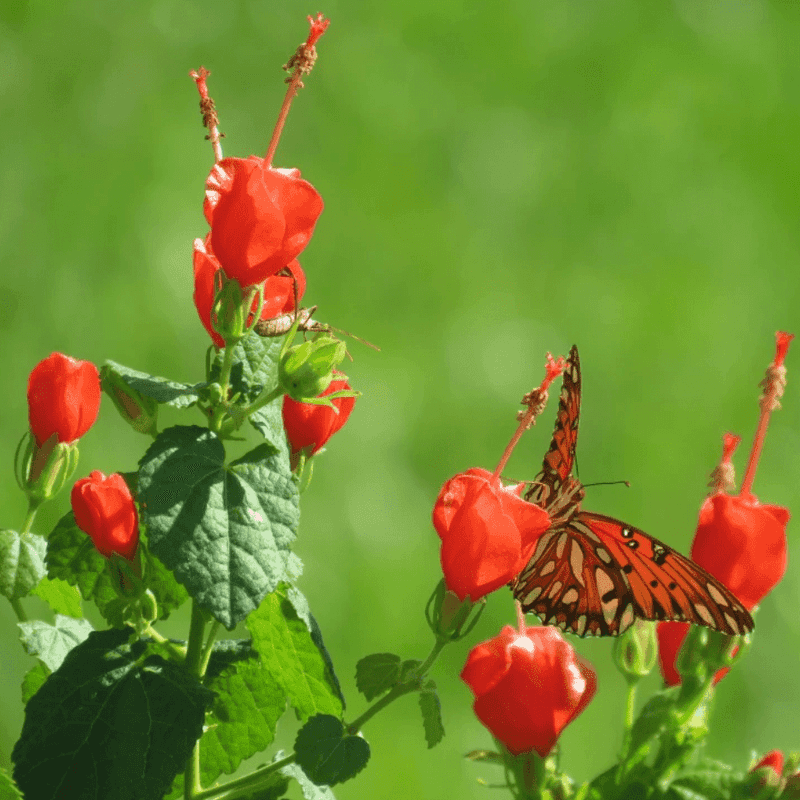
Turk’s cap flowers look like tiny red swirled turbans that stay mostly closed, and hummingbirds find them irresistible. Small red fruits follow, and some folks say they taste a bit like a mild apple.
Malvaviscus arboreus var. drummondii is a native that grows well in sun or shade across much of Texas. It keeps blooming until the first frost, feeding hummingbirds and butterflies late into autumn every year.
Resist trimming it now, since the old stems help shield the crown from cold in northern areas. Birds also nibble the fruits, and the leafy tangle gives small creatures a sheltered place to hide.
In late winter, cut the plant back hard to about six inches above the ground before growth resumes. That reset encourages bushy new stems and keeps the shrub from turning leggy and overgrown by summer.
Freezes often knock the top growth back, but the roots usually send up fresh shoots in spring. Do not panic if it looks rough in January, because that scruffy stage is quite normal.
I admire how this plant thrives in shady corners where many bloomers sulk and refuse to flower. Give it a little patience this fall, and it will reward you with another bright season.
8. Autumn Sage
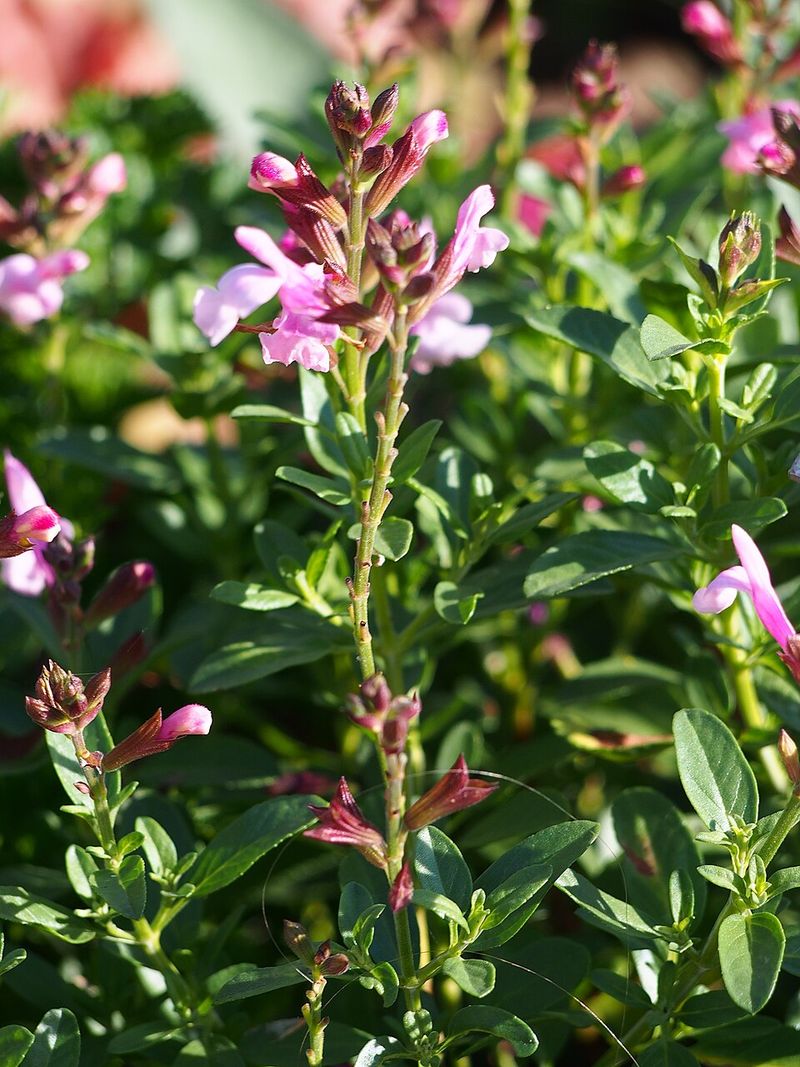
Brush past autumn sage and you get a fresh, minty scent that lingers on your fingers for minutes. Hummingbirds visit its tubular flowers so often that the plant almost feels like a busy airport.
Salvia greggii comes in shades of red, pink, coral, and white, blooming heavily in spring and fall. Those cooler months bring its best show, so cutting now would remove a wave of fresh color.
The semi-woody stems also protect the base from cold snaps once winter weather arrives later on. Light deadheading is fine in fall, but save serious pruning for late winter or very early spring.
At that point, cut the plant back by about one third to one half to refresh it. Shaping it then prevents the woody, open center that older plants often develop over a few years.
This shrubby sage handles drought well once established, which makes it a favorite for water-wise Texas yards. Good drainage matters much more than fertilizer, since soggy roots can cause this plant to decline quickly.
I like to think of autumn sage as the cheerful houseguest that rarely asks for anything. Leave it standing this fall, and enjoy the steady hummingbird traffic right outside your kitchen window.
9. Flame Acanthus
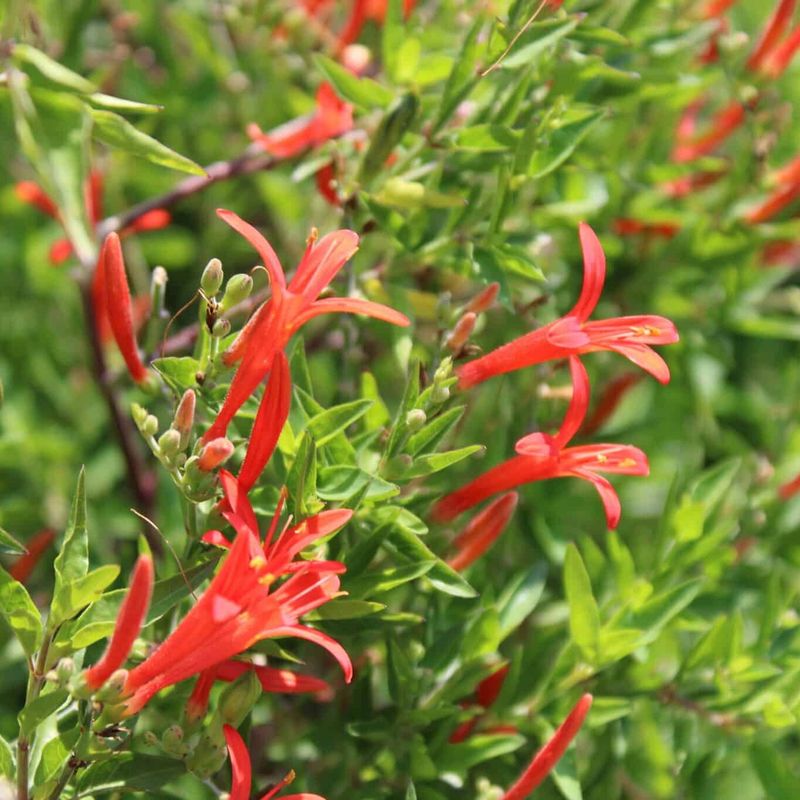
Hummingbirds heading south in fall often pause at flame acanthus, sipping from its slim orange-red flowers. The blooms look like tiny firecrackers scattered across a loose, airy shrub with peeling pale bark.
Anisacanthus quadrifidus var. wrightii is native to the state and handles heat, drought, and poor soil well. It blooms from summer until frost, providing nectar when many other flowers have quit for the year.
Keep your pruners away this fall, since the plant is often still flowering and feeding wildlife right now. Its standing stems also shelter beneficial insects and give the shrub some protection from early cold weather.
In colder areas, freezes may knock it back to the ground, but the roots usually return. Late winter is the ideal time to prune hard, leaving stems about six inches tall for a reset.
That hard cut keeps it dense and full instead of twiggy, and blooms appear on new growth. Skip heavy fertilizer, because rich soil tends to produce lots of leaves and fewer flowers overall.
I am amazed by how much color this tough shrub delivers on so little water each summer. Let it shine through autumn, and save the haircut for the quiet weeks before spring returns.
10. Gregg’s Mistflower
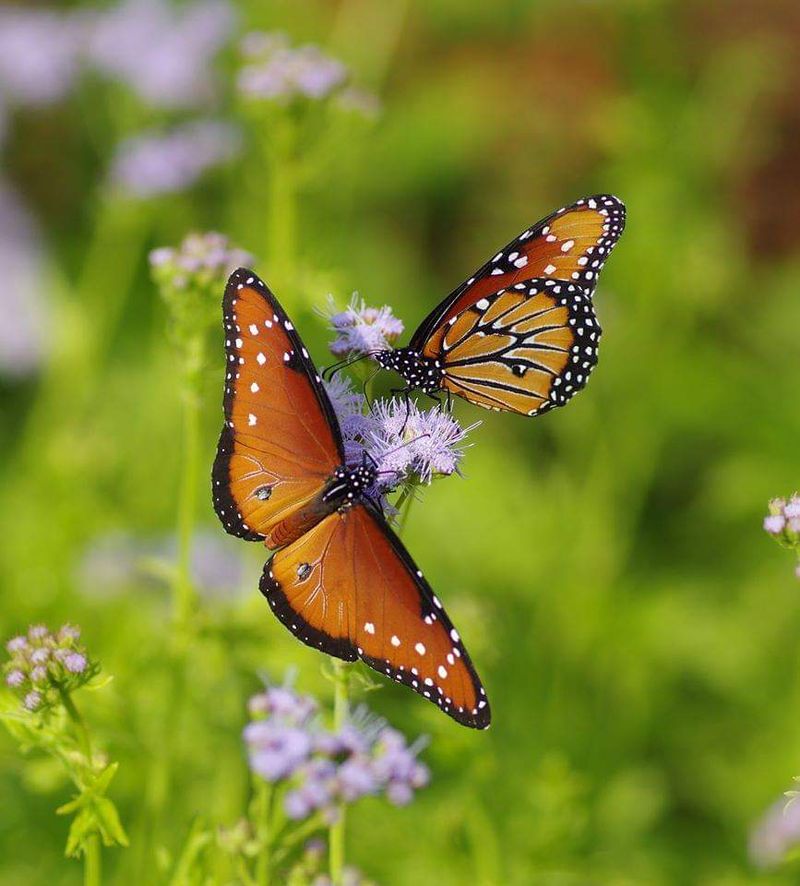
Queen butterflies can cover Gregg’s mistflower so thickly in fall that the plant seems to flutter. Its fuzzy lavender puffs look like tiny pompoms, and they pull in pollinators from all over.
Conoclinium greggii is a native perennial that spreads by underground roots to form a soft, low patch. Its lacy, deeply divided leaves stay attractive even after the flowers start fading later in autumn.
Leave the plant standing through fall, because migrating butterflies depend on its nectar during their long trip. Cutting it now would close a busy roadside diner right when hungry travelers need it the most.
After freezes brown the stems, the old growth still offers shelter for small insects through the winter months. Trim it back near the ground in late winter or early spring before new shoots appear.
This mistflower can wander into nearby beds, so pull extra runners whenever they pop up in odd spots. Those pulled pieces often transplant easily, giving you free starts to share with your gardening friends nearby.
I believe every butterfly garden in the state deserves at least one small patch of this plant. Few perennials put on such a lively show while asking for so little water or fuss.
11. Texas Lantana
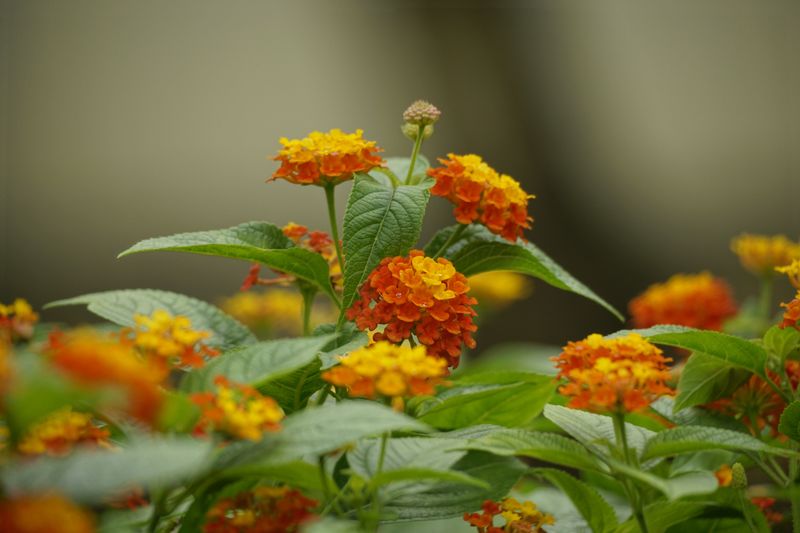
Each cluster on a Texas lantana can show yellow and orange at once, like a tiny sunset bouquet. Butterflies land on it constantly, and birds later snack on the small dark berries that follow.
Lantana urticoides is a hardy native that blooms from spring until frost in hot, dry, sunny spots. Its rough, fragrant leaves help it shrug off heat that leaves fussier flowers wilting by afternoon.
Hold off on pruning this fall, because it keeps feeding pollinators right up until cold weather arrives. A hard freeze will brown the top growth, and the woody stems help guard the roots below.
In late winter, cut the stems back to several inches above the ground to spark fresh growth. Waiting until then reduces the risk of cold damage to tender shoots that a fall trim might trigger.
Keep in mind that the green berries and leaves can be toxic to people and pets if eaten. Plant it away from curious toddlers and dogs that like to chew on anything within reach.
I enjoy how this scrappy plant thrives in hot corners where hoses rarely reach during summer. Let it bloom freely this season, and it will keep the butterfly parade marching past your door.
12. Butterfly Weed
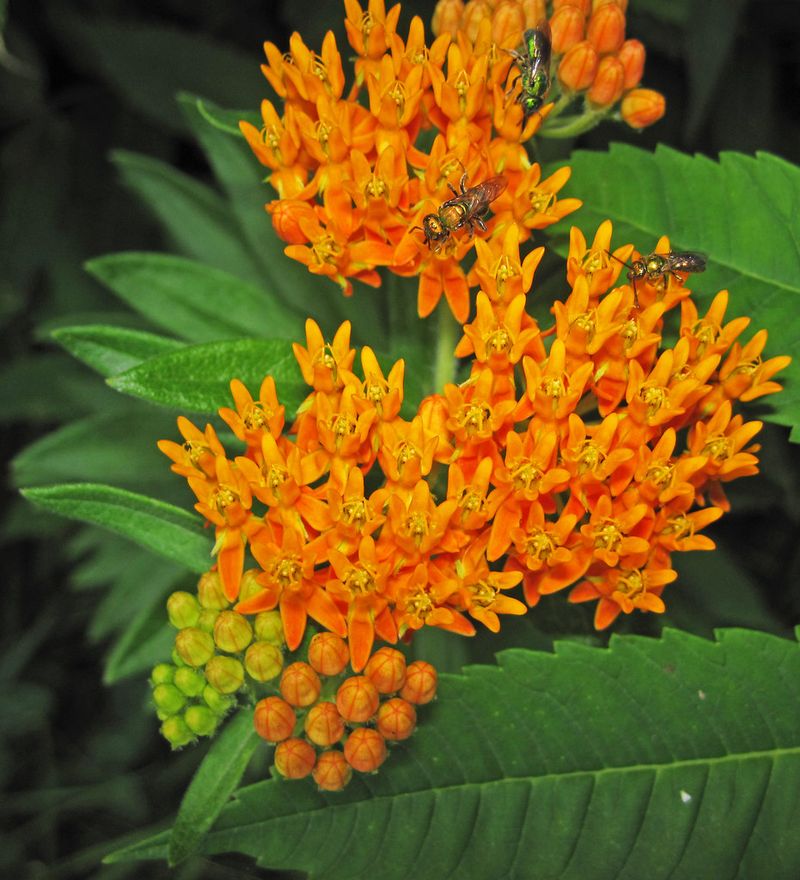
Monarch caterpillars munch on butterfly weed leaves, and that bitter diet makes them taste awful to hungry birds. It is a clever partnership hidden inside a plant topped with flat clusters of bright orange flowers.
Asclepias tuberosa is a native milkweed with a deep taproot, which helps it survive long dry spells. That same taproot makes it fussy about moving, so pick its spot carefully before you plant.
In fall, slender pods split open and release silky seeds that float away on the breeze like confetti. Leave the stems standing so those seeds can scatter, or collect a few pods to share later.
Butterfly weed wakes up late in spring, and gardeners often mistake its empty spot for a lost plant. Old stems act as handy markers, preventing accidental digging or planting right on top of the crown.
Trim last year’s growth in spring once fresh shoots appear, cutting old stems near the soil surface. Avoid heavy mulch around the crown, since this plant prefers lean, well-drained ground over rich, soggy beds.
I find it fitting to end with a plant that does so much for monarchs and asks little. Give it a quiet winter and plenty of sun, and the orange blooms will return right on schedule.