Virginia’s Most Halloween-Ready Spider Is Spinning Webs In Your Yard Right Now
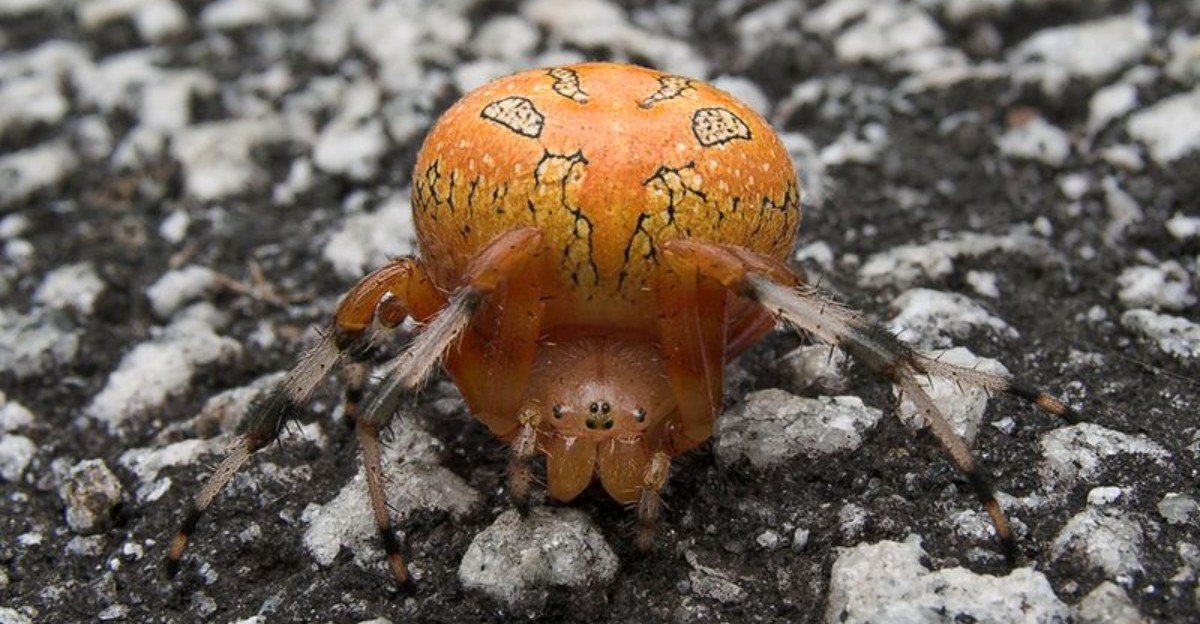
Walk outside on a cool October morning, and you might spot a tiny orange pumpkin near a glistening web. Look closer, and that little pumpkin has eight legs.
Meet the marbled orbweaver, one of the most festive backyard guests. These spiders show up just as porches fill with gourds, hay bales, and glowing jack-o’-lanterns, so many people call them pumpkin spiders or Halloween spiders.
Across Virginia, they hang round webs between shrubs, fences, and low branches. Some folks feel spooked when they walk face-first into one, while others snap photos of that bright, marbled body.
Either way, there’s more to this spider than its costume-worthy colors. It’s harmless to people, and it catches plenty of insects along the way.
The guide below explains why this seasonal spinner deserves a warm welcome in your yard this fall.
Marbled Orbweavers Are Nicknamed Pumpkin Spiders
Picture a tiny orange ball hanging in your azalea bush on a crisp October morning. Many Virginia families spot one and instantly think of a little jack-o-lantern.
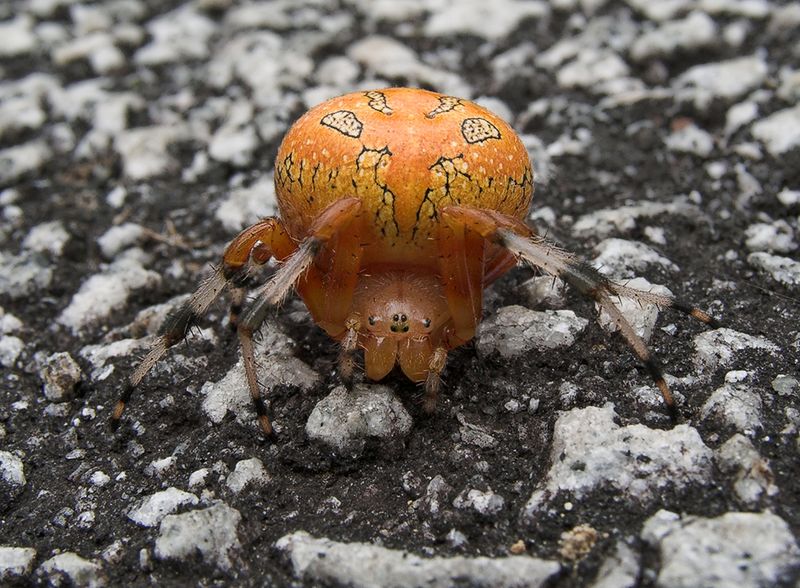
Scientists call this spider Araneus marmoreus, but most people prefer its friendlier nickname. Pumpkin spider fits it perfectly, and kids remember the name with ease.
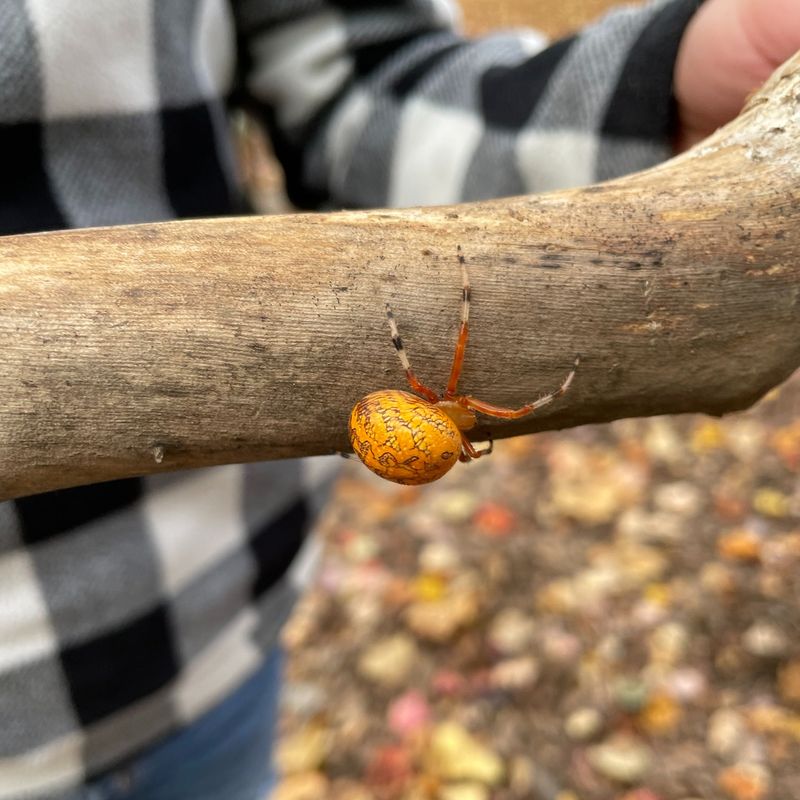
The name comes from the female’s swollen belly, which looks like a mini pumpkin. Some people call it the Halloween spider too, thanks to its seasonal timing.
Its body often shows orange, yellow, and cream colors swirled with dark brown lines. The swirly design explains where the word marbled in its official name comes from.
Colors can vary quite a bit from one spider to the next. Some look pale yellow, while others glow a deep, rusty orange like a ripe gourd.
Males are smaller and much less colorful than the females. You may see them wandering in late summer as they search for a mate.
Here is a fun idea for families with curious kids this season. Keep a small notebook and record every pumpkin spider you find around the yard.
Write down the date, the plant, and the spider’s colors each time you look. By Halloween, you will have a handy nature journal worth sharing with friends.
Your notes might even help you spot patterns in where these spiders like to settle. Many return to similar spots year after year, which makes searching easier next fall.
Their Round, Orange Bodies Peak In Fall
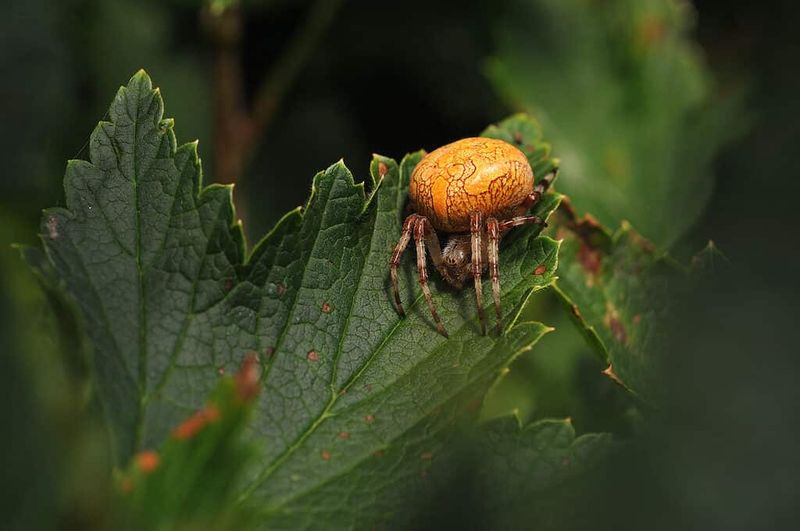
Spring and summer bring plenty of spiders, yet the pumpkin spider seems to stay hidden. Come September, it suddenly appears to be everywhere at once.
Young marbled orbweavers hatch in spring and grow slowly through the warm months. They stay small and blend into leaves, so most people walk right past them.
By early fall, the females reach full size and their bellies start to swell. Eggs growing inside make their abdomens round, plump, and bright like tiny gourds.
Across the state, September through early November is the best window for spotting them. Fall leaves and shorter days make their orange color pop against the greenery.
Your Virginia Garden Changes Every Week. Your Plan Should Too.
Gardening in Virginia changes quickly throughout the season. Every Friday you’ll receive a simple weekly plan showing exactly what to plant, prune, fertilize, harvest, and protect so you never miss the right timing.
A grown female measures about half an inch to three-quarters of an inch long. Her legs add extra reach, making her look bigger than she really is.
Size and color can change based on how well she has been eating. A well-fed spider looks rounder and brighter than one that has caught fewer meals.
Want to find one quickly? Check shrubs and tall grasses near porch lights, where flying insects gather after dark.
Morning dew makes webs sparkle, so a sunrise walk often reveals spiders you missed before. Bring a flashlight in the evening to catch their colors glowing.
Snap photos from a few inches away rather than poking the web. Your phone’s zoom works great, and the spider stays calm and comfortable.
They Spin Webs Between Shrubs And Trees
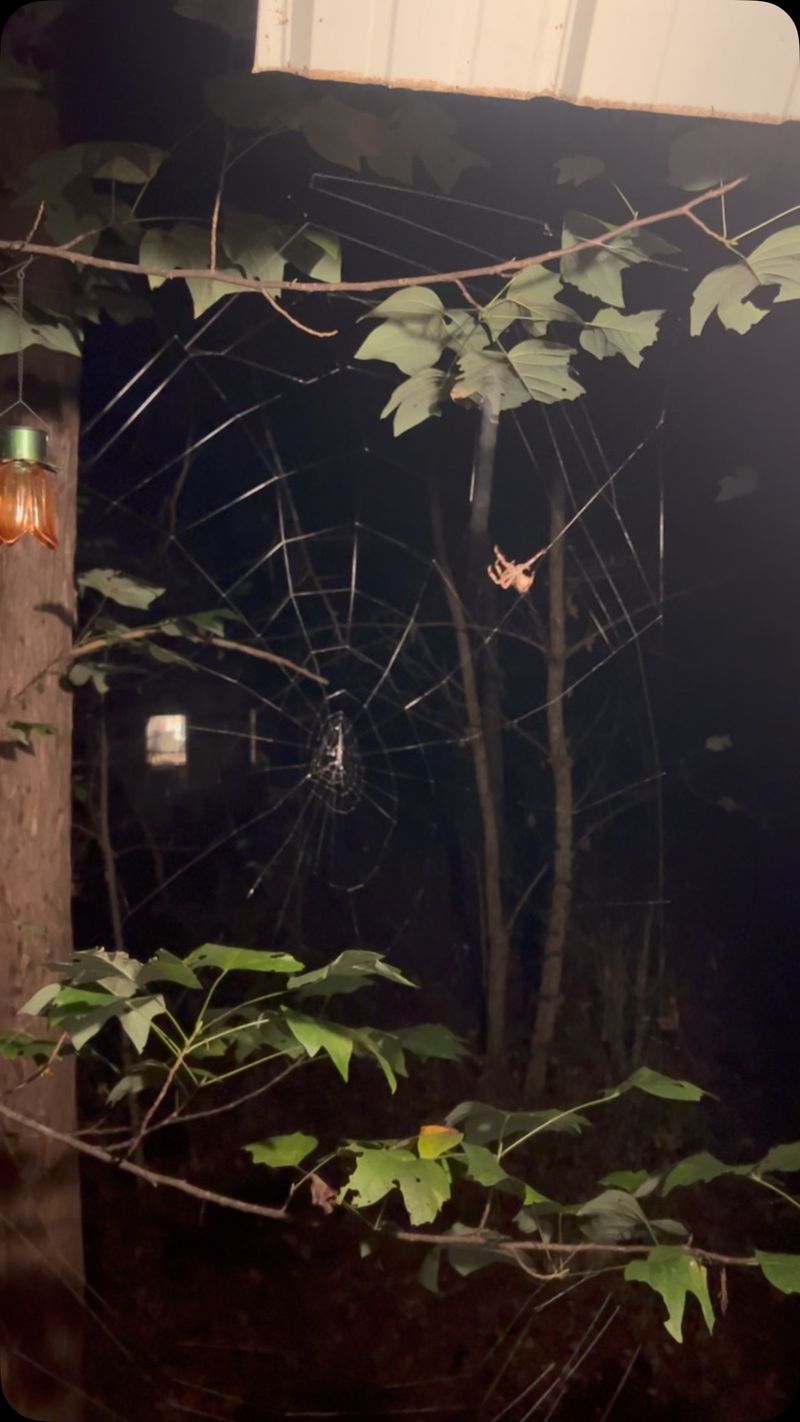
Ever walked down a garden path and felt a sticky surprise across your face? Chances are good that a marbled orbweaver set up shop there overnight.
These spiders build classic orb webs, the round, wheel-shaped designs you see in Halloween decorations. Each web has spokes running outward and a spiral of sticky silk.
Webs can stretch over a foot wide between shrubs, tree branches, fences, and tall plants. Spiders love open gaps where flying insects travel, like walkways and garden edges.
Wooded backyards make ideal homes, especially near streams, ponds, or damp areas. Moist spots attract more bugs, which means more meals for a hungry spider.
The spider does not usually sit in the center during the day. Instead, she hides in a curled leaf retreat nearby, linked to the web by a signal line.
When something lands in the web, the line vibrates like a doorbell. She rushes out, wraps the prey in silk, and carries it back for later.
Here is a helpful tip for busy paths. Gently wave a broom or stick in front of you on early morning walks to clear low webs.
Better yet, consider leaving webs that sit away from main walkways. Marking them with a small garden flag reminds family members to walk around them.
Kids especially enjoy checking the same web each day. Watching what it catches turns your yard into a free outdoor science lesson.
Many Rebuild Their Webs Every Evening
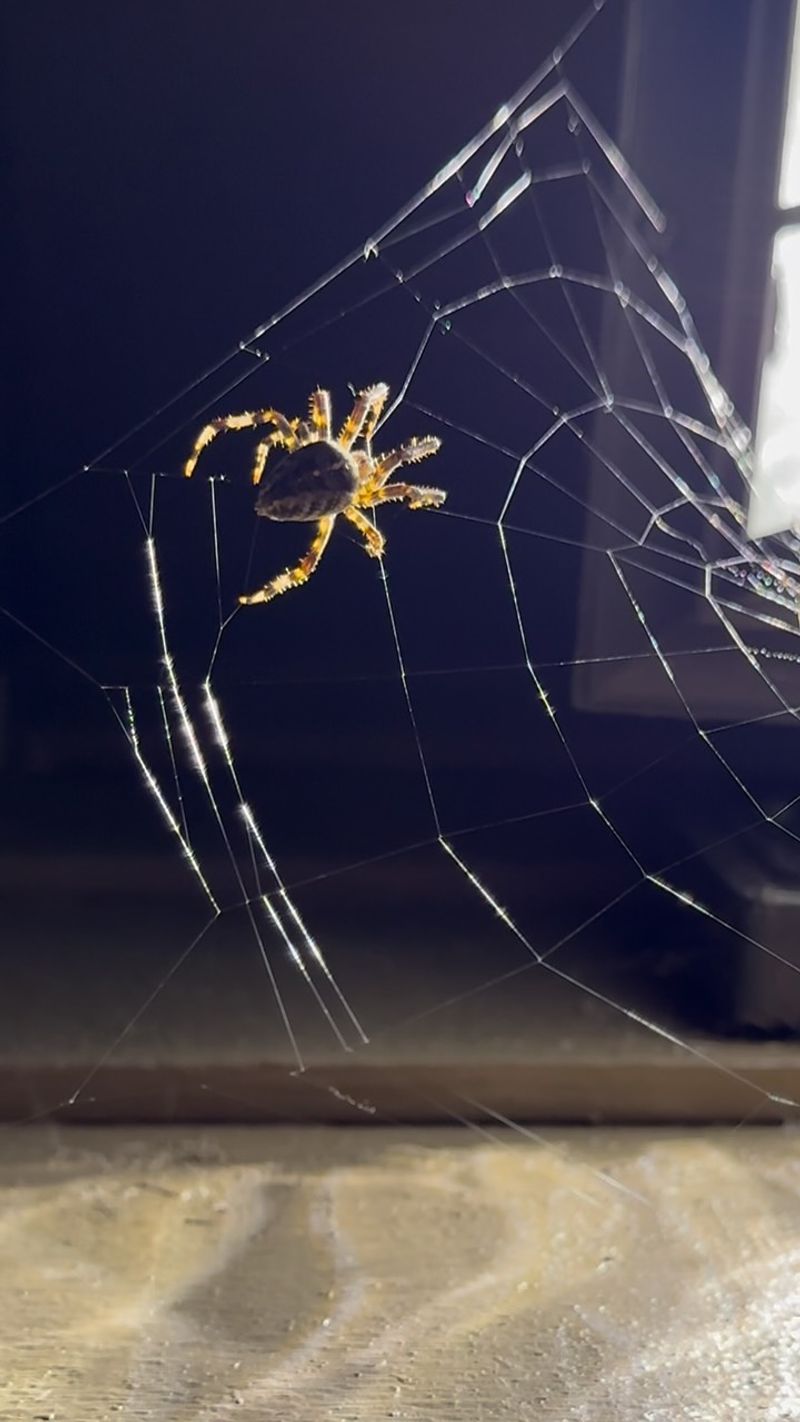
Talk about a strong work ethic! Many orbweavers tear down and rebuild their webs nearly every single evening.
As daylight fades, the spider begins her nightly construction project. She often eats the old silk first, recycling its proteins to make fresh threads.
Building a new web takes about thirty minutes to an hour. She starts with a bridge line, then adds spokes, and finishes with a sticky spiral.
Why go through all that trouble? Old webs lose stickiness, collect dust, and get torn by wind, rain, and struggling insects.
A fresh web catches more food, which matters a lot during busy fall nights. Females need plenty of energy to grow eggs before cold weather arrives.
Watching this process is one of the coolest free shows in your backyard. Grab a dim flashlight around sunset and find a spot where you saw a web earlier.
Keep your light low and steady so you do not disturb the builder. A red flashlight works best because many insects and spiders react less to red light.
Families in Virginia can turn this into a fun fall evening tradition. Pair it with hot cider on the porch and count how many webs appear.
If you knock a web down by accident, do not feel too guilty. Your eight-legged neighbor will likely spin a brand new one by tomorrow night.
They’re Harmless To People
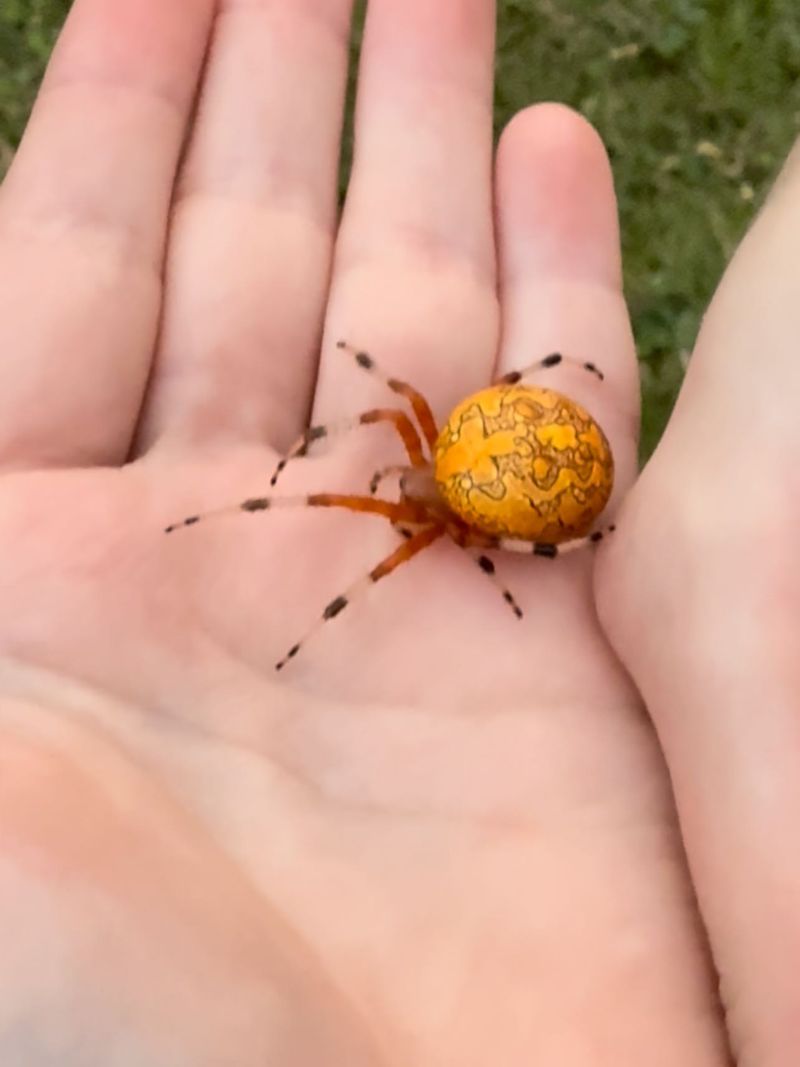
Despite their spooky reputation, pumpkin spiders are about as threatening as a candy corn. They much prefer hiding over confronting a curious human.
Like most spiders, marbled orbweavers do have venom for catching insects. However, their venom is very weak and poses no real danger to people or pets.
Bites are rare and usually only happen if someone grabs or squeezes the spider. Even then, most folks describe the feeling as a mild pinch, like a mosquito bite.
Washing the spot with soap and water typically takes care of things. A cold pack can ease minor swelling, and the redness often fades within a day.
People with allergies or unusual reactions should still check with a doctor, just to be safe. Severe reactions from this species are extremely uncommon, though.
Virginia does have one spider worth respecting, the black widow. Pumpkin spiders look nothing like it, with bright colors and big, open webs.
Teaching kids to look but not touch is a smart rule for any wildlife. Show them how to observe from a few inches away without poking the web.
A magnifying glass makes viewing even more exciting for young explorers. They can see the marbled patterns and tiny leg hairs up close.
Helping children feel calm around these spiders builds confidence outdoors. Fear often fades once kids learn how shy and helpful these creatures really are.
They Catch Mosquitoes And Garden Pests
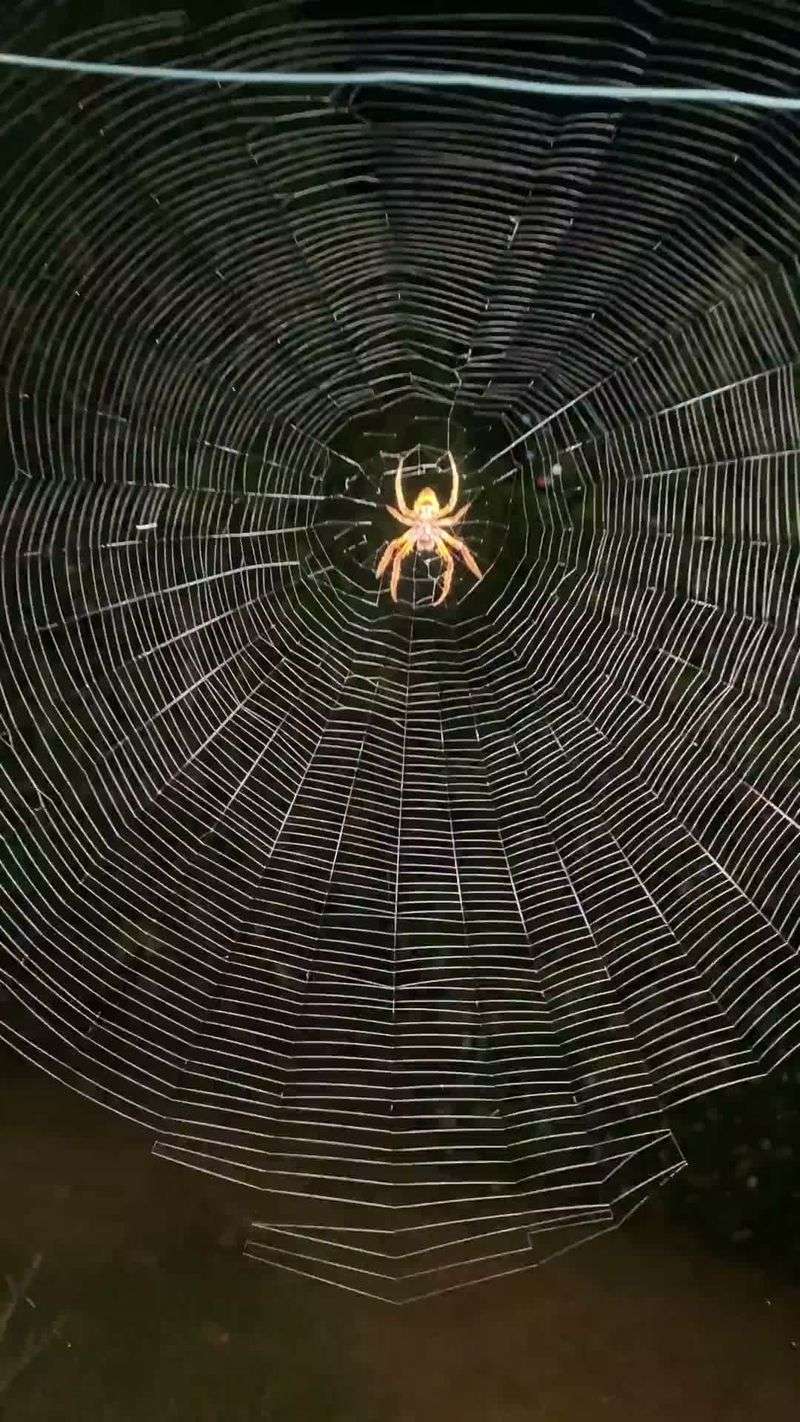
Imagine hiring a pest control crew that works for free every single night. Pumpkin spiders do exactly that, and they never send you a bill.
Their sticky webs trap all sorts of flying insects that bother people and plants. Mosquitoes, gnats, flies, and small moths often end up wrapped in silk.
Mosquitoes stay active well into fall across much of the state, especially near water. Every one caught in a web means one fewer itchy bite on your ankles.
Garden pests also make the menu, including some beetles and leafhoppers. Fewer pests can mean healthier tomatoes, peppers, and fall greens in your backyard beds.
A single orbweaver can catch dozens of insects in a good week. Multiply that by several spiders in your yard, and the numbers add up fast.
Chemical bug sprays often harm helpful spiders along with the pests. Cutting back on sprays lets these natural hunters do their job without interruption.
Want to welcome more of them? Plant native shrubs and tall flowers like goldenrod, asters, and coneflowers around your garden edges.
Those plants offer great anchor points for webs and attract plenty of insects. A slightly wild corner gives spiders a safe, cozy place to settle in.
Outdoor lights also draw insects, so a web near your porch is quite handy. Think of your pumpkin spider as a tiny, round security guard on duty.
Females Lay Eggs Before Their Life Cycle Ends In Late Fall
Every fall story has a bittersweet chapter, and the pumpkin spider has one too. Her season ends as the weather turns cold, but she leaves a gift behind.
Before the first hard frosts, the female finds a sheltered hiding spot. She chooses places like loose tree bark, curled leaves, or cracks in a wooden fence.
There she spins a soft, fluffy egg sac and fills it with hundreds of eggs. The silk protects them from wind, rain, and freezing winter temperatures.
After this final job, her life cycle comes to a natural close. Most adults in Virginia are gone by late November or early December.
Inside the sac, the eggs rest quietly through the chilly months. Tiny spiderlings hatch when spring warmth returns, often in April or May.
The babies spread out by releasing silk threads and floating on the breeze. Scientists call this travel trick ballooning, and some spiderlings drift surprisingly far.
Here is a gentle reminder for fall cleanup season. Check bark, fence posts, and dried plant stems before tossing them out or burning them.
If you spot a fuzzy, yellowish ball of silk, leave it where it is. Protecting it means you will likely have pumpkin spiders again next autumn.
Kids may feel a little sad learning about the life cycle. Remind them that each egg sac holds the next generation of backyard helpers.
Leaving Their Webs Helps Your Garden
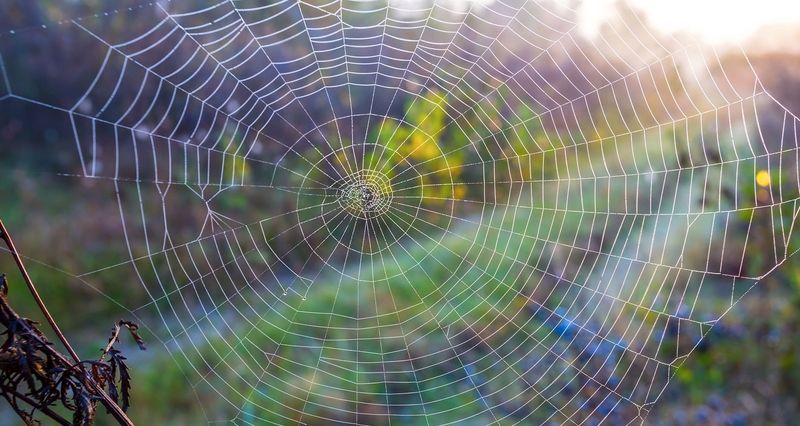
Sometimes the best gardening move is simply doing less. Letting pumpkin spider webs stay put offers real rewards for your yard and plants.
Each web acts like a living net that keeps insect numbers in balance. Fewer pests can mean less chewed foliage and stronger plants heading into winter.
Spiders also feed birds, lizards, and other wildlife that visit your space. A healthy spider population supports a busier, more lively backyard food web.
Gardeners across Virginia are embracing a softer approach to fall cleanup. Leaving some leaves, stems, and webs gives helpful creatures shelter through the cold months.
Of course, you do not need webs blocking your front door. Move webs gently with a stick if they sit right in a busy walkway.
Spiders often relocate a few feet away and build again the next night. Everyone stays happy, and your helpful neighbor keeps working.
Webs also make wonderful, natural Halloween decorations. Real dew-covered silk looks far prettier than the stretchy fake kind from the store.
Try skipping store-bought cobwebs this year and let nature decorate instead. Point out real webs to trick-or-treaters for a fun, spooky science moment.
Giving these spiders space is an easy way to help wildlife thrive. Your garden gains a free pest patrol, and your yard looks wonderfully festive too.