The Virginia Shrubs To Prune In September And The Ones To Leave Alone
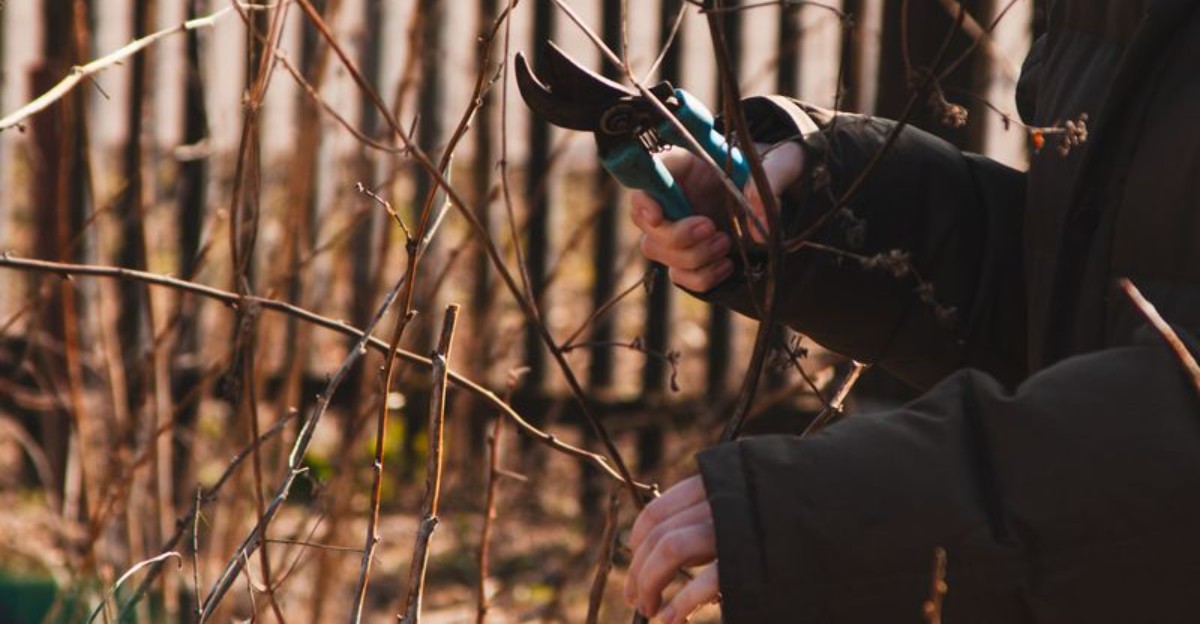
September is when many gardeners reach for the pruners, ready to clean up overgrown shrubs before winter arrives. But fall pruning is not a one-size-fits-all job.
Some shrubs can handle a careful trim, while others already have next year’s flower buds waiting on their branches. Cutting at the wrong time can mean fewer blooms and weaker growth when the season returns.
Virginia’s wide range of growing conditions makes timing even more important. A smart September approach means knowing which shrubs need attention and which ones are better left alone.
1. Lightly Prune Butterfly Bush After Its Summer Bloom
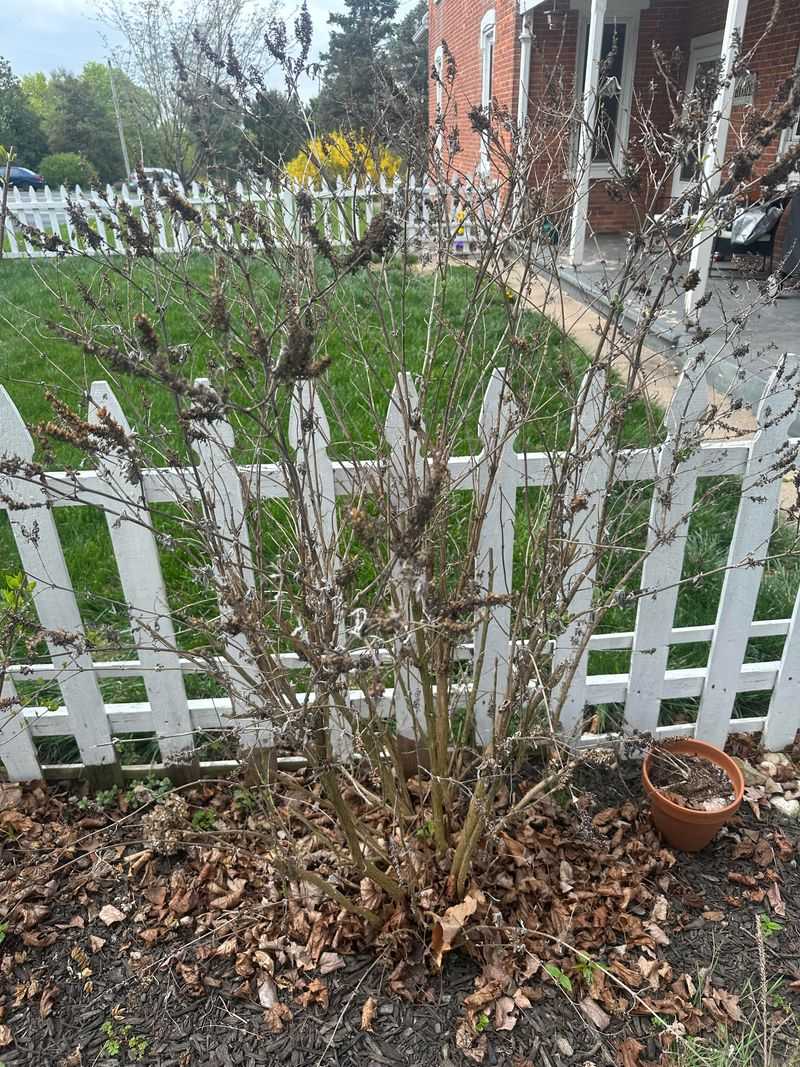
Few shrubs work harder in summer than butterfly bush. It pumps out cone-shaped flower spikes through summer and into fall, often continuing until frost, drawing swallowtails and hummingbirds all season.
Here is the good news for September cleanup fans: butterfly bush blooms on new wood. That means the flowers you enjoy next year come from stems that have not even grown yet.
Because of that habit, a light September tidy will not cost you blooms. Snip off faded flower spikes and trim any stems that flop into the walkway.
Keep the cuts shallow, though. Heavy fall pruning encourages a flush of soft new growth that has little time to toughen up before the first freeze.
Save the real haircut for spring. After the final frost, and before buds swell, you can cut the whole shrub back hard to encourage a dense, flower-loaded shape.
Removing spent flowers through July and August pays off in two ways. You get repeat flowers, and you reduce the amount of seed the plant scatters around your beds.
Gardeners in the warmer parts of the state, roughly Hampton Roads and the southeast corner, can be a bit more generous with a fall tidy. Folks in the mountains should lean conservative and simply wait.
A quick tip: use clean bypass pruners and cut just above a healthy pair of leaves. Ragged cuts invite trouble, and a smooth cut seals over fast.
September is for neatening, not remodeling. Let the shrub coast into fall looking sharp.
2. Shape Virginia Sweetspire For A Cleaner Fall Look
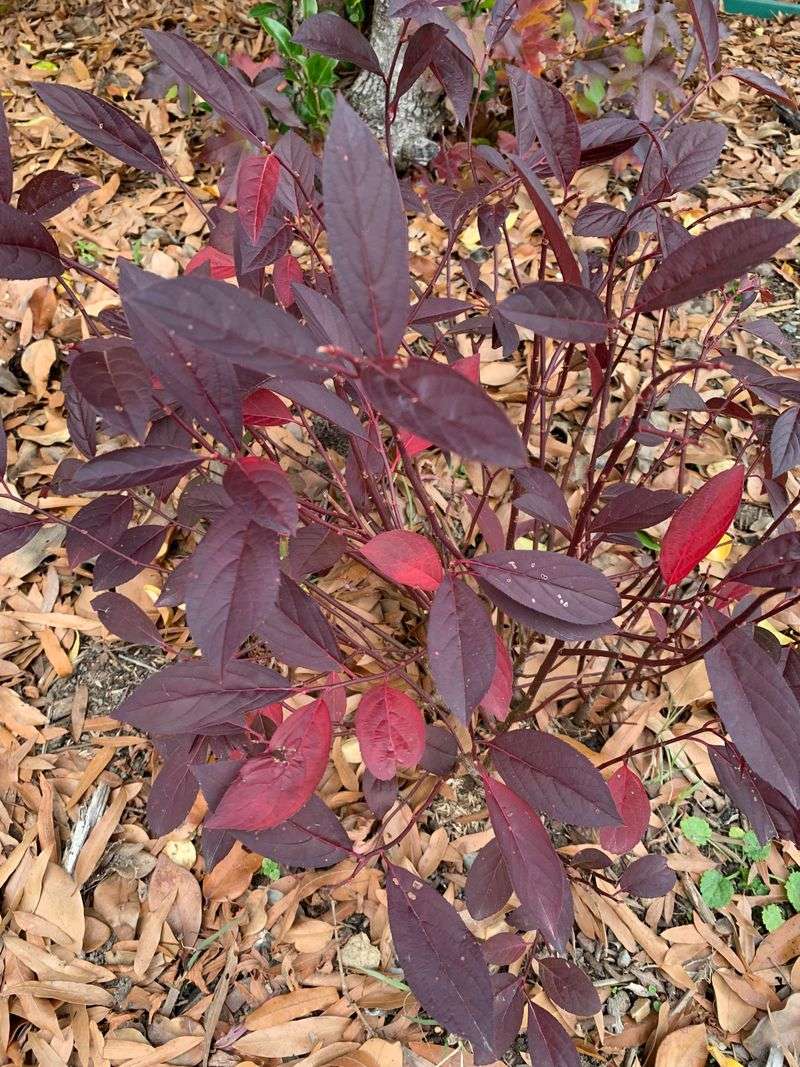
Named for the state itself, Virginia sweetspire is the kind of shrub that mostly takes care of itself. Its fragrant white flower spikes arrive in late spring, and by mid-September the leaves start glowing a rich maroon.
Before you reach for the shears, know this: Sweetspire blooms on old wood, meaning next year’s flower buds are already present before fall arrives.
So a September shaping session comes with a trade-off. You may get tidier lines this fall, but you will likely shave off part of next year’s bloom show.
The smarter move is restraint. Limit yourself to removing broken stems, stray runners creeping into the lawn, or a branch or two that blocks a path.
For real shaping, mark your calendar for right after flowering ends in early summer. Cutting then gives the shrub the rest of the season to form fresh buds.
Your Virginia Garden Changes Every Week. Your Plan Should Too.
Gardening in Virginia changes quickly throughout the season. Every Friday you’ll receive a simple weekly plan showing exactly what to plant, prune, fertilize, harvest, and protect so you never miss the right timing.
Early spring works too, before buds break, if you need to clear winter-damaged or crossing branches. Keep it light and purposeful either way.
Sweetspire spreads by suckers, which is part of its charm along streambanks and rain gardens. If a colony wanders too far, slice the runners with a spade instead of shearing the top growth.
One more reason to pause: that autumn color is the payoff for a whole year of growth. Trimming now means fewer of those burgundy leaves lighting up your yard.
Admire it in September. Prune it in June.
3. Tidy Summer Flowering Spirea After Its Main Bloom
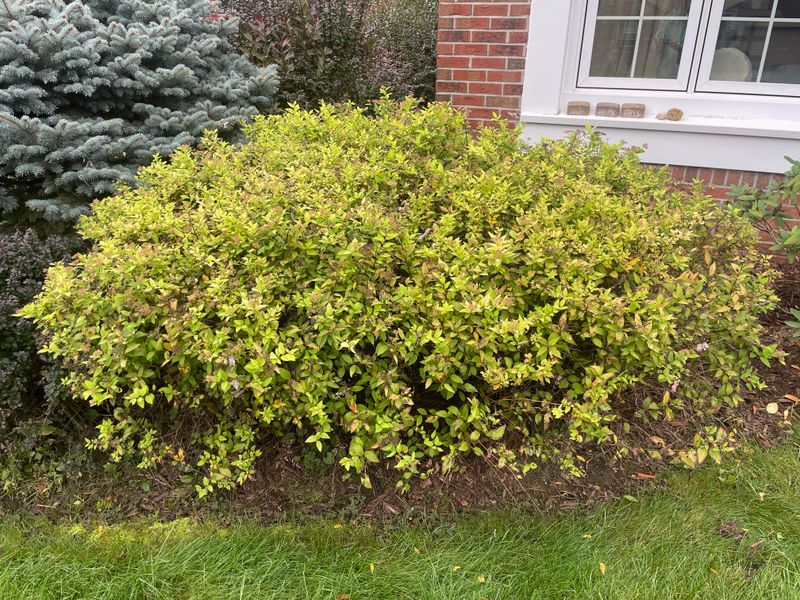
Spirea is the workhorse of countless foundation plantings, and by September it usually looks a little tired. Faded pink flower clusters turn brown, and the shape gets loose and leggy.
Good news: summer-blooming types such as Japanese spirea flower on new wood. Next season’s blooms come from growth that appears in spring, so a fall trim will not rob you of color.
A light cleanup now is perfectly reasonable. Clip off spent flower heads, thin out old woody canes near the base, and even out the silhouette.
Hold yourself to a simple limit. Remove no more than about one third of the plant’s height, and stop there.
Timing helps too. Waiting until after the first hard frost means the shrub is settling toward dormancy and will not push tender shoots that freeze later.
The heavy renewal cut belongs in late winter or early spring. That is when you can take an overgrown spirea back hard and watch it rebound with fresh, dense stems.
Pay attention to which spirea you own, though. Spring bloomers like bridal wreath flower on old wood, and cutting them in September erases next April’s white cascade.
A quick test: if the shrub bloomed in June, July, or August, it is fair game for a fall tidy. If it bloomed before Memorial Day, put the pruners down.
Removing spent flowers through the season keeps many spireas reblooming into September. It is five minutes of work for weeks of extra color.
4. Trim Beautyberry To Keep Its Growth Under Control
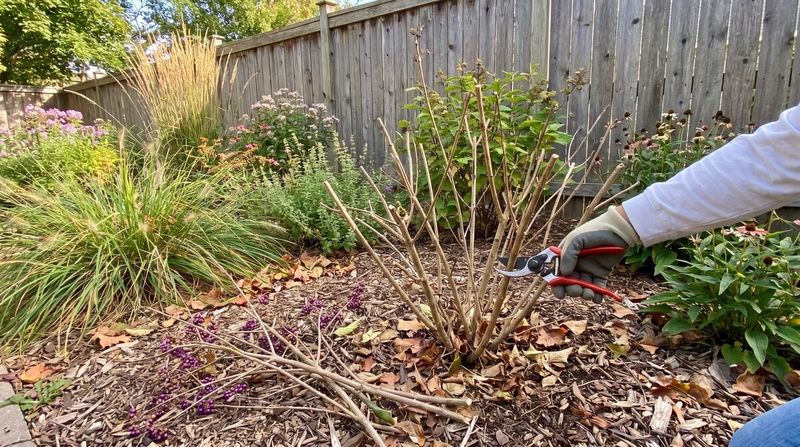
Nothing else in the September landscape looks quite like American beautyberry. Clusters of electric magenta fruit wrap around the stems like beaded bracelets, and birds notice fast.
That display is exactly why September is the wrong month for serious trimming. Cutting now means hauling the show off to the compost pile.
Beautyberry flowers and fruits on new growth each year, which gives you enormous freedom later. Late winter or early spring is prime time for size control.
Many gardeners cut beautyberry back heavily in late winter, sometimes removing most of the old stems to encourage fresh growth. It sounds drastic, and the plant loves it.
Hard spring pruning triggers vigorous fresh canes, which in turn carry heavier berry loads. A beautyberry left unpruned for years tends to sprawl and fruit less along bare, woody stems.
If a branch is blocking a walkway right now, go ahead and shorten it. Targeted snips for safety or access are fine any month of the year.
Beyond that, treat September as viewing season. Let the berries feed mockingbirds, catbirds, and cardinals through fall.
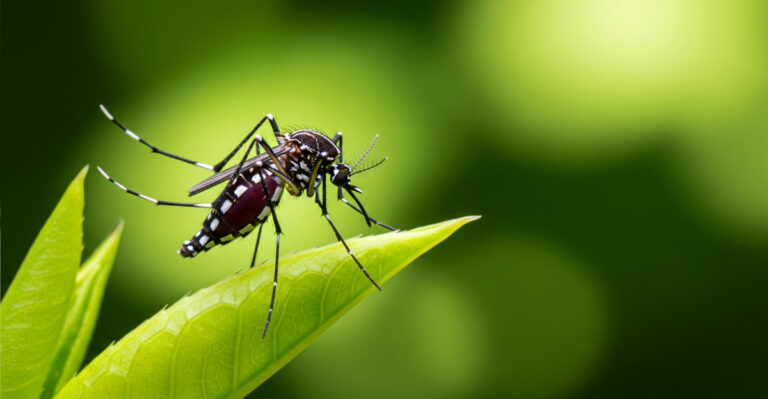
Fun detail worth knowing: crushed beautyberry leaves have a long folk history as a mosquito deterrent among Southern farmers, Virginia included. Researchers have identified compounds in the foliage that show mosquito-repellent activity in studies.
Plant it where you can see it from a window. Then leave the pruners in the shed until the berries fade and winter settles in.
5. Leave Forsythia Alone To Protect Next Spring’s Flowers
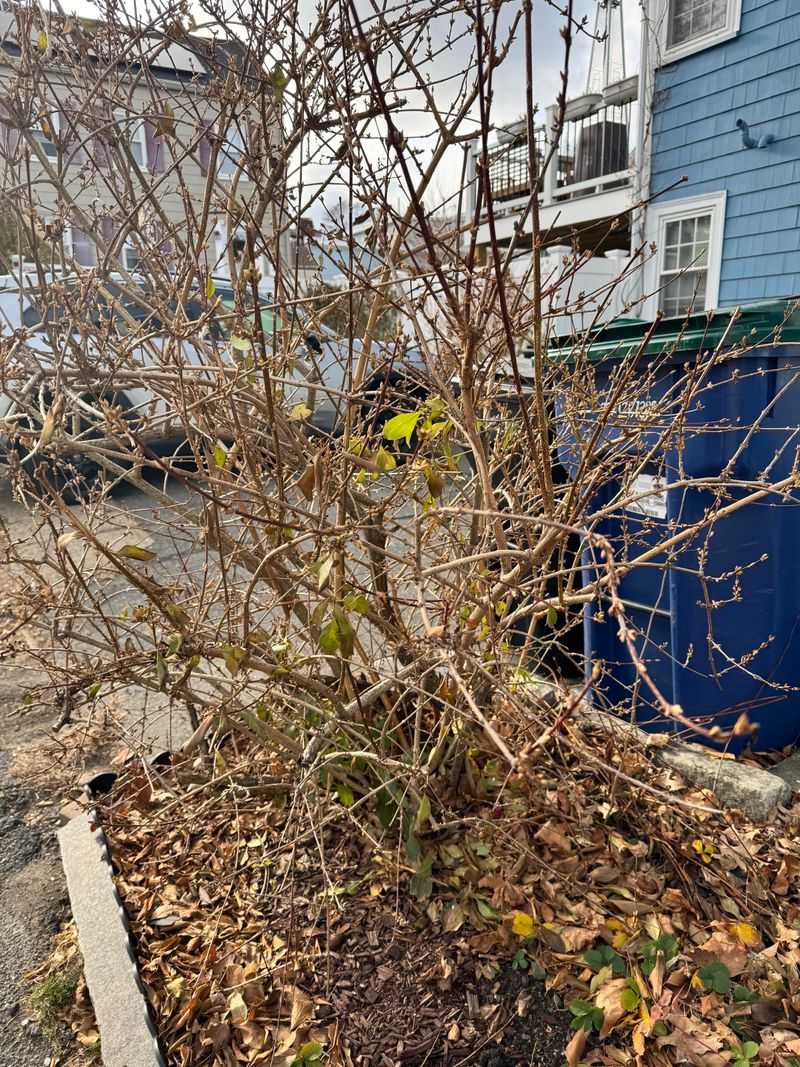
Picture that first burst of yellow along a roadside in March. Forsythia earns its reputation as the unofficial announcement that winter is loosening its grip.
Every one of those flowers traces back to buds formed the previous summer. By September, the buds are already sitting quietly along last year’s stems.
Take shears to the shrub now and you sweep those buds away. Spring arrives, the branches leaf out green, and the gold show simply does not happen.
The right window is late spring or early summer, right after the yellow fades. Prune then, and the plant has all summer to build a fresh set of buds.
When that window comes, thin from the base rather than shearing the top. Cutting a third of the oldest canes to the ground each year keeps the arching, fountain-like form that makes forsythia charming.
Shearing forsythia into a meatball, sadly common in subdivisions, fights its natural shape. The plant responds with a thicket of stubby twigs and fewer blooms.
September does allow one exception. Broken, rubbing, or sickly branches can come out any time, and removing them helps the shrub head into winter in better condition.
If yours is badly overgrown, plan a renewal cut for right after next spring’s bloom. You can take the entire shrub down to about six inches and let it rebuild.
For now, admire the green and wait. Patience here buys you an armload of March sunshine.
6. Keep Pruners Away From Lilacs Until After They Bloom
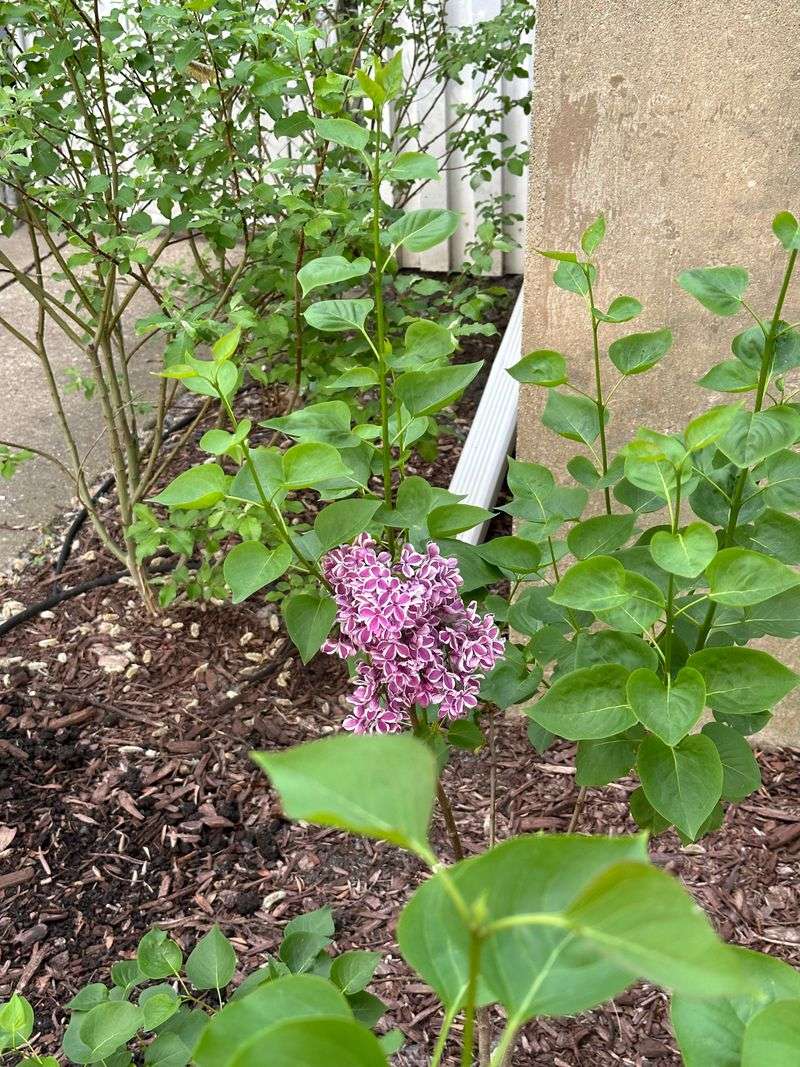
Ask anyone who grew up with a lilac by the back door and they will mention the scent first. That perfume is worth protecting, and September is when many gardeners accidentally sacrifice it.
Lilacs bloom on old wood, and they get to work fast. Flower buds for next spring form soon after the current year’s blossoms fade in May.
By the time September rolls around, those buds are locked in. Trimming the shrub now means cutting off the very tips holding next year’s clusters.
So the rule is simple: prune right after bloom, and only then. Late May through June gives the plant the whole summer to set new buds.
During that window, remove spent flower heads and thin out the thickest, oldest stems at ground level. Opening the center improves air flow, which matters in humid summers where powdery mildew loves crowded foliage.
Suckers popping up around the base can be pulled or cut whenever they appear. Managing those is not the same as pruning the flowering wood.
An overgrown lilac can be renovated over three years. Take out about a third of the oldest canes each spring after flowering, and the shrub gradually rebuilds at a reachable height.
One thing you can handle in September: clearing out broken limbs or branches with obvious problems. Everything else waits.
Resist the urge to neaten. A little self-control now equals a bouquet-filled porch in April.
7. Skip September Pruning On Azaleas To Preserve Spring Buds
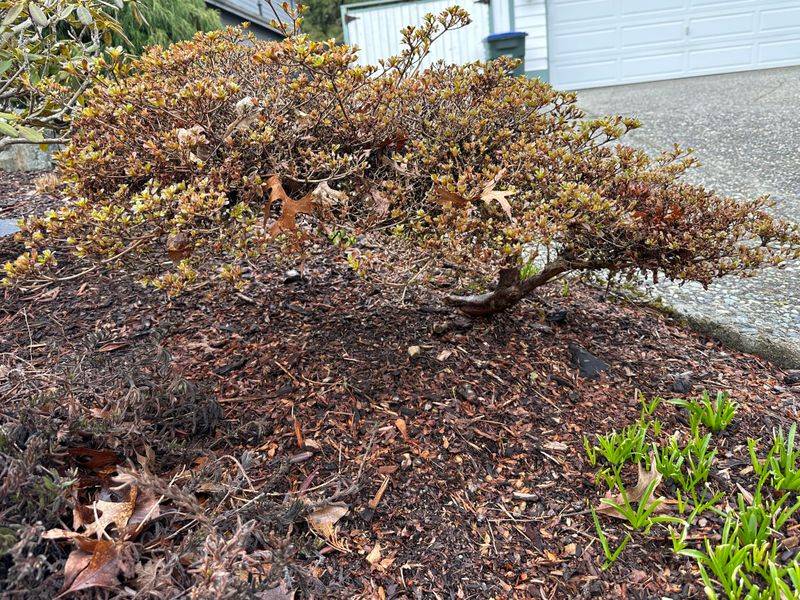
Azaleas practically define spring in Virginia, from Norfolk’s garden festivals to shady front yards in Richmond. Come April, whole neighborhoods glow pink, coral, and white.
Those blooms are already in motion right now. Azaleas set next year’s flower buds in late summer, generally between July and September.
Look closely at the branch tips and you can often spot them, small and rounded compared to the pointier leaf buds. Shearing in September clips them right off.
The plant itself will shrug off an accidental fall trim. What you lose is the flower show, and that loss lasts a full year.
Finish major azalea pruning soon after flowering, before late-summer bud formation begins. Right after the blooms fade in spring is even better.
When you do prune, reach into the shrub and make selective cuts rather than shearing the outer surface. Hand pruners produce a natural, layered look and let light reach interior branches.
Azaleas also appreciate a few non-pruning favors in September. A fresh inch or two of pine straw or shredded bark helps their shallow roots handle dry autumn stretches.
Reblooming varieties like the Encore series flower again in fall, which makes September trimming even less tempting. Let them finish their second act.
Declined twigs, storm damage, or a branch scraping the siding can be removed today without guilt. Everything cosmetic goes on next June’s to-do list.
Step back, enjoy the greenery, and plan ahead.
8. Leave Rhododendrons Untouched Before Their Spring Display
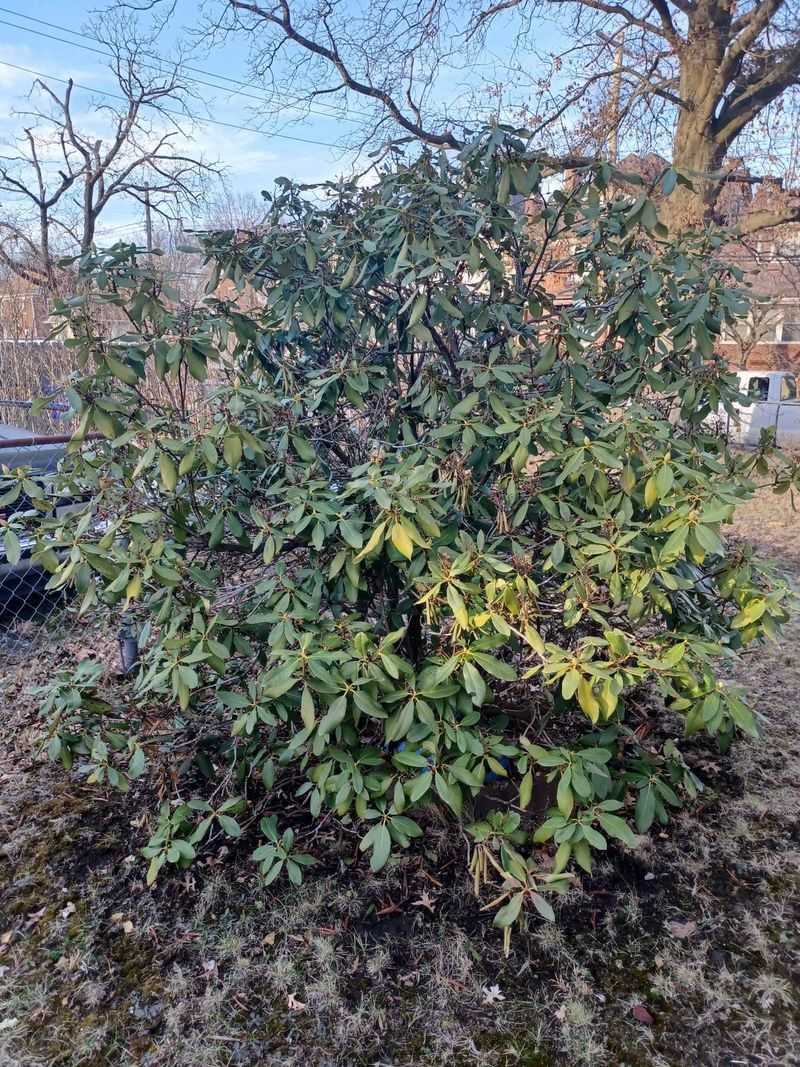
Rhododendrons carry their intentions right out in the open. Look at the branch tips in September and you will see fat, scaly buds already packed with next spring’s flowers.
Those buds formed back in summer and will ride out the winter exactly where they are. Pruning now hands them straight to the yard waste bin.
Timing matters here more than tidiness. The right window opens in spring, shortly after flowering ends, before new flower buds begin forming, depending on the variety and where you garden in the state.
Gardeners in the Blue Ridge and Shenandoah areas often see slightly later bloom times than those near the coast. Watch your own plants rather than the calendar.
When the moment comes, cut back to a visible growth ring or a whorl of leaves. New shoots emerge from those points and fill in nicely.
Snapping off spent flower trusses by hand is worth doing each spring. Be gentle, since the new buds sit right beneath the old bloom.
September energy is better spent on soil and water. Rhododendrons have shallow roots that suffer in dry falls, so a deep soak every week or two and a layer of mulch pay real dividends.
Broken or sickly branches can come out whenever you notice them, no seasonal rules attached. Clean cuts help the plant more than they cost it.
Otherwise, admire those chunky buds. They are a promise waiting for April.