What To Do If You Already Have A Banned Plant In Your Pennsylvania Yard
Many Pennsylvania homeowners have been surprised to learn that a shrub or tree they planted years ago is now on the state’s banned plant list.
Some of these plants were sold at garden centers for decades and were once considered perfectly normal landscape choices. So if one is growing in your yard right now, should you panic?
Not at all. In most cases, the rules focus on stopping the sale and spread of these plants, not punishing homeowners who already have them.
Still, there are good reasons to pay attention. Many banned plants are invasive, spreading seeds into nearby woods and crowding out native species that wildlife depend on.
Some can become harder and more expensive to remove the longer they stay. You have options.
With the right approach, you can manage, remove, or replace these plants while protecting your yard and the landscape around it.
1. Don’t Panic: Most Existing Plants Aren’t Illegal To Keep
Take a deep breath. Finding out your favorite yard tree is on a banned list does not mean anyone is coming to fine you. Pennsylvania’s rules are mostly about stopping these plants from spreading further.
The state’s noxious weed list was created to slow down harmful plants. Its main targets are sales, shipping, and new planting. Lawmakers know that thousands of yards already have these plants growing in them.
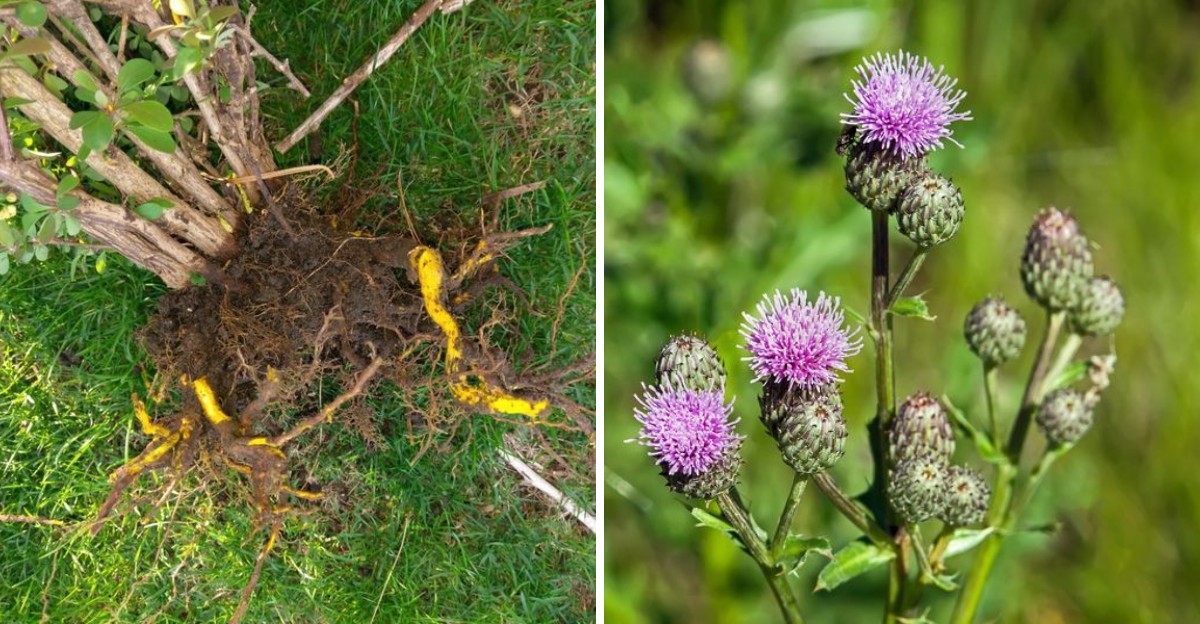
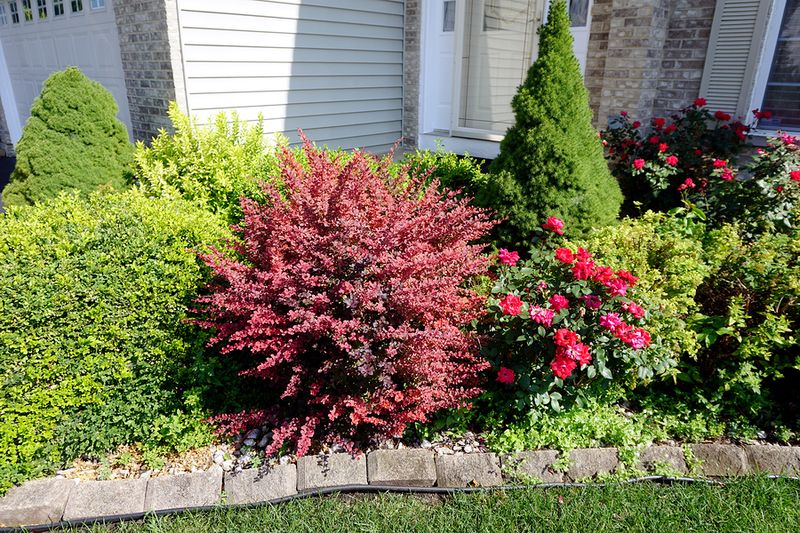
Two of the most common landscape plants on the list are Callery pear and Japanese barberry.
You might know Callery pear by names like Bradford pear or Cleveland Select. Japanese barberry is that thorny little shrub with red or purple leaves often seen along walkways.
According to the Lancaster County Master Gardeners, homeowners are encouraged to remove these existing plants. They are not required to do so. That is a big difference, and it gives you time to plan.
So what does that mean for you? You can keep the tree for now while you think about your options. You can also save up money for removal or wait for the right season.
Still, keeping a plant is not the same as ignoring it. These species can sneak into nearby woods and take over. Even if the law does not force you to act, your choices still affect your neighbors and local wildlife.
A good first move is simply to learn what you have. Snap a few photos of the leaves, flowers, and fruit.
Then compare them with pictures from Penn State Extension or the Pennsylvania Department of Agriculture.
Once you know the plant’s name, the next steps become much easier. Calm planning beats rushed decisions every single time.
2. Find Out Which Class Your Plant Falls Under
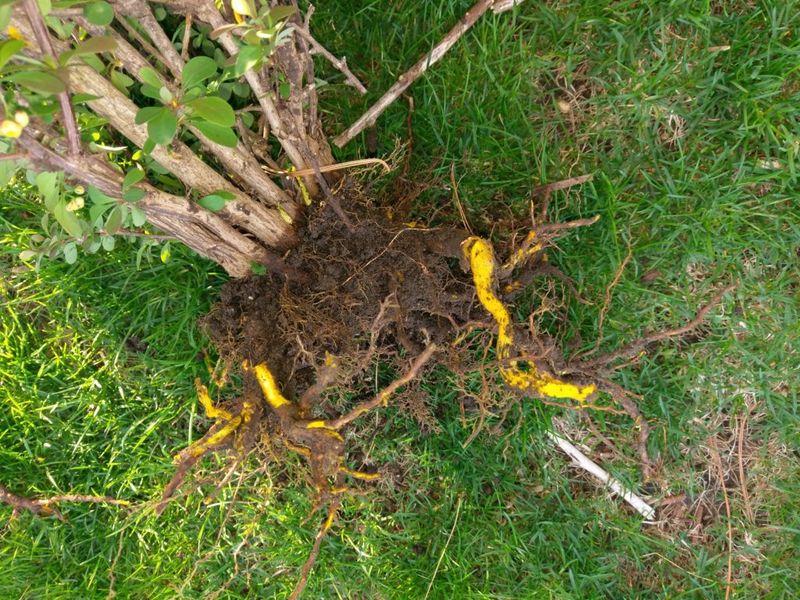
Not every banned plant is treated the same way. Pennsylvania sorts its noxious weeds into three groups called Class A, Class B, and Class C. Knowing your plant’s class tells you how serious the situation is.
Class A plants are the ones the state really wants gone. They are already in Pennsylvania, but only in limited areas. The goal is to wipe them out completely before they spread.
Class B plants are a different story. They are so widespread that getting rid of all of them is not realistic. Many common yard plants, like Japanese barberry, fall into groups where control and slowing the spread are the main goals.
Class C covers plants that are being watched or controlled in specific ways. Your county extension office can help explain which rules apply to each one.
Here is the part that matters most. If you think you have a Class A plant, do not try to handle it yourself. Call the Pennsylvania Department of Agriculture instead.
Giant hogweed is a perfect example. It can grow taller than a basketball hoop, with huge white flower heads shaped like umbrellas. Its sap can cause painful burns and blisters when skin is exposed to sunlight.
Fun fact: giant hogweed came from Asia and was first brought to North America as a fancy garden plant. People loved its dramatic size. Nobody guessed how much trouble it would cause.
Experts have the right gear and training to remove dangerous plants safely. They also track where these plants show up, which helps protect the whole state.
So before you grab gloves and a shovel, check the class. A quick phone call could save you a trip to the doctor.
3. Don’t Plant, Move, Or Spread It
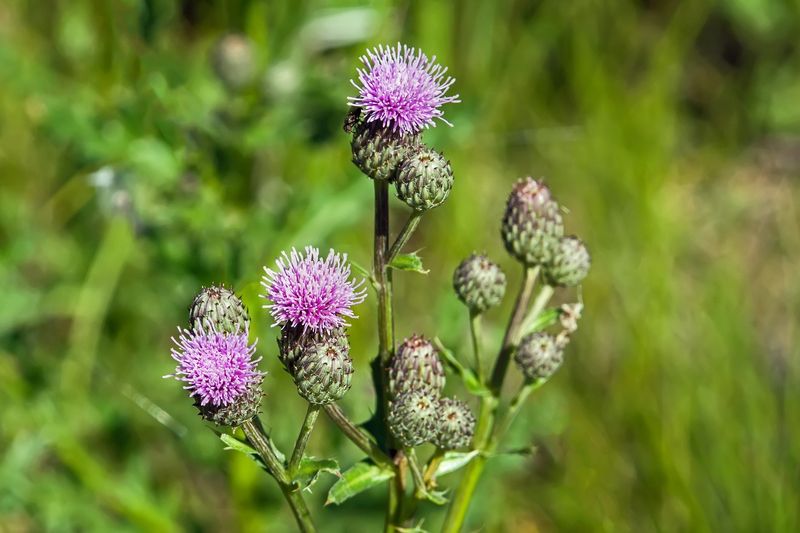
Your neighbor admires your bright red shrub and asks for a cutting. It feels friendly to say yes. With a banned plant, though, the answer has to be no.
Pennsylvania law bans noxious weeds from being sold, moved, planted, or propagated anywhere in the state. Propagated is just a fancy word for making new plants. That includes seeds, cuttings, and divisions.
It does not matter how long the plant has lived in your yard. Twenty years of history does not make it exempt. The rules apply to every new copy of that plant.
Here are some actions to avoid. Do not dig up the shrub and replant it somewhere else. Do not split it into smaller pieces for a new garden bed.
Also skip sharing cuttings with friends or family. Leave it out of plant swaps and yard sales. Even giving one away for free counts as spreading it.
Moving yard waste can be a problem too. Branches with seeds or berries can sprout wherever they land. Bag up trimmings carefully instead of tossing them into the woods behind your house.
Think of it like a cold you do not want to pass around. You may be stuck with it for now, but you can stop it from reaching others.
If friends love the look of your plant, point them toward a native option with a similar style. Many native shrubs have bright fall color or pretty berries. They often attract more birds and butterflies, too.
Following these simple rules keeps you on the right side of the law. It also helps slow the spread across your neighborhood and beyond.
4. Consider Removing It Before It Spreads Further
Drive along almost any Pennsylvania highway in April and you will see clouds of white blossoms in fields and forest edges. Many of those trees are Callery pears. Most of them were never planted by a person.
So how did they get there? Birds did the planting. Callery pear makes small, hard fruit that people cannot eat, but birds and small mammals gobble them up.
Those animals then carry the seeds far away and drop them in new spots. One tree in a front yard can lead to dozens of wild trees miles away. The wild ones often grow sharp thorns, too.
Once they take root, these trees form thick patches. They block sunlight and push out native plants. Animals that depend on native plants for food lose out.
Removing your tree is the best way to stop this cycle. Small trees and shrubs can often be pulled or dug out. Larger trees may need a professional arborist.
Cutting a tree down is not always the end. Some species send up new sprouts from the stump. Ask an expert about the best follow-up method for your plant.
Not ready to remove it yet? You still have a helpful option. Cut off the fruit and seeds before they ripen.
This step keeps birds from spreading the seeds while you plan. It takes some work each year, but it makes a real difference.
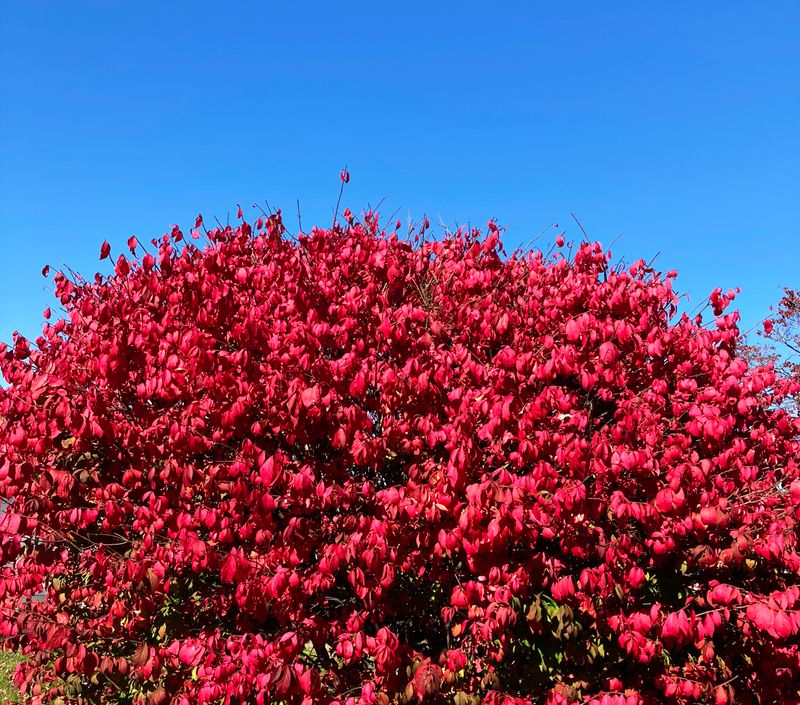
Barberry and burning bush spread the same way through their berries. Snipping off berries is a smart short-term fix for those shrubs as well.
Every plant you remove protects nearby parks, woods, and streams for years to come.
5. Get Help Through The State’s Replacement Program
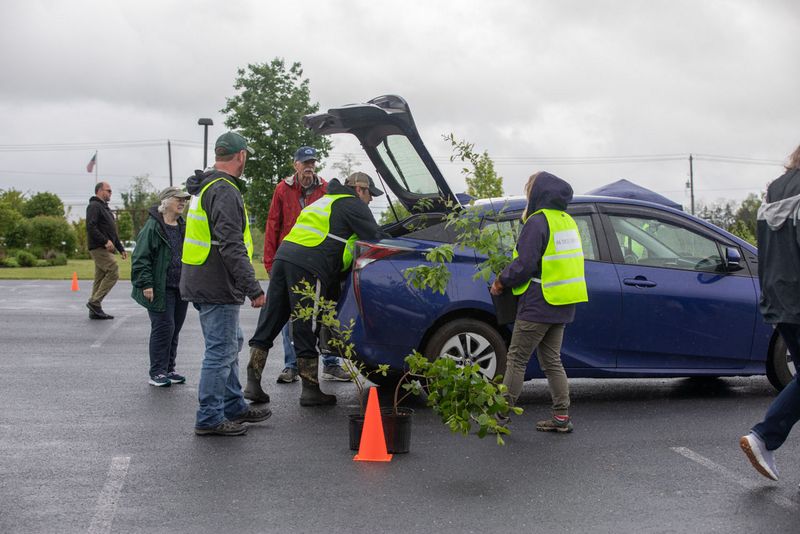
Good news for anyone worried about the cost. You do not have to handle removal all on your own. Pennsylvania has a program built just for homeowners like you.
It is called Invasive Replace-ive, and yes, the name is a clever play on words. The Pennsylvania Department of Agriculture runs it. The goal is to help people remove invasive plants and replace them with better choices.
Callery pear is one of the plants included in the program. That matters because these trees can grow quite large. Taking one down can be a big and pricey job.
Programs like this can offer support in different ways. Details may change from year to year, so check the Department of Agriculture website for current rules. You can also call your local extension office with questions.
Before applying, gather some basic information. Take clear photos of the plant you want to remove. Note its size and where it stands in your yard.
It also helps to think about what you want to plant afterward. Do you want shade, spring flowers, or berries for birds? Having a plan makes the process smoother.
Programs like this often have limited spots or funding. Signing up early gives you a better chance. Keep an eye on deadlines so you do not miss out.
Even if you do not qualify, the program pages are full of useful tips. They list helpful replacement plants and explain removal methods in simple terms.
Asking for help is a smart move, not a weakness. Teaming up with the state turns a tough chore into a shared effort for healthier communities.
6. Replace It With Native Or Non-Invasive Plants
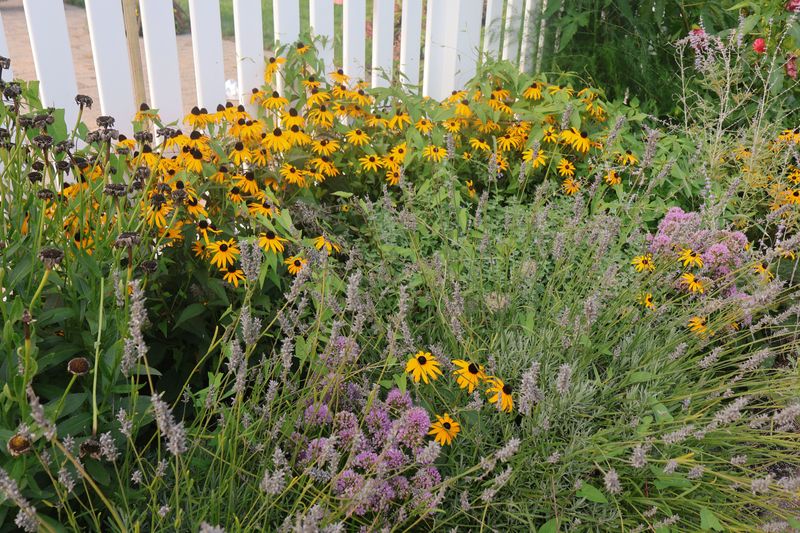
Here comes the fun part. An empty spot in your yard is a chance to plant something wonderful. The right choice can look just as pretty while helping local wildlife.
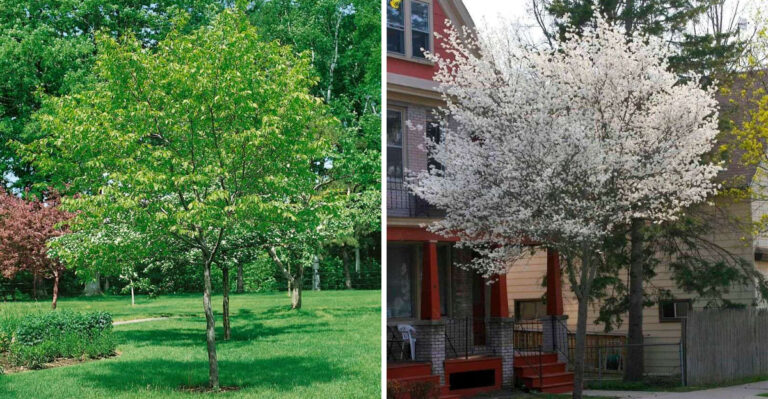
Penn State Extension says many native and non-invasive trees work well in place of Callery pear. Two favorites are serviceberry and eastern redbud. Both bring lovely spring color without the spreading problem.
Serviceberry covers itself in white blossoms early in spring. In early summer, it produces small purple berries. Birds love them, and people can eat them too, often in pies and jams.
Eastern redbud puts on a bright pink show. Its flowers pop right out of the bare branches before leaves appear. Later, it grows heart-shaped leaves that look cheerful all summer.
Did you know? Redbud flowers are edible and have a slightly sour taste. Some people toss them into salads for a splash of color.
Shrubs have great swaps as well. Winterberry is a native holly that loses its leaves in fall. Then it shows off bright red berries that last into winter.
Ninebark is another tough native shrub. Its peeling bark adds interest, and some types have deep purple leaves. It makes a fine stand-in for barberry or burning bush.
When shopping, ask your garden center for plants native to Pennsylvania. Check how big each plant will grow and how much sun it needs.
Native plants usually need less water and care once they settle in. They also feed bees, butterflies, and birds. Your yard becomes a small but mighty piece of the local ecosystem.