8 Plants That Look Great Next to Prickly Pear in Arizona Yards
Prickly pear is tough, but it looks even better with the right neighbors around it. The best partners handle 110-degree days, sip little water, and bring birds, bees, and color to your yard.
Some can even make your landscape less inviting to scorpions by skipping thick, damp cover. Here are eight desert plants that pair beautifully with prickly pear and actually work hard for your Arizona home.
1. Agave
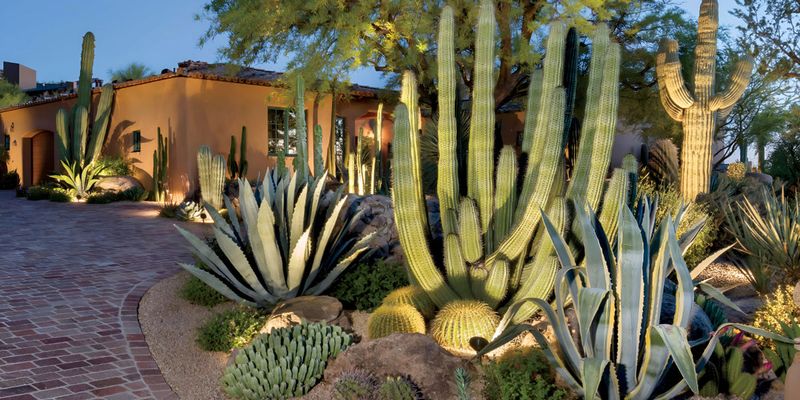
Picture a sculpture garden that never needs watering. Bold agave rosettes next to the round, flat pads of prickly pear create a contrast that stops neighbors on their evening walks.
Both plants love the same things: blazing sun, fast-draining soil, and being left alone. You can plant them side by side and water them on the same light schedule, which keeps your irrigation simple and your bill low.
Once roots settle in, many agaves get by on monsoon rain plus an occasional deep soak during long dry stretches.
There is a practical perk too. Agaves grow in open, airy clumps rather than thick, leafy mounds, so they offer fewer cool, damp hiding spots.
That can make the area around your patio a little less inviting to scorpions, especially when you keep fallen debris cleared away.
For smaller yards, try Parry’s agave or Queen Victoria agave, which stay compact. Larger spaces can handle the dramatic Weber’s agave.
Give each one room to spread, and keep sharp tips away from walkways where kids or pets play.
Fun fact: many agaves bloom just once, sending up a towering flower stalk that hummingbirds and bats visit at night. Plant in fall for the easiest start.
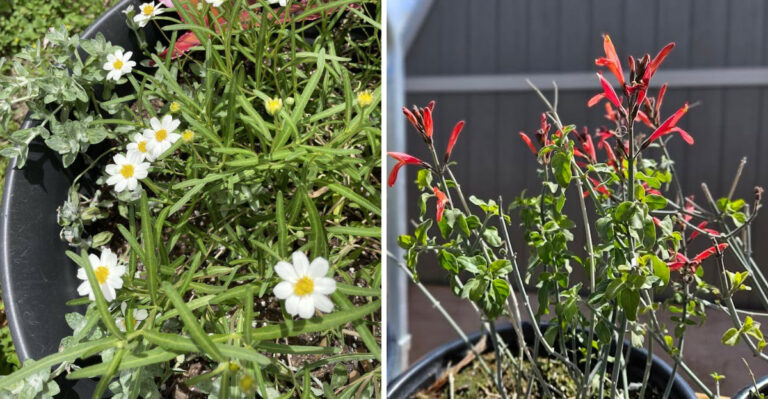
2. Desert Marigold
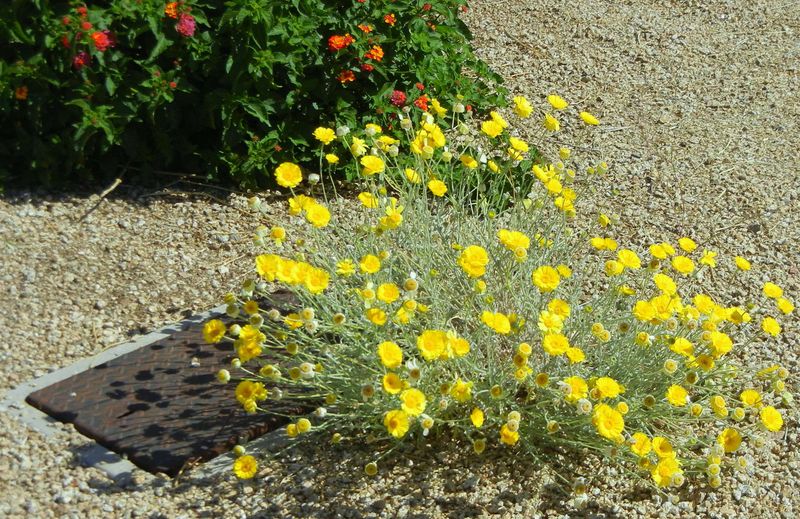
Sunshine yellow, all year long? Desert marigold comes surprisingly close.
Its soft, silvery leaves and cheerful daisy-like blooms can show up in spring and keep coming into fall after monsoon storms.
Tucked at the feet of a prickly pear, these low mounds fill bare gravel with color without stealing the spotlight. Plants only reach about one to two feet tall and wide, so they slip easily into borders, medians, and the hot strip along the driveway.
Poor, rocky soil suits them just fine.
Bees and small butterflies drift from flower to flower all day. Lizards like to bask on the warm ground nearby, adding a little more life to your yard.
Because desert marigold stays loose and needs very little water, it does not form dense, soggy cover where scorpions like to hang out.
Here is the secret to keeping them going: let a few flowers go to seed. Desert marigold reseeds itself in open spots, giving you free plants each season.
Too much water or rich soil actually shortens their life, so resist the urge to pamper them.
Scatter seeds or set out young plants in fall for the strongest spring show.
3. Globemallow
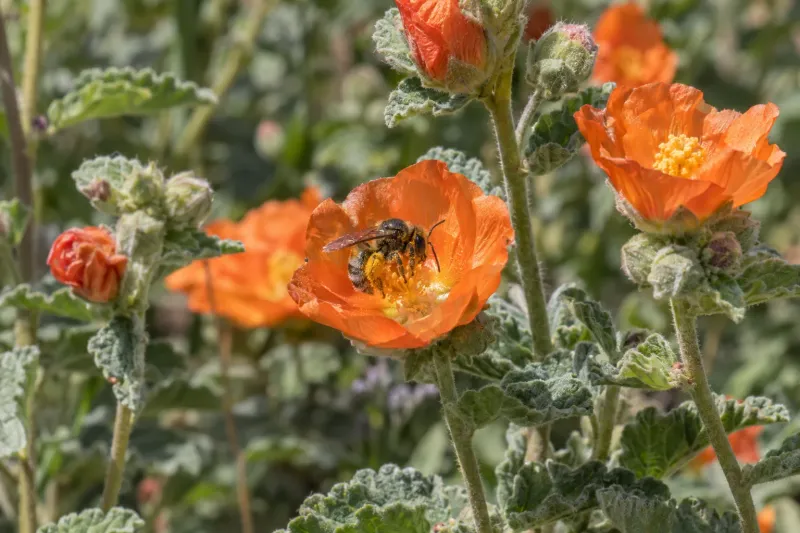
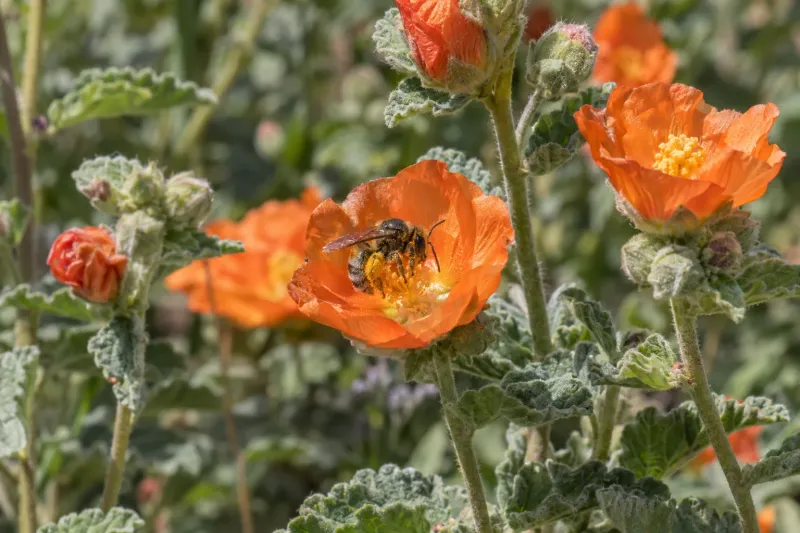
Orange is the color of a desert spring, and globemallow wears it proudly. Clusters of cup-shaped blooms in apricot, coral, or red pop against the green pads of prickly pear like a sunset in miniature.
Your Arizona Garden Changes Every Week. Your Plan Should Too.
Gardening in Arizona changes quickly throughout the season. Every Friday you’ll receive a simple weekly plan showing exactly what to plant, prune, fertilize, harvest, and protect so you never miss the right timing.
Gardeners love how easy it is. Globemallow grows up to about three feet tall, handles both sandy and clay soils, and shrugs off the alkaline ground found across Phoenix and Tucson.
Full sun and a light drink now and then are all it asks for once established.
Native bees adore it. In fact, some small bee species depend heavily on globemallow, so planting it gives local pollinators a reliable food source.
The plant also offers seeds and shelter for small critters, helping your yard feel more like a working habitat than a pretty picture.
One tip: trim plants back by about a third after the big spring flush. A light cut keeps them tidy and often brings a second round of flowers when temperatures cool.
Fuzzy leaves can bother sensitive skin, so wear gloves while pruning. Plant in fall or early spring, and expect a burst of orange that makes your prickly pear look even sharper.
4. Ocotillo
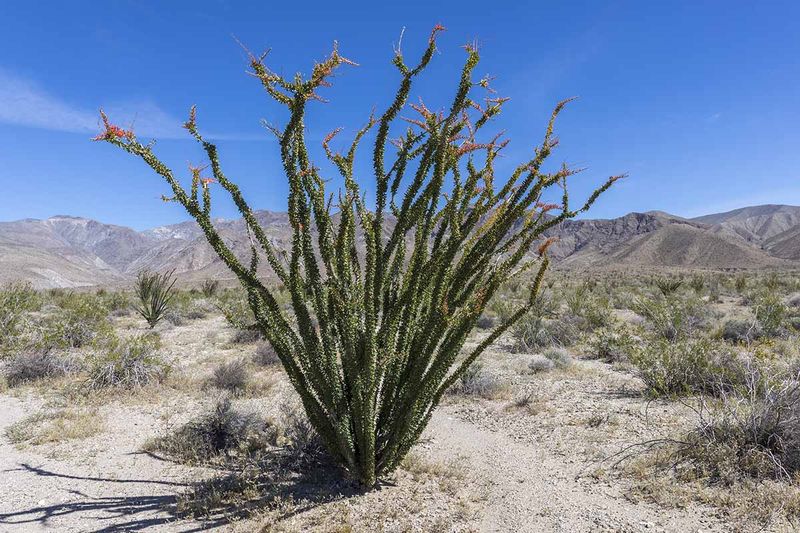
Looking like a bundle of thorny whips pointed at the sky, ocotillo adds height that prickly pear simply cannot. Place one behind a low cactus clump and you instantly get layers, drama, and a strong desert silhouette.
Watch closely after a good rain. Bare stems can leaf out in just a few days, then drop those leaves again when the soil dries.
In spring, bright red flower clusters appear at the tips, drawing hummingbirds and carpenter bees like a beacon.
Few plants handle Arizona heat this well. Ocotillo needs almost no extra water once established, and its open, airy frame never forms the thick cover where pests like to hide.
That makes it a smart choice for areas close to your home’s foundation.
Planting takes a bit of care. Buy from a nursery that sells legally harvested or nursery-grown plants, and set yours at the same depth it grew before.
Water lightly while it settles, but do not overdo it, since soggy roots are its biggest threat.
Many people also use rows of cut ocotillo stems as a living fence, which sometimes roots and sprouts. Plant in late spring or early summer when soil is warm.
5. Parry’s Penstemon
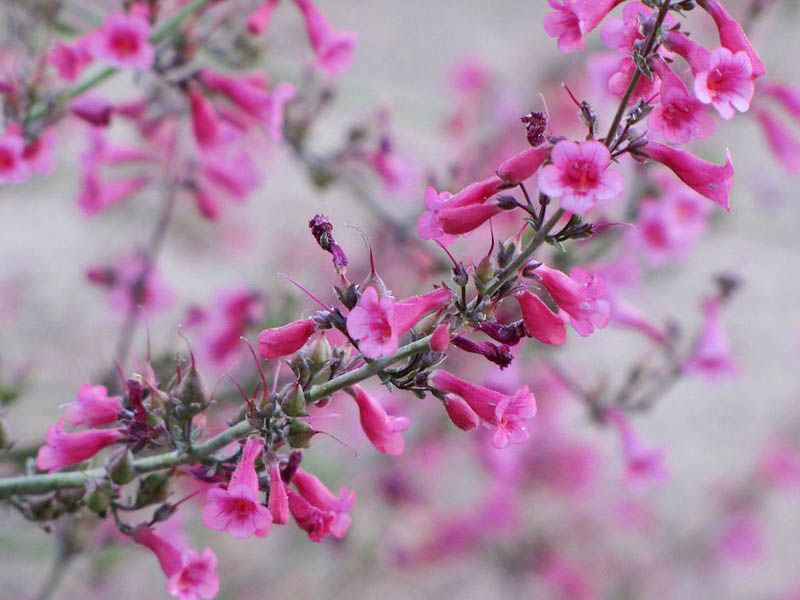
Ask any desert gardener for a classic pairing, and you will likely hear this one. Tall spikes of hot pink Parry’s penstemon rising beside prickly pear have been a Sonoran Desert favorite for years.
Blooms usually arrive from about February to April, right when hummingbirds are hungry and looking for nectar. Tubular flowers fit their beaks perfectly, and bees join in too.
Sit on your patio on a spring morning and you may catch a hummingbird zipping between spikes.
Growing conditions line up nicely with your cactus. Penstemon wants strong sun and sharp drainage, so plant it in a gravel bed or a slight mound rather than a low, wet spot.
Light watering during dry winters helps, but summer care is minimal.
Plants can be short-lived, often lasting a few years. The good news is that they reseed readily, so leaving spent stalks in place until seeds drop keeps your display coming back.
Cut them down afterward for a neater look.
For variety, mix in firecracker penstemon for red flowers or desert beardtongue for coral. Fall planting gives roots time to grow before spring bloom, which leads to the strongest flower show.
6. Desert Willow
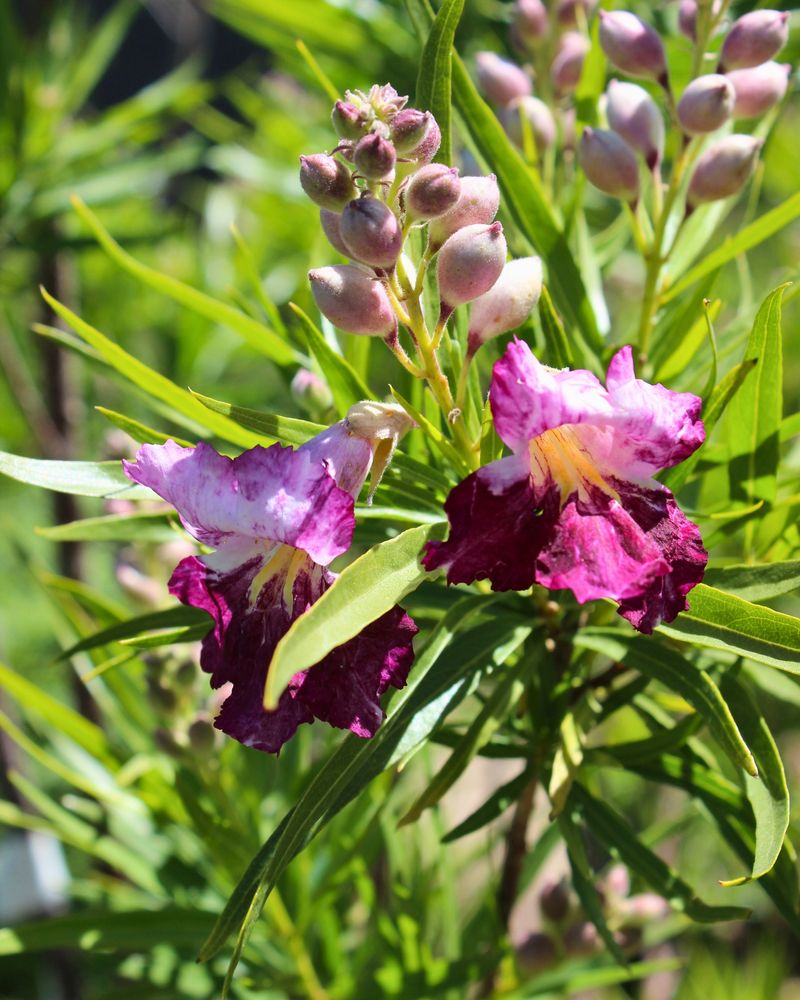
Summer afternoons in Arizona can feel brutal, and a little dappled shade goes a long way. Desert willow is a small native tree that delivers that relief, along with flowers that look almost too fancy for the desert.
From late spring through summer, orchid-like blooms in pink, lavender, or white cover the branches. Hummingbirds and butterflies flock to the nectar, while songbirds use the branches for perching and nesting.
Your yard quickly becomes a busier, livelier place.
Placed a few feet from a prickly pear patch, the willow adds a soft, airy canopy above stiff cactus pads. Its narrow leaves let filtered light through, so the cactus still gets plenty of sun.
The tree also cools nearby gravel and walls a bit, cutting reflected heat around patios.
Water needs drop sharply once it is established, usually after two or three summers of deep, occasional watering. Being deciduous, it loses its leaves in winter, letting warm sun reach your windows during cooler months.
Look for seedless varieties like Bubba or Timeless Beauty if you want less cleanup. Plant in fall or early spring, and you will have a hummingbird hangout within a season or two.
7. Black Dalea
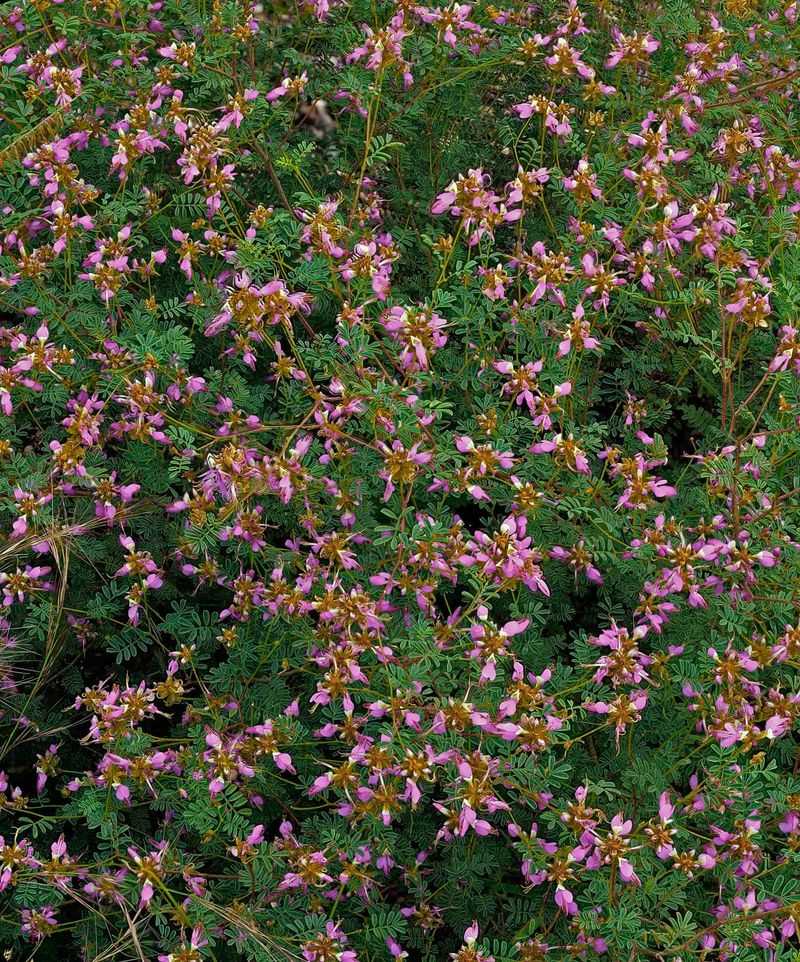
Soft and feathery, black dalea is the gentle balance your spiky prickly pear has been missing. Fine, gray-green leaves form a low, spreading mound that makes bold cactus pads look even more striking.
Small purple and white flowers cover the shrub in fall, with some types like broom dalea blooming in late winter and early spring. Bees and butterflies visit steadily, and seeds later feed quail, doves, and finches.
Few things beat watching a covey of Gambel’s quail scratching around your plants.
Underground, something helpful is happening. Daleas belong to the pea family and can add nitrogen to the soil, which may give nearby plants a small boost in tough desert ground.
That is a nice bonus for a plant that asks for so little.
Heat and drought barely bother it. Once settled, black dalea grows well with occasional deep watering, especially during long dry spells.
Use it on slopes, along walkways, or as a filler between larger cacti and agaves.
Avoid shearing it into tight balls. A loose, natural shape looks better and blooms more freely.
Plant in fall so roots get established before the long summer heat arrives.
8. Triangle-leaf Bursage
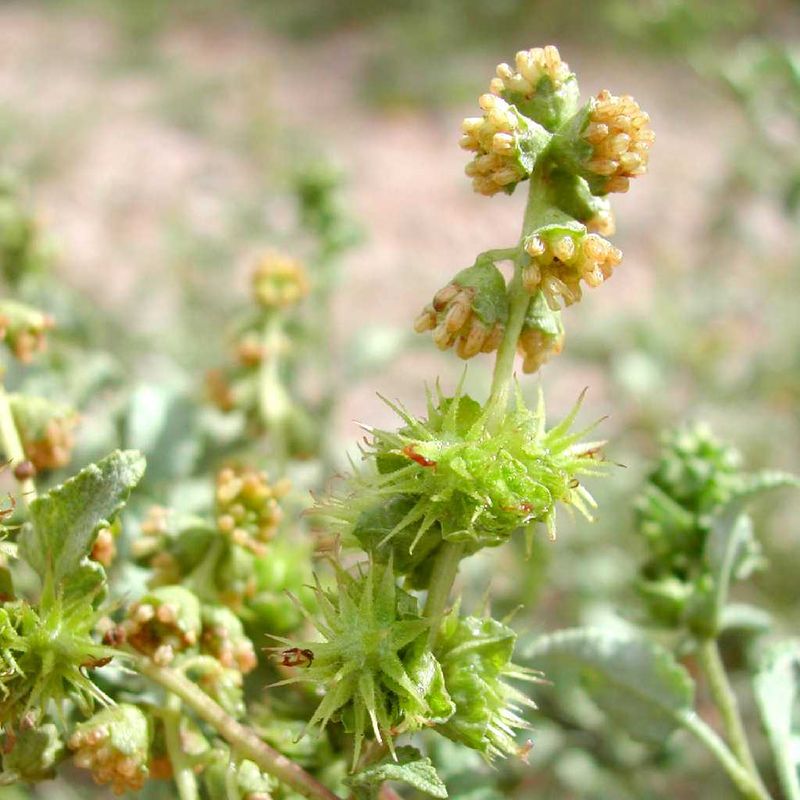
Hike almost any trail near Phoenix and you have walked past triangle-leaf bursage without noticing. Humble as it looks, this little shrub is one of the desert’s quiet heroes.
Botanists call it a nurse plant. Its rounded form shades young cactus seedlings and other natives from harsh sun and hungry animals, helping them get started.
In your yard, it can play the same role for baby prickly pear pads or small cacti you are trying to establish.
Plants grow around two feet tall and three feet wide, with soft, grayish leaves. Flowers are small and greenish, so the real value is texture and function rather than color.
Bursage softens hard gravel areas and cuts down on reflected heat near walls and walkways.
Wildlife benefits too. Insects and small lizards find shelter around the base, and that food chain may invite roadrunners to patrol your yard.
Roadrunners are known to snack on lizards, insects, and even scorpions.
Care is close to zero. Bursage thrives in rocky soil with little or no irrigation once established.
Allergy sufferers should know it releases pollen in spring, so plant it away from windows. Fall is the best planting time.