Why Maryland Deer Suddenly Start Showing Up In Yards At Midday This Time Of Year
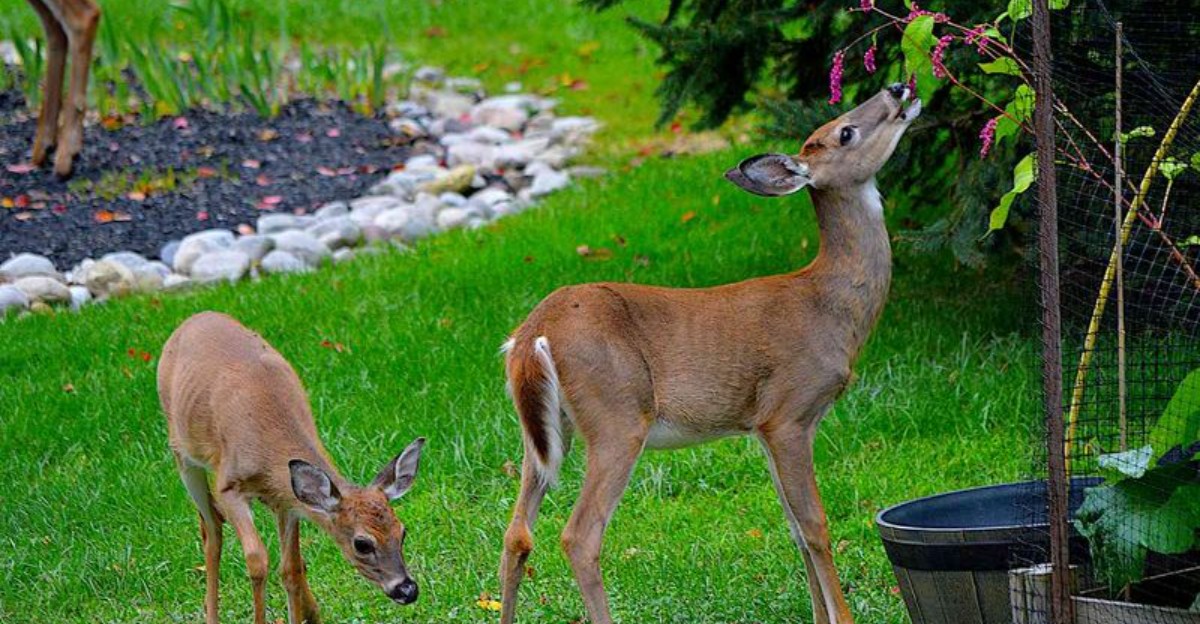
A buck in the middle of a Maryland lawn at noon is not lost. He is on a mission, and his brain chemistry changed weeks ago because the days got shorter.
I still remember the first time one strolled past my kitchen window during lunch. He barely glanced at my mums. He had bigger plans, and I had a sandwich halfway to my mouth.
Deer usually prefer the soft light of dawn and dusk. That habit keeps them safer and hidden. So when they start wandering around in bright sunshine, something powerful is pulling the strings.
You’re in for a surprise once you learn how much of that pull comes from a calendar written in sunlight. Food, crowding, and even hunters play their parts too. So what turns a shy forest animal into a daytime yard guest?
Those Midday Bucks In Your Yard Are Following An Ancient Calendar
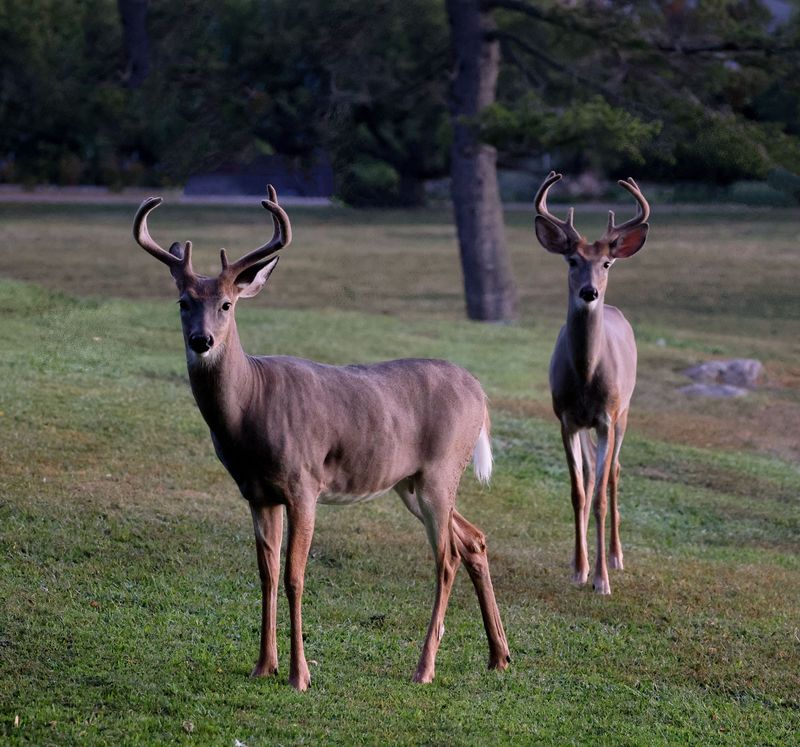
Sunlight is the secret clock behind all of this. As autumn days shrink, deer bodies notice the change through a process called photoperiod. Less daylight triggers hormone shifts that prepare them for breeding season.
Biologists with the Maryland Department of Natural Resources explain that deer are crepuscular. That fancy word just means they are most active around dawn and dusk. For most of the year, they spend bright midday hours resting in thickets, hedgerows, and wooded edges.
Then fall arrives, and the routine starts to wobble. Bucks grow restless, their necks swell, and they begin rubbing antlers on young trees. You may spot shredded bark on a sapling near your garden before you ever see the deer itself.
I love how predictable this shift is once you know what to watch for. It is not random wandering or a sign that something is wrong with the herd. It is a yearly pattern tied closely to the sun.
So when you see a deer crossing your yard at lunchtime in late October or November, check the calendar. The timing tells most of the story. Ask yourself one question, too. Does that visitor have antlers?
The White-Tailed Deer Rut Turns Bucks Into Daytime Wanderers
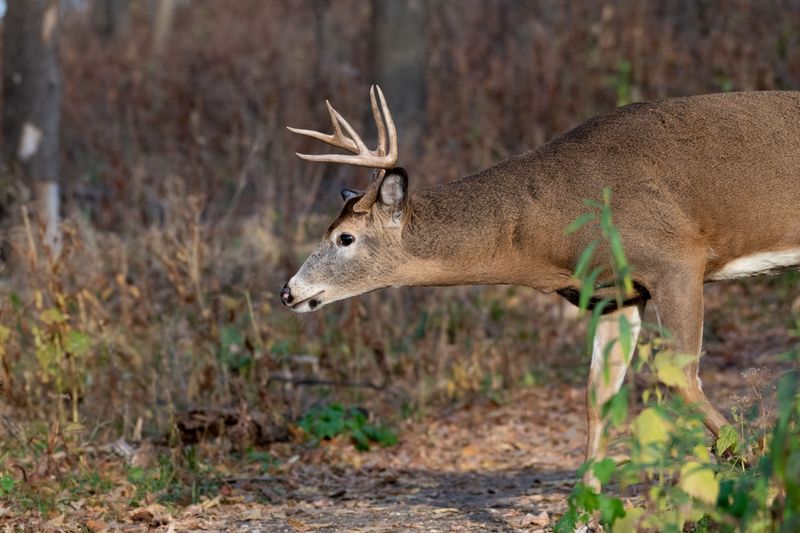
Breeding season, known as the rut, is the biggest reason for those surprise lunchtime sightings. In Maryland, the rut builds in mid-October, peaks through much of November, and tapers into December.
During this stretch, bucks drop their careful habits. They travel far beyond their normal home ranges searching for does. Hunters and biologists describe phases called seeking and chasing, when bucks move almost nonstop, day or night.
A buck in full rut often eats very little and loses noticeable body weight. That shows how strong the drive is. Safety takes a back seat, so crossing an open lawn at noon suddenly seems like a fine idea.
Does get swept into the action too. A pursued doe may dash through backyards, fences, and cul-de-sacs with a buck trailing behind. That chase is why you sometimes see two or three deer racing past at once.
Your Maryland Garden Changes Every Week. Your Plan Should Too.
Gardening in Maryland changes quickly throughout the season. Every Friday you’ll receive a simple weekly plan showing exactly what to plant, prune, fertilize, harvest, and protect so you never miss the right timing.
Personally, I find this the most entertaining part of fall wildlife watching. Keep your binoculars by the window. Look for a buck with his nose low to the ground, trotting steadily. He is following a scent trail, and your yard just happens to sit along his route.
Drivers Need Extra Caution When Deer Cross Roads In Daylight
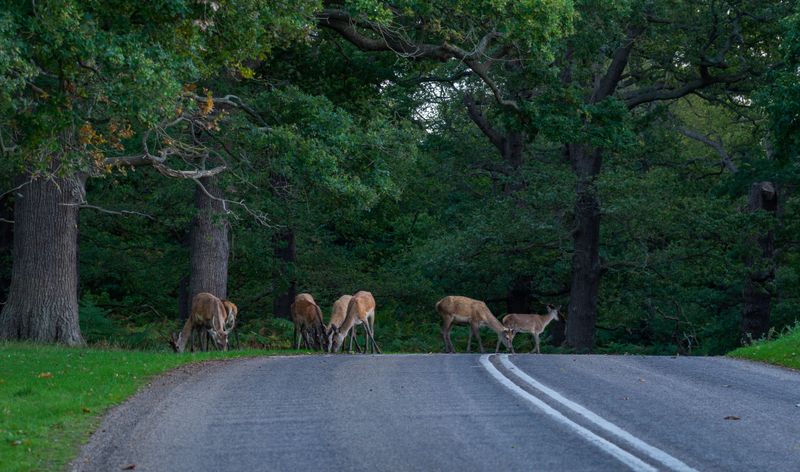
Watch the roads closely this season. The same restless movement that brings deer into yards also sends them across streets. Maryland officials regularly warn drivers that deer collisions climb in October, November, and December.
Most crashes still happen around dawn and dusk. During the rut, though, a deer can bolt from a hedge at any hour. A buck focused on a doe pays little attention to traffic.
Here are some simple habits that help. Slow down near wooded edges and fields. Scan the shoulders, not just the lane ahead. If one deer crosses, expect another to follow, because chases and family groups travel together.
Wildlife safety experts also advise braking firmly and staying in your lane rather than swerving. Swerving can send a car into oncoming traffic or a tree, which often causes worse injuries than hitting the deer.
I keep this in mind on my morning school run and errands. A deer in a field at 1 p.m. is not unusual right now. If you do hit one, move to safety, call the police, and report it. Your insurance company will want that record too.
Fading Acorns And Browse Send Hungry Deer Toward Garden Shrubs
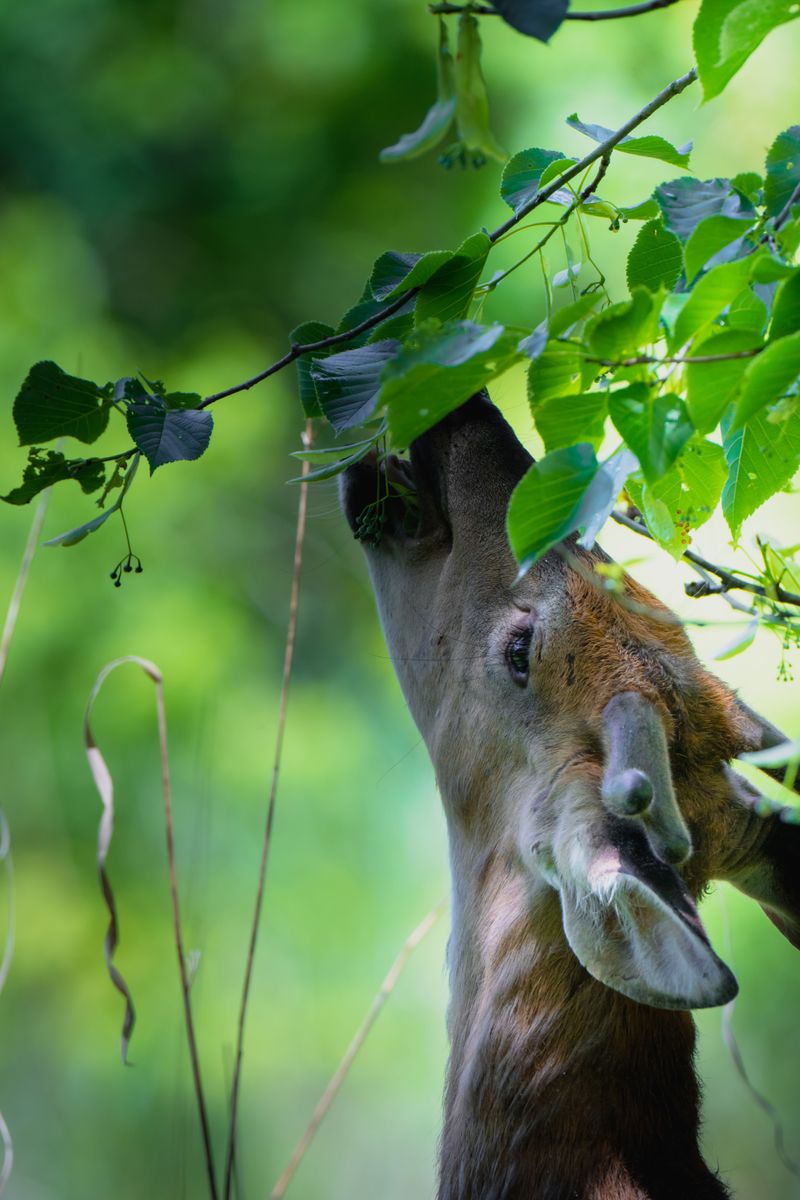
Acorns are deer candy. In good mast years, oaks drop piles of them, and deer happily stay in the woods eating. In poor years, the supply runs short fast, and deer roam wider for food.
Fall is also when deer bulk up for winter. They shift from summer grasses and leafy plants to richer foods like acorns, woody twigs, and leftover crops. Your yard may offer an easy menu of tender shrubs and late plantings.
Evergreens like arborvitae, yews, and azaleas are favorite targets as the season cools. Fresh pansies and newly planted bulbs can disappear overnight, or now even at lunchtime. Hostas usually finish by fall, but their memory lingers with local deer.
Look for clues to confirm who is snacking. Deer have no upper front teeth, so they tear plants and leave ragged edges. Rabbits leave neat, angled cuts lower to the ground.
You need to know this pressure grows as winter approaches. Food shrinks, but appetites do not. A deer that finds a reliable buffet in October will often return all winter long. Spotting early browsing gives you time to act before your favorite shrubs get pruned down to sticks.
Hunting Season Pressure Pushes Deer Into Quiet Neighborhoods
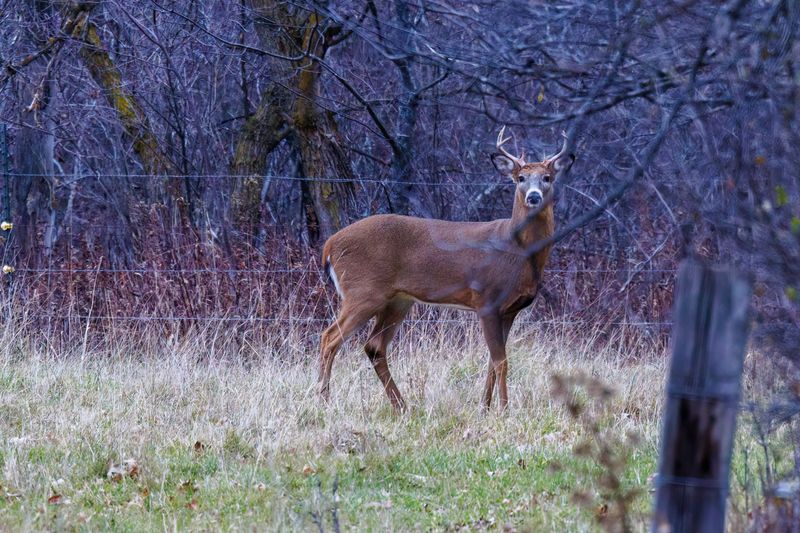
Deer are smart about danger. Maryland deer seasons for archery, muzzleloader, and firearms run through fall and winter, overlapping the rut. Activity in the woods gives deer good reason to look for quieter spots.
Neighborhoods can feel like safe zones. Many suburban areas have local rules limiting or banning hunting near homes. Deer quickly learn where pressure is low, and some slip into backyards, parks, and greenways during the day.
Researchers have documented deer shifting their movements in response to hunting pressure. This is a plausible piece of the midday puzzle, though it varies from place to place. The rut and food still carry more weight in most cases.
Here is a fun bit to share. Some suburban deer barely react to people at all. They have grown used to dog walkers, kids on bikes, and lawn mowers, so daytime crossings feel normal to them.
I believe this mix of factors explains why one yard sees constant visits while another nearby sees almost none. Check the latest DNR hunting guide if you want exact season dates for your county. Knowing the schedule helps you predict busier weeks in your own backyard.
Suburban Deer Herds Have Grown Bigger Than Many People Realize
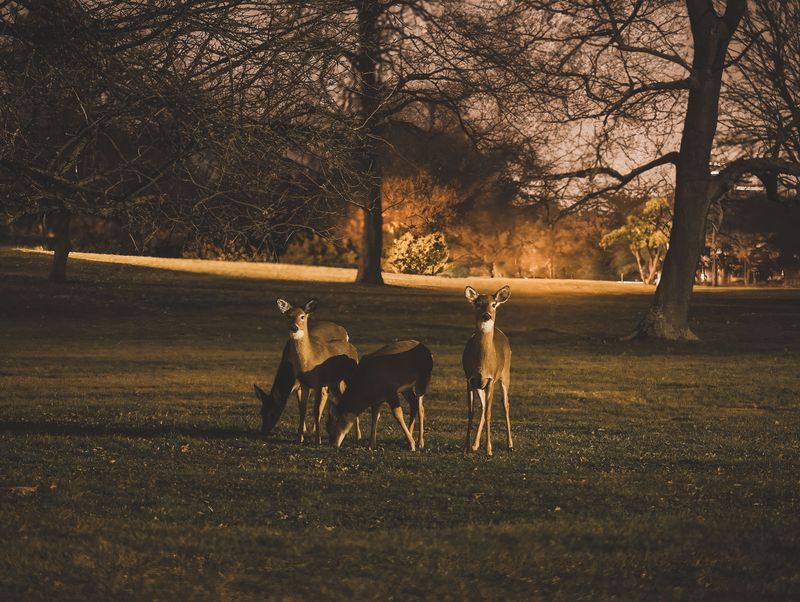
Back in the early 1900s, deer were scarce across much of the region because of overhunting and habitat loss. Restoration efforts changed that. Today, the Maryland DNR estimates the statewide herd at between 200,000 and 250,000 animals.
Suburbs are especially cozy for deer. Woodlots, stream buffers, parks, and landscaped yards create endless edges, which deer love. Natural predators like wolves and cougars are long gone, so few things keep numbers in check besides hunting and cars.
More deer in a small area means more competition for food and more movement between patches. Densities in some suburban spots can be much higher than in rural farmland. That crowding naturally raises the odds of a midday yard visit.
Regions differ a lot, too. Central counties with heavy development see different patterns than western mountain forests or Eastern Shore farm country. Your local situation shapes how often deer appear.
Counting deer is tricky, so treat any number as an estimate. Still, the bigger picture is clear. With so many deer sharing space with people, seeing them in daylight has become part of suburban life. Your yard is likely part of their neighborhood map.
A Tall Deer Fence Protects Your Garden Better Than Any Spray
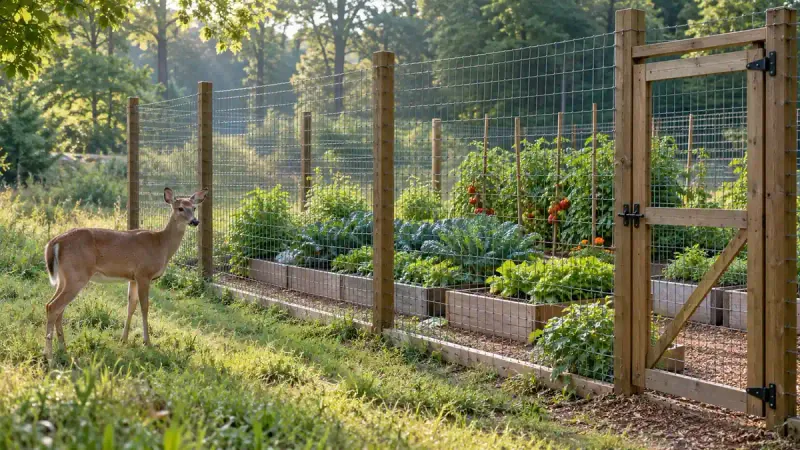
Fencing wins the protection contest. University of Maryland Extension notes that a well-built fence is the most reliable way to keep deer out. Most recommendations call for about eight feet of height, since deer jump impressively well.
Not ready for a big fence? Wrap individual shrubs in burlap or plastic deer netting for winter. Cages made of wire work well around young trees, which also protects bark from buck antler rubbing.
Repellents can help in smaller spaces. Products based on rotten egg, garlic, or hot pepper odors discourage nibbling. Rotate brands and reapply after rain, because deer get used to one smell over time.
Motion-activated sprinklers startle deer during warmer weeks. Once temperatures drop below freezing, disconnect them so pipes and hoses stay safe.
Plant choices matter too. Native options like American holly, mountain laurel in some cases, and ornamental grasses tend to see less browsing. No plant is fully deer-proof, though. A hungry deer in February will sample almost anything.
Personally, I mix two or three methods. Layered defenses work far better than one trick alone, and they buy your favorite plants a calmer winter.
Watching Midday Deer From A Respectful Distance Pays Off
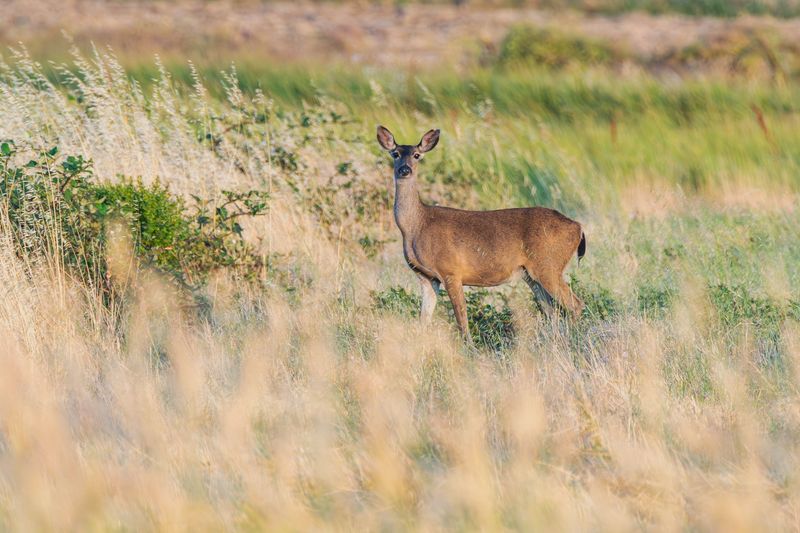
Enjoy the show, but keep it wild. Experts advise against feeding deer, and that advice matters. Feeding draws herds closer together, which can spread disease and increase damage to nearby yards.
Chronic wasting disease has been found in parts of Maryland, particularly in western counties. Concentrating deer around food piles raises the risk of spreading it. Several areas have feeding restrictions, so check DNR rules for your county.
Give bucks extra room during the rut. They are focused, unpredictable, and sometimes aggressive. Keep dogs leashed, and never approach a deer that seems calm or tame.
Fawns are a spring topic, but a wandering doe in fall is normal. You rarely need to call anyone unless a deer is injured or stuck in a fence. In that case, contact the DNR wildlife hotline or local animal control.
I like keeping a little notebook of sightings by the back door. Over a few seasons, patterns appear. You will learn when the rut peaks on your street and which shrubs need covering first. That simple habit turns surprise visits into useful knowledge for next fall.