These Fall Porch Decorations Can Survive A Virginia Frost
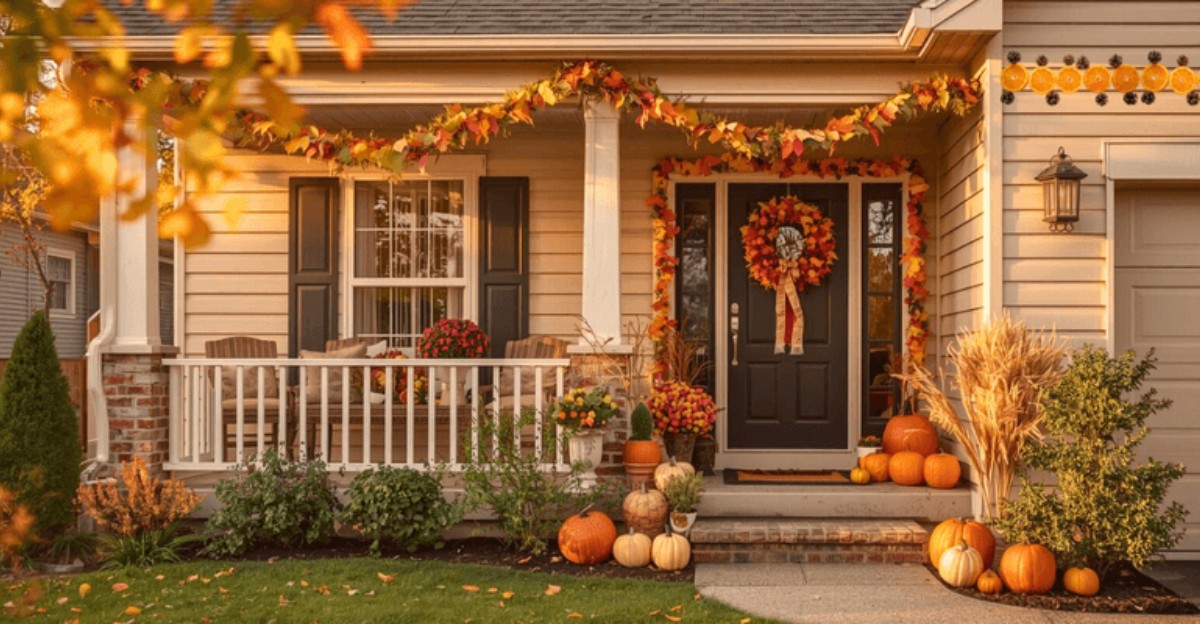
One cold morning, your porch sparkles with frost, and that pretty fall display suddenly looks tired and limp. Warm days can flip into icy nights fast this time of year.
Some plants, pots, and decorations handle the cold like champs. A few even look better after a chilly night, which feels like a small seasonal miracle.
Rich purple kale, cheerful pansy faces, and fragrant cedar can all brighten a front door well past the first frost. With a few smart choices, a Virginia porch can stay welcoming from October into the holidays.
Some favorites, though, need a little extra help when the thermometer drops. Knowing which is which saves money and frustration.
A frosty morning doesn’t have to ruin your display. The right picks can carry your porch straight through the season.
1. Ornamental Kale And Cabbage Get Brighter After Frost
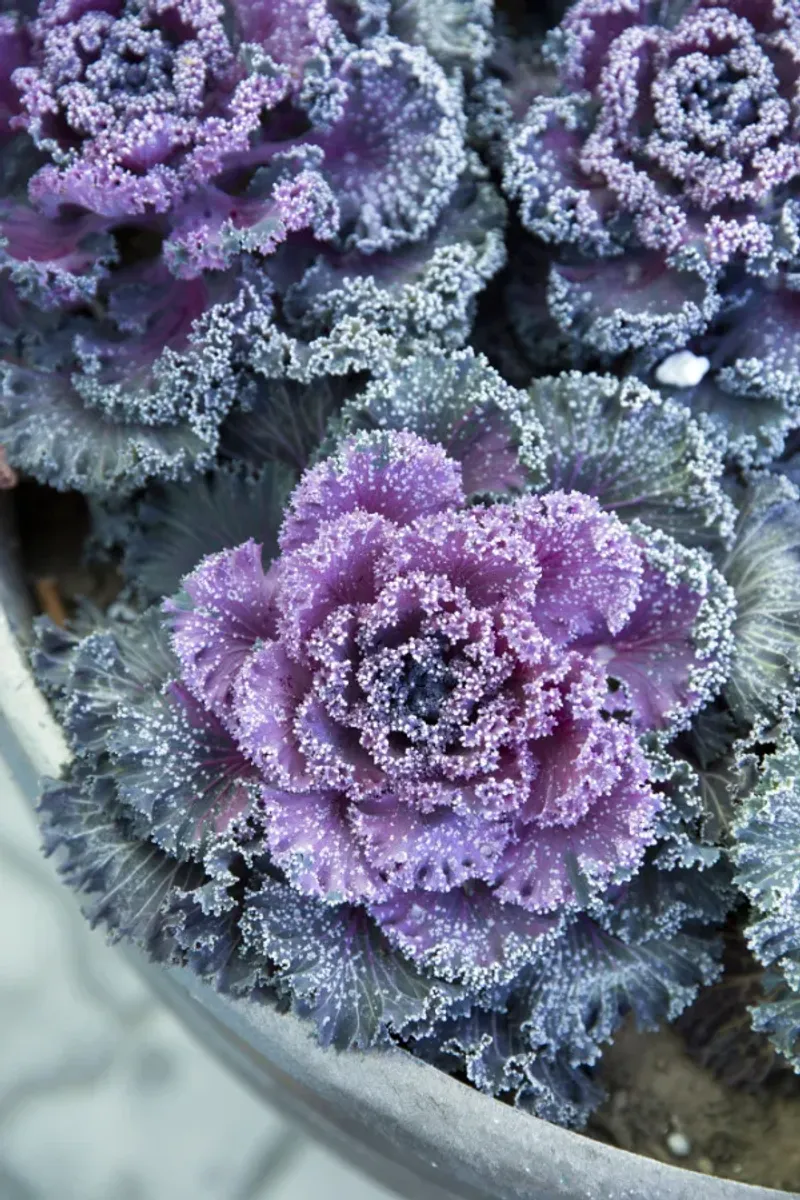
Most plants sulk when the frost arrives, but ornamental kale seems to throw a party. The colder it gets, the brighter those frilly centers glow.
Cool nights trigger color changes inside the leaves. Pinks turn hotter, purples deepen, and creamy whites look almost snowy.
Gardeners often notice the biggest color shift once nights stay below about 50 degrees. A light frost usually adds an extra splash of brightness.
These tough plants handle temperatures in the low 20s without much fuss. Many Virginia porches keep healthy kale displays well into December.
For the best look, buy plants with tight, full heads and no yellow lower leaves. Healthy starts settle in faster and hold their shape longer.
Plant them a bit deeper than the nursery pot to hide leggy stems. Kale and cabbage can look gawky once their trunks stretch out.
Group three plants in one large container for a bold, bouquet style effect. Mixing frilly kale with smooth cabbage adds fun variety in texture.
Water them when the top inch of soil feels dry. Cold weather slows growth, so they need less water than summer annuals.
Fun fact: ornamental kale is edible, though it tastes bitter compared to garden kale. Most folks keep it for looks rather than salads.
Watch out for hungry deer and rabbits, who also love these leafy treats. A quick spray of repellent can save your hard work.
2. Pansies And Violas Shrug Off Cold Nights
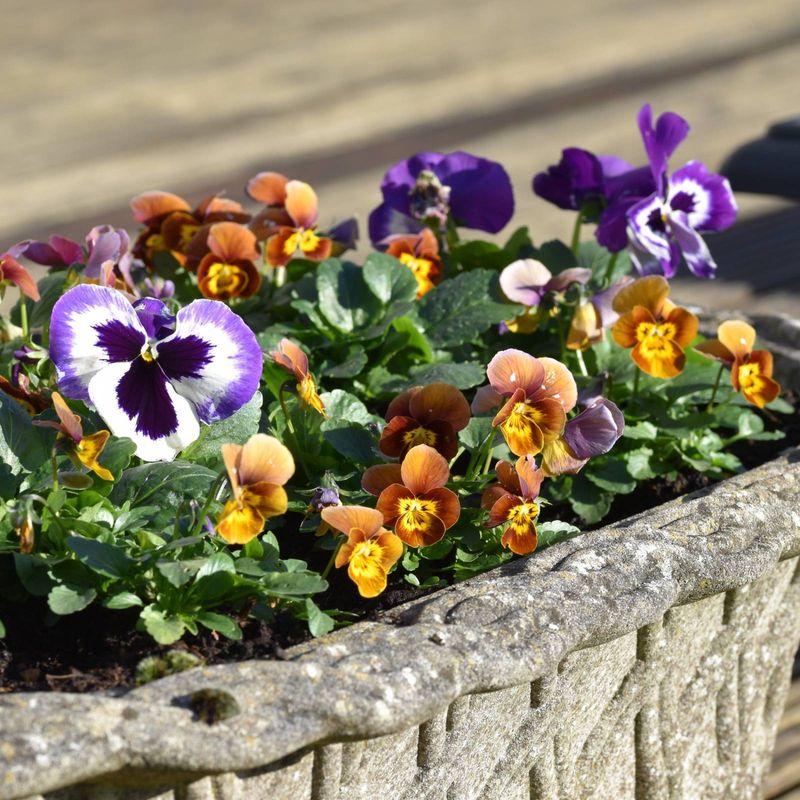
Picture tiny flower faces grinning up at you on a frosty November morning. Pansies and violas pull off that cheerful trick year after year.
Both flowers love cool weather and bloom best between about 40 and 60 degrees. Summer heat bothers them far more than a chilly night.
After a hard frost, pansies may droop and look a little sad. Give them a few hours of sunshine, and they usually perk right back up.
Violas are the smaller cousins, with more blooms packed on each plant. Their dainty flowers often handle cold snaps even better than big pansies.
Plant them in early fall so roots can settle before deep cold arrives. Strong roots help them push through winter in much of the state.
Your Virginia Garden Changes Every Week. Your Plan Should Too.
Gardening in Virginia changes quickly throughout the season. Every Friday you’ll receive a simple weekly plan showing exactly what to plant, prune, fertilize, harvest, and protect so you never miss the right timing.
Many fall-planted pansies take a winter break and then bloom again in spring. You get two seasons of color for one small price.
Pinch off faded flowers every week or so. Removing spent blooms keeps the plants busy making fresh buds instead of seeds.
Try pairing orange pansies with purple kale for a rich autumn color scheme. Yellow violas also look lovely tucked around pumpkins on the steps.
Feed them lightly with a liquid fertilizer every few weeks. A small boost keeps the color coming when days grow short.
Here is a fun bit of history: the name pansy comes from the French word for thought. Old poets saw the flower as a symbol of remembering loved ones.
3. Heuchera Adds Color Through Winter
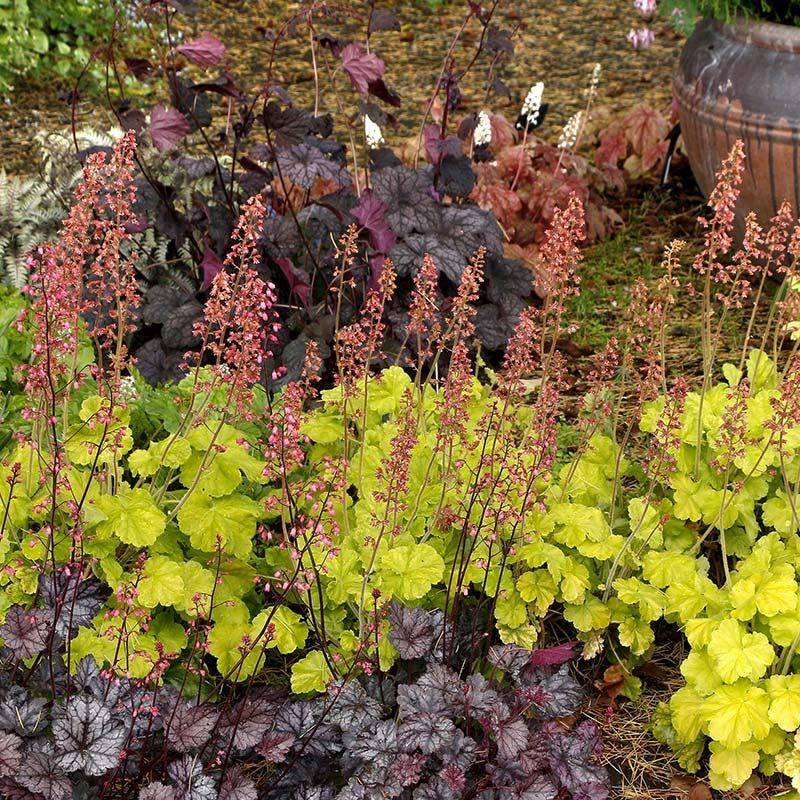
Some porch plants are all about flowers, but heuchera wins hearts with its leaves. Shades of plum, caramel, lime, and silver make it a quiet showstopper.
Also called coral bells, heuchera is an evergreen perennial in most of Virginia. It keeps its leaves through winter instead of vanishing like many plants.
Cold weather often makes the foliage look even richer. Deep maroon varieties turn darker, while silvery types seem to shimmer in low light.
A harsh freeze may cause leaves to lie flat or show some browning. Plants usually recover once temperatures rise again.
Look for varieties like Fire Frost or Frost for steady silvery color. Caramel and Palace Purple are other easy favorites for beginners.
Heuchera works beautifully as a filler around taller plants in a big pot. Its mounded shape softens the edges of any arrangement.
Good drainage matters most, since soggy roots in winter cause trouble. Mix some coarse bark or perlite into your potting soil.
When spring arrives, trim away any tattered old leaves. Fresh growth will pop up from the center within a few weeks.
Here is a money tip worth remembering. After the season ends, you can move heuchera into a shady garden bed for years of enjoyment.
The plant is native to North America, so local pollinators know it well. Its tiny spring flowers attract hummingbirds looking for an early snack.
4. Uncarved Pumpkins Last Far Longer Than Jack-O’-Lanterns
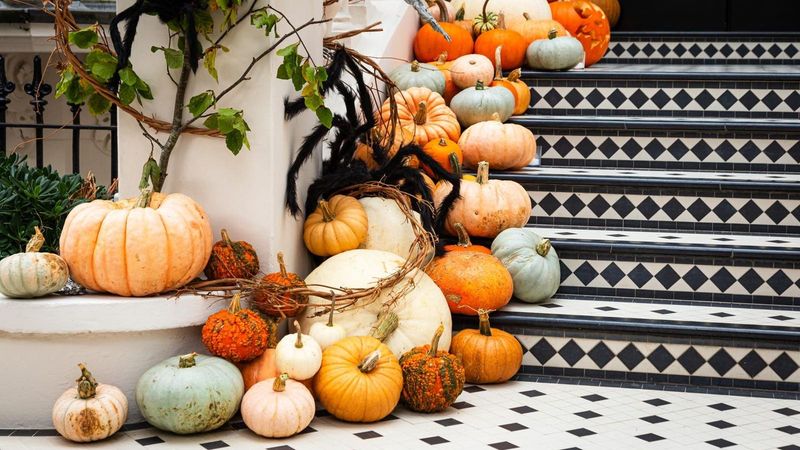
Carving a jack-o’-lantern is fun, but the grin fades fast. Most carved pumpkins start to sag and mold within three to seven days.
Whole pumpkins tell a very different story. An uncarved pumpkin can stay firm and pretty for about eight to twelve weeks.
Why the big gap in shelf life? Carving opens the inside to air, bugs, and mold that speed up decay.
Choose pumpkins with a sturdy green stem still attached. Pumpkins missing their stems tend to spoil sooner at the top.
Wipe each pumpkin with a mild bleach and water solution before display. A quick wash removes mold spores hiding on the skin.
Keep pumpkins off bare concrete, which stays cold and damp. Set them on a mat, crate, or wooden stand instead.
In Virginia, uncarved pumpkins can easily last from early October into Thanksgiving. Frost on the skin is fine, but hard freezes cause trouble.
When nights drop well below 32 degrees, the flesh can freeze and turn mushy. Toss an old blanket over them or bring them inside on those nights.
Mix sizes and colors for a more stylish look. White Lumina, warty heirlooms, and blue-gray Jarrahdale pumpkins add great variety.
Want a carved face without the mess? Try painting or using stick-on designs, then enjoy your pumpkin for weeks.
5. Dried Grasses And Corn Stalks Hold Their Shape
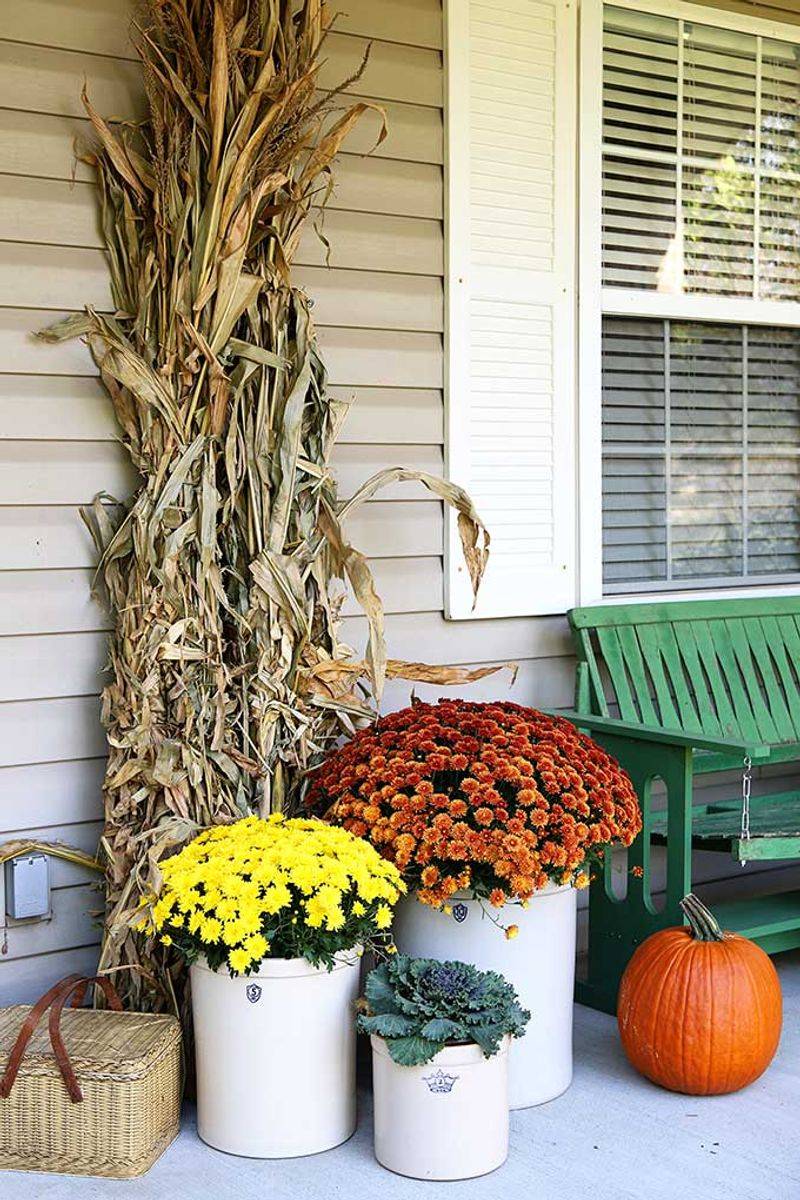
Grandma’s farmhouse porch probably had corn stalks tied to the posts every fall. That rustic look still feels warm, simple, and welcoming today.
Dried materials have a big advantage in cold weather. They hold very little water, so frost has almost nothing to damage.
Corn stalks stay tall and crisp for weeks once they are fully dry. Their tan color blends nicely with orange pumpkins and red mums.
Dried ornamental grasses add soft, feathery movement in a breeze. Pampas plumes, wheat bundles, and fountain grass seed heads are all popular picks.
Tie corn stalks tightly with twine or zip ties at two or three points. Strong wind gusts can tip loose bundles right over.
Many farm stands sell corn stalk bundles each fall. Buying local often means fresher stalks that stay sturdy longer.
Spray grass plumes lightly with unscented hairspray to reduce shedding. It is an old florist trick that really helps.
Place dried pieces under a covered porch if you can. Heavy rain can make them droop and fade faster.
Tuck a few stalks into large pots behind your living plants. They add height without needing any water or care.
After the season, dried materials go straight into the compost pile. They break down nicely and feed next year’s garden.
6. Evergreen Boughs Add Lasting Texture
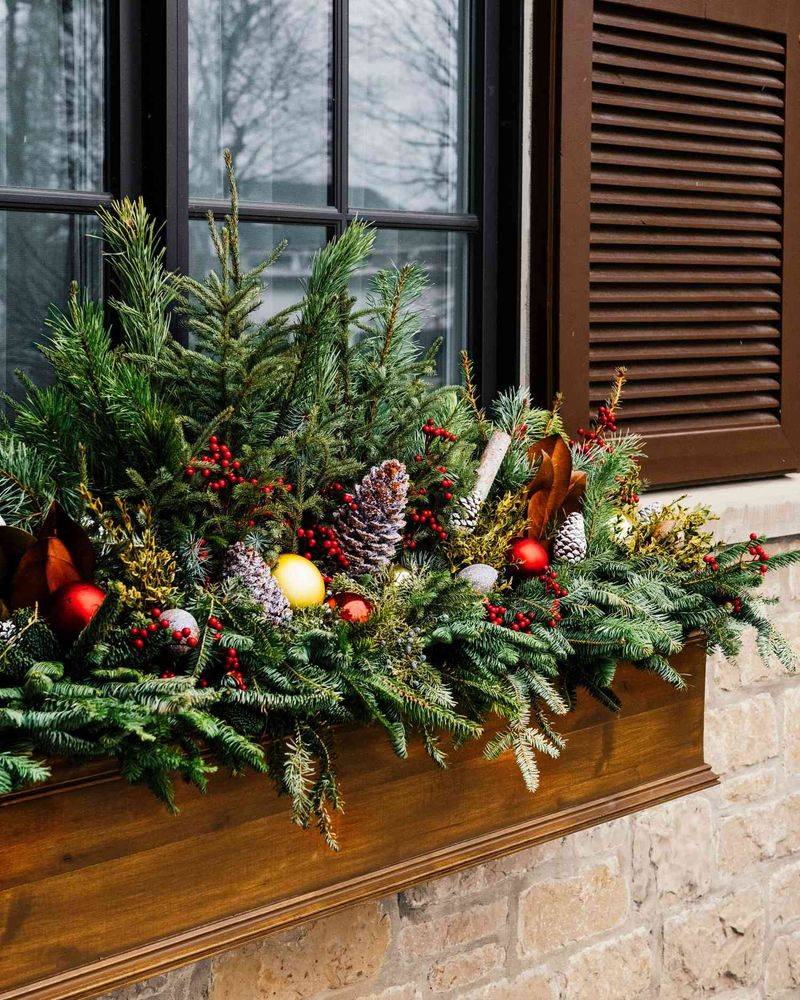
Step outside and catch the clean scent of cedar drifting from your planters. Fresh greens bring a cozy, woodsy feel that lasts for months.
Evergreen boughs shrug off frost because they are built for winter. Their needles hold moisture well, even after being cut.
Cedar is a top choice since it stays green for a long time without water. Fir, spruce, and white pine also look full and lush.
Juniper adds a lovely blue-gray tone, sometimes with frosty little berries. Boxwood offers glossy, small leaves that keep their color all winter.
Many Virginia homeowners trim branches from their own shrubs. Just snip from the back or bottom so the plant still looks tidy.
Soak cut boughs in a bucket of water overnight before arranging. A good drink helps them stay fresh much longer.
Push stems deep into damp potting soil in old summer planters. The soil anchors the greens and keeps them hydrated.
Layer long pieces at the back and shorter ones in front. Add pinecones or red twigs for extra color and texture.
Here is a fun idea for the season shift. Swap pumpkins for lanterns in December, and your greens carry right into the holidays.
Colonial Virginians decorated with local greenery too. Holly, magnolia, and cedar were common long before store-bought decor existed.
7. Mums Need A Cover On Frosty Nights
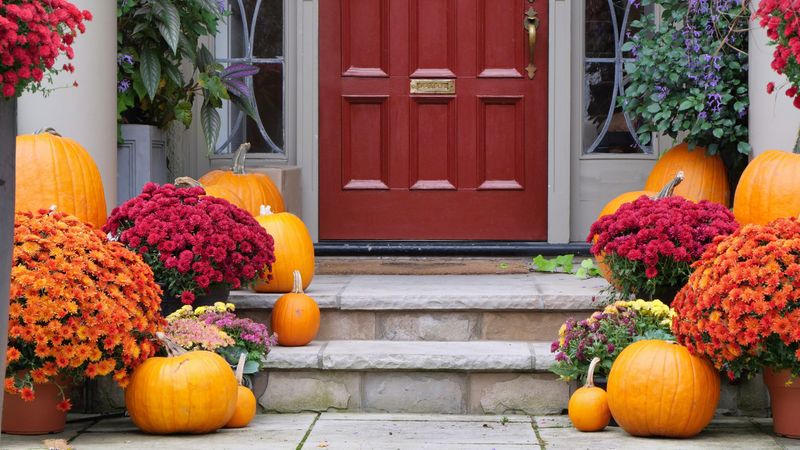
Here is a little truth about the most famous fall flower. Mums look tough, but a hard frost can turn their blooms brown overnight.
Chrysanthemums handle light frost fairly well. Trouble starts when temperatures drop into the mid-20s for several hours.
Potted mums face more risk than those planted in the ground. Their roots sit in small containers that freeze much faster.
Check the weather forecast each evening during October and November. A quick look can save your whole display.
Cover plants with an old sheet, towel, or frost cloth before sundown. Let the fabric reach the ground to trap warmth from the soil.
Avoid using plastic directly on the leaves. It can actually make frost damage worse where it touches.
Small pots can simply roll into a garage or shed for the night. Bring them back out once the morning warms up.
Buy mums with plenty of tight buds rather than full blooms. They will flower longer and handle chilly weather better.
Garden mums are perennials in Virginia, so they can return next year. Plant them in the ground by early fall for the best chance.
Leave the old stems standing through winter, then trim in spring. The stems help protect the crown from harsh cold.
8. Frost-Proof Pots Prevent Cracking
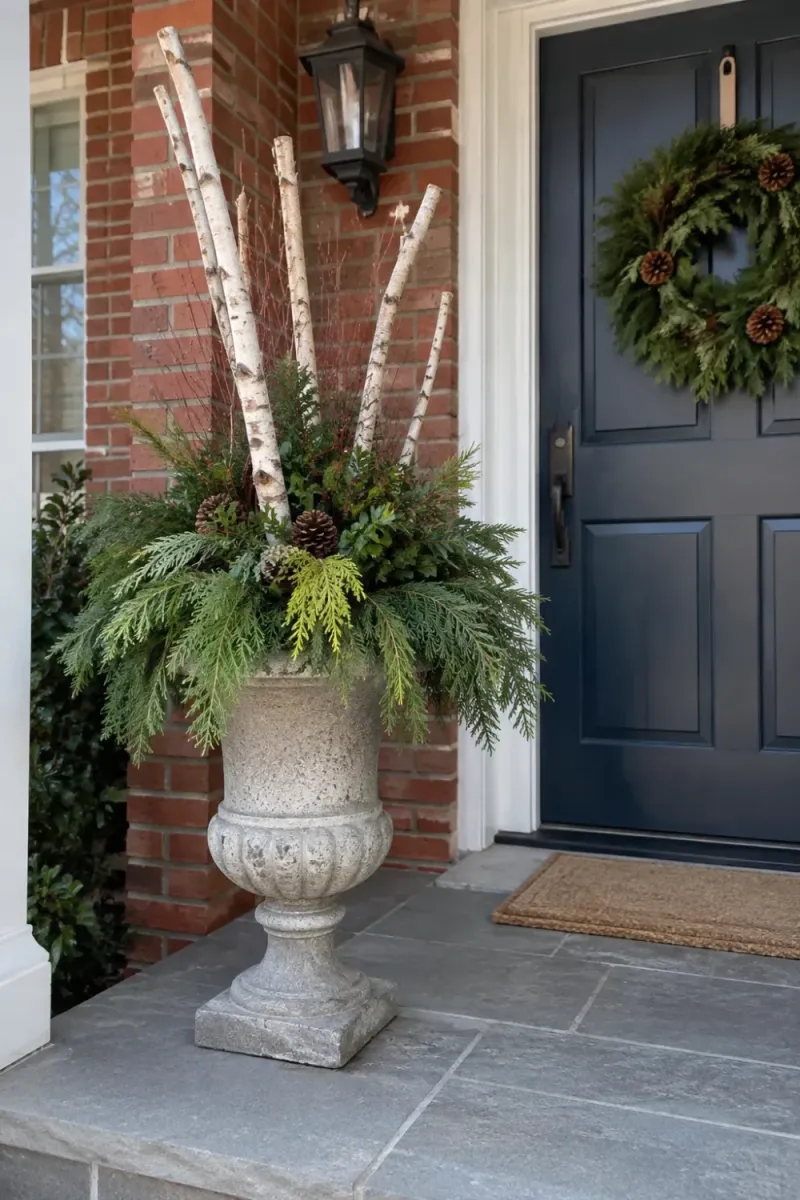
Few things sting like finding your favorite clay pot split in half. Sadly, it happens to plenty of porch gardeners every winter.
Cold alone is rarely the real culprit. The damage comes from water soaking into the pot and then freezing.
Frozen water expands and pushes against the walls from inside. Repeated freeze and thaw cycles slowly widen tiny cracks.
Winters often swing above and below freezing in the same week. That pattern makes pot damage especially common here.
Unglazed terracotta and thin ceramics soak up the most moisture. They look charming but struggle once temperatures dip.
Fiberglass and fiberstone pots resist cracking and weigh much less. Concrete, resin, and sturdy plastic also hold up well.
Some high-fired terracotta pots are labeled frost resistant. Check the tag or ask your garden center before buying.
Drainage holes matter just as much as the material. Standing water inside a pot is a recipe for cracking.
Set pots on pot feet or small blocks to lift them slightly. Better airflow underneath keeps water from pooling.
Store delicate pots in a shed or garage once the season ends. Clean, dry pots will be ready for spring planting.