Stop Camellia Scale Before It Spreads Across Your North Carolina Shrubs This Fall
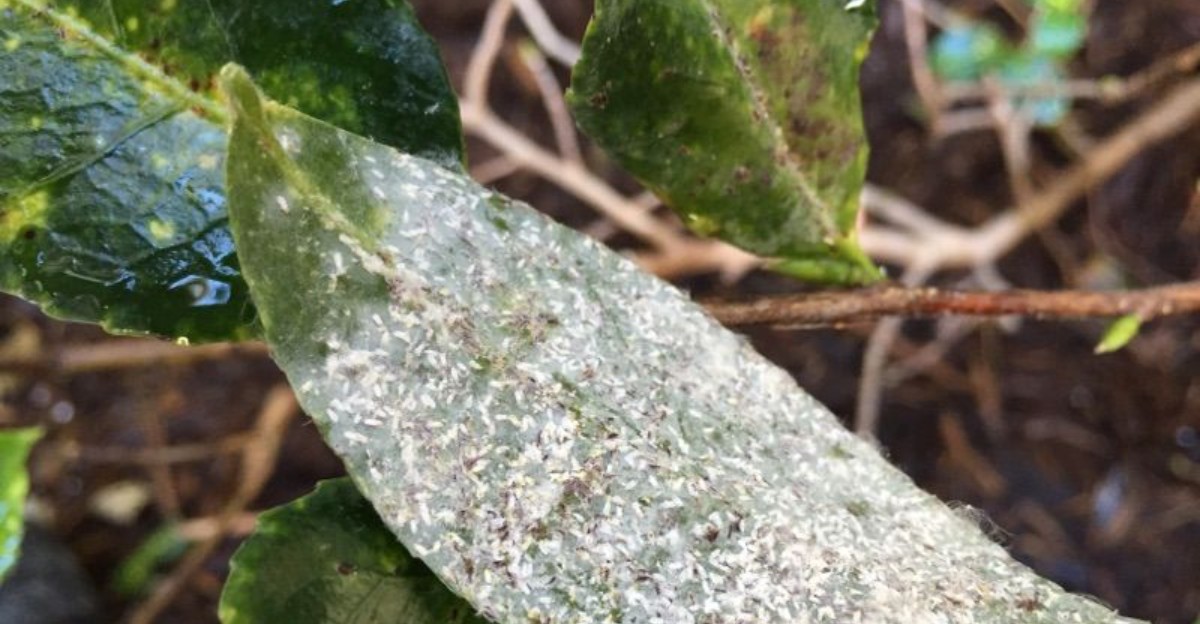
Your camellias look a little off. The leaves have yellow patches on top, and the shrub seems dull compared to last year. Turn a leaf over, and tiny white specks cling to the underside like a dusting of flour.
They do not move, and they do not look like insects. They are, and they are feeding quietly. Left alone, they multiply and spread from one branch to the next, then to neighboring shrubs.
Fall is a good time to catch them, since the plants are still green and buds are forming for winter blooms.
Treatment depends on timing and on how you apply it. Acting now protects this winter’s flowers, and keeps a small problem from taking over the whole hedge.
1. Learn To Spot Tea Scale On Leaf Undersides
Some pests make a lot of noise, but tea scale is the quiet type. Known to scientists as Fiorinia theae, it is the most common scale insect found on camellias, and it loves to stay out of sight.
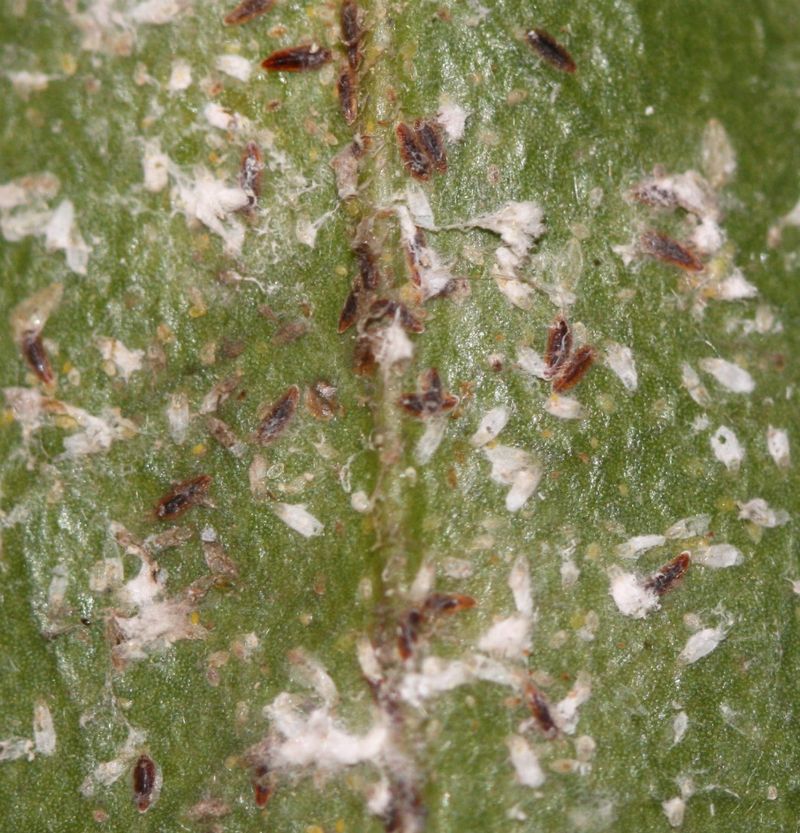
Most of the action happens on the bottoms of leaves. Female scales look like tiny, flat, brownish specks, almost like bits of dirt stuck to the surface. Male scales create a white, cottony coating that can spread across the whole underside of a leaf.
Because the tops of the leaves may still look fine at first, many people walk past an infested shrub for months. By the time they notice trouble, the insects may have moved to many branches. That is why a quick flip of a few leaves can save you a lot of work later.
Start your search deep inside the shrub. Older leaves near the center and lower branches are often hit first, since they are shaded and protected. Turn them over gently and look closely for white fuzz or rows of brown specks.
A small hand lens or the zoom on your phone camera can help you see the details. If you rub a speck with your fingernail and it smears or pops off, you have likely found a scale insect rather than a speck of soil.
Here in North Carolina, tea scale is a familiar pest in home landscapes, and it does not stop with camellias.
Hollies can also become hosts, so check those shrubs too if they grow nearby. Learning what this pest looks like is the first and most powerful step in keeping it under control.
2. Yellow Blotches On Top Are A Warning Sign
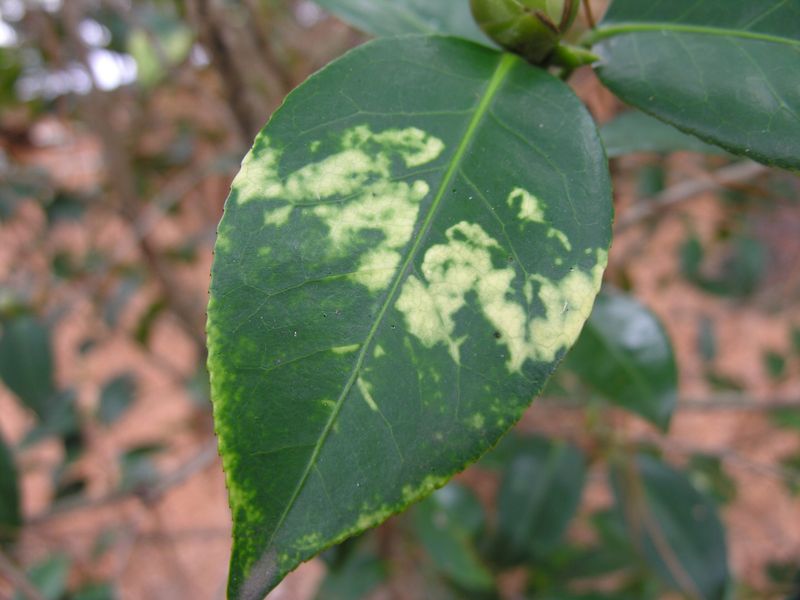
Your camellia is trying to tell you something when its dark green leaves start to look patchy and pale. Those yellow blotches are often the first clue that tea scale is feeding underneath.
Scale insects survive by sucking sap from the leaf. They pierce the underside with tiny mouthparts and drink the plant juices, day after day. As they feed, the top of the leaf develops yellow spots, speckles, or large faded patches.
A few speckled leaves may not seem like a big deal. Over time, though, a heavy infestation drains a shrub of energy. Blooms become fewer and smaller, growth slows, and leaves may begin to drop early, leaving the plant thin and tired.
Your North Carolina Garden Changes Every Week. Your Plan Should Too.
Gardening in North Carolina changes quickly throughout the season. Every Friday you’ll receive a simple weekly plan showing exactly what to plant, prune, fertilize, harvest, and protect so you never miss the right timing.
So what should you do when you notice blotchy leaves? Walk over and flip several of them. If you find white fuzz or brown specks on the undersides, scale is almost certainly the reason.
Look at nearby branches as well, since the pest spreads steadily from leaf to leaf. Catching it on one or two branches is much easier than fighting it across the entire shrub. Early action means simpler fixes and a faster recovery.
Yellowing can also come from other issues, like poor drainage or nutrient problems, so checking under the leaves helps you avoid guessing. Knowing the true cause keeps you from wasting time and money on the wrong treatment.
For North Carolina gardeners, camellias are treasured shrubs that often grow for decades and sometimes get passed down with family homes.
Left alone, scale can slowly wear down even an old, sturdy plant. Paying attention to these color changes helps your camellias stay vibrant for many seasons to come.
3. Prune Out The Worst Branches
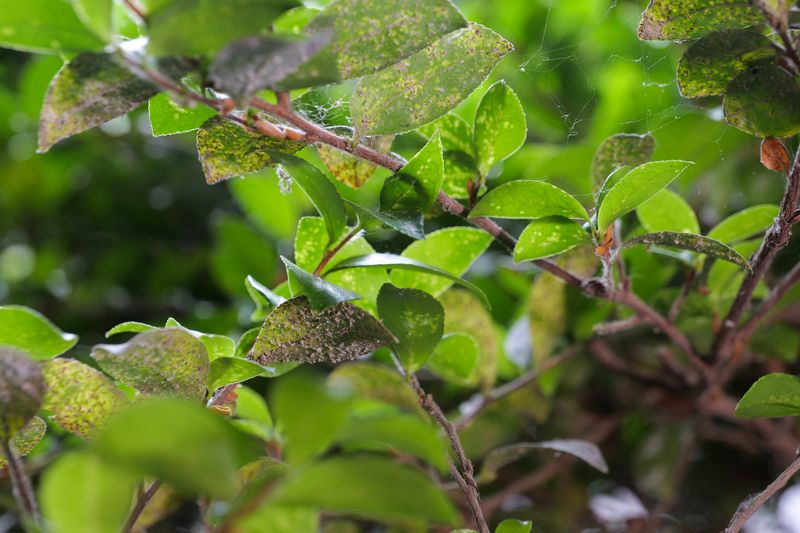
Sometimes the fastest way to shrink a pest problem is with a good pair of pruners. Cutting away the worst branches removes thousands of scale insects in just a few minutes.
Think of it as a head start for every other step. Once the heavily covered branches are gone, fewer insects remain to feed and multiply.
Your shrub also gets better airflow, which makes it a less cozy home for scale and lets sprays reach the leaves that are left.
Begin by looking for branches with thick white coating and lots of yellowed leaves. Those are your top targets, so cut them back to healthy wood or to the main stem. Next, thin out crowded growth in the center so light and air can move through the shrub.
Where those clippings go matters a lot. Place them in a bag and send them out with the trash instead of tossing them on the compost pile. Scale insects can survive on cut branches for a while, and young crawlers may find their way back to your plants.
Timing is the other key detail. Camellias set their flower buds months ahead, so heavy shaping in fall can remove blooms you have been waiting for.
Stick to cutting out badly infested branches now, and save bigger shaping jobs for right after the shrub finishes flowering.
Many North Carolina yards have camellias that were planted years ago and have grown thick and tangled.
That dense interior is the perfect hiding spot for scale, often hiding a serious infestation. A little thoughtful pruning opens things up and makes the rest of your care much more effective.
4. Use Horticultural Oil When Temperatures Are Right
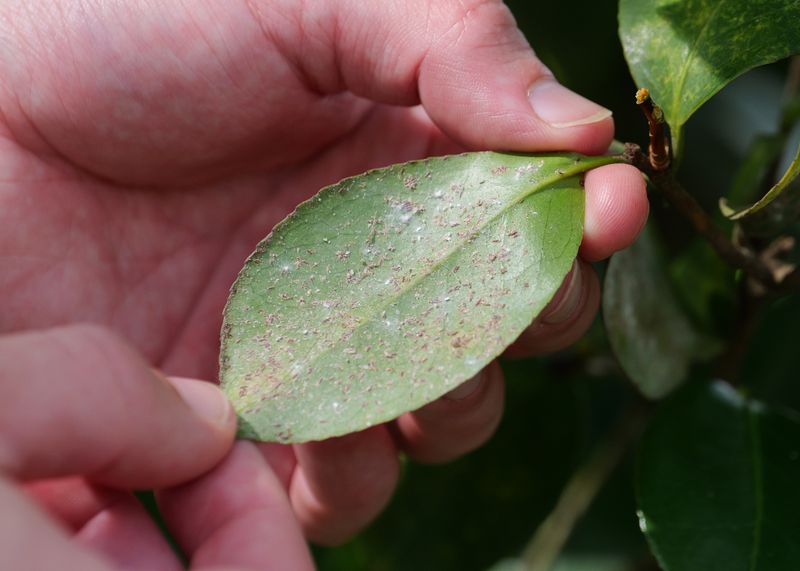
Few tools in the garden shed work as well against tea scale as a jug of horticultural oil. It is a simple product, yet it does a big job.
The oil works by coating the insects and smothering them. It reaches the young, moving crawlers as well as the adults hiding under their protective covers.
Better still, it has less impact on helpful insects than many broad-spectrum sprays, since it only affects the pests it touches when wet.
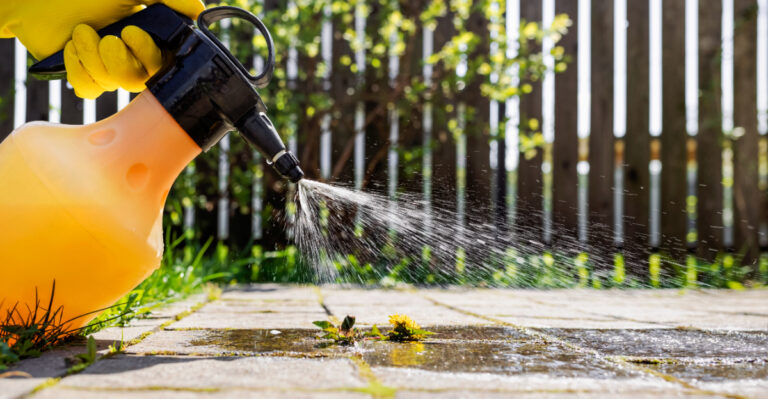
Good coverage is everything. Scale lives on the undersides of leaves, so aim your sprayer upward and soak those bottom surfaces thoroughly. A quick mist over the top of the shrub will miss most of the insects. Weather plays a huge role in success.
Most labels suggest spraying when temperatures stay mild, generally between about 40 and 85 degrees Fahrenheit. Skip spraying if a freeze is coming or if the day will turn hot, because the oil can burn leaves in those conditions.
Watch out for flowers, too. Open camellia blooms can be damaged by oil, leaving brown spots on the petals. Spray before buds open or focus on branches without blossoms.
Always read the label for mixing rates, timing, and how often to repeat. One treatment rarely clears everything, so a follow-up spray is often needed to catch crawlers that hatch later.
North Carolina weather is a real gift here. Fall and early spring usually bring the cool, steady temperatures that make oil sprays both safe and effective. Plan ahead, check the forecast, and you can knock back scale while protecting your shrub.
5. Be Careful With Systemic Insecticides Around Blooms
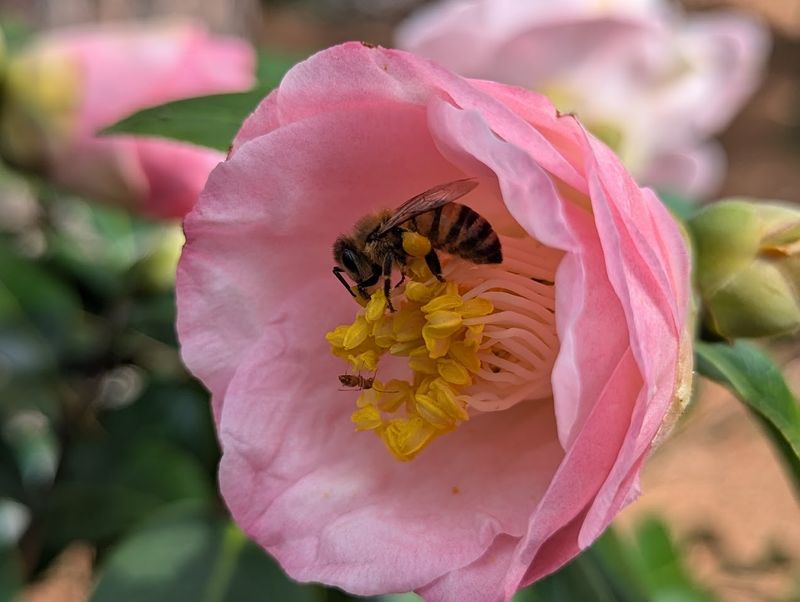
A honeybee buzzing around a pink camellia on a sunny January afternoon is a sweet sight. It is also a good reminder that your pest control choices reach beyond the shrub itself.
Systemic insecticides are absorbed by the plant and travel through its tissues. When scale insects feed on the sap, they take in the product. That can help with heavy infestations that other methods have not handled.
The catch is that some systemic products can also end up in flowers. Bees and other pollinators that sip nectar or gather pollen may be harmed. Since camellias bloom in fall, winter, and early spring, bees often visit them on mild days when little else is flowering.
A smart plan starts with gentler steps. Prune out the worst branches and use horticultural oil first, because these often bring scale under control without extra risk. Give them time to work before reaching for something stronger.
If you still feel a systemic product is needed, read the label slowly and completely. Look for warnings about bees and pollinators, and avoid applying harmful products while your camellias are blooming or about to bloom.
Following the directions is not just good advice, it is the law. Your local Cooperative Extension office is a wonderful free resource. Staff and Master Gardener volunteers can suggest products and timing that fit your situation and protect wildlife.
For North Carolina gardeners, camellias offer a valuable food source for pollinators during the cool months when flowers are scarce. Choosing carefully helps you protect both your shrubs and the bees that depend on them.
6. Avoid Encouraging Scale With Too Much Fertilizer
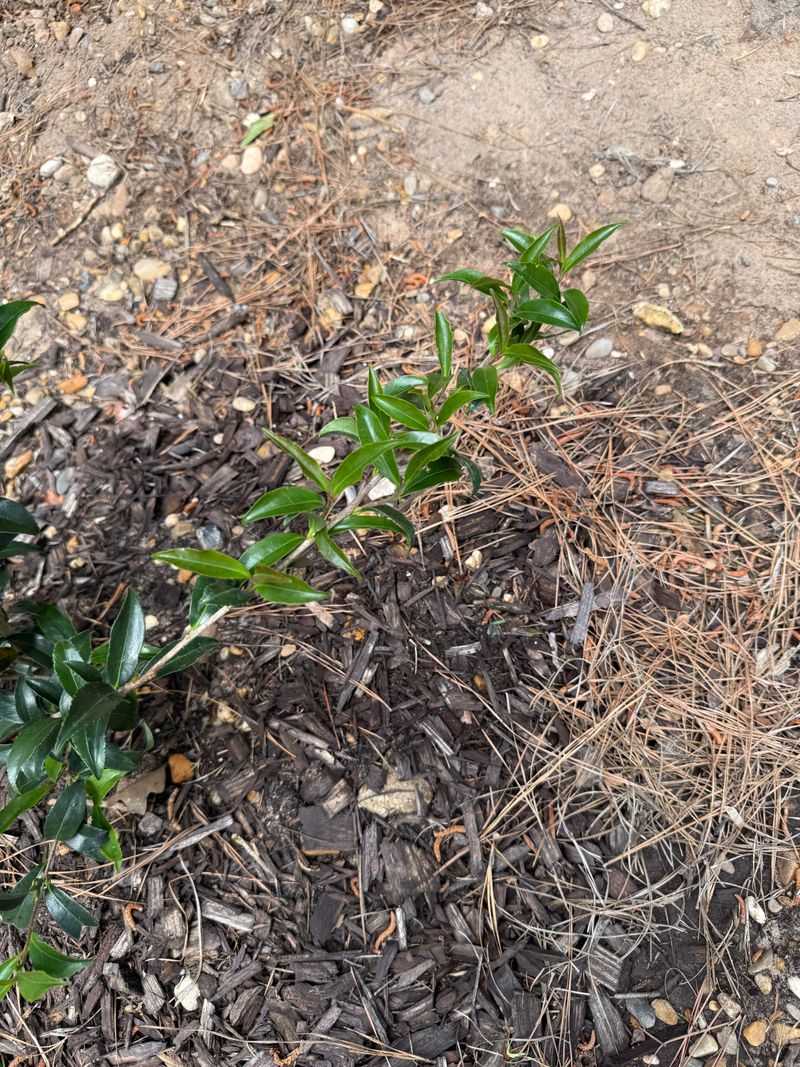
More fertilizer does not always mean a happier shrub. In fact, giving camellias too much can roll out the welcome mat for scale insects.
Heavy doses of nitrogen push out soft, lush new growth. That tender growth is packed with sap, and sap-feeding pests like scale find it especially tasty. With so much easy food available, their numbers can climb quickly.
The best way to know what your camellia needs is a soil test. In North Carolina, you can get soil testing through the state Department of Agriculture, and your local Extension office can help you collect a sample.
The results tell you exactly which nutrients are lacking, so you can skip the guesswork. When feeding is needed, choose a fertilizer made for acid-loving plants, such as those labeled for azaleas and camellias.
Apply it after the shrub finishes flowering, following the label rate. A light hand works better than a heavy one.
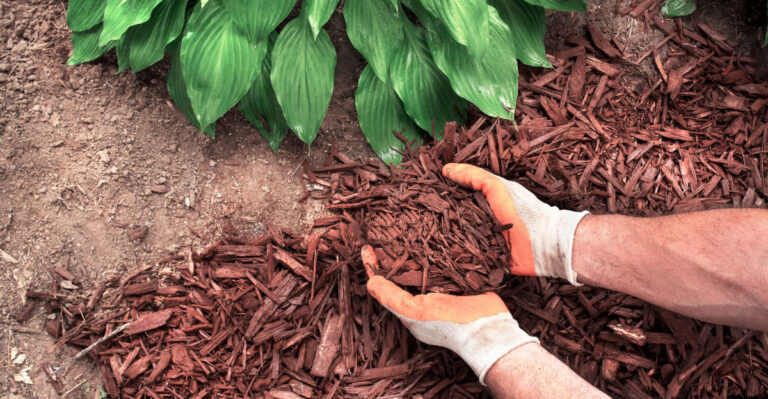
Mulch is another simple helper. A layer of pine bark or pine straw a few inches deep keeps roots cool, holds in moisture, and adds a natural, tidy look. Keep it pulled back slightly from the trunk.
Water matters just as much as food. A stressed, thirsty shrub has a harder time fending off pests, so give camellias a deep soaking during dry spells. Watering at the base in the morning is ideal.
Many North Carolina landscapes have faced dry conditions this year, leaving shrubs under extra stress. Steady watering, smart feeding, and good mulch build stronger camellias that can hold their own against scale.
7. Inspect New Plants And Protect Natural Enemies
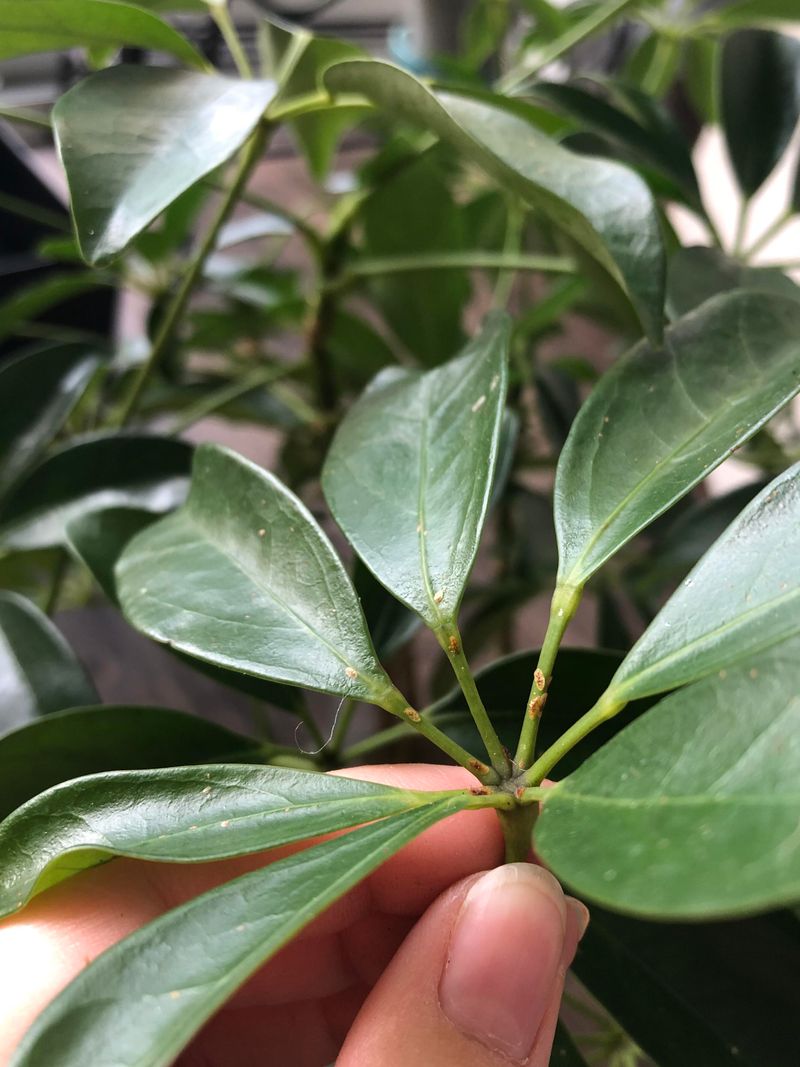
That beautiful camellia at the garden center might be bringing home a few uninvited guests. Scale often travels on nursery plants, hiding under leaves where shoppers rarely look.
Before you buy, take a minute to flip several leaves on any camellia or holly. Look for white fuzz or brown specks, especially on older leaves near the center. A clean plant now saves you from a long battle later.
Once you get it home, keep the new shrub apart from your other plants for a few weeks. Check it again during that time. If everything looks clear, go ahead and plant it in its permanent spot.
Nature also lends a hand. Lady beetles and tiny parasitic wasps feed on scale insects and help keep their numbers down. Some of these wasps are so small you would barely notice them, yet they do a remarkable job.
Broad-spectrum insecticides can wipe out these helpers along with the pests. Without natural enemies, scale can bounce back even faster. Choosing targeted treatments like horticultural oil gives beneficial insects a better chance to thrive.
Make inspections part of your regular routine. Every few months, walk around your yard and check the undersides of leaves on all your camellias. Catching a small patch early is far easier than treating a whole shrub.
Across North Carolina, camellias line driveways, porches, and property lines in nearly every neighborhood.
Scale can move between nearby shrubs, so careful shopping and regular checks help protect your garden and your neighbors’ yards too. A little attention keeps the whole street blooming.