What To Do If A Brown Marmorated Stink Bug Appears On Your Georgia Porch
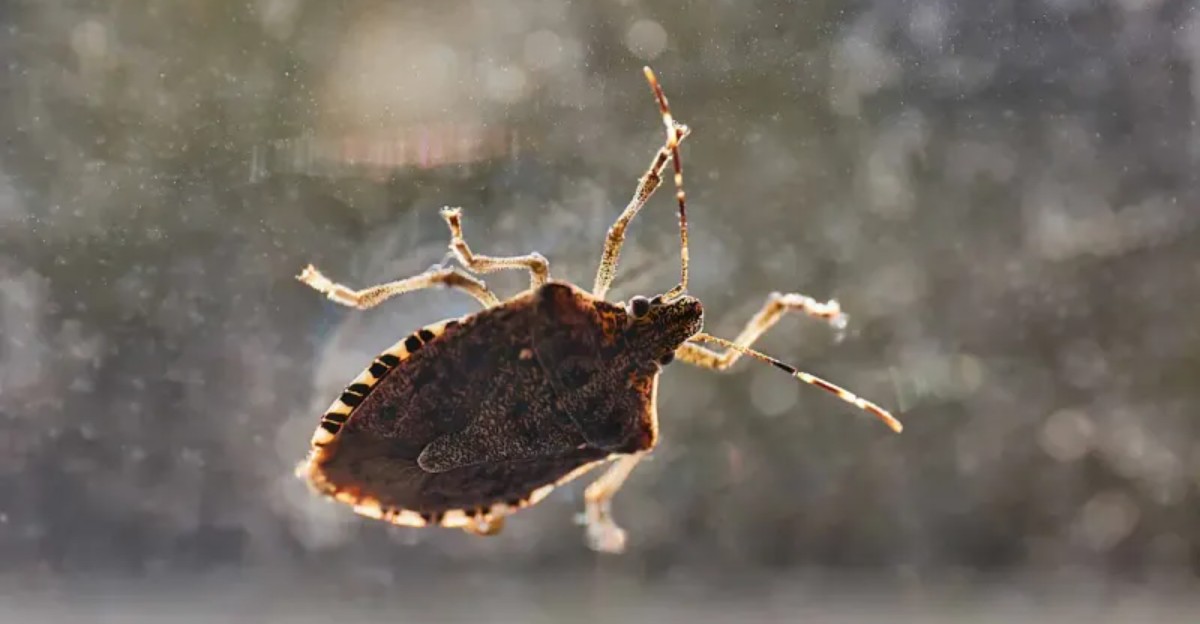
Finding a brown marmorated stink bug on your porch can be annoying, especially when it keeps crawling around the door you use every day.
Its shield-shaped body makes it easy to recognize, but handling it the wrong way can leave you dealing with an unpleasant smell. Crushing one is tempting, though that can release the odor these insects are known for.
As temperatures cool, stink bugs begin searching for sheltered places where they can spend the colder months. Porches, window frames, and exterior walls can become convenient stopping points.
In Georgia, fall sightings around homes are common enough to make prevention worth considering.
One insect outside doesn’t necessarily mean you have an infestation indoors. Still, the gaps around doors and windows deserve a closer look before more find their way inside.
A calm approach can spare you the smell and help keep unwanted visitors outdoors.
1. That Brown Shield-Shaped Bug May Be Looking For Winter Shelter
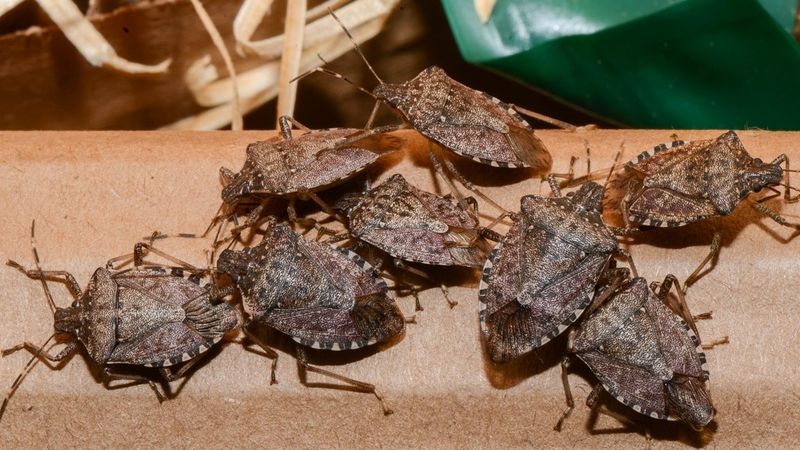
Your porch might look like a cozy hangout to a bug that is planning ahead. In many cases, that brown, shield-shaped visitor is the brown marmorated stink bug, known to scientists as Halyomorpha halys.
As days shorten in fall, adults start searching for protected places to spend the colder months.
Out in the wild, they might tuck into tree bark or rock crevices. Around homes, they often choose cracks in siding, gaps around trim, and spaces near doors and windows.
A sunny porch wall can draw them in because it warms up during the afternoon.
Once settled inside a sheltered space, they become mostly inactive until spring. They do not lay eggs indoors or breed inside your walls during winter, which is good news for worried homeowners.
In Georgia, sightings vary from place to place. Populations tend to be more noticeable in some northern counties than in other parts of the state, though that can shift over time.
Seeing one bug does not mean an invasion is on the way.
Still, a single sighting is a helpful signal to look around your entry points. Spotting the pattern early gives you time to seal things up before more arrive.
A quick look along porch ceilings, light fixtures, and window corners can show whether others have gathered nearby.
Pay particular attention to sheltered corners that stay undisturbed, since these spots can give stink bugs convenient places to hide as temperatures drop.
2. White Bands On The Antennae Help Confirm Its Identity
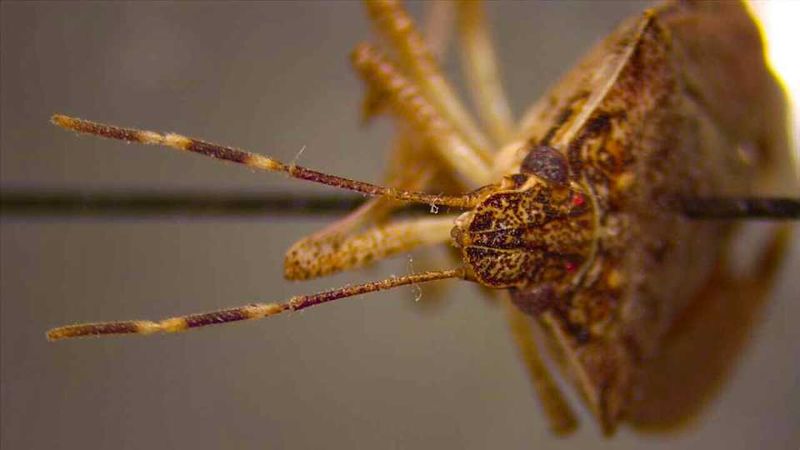
Look closely at the antennae. On a brown marmorated stink bug, you will usually see light or white bands near the tips, which stand out against the darker brown segments.
Native stink bugs can look similar at first glance, so this detail really helps.
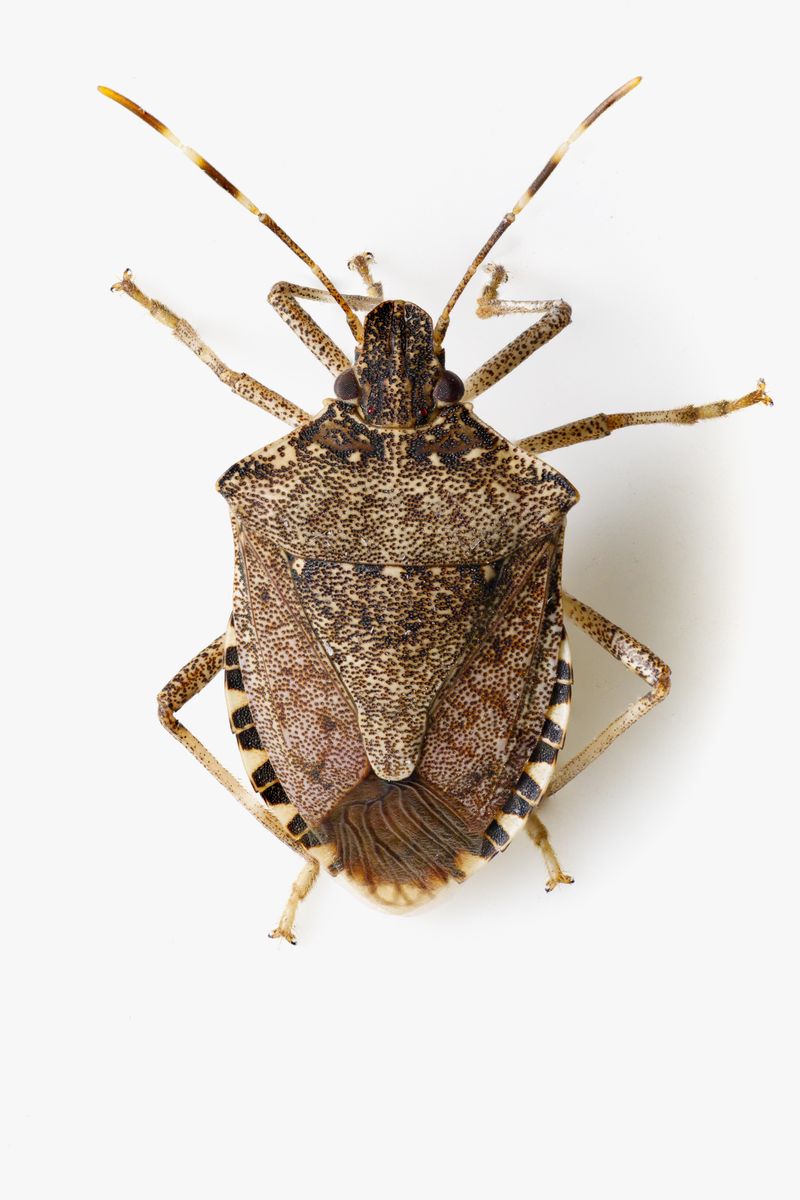
Along the outer edge of the body, there is often an alternating light and dark pattern. Some people describe it as a checkered border that peeks out from under the wings.
Adults are roughly the size of a dime or a little longer, with a mottled, grayish brown back.
Your Georgia Garden Changes Every Week. Your Plan Should Too.
Gardening in Georgia changes quickly throughout the season. Every Friday you’ll receive a simple weekly plan showing exactly what to plant, prune, fertilize, harvest, and protect so you never miss the right timing.
Shape matters as well. Its body looks like a small shield, wide at the shoulders and narrowing toward the back.
Some look-alikes in Georgia include the native brown stink bug and certain predatory stink bugs. A spined soldier bug, for example, has pointed shoulders and actually eats other insects, so it plays a helpful role in gardens.
When in doubt, snap a clear photo before doing anything else.
Your county Extension office can often help confirm what you found. Sharing the photo also lets local experts track where these insects are showing up.
Getting the identity right keeps you from removing a helpful insect by mistake.
Taking a photo from above and another from the side can make those identifying features easier to compare with reliable insect identification guides.
3. Avoid Crushing It To Prevent The Unpleasant Odor
Squish one, and you will likely regret it. Stink bugs release a strong, unpleasant smell when they feel threatened or get crushed.
People describe the scent in different ways, but most agree it lingers longer than they would like.
That odor comes from special glands on the bug’s body. It is a defense meant to discourage predators, and it works on humans pretty well too.
Crushing a bug on a light-colored surface may also leave a small stain behind.
Sweeping one roughly can sometimes trigger the smell as well. A gentle approach tends to give better results with less mess.
Your hands are another concern.
While the bugs are not known to be dangerous, some people find the odor irritating, and a few may notice skin sensitivity. Washing your hands with soap and water after handling one is a sensible habit.
Pets are curious, so keep an eye on dogs or cats that like to chase insects. A dog that bites one usually just gets a bad taste, but if your pet seems unwell, check with your vet.
Around Georgia homes, the porch is often where these encounters start. Staying calm and patient makes removal much easier, and the next tip shows exactly how.
Keeping a small container nearby can make unexpected encounters less frustrating, especially when a bug appears close to your front door.
4. Remove The Bug With A Container Or A Small Vacuum
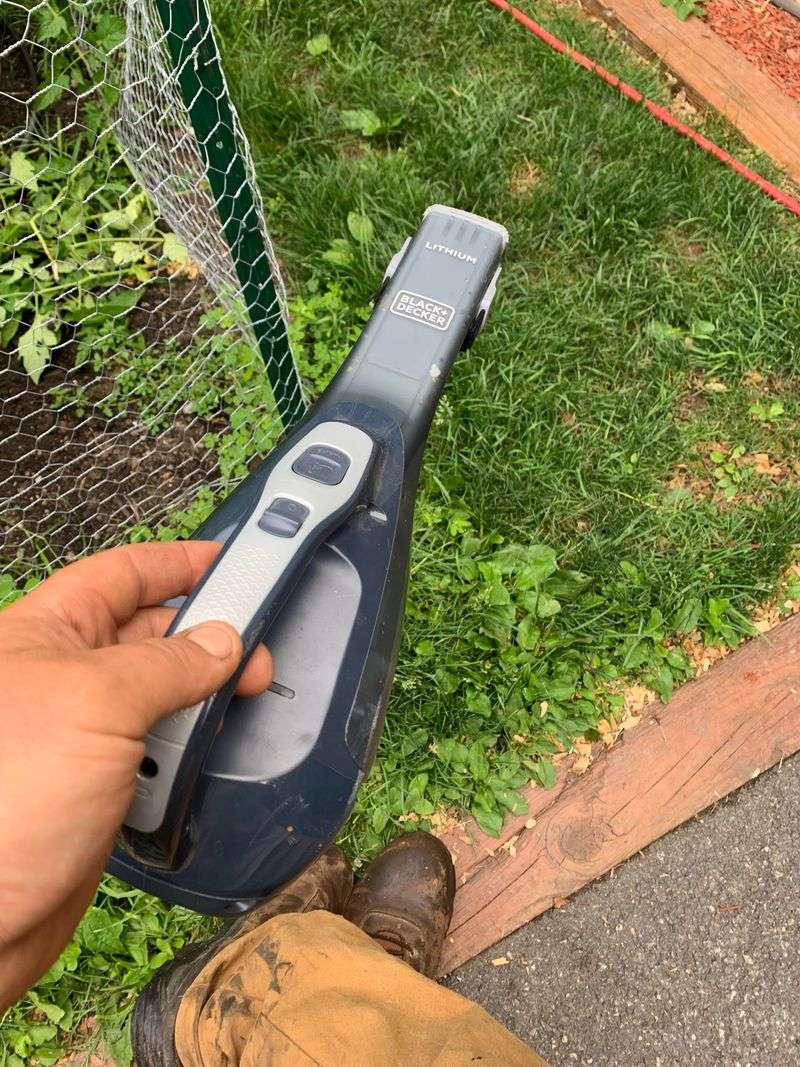
A plastic cup and a stiff piece of paper can solve the problem in seconds. Slide the cup over the bug, ease the paper underneath, and lift it away carefully.
Once captured, you can release it far from the house or drop it into a jar of soapy water.
Soapy water is a common Extension suggestion because the soap breaks the surface tension. The bug sinks instead of floating, and you can dispose of the water later.
Got several bugs clustered together? A small handheld vacuum or a shop vacuum may be faster.
Keep in mind that vacuuming can leave a smell inside the machine. Some homeowners stretch a knee-high stocking inside the hose end, secure it with a rubber band, and then tie off the bugs and toss them.
Using a cheap, dedicated vacuum for bugs keeps the odor away from your main household cleaner.
Gloves are optional but handy if you dislike the scent on your skin.
Work slowly so the insects do not drop and crawl under furniture. They can fly, though they are often sluggish on cool mornings, which makes capture simpler.
Check the area again later in the day. More may land on warm surfaces once the sun hits the porch.
If you use a vacuum, empty the collected insects promptly into a sealed bag outdoors to keep unpleasant odors from lingering inside the machine.
5. Check Porch Doors And Window Frames For Entry Gaps
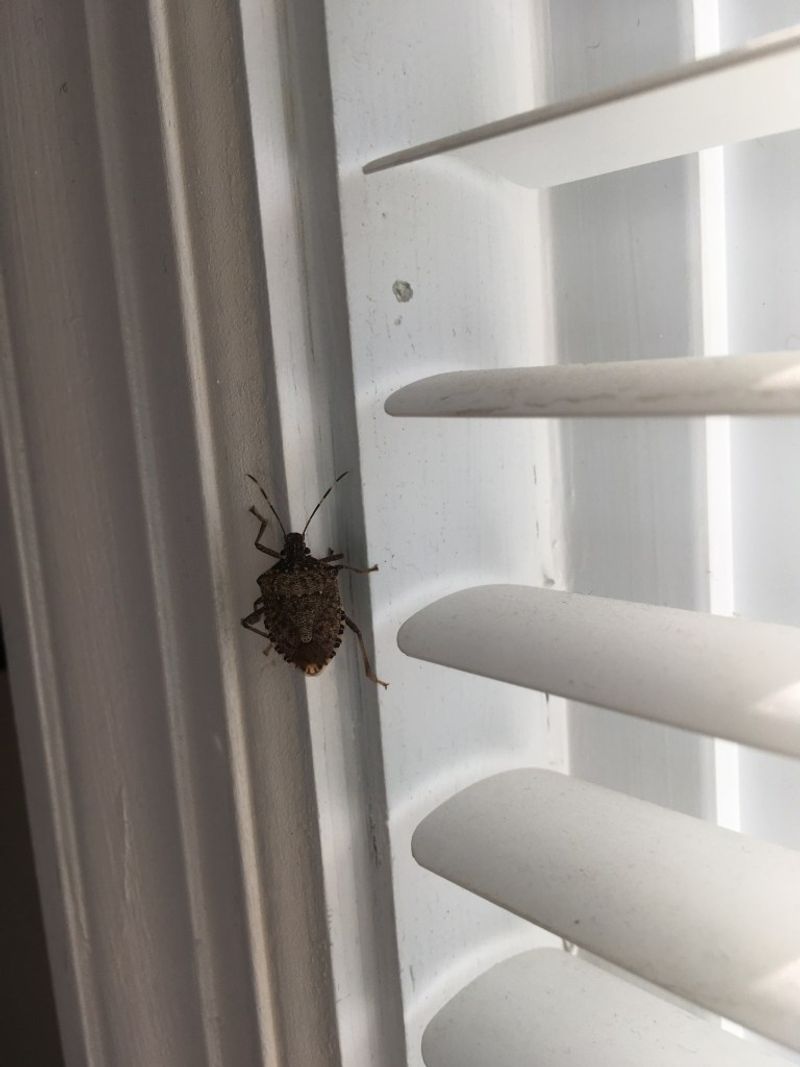
Tiny openings let in big frustrations. A gap barely wider than a credit card can be enough for a stink bug to squeeze through.
Grab a flashlight and walk slowly around your porch doors first.
Look along the edges where the frame meets the siding. Peeling paint, cracked caulk, and loose trim are common trouble spots on older homes.
Window frames deserve the same attention, especially on sunny sides of the house.
Here in Georgia, humidity and heat can wear down caulk and wood over time. Spots that were sealed a few years ago may have opened up without anyone noticing.
Do not forget other entry points nearby. Utility lines, outdoor faucets, dryer vents, and cable wires often pass through walls with loose openings around them.
A quality exterior caulk works well for small cracks.
Larger holes may need foam sealant or a patch, depending on the material. Choose products labeled for outdoor use and follow the directions on the package.
Timing matters if you want the best results. Sealing in late summer or early fall, before bugs start looking for shelter, gives you a head start.
Sealing will not stop every insect, but it can reduce how many reach your living space.
Make another inspection after periods of heavy rain or temperature changes, since existing cracks and worn seals can become more noticeable over time.
6. Repair Torn Screens And Install Tight-Fitting Door Sweeps
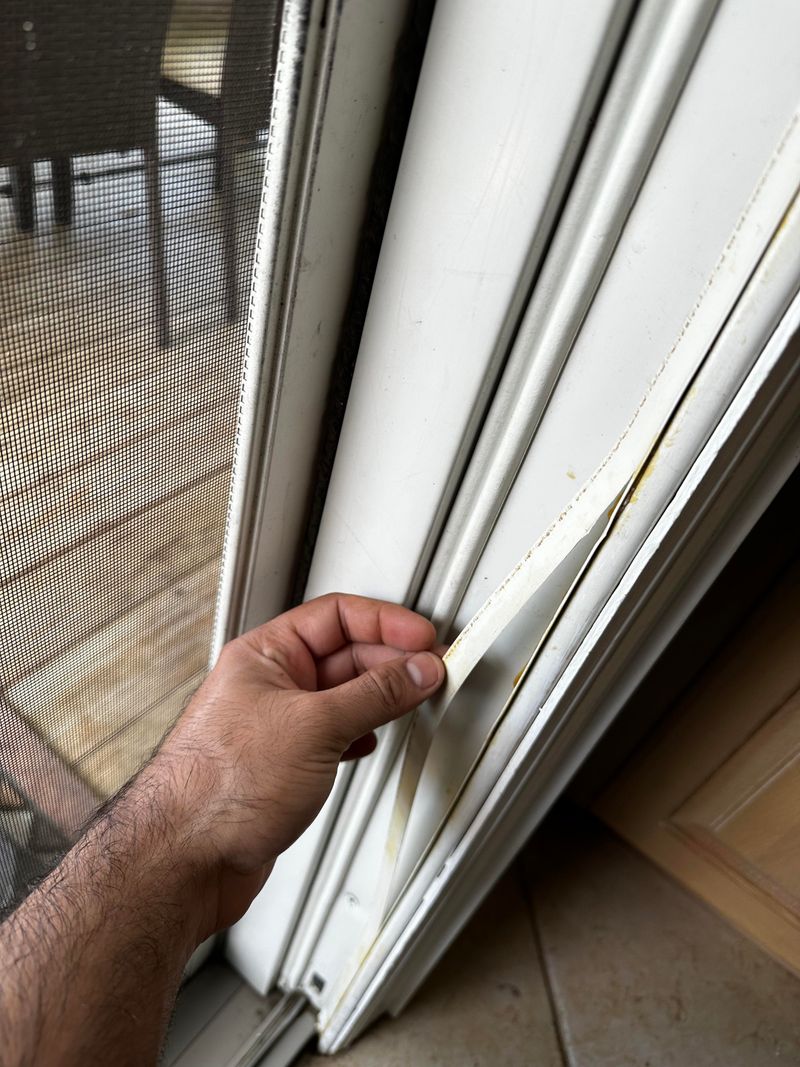
Screens do their job only when they are whole. A small rip in a window or porch screen can act like an open door for curious insects.
Patch kits from hardware stores make quick fixes easy for small tears.
Bigger damage may call for replacing the screen panel entirely. Rolling in new mesh is a manageable weekend project for most homeowners with basic tools.
Check where screens meet the frame too.
Loose corners or bent frames can create gaps even when the mesh looks fine. Pressing the frame back into place or adding foam weatherstripping may help close those spaces.
Now look at the bottom of your doors. Can you see daylight underneath when the door is shut?
A door sweep attaches along the bottom edge and blocks that opening.
Rubber, vinyl, and brush styles are all common choices. Pick one that fits your door width and touches the threshold without dragging too hard.
Many Georgia homes have screened porches that people enjoy most of the year. Keeping those screens in good shape helps with mosquitoes and other pests, not just stink bugs.
Weatherstripping around the door frame adds another layer of protection and may lower energy costs as well.
After making repairs, close each door and window completely to check whether any visible openings remain around the edges.
7. Indoor Insecticide Sprays Are Not The Best Solution
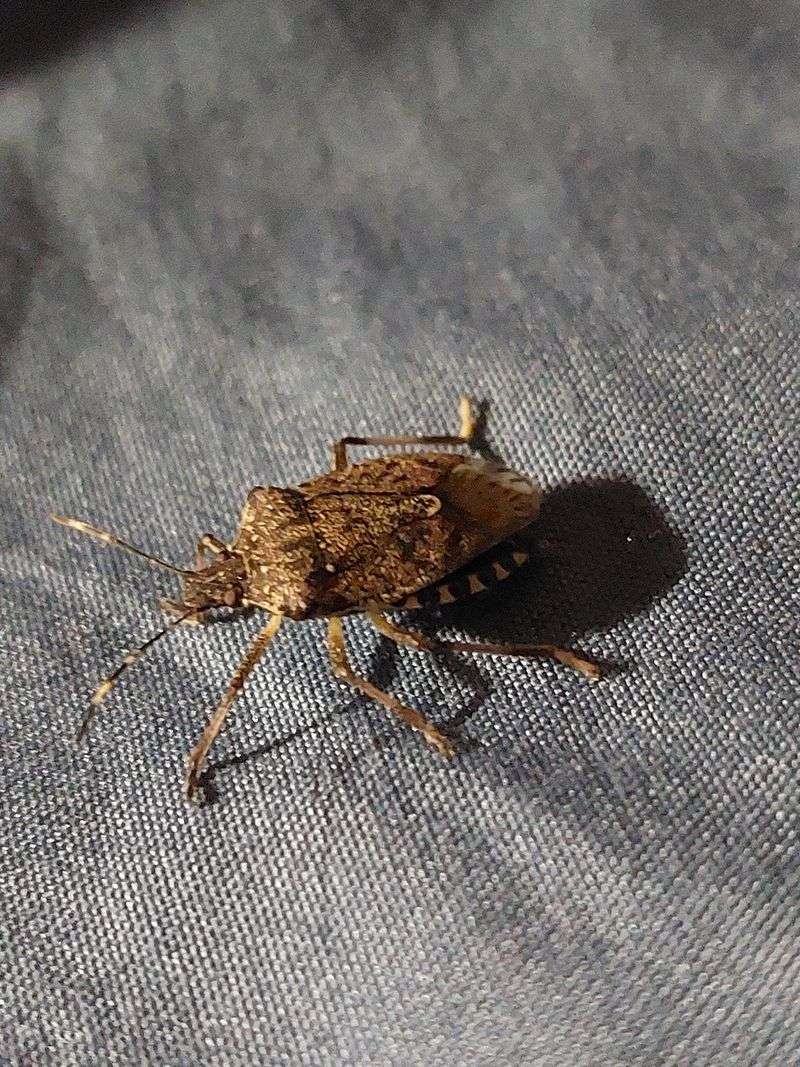
Spraying inside might feel satisfying, yet it rarely fixes the real issue. Extension specialists generally do not recommend indoor insecticides for stink bugs that wander into living spaces.
Removing a few visible bugs does little about others hiding in walls.
In fact, treating wall voids can create a new problem. Insects that perish inside walls may attract carpet beetles and other pests that feed on them.
Indoor chemicals also add exposure risks for children, pets, and anyone with breathing sensitivities.
Home foggers raise even more concerns. They spread product over furniture and surfaces, and improper use can create fire or health hazards.
So what works better? Removal by hand or vacuum handles the bugs you see, while sealing gaps reduces how many get in.
Outdoor treatments around foundations are sometimes used by professionals, though results can vary.
If you live in Georgia and face a heavy problem year after year, a licensed pest control company can assess your home. Ask what products they plan to use and whether exclusion work is part of the plan.
Light traps sold for stink bugs may catch some insects indoors, but their effect on large numbers is limited.
Patience paired with good home maintenance tends to be the steadier path. Focusing on physical barriers and regular inspections also helps reduce unnecessary pesticide use around areas where your family spends time.
8. Warm Fall Days Can Bring More Stink Bugs Onto Exterior Walls
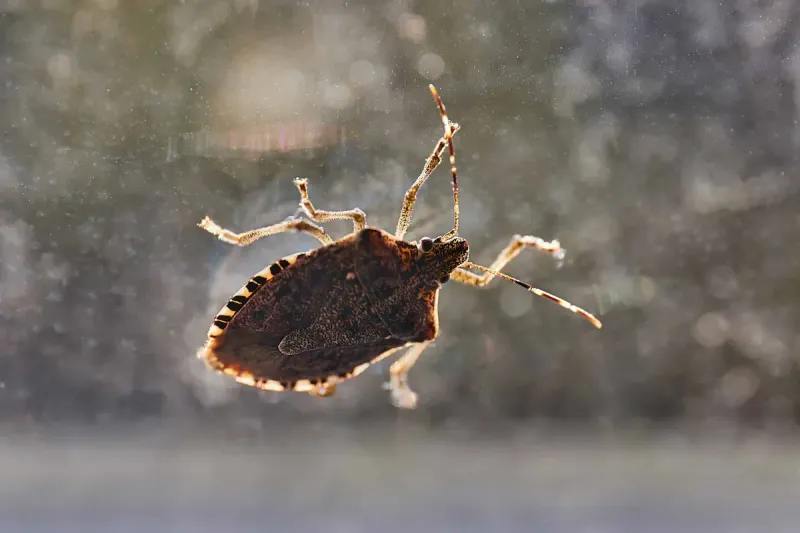
Sunshine in October can feel like a gift, though the bugs seem to enjoy it too. On warm afternoons in fall, stink bugs often become more active and gather on sun-facing walls.
South and west sides of a house tend to heat up most, which may explain why bugs cluster there.
Light-colored siding can make them easier to spot. Some homeowners notice small groups near rooflines, window frames, and porch ceilings.
Activity can shift with the weather.
A chilly morning might show few insects, while a warm afternoon brings more out. Exact timing depends on local temperatures, so patterns differ from year to year and place to place.
Across Georgia, fall weather swings between cool spells and mild stretches. Higher elevations in the north usually cool sooner than southern areas, which may affect when bugs show up.
Warm winter days can also wake a few bugs already sheltering in your home. That is why you might see one crawling near a window in January.
Keep a cup or vacuum handy during these active periods.
Watching where they gather can reveal weak spots in your home. Mark those areas and plan repairs before next fall arrives.
Checking these sunny surfaces during the afternoon can help you identify recurring gathering spots before insects move into sheltered cracks.