Your Ohio Lilac Already Has Next Spring In Mind – Don’t Prune It This Fall
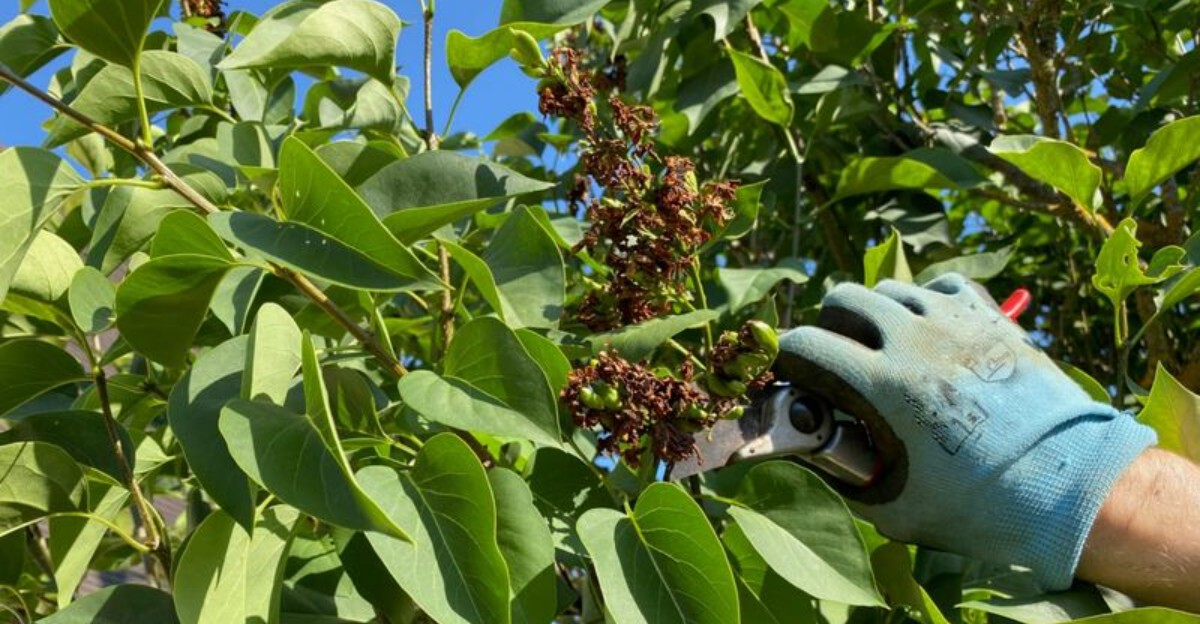
Your lilac may have finished flowering months ago, but it’s already preparing for another spring display. Those bare-looking branches can be misleading, especially when the shrub seems overgrown and ready for a good trim.
Fall pruning might feel like sensible garden maintenance, but lilacs don’t follow the same schedule as every other shrub.
By this time of year, the buds responsible for next spring’s flowers are already in place. Cutting branches now can remove them before they ever get the chance to open.
For Ohio gardeners, that makes fall a particularly important time to leave healthy lilac branches alone.
There are still ways to care for your shrub as colder weather approaches without sacrificing its future flowers.
Knowing which tasks belong in fall and which should wait can help your lilac stay healthy through winter and bloom beautifully when warmer days return.
1. Next Spring’s Flowers Are Already Forming Before Winter
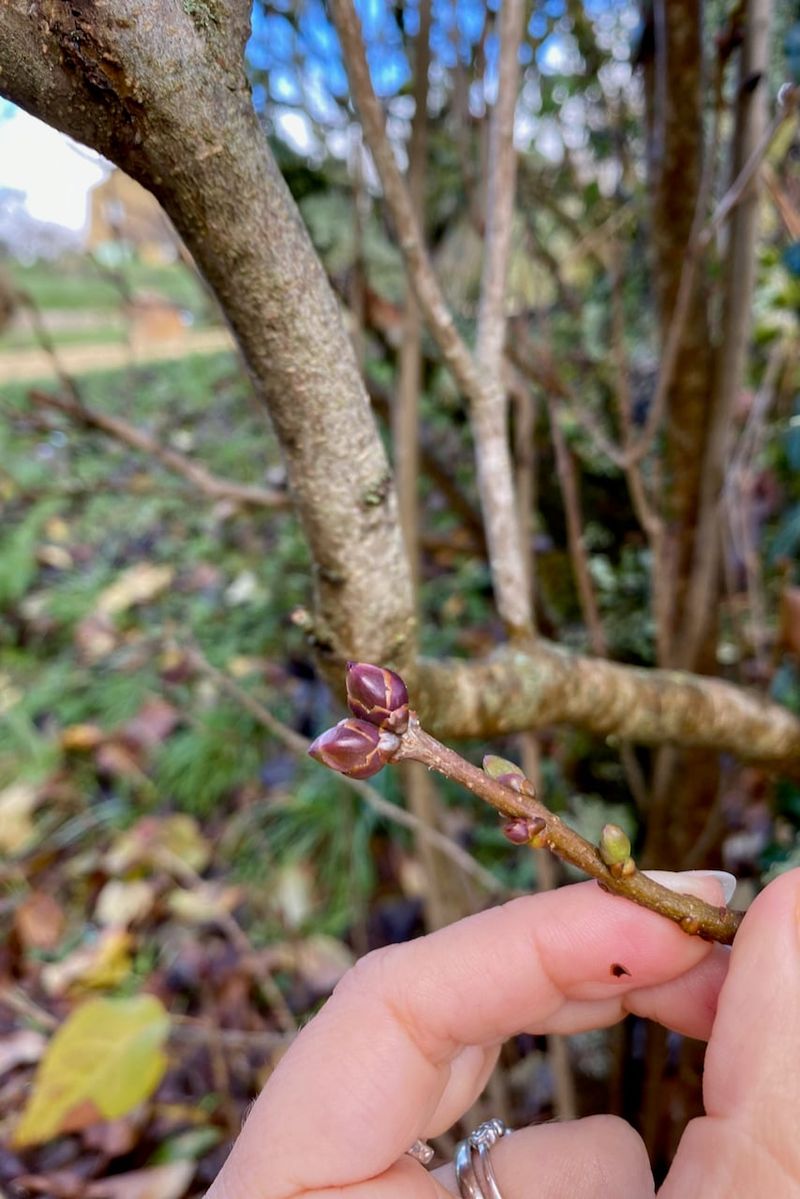
Look closely at a lilac twig in October and you will often spot fat, rounded buds sitting in pairs near the branch tips. Those buds are next spring’s flower clusters, waiting quietly for warmer weather.
Common lilacs bloom on what gardeners call old wood, meaning stems that grew the previous season.
After the shrub finishes flowering in spring, it pushes out new growth. By mid to late summer, flower buds usually begin forming on that fresh wood, and they hold through winter in a dormant state.
Flower buds tend to look plumper than leaf buds, which are often smaller and more pointed.
Telling them apart takes a little practice, but it gets easier once you compare a few side by side. Checking your own shrub in fall can give you a rough idea of how heavy the coming bloom might be.
Here in Ohio, those buds generally handle normal winter cold well, since common lilacs are hardy across the state.
A hard late freeze in spring can sometimes damage buds that have started to open, especially after a warm spell. That risk varies by year and location, so a thin bloom one spring is not always a pruning problem.
Knowing the buds are already in place changes how you see fall chores.
That shrub is not resting with nothing to show. It is holding onto its spring plans, and leaving them alone gives you the best shot at seeing them open.
2. Fall Pruning Can Remove Buds Meant To Bloom Next Year
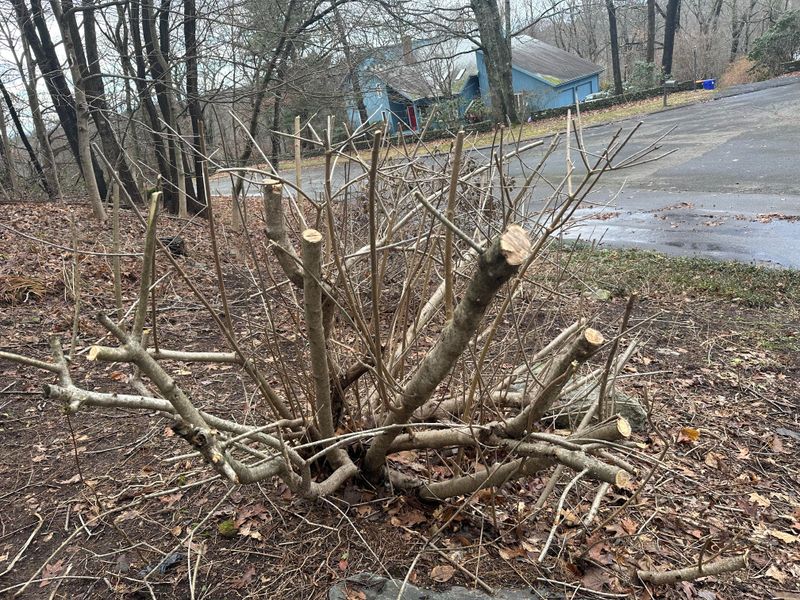
Snip a lilac in September, and you might be tossing next May’s flowers into the yard waste bin. That is the simple trade-off with fall pruning.
Because the buds form at or near the branch tips, shearing the outside of the shrub removes many of them at once.
Gardeners sometimes prune in fall because the shrub looks overgrown and the weather is pleasant for yard work. It feels productive, but on lilacs it often leads to a spring with far fewer blooms than expected.
Fewer flowers is the most common result, not lasting harm to a healthy shrub.
Your Ohio Garden Changes Every Week. Your Plan Should Too.
Gardening in Ohio changes quickly throughout the season. Every Friday you’ll receive a simple weekly plan showing exactly what to plant, prune, fertilize, harvest, and protect so you never miss the right timing.
Lilacs are tough plants, and a fall trim rarely threatens the shrub itself. Still, losing a season of fragrance can be disappointing, especially after waiting all winter.
Some pruning in fall is reasonable, though.
Broken, damaged, or diseased branches can be removed whenever you notice them. Cutting a stem that is rubbing against the house or blocking a walkway is fine too, as long as you accept losing the buds on that piece.
Across Ohio, a smart habit is to make a mental note in fall of branches you want gone, then wait.
Tying a bit of string or ribbon around those stems can help you remember. When the right season comes, you will know exactly where to cut without guessing.
3. The Best Time To Shape Lilacs Is Right After Flowering
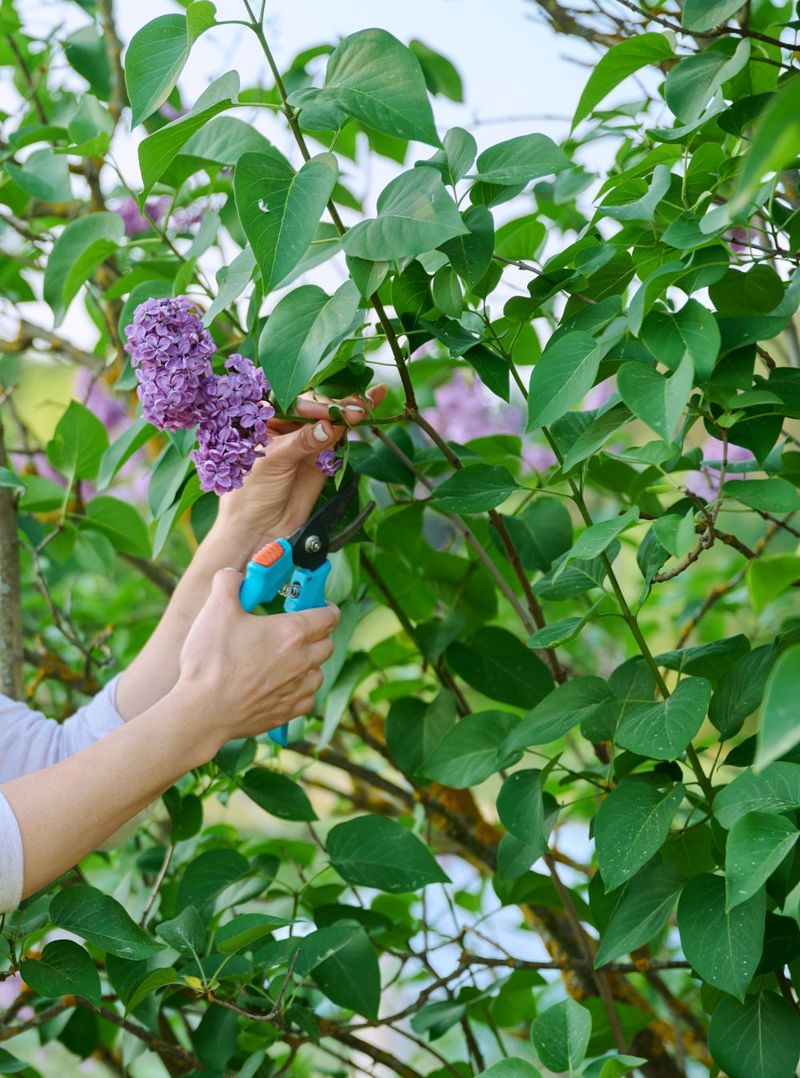
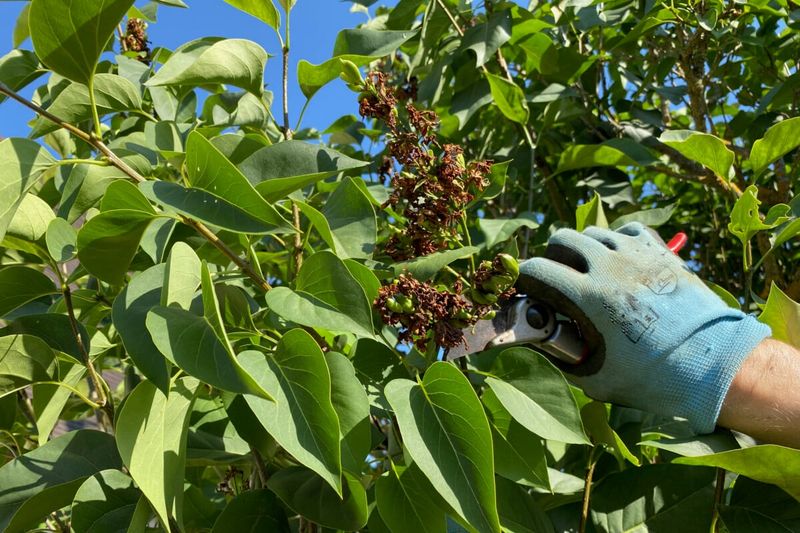
Once the last purple clusters turn brown in late spring, your pruning window opens. Shaping right after bloom gives the shrub the whole summer to grow new stems and set fresh buds.
In much of Ohio, common lilacs finish blooming sometime in May, though the timing shifts with the variety and the spring weather.
Southern parts of the state may see flowers fade a little earlier than areas near Lake Erie. Watching your own shrub is more reliable than marking a date on the calendar.
Aim to finish pruning within a few weeks after flowering ends.
Waiting until midsummer or later raises the chance of cutting off buds that have already started forming. The earlier you prune after bloom, the more growing time the shrub has to recover.
Removing spent flower clusters is optional, and it is mostly about looks.
When shaping, thin out a few crowded or crossing branches instead of shearing the whole outside into a ball. Thinning lets light and air reach the center, which may help reduce leaf problems like powdery mildew.
Reblooming varieties, such as the Bloomerang series, can follow somewhat different rules.
Those types may put out flowers again later in the season. A light trim right after the spring bloom is still a sensible approach, but check the plant tag for specific guidance.
4. Dry Fall Weather Can Stress Roots Before Winter
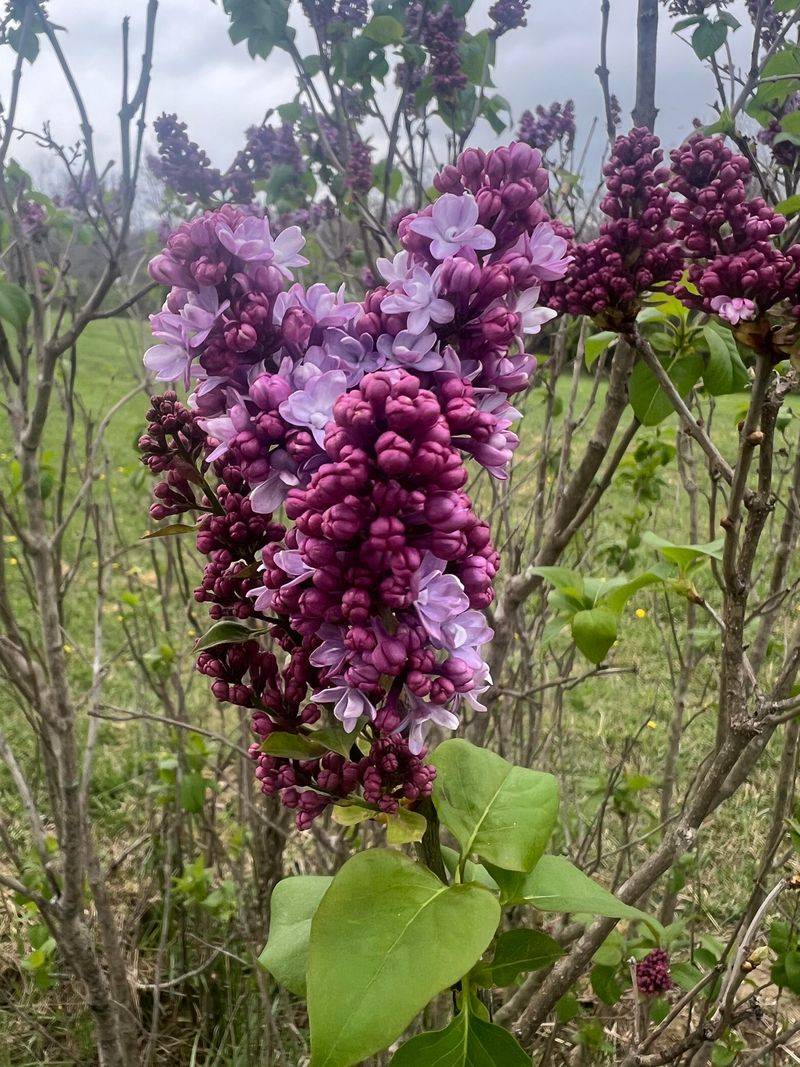
Crunchy lawns in September are a warning sign that shrubs may be thirsty too. Ohio falls are sometimes quite dry, and roots keep working well after the leaves start to fade.
Established lilacs are fairly drought tolerant, so a short dry stretch usually is not a big deal.
Longer dry spells are a different story, especially for shrubs planted in the last year or two. Young root systems are smaller and dry out faster than those of older, settled plants.
Going into winter with very dry soil can add stress the shrub carries into spring.
Watering deeply now and then works better than giving a light sprinkle every day. Let a hose run slowly at the base so the water soaks down instead of running off.
Push a finger or trowel a few inches into the soil to check moisture before you water.
If it feels damp, wait. Lilacs dislike soggy ground, and too much water in heavy clay soil can cause root problems of its own.
Keep an eye on rainfall until the ground starts to freeze, which happens at different times in different parts of the state.
Once regular rain returns or the soil stays cold, you can put the hose away. Some years you may not need to water at all, and that is perfectly fine.
5. A Layer Of Mulch Helps Protect The Root Zone
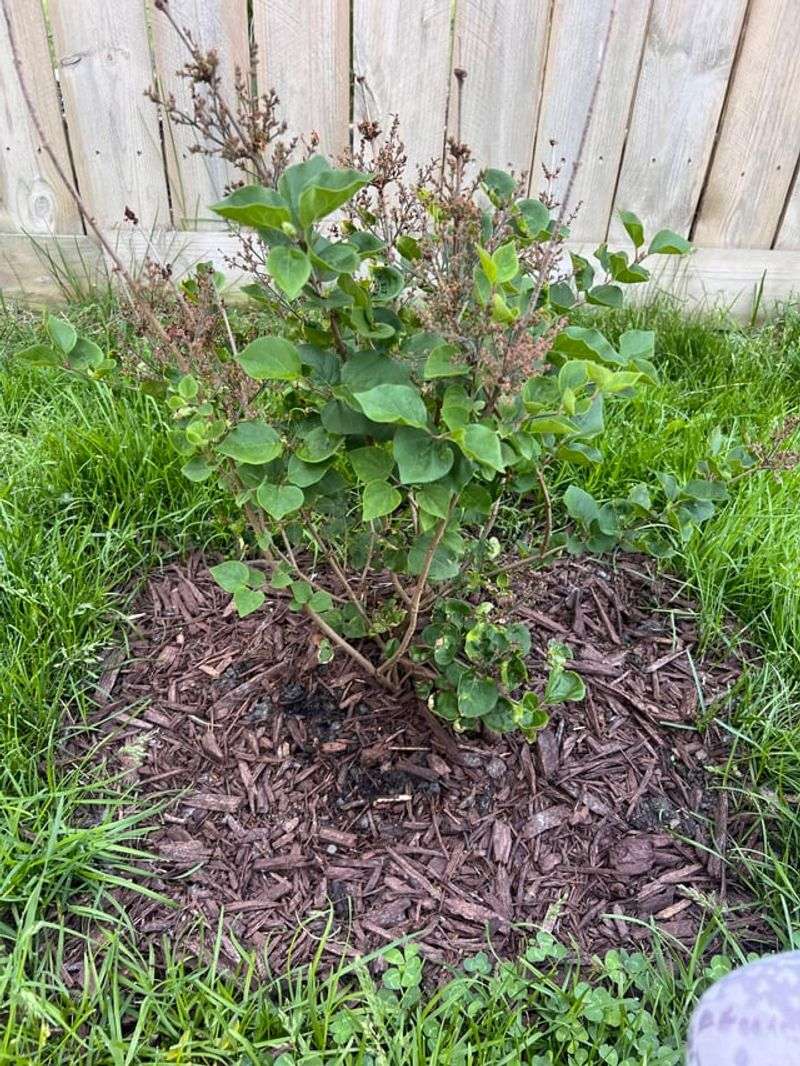
Bare soil under a shrub takes the full hit of every freeze, thaw, and dry wind. A modest blanket of mulch softens those swings and helps the ground hold moisture.
Shredded bark, wood chips, or chopped leaves all work well around lilacs.
A layer roughly two to three inches deep is a common guideline from Extension sources. Spread it out toward the edge of the branches, where many of the feeding roots grow.
Keep mulch pulled back a few inches from the stems themselves.
Piling it against the trunk, sometimes called volcano mulching, can hold moisture against the bark. That may invite rot, insects, or chewing rodents during the colder months.
Freeze and thaw cycles are common through an Ohio winter, and they can heave newly planted shrubs a bit out of the ground.
Mulch helps keep soil temperatures steadier, which may reduce that heaving. Older, well-rooted lilacs are less likely to have this issue, but the moisture benefits still help.
Fall leaves from your own yard make a handy, free option if you shred them first.
Whole leaves can mat down into a soggy layer that sheds water. Running a mower over them breaks them into smaller bits that settle nicely and break down over time.
Refresh mulch as it thins out, but avoid adding a thick new layer every year.
6. Heavy Fall Fertilizing Is Not Necessary For Established Lilacs
More food does not mean more flowers, at least not with lilacs. Older shrubs growing in decent soil often do just fine with little or no added fertilizer.
Too much nitrogen can push lots of leafy growth while doing little for blooms.
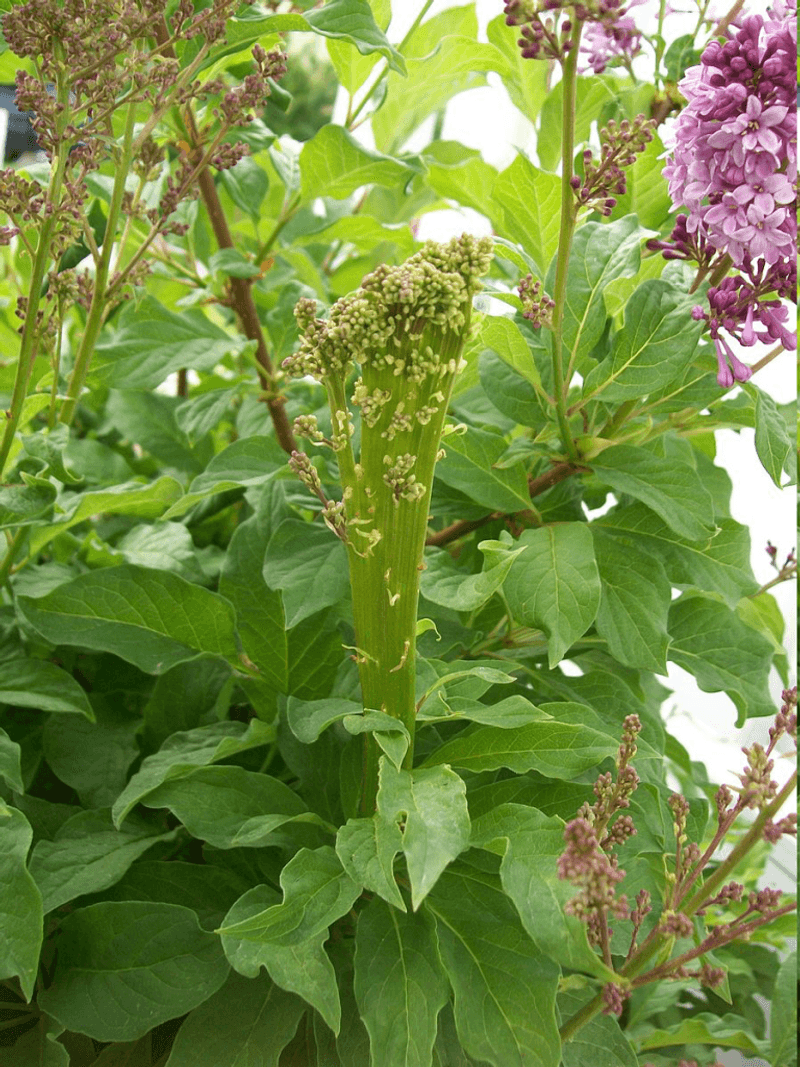
Some gardeners notice lush green shrubs with only a handful of flowers. Heavy feeding is one possible reason, though shade, age, or pruning timing can also play a role.
Lawn fertilizer can sneak into shrub beds without anyone meaning to feed the lilac.
Many lawn products are high in nitrogen, and spreading them near the shrub may have that same leafy effect. Keeping a little distance between lawn feeding and the lilac’s root area can help.
Ohio soils vary a lot, from heavy clay to sandier ground, so a soil test is the best way to know what is lacking.
OSU Extension offices can point you toward testing options. Results will show whether nutrients or soil pH need any attention, which takes the guessing out of the job.
Lilacs generally prefer soil near neutral to slightly alkaline, and they want good drainage.
If a test does suggest feeding, a light application in early spring is a common approach. Fall is usually not the time to push new growth, since the shrub is winding down for winter.
7. Older Shrubs Benefit From Gradual Renewal Pruning
Grandma’s lilac by the old farmhouse may be tall, woody, and blooming only up where nobody can smell it. Overgrown shrubs like that can often be brought back, just not all at once.
Renewal pruning means removing a few of the oldest, thickest stems each year.
A common guideline is to cut about one third of the oldest stems down near the ground. Repeat that over roughly three years, and the shrub slowly fills in with younger, more productive growth.
Do this work right after flowering, following the same timing as regular shaping.
Loppers handle medium stems, while a pruning saw is better for the thick, gray trunks. Make clean cuts low to the ground so new shoots can sprout from the base.
Expect fewer blooms during the renewal years.
Younger stems usually need a season or more before they flower well. Results also depend on the shrub’s health, sunlight, and how many suckers it sends up to replace the old wood.
Thin out extra suckers as well, keeping a few strong ones to become future stems.
Some gardeners choose to cut an entire old lilac to the ground at once. That can work on vigorous shrubs, but it may mean several years without flowers, and weaker plants might not respond well.
The slower approach is gentler and keeps some blooms coming along the way.