Pick Those Shriveled “Mummies” Off Your Virginia Fruit Trees Before Winter Sets In
Something spooky is hanging in your backyard, and it has nothing to do with Halloween decorations. Look closely at your peach, plum, or apple tree once the leaves drop.
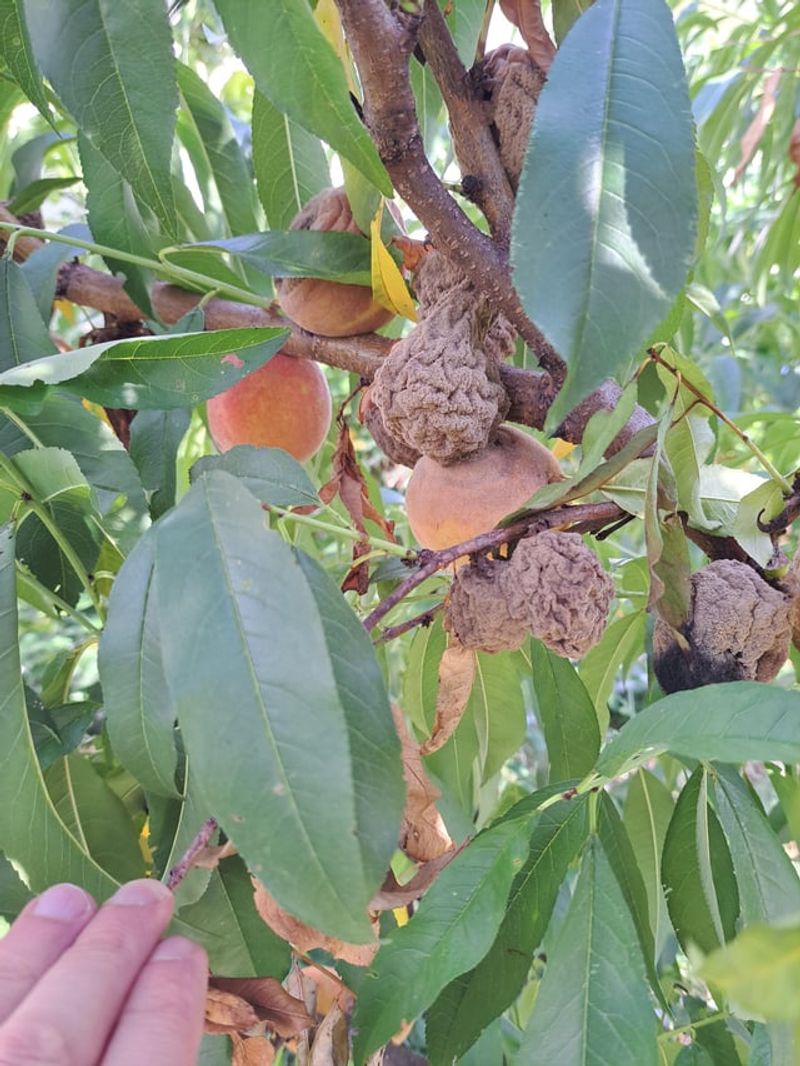
You might spot wrinkled, dark lumps clinging to bare branches like tiny shrunken heads. Gardeners call them mummies, and they’re far sneakier than they look.
Across Virginia, these dried-up fruits quietly carry disease straight through the cold months. When spring rolls around, they can pass that trouble right back to your fresh blossoms.
A little cleanup now can save a lot of heartache later. No fancy tools or special training required.
A pair of gloves, a bucket, and a free afternoon are all it takes. These leathery leftovers matter more than most people realize.
Mummies Are Dried, Diseased Fruit
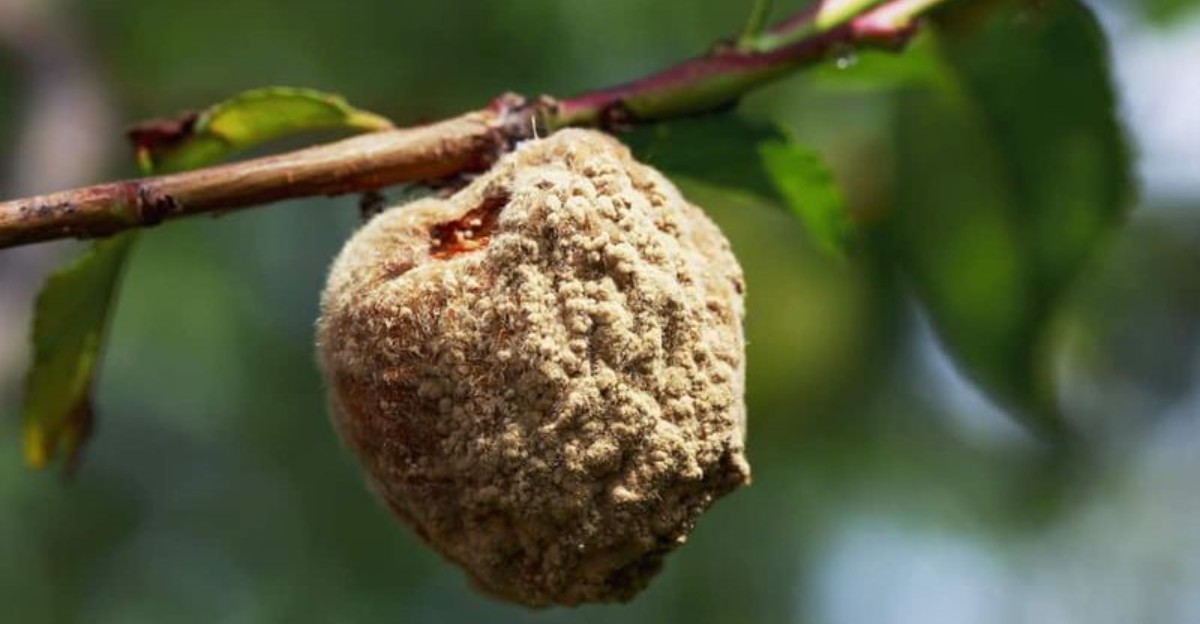
Picture a plump peach shrinking into something that looks like a raisin left in the sun. Gardeners have a fitting name for that wrinkled leftover, and it is a mummy.
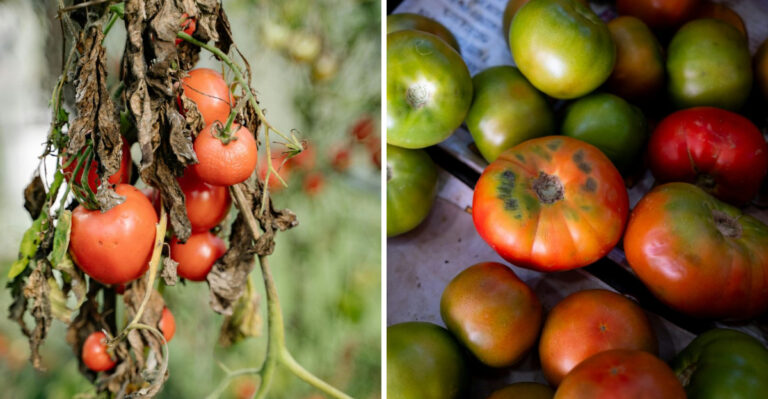
Fruit mummies are dried, shriveled fruits that stay stuck to the tree long after harvest. They turn dark brown or black and feel hard, like a little lump of leather.
Most of them start out as healthy fruit that caught a fungal disease. Brown rot and bitter rot are two common troublemakers behind these leathery leftovers.
Once the fungus moves in, the fruit softens, rots, and loses its moisture. Instead of falling, it often hangs on tight and dries in place.
Weather can play a part too, especially a late spring frost. Frost damage can stunt young fruit, leaving it weak and easy for fungi to invade.
Warm and humid summers give these fungi plenty of chances to spread. That is why so many backyard trees across the state end up decorated with mummies by fall.
Here is a handy tip for spotting them. Wait until the leaves drop, then scan each branch against the sky for dark, odd-shaped lumps.
Fun fact: a single tree can hold dozens of mummies without the owner noticing. They blend right in with twigs and buds, so take your time looking.
Knowing what you are hunting for makes the cleanup much easier. Once you spot your first mummy, the rest tend to jump out at you.
They Hold Disease Spores Over Winter
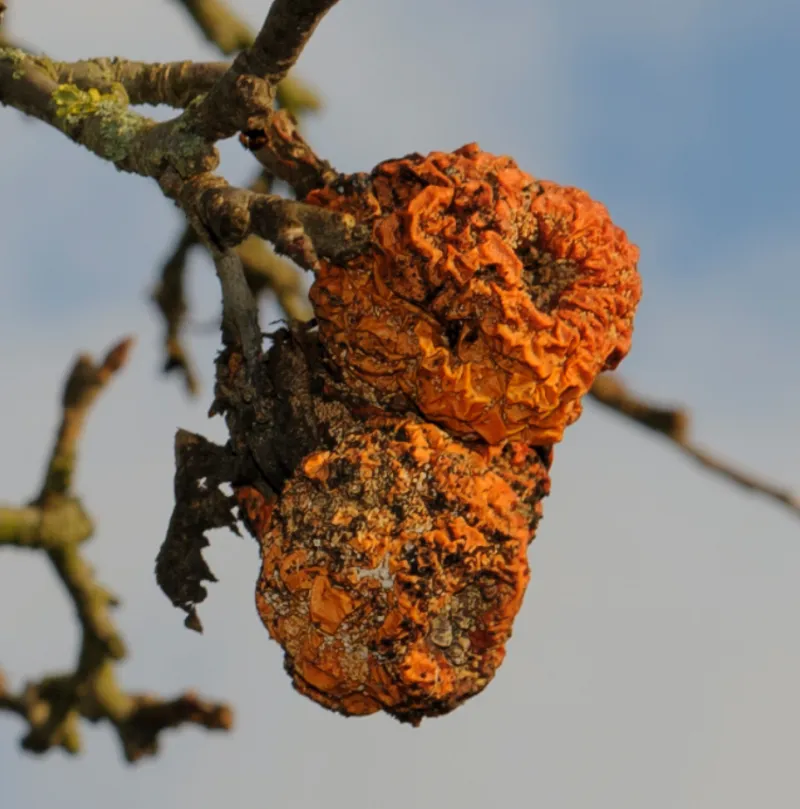
Think of a mummy as a tiny suitcase packed with trouble. Inside, fungi and bacteria wait patiently for warmer days to return.
Disease spores are like seeds for fungus, only much smaller. One shriveled fruit can hold thousands of them, ready to spread when conditions improve.
Cold weather does not wipe out these spores. Instead, they rest quietly inside the dried fruit, protected from snow, ice, and freezing winds.
Mummies on branches and mummies on the ground both work this way. Either spot gives the pathogens a cozy place to ride out the winter.
Plant scientists call this process overwintering. It lets disease-causing organisms survive from one growing season into the next without needing a living host.
Once spring arrives, the fungus wakes up and starts making fresh spores. Those spores then look for new blossoms, leaves, and young fruit to attack.
Virginia winters are often mild, with plenty of damp days mixed in. Gentle temperatures can help many of these fungi hang on even better.
A useful way to picture it is a relay race. Last year’s sick fruit passes the baton straight to this year’s healthy crop.
Removing mummies breaks that chain before the handoff happens. Fewer spores in your yard means a smaller chance of disease when buds open.
Even one forgotten mummy can restart the cycle. So treat each one like it matters, because it truly does.
Brown Rot Hits Peaches, Cherries, And Plums
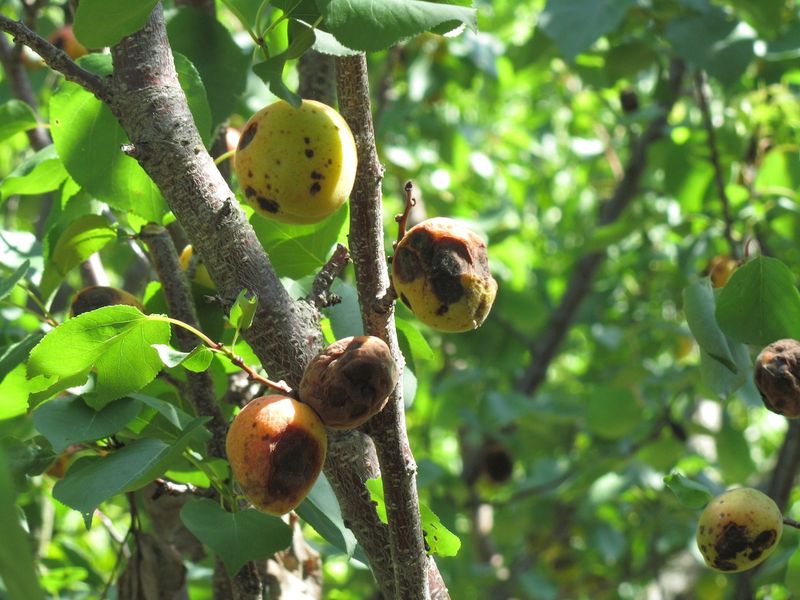
Ever bitten into a peach that looked fine on one side and fuzzy brown on the other? You probably met brown rot, one of the peskiest fungi in any fruit garden.
Its scientific name is Monilinia fructicola, and it loves stone fruits. Peaches, plums, cherries, apricots, and nectarines all sit high on its menu.
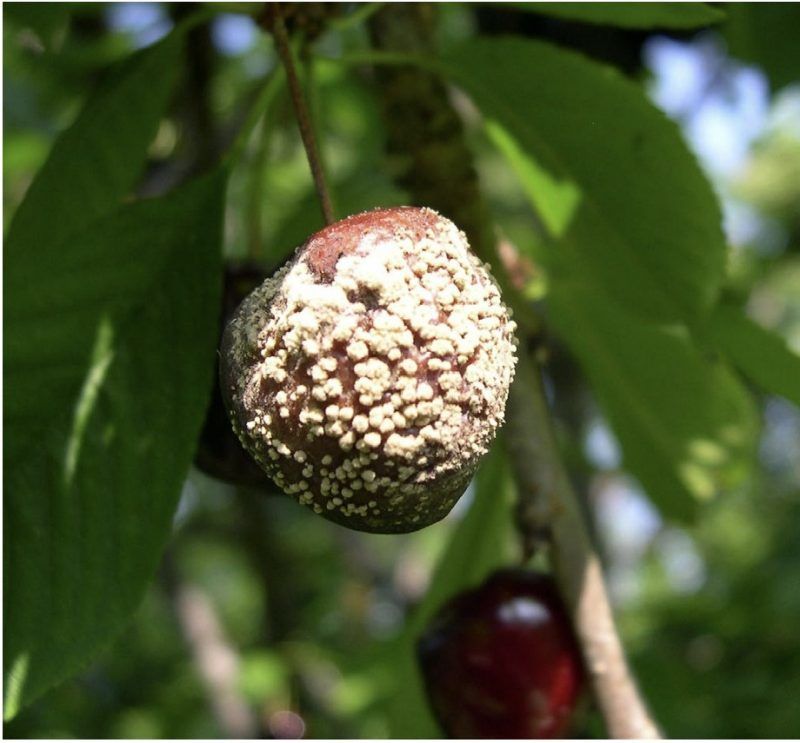
The first sign is usually a small, soft brown spot on the fruit. Within a few days, tan or gray powdery tufts may cover the spot.
Those fuzzy tufts are spore masses, and each one holds a huge crowd of spores. Wind, rain, and even insects can carry them to nearby fruit.
Ripe fruit is especially at risk, so trouble often peaks near harvest. A whole branch of peaches can rot in less than a week during warm, wet weather.
In Virginia, brown rot commonly spends the winter inside mummies still hanging on the tree. Those leftovers become the starting point for next year’s outbreak.
Here is a practical tip for summer. Pick off any fruit with brown spots right away instead of waiting for it to drop.
Thinning fruit also helps, since crowded peaches touching each other pass the fungus quickly. Leave about six to eight inches between fruits on a branch.
Brown rot can also creep into twigs and blossoms. Watch for wilted flowers in spring, since blossom blight is often caused by this same fungus.
Black Rot And Bitter Rot Target Apples
Apple growers in the Shenandoah Valley know the feeling of finding a ruined apple on a perfect fall day. Two fungi, black rot and bitter rot, cause much of that disappointment.
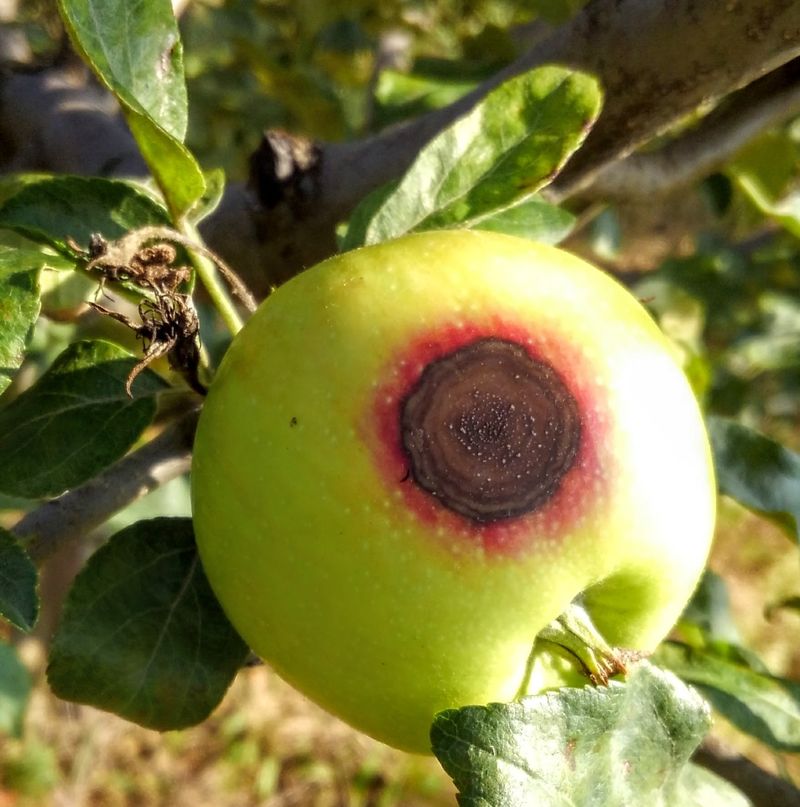
Black rot comes from a fungus called Botryosphaeria obtusa. It often starts as a small purple spot that grows into a brown circle with rings.
Over time, an apple with black rot shrivels and turns black. It frequently stays on the branch as a mummy, ready to spread spores later.
Black rot also attacks leaves, causing frog-eye leaf spot. Look for tan spots with purple edges on apple leaves during late spring.
Bitter rot comes from a different group of fungi called Colletotrichum. It makes sunken, dark spots on the skin, often with rings like a target.
Slice open an infected apple, and the flesh underneath looks brown and mushy. The rotten area often forms a cone shape pointing toward the core.
Hot, humid summers give bitter rot a big boost. Virginia weather in July and August fits that description pretty well.
Both fungi like to hide in mummies, dry wood, and old cankers. Cleaning up these spots cuts down on next year’s infections a great deal.
Quick tip: check apples tucked deep inside the tree canopy first. Shady, damp interiors are where these rots usually show up early.
Spring Rain Spreads Spores To New Blossoms
Spring showers bring flowers, but they also bring a hidden delivery service. Every raindrop can act like a tiny launch pad for fungal spores.
Scientists have studied what happens when rain hits a leaf or a mummy. The impact creates little swirls of air that toss dry spores upward.
One drop can lift thousands of spores at once. After that, a light breeze carries them to fresh blossoms and tender green shoots.
Splashing water also moves spores downward and sideways. Mummies hanging above flower clusters are perfectly placed to drip disease onto new buds.
Wet weather does more than move spores around. It also gives them the moisture they need to sprout and break into plant tissue.
Blossoms are especially soft and easy to infect. Once a fungus gets into a flower, it can travel into the twig and the young fruit.
Virginia springs are known for long stretches of drizzle and fog. Those damp days create perfect conditions for fungi waking up from winter.
Here is a helpful tip for rainy seasons. Pay attention to weather forecasts during bloom, since several wet days in a row raise disease risk.
Some gardeners time protective sprays just before long rainy periods. Your local Virginia Cooperative Extension office can share a home orchard spray schedule.
Of course, the easiest step comes earlier. With fewer mummies on the tree, there are fewer spores for rain to spread.
Pick Mummies Off Every Branch
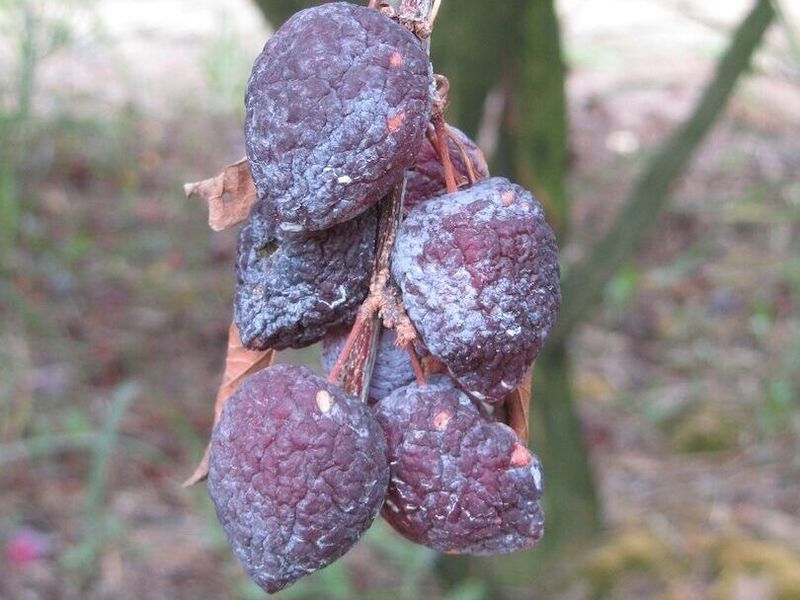
Grab a bucket, put on some gloves, and get ready for a fruit tree treasure hunt. Your prize is a healthier harvest next summer.
Removing mummies by hand is one of the best ways to control fruit tree diseases. Experts agree that leftover mummies are a major source of spores each spring.
Timing makes the job easier. Wait until the leaves have fallen, usually in November across most of the state.
Without leaves in the way, mummies stand out clearly against the bare branches. Walk slowly around the tree and look from several angles.
Some mummies pop off with a gentle tug. Others cling tightly, so use clean hand pruners to snip them off with a bit of stem.
Remember to check the small twigs where mummies were attached. If the twig looks sunken or discolored, prune it back to healthy wood.
For tall trees, a pole pruner or fruit picker can help you reach high spots. A sturdy orchard ladder is safer than a regular step stool.
Bring a helper if you can. One person can spot mummies from the ground while the other does the picking.
Fun tip for families: turn it into a counting game with kids. Whoever finds the most hidden mummies gets to pick dessert that night.
Check the tree again in late winter before buds swell. You may find a few sneaky ones you missed the first time.
Clean Up Fallen Fruit Too
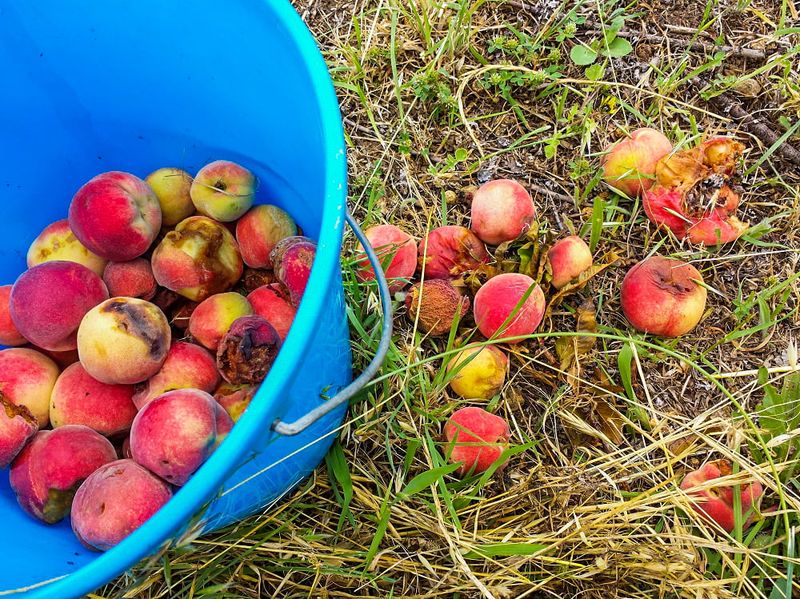
Out of sight should not mean out of mind. The rotten fruit lying under your tree can cause just as much trouble as the ones still hanging.
Fallen mummies and decaying fruit keep holding spores on the ground. When spring comes, those spores can splash or blow right back up into the tree.
Some fungi even produce special spore cups on old fruit buried in soil. Brown rot does this, sending up tiny mushroom-like structures during bloom.
Fallen fruit attracts pests too, not just diseases. Pests like plum curculio and codling moth can spend winter in leaf litter, debris, or loose bark nearby.
Wasps, yellow jackets, and even raccoons also love a free pile of rotting fruit. Cleaning up keeps your yard safer and less smelly.
Here is how to tackle it. Rake under each tree, reaching a few feet past the edge of the branches.
Pick up any fruit hiding in grass, mulch, or around rocks. A leaf rake with stiff tines works better than a soft broom rake.
Try to clean up throughout the season, not only in fall. Collecting dropped fruit every week or two in summer makes the final cleanup much lighter.
Good orchard hygiene matters for fruit trees all over the state. Small habits like this add up to fewer sprays and bigger, cleaner harvests.
Finish by refreshing the mulch layer. Keep it a few inches away from the trunk to discourage rot and rodents.
Throw Them Away, Don’t Compost Them
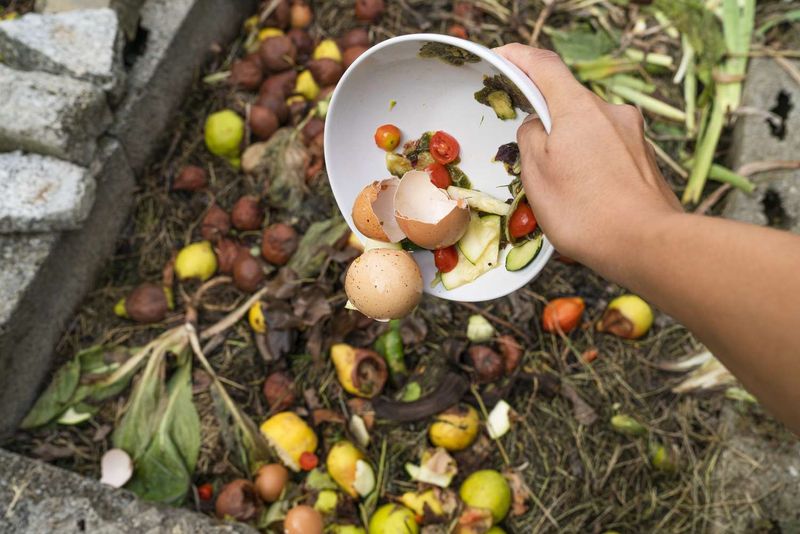
Composting feels like the responsible choice for almost every scrap of yard waste. Diseased fruit, however, is one big exception to that rule.
Home compost piles rarely get hot enough to destroy plant pathogens. Most fungal spores need steady temperatures around 140 degrees or higher to be wiped out.
Backyard bins often stay much cooler, especially near the edges. Spores can survive there and end up in your garden beds next year.
Spreading that compost around vegetables or flowers could plant disease right where you do not want it. You might even carry spores back to the fruit trees themselves.
So what should you do instead? Bag the mummies and rotten fruit, then put them in your regular household trash.
Some towns and counties offer municipal yard waste programs. Large commercial facilities usually reach much higher temperatures than backyard piles.
Check with your local public works office before using that option. Rules for diseased plant material can differ from one community to the next.
Burying mummies is another idea people sometimes try. It works only if they go at least several inches deep, far from your trees.
Burning yard waste is restricted in many areas, so skip that unless local rules allow it. Trash pickup is usually the simplest and safest path.
Quick tip: tie the bags tightly before tossing them. Loose bags may tear and scatter fruit across the yard on windy days.
Dormant Pruning Adds Extra Protection
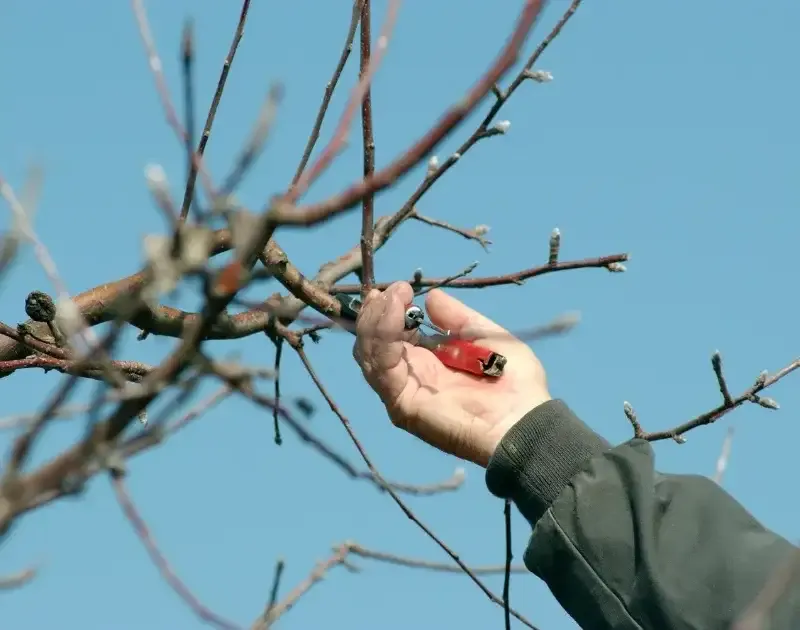
Late winter is a quiet season in the orchard, but it is the perfect time to pick up your pruners. Dormant pruning gives your trees one more layer of defense.
Trees are dormant when they rest between seasons without leaves. In Virginia, the best window usually falls between late February and early March.
Start by cutting out any branches that look broken, cracked, or diseased. Cankers, sunken areas on bark, often hide the same fungi that cause fruit rot.
Next, open up the center of the tree. Remove crossing branches and crowded shoots that block light and air.
Better airflow helps leaves and fruit dry faster after rain. Fungi struggle to grow when surfaces stay dry most of the time.
Sunlight reaching the inner branches also helps fruit ripen evenly. Many growers say a bird should be able to fly through a well-pruned tree.
Pick a dry day for this job if you can. Pruning during wet weather may spread spores into fresh cuts.
Clean your tools between trees with rubbing alcohol or a mild bleach solution. Clean blades lower the chance of carrying disease from one tree to another.
Peaches are often pruned a bit later than apples. Waiting until just before bloom helps them heal faster and lowers canker risk.
Combine pruning with mummy removal, and your trees head into spring in great shape. Your future pies will thank you.