Why Falling Leaves Can Smother A Newly Seeded North Carolina Fescue Lawn
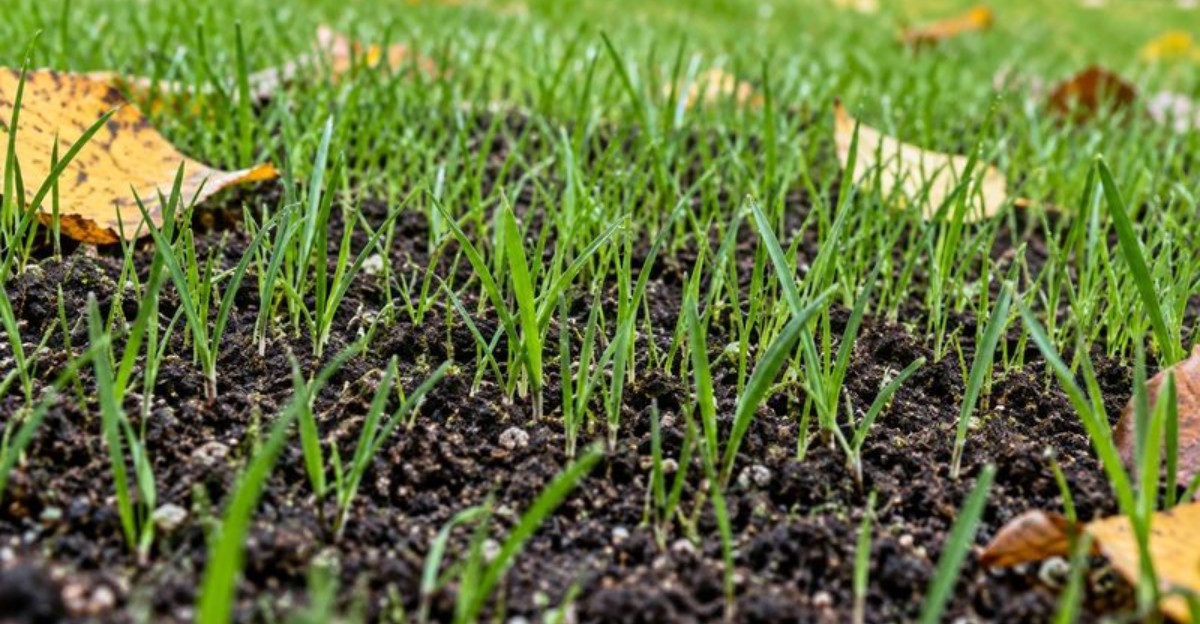
A single wet oak leaf can shade dozens of brand new grass seedlings that sprouted only a week earlier. Those tiny blades are only a millimeter or two wide, and they need steady sunlight to build roots before winter.
In the North Carolina Piedmont, extension experts suggest aiming to finish fall seeding by early October, just before many trees begin dropping leaves. That timing means your fresh lawn and the first big wave of leaves can show up within a few weeks of each other.
I find it surprising how fast a soggy leaf layer traps moisture against the soil surface underneath it. That damp, shaded pocket is exactly where fungal problems like damping-off love to start bothering young sprouts.
You spent money on seed, straw, and starter fertilizer, so watching it vanish under leaves feels rough. Have you ever lifted a leaf pile in late October and found pale yellow grass hiding underneath it?
Your New Grass Is Starving For Sunlight
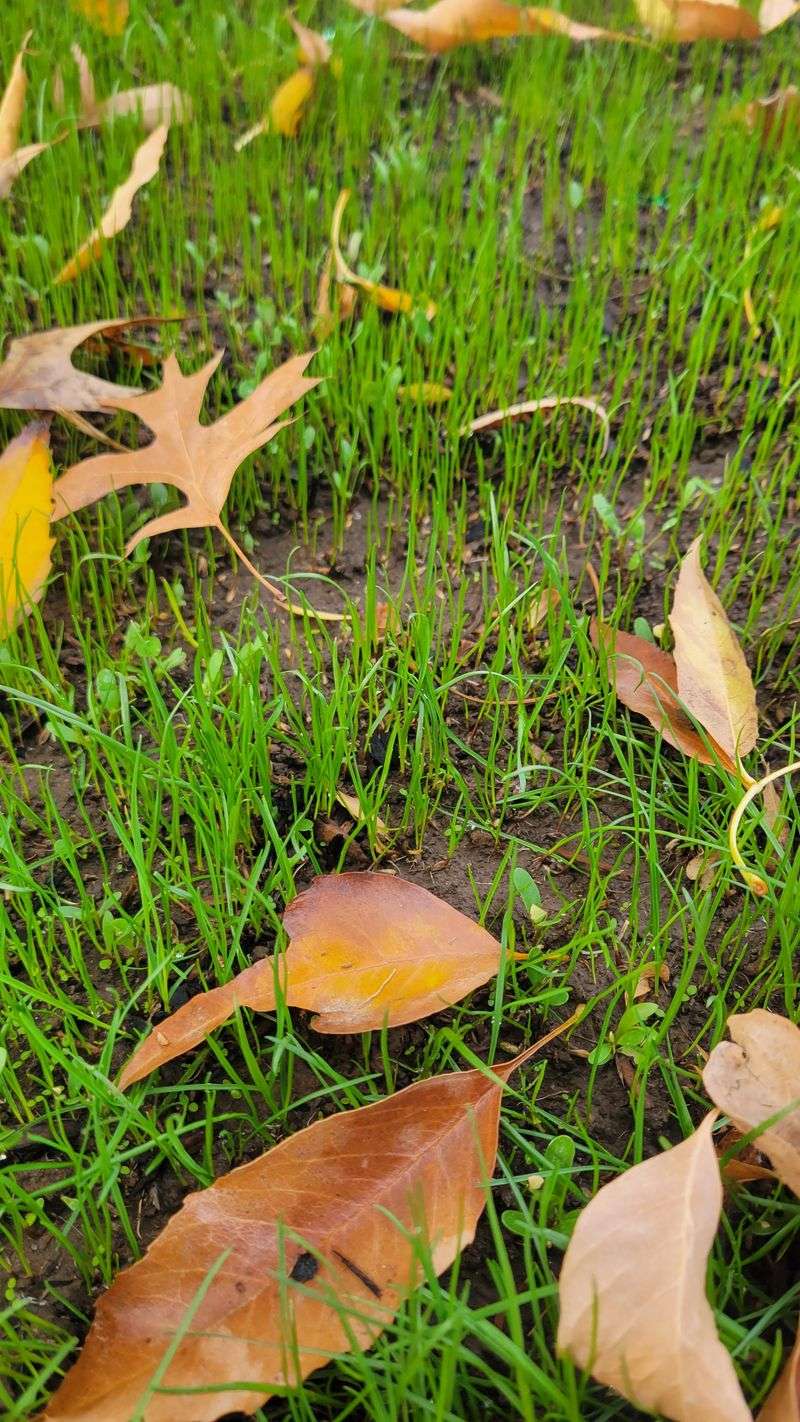
Tall fescue is one of the most common cool-season lawn grasses in the North Carolina mountains and Piedmont regions. Newly sprouted fescue looks tough from a distance, but each seedling is fragile for its first several weeks.
Grass makes its own food through photosynthesis, which needs sunlight hitting the green blades for many hours each day. A mature lawn stores extra energy in its roots, so it can handle a few shady days.
Young seedlings have almost no stored energy, because they used most of it just pushing up through the soil. When leaves pile on top of them, much of the light gets blocked and their tiny food factories slow down.
Covered seedlings often turn pale yellow, then stretch thin and weak as they reach for any light available. Gardeners call this stretched, washed-out look etiolation, and it is a clear sign the grass needs sunshine.
A light scattering of leaves usually causes little harm, since sunlight still slips through the gaps between them. The trouble begins when leaves overlap into a solid layer that hides most of the soil surface below.
Seedlings left under a thick mat for a week or two may thin out or fail to establish. Those bare patches then become open doors for winter weeds like henbit, chickweed, and annual bluegrass next spring.
A simple test helps a lot here, so lift a few leaves and check the color underneath. Bright green blades are a good sign, while pale yellow blades suggest it is time to clear that spot.
Soggy Leaf Mats Invite Seedling Disease
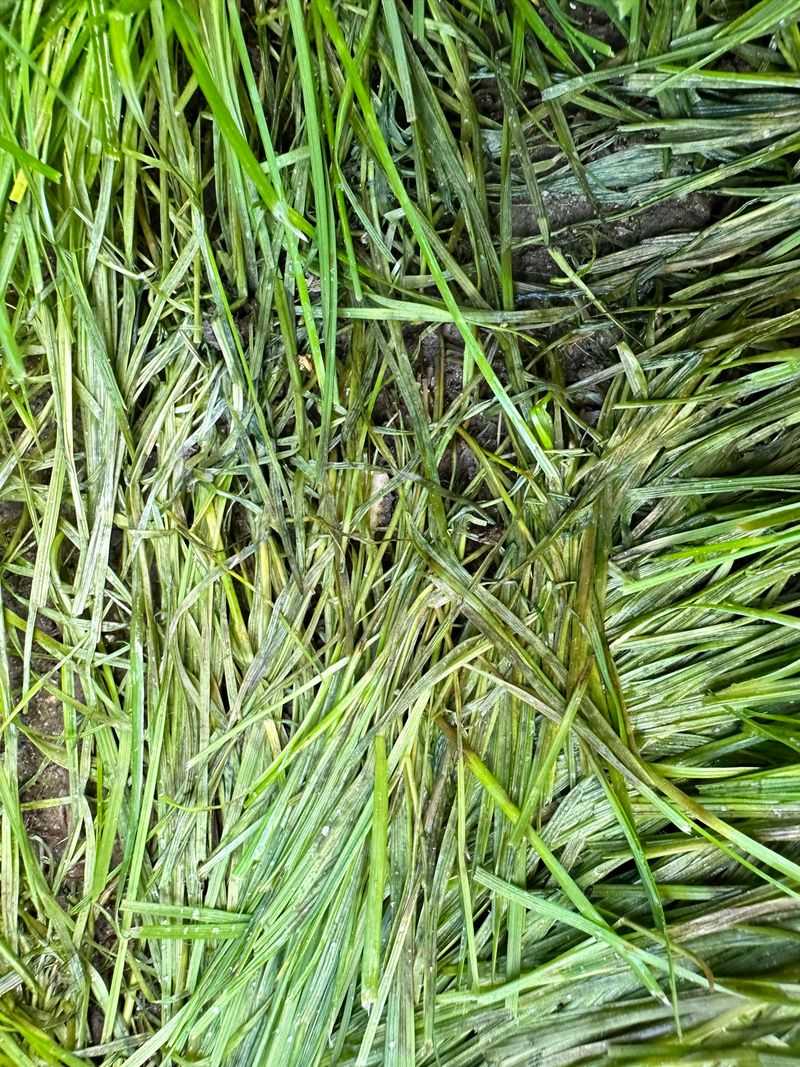
Ever notice how the ground under a leaf pile stays damp for days after a fall rain shower? That trapped moisture is great for earthworms, but it creates real problems for a lawn that just sprouted.
Fungi that cause lawn diseases thrive in places that stay wet, shaded, and still for long stretches. A thick leaf mat checks every one of those boxes, especially during mild October weather in North Carolina.
Turf experts at NC State point to damping-off and Pythium blight as common troubles for newly seeded tall fescue. Both problems can rot young stems at the soil line, causing seedlings to flop over and turn brown.
Your North Carolina Garden Changes Every Week. Your Plan Should Too.
Gardening in North Carolina changes quickly throughout the season. Every Friday you’ll receive a simple weekly plan showing exactly what to plant, prune, fertilize, harvest, and protect so you never miss the right timing.
Pythium in particular prefers warm, humid conditions, so it is most active during early fall warm spells. As nights cool down later in the season, the risk usually drops, though damp leaves can still encourage trouble.
Scientists are still learning exactly how much a leaf mat raises disease risk in any single yard. Still, the basic advice from extension services stays the same, which is to let air and light reach young grass.
Watering habits matter too, because extra moisture on top of soggy leaves makes the situation worse. Water new seed in the morning so blades dry by evening, and skip sprinkling if rain is coming.
Clearing leaves before they turn into a wet blanket is one of the easiest ways to lower risk. Fresh air moving across the soil helps dry the surface, and that alone can slow fungal growth.
Fall Seeding Lines Up With Early Leaf Drop

Timing in lawn care can feel tricky, and fall seeding in North Carolina is a good example. The best weeks for planting tall fescue run right up to the weeks trees start shedding leaves.
NC State suggests seeding tall fescue in early to mid-September in the mountains. In the Piedmont, the target window runs from mid-September to early October, depending on your exact location.
Cool nights and warm soil in fall help fescue sprout fast, often within one to two weeks. That gives roots several months to grow before the hot, stressful summer weather returns the following year.
Meanwhile, maples, oaks, sweetgums, and hickories across the state usually drop most of their leaves from late October into November. Oaks often hang on longer, sometimes releasing leaves slowly well into December in some Piedmont neighborhoods.
So a lawn seeded in late September may be just a few weeks old when leaves start piling up. Grass that young usually has shallow roots and only a few leaves per plant, so it bounces back slowly.
Lawns seeded earlier in the window often have a clear head start once the heavy leaf drop arrives. Those plants have had more time to form roots, tillers, and stored energy to handle a brief shading.
If you seeded late this year, plan on checking your lawn more often through November and early December. Late seedings can still do well, but they need extra protection from leaves during their first few months.
Heavy Raking Can Pull Up Tender Sprouts
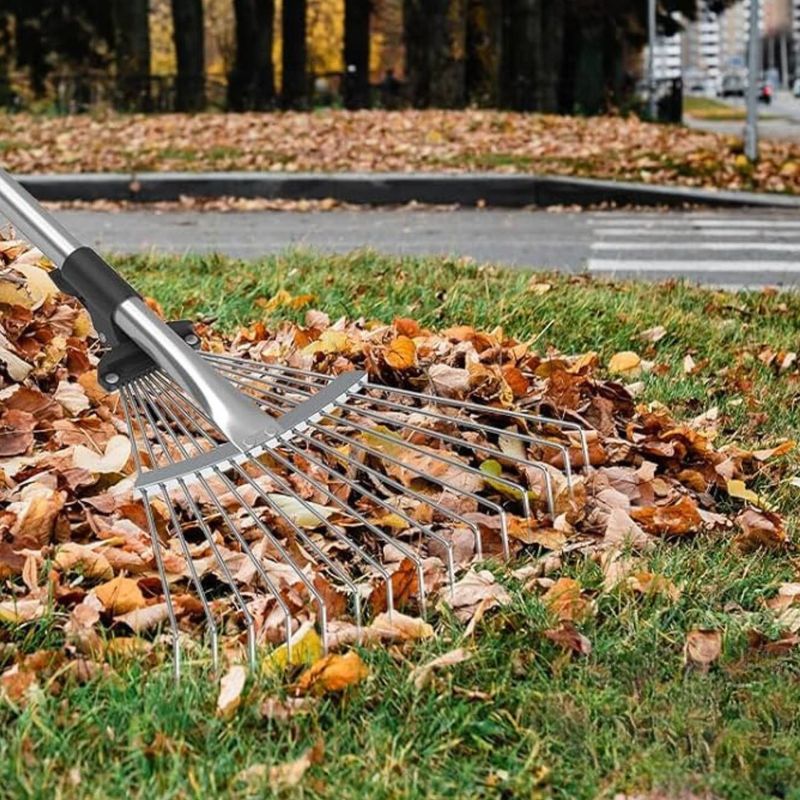
Grabbing a metal rake and scraping hard feels like the responsible move, but new grass may disagree. Seedlings in their first month have tiny roots that can pull loose from the soil with surprising ease.
Stiff metal tines dig into the surface and can rip out sprouts along with the leaves you meant to remove. They can also drag away seed that has not sprouted yet, leaving thin streaks across your new lawn.
Wet leaves make the problem worse, because they stick to the soil and to the delicate grass blades. Pulling a heavy, soggy clump often lifts a whole patch of seedlings right along with it.
A flexible plastic or bamboo leaf rake is a much kinder choice for lawns that are still filling in. Use light, sweeping strokes that skim across the top instead of digging down into the soil.
A leaf blower on a low setting is often even better, since nothing touches the ground at all. Wait for a dry afternoon, because dry leaves blow away easily while wet ones cling to the soil.
Another common slip is walking across the new lawn over and over while hauling tarps full of leaves. Heavy foot traffic packs down soft soil and bruises young blades, so try to vary your path each time.
If straw mulch covers your seed, rake leaves gently so you do not pull away that protective layer. A thin, even layer of straw can stay put, since most seedlings grow right through it without trouble.
A Gentle Weekly Cleanup Keeps Seedlings Growing
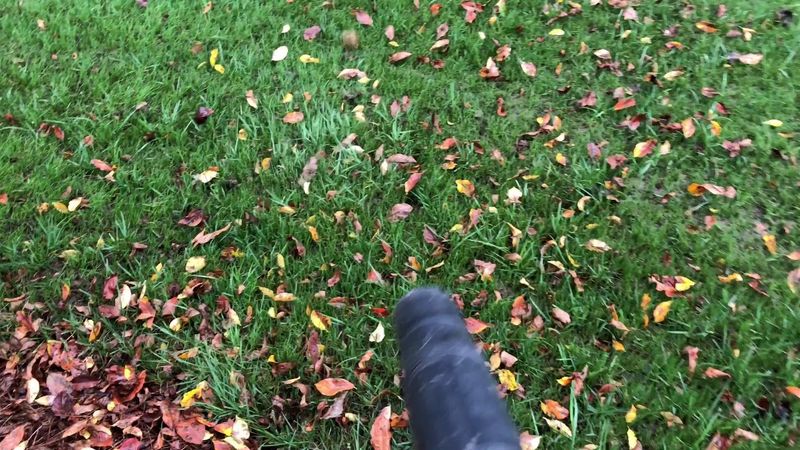
Think of leaf cleanup on a new lawn as a small weekly chore rather than one giant weekend project. Short, frequent sessions keep leaves from building into the thick, soggy mats that cause the most harm.
Many lawn care experts suggest clearing leaves at least once a week during peak fall leaf drop. Under big oaks or maples, you may need to check every few days when trees are shedding heavily.
A helpful rule is to clear leaves whenever you can no longer see the grass beneath them clearly. Some gardeners aim for no more than about half the lawn surface covered at any time.
Start with the spots that collect the most leaves, like fence lines, corners, and low areas near trees. Wind tends to pile leaves into the same places each year, so you will quickly learn your problem zones.
Collected leaves do not need to go to waste, since they make excellent compost or garden bed mulch. Spread them around shrubs or vegetable beds, where they slowly break down and feed the soil over winter.
Many North Carolina towns also offer curbside leaf collection in fall, so check your local schedule online. Some cities ask you to rake leaves to the curb loose, while others require paper yard waste bags.
Keep watering the seedlings as needed after each cleanup, since a clear lawn dries out faster in breezy weather. Light, regular moisture plus steady sunlight gives young fescue the best chance to thicken up before winter arrives.
Your Mower Can Turn Leaves Into Lawn Food
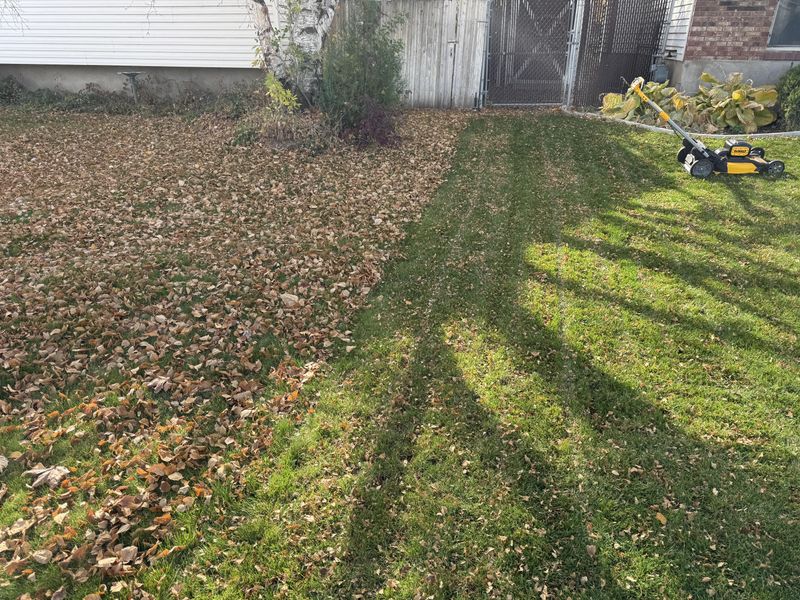
Your lawn mower might be the most underrated leaf tool sitting in the garage this fall. Once new fescue is sturdy enough to mow, shredded leaves can actually help the soil instead of smothering grass.
Extension guidance generally says to wait until seedlings reach about three and a half to four inches tall. Mowing too early can tear tender plants out of loose soil, so patience pays off during those first weeks.
Set the mower blade high, around three inches or more, and make sure the blade is sharp. A sharp blade slices leaves into small bits and cuts grass cleanly without shredding the young tips.
Research from several universities, including Michigan State, found that mulching leaves into turf did not harm lawns. Those trials mostly involved established grass, so results for brand new seedlings in North Carolina are less certain.
For a young lawn, mulch only light leaf layers, and remove heavy piles with a blower or rake first. After mowing, you should see plenty of green blades peeking through the small brown leaf pieces.
Check your local extension office’s fertilizer recommendations for new fescue, because timing can shift between the mountains and the Piedmont.
By late fall, a lawn kept clear of heavy leaves should look thicker, greener, and ready for winter. Come spring, all those weekly cleanups usually show up as fuller turf with fewer weedy bare spots.