Why North Carolina Gardeners Should Start Broccoli In July Or August For Strong Fall Heads
Broccoli started in spring in North Carolina has a complicated relationship with summer heat.
Heads that bolt, turn yellow, or never fully form are common complaints from gardeners who planted on the standard spring schedule and watched the season work against them.
Fall broccoli is a different experience entirely, and it starts with seeds going in the ground during July or August when the timing feels completely wrong.
North Carolina’s long warm season allows fall broccoli to develop strong root systems before cooler temperatures arrive.
This climate shift helps the plant produce the dense, flavorful heads that spring-planted broccoli rarely manages. The gardeners who have made this seasonal shift rarely go back to spring planting.
1. Broccoli Needs A Long Head Start Before Fall
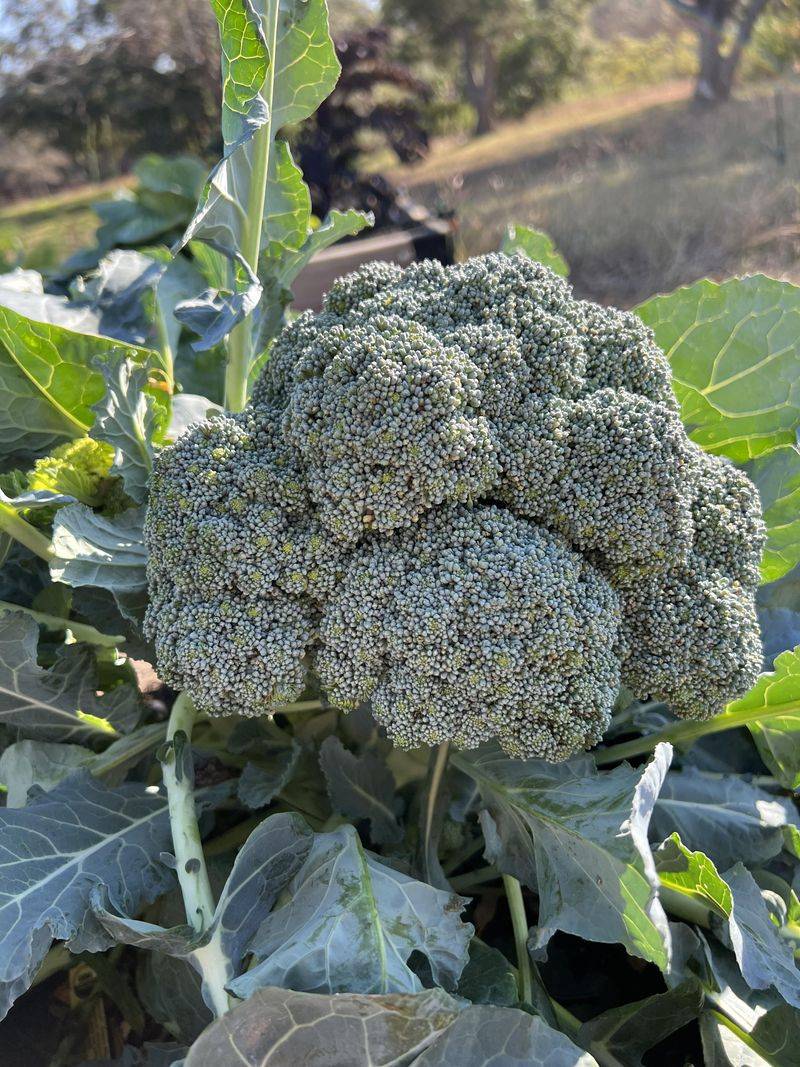
Broccoli is not the kind of vegetable you can toss in the ground a few weeks before fall and expect great results. It needs time, and plenty of it.
From the moment a seed sprouts to the day you harvest a firm, full head, broccoli goes through a long growing process that simply cannot be rushed.
Most broccoli varieties take anywhere from 80 to 100 days to reach maturity from seed. That means if you want a harvest in October or November, you have to count backward from your expected cool weather arrival date.
For most of North Carolina, that counting takes you straight back to July or August. Think of it like planning a road trip. You would not leave the house an hour before you need to arrive somewhere six hours away.
Broccoli works the same way. You plant with the finish line in mind, giving the plant enough runway to grow strong stems, big leaves, and finally a solid central head.
Skipping this early window means your plants will still be small and underdeveloped when the best fall growing conditions arrive.
Broccoli actually forms its heads in response to cooler temperatures, so you want a mature plant ready and waiting when that cool air shows up.
Starting in July or August puts your plants in exactly the right position to take full advantage of fall weather and produce the kind of heads worth showing off at the dinner table.
2. Seedlings Need Six To Eight Weeks Before Transplanting
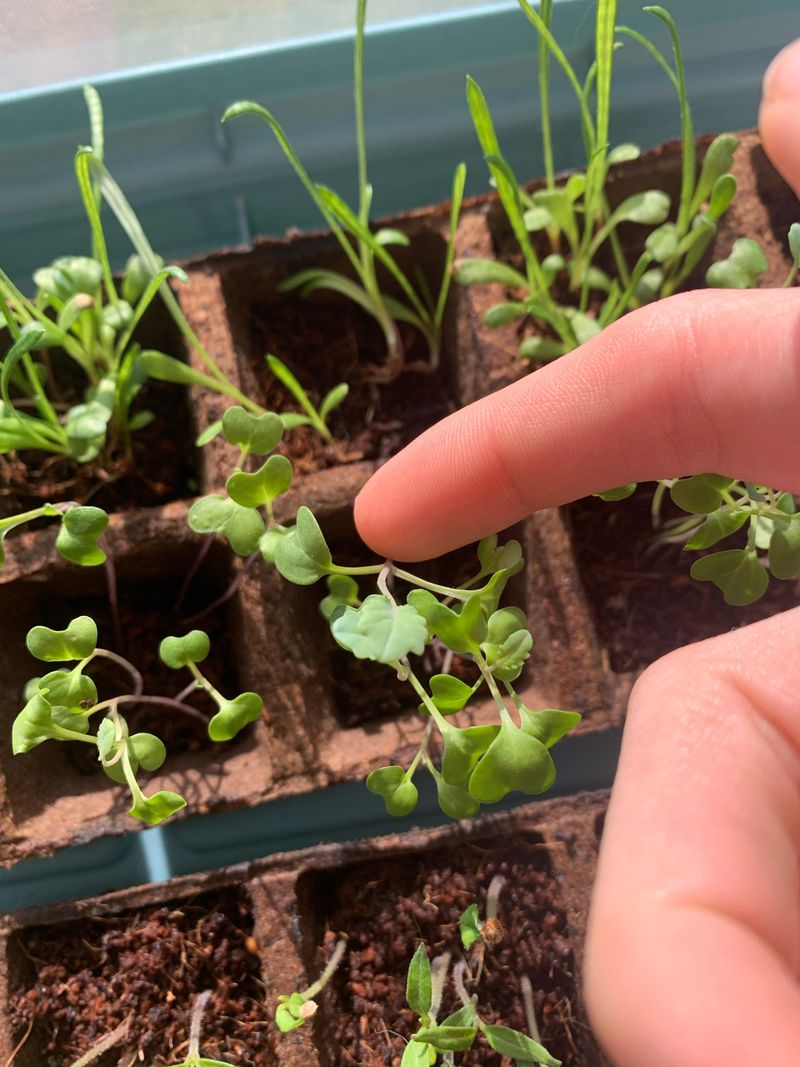
Starting broccoli from seed gives you full control over your plants, but it also means you have to plan ahead. Broccoli seedlings need six to eight weeks of indoor growing time before they are ready to go into the garden.
That window alone tells you exactly why July and August matter so much for North Carolina gardeners.
When you start seeds in early July, you give those seedlings the full eight weeks they need to develop sturdy stems, strong root systems, and a healthy set of true leaves.
By mid to late August, those transplants are ready to go into the ground at just the right time for fall growing conditions to kick in and support head development.
Seedlings started too late end up weak and leggy, and weak transplants struggle from the very beginning. They are more vulnerable to heat stress, insect pressure, and dry spells.
Your North Carolina Garden Changes Every Week. Your Plan Should Too.
Gardening in North Carolina changes quickly throughout the season. Every Friday you’ll receive a simple weekly plan showing exactly what to plant, prune, fertilize, harvest, and protect so you never miss the right timing.
A seedling that has had six to eight weeks to develop is a completely different plant. It has the root depth and leaf mass to handle the transition from a growing container into the garden without skipping a beat.
Fill your seed trays, water them in, and place them somewhere with good light. A south-facing window or a simple grow light setup works great.
Keep the soil moist but not soggy, and watch those little plants grow into something you can actually be proud to put in the ground. Every day of that six-to-eight-week window is doing important work for your fall harvest.
3. August Planting Fits Eastern North Carolina Fall Timing
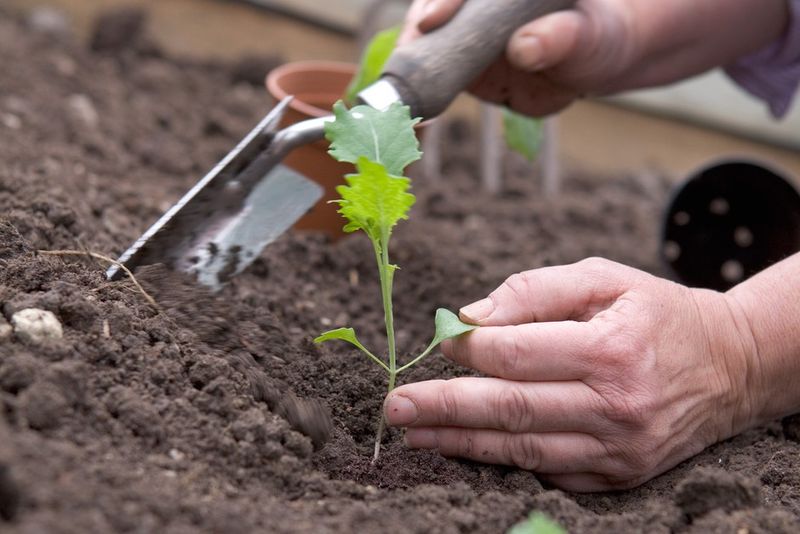
Eastern North Carolina has its own unique growing rhythm, and fall broccoli fits right into it when you plant at the right time.
The region tends to stay warmer longer into the season, which means fall does not fully arrive until later compared to the western part of the state. That extra warmth actually works in your favor if you use it wisely.
August is the key planting month for eastern North Carolina broccoli. NC State Extension recommends a transplant window from August 1 through September 15 for this region, giving gardeners a solid range to work with.
Planting during this period lets broccoli roots get established while the soil is still warm, which encourages fast early growth before temperatures start to ease off.
Once cooler fall weather arrives, your broccoli plants are already sized up and ready. The drop in temperatures signals the plant to shift energy toward forming heads, and a well-established plant responds to that signal quickly and powerfully.
A plant that went in the ground in August has weeks of root and leaf development behind it, giving it real staying power through the season.
Eastern NC gardeners also need to watch out for late summer pests like cabbage loopers and imported cabbageworms, which are very active during the August planting window.
Getting transplants in the ground with healthy root systems helps them handle any pest pressure better than weak, underdeveloped seedlings would.
August planting is not just about timing. It is about setting your plants up to win from the very start.
4. Western North Carolina Needs Earlier Timing
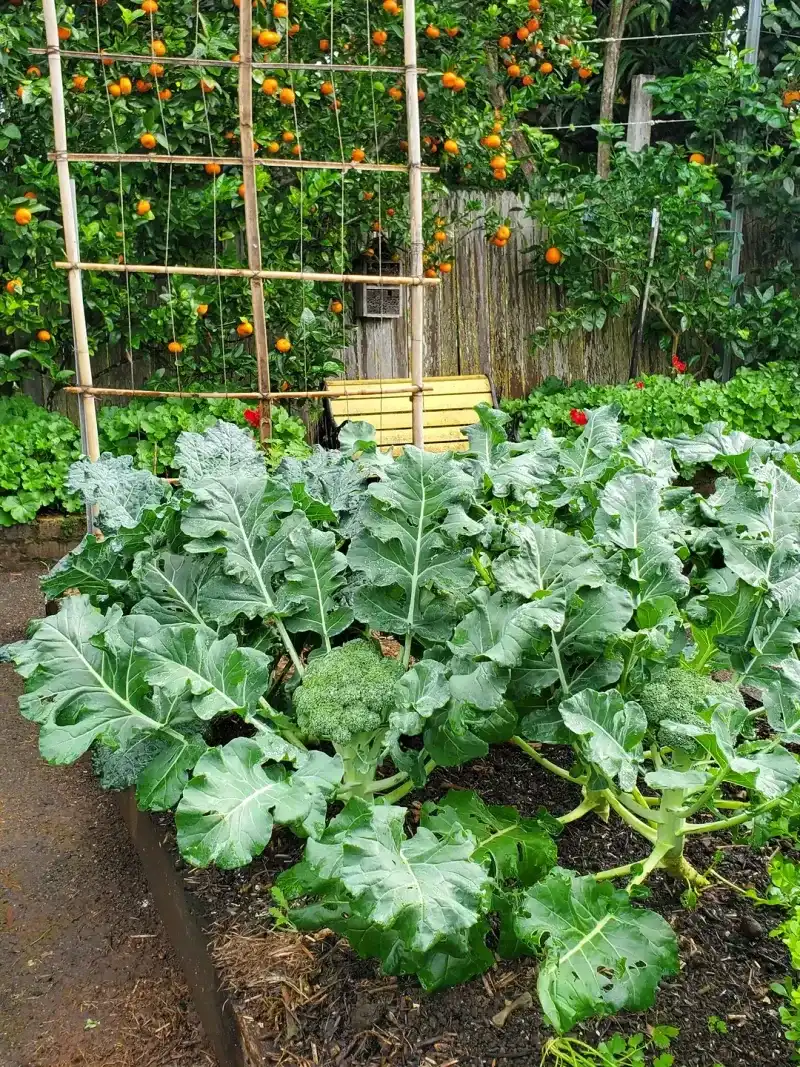
Western North Carolina plays by different rules when it comes to fall gardening. The higher elevations and shorter growing seasons mean that broccoli timing needs to shift earlier compared to what works in the Piedmont or eastern parts of the state.
If you live in the mountains and treat your planting calendar like a gardener in Raleigh would, you are likely to come up short.
NC State Extension guidance points to August 15 as an important outer limit for setting broccoli transplants in western North Carolina.
That means mountain gardeners need to be working backward from that date, starting seeds in late June or very early July to have transplants ready in time.
Every week of delay cuts into the already shorter window that mountain climates allow.
The reason is straightforward. Cooler temperatures arrive earlier at higher elevations, and while broccoli loves cool weather, the plants still need time to build size before the really cold nights set in.
A small plant going into the ground in late August in the mountains does not have enough warm growing days left to develop a full head before conditions become too harsh for good growth.
Mountain gardeners who stay ahead of the calendar consistently get better results.
Starting seeds in late June, growing strong transplants through July, and setting them out by early to mid-August gives western NC broccoli the best possible shot at forming firm, full heads before the season closes out.
The mountains reward early planners every single time, and broccoli is no exception to that rule.
5. Fall Weather Helps Broccoli Form Better Heads
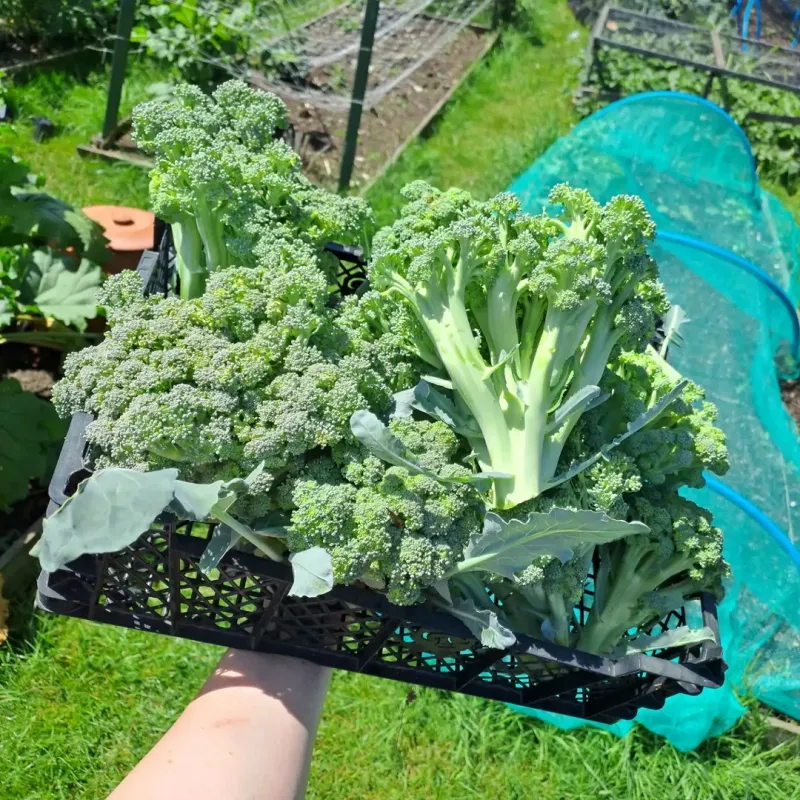
Broccoli has a very specific preference when it comes to temperature, and summer heat is not on that list.
This vegetable is a cool-season crop through and through, and the heads it produces in fall are noticeably firmer, more flavorful, and better formed than anything grown under the stress of peak summer conditions.
That is not a gardening opinion. It is just plant science. When temperatures drop into the 60s and 50s Fahrenheit, broccoli shifts into head-forming mode.
The plant reads that drop in temperature as a signal to stop focusing on leaf and stem growth and start directing energy toward producing the central head that you actually want to harvest.
Warm temperatures slow that process down and can cause heads to form loosely or bolt before they reach full size.
Starting plants in July or August is the strategy that bridges the gap between the two seasons. Your broccoli spends those first weeks building the vegetative structure it needs, growing roots deep into the soil and pushing out big healthy leaves.
By the time fall temperatures arrive, the plant is fully prepared to respond quickly and form a solid head.
Gardeners who wait too long to plant often find themselves with broccoli that is still in its leafy growth stage when the best fall weather arrives. Those plants miss the window.
The ones planted in July or August are ready and waiting, and when cool air rolls in, they respond with exactly the kind of firm, tight heads that make fall gardening feel so rewarding and satisfying.
6. Strong Transplants Handle Garden Stress Better
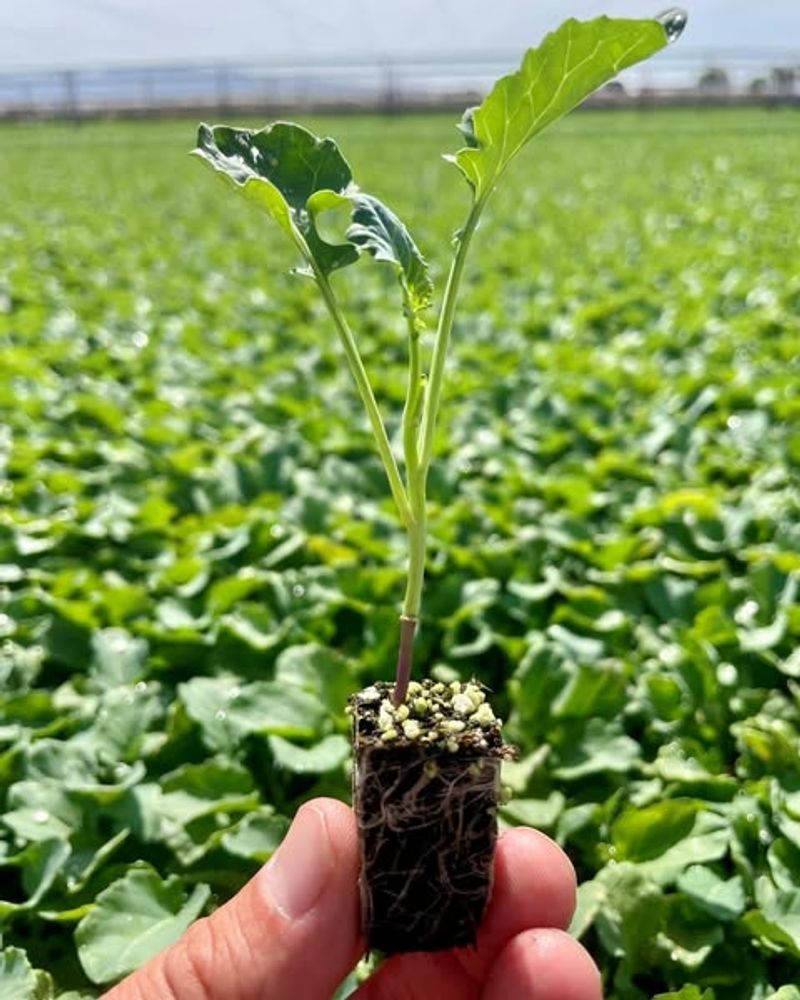
Late summer in North Carolina is not exactly gentle.
Between the lingering heat, sudden afternoon storms, occasional dry stretches, and a full cast of garden pests looking for their next meal, newly planted vegetables face real pressure from the moment they go into the ground.
That is why the strength of your transplant matters so much more than most people realize.
A broccoli transplant that has had six to eight full weeks to develop in a seed tray is a completely different plant from one that was rushed into a container just a few weeks before planting.
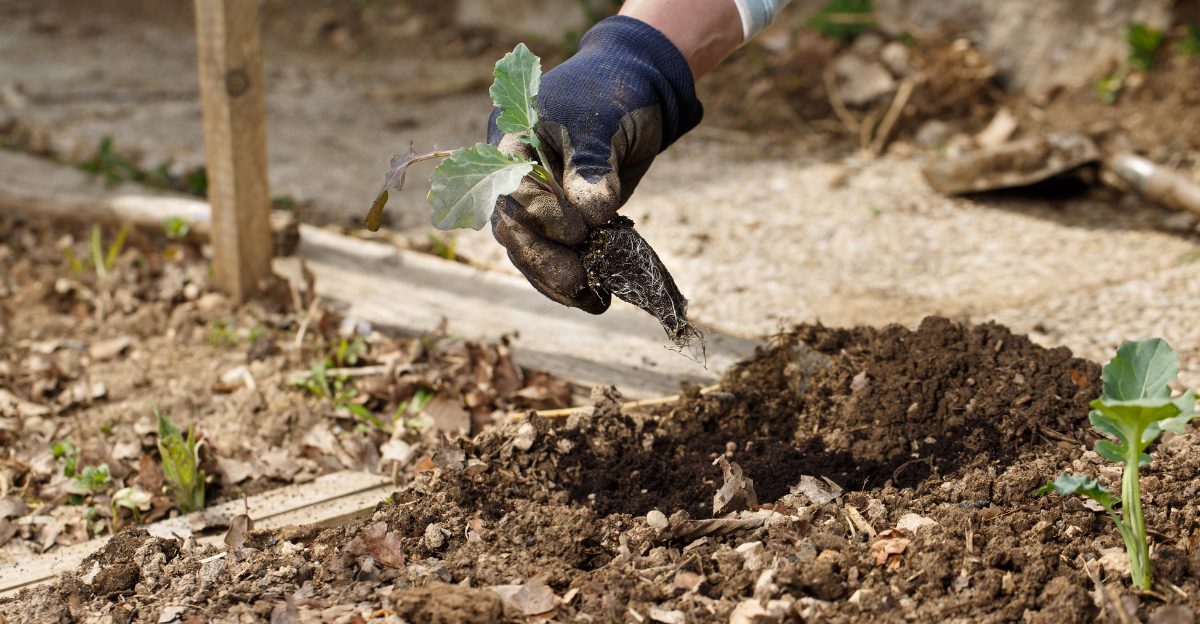
The strong one has a deep, fibrous root system that can pull moisture from a wider area of soil. It has thick stems and well-developed leaves that can handle wind and rain without flopping over or snapping.
Pest pressure is a real concern during late summer planting. Cabbage worms, aphids, and flea beetles are all active and looking for tender young plants to target.
A robust transplant can tolerate some pest damage and keep growing forward. A weak or underdeveloped seedling hit by the same pressure may stall out completely and never fully recover, leaving you with a disappointing result come fall.
Building a strong transplant starts with giving it enough time. July seed starting is the foundation of a sturdy August transplant.
Feed your seedlings with a diluted balanced fertilizer, water consistently, and harden them off before transplanting.
Those simple steps produce plants with real staying power, and staying power is exactly what late-summer North Carolina gardens demand from every crop you put in the ground.
7. Waiting Too Long Leaves Plants Too Small
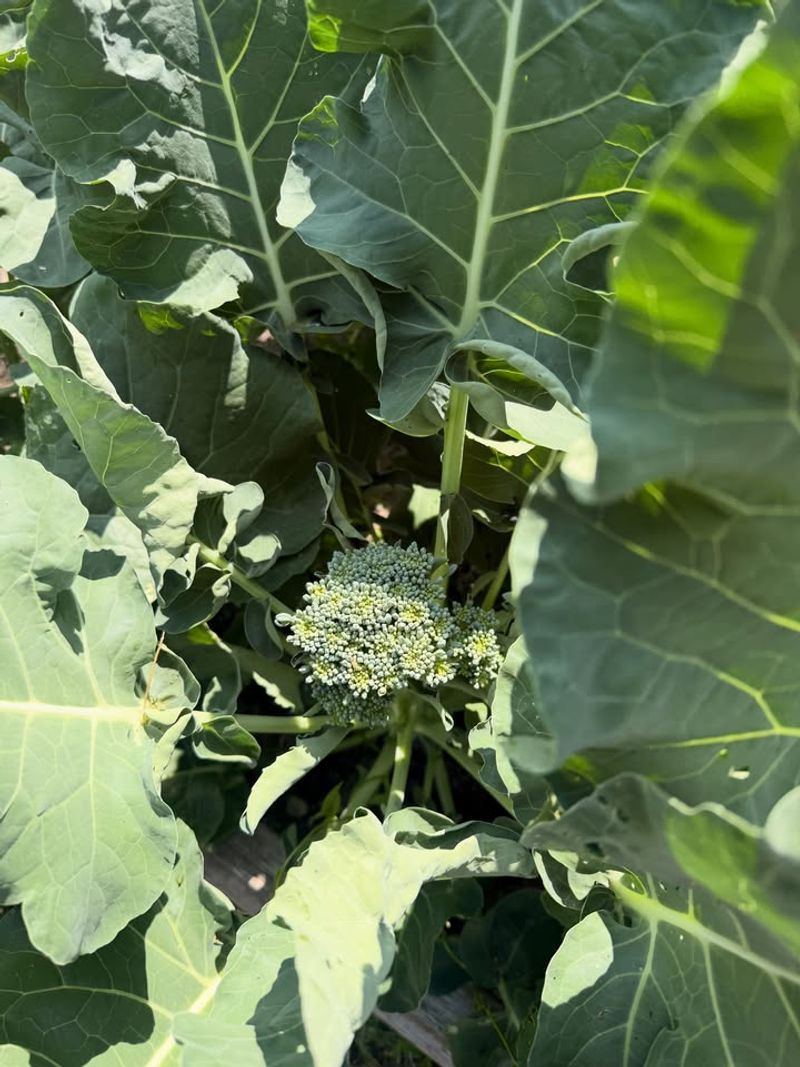
Picture this: it is mid-October, the air has finally cooled down, and your broccoli plants are still the size of a coffee mug.
That is the frustrating reality that hits North Carolina gardeners who waited too long to start their seeds or get transplants in the ground.
Small plants simply do not have the structure to form a quality head when fall arrives.
Broccoli needs a substantial amount of leaf and stem mass before it can support a central head. The leaves are not just decorative.
They are the solar panels that power the entire plant, capturing energy and sending it into the head as it forms.
When a plant is undersized, it does not have enough leaf area to generate that energy, and head development either stalls out or produces something small and disappointing.
Timing delays often happen because gardeners underestimate how quickly the fall season closes out.
September may feel like there is still plenty of warm weather ahead, but from a plant development standpoint, you are already running low on time.
Broccoli needs weeks of growth before it even begins to think about forming a head, and those weeks have to happen before peak cool weather arrives, not during it.
Getting seeds started in July or transplants in the ground by mid-August protects you from this exact problem. Your plants will have the size, the root depth, and the leaf canopy they need to respond quickly when temperatures drop.
Big plants make big heads. It really is that simple, and starting on time is the only way to guarantee you get there by harvest season.
8. Buying Transplants Can Save The Season
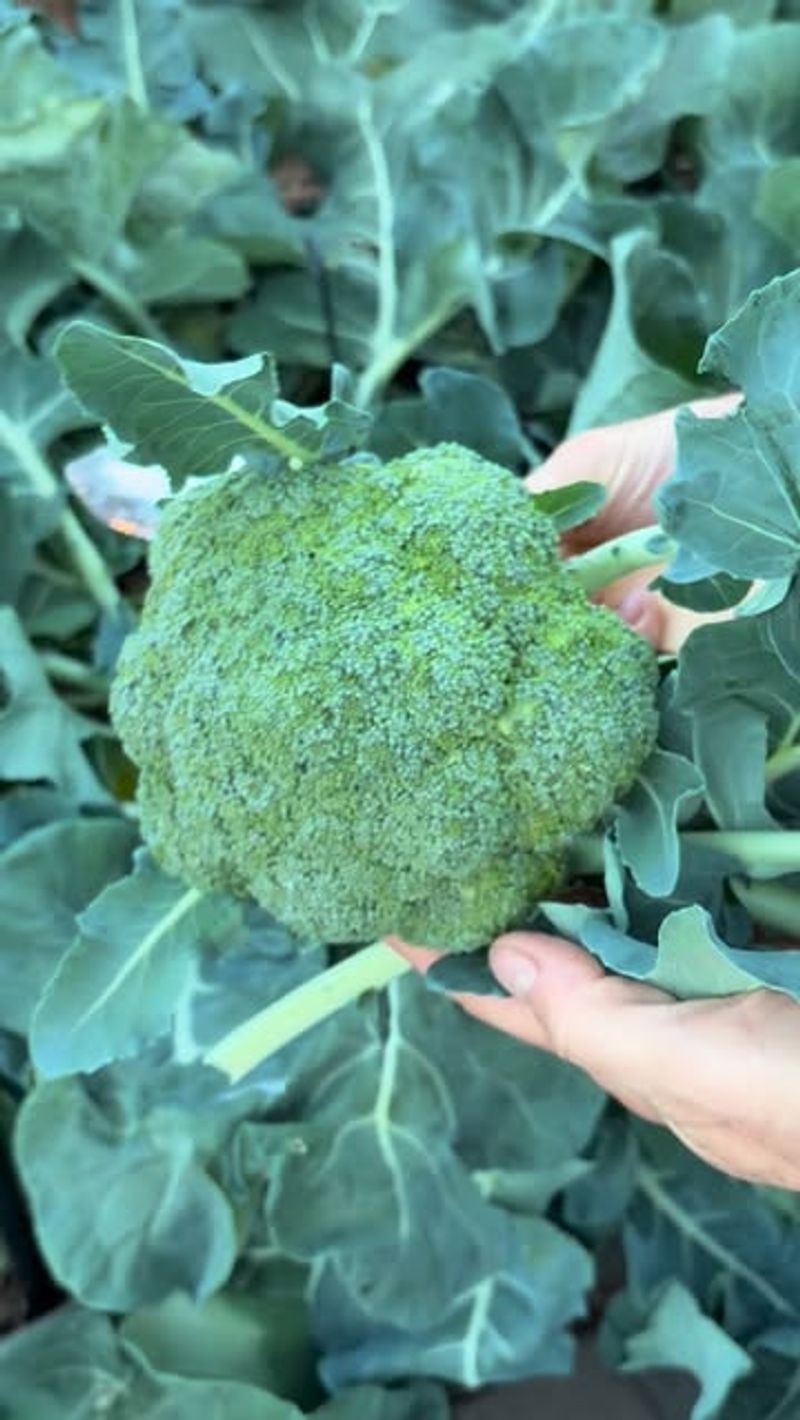
Not everyone catches the July seed starting window, and that is completely okay. Life gets busy, summer flies by, and sometimes August shows up before you have had a chance to start a single seed.
The good news is that garden centers across North Carolina often carry broccoli transplants in late summer, and buying them can absolutely rescue your fall garden plans.
A healthy transplant from a garden center gives you a meaningful head start. Instead of waiting six to eight weeks for seeds to develop into plantable seedlings, you walk out of the store with a plant that is already there.
You can put it in the ground that same afternoon if your bed is ready, and it will begin establishing roots in your garden right away without any of the waiting.
When shopping for transplants, look for plants with thick stems, dark green leaves, and no signs of pest damage or yellowing. Avoid anything that looks leggy, pale, or root-bound in its container.
A compact, sturdy transplant with good color will settle into your garden much faster than a stressed or overgrown one, and that faster establishment is what gives you the best shot at a full fall head.
If it is already mid to late August and you are in eastern North Carolina, transplants are often your smartest move. You can still catch the tail end of the planting window with a strong garden center start.
Water them in well, add a layer of mulch to keep the soil moisture steady, and give them a little shade cloth protection during the hottest part of the first week. Your fall broccoli season is still very much within reach.