Why Brooklyn’s Fig Trees Get Wrapped In Burlap And Buckets Every Winter
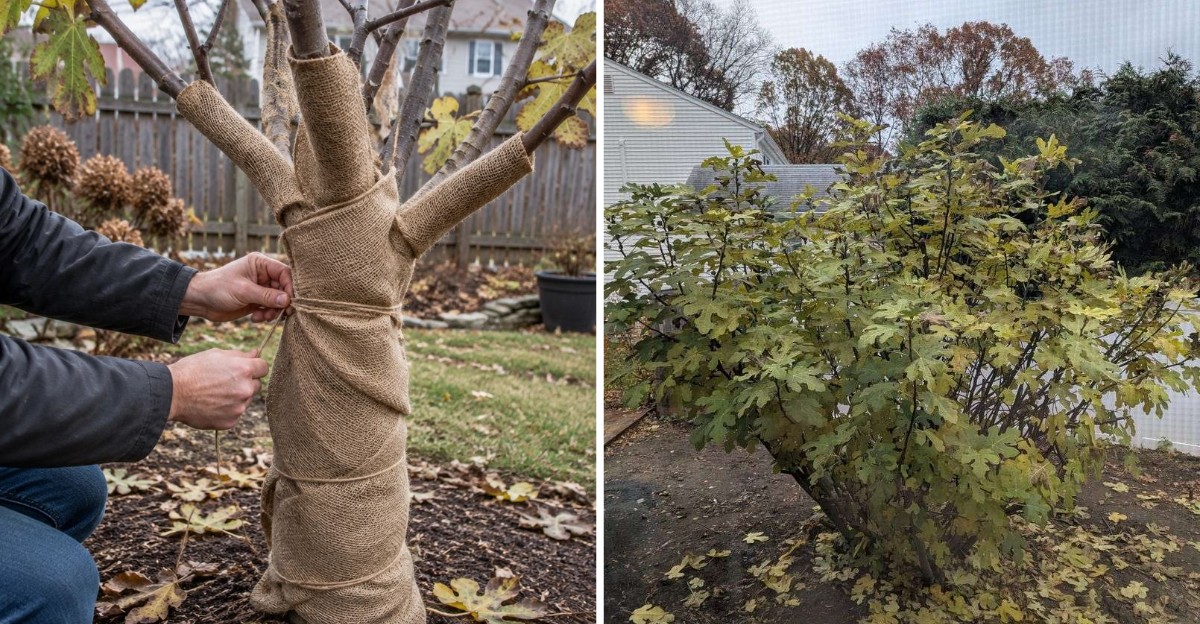
Every November, some Brooklyn backyards fill with tall bundles of burlap and rope, each one topped with an upside-down bucket. I love how they look like quiet scarecrows standing beside garages and fences across New York.
Many of the fig trees inside those bundles came to New York as cuttings carried by Italian immigrant families more than a century ago. Neighbors often passed rooted branches from yard to yard, so the same family fig can turn up in several nearby yards.
Brooklyn sits in USDA hardiness zone 7b, where winter lows usually bottom out somewhere between 5 and 10 degrees Fahrenheit. That range sits right at the edge of what these Mediterranean trees can handle without some help from their owners.
You need only one winter walk through Bensonhurst or Carroll Gardens to spot these wrapped shapes. Have you ever wondered what the gardeners behind those bundles know that the rest of us are still learning?
Your Fig Tree Is Wearing A Winter Coat
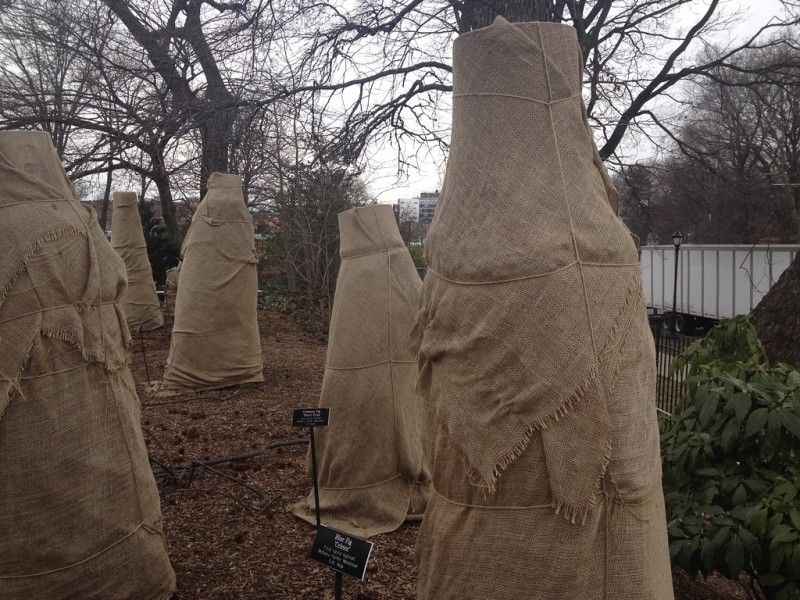
Those burlap bundles across New York hold common fig trees, known to botanists as Ficus carica, a plant native to the Mediterranean. The wrapping works like a winter coat, shielding thin branches from wind and the deepest cold snaps of January.
Most fig stems suffer damage when temperatures fall to around 15 degrees Fahrenheit, according to several university extension services. Brooklyn winters can dip below that mark in colder years, which can leave unprotected branches brown and brittle by spring.
Roots usually survive because the soil stays warmer than the air, so a damaged tree can often sprout again from below. Regrowth from the roots takes time, though, and it often means losing a season of fruit on that tree.
Wrapping protects the older wood, which matters because many figs carry their early breba crop on last year’s branches. The main crop grows on new shoots, but a larger surviving frame still gives those shoots a head start.
Gardeners in New York learned this lesson long ago, and the habit spread from Italian families to newer neighbors. Today you can find wrapped figs in Queens, Staten Island, and the New Jersey suburbs across the harbor.
The tradition is part science and part culture, since some trees in sheltered corners survive mild winters without cover. Still, most growers would rather spend one afternoon wrapping than gamble on a surprise cold spell in February.
If your fig sits in an open yard, a wrap offers cheap insurance for a tree you clearly treasure. Burlap, rope, and an old bucket cost little compared with the years it takes to grow a mature tree.
Cold Bark Is The Real Concern For Brooklyn Figs
Cold air alone is part of the story, because winter wind dries out fig bark and young twigs. Yards near the water can get gusts that pull moisture from stems while the frozen roots cannot replace it.
Fig wood is soft and full of water compared with oaks or maples, so it handles freezes poorly. Ice crystals can form inside the tissue and burst cells, which shows up later as brown, shriveled tips.
Your New York Garden Changes Every Week. Your Plan Should Too.
Gardening in New York changes quickly throughout the season. Every Friday you’ll receive a simple weekly plan showing exactly what to plant, prune, fertilize, harvest, and protect so you never miss the right timing.
Swings in temperature cause trouble too, especially when a sunny February afternoon warms the bark before a frigid night. That quick freeze after a warm spell can split bark or wake buds that the next cold snap damages.
A burlap layer evens out those swings by shading the bark and holding trapped air around the branches. Many growers stuff leaves or straw inside the wrap for extra insulation, much like the lining of a jacket.
Young trees under three years old face the highest risk, since their stems are thin and their roots are shallow. Older figs with thick trunks handle cold better, though their upper branches can suffer in a rough winter.
Variety matters too, and types like Chicago Hardy, Celeste, and Brown Turkey are known for better cold tolerance. Even these tougher varieties benefit from protection in New York City, mostly in exposed yards without nearby walls.
A tree planted against a south-facing brick wall gets reflected warmth, which explains why many Brooklyn figs hug houses. Look at where your fig grows, because its spot tells you how much cover it will need.
The Bucket On Top Keeps Your Bundle Dry
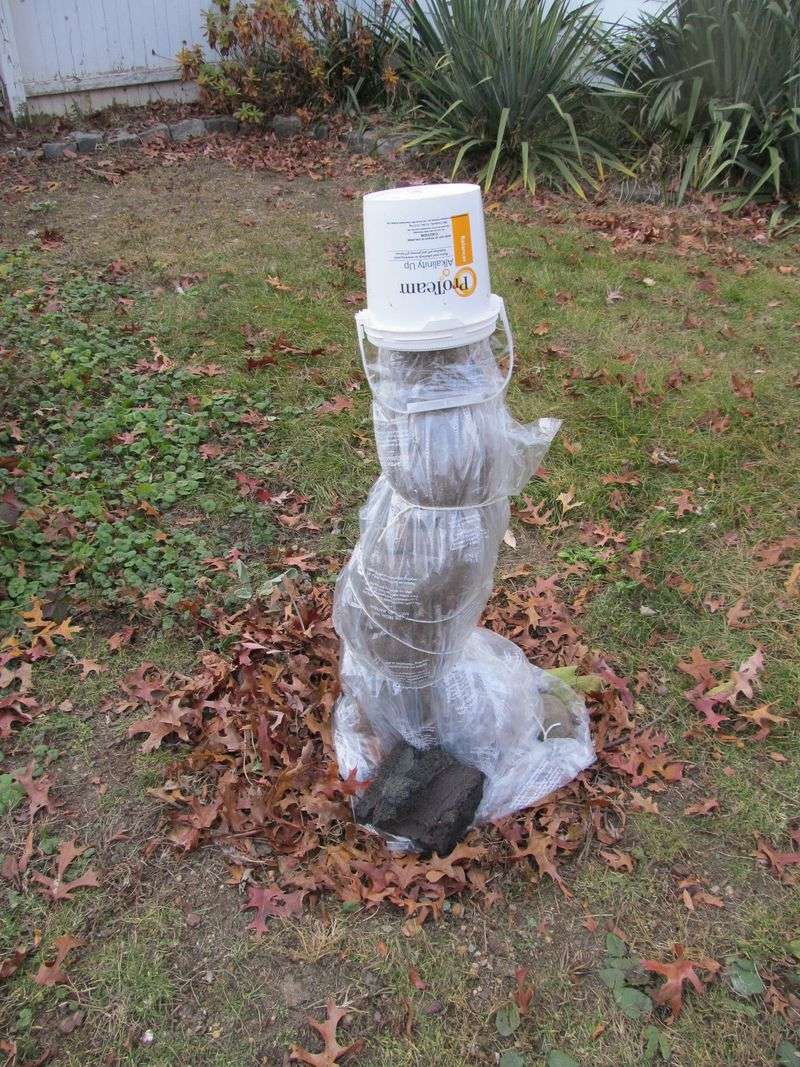
That upside-down bucket looks a little silly, but it serves a real purpose for the fig hiding underneath. Rain and melting snow can soak into the top of a burlap bundle and settle around the branch tips.
Wet wood that stays wrapped for months invites mold and rot, which can do as much harm as cold. Water that freezes inside the bundle can also add weight and put extra stress on the tied branches.
A plastic bucket or metal pail acts like a little roof, shedding water down the sides instead of inside. Most gardeners use whatever they have on hand, from five-gallon paint buckets to old trash can lids.
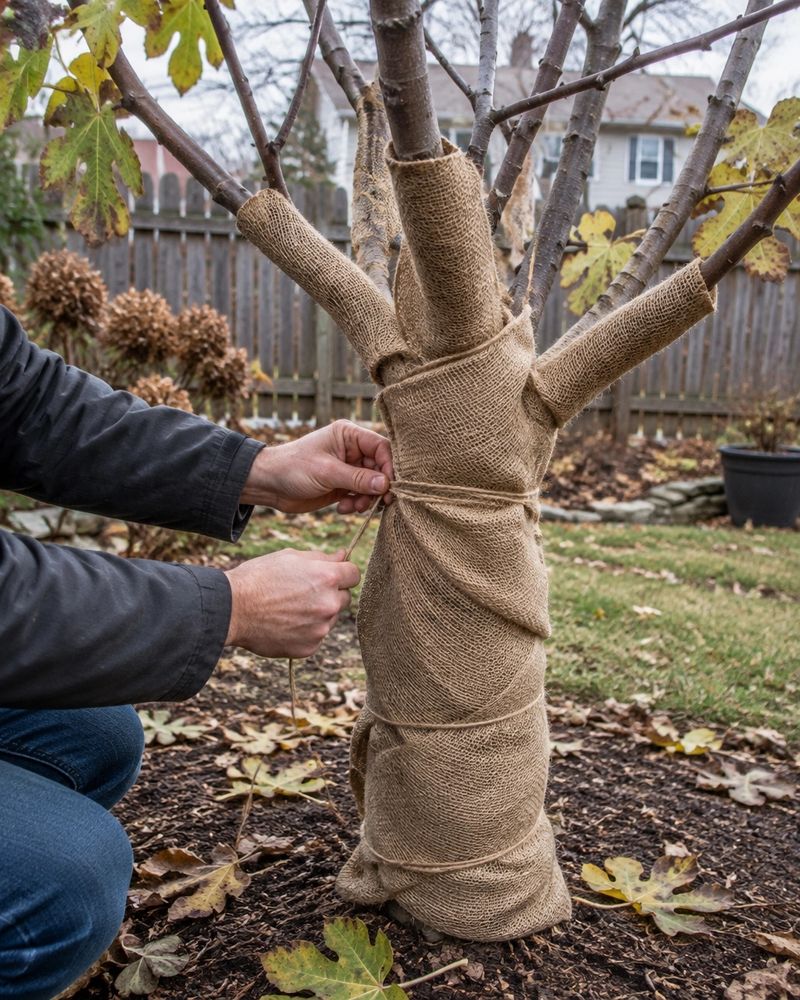
Before setting the bucket in place, tie the branches together gently so the tree forms a tall, narrow column. Then wrap burlap around the column, fill gaps with leaves, and secure everything with twine or garden rope.
Set the bucket over the top bundle and tie it down, because winter storms can toss loose buckets. Some growers drill a few small holes near the bucket rim so air can still move through.
Airflow matters because a sealed bundle can trap heat on sunny days and encourage buds to wake too early. Burlap breathes well on its own, so the bucket only needs to block water falling straight down from above.
I think the bucket is the clever part of the system, since it costs very little and solves a sneaky problem. Check it after storms during winter to make sure it still sits firmly on top of the wrap.
Your October Prep Starts Before The First Wrap
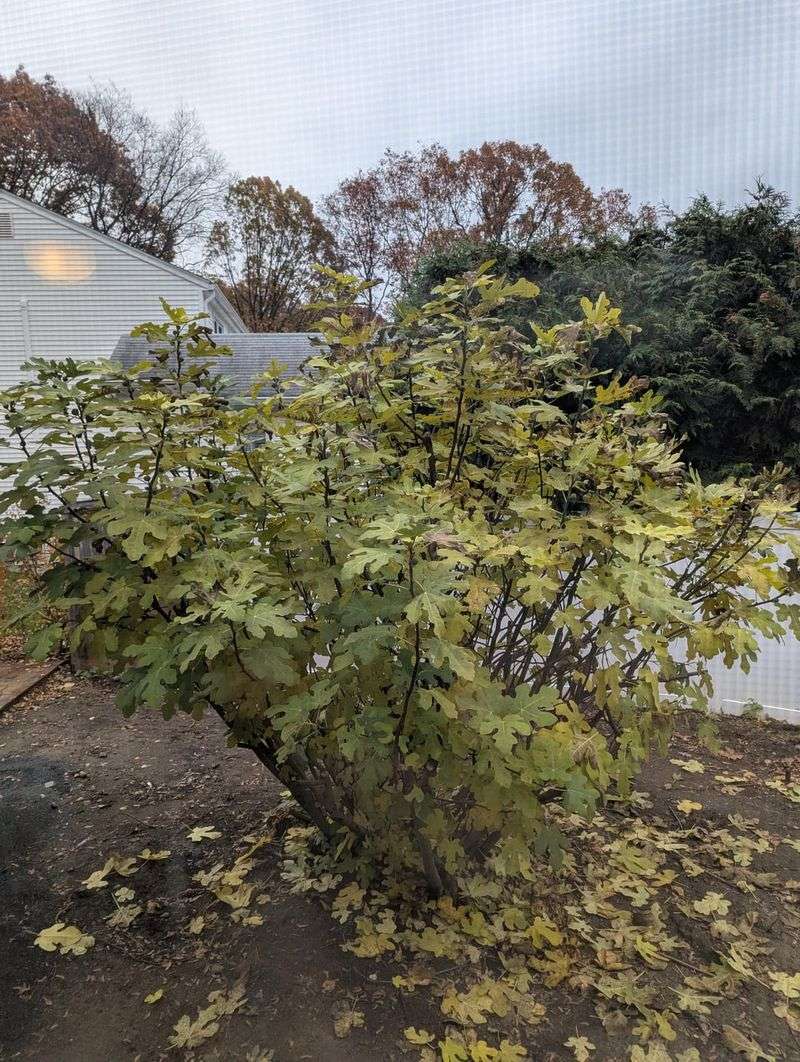
October is the month for planning, not wrapping, since figs still need cool weather to harden their wood. Wrapping too soon can trap warmth and moisture, which keeps the tree soft and growing when it should rest.
Most experienced growers wait until the leaves drop after a few light frosts, often in mid to late November. That timing lets the tree settle into dormancy, which is its natural defense against the long cold months ahead.
Use this month to pick any last ripe figs and clear fallen fruit, which can attract pests and spread mold. Unripe green figs left on the branches rarely ripen after cold nights, so you can remove them before wrapping.
Skip fertilizer now, because feeding in fall pushes tender new growth that the first hard freeze will damage. Many extension services suggest stopping fertilizer for figs by midsummer, so October feeding is far too late.
Give the tree a deep drink during dry fall spells, since moist soil holds heat better than dry soil. A layer of shredded leaves or mulch around the base adds more protection for the roots through winter.
Gather your supplies now, including natural burlap, sturdy twine, a bucket, and a bag of dry leaves. Shopping early means you can compare burlap rolls and twine before the busy late fall rush begins.
Light pruning of broken or crossing branches makes the tree easier to bundle into a neat, tight column. Save heavy pruning for late winter, after the worst cold has passed and you can see any winter damage.
Plastic Wrap Can Do More Harm Than Good
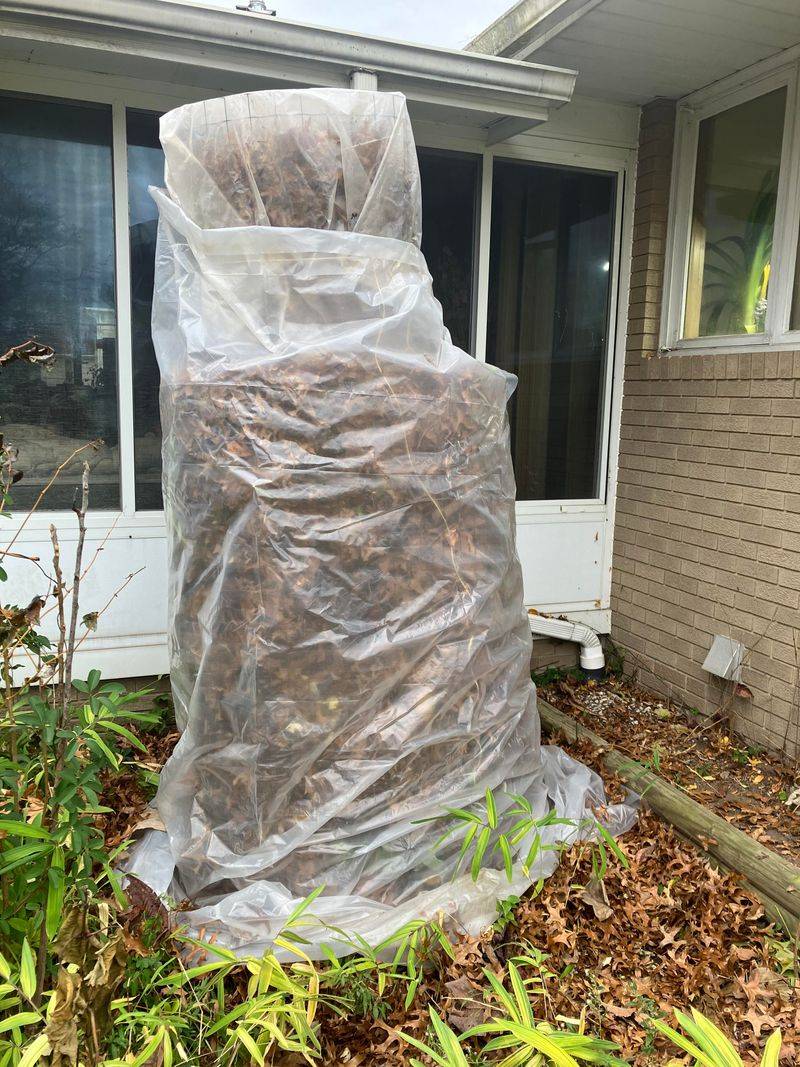
Plastic sheeting seems like a shortcut, but it often causes more trouble than the cold it is meant to block. Plastic traps moisture against the bark, and that steady dampness creates a comfortable home for mold and fungal rot.
On sunny winter days, a plastic wrap can also heat up quickly inside, like a tiny greenhouse. That warmth can coax buds open early, leaving them exposed when temperatures drop sharply again that same night.
Burlap is the better choice because it breathes, letting excess moisture escape while still blocking wind and sun. Some growers do add a loose tarp over the burlap, but they usually leave plenty of open gaps for air.
Another common mistake is tying branches too tightly, which can snap brittle wood or rub bark raw over winter. Pull the twine just firm enough to hold the shape, and pad sharp bends with a handful of leaves.
Gardeners also forget the roots sometimes, focusing on the branches while bare soil freezes deep around the trunk. A thick ring of mulch three or four inches deep helps protect that underground part of the tree.
Watch out for mice too, since a cozy bundle stuffed with leaves can attract rodents that chew tender bark. A ring of hardware cloth around the lower trunk can reduce that risk without making the wrap harder.
Honestly, I believe most wrapping problems come from rushing, so give yourself a calm afternoon for the job. A second set of hands helps with tall trees that need a stepladder to reach the top.
Next Spring Brings The Payoff For Your Fall Work
Months from now, the moment you pull off that burlap will feel a little like opening a long-awaited gift. Most Brooklyn growers unwrap their figs in early to mid April, once hard freezes are mostly behind them.
Unwrapping too early can expose tender buds to a late frost, which still happens in New York some years. Some gardeners remove the wrap on a cloudy day so the pale branches can adjust slowly to bright sunlight.
Check the branches by gently scratching the bark with a fingernail to look for green tissue underneath. Green means the wood is alive, while brown and dry wood can be pruned back to healthy growth.
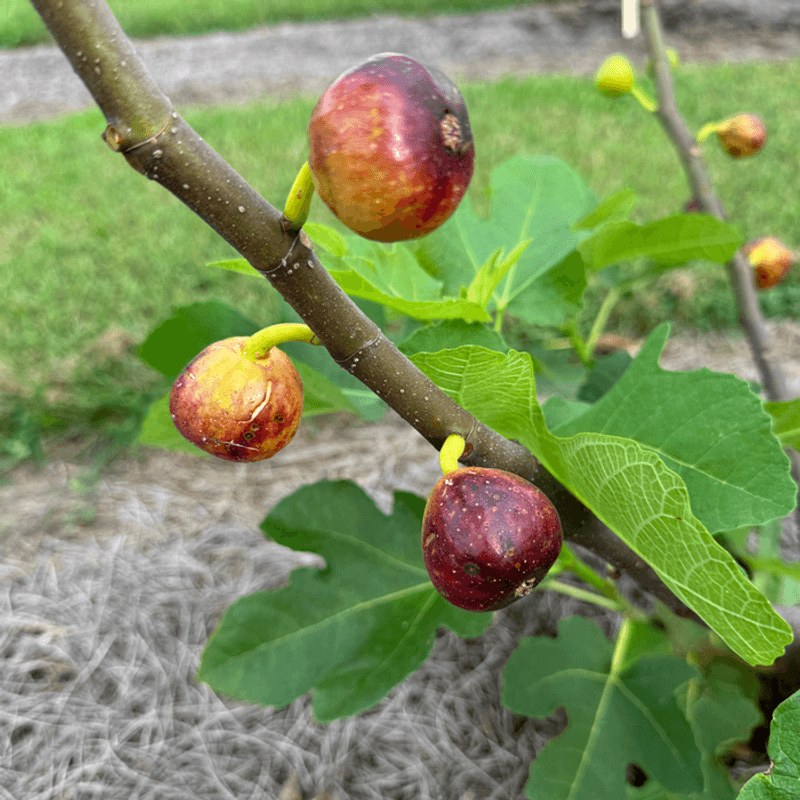
A well-wrapped tree often keeps most of its branches, which gives it a jump on summer leaves. Those surviving branches may produce an early breba crop in June, followed by the main crop in late summer.
Even when a winter goes badly, figs are tough plants that often bounce back from their roots by June. Fruit may come later that year, but the tree usually returns to full strength within a season or two.
Keep notes this fall about when you wrapped, what materials you used, and how cold the winter got. Those notes will help you fine-tune your method each year, just like the old-timers on your block did.
Brooklyn’s wrapped figs connect today’s gardeners with generations of families who carried these trees across an ocean. Every bundle you tie this fall keeps that living tradition going for one more sweet summer of homegrown fruit.