What New York Homeowners Should Know About Funnel Webs On Their Lawn
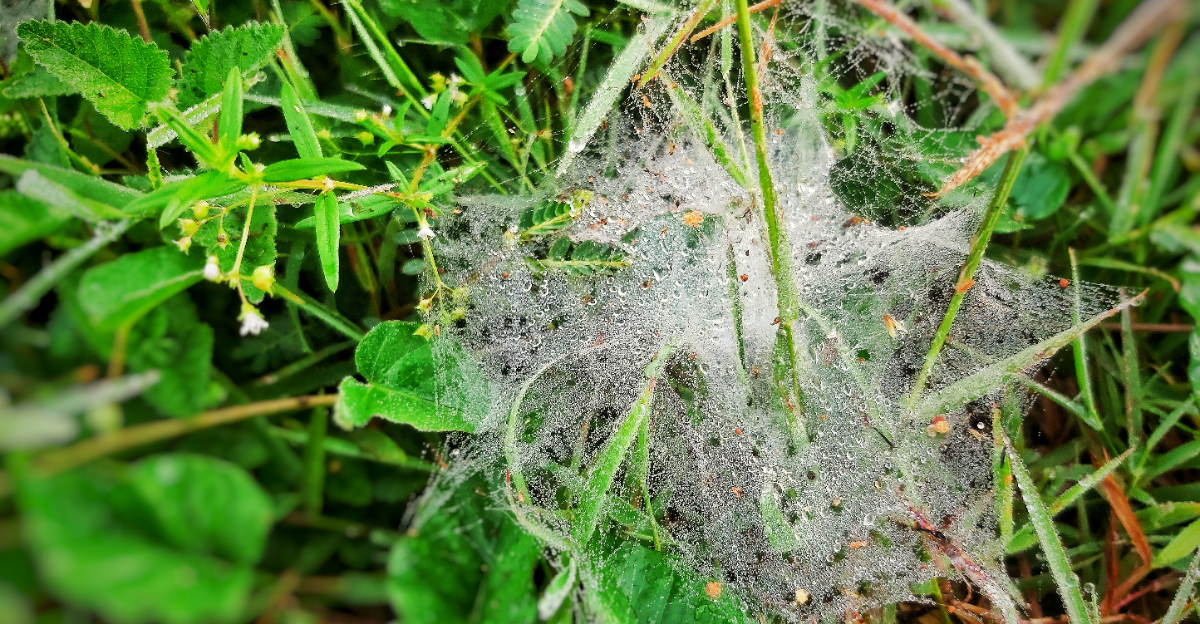
Overnight, your lawn turned into a shimmering field of silver silk. Funnel webs don’t wait around for your approval to appear. Rain always summons them straight into your yard.
Spiders build these delicate traps while you sleep, unnoticed. Nothing about these silk webs signals real danger for you or your pets. Grass spiders are the true architects behind your exact web design.
Humidity after a storm creates your perfect hunting ground. New York lawns seem especially prone to your own pattern. Every single silk thread hides quiet clues about your yard’s ecosystem.
Understanding why changes how you view your entire property. Curiosity serves you far better than any nervous reaction. Your instincts might feel uneasy, yet science disagrees calmly.
Few New York homeowners realize what your own silk reveals. Some webs fade quietly before you wake, others linger for days. Everything you assumed about lawn spiders is about to change.
Funnel Webs Appearing Across New York Lawns After Damp Weather
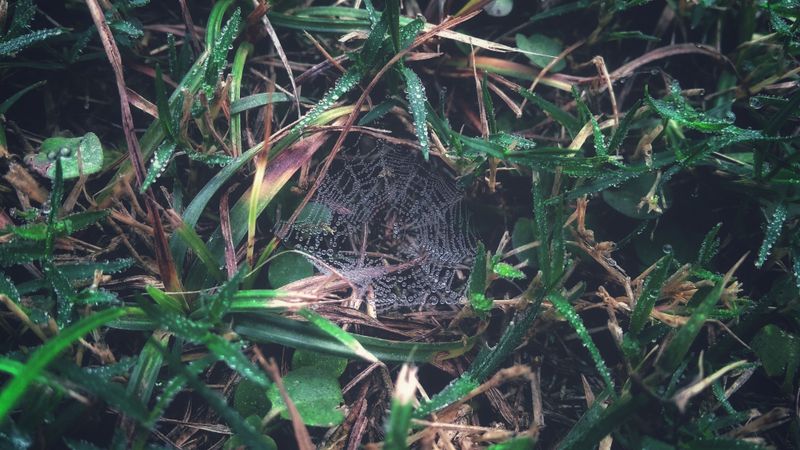
Walk outside after a rainy night and the sight is hard to miss. Your entire lawn looks like it has been draped in tiny parachutes of silk. These are funnel webs, and damp weather is their favorite trigger.
Moisture makes silk threads visible by collecting dew on each strand. Without rain or heavy humidity, you might never notice these webs exist at all. Grass spiders build them constantly, but dry conditions keep them nearly invisible.
Funnel webs on your lawn tend to appear most dramatically in late summer and early fall. That timing lines up with peak spider activity across the Northeast. Cooler nights, wet mornings, and tall grass create the perfect setup.
The webs are not random. Each one is anchored carefully to individual grass blades and low-lying stems. The spider picks spots with the best foot traffic from insects walking nearby.
Homeowners are often surprised when they see dozens of webs at once. The truth is, a sudden burst of visible webs usually means conditions changed overnight, not that spiders multiplied rapidly. One spider can produce a full web in a single night.
Lawns with longer grass tend to show more funnel webs after rain. Shorter, well-trimmed turf offers fewer anchor points for the silk.
Mowing regularly can reduce how many webs you spot, though it will not remove them entirely. Your lawn is simply doing what healthy lawns do.
The Spiders Behind These Webs And How To Identify Them
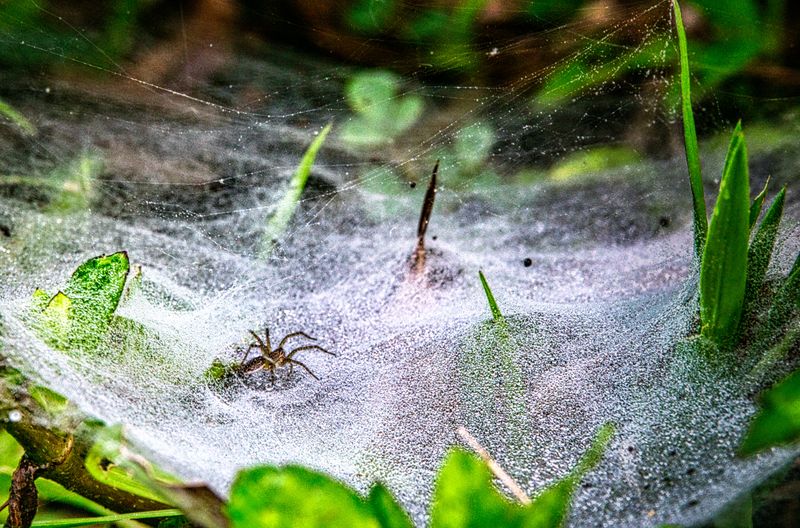
The architect behind those silky lawn tents is almost certainly a grass spider, a harmless and common species.
Grass spiders belong to the genus Agelenopsis, and they are extremely common across the eastern United States.
These spiders are brownish with two dark stripes running along their backs. Their legs are long, and their bodies are slender compared to bulkier spider species. Most adults measure roughly half an inch to three-quarters of an inch in body length.
Spotting one takes patience and a steady hand. Crouch down near a funnel web and look toward the narrow end where the tube disappears into the grass. That is where the spider typically stays, out of sight.
Your New York Garden Changes Every Week. Your Plan Should Too.
Gardening in New York changes quickly throughout the season. Every Friday you’ll receive a simple weekly plan showing exactly what to plant, prune, fertilize, harvest, and protect so you never miss the right timing.
Grass spiders are fast movers when disturbed. They dart backward into their funnel the moment vibrations hit the web. This speed is actually a defense mechanism, not aggression toward humans.
Males wander more than females during mating season, which peaks in late summer. You might find them on sidewalks or near doorways during this period. They are simply searching, not invading your personal space.
Identifying them correctly matters because many people confuse grass spiders with more concerning species. A grass spider has a flat web with a funnel shape and no sticky silk.
True orb weavers build circular webs with sticky spirals, which is a completely different design. Knowing the difference brings real peace of mind.
Why Funnel Webs Show Up On Grass, Not Just Corners And Sheds
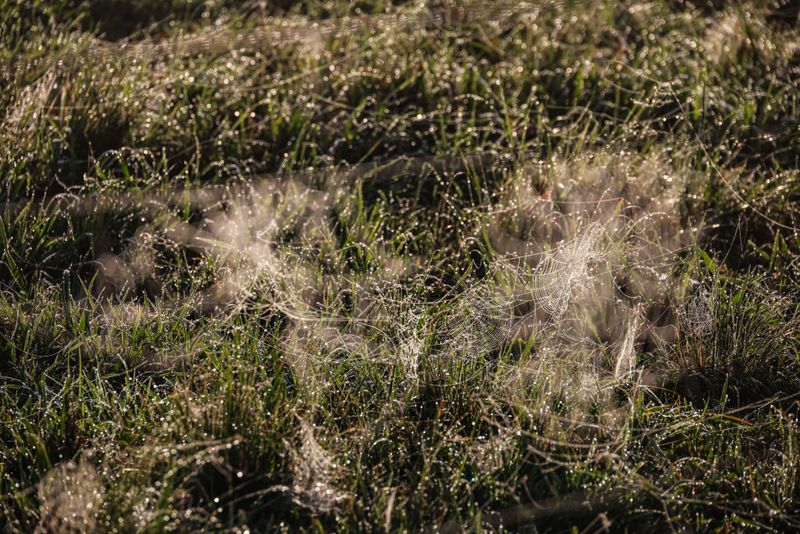
Most people expect spiders to hang out in dark corners and dusty sheds. Finding their webs spread across an open lawn feels surprising and a little unsettling. But grass is actually prime real estate for funnel-web builders.
Open turf offers something corners cannot: constant insect foot traffic. Ants, beetles, and small flies move through grass constantly, making it a reliable hunting ground. Grass spiders are ambush predators, so location is everything for them.
The structure of grass itself helps support these webs. Individual blades act like tiny scaffolding poles, giving silk threads dozens of anchor points.
This creates a stable horizontal sheet that holds its shape even in a light breeze. Funnel webs work differently from sticky orb webs. The flat sheet is not adhesive at all.
Instead, trip lines above the sheet knock insects downward, causing them to tumble onto the flat surface and toward the funnel.
Lawns near gardens, flower beds, or wood piles tend to attract more spiders. Those areas generate higher insect populations, which draws predators like grass spiders in larger numbers. A thriving garden often means a web-covered lawn nearby.
Shaded sections of a yard tend to hold moisture longer after rain. That extra humidity keeps webs visible longer into the morning hours.
Sunny spots dry out quickly, making webs disappear faster and giving the impression that certain lawn areas are more infested than others. The webs were always there, just briefly invisible.
Are Grass Spiders In New York Dangerous To Humans Or Pets
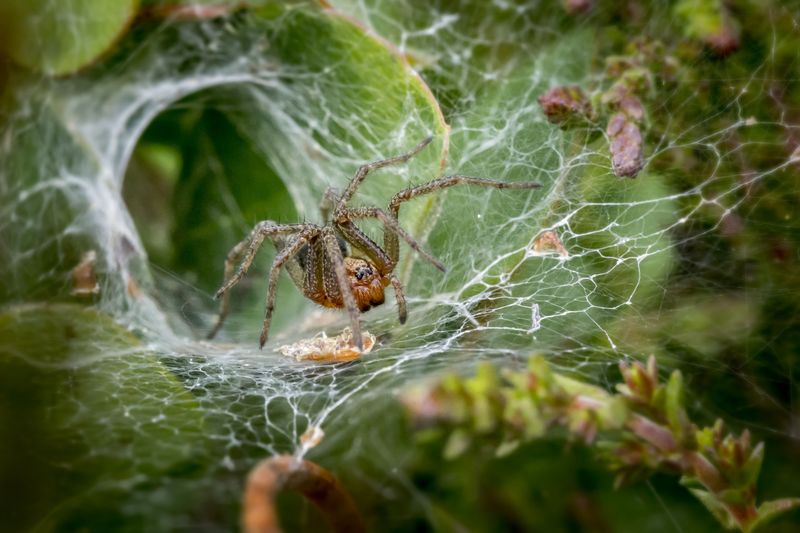
This is a common question among pet owners and parents. Are these lawn spiders actually a threat to people or animals? The short answer is no, and the longer answer is almost no.
Grass spiders can technically bite if handled roughly or trapped against skin. Their fangs are small and rarely break through human skin effectively. Even in cases where a bite does occur, the reaction is usually mild, similar to a bee sting.
No grass spider species found in the Northeast is considered medically significant. Doctors do not classify Agelenopsis bites as dangerous to healthy adults or children. Symptoms, when they occur at all, typically fade within a few hours.
Pets are generally at low risk as well. A dog sniffing through a web-covered lawn might startle a spider, but spiders typically flee rather than react aggressively. Cats that bat at webs are unlikely to be harmed, and may even try to eat the spider.
People sometimes confuse grass spiders with the hobo spider, a related species with a similar web style. Hobo spiders exist in the Pacific Northwest, not the Northeast. That geographic distinction matters a great deal when assessing risk.
The real danger from lawn spiders is almost always misidentification. Staying calm and observing carefully before reacting is always the smarter move.
Grass spiders on your lawn are far more interested in catching gnats than bothering anyone walking nearby. Leave them undisturbed, and they will stay out of your way.
What These Webs Reveal About Your Lawn’s Insect Population
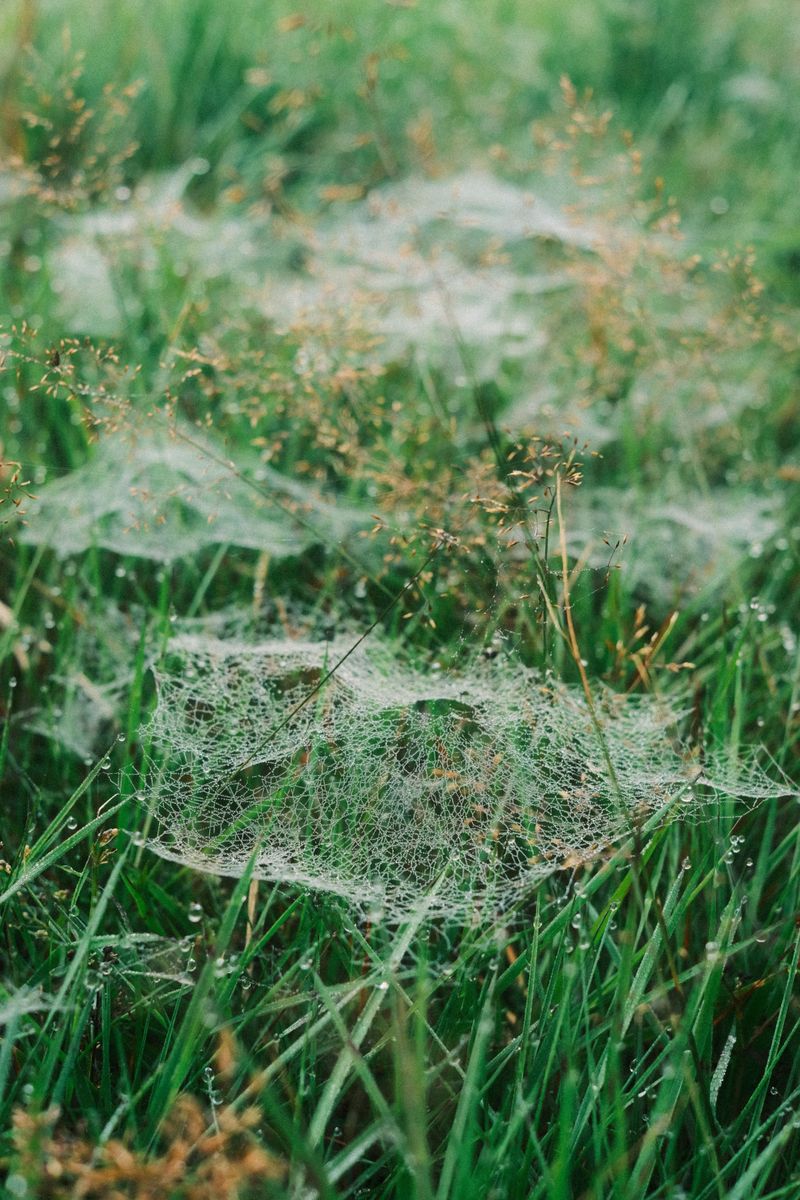
A lawn covered in funnel webs is actually sending you a message. That message is not a warning, it is more of a report card. Spiders build webs where food is plentiful, and food means insects.
A high number of webs signals a thriving underground and surface insect population. Beetles, ants, springtails, and small flies are all likely moving through your turf in large numbers. That level of insect activity typically points to healthy, organic soil beneath the grass.
Healthy soil contains decomposers that break down organic matter and feed the root system. Insects are a key part of that chain, and spiders sit near the top as natural regulators. Seeing webs means your lawn’s food web is functioning the way it should.
Lawns with almost no insect life tend to have very few spiders as well. Heavy pesticide use or compacted, nutrient-poor soil often creates this kind of quiet yard. A silent lawn might look tidy, but it often signals lower biological activity below the surface.
Funnel webs also help control populations of insects that could damage your grass. Crane fly larvae, for example, can harm turf roots if their numbers get too high. Spiders naturally limit these populations without any chemical input from you.
Thinking of your lawn as a living system changes how you see those webs completely. Each silky funnel is a sign that something complex and balanced is happening just beneath your feet.
That’s a detail worth noting before deciding how to manage them. Your lawn is functioning as a healthy, balanced ecosystem.
Removing Funnel Webs Without Disrupting Your Lawn’s Ecosystem
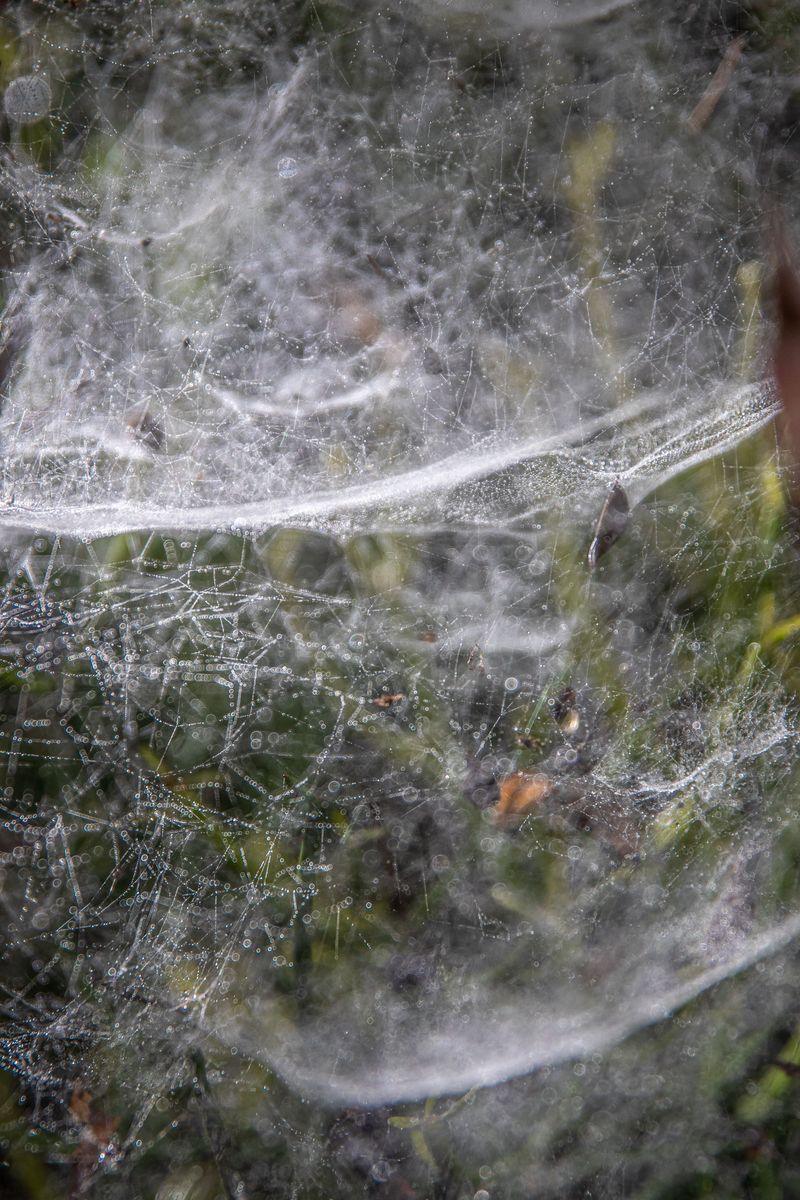
So you have decided the webs need to go, at least from your patio and high-traffic areas. That is a completely fair call, especially before a backyard gathering. The good news is that removal does not have to be destructive.
A simple garden rake dragged lightly across the lawn breaks up webs without harming the grass. The spiders scatter temporarily but typically rebuild within a day or two. This method clears the visual clutter without introducing any chemicals into your soil.
A strong blast from a garden hose also works well on concentrated web areas near walkways. Water pressure breaks the silk and encourages spiders to relocate slightly. They tend to move deeper into garden beds or toward less-disturbed corners of the yard.
Avoid spraying broad-spectrum insecticides across your lawn to address a web problem. Reducing the insect population that spiders feed on creates a larger imbalance than the webs themselves ever would.
Chemical treatments often affect pollinators and beneficial ground beetles alongside the target pests. Trimming grass regularly reduces the number of anchor points available for web construction.
Shorter turf simply offers fewer places to attach silk lines. Mowing more frequently during peak spider season can reduce web visibility.
Managing webs thoughtfully means working with your lawn rather than against it. Funnel webs on your lawn are a natural and temporary feature of a healthy yard.
A little patience and a rake go a long way toward keeping everyone, spiders included, in the right place.