What Texas Gardeners Should Do With Sedum After It Finishes Blooming
You are about to make a cut that could cost you next spring’s blooms. Hold the pruners for a brief moment.
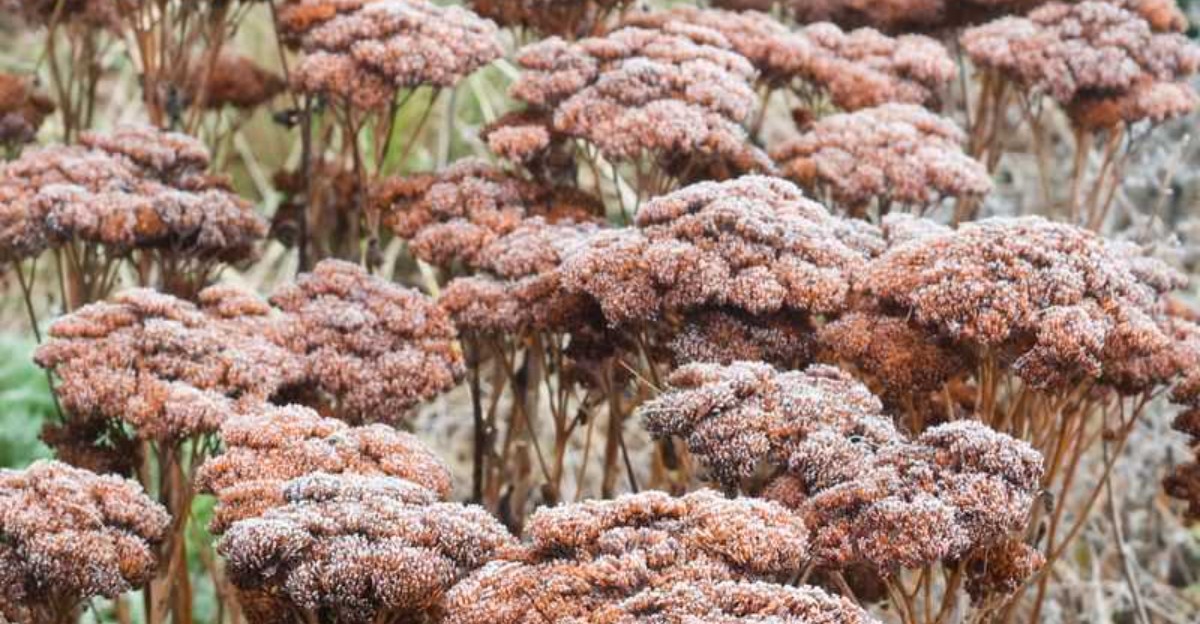
Your flower clusters give finches a perch and shield crowns through cold snaps. Texas swings from sticky heat to a sudden norther within days.
Trim the ones that flopped, and leave the sturdy ones for wildlife. Cutting at the wrong height exposes crowns you spent months building.
Cool nights tell your perennials to store energy in their roots. Protect that process and you will see sturdier new rosettes by April.
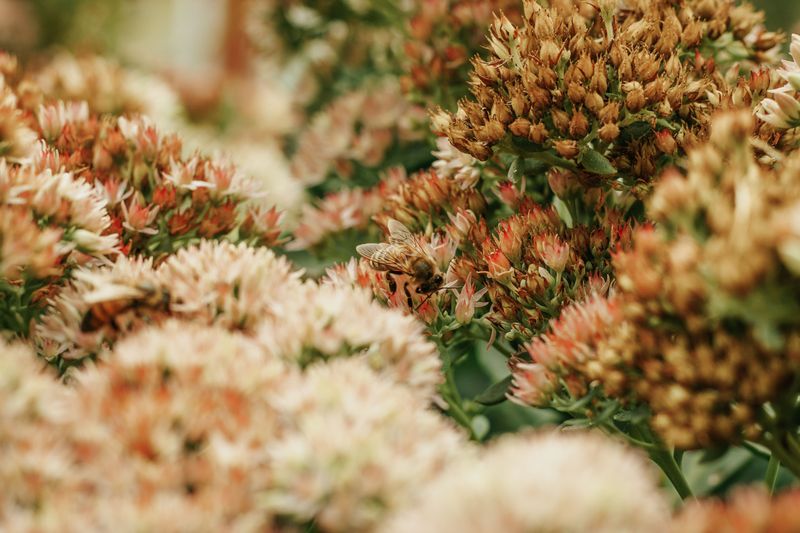
Bees still forage on warm afternoons, so leave them a few late blooms. Mulch the bed with gravel to improve drainage before winter rains arrive.
Water lightly, because cooler nights slow thirst in those fleshy leaves. October choices decide whether Texas welcomes you with bold blooms or sparse ones.
Leave The Faded Flower Heads Standing For Now
Picture a frosty December morning with tiny ice crystals sparkling on rusty brown flower domes. That scene is a big reason many Texas gardeners skip the pruners in October.
Spent blooms on upright types like Autumn Joy hold their shape for months. They add texture and color when the rest of the yard looks flat and tired.
Birds appreciate your patience too. Finches and sparrows may pick at the seed heads during cool weather when food gets harder to find.
Leaving the stems also helps protect the crown of the plant. The old growth catches falling leaves that insulate the crown, but clear away soggy, matted piles.
In Central and North Texas, a hard freeze can sneak in by late November. Those standing stems give the roots a little extra shelter from cold wind.
Of course, not every garden spot calls for a wild, natural look. If the heads flop over or look messy near your front walk, trimming is fine.
A good middle path is to leave the plants in back beds alone. You can tidy only the ones people see up close every day.
Check the clusters every few weeks through winter for mold or mushy spots. Healthy brown heads can stay put until new green buds peek out in late winter.
Think of them as free holiday decor that needs no batteries, ladders, or storage boxes. Your neighbors may even ask what that pretty bronze plant is called.
Trim Back The Stems When New Growth Appears
Gardeners who cut plants to the ground in October often see weak growth all spring. Timing matters a great deal with these tough succulents.
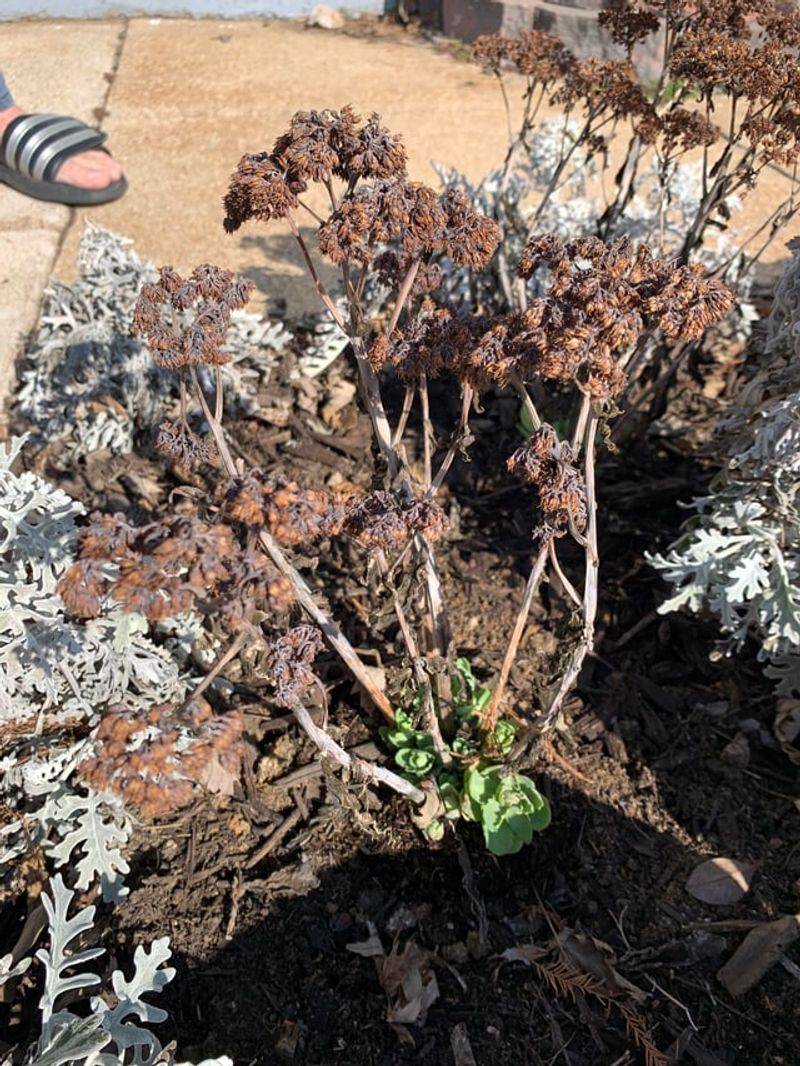
The best moment to cut old stems is late winter or very early spring. Look for small, tight rosettes of new leaves forming at the base.
Those little green knobs tell you the plant is awake and ready to grow. In most of Texas, that happens between late January and early March.
Use clean, sharp pruners and cut the old stalks just above the fresh growth. Try not to nick the new growth, since those shoots become this year’s flower stems.
Your Texas Garden Changes Every Week. Your Plan Should Too.
Gardening in Texas changes quickly throughout the season. Every Friday you’ll receive a simple weekly plan showing exactly what to plant, prune, fertilize, harvest, and protect so you never miss the right timing.
Wiping your blades with rubbing alcohol first helps stop the spread of plant diseases. It takes about ten seconds and can save you plenty of headaches down the road.
Creeping, low-growing kinds need a lighter touch than tall upright varieties. Just snip off faded flower stalks and any long, stringy pieces that look scraggly.
South Texas gardeners may see new growth earlier because winters stay so mild. Gardeners in the Panhandle should wait a bit longer for colder weather to pass.
Toss the old stems in the compost pile unless they show rot or fungus. Diseased material belongs in the trash so problems do not return next season.
With good timing, your plants will bounce back fuller and sturdier than before. Patience in winter pays off with a fine show next fall.
Pinch Tall Varieties In Spring To Stop Flopping
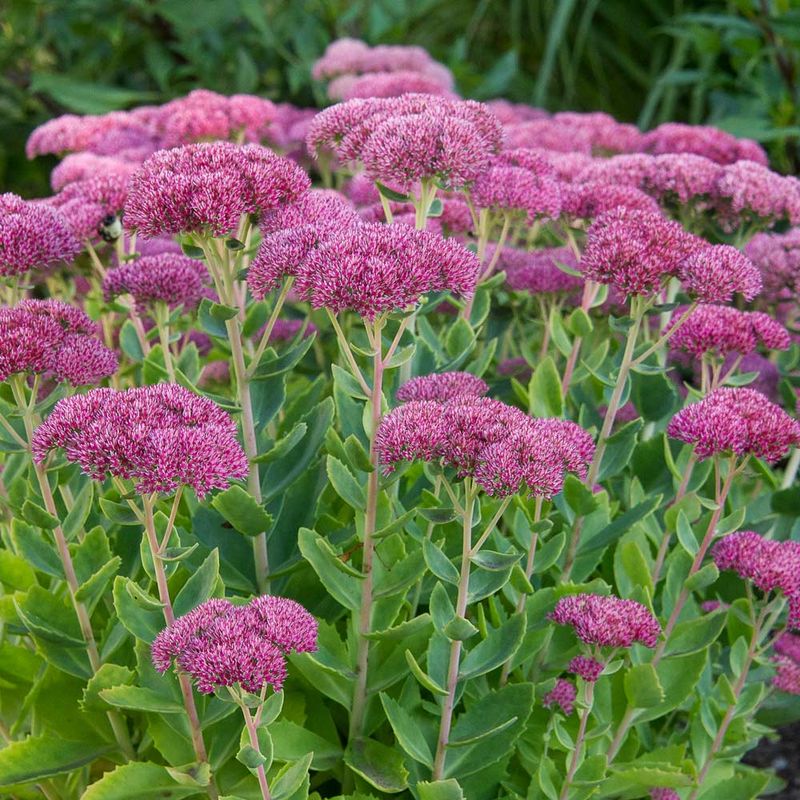
Few gardeners like a plant that splits open in the middle and leans over sideways. Tall kinds often do this after a rainy Texas spring or rich soil.
Planning ahead during fall helps you fix the problem long before it starts again. Write yourself a quick reminder now for late April or early May.
When stems reach about six to eight inches tall, pinch or cut them back by half. That may feel drastic, but the plant tolerates it very well.
Cutting the tips causes each stem to branch out into two or more shoots. The result is a shorter, bushier plant with stronger stems that stand up straight.
Blooms may show up a week or two later than they normally would. Many gardeners find that sturdy, upright plants are well worth the short wait.
Another trick is a technique some growers call the Chelsea Chop, named after a famous English flower show. Gardeners there trim plants in late May for the same reason.
In hot Texas summers, mid-spring timing is often safer than waiting until May. Pinching too late can push flowering into the hottest weeks of the year.
Go easy on fertilizer, since too much food makes stems soft and floppy. These plants actually prefer lean, rocky soil that would underfeed many other flowers.
A little planning this October means no droopy centers next September. Your future self will thank you for that sticky note on the fridge.
Divide Crowded Clumps Every Few Years
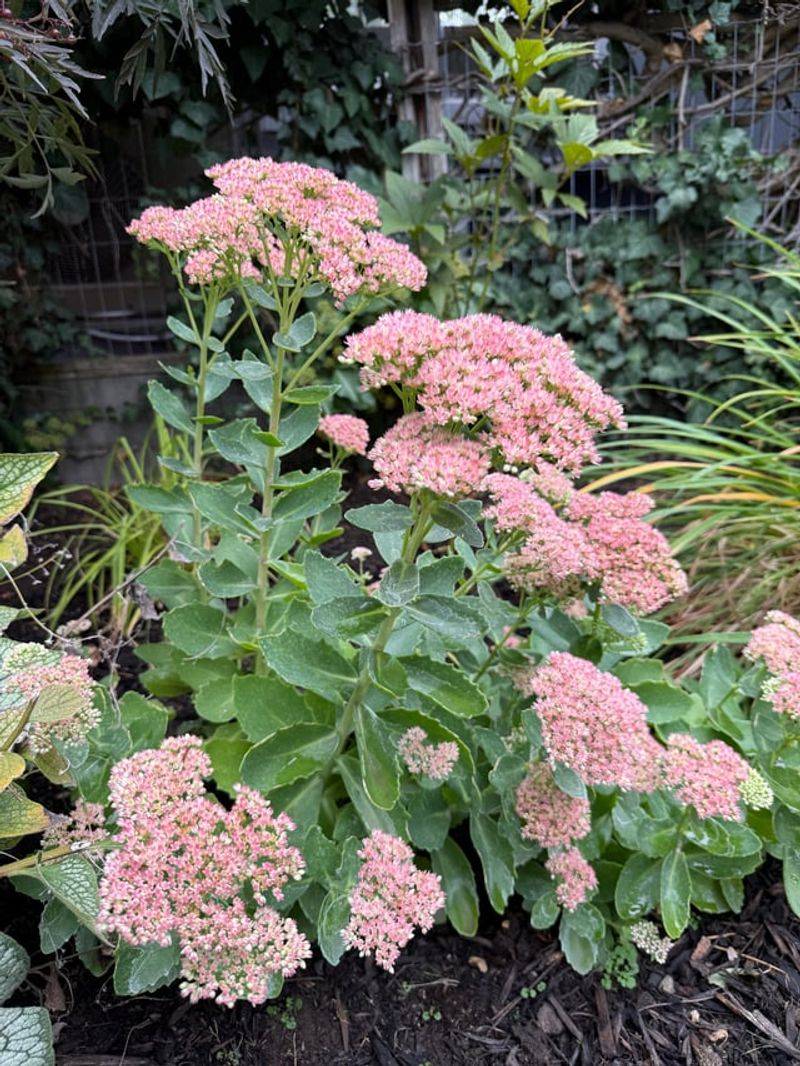
Ever notice a ring of healthy leaves around a bald, woody center? That hollow middle is the plant’s way of saying it needs more elbow room.
Most clumps benefit from dividing every three to four years. Signs include fewer flowers, weak stems, or an empty patch right in the center.
Many Texas gardeners split their plants in early spring as new growth starts. Fall works too in South and Central Texas, where soil stays warm for weeks.
Dig around the whole clump with a sharp spade and lift it out gently. Shake off loose soil so you can see the roots and crowns clearly.
Use a knife or the spade edge to cut the clump into chunks. Each piece should have healthy roots and at least a few growing buds.
Toss out the tough, woody middle section, since it tends to grow weakly afterward. Replant the outer pieces at the same depth they grew before.
Water them in well, then let the soil dry out between drinks. Too much moisture can rot the fresh cuts before they heal.
Extra divisions make good gifts for friends, neighbors, or a school garden. You can also fill bare spots in your own beds for free.
Some gardeners even pot up small pieces to sell at local plant swaps. It is a very satisfying feeling to turn one plant into five.
Wear gloves, since sap from some sedum types can irritate sensitive skin. Keep a bucket nearby to carry the pieces without dropping them along the way.
Cut Back On Watering As Temperatures Drop
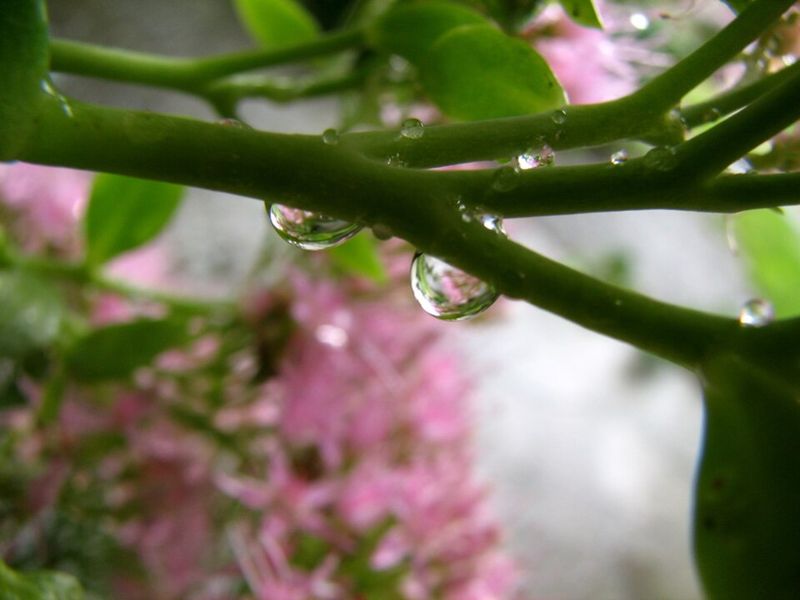
Think of these plants as camels with pretty flowers. Their thick, juicy leaves store water, so they handle dry spells better than most garden favorites.
During blazing Texas summers, an occasional deep soak keeps them happy. Once blooming ends and nights turn cool, their thirst drops off quickly.
Overwatering in fall and winter is one of the fastest ways to cause root rot. Waterlogged roots turn black and mushy, and the plant declines quickly before you notice.
Before reaching for the hose, stick your finger about two inches into the soil. If it feels damp, wait a few more days and check again.
In East Texas, regular fall rains may handle all the watering for you. West Texas gardeners may only need a light drink during long dry spells, and many sedums on the humid Gulf Coast stay green all winter.
Plants in containers dry out faster than those growing in garden beds. Make sure every pot has drainage holes so extra water can escape.
A saucer full of standing water is like making the roots wear wet socks. Turn off or adjust sprinkler systems that water the whole yard on one schedule.
Lawn grass and succulents simply do not want the same treatment. Pay attention to the leaves, which act like a built-in water gauge.
Wrinkled leaves mean thirsty, while soft, see-through leaves warn of too much water. Watering in the morning also helps, since leaves dry before chilly nights arrive. Damp foliage overnight invites fungus that loves cool, humid air.
Skip The Fertilizer This Fall
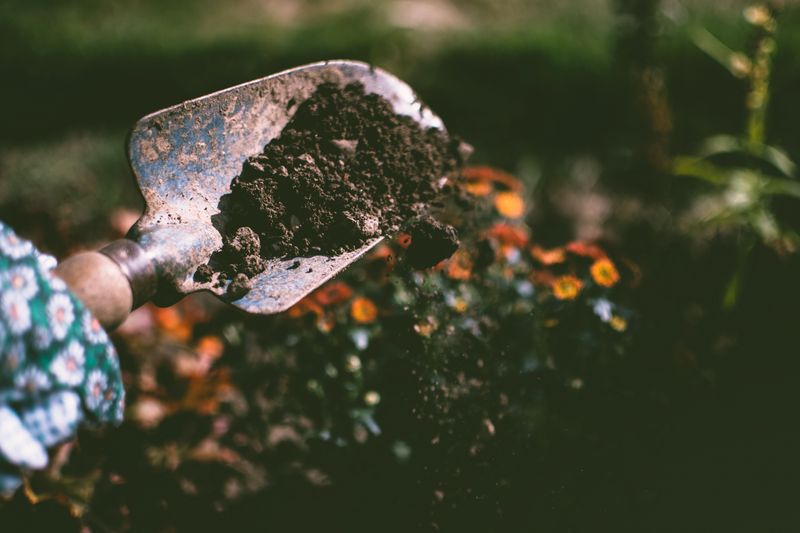
Plenty of new gardeners are surprised that these plants thrive on a bit of neglect. Feeding them in October is like serving a big dinner right before bedtime.
Fertilizer pushes out soft, tender growth that cold weather can easily damage. A sudden Texas freeze can damage those fresh leaves and set growth back.
After blooming, the plant naturally slows down and stores energy in its roots. Letting it rest now helps it come back stronger when spring warms the soil.
Even in spring, go light with any plant food. A thin layer of compost around the base is usually plenty for the whole year.
If you prefer bagged fertilizer, choose a slow-release formula with very low nitrogen. Too much nitrogen creates floppy stems and fewer flowers, which nobody wants.
Much of Texas has heavy clay or alkaline soil, and these succulents handle both fairly well. Good drainage matters far more to them than rich, fancy soil.
Instead of feeding this fall, try working on drainage problems in your beds. Mixing in expanded shale or coarse grit helps clay soil drain faster after storms.
Many Texas nurseries sell expanded shale by the bag, and a little goes a long way. Your plants will reward the effort with healthy roots for years.
Save your fertilizer budget for hungry veggies or roses instead. These tough plants are happy living on sunshine, rain, and the occasional kind word.
Pale or yellow leaves in spring often point to soggy soil first. Check drainage, then try compost before grabbing anything stronger from the shed.
Pull Out Weeds While The Soil Is Soft
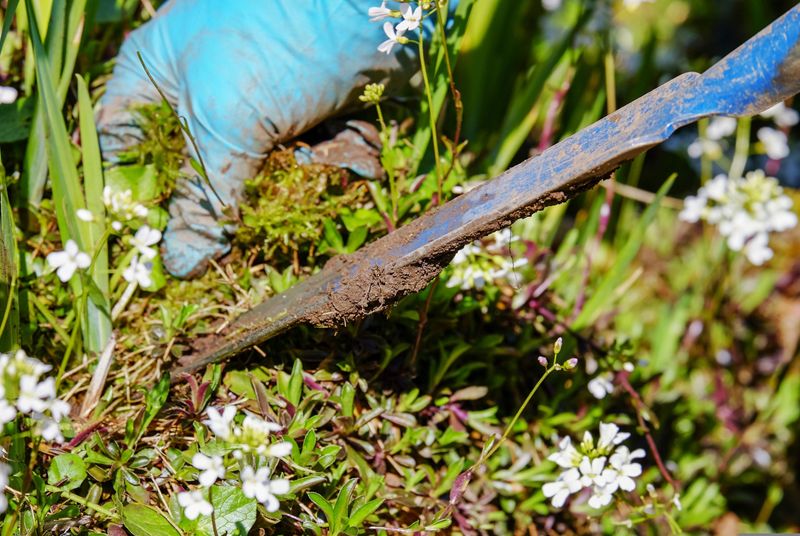
Weeds move in quickly and spread fast when gardeners stop paying attention to beds. October is prime time for cool-season weeds to sprout in Texas beds.
Henbit, chickweed, and annual bluegrass often pop up right after the first fall rains. If you ignore them now, they will crowd your plants by February.
Low, spreading succulents struggle most, since weeds can poke through and overgrow their mats. Upright kinds also lose ground when weeds steal water and nutrients from their roots.
Pulling weeds is much easier when the soil is slightly moist after a rain. Grab them low near the base and tug slowly to get the whole root.
A small hand tool like a hori-hori knife or dandelion fork makes the job quicker. Kneeling pads will also make your knees much happier during long sessions.
Once the bed is clean, add a thin layer of gravel or decomposed granite around plants. Rocky mulch keeps weeds down and lets water drain away from stems.
Skip thick wood mulch right against these succulents, because it holds too much moisture. Keep any mulch an inch or two away from the crown.
Look out for fire ant mounds while you work, since they love loose garden soil. A quick check before kneeling helps you avoid a fire ant sting.
Ten minutes of weeding each weekend keeps things under control without much effort. Put on a podcast, grab some sweet tea, and make it a relaxing habit.
Plant New Cuttings To Grow More For Free
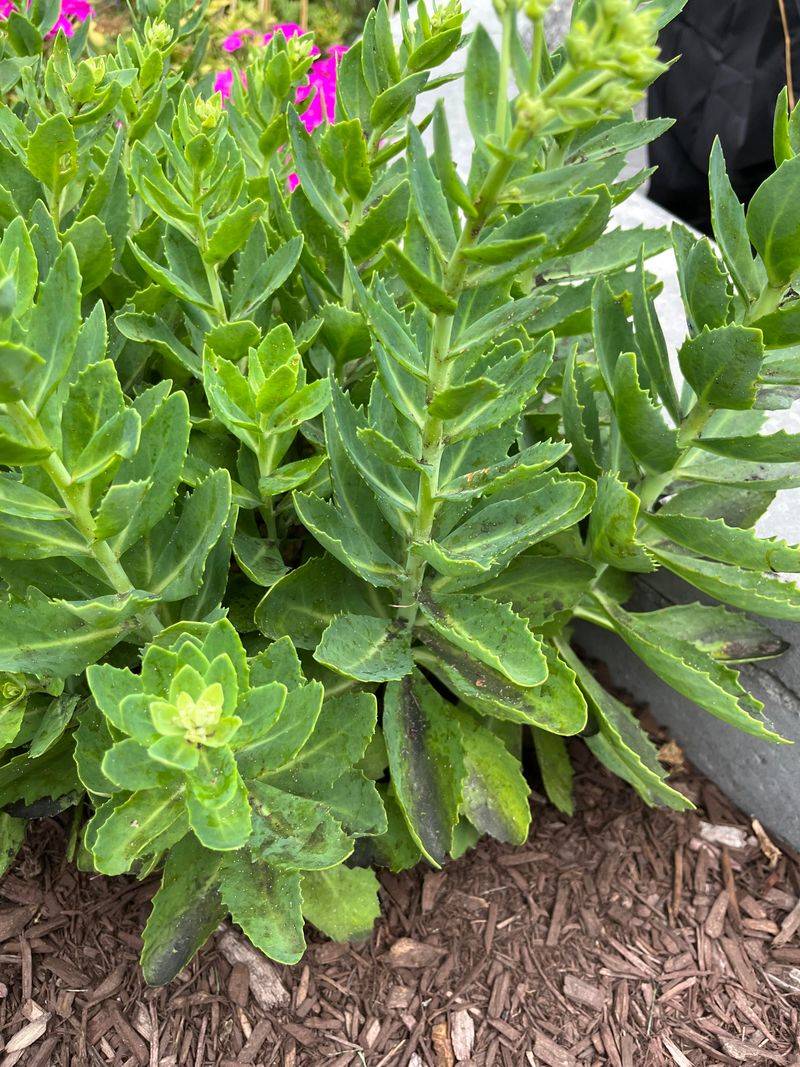
Free plants are one of the nicest perks a garden gives. Late spring is the easiest time in Texas to grow new ones from stem cuttings.
Warm soil and long days help cuttings grow roots quickly and reliably. Mild early fall can work in South and Central Texas, though rooting is slower.
Choose healthy, leafy stems without flowers, about three to five inches long. Snip them with clean scissors and remove the lower leaves from each piece.
Let the cuttings sit in a shady spot for a day or two. A dry, sealed end helps prevent rot once the stem goes into soil.
Fill small pots with cactus mix or a blend of potting soil and perlite. Push each stem about an inch deep, then water lightly.
Roots usually form within two to four weeks, and you can test by tugging gently. If the cutting resists, roots are growing and doing their job.
Some creeping kinds root from single leaves dropped on the ground. Kids especially love watching tiny new plants pop up from one small leaf.
Keep young plants in bright light but out of harsh afternoon sun at first. Move pots into a shaded porch if a harsh heat wave heads your way.
By fall, your young plants will be ready for the garden or a sunny container. Before long, you might have enough to share with the whole block.
Label each pot with the plant name and date so nothing gets mixed up. A simple craft stick and permanent marker work just fine.