How To Choose The Right Mulch Type For Your Michigan Yard
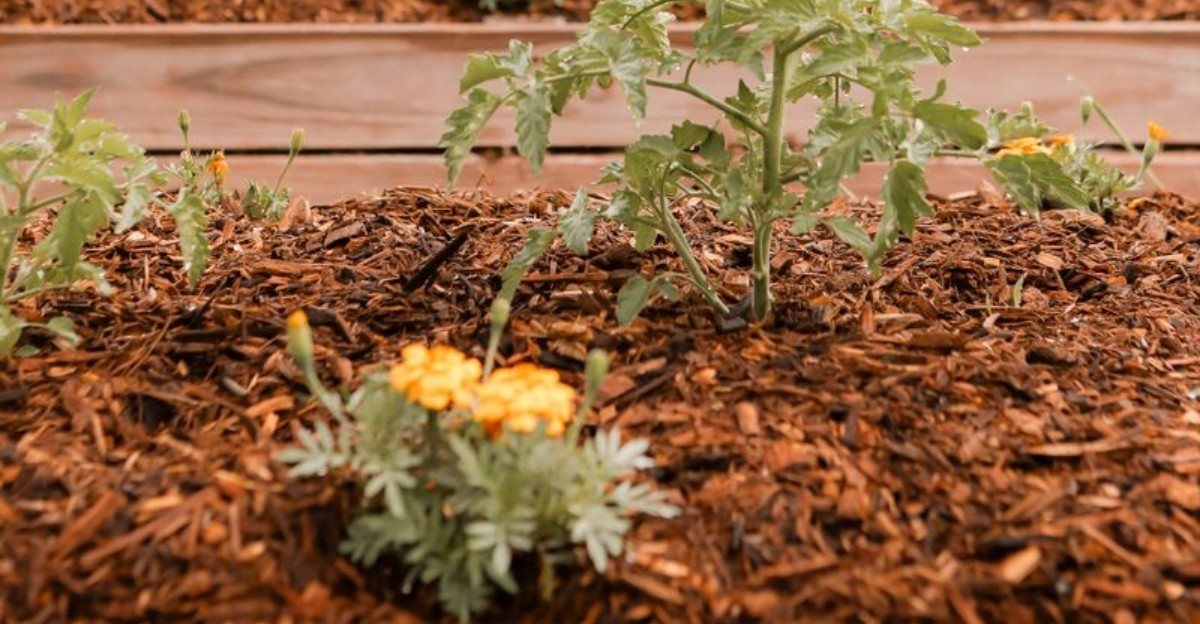
Walk through a garden center and you will find a wall of mulch bags in a dozen colors and textures. Prices vary, and so do the promises. It is tempting to grab whatever looks nicest and move on.
But mulch is not just decoration. It affects soil moisture, temperature, weeds, and even how fast nearby plants grow. Michigan’s long winters and wet springs make some choices better than others.
The best option for a vegetable bed is not the best option under a maple, and neither suits a steep slope. How deep you spread it also matters, and many people get that wrong.
A little knowledge before you buy saves money, and helps your plants. Choosing well takes only a few minutes at the store.
1. Use Shredded Hardwood Or Bark For Flower Beds And Shrubs
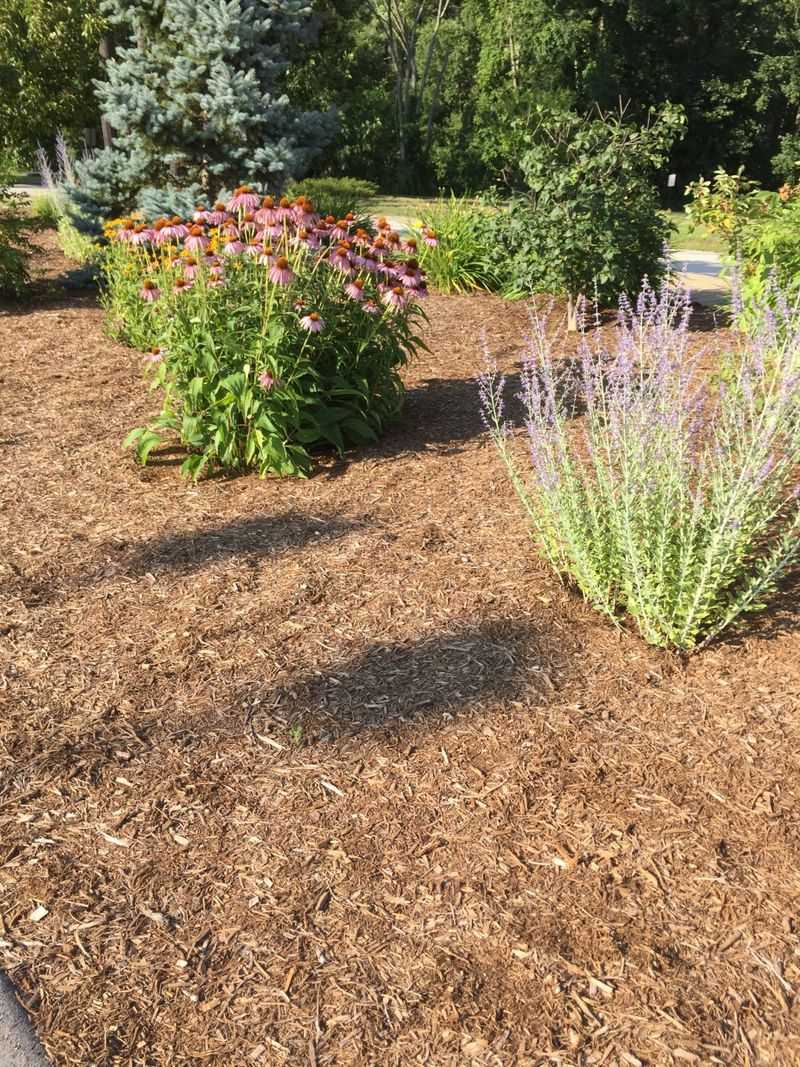
Walk past almost any neat Michigan yard in June, and you will probably spot dark brown shredded hardwood around the flowers. Gardeners love it for good reason. It does a lot of jobs at once and still looks tidy.
Shredded hardwood and bark hold moisture in the soil, so you water less during dry summer weeks.
A good layer also blocks sunlight from weed seeds, which means fewer weeds popping up between your plants. On top of that, mulch acts like a blanket that keeps soil cooler on hot days and steadier on cold nights.
Over time, the pieces slowly break down and add organic matter to your soil. That makes the ground richer and easier for roots to grow through.
Shredded types also knit together as they settle, so they are less likely to wash away during a heavy rain, even on a gentle slope. Spread about 2 to 3 inches over flower beds and around shrubs.
Keep the mulch a few inches away from stems and trunks so bark stays dry and healthy. Avoid the popular mulch volcano, where people pile mulch high against a tree, since it can cause rot and invite pests.
Each spring, check how thick the layer is before buying more. If it has thinned out, top it up to the right depth instead of adding a fresh pile every year. Too much mulch can smother roots and hold too much water.
Here in Michigan, shredded hardwood is sold at almost every garden center and landscape yard, often by the bag or in bulk. It suits most home landscapes, from shady hosta beds to sunny shrub borders, making it a smart, easy starting point for any gardener.
2. Choose Wood Chips For Paths And Tree Rings
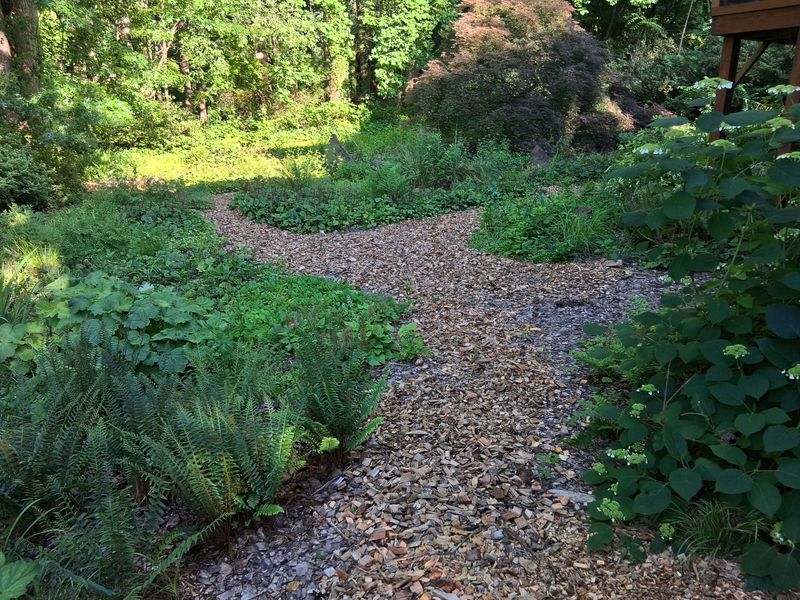
Some of the best mulch in town might be sitting in the back of a tree trimmer’s truck. Coarse wood chips are tough, chunky, and built to handle feet, wheelbarrows, and curious dogs. They shine in spots where finer mulch would get kicked around or crushed.
Because the pieces are big, wood chips break down slowly. You will not need to replace them often, which saves money and effort. Their rough shape also leaves small gaps, letting water and air slip through to the soil below instead of running off.
Your Michigan Garden Changes Every Week. Your Plan Should Too.
Gardening in Michigan changes quickly throughout the season. Every Friday you’ll receive a simple weekly plan showing exactly what to plant, prune, fertilize, harvest, and protect so you never miss the right timing.
That makes them a great fit for garden paths. They feel soft underfoot, stay put well, and help keep mud off your shoes after a spring shower. Trees love them too, because a wide ring of chips copies the leafy forest floor where trees naturally grow.
For paths, spread chips about 3 to 4 inches deep so they hold up under steady traffic. Around trees, aim for 2 to 3 inches in a wide circle, reaching out toward the edge of the branches if you can.
Always leave a few inches of bare space around the trunk so the bark can breathe. Want a bargain? Call local tree services and ask about arborist chips. Many companies are happy to drop off a load for free or for a small fee, since it saves them a trip to the dump.
Michigan has plenty of trees and plenty of crews keeping them trimmed, so wood chips are usually easy to find. A single delivery can cover your paths and tree rings for a couple of years, giving your yard a natural, woodsy look without stretching your budget.
3. Use Pine Bark Or Pine Needles Around Acid-Loving Plants
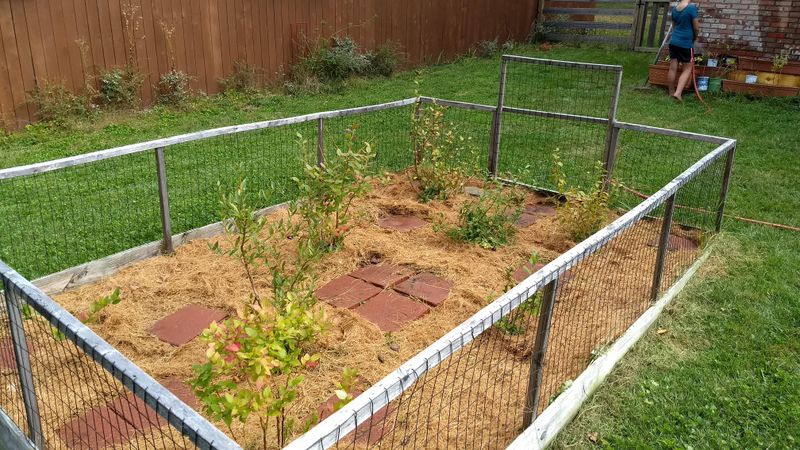
Blueberries are a big deal in Michigan, which ranks among the top blueberry growing states in the country.
If you have a few bushes in your own yard, the mulch you pick can help them feel right at home. Pine bark and pine needles are classic choices for these plants and their leafy cousins.
Gardeners often tuck pine mulch around blueberries, rhododendrons, azaleas, and other acid-loving plants.
These mulches break down slowly and match the woodland settings where many of these shrubs grow in nature. Pine needles, sometimes called pine straw, also stay light and airy, so water reaches the roots easily.
There is a common myth worth clearing up, though. Pine mulch does not drastically change your soil pH on its own. It fits these plants well, but it will not turn alkaline soil into acidic soil overnight.
That is why a soil test is such a smart move. Michigan State University Extension offers affordable soil test kits, and the results will tell you if your soil needs extra help, like adding sulfur, to reach the right pH.
Blueberries usually grow best in soil with a pH around 4.5 to 5.5. Once you know where you stand, spread 2 to 3 inches of pine bark or needles around your plants.
Keep the mulch pulled back a little from the stems so they stay dry. Refresh the layer as it thins out over time.
If you have pine trees, you already own a free supply of needles. Rake them up in fall and save them for your berry patch. Your bushes will reward you with healthier growth and, with luck, bowls of sweet summer berries.
4. Use Straw In Vegetable Gardens And Strawberry Beds
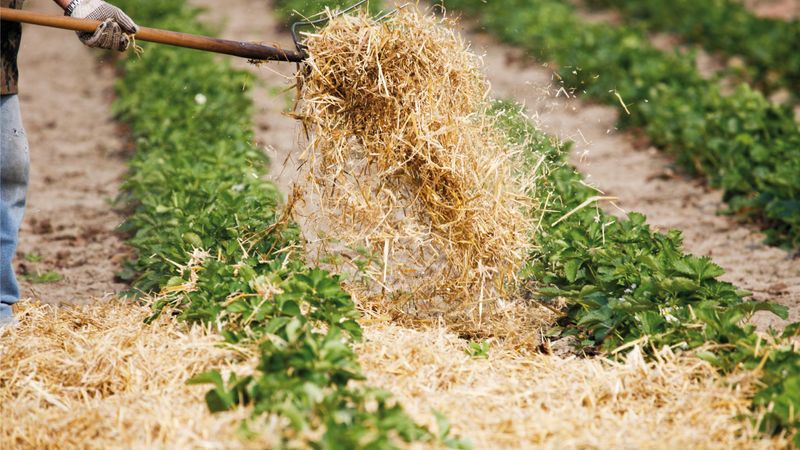
Golden straw tucked between tomato plants has a cozy, old-fashioned charm. It also happens to be one of the most useful mulches for anything you plan to eat. Light, cheap, and simple to spread, straw makes vegetable gardening a little easier.
Clean straw keeps soil from splashing up onto leaves and fruit when it rains. That matters because some plant diseases live in the soil and spread through those muddy splashes. Tomatoes, in particular, tend to stay healthier with a straw cushion underneath.
Straw also breaks down over a single season, adding organic matter you can work into the soil in fall. Just be careful not to grab hay by mistake.
Hay often contains weed and grass seeds that will sprout all over your garden, while straw is mostly the leftover stems of grain crops.
Look for clean wheat or oat straw. Wait until late spring, when the soil has warmed up, before spreading it around vegetables. Putting it down too early keeps the ground cool and can slow down heat-loving crops like peppers and squash.
Straw has another job once the weather turns cold. After the ground starts to freeze in late fall, cover strawberry beds and garlic beds with a loose layer a few inches deep. In spring, pull it back as plants start growing so leaves can reach the sunlight.
Michigan gardeners have used straw this way for generations, and strawberries even owe part of their name to the habit, according to some old stories.
Whether that tale is true or not, the method works. A few bales from a local farm store can protect your crops through both summer heat and winter cold.
5. Use Shredded Leaves As A Free, Soil-Building Mulch
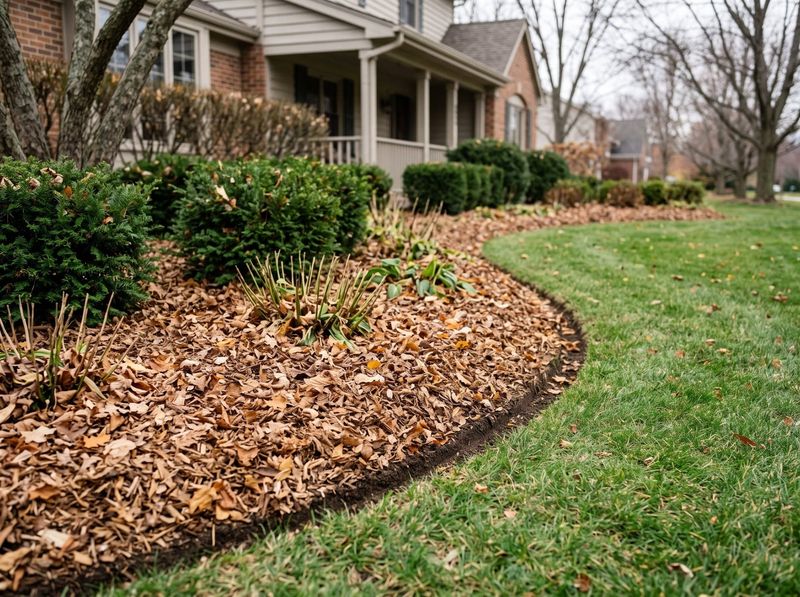
Every October, Michigan trees drop a golden gift right onto your lawn. Many people bag those leaves and set them on the curb, but savvy gardeners see free mulch. With a little effort, that pile becomes one of the best soil builders around.
Shredded leaves break down quickly, much faster than wood mulch. As they rot, they add rich organic matter to the soil and feed earthworms and tiny soil creatures. Those helpers loosen the ground and leave behind nutrients your plants can use.
Whole leaves are a different story. They tend to mat down into soggy sheets that block water and air from reaching the soil. Some, like big maple leaves, can form a layer almost like wet paper.
The fix is easy. Run your lawn mower over the leaves a couple of times, using the bag attachment if you have one. A leaf shredder works too, but most people already own the mower they need.
Spread 2 to 3 inches of shredded leaves around perennials, shrubs, and vegetable beds. The small pieces stay fluffy, let rain soak through, and slowly melt into the soil. Your beds will look natural and earthy, just like a forest floor.
Got more than you can use? Pack the extra into bags and stash them behind the garage. You can pull them out through winter and spring to top up thin spots or add to your compost pile.
Since Michigan yards collect so many leaves each fall, this trick costs nothing and keeps waste out of landfills. It is a small habit that pays off in darker, healthier soil year after year.
6. Use Gravel Only Where Plants Need Dry Conditions
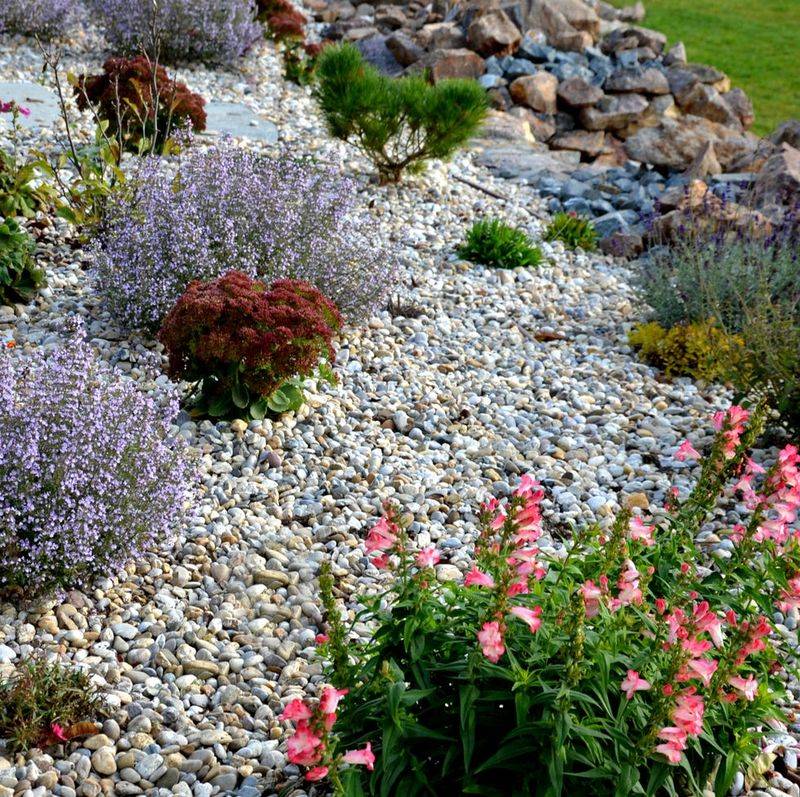
Stone mulch looks clean and modern, and it never needs replacing. Still, gravel is a bit like hot sauce in the garden. A little in the right place is great, but too much can cause trouble.
Gravel works best for plants that crave sharp drainage and dry crowns. Succulents like sedum and hens and chicks, lavender, and many rock garden plants fall into this group.
Wood mulch holds moisture against their bases, which can lead to rot, while gravel lets water drain away fast.
The downside is that stone does nothing to feed your soil. Unlike wood or leaves, it never breaks down into organic matter. It also soaks up the sun and can make the soil hotter, which stresses many common flowers and vegetables.
Removing gravel later is another headache. Small stones work their way into the dirt and are tough to rake out if you change your mind. Think carefully before covering a bed you might replant someday.
Use pea gravel or small stone in rock gardens and around plants that rot easily in damp mulch. Skip it in most flower beds and vegetable gardens, where organic mulch serves plants better.
Landscape fabric under gravel can help with weeds, but only use it in places you never plan to plant or redesign. For Michigan gardeners, gravel solves a real problem.
Wet springs and melting snow can leave the ground soggy for weeks, and that is rough on lavender and hardy succulents. A layer of stone around their crowns helps them stay dry and come back strong each year.
7. Time Winter Mulch For After The Ground Freezes
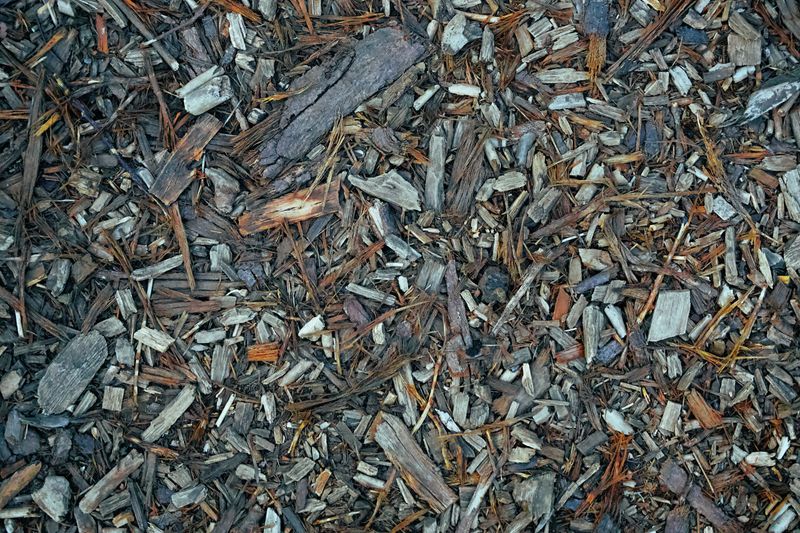
Timing matters more than you might think with winter mulch. Put it down too soon, and you can actually create new problems. Wait for the right moment, and your plants will sail through a tough Michigan winter.
Winter mulch is not meant to keep soil warm. Its real job is to keep frozen soil frozen. When the ground thaws on a sunny day and freezes again at night, it swells and shrinks, which can push plants right out of the soil.
Gardeners call this frost heaving, and it is hard on perennials, bulbs, and young shrubs with shallow roots. A layer of mulch shades the ground and keeps the temperature steadier. Fewer ups and downs mean fewer heaved plants come spring.
Mulching too early, though, keeps the soil warm when plants should be settling in for rest. It also gives mice and voles a snug spot to build nests right next to tasty roots and stems. Nobody wants to host a rodent party in their flower bed.
So watch the weather. Once the ground begins to freeze, usually in late November or December, spread loose mulch like straw, shredded leaves, or evergreen boughs over perennials, bulbs, strawberries, and new shrubs.
Keep mulch away from tree trunks to discourage voles from chewing the bark. In spring, pull the mulch back little by little as new shoots appear.
Removing it slowly protects tender growth from a surprise late frost. Michigan winters bring plenty of January thaws and March warm spells, so this simple habit can save your garden a lot of stress and help everything wake up healthy.