The Set-And-Forget Evergreens That Keep Ohio Front Yards Full In Winter
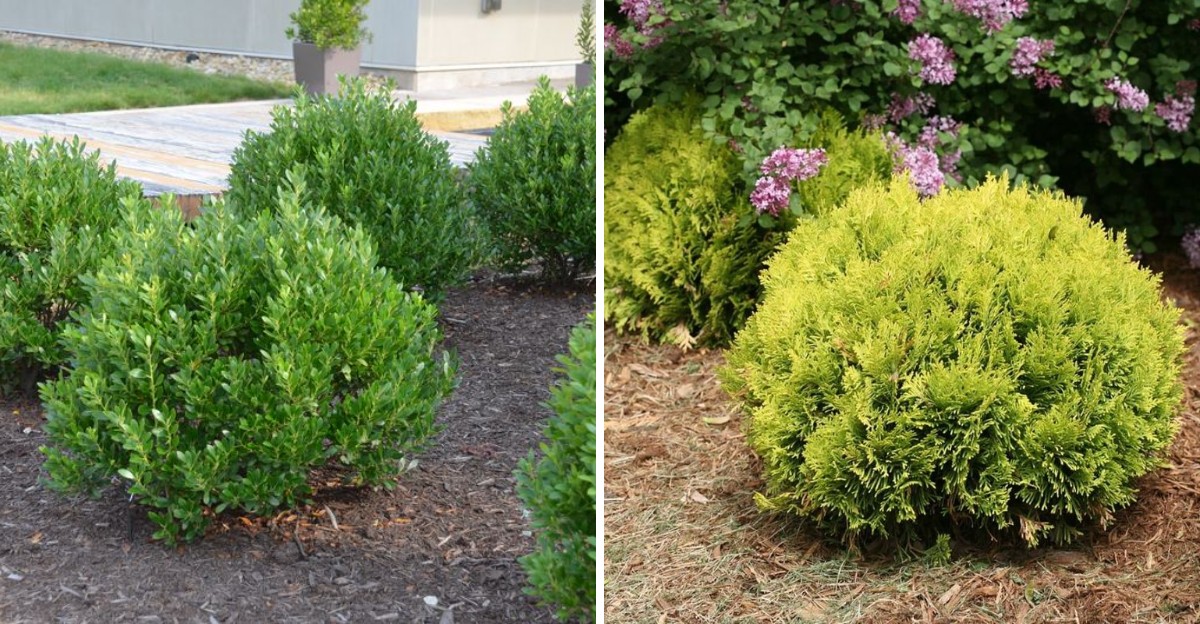
Most Ohio yards turn into a gray, empty stage by December, and the neighbors with full green borders look like they’ve got a secret.
They do, and it’s not about time or effort. Certain evergreens plant once and then ask for almost nothing.
No pruning marathons, no winter wrapping, no yearly replacements. They hold their color through snow, ice, and wind, and they look just as good in February as they did in July.
Garden centers stock them, yet they rarely get the best shelf space. Showy flowering plants steal the spotlight while the quiet workhorses wait in the back row.
Picking the right ones matters, since a few popular choices demand more care than the tag admits.
Walk your front yard this weekend with a critical eye. The empty spots are begging for a plan.
1. Globe Arborvitae Holds A Tidy Shape Without Pruning
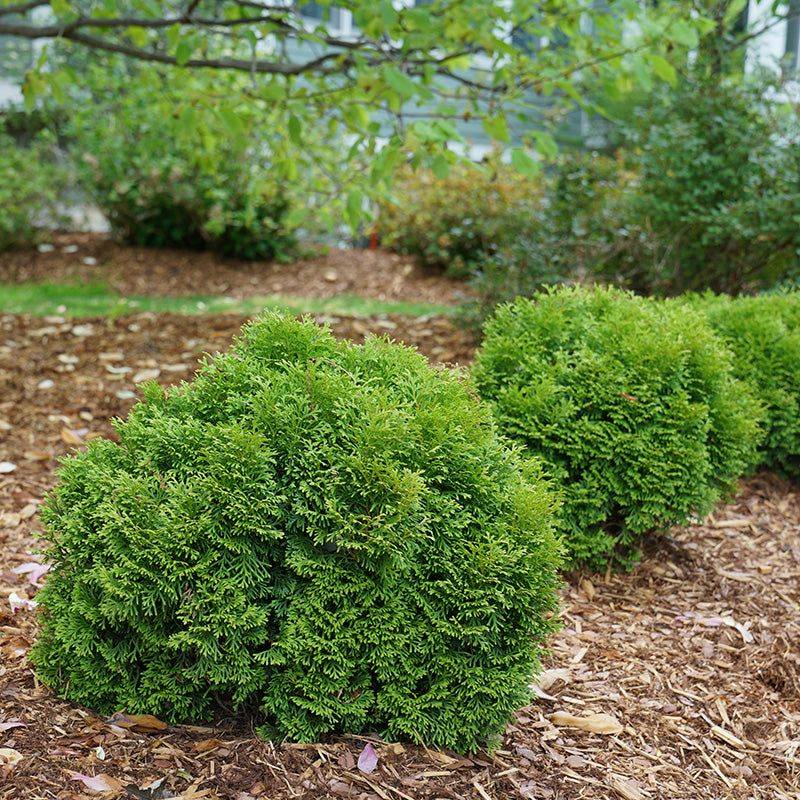
Some shrubs act like they were born with a perfect haircut. Globe arborvitae is one of them, growing into a neat ball all on its own.
Popular types include ‘Mr. Bowling Ball’, ‘Tater Tot’, and ‘Golden Globe’. Each one stays small and round, so you can skip the hedge trimmers.
That means more Saturday mornings for pancakes and less time wrestling with branches.
The foliage is packed tight, almost like a soft green sponge. When snow falls, it sits on top like frosting on a cupcake.
Even in deep winter, these little globes keep your front beds looking full and planned.
Cold weather is no big deal for this plant. It handles Northeast Ohio winters with ease, which makes it a smart pick anywhere in the state.
Gusty winds and chilly nights rarely slow it down. One catch: deer love arborvitae.
If they roam your neighborhood, plan on netting or a repellent spray during winter, when browsing is heaviest.
For the best results, plant it where it gets full sun or part sun. A spot with at least six hours of light helps it stay thick and bushy.
Too much shade can make it thin and a bit floppy over time.
Drainage matters more than fancy soil. Globe arborvitae can handle rocky, dry, or even somewhat wet ground, but it likes water to move away from its roots.
If your yard holds puddles, try a slightly raised bed.
Here are a few easy ways to use it:
Line them along a walkway for a welcoming path. Tuck them near the front steps for a clean, finished look.
Pop one into a large pot by the door for year-round charm.
Water new plants deeply during their first summer. After that, they mostly take care of themselves.
A thin layer of mulch around the base helps hold moisture and keeps roots cozy.
Think of these shrubs as the dependable friends of your landscape. They show up looking good every single season with very little fuss.
2. ‘Anna’s Magic Ball’ Arborvitae Adds A Pop Of Gold
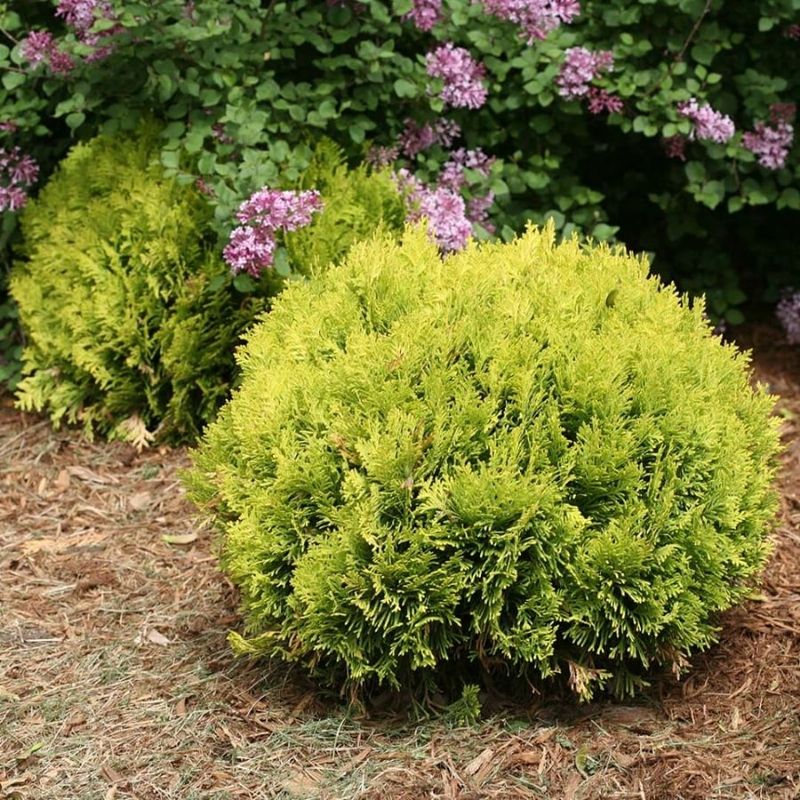
Imagine a tennis ball made of sunshine sitting in your garden. That is pretty much what ‘Anna’s Magic Ball’ arborvitae looks like on a gray winter day.
Your Ohio Garden Changes Every Week. Your Plan Should Too.
Gardening in Ohio changes quickly throughout the season. Every Friday you’ll receive a simple weekly plan showing exactly what to plant, prune, fertilize, harvest, and protect so you never miss the right timing.
Its official name is Thuja occidentalis ‘Anna van Vloten’. The plant was developed in Canada, so it knows a thing or two about cold.
It grows in USDA zones 3 to 8, which covers all of Ohio with room to spare.
The bright golden-yellow color is the star of the show. While most shrubs fade into dull green or brown, this one glows.
Plant it next to darker evergreens and the contrast really pops.
Here is a fun detail. During the coldest stretch, the gold may shift to a soft tan color.
Don’t panic, because it brightens back up when spring arrives.
The shape takes care of itself, too. It forms a tight, round ball without any pruning at all.
For busy families, that is a real win.
Give it sun to part shade for the richest color. More sunlight usually means more gold.
In heavy shade, the foliage may turn greenish and lose some sparkle.
Soil should drain well and contain some organic matter. Mixing compost into the planting hole gives roots a helpful start.
Avoid low spots where rainwater sits for days.
Because it stays small, this shrub fits almost anywhere. Try it in a rock garden, a container on the porch, or a skinny bed by the driveway.
It also shines in a foundation planting under a front window.
Since it is a North American native species, it feels right at home here. Local birds may even tuck into its dense branches for shelter on snowy nights.
If your front yard needs a mood boost in February, this little golden globe is happy to help. Plant it once and enjoy the glow for years.
3. ‘Golden Mop’ False Cypress Brings Bright Color With Little Effort
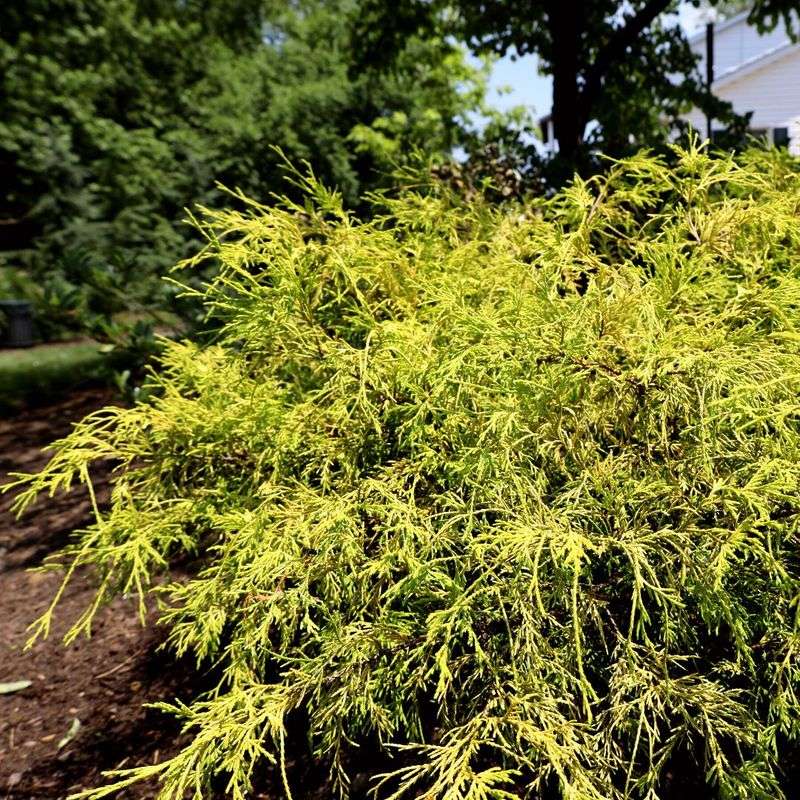
Ever seen a shrub that looks like it just rolled out of bed? ‘Golden Mop’ false cypress has a shaggy, playful look that makes people smile.
Its scientific name is Chamaecyparis pisifera ‘Golden Mop’. The foliage is thin and thread-like, almost like yellow yarn spilling over the ground.
It adds soft texture where most winter plants look stiff.
Color is the big reason to grow it. The bright yellow stays strong all year, so your yard gets a cheerful spark even under gray skies.
It pairs beautifully with deep green yews or hollies.
Growth is slow and steady. Most plants reach about 3 to 5 feet tall and 3 to 7 feet wide over time.
That gives you plenty of years before it needs more space.
Pruning is rarely needed. Just snip away any brown or weak bits now and then.
Otherwise, let it do its messy, charming thing.
Light needs take a little thought. Full sun makes the yellow brighter, but harsh afternoon sun can scorch the tips.
A spot with morning sun and afternoon shade is often the sweet spot.
For soil, average to moist ground that drains well works best. It prefers slightly acidic soil but adapts to many types.
It even tolerates city pollution, which helps homes near busy roads.
Here is another bonus. Deer tend to leave it alone, so you won’t wake up to a nibbled mess.
That is a big deal in many Ohio neighborhoods.
Try placing it at the corner of a bed where its mop-top shape can spill over edges. It also looks great near boulders or along a curved walkway.
For gardeners who want color without chores, this quirky shrub is a joy. It brings personality to the front yard with almost no effort from you.
4. Inkberry Holly Gives The Boxwood Look With Fewer Problems
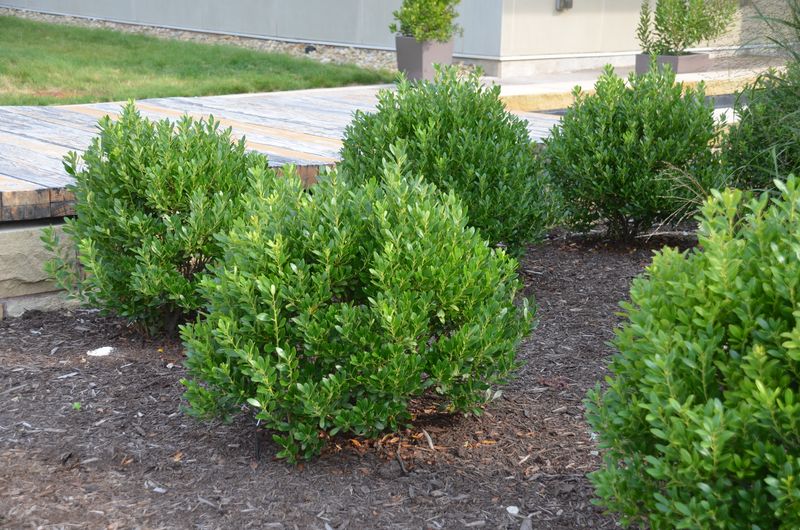
Boxwoods have had a rough few years. Between blight and the box tree moth, many Ohio homeowners are looking for a backup plan.
Enter inkberry holly, also called Ilex glabra. It is a native evergreen with dense, rounded growth and dark green leaves.
From the sidewalk, it can pass for a classic boxwood hedge.
The difference shows up over time. Inkberry tends to resist the troubles that plague boxwoods.
That means fewer worries and fewer trips to the garden center for sprays.
The leaves are smooth and shiny, with no prickly spines. Kids and pets can brush past without a yelp.
It is a friendlier kind of holly.
This shrub is a true flexible friend. It handles wet or dry soil, sandy or clay, and sun to moderate shade.
Few plants are that easygoing about where they live.
Size is worth checking before you buy. Standard inkberry can reach 5 to 10 feet tall and wide.
For front beds, look for dwarf types like ‘Gem Box’ or ‘Strongbox’, which stay around 2 to 4 feet.
Those compact versions also hold onto their lower leaves. Older inkberries sometimes get bare at the bottom, but these stay full to the ground.
Nature lovers get extra perks. Female plants grow blue-black berries in fall and winter that feed hungry birds.
In spring, tiny white-green flowers attract bees and other pollinators.
Deer usually pass it by, too. That keeps your clean edges looking sharp all season.
Use inkberry for low hedges, foundation rows, or to frame a front door. A light trim in spring keeps it extra tidy if you want a formal look, but it looks fine left alone.
Swapping boxwoods for inkberry feels like upgrading your phone. You keep the look you love and lose the headaches.
5. Spreading Yews Handle Sun Or Shade
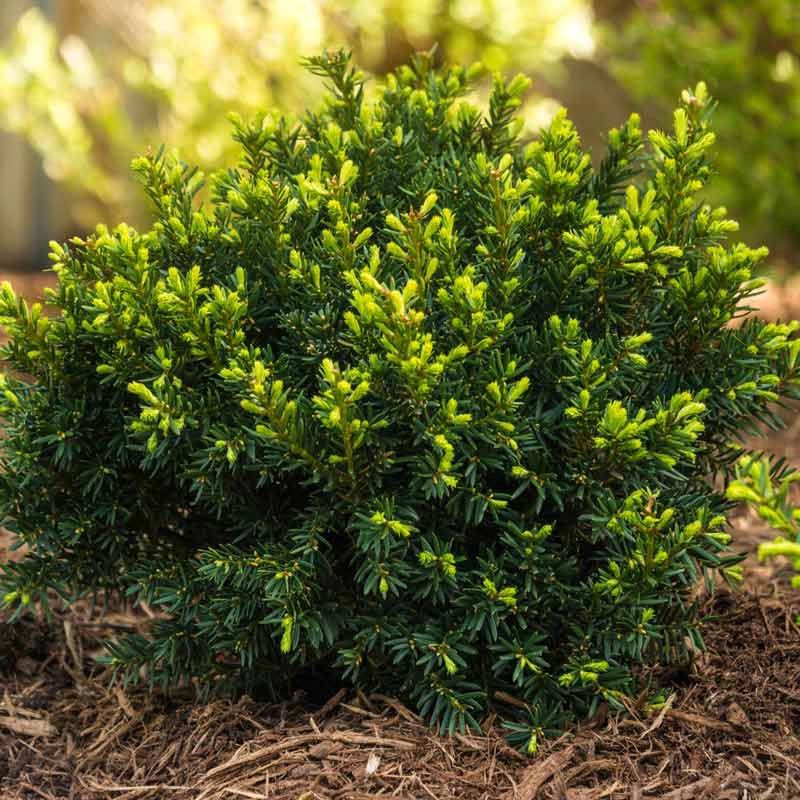
Grandma’s house probably had a few of these out front. Spreading yews have been an Ohio favorite for generations, and there is a good reason they stuck around.
Known as Taxus x media, these shrubs grow wide and low with fine, soft needles. The foliage stays dark green through winter, giving your home a solid, grounded look.
Light is where yews really shine. They grow in full sun, part sun, or full shade.
That makes them perfect for tricky spots, like under big trees or along the north side of the house.
Many yards have one area where the sun changes all day long. Some plants struggle with that mix.
Yews just keep growing like nothing happened.
They are also tough as old boots in the cold. Ohio winters rarely bother them, and they need very little care once settled in.
There is one thing they dislike, though. Soggy soil is a big no for yews.
Plant them where water drains away quickly, or their roots will suffer. Deer are another weak spot, since they browse yews hard in winter.
If deer visit your yard often, the plum yew in the next section is a safer pick.
In fall, female plants show off bright red berries. They look like tiny holiday ornaments tucked among the needles.
Keep in mind that yew berries and needles are toxic, so teach kids not to snack on them.
Yews also take well to trimming if you want a shaped hedge. Leave them natural for a relaxed feel, or shear them for a formal front.
They bounce back from cuts better than most evergreens.
Here are a few smart spots for them:
Along a shady foundation where grass won’t grow. Under front windows where you want low, steady greenery.
As a backdrop for colorful flowers in summer.
A spreading yew is the classic, no-drama choice. It may not be flashy, but it holds your yard together like a trusty old quilt.
6. Hedgehog Plum Yew Thrives In Shady Front Beds
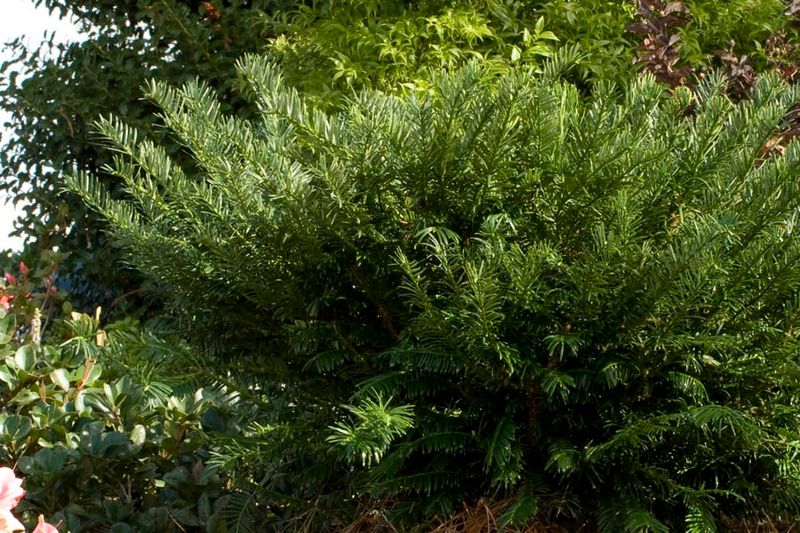
Shady front beds can feel like a puzzle with missing pieces. Grass won’t grow, flowers sulk, and the soil just sits there looking bare.
That is where ‘Hedgehog’ plum yew comes to the rescue. Its full name is Cephalotaxus harringtonia ‘Hedgehog’, and it was made for low light.
The needles are long, glossy, and dark green. They grow thicker than other spreading plum yews, which gives the plant a full, bristly look.
Yes, it does resemble a friendly green hedgehog curled up in the garden.
Size stays modest. Most plants reach about 3 feet tall and 4 feet wide, forming a soft mound.
Growth is slow, so it won’t outgrow its spot anytime soon.
Partial to full shade suits it best. That makes it a great match for beds under porches, near tall trees, or on the north side of the house.
Where other shrubs stretch for light, this one settles in happily.
Soil should be rich and drain well. It handles both dry and moist conditions, but standing water is trouble.
Avoid low spots where rain collects after storms.
Deer usually skip it, which is a huge relief in wooded neighborhoods. Many gardeners love plum yew as a deer-proof stand-in for regular yews.
Care is simple. Water during dry spells the first year, add a layer of mulch, and let it be.
If you want a neater shape, a quick trim in spring does the trick.
Try grouping three together for a lush, layered look. You can also use them as a low groundcover along a woodland path.
They blend nicely with ferns and hostas in summer.
Once winter arrives, those glossy needles catch whatever light is around. Your shady corner suddenly looks rich and alive instead of empty.
For a dim front bed, this plant is a quiet hero.