How To Keep Your Horses And Goats Well Fed When Hay Is Hard To Find In Virginia
The hayloft echoes louder than it should, and your horse knows why. Virginia’s dry summer trimmed harvests and lifted hay prices sharply.
Feed stores across the state now guard their bales like treasure. Winter approaches fast, and cold mornings are already here.
Goats are sampling your coat sleeves while they review your choices. Horses, meanwhile, watch you with silent, soulful hope.
Low racks sound worrying, yet hungry animals do not need expensive miracles. Moistened beet pulp and alfalfa cubes can stretch your supply for weeks.
Slow feeders, hay cubes, and fescue pastures keep ribs covered and bodies warm. Smart swaps protect gut health, weight, and stamina through icy weather.
You need a plan, a scale, and a little nerve. Complete feeds and pellets fill gaps when hay runs low. Your cheapest winter forage may already be waiting on a Virginia feed store shelf.
1. Stretch Every Bale With Slow Feeder Hay Nets
Picture a horse finishing a whole flake in twenty minutes, then looking at the bare corner. Fast eaters waste hay, and that adds up when bales are expensive.
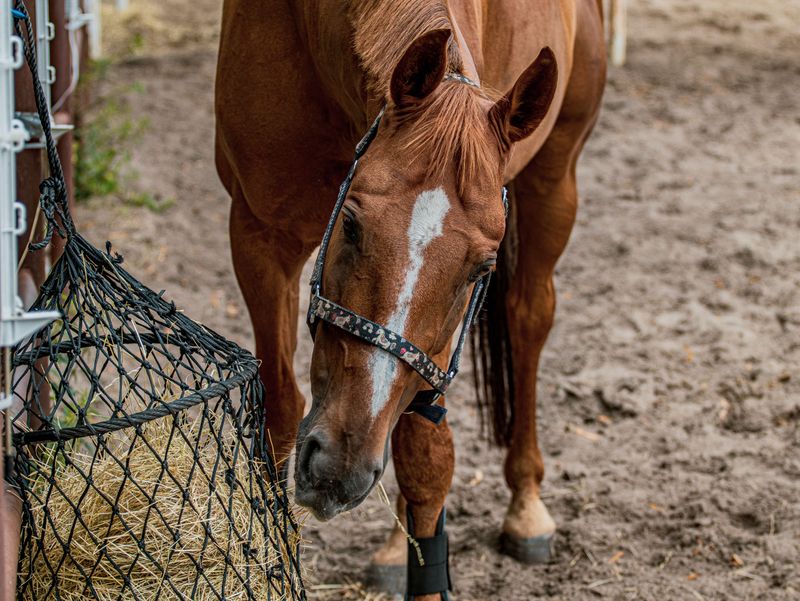
Slow feeder nets have small holes, usually one to two inches wide, that make animals nibble slowly. Horses eat more like grazing wild horses, picking a little at a time all day.
Many barn owners report less waste and noticeably smaller hay loss. That savings adds up quickly when each bale in your shed feels valuable.
Goats benefit too, because they love pulling hay out, stepping on it, and refusing to eat it. A goat-sized net keeps the pile clean, so less ends up as soiled bedding.
Hang nets high, at or above back height, with a quick-release knot so hooves cannot tangle in the mesh. You can also place them inside a sturdy tub on the ground.
Horned goats need extra care, since horns can catch in loose netting. Pick a hard feeder box with a metal grate if your goats have horns.
Start with bigger holes and switch to smaller ones over a week or two. Sudden changes can frustrate animals, and an unsettled horse may chew the net itself.
Check nets weekly for torn spots, since holes grow quickly with busy mouths working on them. A sturdy net costs less than a few bales and can last several winters.
2. Add Moistened Beet Pulp To The Daily Menu
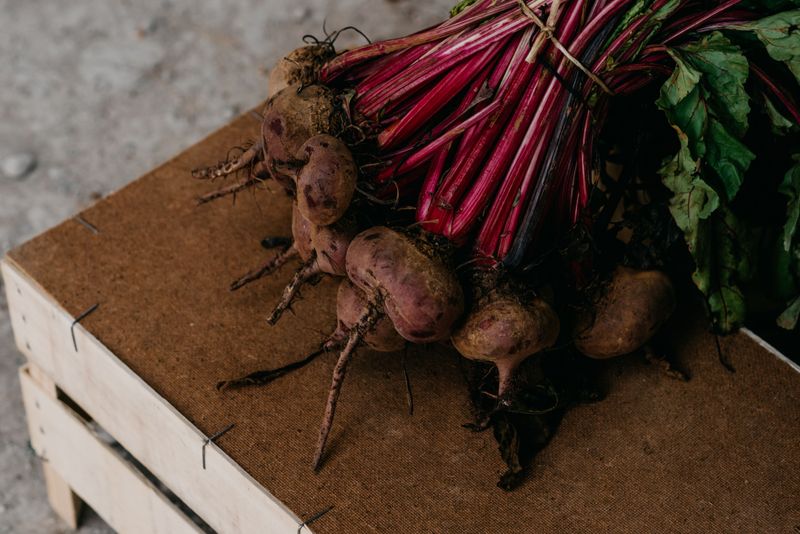
Beet pulp sounds odd, but it is the leftover fiber after sugar is pulled from sugar beets. Horse owners have used it for decades as a handy, budget-friendly stretch for scarce hay.
It is packed with digestible fiber, which keeps the gut moving much like grass and hay do. That steady fiber also helps horses stay warm, since digestion creates body heat.
Moisten beet pulp before feeding, especially shreds or pellets, using about two to four parts water. Give it a few hours, and it swells into a fluffy, moist mash that horses love.
Some owners once worried that dry pulp would swell inside the throat or stomach. Moistening lowers choke risk, and it adds extra water for horses that drink too little in winter.
Your Virginia Garden Changes Every Week. Your Plan Should Too.
Gardening in Virginia changes quickly throughout the season. Every Friday you’ll receive a simple weekly plan showing exactly what to plant, prune, fertilize, harvest, and protect so you never miss the right timing.
Goats can enjoy small amounts too, mixed into grain or offered as a treat. Keep portions modest, because goats still need long-stem forage to keep their rumens working well.
Pick plain beet pulp when you can find it, since some brands add molasses for flavor. Horses with insulin problems or laminitis history do better on low-sugar, unmolassed versions.
Start with a pound or so per day and increase slowly over two weeks. A grown horse can often eat several pounds daily when hay is short, with your vet’s guidance.
Beet pulp should supplement long-stem forage, not fully replace it.
In cold Virginia mornings, warm water makes the mash steam like a cozy breakfast bowl. Toss out any leftovers within a day, since moistened pulp can sour and grow mold quickly.
3. Try Hay Cubes And Pellets As Backup Forage
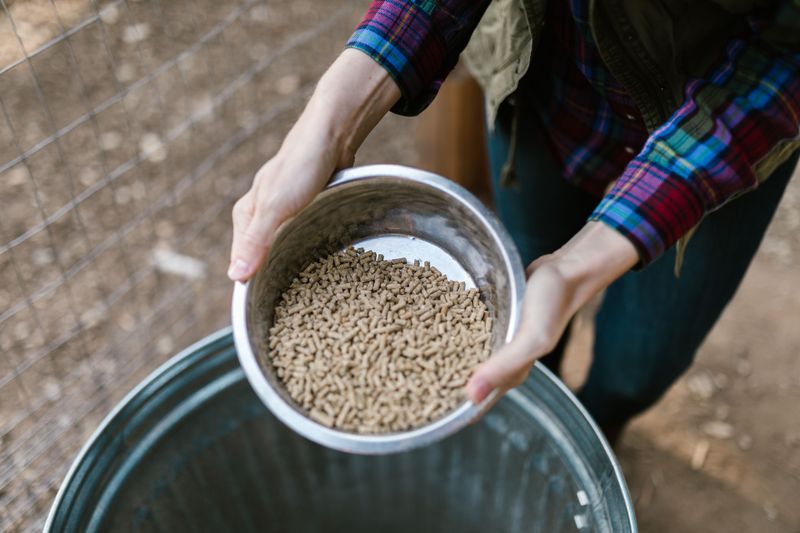
During the drought of 2002, some Virginia horse owners turned to bagged forage to get through the winter. Hay cubes and pellets were reliable options during that dry stretch.
Cubes are pressed chunks of chopped hay, often alfalfa, timothy, or a mix of both. Pellets are ground even finer and squeezed into small, tidy shapes that look like rabbit food.
Both store well in bags, stack neatly, and travel easily from stores in neighboring states. They also make less dust, which helps horses with breathing troubles or a condition called heaves.
Feed stores across Virginia may stock them even when local hay supplies run low, so call ahead. Buy several bags at once in October, before winter demand reduces stock.
Moisten cubes for horses that gulp food or have weak teeth, since dry chunks can cause choke. Older horses especially do well with a soft, soupy cube mash in a bucket.
Goats can eat forage pellets too, though they still crave something to chew and sort. Mix pellets with whatever long hay you have, so their rumens stay busy and healthy.
A horse can replace much of its hay with cubes, pound for pound, under a vet’s guidance. Change over slowly across ten days to protect sensitive bellies from colic.
Keep bags off cold concrete floors and away from damp walls to prevent mold growth. A plastic pallet and a mouse-proof bin will protect your investment all winter long.
4. Make The Most Of Fall Pasture And Stockpiled Fescue
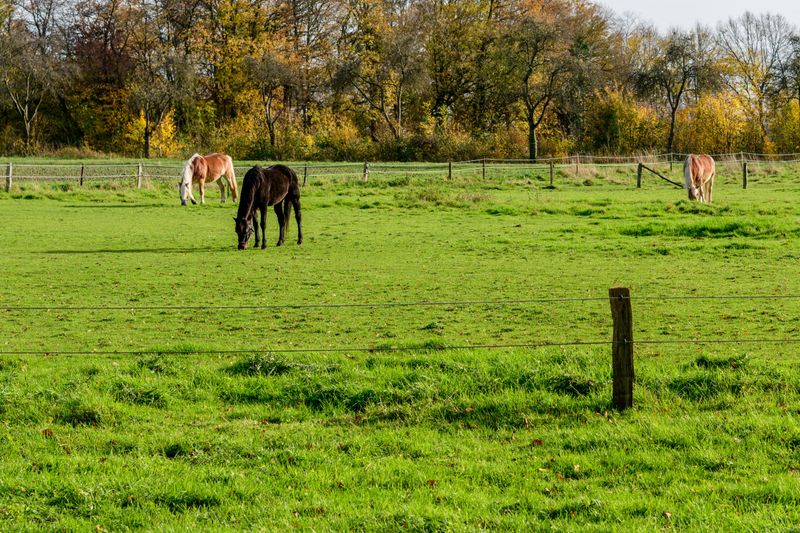
Is your field really finished, or does it just look tired after a hot summer? Fall in Virginia often brings cooler nights and some rain, and grass responds well to that combination.
Tall fescue is the most common pasture grass in the state, and it grows well in autumn. Farmers can stockpile it, meaning they rest a field now and graze it later.
Virginia Cooperative Extension suggests closing off a pasture in late summer to build that standing grass. A little extra nitrogen fertilizer in late summer can boost fall growth noticeably.
Stockpiled fescue holds its nutrition surprisingly well into December and even early January, if managed well. It acts like hay that skipped the cutting, baling, and hauling steps.
Frost can raise sugar levels in grass, so horses prone to laminitis need extra care.
Pregnant mares need caution, though, because many fescue fields carry a fungus called endophyte. That fungus can cause foaling problems, so move expecting mares off fescue about three months before birth.
Strip grazing helps a lot, using temporary electric fence to give animals one section at a time. They waste less grass when they cannot trample the whole field at once.
Goats prefer weeds and brush over grass, but they will graze fall pasture when offered. Rotate them often, since grazing low near the ground raises the risk of stomach worms.
Watch the weather for frost, since some plants change their chemistry after a hard freeze. Keep animals off frosted sorghum and areas with wilted wild cherry leaves, which can be toxic.
5. Let Goats Browse Brush, Leaves, And Safe Woody Plants
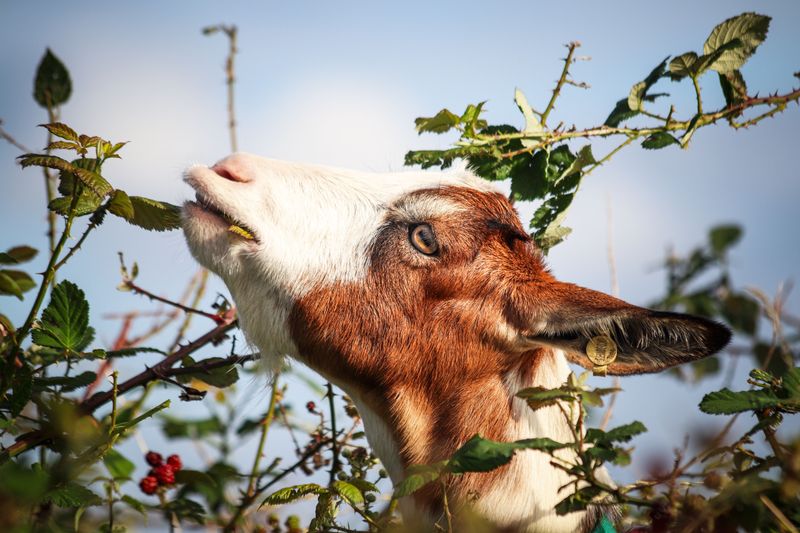
Goats are not tiny cows, no matter what your neighbor claims while leaning over the fence. They are browsers, happiest nibbling twigs, leaves, vines, and weeds like picky salad lovers.
That browsing habit becomes a real gift when hay runs low in late fall. A brushy hillside or overgrown fence line can supply part of a small herd’s diet for several weeks.
Virginia woods offer plenty of goat favorites, such as honeysuckle, multiflora rose, blackberry canes, and poison ivy. Yes, goats happily munch poison ivy, though the oils can rub off on their coats and irritate your skin.
Fallen mulberry leaves can become crunchy snacks in October. Some owners rake dry leaves from safe trees into feed bags and store them as winter treats, skipping red maple, oak, and wild cherry.
Some plants are dangerous, though, and goat keepers should learn them well. Avoid mountain laurel, rhododendron, azalea, wild cherry leaves, and Japanese yew, which can make goats seriously ill.
Horses are pickier and less suited to browse, so save this trick mainly for your goats. Wilted red maple leaves are especially harmful to horses, so watch where they graze.
Ask neighbors if they need brush cleared, because many people will gladly host hungry goats. Portable electric netting makes it easy to move your crew from one patch to the next.
You save hay, and your neighbor saves hours of weed-whacking in the chilly fall air. Both sides benefit, and the goats enjoy the extra forage.
6. Connect With Local Farmers And Virginia Hay Directories
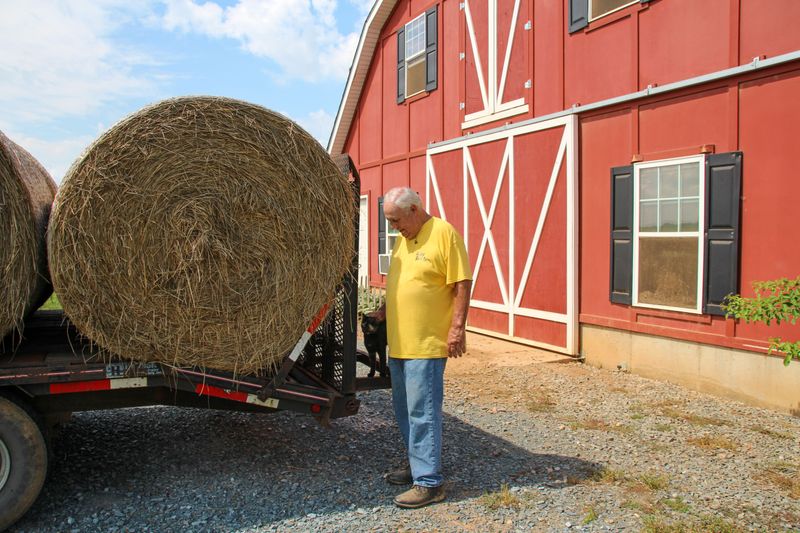
One phone call to a farmer down the road can turn up hay that online searches miss. Rural Virginia still runs on handshakes, word of mouth, and friendly favors between neighbors.
Start with your local Virginia Cooperative Extension office, since agents often know who has extra bales. Many counties also keep helpful lists of local hay sellers, especially during drought years.
The Virginia Department of Agriculture and Consumer Services runs a free Hay Clearing House that lists hay sellers, so check its website for current listings. Facebook groups for horse owners in your region also share leads and prices quite quickly.
Feed stores, farriers, and large animal vets hear plenty of local news each week. Ask them who managed a late second cutting this fall before the frost.
Look beyond state lines, too, but compare delivered prices, since trucking fees can erase any savings. Split a tractor-trailer load with other local owners to share the hefty trucking fees.
Inspect hay carefully before buying, even from friendly sellers with great reputations and sweet farm dogs. Check for mold, dust, weeds, and a musty smell, which can make horses seriously sick.
Blister beetles are a real concern in alfalfa shipped from some southern and western regions. Ask sellers how they cut it, since crushed beetles hidden in hay can make horses seriously ill.
Pay promptly, say thank you, and maybe bring a homemade pie the next time you visit. Good sellers remember courteous buyers, and loyal customers may get first pick next year.
7. Choose Complete Feeds Made For Senior Or Forage-Light Diets
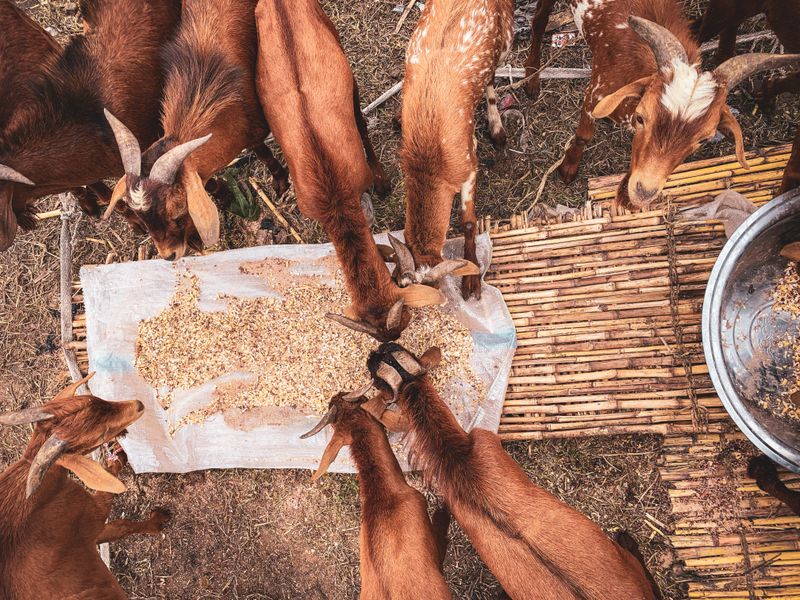
Picture a 24-year-old Quarter Horse who can no longer chew hay well, yet holds his weight all winter. The secret is a bag of complete feed and an owner who reads labels.
Complete feeds contain fiber, usually from beet pulp, soy hulls, or ground hay, mixed with grain. They are designed to replace part or all of the hay in a diet.
Regular sweet feed is different, since it lacks enough fiber to stand in for forage. Feeding big piles of grain alone can lead to colic or a painful hoof condition, laminitis.
Read the bag carefully and look for crude fiber around 15 percent or higher. Follow the feeding chart, which often lists amounts for both partial and total hay replacement.
Split the daily ration into three or four smaller meals instead of one giant dinner. Horse stomachs are small, and big grain meals rush through before digestion finishes well.
Goats need feeds made for ruminants, with minerals balanced for their unique copper needs. Sheep feeds often contain too little copper for goats, so read every tag closely.
Keep cattle feeds away from horses, since some contain monensin, which is highly toxic to them. Store each bag in labeled bins so nobody grabs the wrong scoop on a busy morning.
Add volume where you can, even a small flake of hay or some straw. Chewing keeps both horses and goats calmer, happier, and less likely to gnaw your fence boards.
8. Weigh Animals And Track Body Condition Every Few Weeks
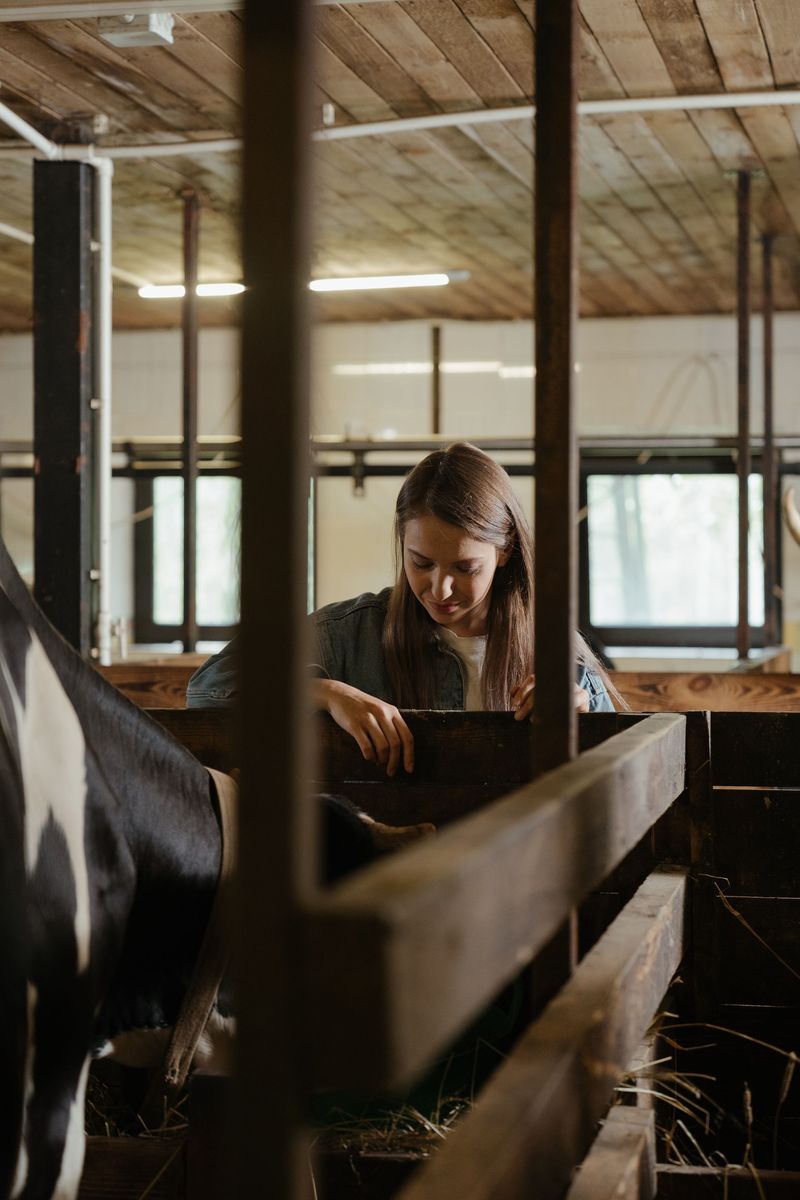
Numbers give a clear picture, even when thick winter coats hide a thin frame. A horse can look fine at a glance and still be losing weight under all that fuzz.
Vets use a body condition score from 1 to 9 for horses, with 5 as ideal. Goats are often scored from 1 to 5, and a 3 means healthy and solid.
Run your hands along the ribs, spine, and tailhead every few weeks this winter. You should feel the ribs with gentle pressure, but not see them sticking out sharply.
For goats, feel the loin, ribs, breastbone, and tailhead. Thick hair can fool the eyes, so your fingertips become a reliable measuring tool.
A weight tape from the feed store costs only a few dollars and wraps around the heartgirth. Write numbers on a calendar, so small drops stand out before they become big problems.
Knowing real weights helps you feed correctly, since most horses need about 2 percent of body weight daily. A 1,000-pound horse usually needs around 20 pounds of forage or replacement feed.
Check teeth too, because sharp points or loose teeth make chewing slow and wasteful. Parasites also steal calories, so ask your vet about running fecal egg counts this fall.
Tracking feels a little nerdy at first, like keeping a diary for your livestock. Still, a few minutes of notes can save months of worry and costly vet bills.