Evergreens In Missouri Yards Need A Deep Drink Before The Ground Freezes
Some trees lose water through their leaves on sunny January days, even while the ground stays frozen solid. Frozen roots cannot pull up fresh water to replace it, so the foliage slowly dries out from the tips.
In Missouri, the damage often stays hidden until late winter or early spring, when brown patches finally show up. I used to blame the cold for that browning, but dry fall soil is often the real cause.
Extension experts point to the south and west sides of a tree, where winter sun and wind hit hardest. You can often spot the problem first on trees planted near driveways, walls, or spots that reflect heat.
October in Missouri gives us a short window, with mild afternoons and soil that still takes in water easily. Isn’t it funny that one of the best winter chores for your yard happens while the leaves are still turning?
Your Evergreens Want A Slow Soak Before The Freeze
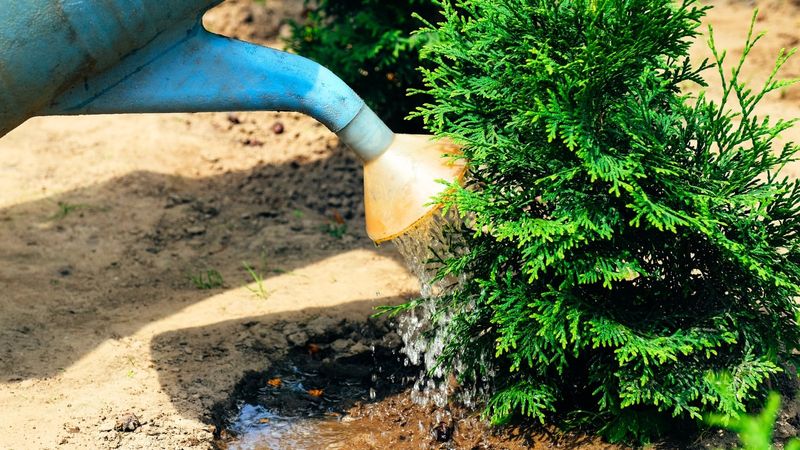
One long, slow watering in fall can carry pines, spruces, junipers, and boxwoods through a dry Missouri winter. Evergreens keep their needles and leaves all year, so they keep needing water long after maples go bare.
University of Missouri Extension suggests watering evergreens well in fall, especially when rainfall has been light since late summer. A deep soak fills the root zone, giving the tree a stored supply before frozen soil locks water away.
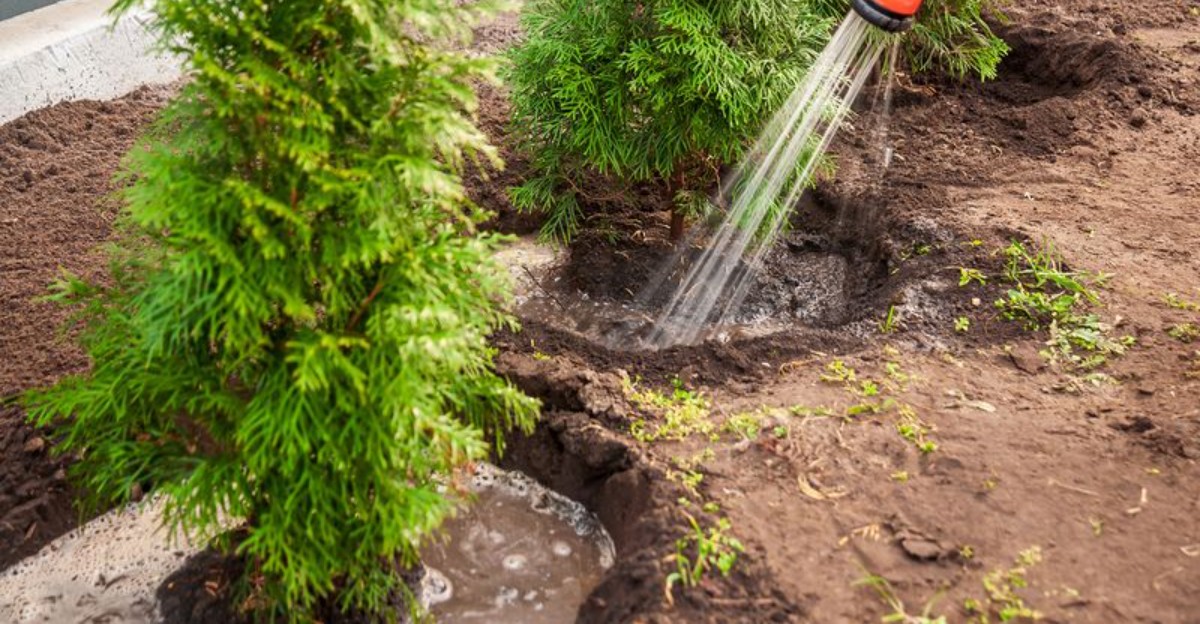
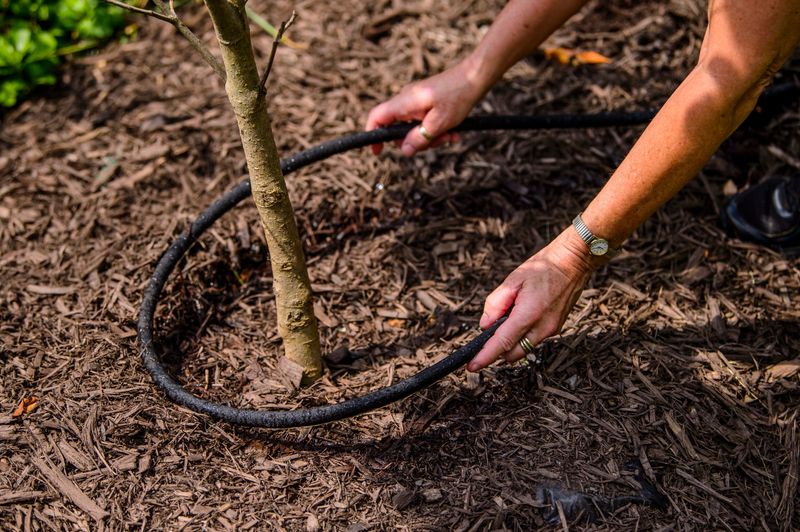
Slow matters more than fast here, because water poured quickly tends to run off across hard clay soil. A soaker hose or a garden hose on a gentle trickle lets moisture sink down instead of spreading sideways.
Lay the hose near the drip line, which is the outer edge of the branches where many feeding roots grow. Move it around the tree every half hour, so each side of the root zone gets a turn.
Many Missouri soils are heavy clay, which absorbs water slowly but holds it well once it soaks in. Rocky, fast-draining spots in the Ozarks and sandy soils in the Bootheel drain faster, so those trees may need a second soaking soon after.
Skip this step if fall rains have been steady, since soggy soil can lead to root rot in some evergreens. A simple check works well, just push a screwdriver into the soil and see how easily it slides down.
If the screwdriver stops after an inch or two, the ground is dry and ready for a long drink. Your evergreens will thank you in March with greener needles and fewer scorched patches on the sunny side.
Needles Keep Losing Water All Winter Long
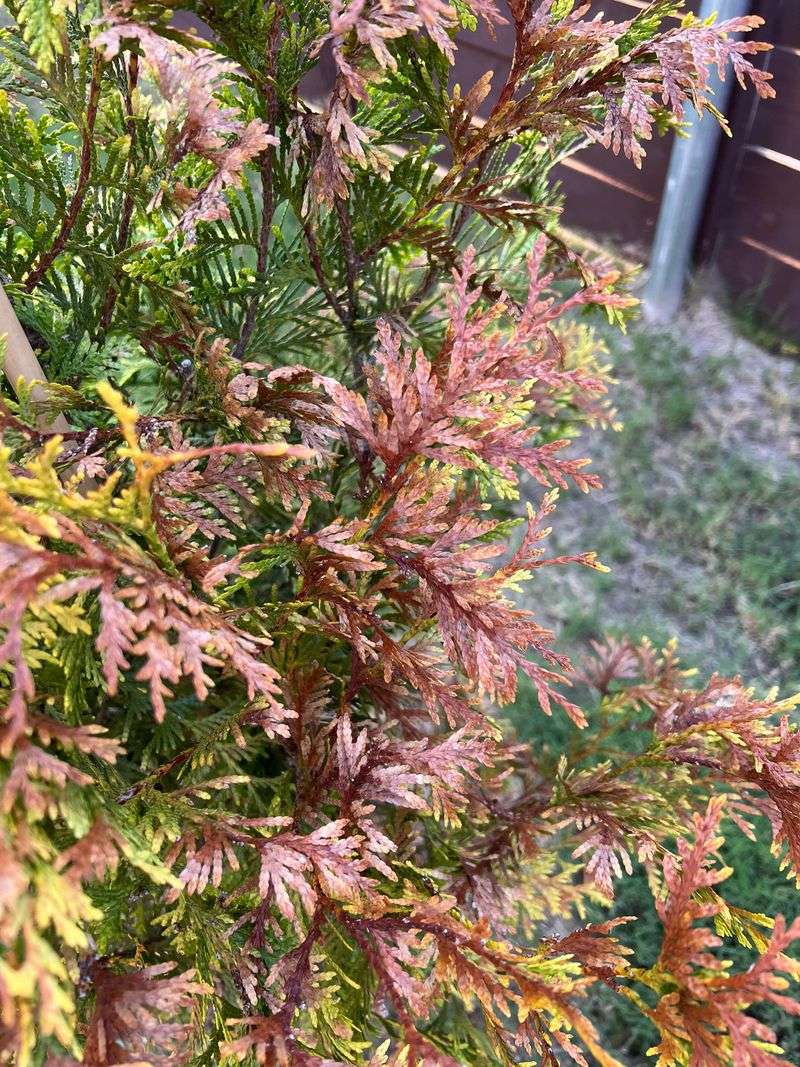
Ever notice a juniper turning rusty brown in February, even though it looked healthy all through the fall? That browning is called winter burn, and it mostly comes from water loss rather than from the cold itself.
Needles and broadleaf foliage keep releasing small amounts of water vapor through tiny pores, a process called transpiration. Bright sun, dry air, and gusty winds speed up that process, even on days when temperatures stay below freezing.
Your Missouri Garden Changes Every Week. Your Plan Should Too.
Gardening in Missouri changes quickly throughout the season. Every Friday you’ll receive a simple weekly plan showing exactly what to plant, prune, fertilize, harvest, and protect so you never miss the right timing.
Roots locked in frozen soil cannot send up replacement water, so tissue near the needle tips starts to dry. Missouri winters often swing between cold snaps and sunny, mild afternoons, which makes this water loss even more common.
Broadleaf evergreens like boxwood, holly, and rhododendron tend to show damage faster because their leaves have more surface area. Arborvitae, yews, and white pines also struggle in exposed spots, especially on the south and west sides.
A tree that enters winter with moist roots and well-filled tissues can handle these dry spells much better. Think of it like packing a full water bottle before a long hike where there are no refill stations.
Brown needles in spring rarely mean the whole tree has been harmed, since buds often stay healthy underneath. Wait until new growth appears in May before pruning, so you can see which branches actually recovered.
Fall watering will not stop every bit of winter burn, but extension experts agree it lowers the risk. Pair it with good plant choices and sheltered planting spots, and your yard will look greener come spring.
Your Hose Should Reach About A Foot Down
Surface sprinkling feels helpful, but a quick spray rarely reaches the roots that actually supply an evergreen with water. Most evergreen roots sit in the top 12 to 18 inches of soil, so that is your target depth.
Many extension guides suggest wetting the soil at least 12 inches deep around the whole root zone. The root zone often stretches past the drip line, sometimes reaching two or three times the width of the branches.
A common rule of thumb is about 10 gallons of water for each inch of trunk diameter. So a tree with a trunk four inches wide would need roughly 40 gallons spread slowly over its roots.
Measuring is easier than it sounds, because you can time how long your hose takes to fill a bucket. If a five-gallon bucket fills in two minutes, then forty gallons takes about sixteen minutes at that flow.
Clay soils common in much of Missouri take water slowly, so break the soaking into two or three sessions. Let each round sink in for an hour before adding more, which reduces runoff down sidewalks and driveways.
Checking depth the next day is simple, just dig a small hole with a trowel near the drip line. Moist, dark soil at eight to twelve inches down tells you the water reached where roots can use it.
Shrubs like boxwood and yew need less water, but the same deep, slow approach still works well for them. Water that lands only in the top inch dries quickly, which leaves deeper roots thirsty when winter arrives.
Let Soil Temperature Set Your Watering Date
A calendar date helps, but your soil is the better clock for timing that final soak. Roots keep absorbing water as long as the ground stays unfrozen, even after the trees above look sleepy.
In much of Missouri, the soil usually stays workable through November, and sometimes well into December in southern counties. Northern Missouri often freezes earlier, so gardeners near Kirksville or St. Joseph may want to water a bit sooner.
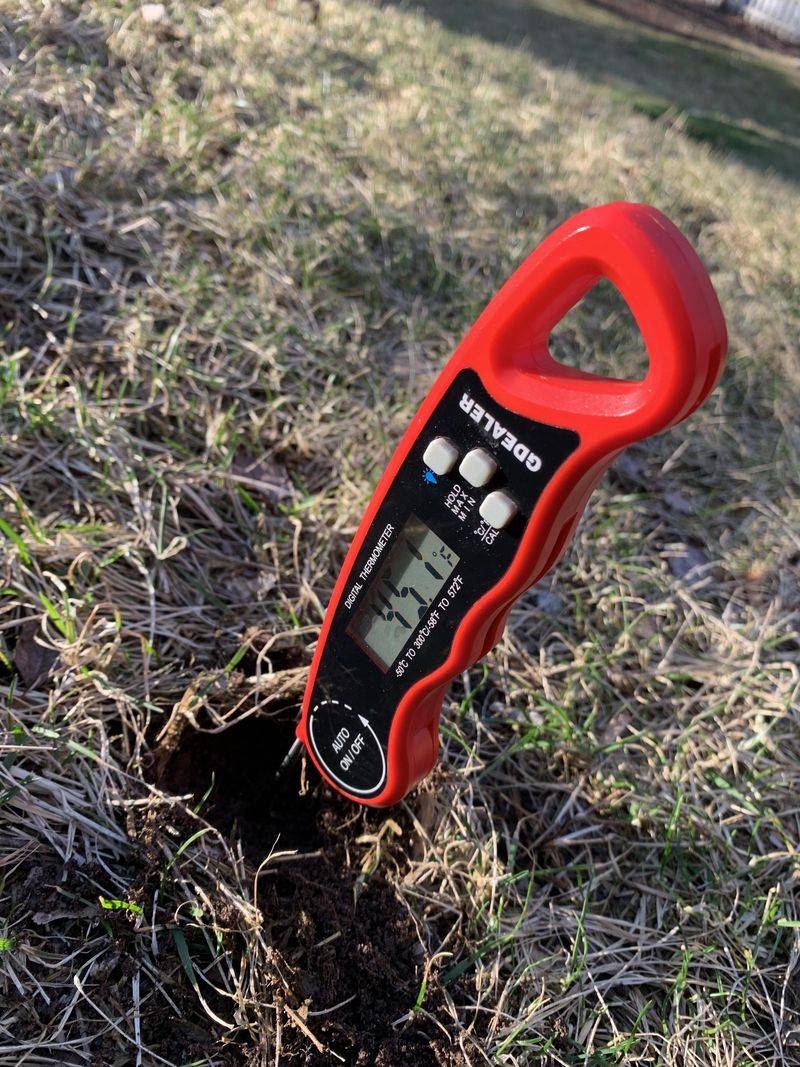
A cheap soil thermometer pushed four inches deep can tell you a lot about what roots are experiencing. Root activity slows sharply once soil drops near 40 degrees, though roots can still take in some water.
Aim to water on a mild day when air temperatures sit above 40 degrees and the ground is soft. Midday watering works best, because water has time to soak in before nighttime temperatures dip below freezing again.
Many extension services suggest watering through October and November, then once more before a hard freeze if fall stays dry. Exact timing varies from year to year, since Missouri fall weather can bounce between warm spells and early cold.
Watering into frozen ground does little good, because the water puddles, ices over, or runs off into the street. Disconnect and drain your hose after each session too, so it does not split open on a cold night.
Some sources suggest an extra winter drink during long dry, mild stretches when soil thaws for several days. Keep an eye on the forecast, and you will catch the best window without stressing over a perfect date.
Young Trees Need A Little Extra Help
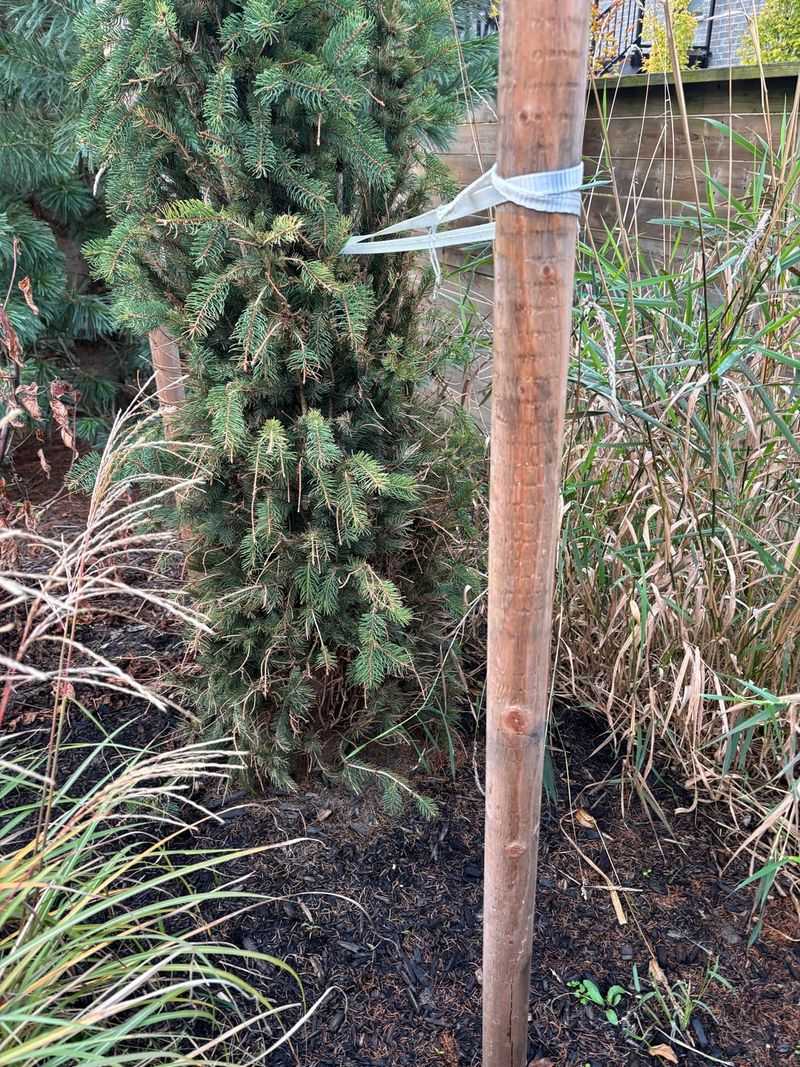
That little blue spruce you planted in spring still has a small root ball and very few roots outside it. New evergreens rely on that tight root mass for water, so they dry out much faster than established trees.
Extension specialists often say trees planted within the last one to three years need the most fall attention. Roots usually take a couple of growing seasons to spread into the surrounding soil, depending on the tree size.
Water the original root ball area plus a ring of soil just beyond it, so new roots grow outward. Root balls from nurseries often hold a different soil mix, which can dry out even when the ground looks damp.
Check young trees about once a week in October, and water whenever the top few inches feel dry. A slow trickle for twenty to thirty minutes usually covers a small tree without flooding the planting hole.
Fall-planted evergreens deserve extra care because they had very little time to settle in before cold weather arrives. Keep watering them until the ground freezes, then check again during mild winter spells when the soil softens.
Skip fertilizer this late in the year, since it may push tender growth that cold weather can easily damage. Steady watering is the most helpful care right now, along with a little patience while the roots get established.
I love seeing a young tree push out bright new growth in spring after a careful first winter. Those soft green tips are a sign that your fall watering paid off right where it mattered most.
A Mulch Blanket Holds Your Hard Work In Place
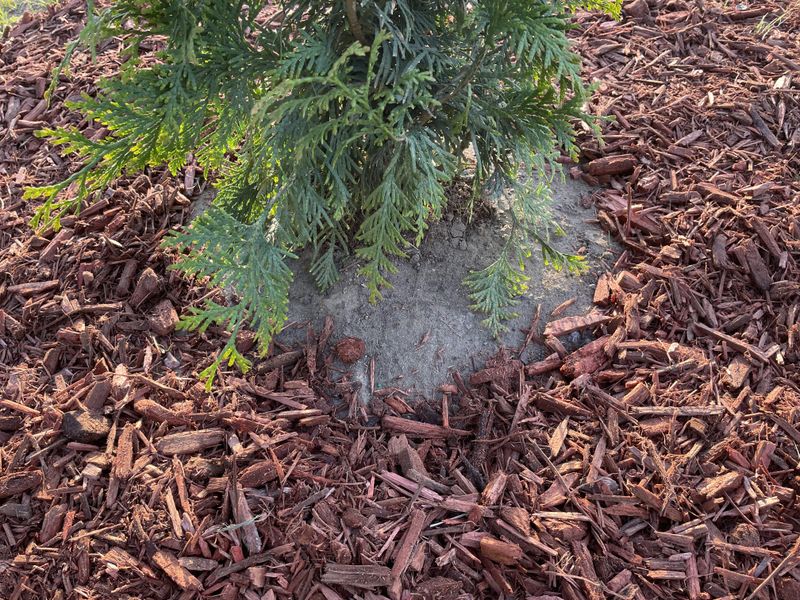
After all that careful soaking, it would be a shame to let wind and sun steal the moisture back. A layer of mulch acts like a lid, slowing evaporation and keeping soil temperatures more even through winter.
Most extension guides recommend spreading two to four inches of shredded bark, wood chips, or pine needles under evergreens. Spread it out toward the drip line if you can, since that covers more of the feeding roots.
Keep mulch a few inches away from the trunk, because piling it high invites rot, insects, and hungry voles. Gardeners call those tall piles mulch volcanoes, and arborists in Missouri see them in yards quite often.
Apply mulch after your deep watering, not before, so the water reaches the soil without soaking a thick layer. Shredded fall leaves from your own yard work nicely too, and they cost nothing but a few minutes of mowing.
Mulch also protects shallow roots from frost heaving, which happens when soil freezes and thaws over and over. Missouri winters often bring those swings, so a steady blanket of mulch helps roots stay snug and undisturbed.
Over time, organic mulch breaks down and feeds the soil, improving its ability to hold water for next year. Top it off each fall to keep the layer at the right depth as the old material settles.
Rock mulch near evergreens can reflect heat in winter, which may add to drying on sunny south-facing sides. Stick with organic materials, and your trees will head into the cold months with a full drink saved below.