The Backyard Threat Missouri Homeowners Miss While Worrying About Copperheads
Copperheads aren’t the only worry lurking near your Missouri yard. You watch the grass, scan for coils, warn your kids. Meanwhile, something quieter grows right beside your own front porch.
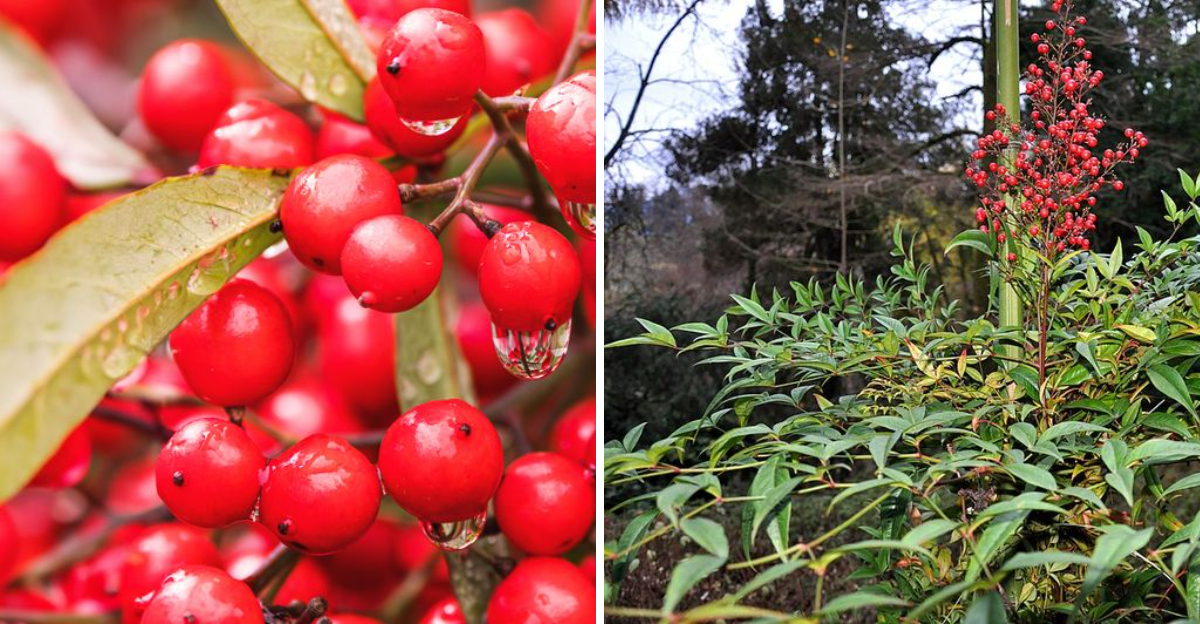
It looks delicate, with feathery leaves and glossy red berries. Nurseries sell it constantly, and your neighbors probably grow it too. Almost nobody ever questions why this plant fills so many yards.
Certain compounds hide inside those cheerful berries you admire. Birds have grown ill after eating them across several states. Missouri’s ecosystem never truly needed this foreign import at all.
Wildlife struggles quietly while you stay unaware. Momentum builds steadily, spreading seed by seed, yard by yard now. Every new berry pushes this problem further into your soil.
Recognition changes everything the moment you finally see it. Options exist that protect birds without losing any beauty. Everything you think you know about safe landscaping is about to change.
Why Copperheads Get All The Attention In Missouri
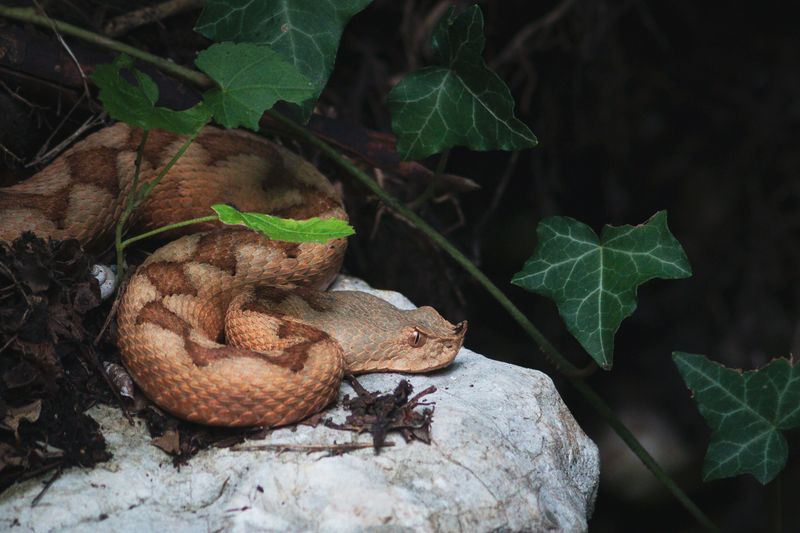
Copperheads own the fear conversation in Missouri. Ask any neighbor, and they will have a story ready about spotting one near the garden.
That fear is not unfounded. Copperheads are the most common venomous snake in the state, and their bites are a recurring reason people seek emergency care each year.
Local news loves a good snake sighting story. Social media feeds fill up with blurry photos and urgent warnings every time warm weather hits.
All that attention makes sense on the surface. Copperheads are real, they are venomous, and they do show up in backyards.
But here is the part people miss. The constant focus on snakes leaves almost no room to notice other backyard dangers hiding in plain sight.
Humans are wired to fear things that move fast and bite. A slow-growing ornamental shrub does not trigger that same alarm response.
That is exactly why Nandina slides under the radar. It sits quietly in garden beds while homeowners obsess over snake-proofing their sheds.
The backyard threat Missouri homeowners miss is not slithering around at night. It stands still in the sun, looking attractive, while causing gradual ecological harm.
Fear is useful, but only when it is pointed at the right target. Copperheads deserve caution, sure, but they are not the only threat worth knowing about.
Shifting your awareness just a little could protect your pets, your local birds, and your whole yard ecosystem. That shift starts right here.
Meet Nandina, The Shrub Hiding In Plain Sight
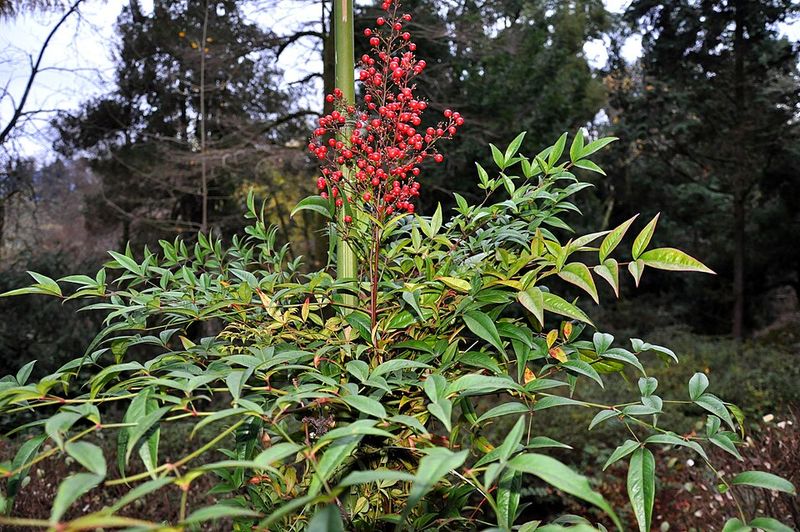
Nandina domestica sounds almost exotic. Most people just call it heavenly bamboo, which sounds even more appealing.
Nurseries across the country have sold it for decades. It is cheap, low-maintenance, and stays green almost year-round in warmer climates.
The plant originates from China and Japan. It was brought to the United States as an ornamental shrub in the early 1800s.
Nandina grows in tight clusters of cane-like stems. The leaves shift from green to red as temperatures drop, which makes it look like a seasonal showpiece.
Your Missouri Garden Changes Every Week. Your Plan Should Too.
Gardening in Missouri changes quickly throughout the season. Every Friday you’ll receive a simple weekly plan showing exactly what to plant, prune, fertilize, harvest, and protect so you never miss the right timing.
Clusters of bright red berries appear in fall and winter. Those berries are exactly what makes this plant so dangerous to local wildlife.
The backyard threat Missouri homeowners miss is not ugly or alarming-looking. It is actually quite attractive, which is a big part of the problem.
Nandina spreads easily through bird droppings. Birds eat the berries, fly off, and deposit seeds across yards, parks, and natural areas.
Once established, it crowds out native plants. It thrives in sun or shade, which means almost no yard is off-limits for it.
Many homeowners have no idea they planted something invasive. They picked it up at the garden center because it looked good on the tag.
Knowing what you are actually growing is the first real step. Once you spot Nandina in your yard, the next question is what it is actually doing to the world around it.
The Toxic Compounds Behind Its Berries
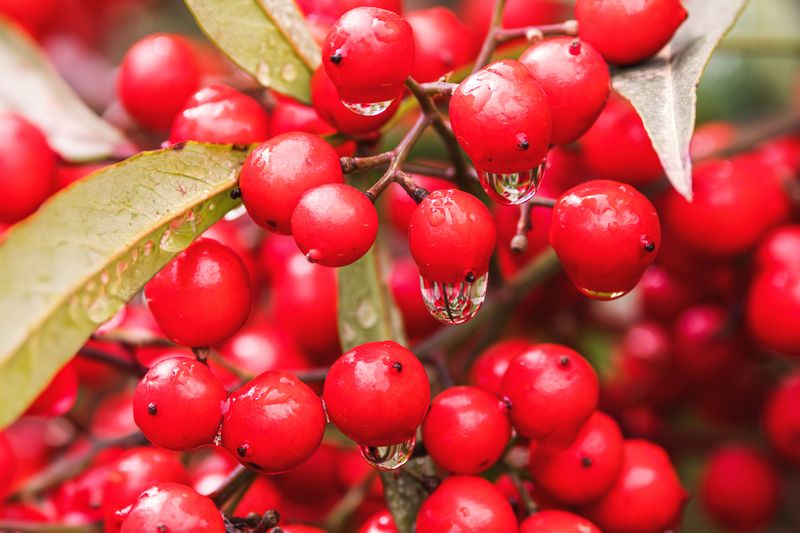
Those cheerful red berries look like something straight off a holiday wreath. Do not let the festive appearance fool you.
Nandina berries contain cyanogenic glycosides. That is a chemical compound that converts to hydrogen cyanide once consumed.
Hydrogen cyanide disrupts how cells use oxygen. Even a small amount can cause serious harm to birds and small animals.
The concentration of toxins may vary by season, and berries are typically most abundant in winter, which is exactly when birds are hungriest and most likely to eat them.
Hungry birds in cold months eat what is available. Nandina berries are plentiful, persistent, and look like a perfectly good meal.
Humans are much larger than songbirds, so casual contact is unlikely to cause acute poisoning. Still, the berries are not safe for children or pets to eat.
Dogs that chew on berries or leaves can show signs of distress. Symptoms include weakness, labored breathing, and in serious cases, collapse.
Cats are also at risk if they nibble on the plant. Both species lack the body size to safely process cyanogenic compounds.
The backyard threat Missouri homeowners miss is not just an ecological issue. It is a direct hazard to the animals living inside your home too.
Knowing the chemistry behind the plant changes how you see it. That innocent-looking shrub is not just decorative, it carries a risk depending on who or what encounters it.
Wildlife And Pet Health Risks Linked To This Plant
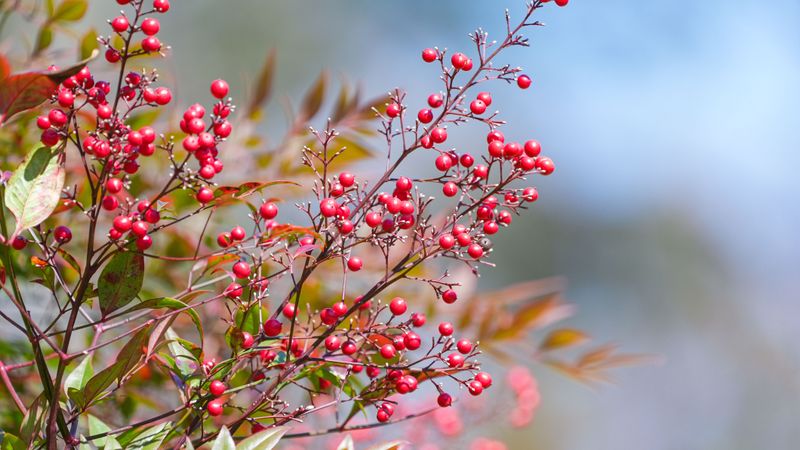
Cedar waxwings are one of Missouri’s most striking birds. They travel in flocks and feed heavily on berries throughout fall and winter.
There is a widely cited case from 2009 in which wildlife rehabilitators in Georgia reported the loss of a large number of cedar waxwings, with necropsy results pointing to Nandina berries.
The birds had eaten large quantities in a short time. Their small bodies could not process the cyanogenic compounds fast enough.
Cedar waxwings are not the only species affected. American robins, bluebirds, and mockingbirds are also berry-eating species that could face similar exposure risks.
Missouri hosts all of these species during key migration and wintering periods. A yard full of Nandina becomes an area of concern during those months.
Pet owners have also reported concerning incidents. Dogs that ingest the berries can experience symptoms such as vomiting, lethargy, and difficulty breathing.
Veterinary toxicology research shows that cyanide-based compounds can act quickly. Small dogs and puppies face the greatest risk due to their lower body weight.
Cats are typically more selective eaters, but young or curious ones may sample unfamiliar plants. Any exposure warrants a call to your vet right away.
The backyard threat Missouri homeowners miss is not theoretical. Documented cases show that animals in yards across the country have been affected by this plant.
Awareness is a good first step, but taking action matters just as much. Removing this plant from your property is the most direct way to protect the creatures around you.
Signs Your Landscaping May Already Have It
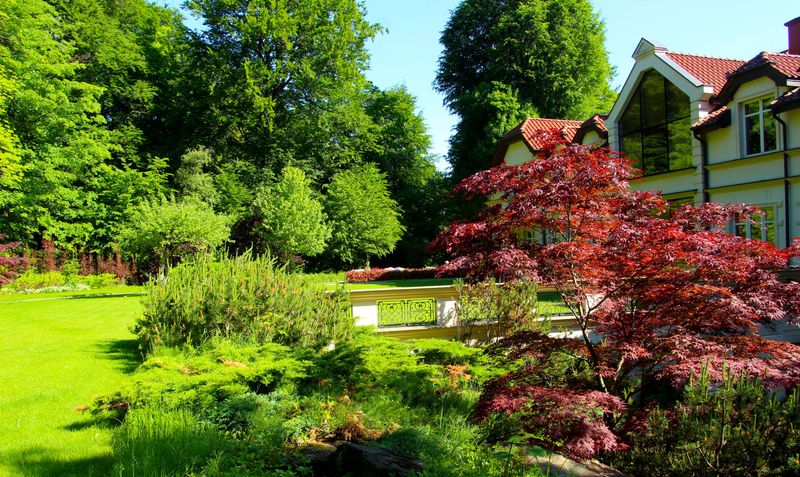
Spotting Nandina in your yard is easier than you might expect. You just need to know what you are looking at.
The stems grow in upright canes, similar to bamboo but thinner. They rarely branch out much, giving the plant a tall, narrow silhouette.
Leaves are compound, meaning one stem holds many smaller leaflets. Those leaflets are pointed and shift from green to reddish-purple in cooler months.
Bright red berry clusters appear from late fall through winter. They hang in heavy, drooping bunches near the top of the plant.
The berries persist on the shrub for months if wildlife does not clear them. That long display is part of why landscapers love it.
Check the base of the plant for multiple cane shoots emerging from the ground. Nandina spreads by sending up new shoots from its root system.
Look along fence lines, near foundations, and around older garden beds. Previous homeowners may have planted it years ago without knowing the risks.
Many homeowners also find it growing in wild patches near their property edge. Birds spread seeds into natural areas bordering yards regularly.
The backyard threat Missouri homeowners miss is often already established before anyone notices it. A quick walk around your property could reveal more than you expect.
Once you confirm what you have, the path forward is clear. Removing it carefully and replacing it with safer plants is absolutely within reach for any homeowner.
Safer Native Alternatives For Missouri Yards
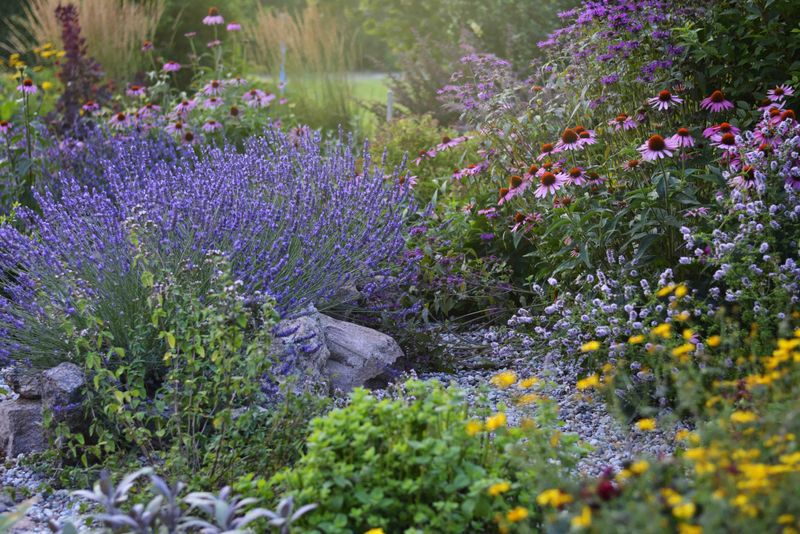
Pulling out Nandina does not mean giving up on color or curb appeal. Missouri has native shrubs that look stunning and support local wildlife.
Winterberry holly is a top choice for homeowners who love red berries. Its clusters are bold, bright, and safe for birds to eat freely.
American beautyberry produces vivid purple berries in late summer. It grows fast, handles shade well, and songbirds absolutely flock to it.
Spicebush is another excellent native option for Missouri yards. It offers yellow fall color, red berries, and serves as a host plant for spicebush swallowtail butterflies.
Possumhaw holly keeps its berries through winter, giving birds a reliable cold-weather food source. It also tolerates wet soil, which suits many Missouri properties.
Native viburnums offer white spring flowers followed by dark berries. They attract pollinators in bloom season and fruit-eating birds later in the year.
Removing Nandina should be done carefully to avoid spreading seeds. Bag all berry clusters before cutting stems, and dispose of them in sealed trash bags.
Roots can regrow if not fully removed. Digging out the entire root mass or using targeted treatment gives the best long-term result.
The backyard threat Missouri homeowners miss can absolutely be replaced with something better. Native plants build a healthier yard ecosystem from the soil up.
Choosing natives is not a sacrifice, it is an upgrade. Your yard becomes a place where birds thrive, butterflies visit, and no hidden risks remain.