The Pennsylvania Native Vine That Covers A Fence Without Constant Pruning
This fast-growing Pennsylvania native climbs on its own using tiny, sticky pads at the tips of its tendrils. It doesn’t need tying, training, or constant trimming to stay in shape.
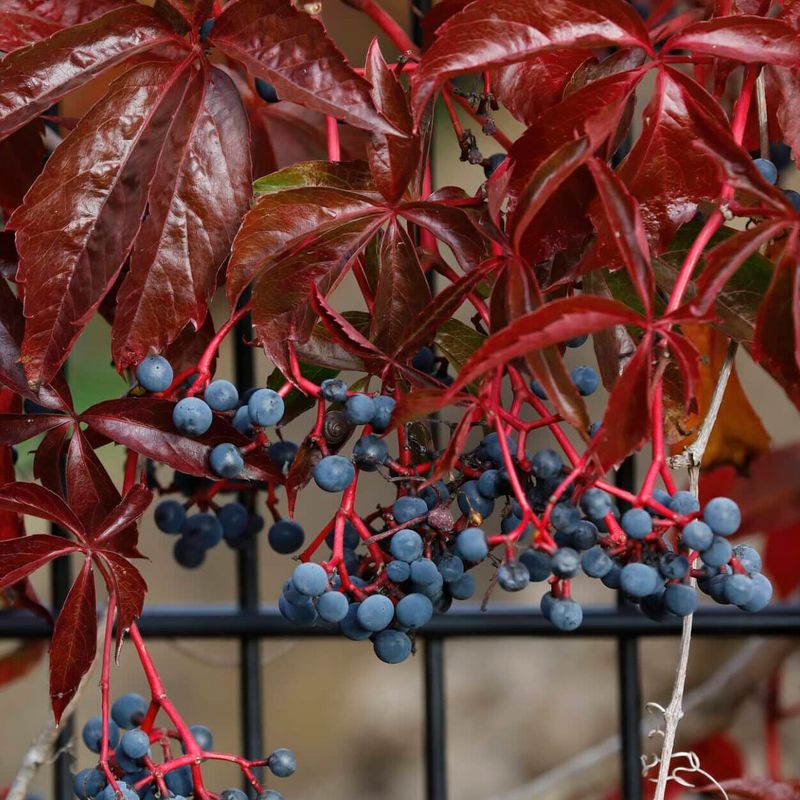
In early fall, its leaves turn a fiery crimson that rivals any maple. Clusters of dark blue berries follow, giving migrating songbirds a valuable fuel stop. It handles sun or shade, poor soil, and harsh winters with ease.
If you want a living fence cover that pretty much takes care of itself, this vine is worth getting to know.
A Low-Effort Native Vine
Walk down almost any country road in Pennsylvania, and you have probably passed Virginia creeper without knowing it.
The vine loves woodland edges, old fencerows, and the sides of quiet roads. It has been growing here long before the first farms were built.
Gardeners like it for one big reason. It does not need much from you. Once it settles in, it grows strong and steady with very little fuss.
Virginia creeper is a woody vine, which means its stems get tougher as the years go by. It can stretch 30 to 50 feet long over time. On a fence, that adds up to a full, leafy screen in just a few seasons.
Being native is a real bonus. Native plants have adapted to local weather, local soil, and local bugs. That means fewer problems with cold winters, hot summers, or pests that show up out of nowhere.
Many non-native vines, like English ivy or Oriental bittersweet, can spread into forests and crowd out other plants. Virginia creeper belongs here, so it fits into the natural balance. It feeds insects and birds that depend on it.
Fun fact: the plant is related to grapes. Its scientific name is Parthenocissus quinquefolia, which roughly means “virgin ivy with five leaves.”
Want to try it? Look for young plants at a native plant nursery or garden center. Plant it near the base of your fence in spring or fall. Water it well during the first summer while the roots grow.
After that first year, you can mostly step back and let it do its thing. Few vines offer so much cover for so little work.
It Climbs Without Help
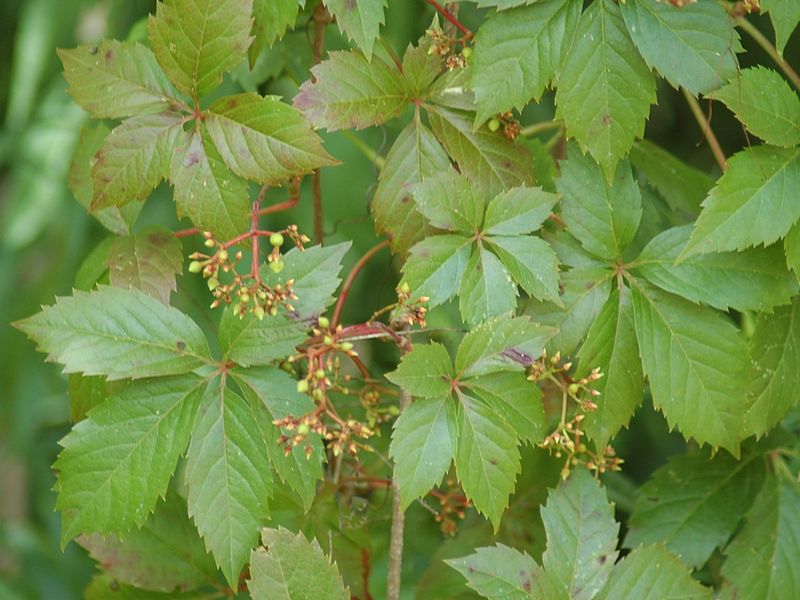
Most vines need a helping hand. You tie them up, weave them through wires, or guide them around poles. Virginia creeper skips all of that.
The secret is in its tendrils. At the tip of each one, the plant forms tiny sticky pads. These pads press onto a surface and hold on tight, almost like little suction cups made of glue.
Scientists have studied these pads because they are so strong. A single pad can hold a surprising amount of weight compared to its size. Some researchers have even looked at them for ideas about new kinds of natural glue.
So what does that mean for your fence? You can plant the vine at the bottom, and it will find its own way up. No string, no clips, and no weekend trips to the hardware store for plant ties.
Your Pennsylvania Garden Changes Every Week. Your Plan Should Too.
Gardening in Pennsylvania changes quickly throughout the season. Every Friday you’ll receive a simple weekly plan showing exactly what to plant, prune, fertilize, harvest, and protect so you never miss the right timing.
It works on many surfaces. Wood fences, stone walls, brick, and even rough metal can all give it something to grab. Chain-link fences work well too, since the tendrils can both cling and wrap a little.
Here is a helpful tip. Smooth vinyl fences can be a bit slippery for young vines. If yours is smooth, lean a few sticks or a small piece of lattice against it at first. Once the vine gets a grip, it usually takes over from there.
Be patient in the first year. Many Pennsylvania gardeners say the vine “sleeps” the first season, “creeps” the second, and “leaps” the third.
Roots grow first, then the climbing really kicks in. Before long, you will notice fresh shoots reaching higher each week, all on their own.
How To Recognize It
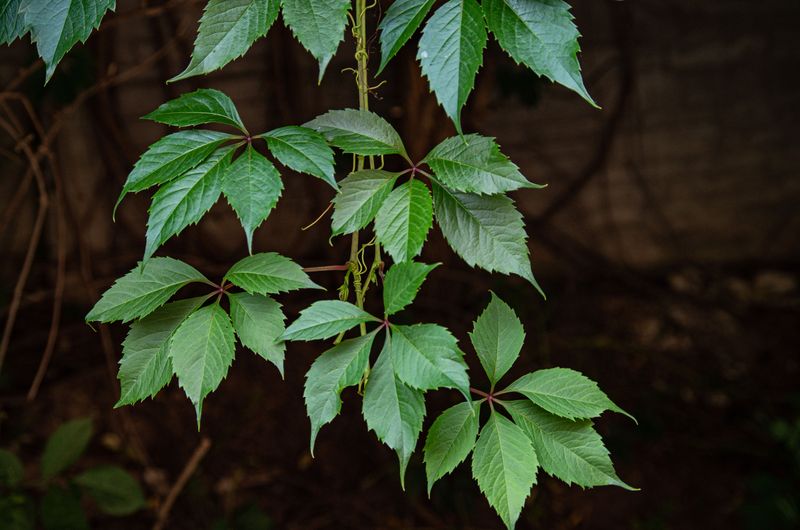
Count to five. That is the simplest trick for spotting Virginia creeper in the wild or in a garden.
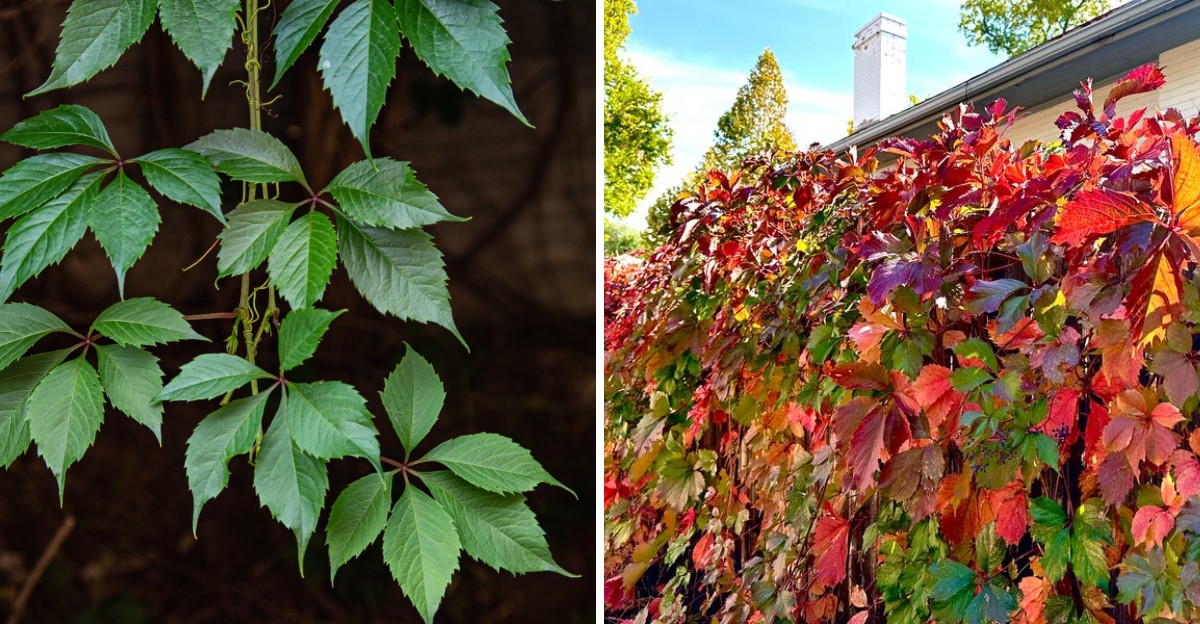
Each leaf is split into five smaller leaflets. They all spread out from one central point, a lot like fingers on an open hand. The edges of each leaflet have small teeth, kind of like a saw blade.
Why does this matter so much? Poison ivy often grows in the same places. It loves fencerows and forest edges too. Mixing the two up could lead to an itchy rash you will not soon forget.
Poison ivy has only three leaflets per leaf. You may have heard the old saying, “Leaves of three, let it be.” For Virginia creeper, some people say, “Leaves of five, let it thrive.”
Another clue is the stem. Older poison ivy vines often look hairy, covered in fuzzy brown roots. Virginia creeper stems look smoother, and you will see those sticky tendril pads instead.
Be careful, though. Young Pennsylvania Virginia creeper plants sometimes show leaves with three leaflets. Look at the whole plant before touching it. Most leaves on a mature vine will clearly have five.
Also, Virginia creeper sap can bother some people with sensitive skin. It is much milder than poison ivy, but wearing gloves when you handle it is a smart habit.
Want some practice? Take a walk along a local trail and try to find both plants from a safe distance. Snap photos with your phone and compare them at home.
A free plant ID app can help you double check. Once you learn the five-leaflet pattern, you will start seeing this vine everywhere.
Brilliant Fall Color
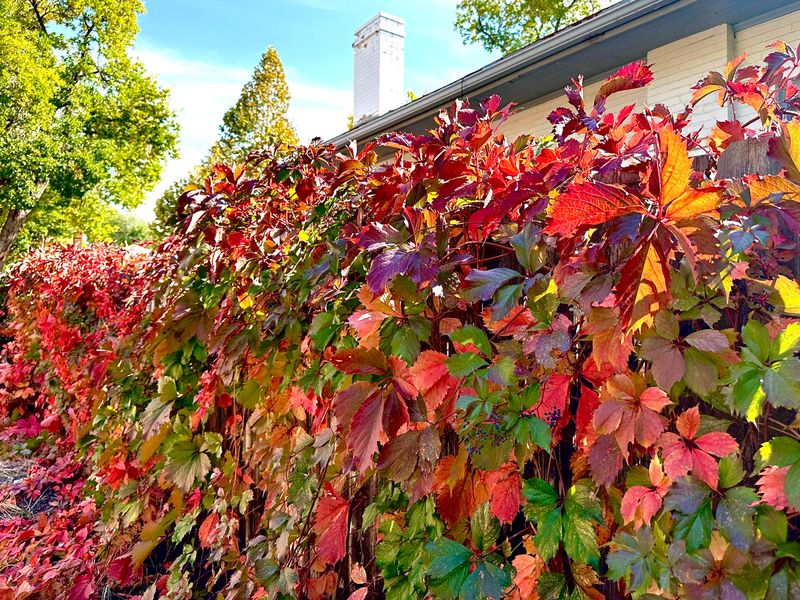
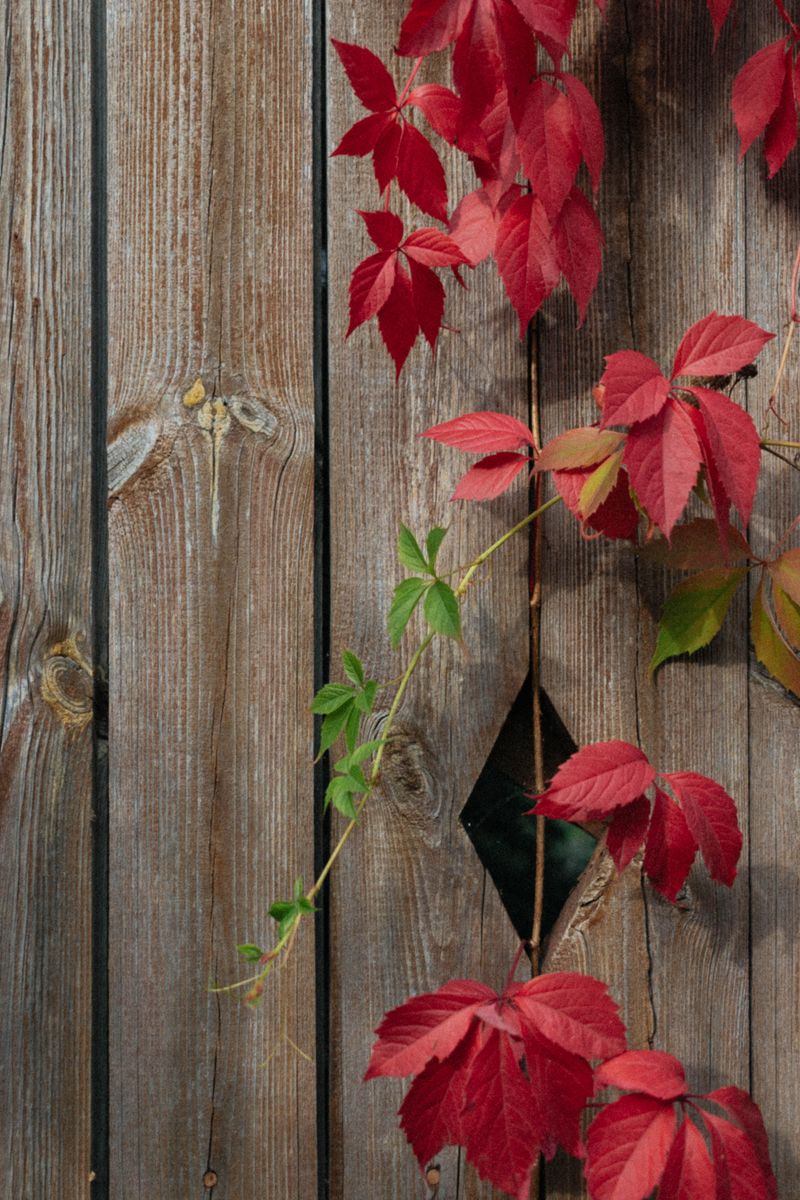
Late September arrives, and suddenly the fence is on fire. Not real fire, of course, but that is what it looks like when Virginia creeper changes color.
The leaves shift from deep green to bright scarlet, crimson, and rich burgundy. Some leaves even glow orange or purple. When the sun hits them in the afternoon, the whole fence seems to shine.
One of the best parts is the timing. Virginia creeper is often one of the very first plants to turn in fall. While maples and oaks are still green, this vine is already showing off. It gives you an early taste of autumn.
Why do the leaves turn red? As days get shorter and cooler, the plant stops making green chlorophyll.
Other colors that were hiding underneath begin to show. Red pigments also form, which helps protect the leaves as they prepare to drop.
Sunlight makes a big difference. Vines growing in full sun usually get the brightest reds. Ones in heavy shade may turn softer shades, like pinkish or pale yellow. Both are lovely in their own way.
Here is a fun idea for families. Take a photo of your fence once a week from early September to November. Line the pictures up, and you will have your own color-changing calendar.
You can also pair the vine with fall plants nearby. Goldenrod, purple asters, and little bluestem grass are all Pennsylvania natives. Their yellows, purples, and copper tones look amazing next to the red leaves.
After the leaves fall, the bare vines still add texture through winter. Then, in spring, the green show starts all over again.
Food And Shelter For Birds
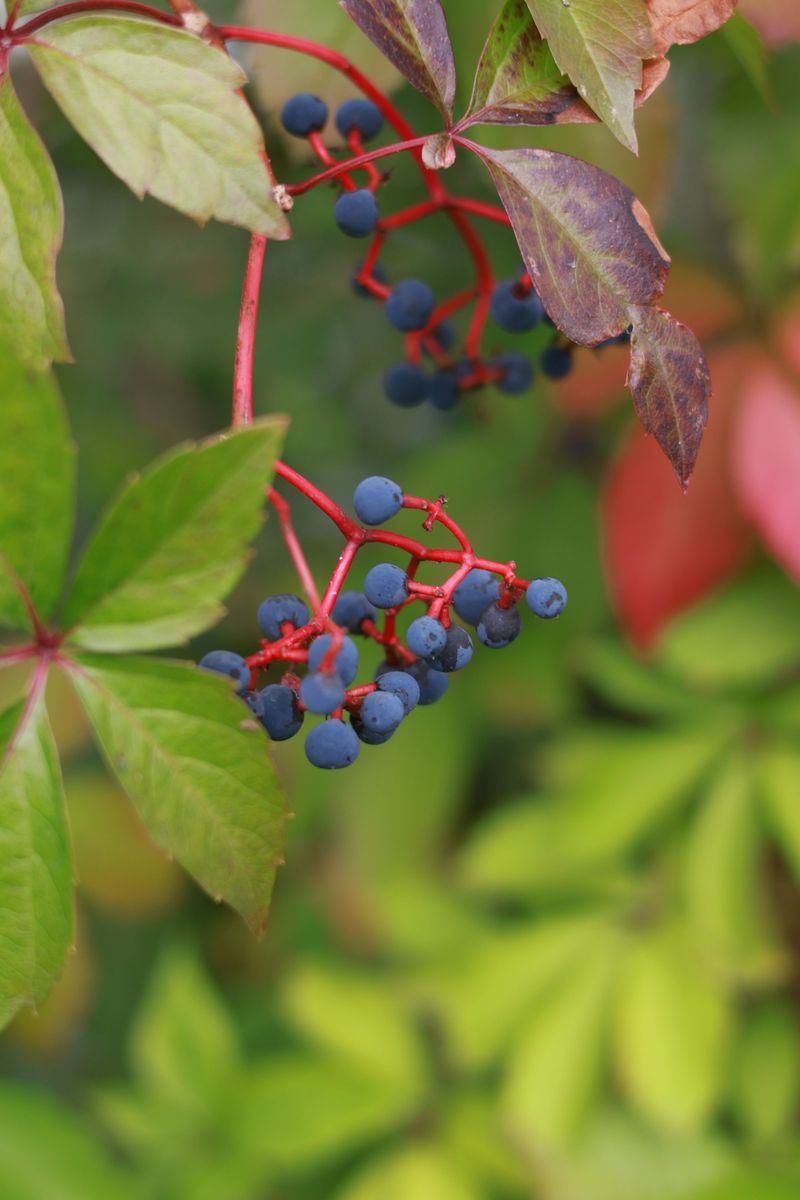
Birdwatchers, get your binoculars ready. A fence covered in Virginia creeper can turn into a busy snack bar every fall.
The vine makes small clusters of blue-black berries. They ripen from late summer into autumn. Each berry sits on a bright red stem, which stands out like a signal flag to hungry birds.
Many songbirds come to feast. Thrushes, woodpeckers, vireos, bluebirds, mockingbirds, and even wild turkeys eat them. Migrating birds also stop by to refuel during their long trips south.
Those berries are packed with fat, which gives birds lots of energy. For a tiny bird flying hundreds of miles, that fuel matters a lot. Your fence becomes a helpful rest stop along the way.
One warning for families: the berries are toxic to people. They contain a substance that can make humans quite sick. Teach kids that these berries are for the birds only, and keep pets from munching on them too.
The vine helps wildlife in other ways as well. Its thick leaves give birds a place to hide from hawks and cats. Some birds even build nests in the tangle of stems.
Insects love it too. Bees visit the small greenish flowers in early summer. Several moth caterpillars, including the striking Virginia creeper sphinx moth, feed on the leaves. Those caterpillars then become food for baby birds.
Want to see more visitors? Place a birdbath nearby so birds can drink after eating. Skip chemical sprays, since they can harm the insects birds need.
Sit quietly near the fence on a cool October morning. You might be surprised by how many feathered guests show up.
Simple Care To Keep It In Bounds
Honestly, the hardest part of growing Virginia creeper might be remembering it is there. Once it settles in, it takes care of itself almost completely.
Sun or shade? It handles both. Clay, sand, or rocky ground? It copes with all of those too. It even puts up with dry spells better than many garden plants.
For the first summer, water it about once a week if rain is scarce. After that, nature usually does the job. You rarely need fertilizer, and too much can cause wild, floppy growth.
Now for the one real chore. This vine is strong and eager, so it may try to wander. Watch for stems reaching toward trees, gutters, roofs, or windows.
Plan one trim a year in late winter or early spring. The leaves are gone, so you can see the stems clearly. Use clean hand pruners or loppers, and cut back any runners heading where you do not want them.
Also pull up stems creeping along the ground. Those can root and spread into flower beds. A quick tug while they are young saves effort later.
Think carefully before letting it climb your house. Those sticky pads can leave little marks on brick, stone, or painted siding.
Scrubbing them off takes time and elbow grease. A fence or a sturdy trellis is a safer home for it. Wear gloves and long sleeves while trimming. The sap can irritate some people’s skin.
That is really all it takes. One short session each year keeps your fence green, tidy, and full of life, while you spend the rest of your time simply enjoying it.