The Fall Vegetables Virginia Gardeners Can Still Plant Before Thanksgiving
The tomato vines are done, but your garden beds don’t have to sit empty until spring. Late fall is a sneaky good time to plant in Virginia, with cool air, soil that still holds some warmth, and fewer bugs.
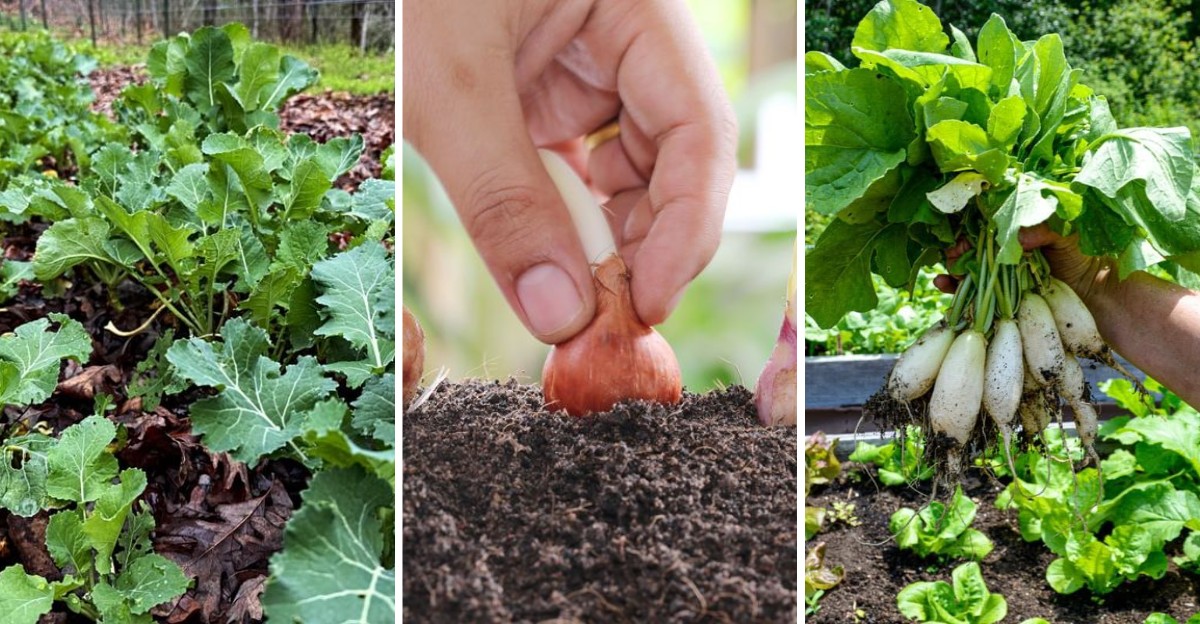
Crisp kale, peppery radishes, and fat garlic bulbs can all be on the menu. Many gardeners pack away their tools in October and miss this quiet growing window.
Several hardy crops still have time to settle in before the first deep freeze. Some will feed you this winter, while others sleep under mulch and wake up strong in spring.
The trick is knowing which crops to pick and when your part of the state gets cold. Mountain gardens close this window weeks before coastal ones.
The guide below shows what to plant now and how to protect it. The season isn’t over yet.
Garlic Is The Classic Fall Crop To Plant Now
Ask any seasoned grower about fall planting, and garlic will likely come up first. A single clove tucked into soil now turns into a whole bulb by early summer.
Fall timing gives garlic months to build strong roots before winter. Those roots help the plant grow faster once spring warms the ground.
Aim to plant when soil cools to about 50 to 65 degrees. That usually happens four to six weeks before your first hard freeze.
Dates shift a bit across the state. Mountain and Shenandoah Valley gardeners plant from October 1 to October 25.
Piedmont and Northern Virginia growers can plant from October 10 through November 5. Coastal and Tidewater gardeners get the latest window, from October 20 to November 15.
Variety choice matters more than many people think. Hardneck types shine in western areas and the Piedmont, with bold flavor and tasty curly scapes.
Softneck and Creole types do better in Northern Virginia and Tidewater. Softnecks also store longer and can be braided for hanging.
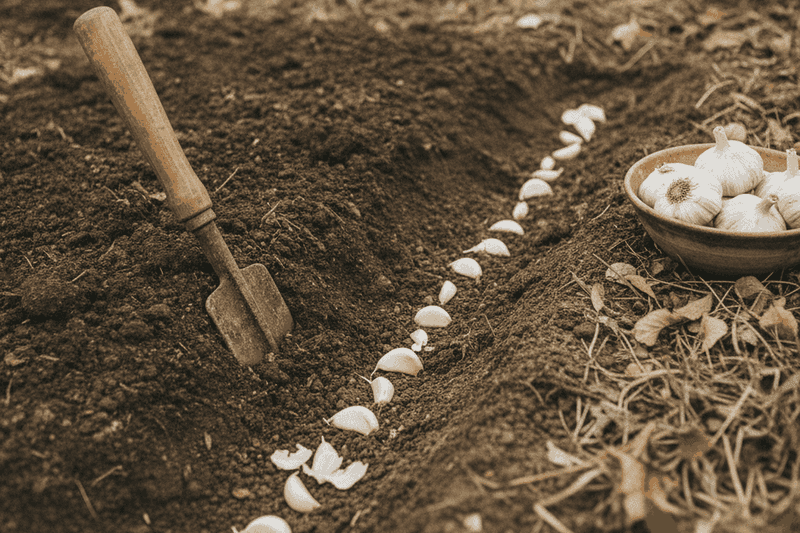
Break bulbs into single cloves right before planting. Set each clove pointy end up, about two inches deep and six inches apart.
Cover the bed with three to four inches of straw in colder regions. Coastal gardens can get by with a lighter layer.
Here is a handy tip for beginners. Skip grocery store garlic, since it may be treated to stop sprouting.
Buy seed garlic from a local farm or garden center instead. You will get cloves suited to your climate and much better results.
Shallots Go In At The Same Time As Garlic
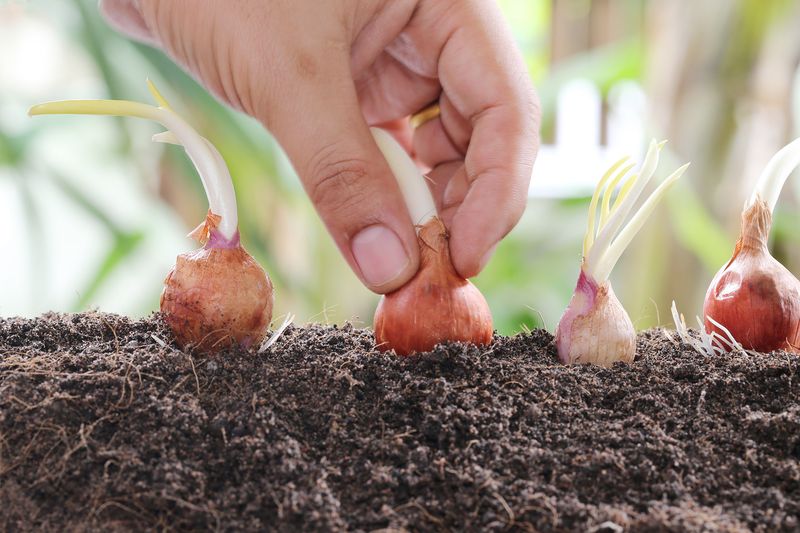
Fancy chefs adore shallots, yet few home gardeners bother to grow them. That is a shame, because they are easy and cost a lot at the store.
Think of shallots as the mild, sweet cousin of the onion. One planted bulb splits into a cluster of five to ten new ones.
Virginia winters suit shallots nicely, especially when they go in during fall. You can plant from mid-October until about mid-December.
Early to mid-November is often the sweet spot for success. Plant them right alongside your garlic to save time and effort.
Your Virginia Garden Changes Every Week. Your Plan Should Too.
Gardening in Virginia changes quickly throughout the season. Every Friday you’ll receive a simple weekly plan showing exactly what to plant, prune, fertilize, harvest, and protect so you never miss the right timing.
Going too early can invite trouble, though. Warm soil may bring disease, and hungry rodents may find the bulbs.
Waiting too long creates a different problem. Late bulbs may not root well before the ground turns cold.
Pick a sunny spot with soil that drains well. Soggy ground can cause bulbs to rot over the winter months.
Mix in compost or a gentle organic fertilizer before planting. Rich soil gives shallots the fuel they need for plump clusters.
Set each bulb with the tip just peeking above the soil. Space them about six to eight inches apart so clusters have room.
Shallots appreciate a cozy blanket, too. Spread four to six inches of straw or shredded leaves over the bed.
Here is a fun bonus for curious cooks. Snip a few green tops in spring for a mild chive-like flavor.
Just leave most leaves in place. The bulbs need them to keep growing until harvest next summer.
Onion Sets Can Overwinter In Milder Areas
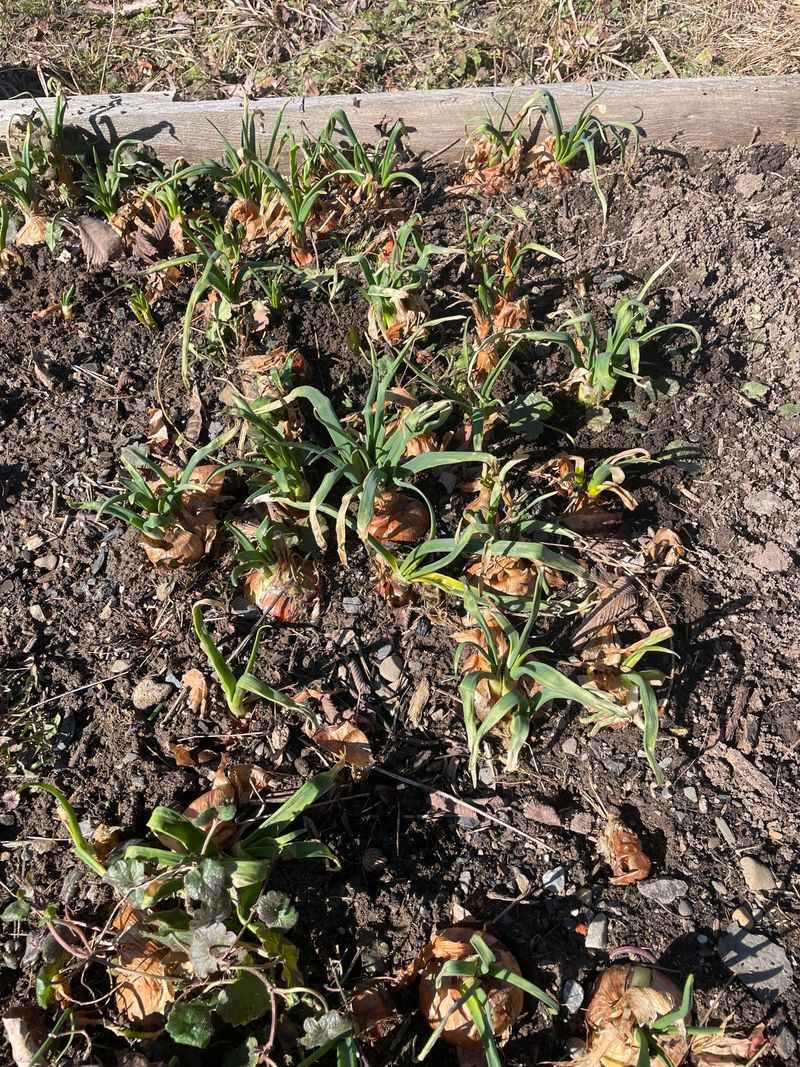
Imagine pulling fresh green onions from the garden in mid-December. In the milder parts of the state, that tasty treat is completely doable with fall-planted sets.
Onion sets are tiny bulbs grown the year before. They give you a big head start compared to seeds.
Some types handle winter better than others. Egyptian Tree onions and Multiplier onions are favorites for fall planting.
Egyptian Tree onions are quirky plants worth growing for fun alone. They form little bulbs on top of their stalks, which bend over and replant themselves.
Set your onions in late October or early November. Push each one about one to two inches deep into loose soil.
Space sets about four inches apart in the row. Leave one to two feet between rows so you can weed easily.
Size matters when choosing sets at the store. Pick bulbs smaller than one inch across, about the size of a marble.
Larger sets tend to bolt in spring. That means they send up a flower stalk instead of forming a nice bulb.
Do not panic if cold weather browns the tops in January. Growth usually picks back up once spring sunshine returns.
A light layer of straw helps protect roots during cold snaps. Pull it back a bit in early spring so the soil warms.
Gardeners in chilly mountain areas may struggle with this crop. Coastal and southern Piedmont gardens tend to have the best luck overwintering onions.
Spinach Can Still Be Sown In Eastern Virginia
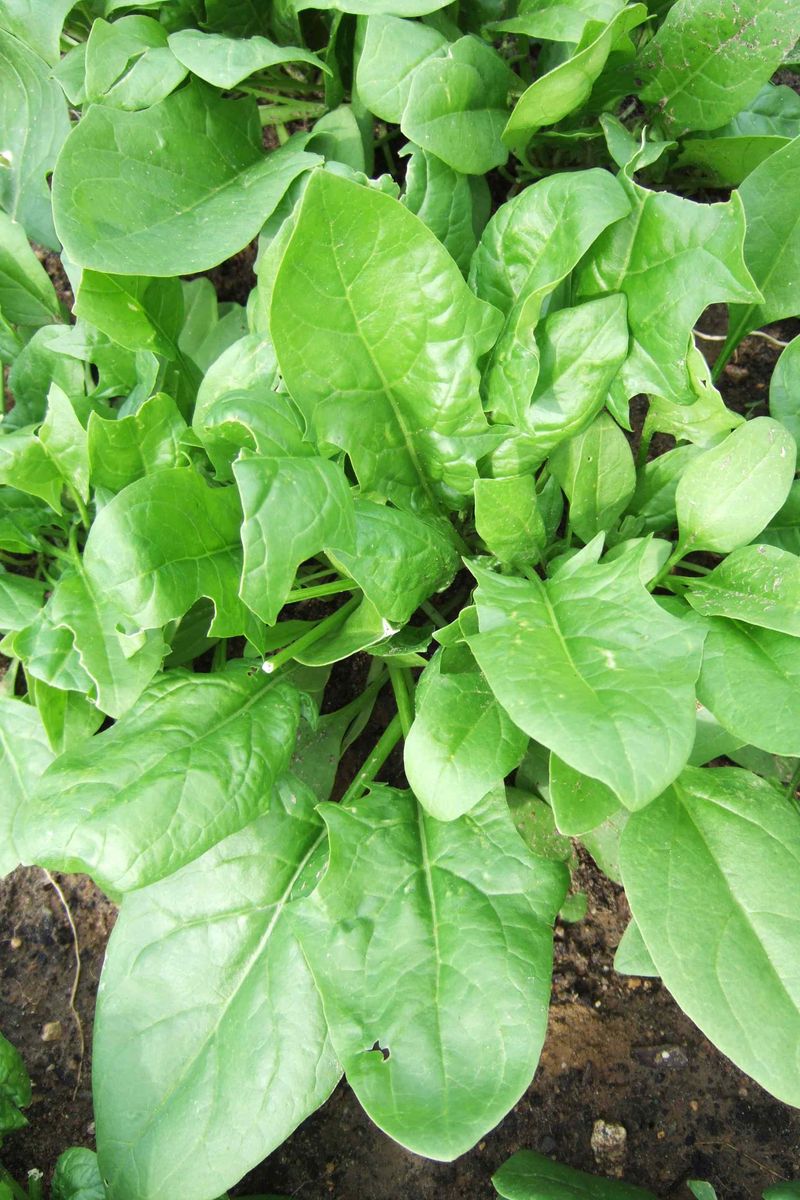
Popeye would feel right at home in a Tidewater garden. Coastal Virginia winters are mild enough for spinach to grow almost nonstop through the cool months.
Gardeners near the coast can sow spinach anytime from October through March. That gives a long, steady stretch of fresh salad greens.
The Piedmont can also grow spinach from October through April. Plants just grow slower when days get short and chilly.
For a full fall harvest, timing gets trickier. Central areas should sow by September, about six to eight weeks before first frost.
Missed that date? You still have a great option with overwintering spinach.
Seeds sown in October grow into small plants before winter. Those little plants rest through the cold, then take off in early spring.
Cover them with mulch or a row cover for extra protection. Early spring harvests from these plants can be sweet and tender.
Spinach can be fussy about warm soil. Seeds often struggle to sprout when soil stays above 75 degrees.
Here is a clever trick for warm coastal falls. Chill your seeds in the refrigerator for about one week first.
Plant them once soil drops below 68 degrees. Keep the seedbed evenly moist until sprouts appear.
Pick outer leaves first and let the center keep growing. One planting can feed you for many weeks this way.
Kale And Collard Transplants Handle Light Frost
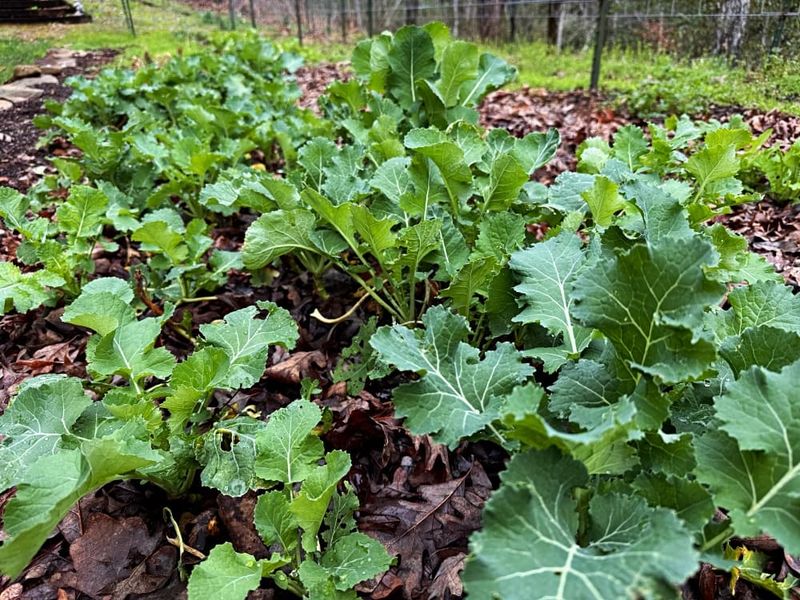
Southern grandmothers had it right all along. Collards picked after a frosty night taste sweeter, and kale follows the same delicious rule.
Cold weather makes these plants turn some starch into sugar. That natural change softens bitter flavors and makes the leaves more tender.
Both greens are tough cookies in the garden. Kale can handle temperatures near 10 degrees when protected with mulch.
Collards hold up to about 20 degrees without much fuss. Each plant can produce leaves for months with steady picking.
Transplants are the smart choice this late in the year. Young plants from a nursery have a head start that seeds cannot match.
Piedmont gardeners usually transplant in September or direct sow through October. Tidewater growers can keep transplanting from September through November.
Plants need to be well rooted by late fall. Strong roots help them stand firm when the cold really arrives.
Set transplants about 18 inches apart for good airflow. Water them in well and add mulch around the base.
In warmer zones, these greens often keep producing all winter. Some coastal gardeners harvest right into spring.
Harvest the lower, older leaves first. Leave the top bud alone so the plant keeps making new growth.
Watch for cabbage worms during warm fall spells. A light row cover keeps those hungry green caterpillars away.
Try a mix of varieties for fun. Lacinato kale looks bumpy and dark, while Georgia collards grow big and leafy.
Radishes Mature Fast Enough In Mild Areas
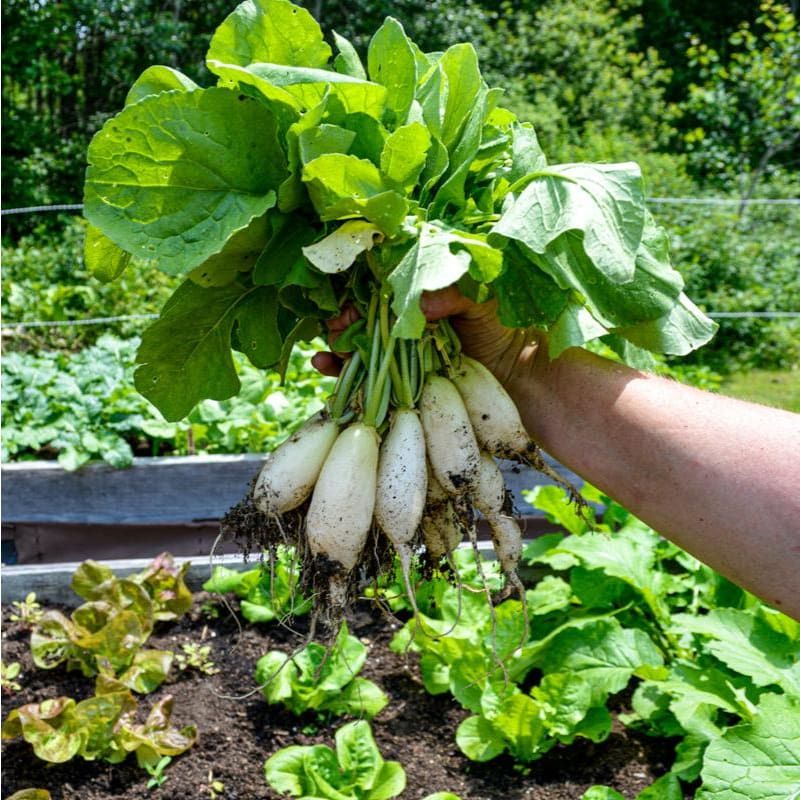
Patience not your strong suit? Radishes are the perfect crop for anyone who wants results fast.
Many types are ready to pull in just three to four weeks. Kids love them because they can watch progress almost daily.
Sow seeds four to six weeks before your first fall frost. That window gives roots enough time to swell up nicely.
Warmer zones 8a and 8b can sow from September 10 to October 20. Central areas usually start earlier, around mid-August.
So, can you still plant them before Thanksgiving? In the mildest coastal spots with a row cover, a quick late batch is often possible.
Radish seeds like cool soil around 60 to 65 degrees. Plant them about half an inch deep and keep them moist.
Thin seedlings to about two inches apart. Crowded radishes grow leaves but skip the round roots.
For a steady supply, sow a short row every ten days. You will have crunchy radishes for salads all season long.
Winter types, like daikon, enjoy cooler weather more than small red ones. They grow larger and keep well in the fridge.
Harvest before temperatures regularly drop below 20 degrees. Hard freezes can make the roots mushy.
Here is a quirky fact to share at dinner. People in Oaxaca, Mexico, carve giant radishes into sculptures each December for a festival called Night of the Radishes.
Row Covers Extend The Season By Weeks
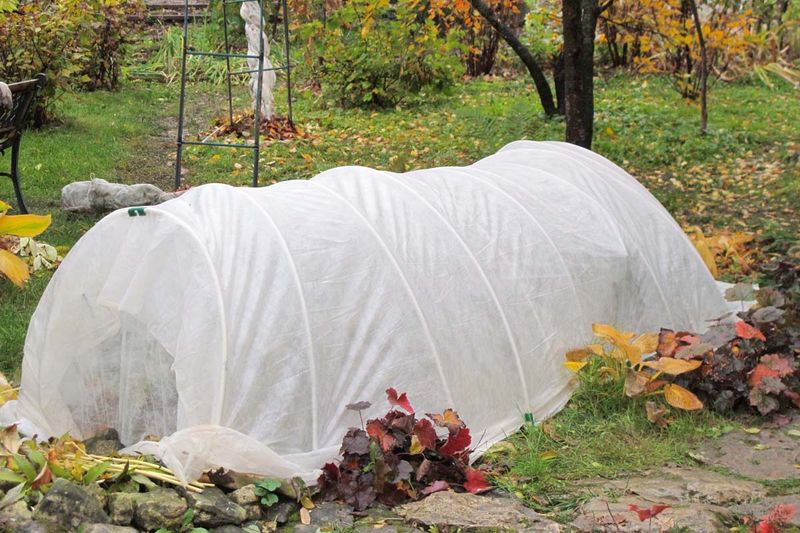
A simple sheet of white fabric might be the best gardening tool you never bought. Row covers can stretch your growing season by two to four weeks.
The fabric traps heat from the soil at night. It usually raises the temperature underneath by about four to five degrees.
Those few degrees make a big difference during a surprise cold snap. Tender greens can stay safe while frost sparkles on top.
Covers also warm the soil a little. Warmer soil helps roots keep growing longer into fall.
Lightweight floating covers can rest right on your plants. Heavier fabrics give more warmth but need hoops for support.
Build easy hoops from PVC pipe slipped over short rebar stakes. Bend the pipe into an arch and drape the fabric on top.
Wind loves to steal row covers. Hold edges down firmly with bricks, rocks, soil, or garden pegs.
Bugs get blocked out, too. Fewer pests means less spraying and fewer holes in your greens.
Keep an eye on weeds, though. The cozy space under the fabric helps them grow faster as well.
Lift the cover every week or so to check plants. Pull weeds and water if the soil feels dry.
Used in both spring and fall, covers can add about two months of harvest. That is a lot of extra salads for a small cost.
Timing Depends On Your Part Of Virginia
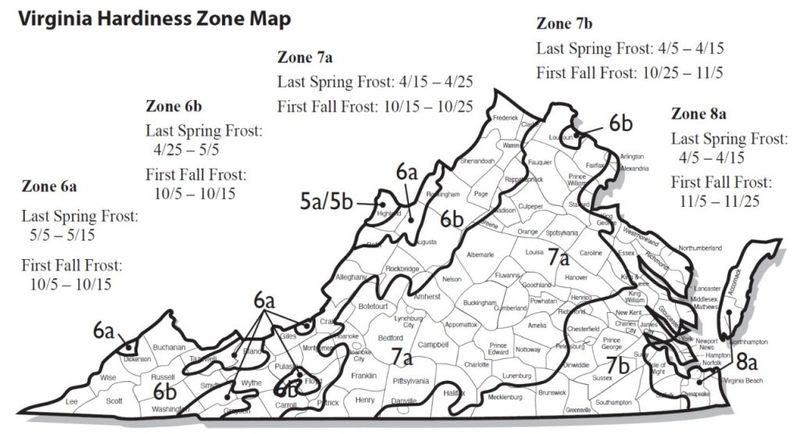
Virginia may look like one state on a map, but its weather tells a different story. Hardiness zones run from 5b in the mountains to 8b near the coast.
Elevation plays a huge role. So does closeness to the Atlantic Ocean and the Chesapeake Bay.
Roanoke County alone holds four different hardiness zones. Planting times there can vary by about 30 days.
First fall frosts arrive in mid to late October in the mountains. Coastal areas may not see frost until mid to late November.
The Piedmont and Northern Virginia sit in the middle. Their first frost usually shows up in late October or early November.
Start by finding your local first frost date. Then count backward using the days listed on your seed packet.
Add about two extra weeks for what growers call the fall factor. Shorter days and cooler nights slow plants down this time of year.
Your own yard has microclimates worth noticing. A south-facing slope or spot near a brick wall stays warmer.
Those cozy pockets may let you plant a little later. Low spots, on the other hand, collect cold air and frost first.
Keep a simple garden notebook each year. Jot down planting dates, frost dates, and what worked best.
Virginia Cooperative Extension offers free planting guides by region. Their local offices can answer questions specific to your county and soil.