How Pennsylvania Gardeners Can Time Paperwhites for Christmas
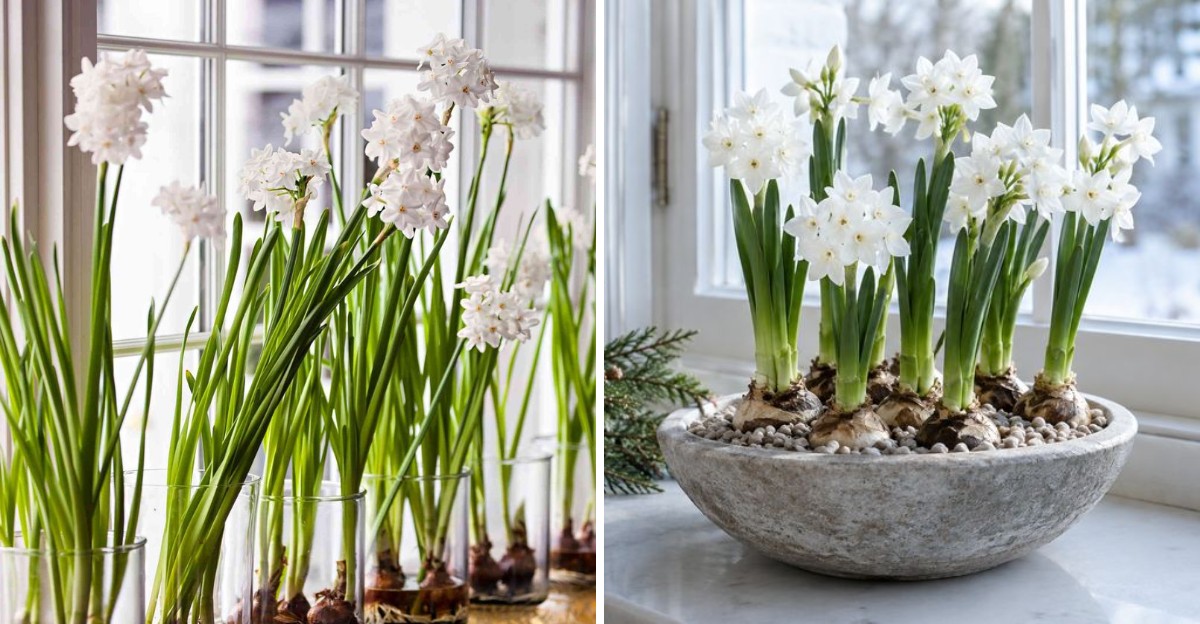
Some bulbs can bloom on your kitchen counter in about four weeks. They need no soil, no fridge, and no cold winter rest. All they want is a shallow bowl, a handful of pebbles, and a splash of water.
I love that kind of easy magic in December. The small white flowers open in fragrant, starry clusters on tall stems. Personally, I can’t walk past a mesh bag of them at the garden center.
Gray skies settle in early here in Pennsylvania, often by mid-November. A pot of fresh blooms on the table feels like a sweet little gift to yourself. You need to plant at the right moment, though.
Start too early, and the petals fade before Santa arrives. Start too late, and you get green stalks on Christmas morning. So when should the very first bulb go into the bowl?
These Fragrant White Bulbs Skip The Cold Nap Most Spring Bulbs Need
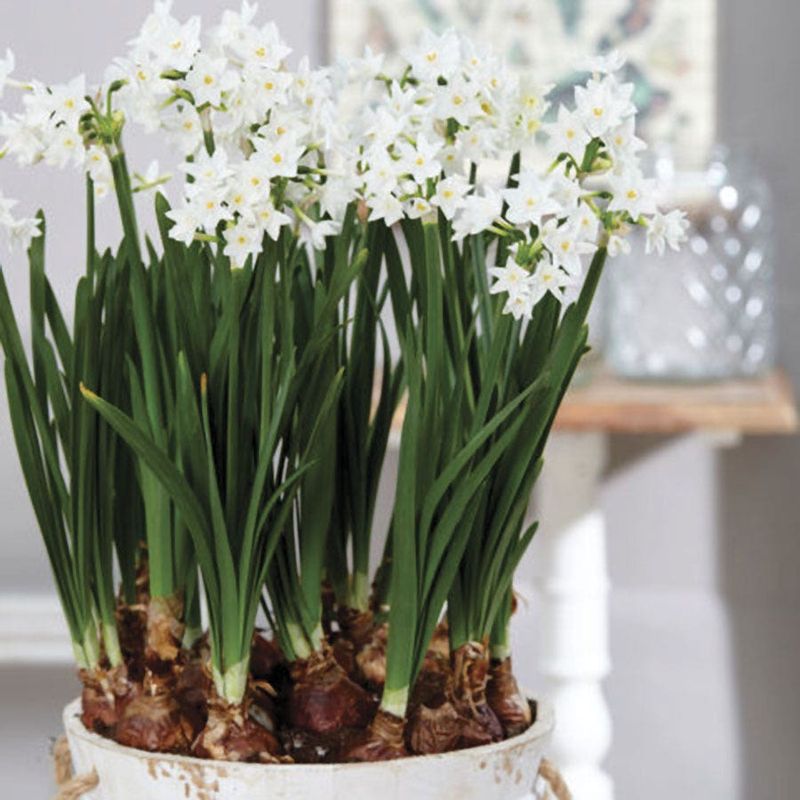
Tulips and daffodils demand a long chill of 12 to 15 weeks before they will flower indoors. Paperwhites shrug that rule off.
These Narcissus papyraceus bulbs come from the warm Mediterranean, so they arrive ready to grow the moment they touch water.
That one trait makes them the easiest holiday bulb a Pennsylvania gardener can buy. You skip the fridge, the cold garage, and the guessing game about chill hours. You just plant, wait, and watch.
Each bulb sends up a green stalk topped with clusters of small, starry white flowers. A single bulb can carry ten or more blossoms. Group five or six in one bowl, and you get a full, snowy look on your table.
Garden centers across the state usually stock them from early fall through the holidays. Look for firm, heavy bulbs with no soft spots or mold. Bigger bulbs mostly produce more flower stems, so they are worth a few extra cents.
Fun fact: the scent is famous, and people tend to love it or not. Some folks find it musky. If you are sensitive, look for milder types like ‘Ariel’ or ‘Inbal’, which many growers describe as softer and sweeter.
Count Back About Six Weeks From Christmas Morning To Plant Your Paperwhites
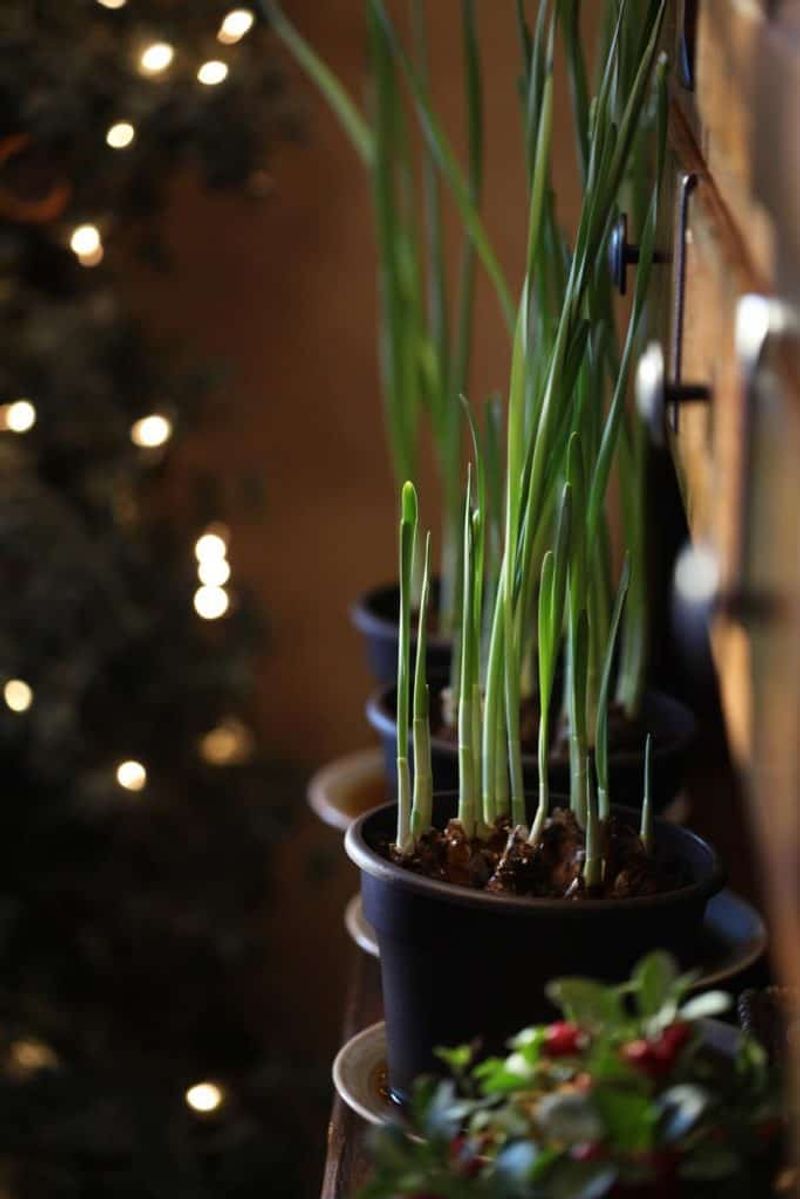
Grab a calendar and a pencil, because this part is simple math. Most paperwhites bloom about four to six weeks after planting.
Count back from December 25, and your planting window lands roughly between mid-November and the end of the month.
I like to add a little cushion. Warm rooms speed things up, and cool rooms slow them down. A home kept near 65 degrees often hits that six-week mark nicely.
Want a safer bet? Stagger your plantings. Start one bowl around November 10, another near November 20, and a third right after Thanksgiving. One of them will likely peak right on Christmas, and the others will stretch the show into January.
Homes in Pennsylvania vary a lot in winter. A drafty farmhouse in the northern tier may run cooler than a cozy rowhome in Philadelphia. Pay attention to your own space and tweak the dates by a few days.
Your Pennsylvania Garden Changes Every Week. Your Plan Should Too.
Gardening in Pennsylvania changes quickly throughout the season. Every Friday you’ll receive a simple weekly plan showing exactly what to plant, prune, fertilize, harvest, and protect so you never miss the right timing.
Write the planting date on a sticky note and tape it to the pot. That small habit helps you track progress and learn your home’s rhythm. Next year, you will know how many days your bulbs take, and timing gets even easier.
Your Paperwhite Bulbs Want Pebbles And Water, Not A Deep Bath
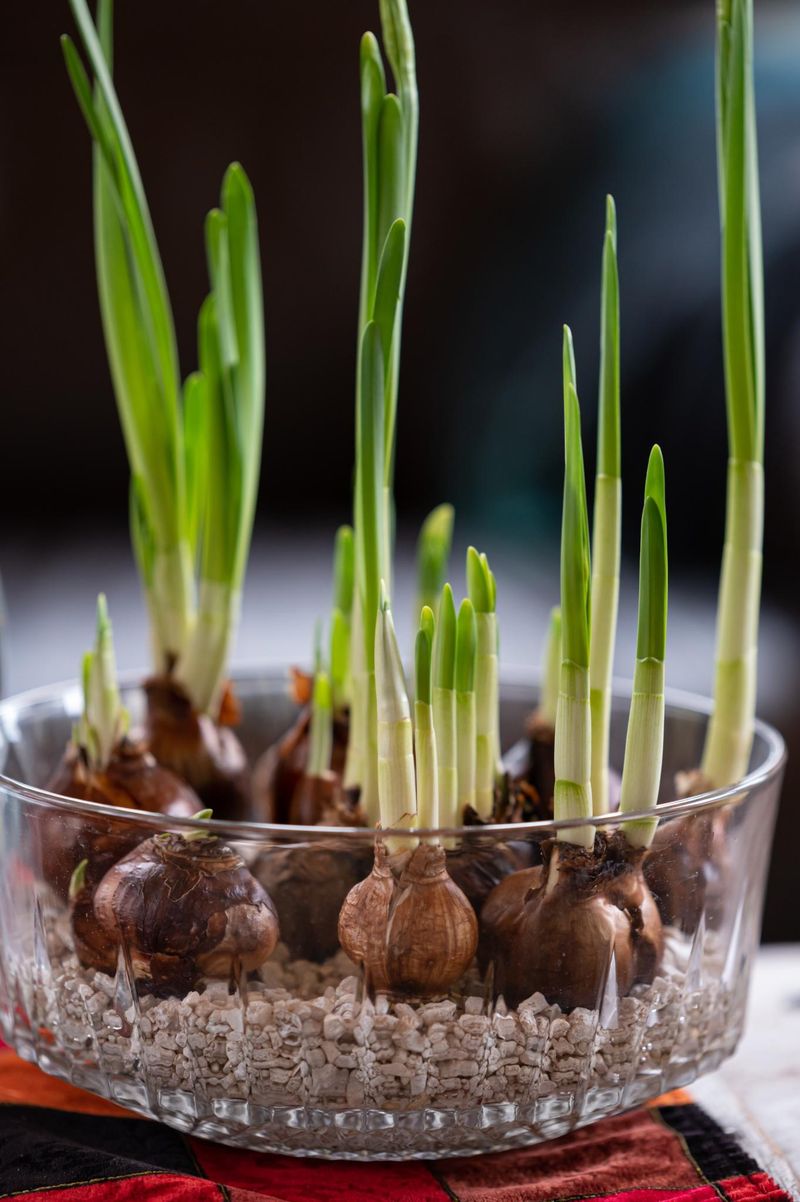
Rot is the top reason forced bulbs fail, and it is easy to dodge. Paperwhites love water at their roots, but they sulk if their bases sit soaking.
Pick a shallow bowl or vase without drainage holes, about three to four inches deep. Fill it two-thirds with pebbles, glass marbles, or aquarium gravel. Nestle the bulbs in, pointy ends up, packed close enough to almost touch.
Add more stones around them so they stand steady. Next, pour in water until it reaches just below the bottom of the bulbs. The roots will reach down and find it, while the bulb itself stays dry.
Check the level every couple of days and top it off as needed. Prefer soil? That works too. Use a well-draining potting mix and plant the bulbs so their top third peeks above the surface.
Water lightly and keep the mix damp, not muddy. I enjoy using clear glass containers. Watching the white roots twist through the pebbles is half the fun, especially for kids.
A tall-sided glass also gives the stems a little support later on. Wrap the bowl in a ribbon, and it becomes a sweet hostess gift for any holiday visit.
A Cool, Dim Start Helps Those White Paperwhite Roots Take Hold
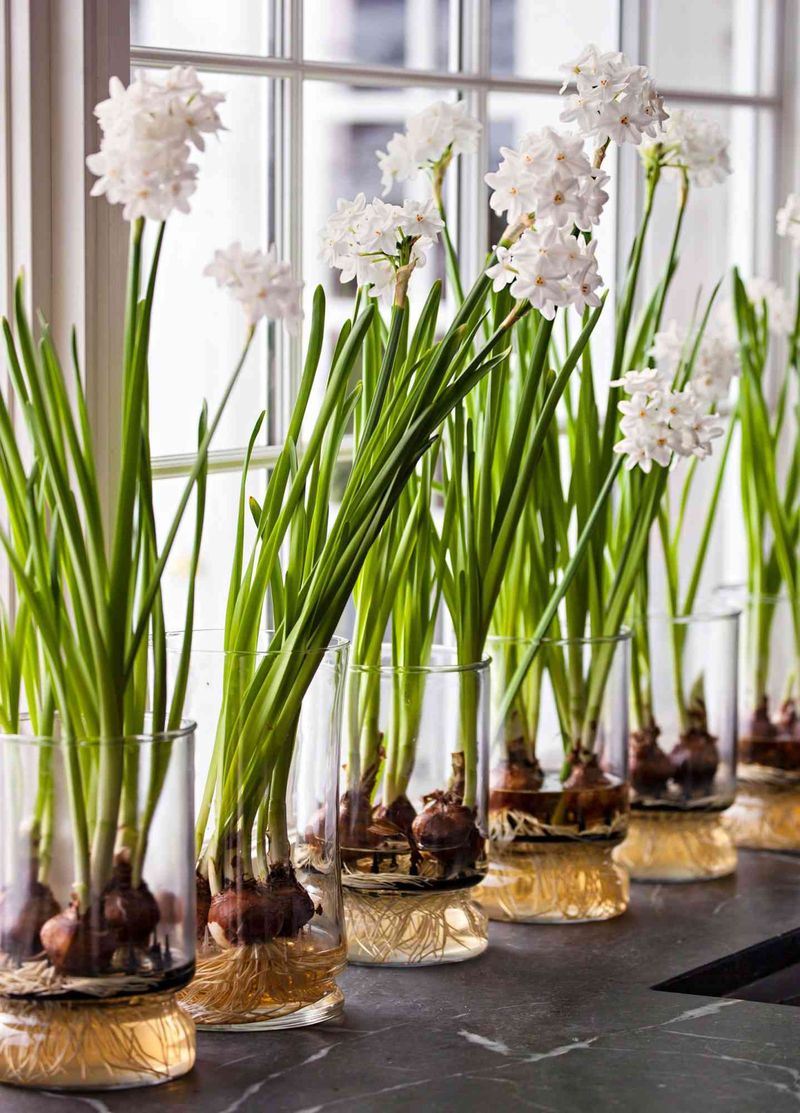
Patience pays off during the first week or two. Roots need a head start before the leaves take off, and a cooler, dimmer spot encourages that.
After planting, set the bowl somewhere around 50 to 60 degrees with low light. An unheated sunroom, a basement corner, or a cool spare bedroom all work well. Many Pennsylvania basements sit in this range during November, which is handy.
Once you see a good tangle of roots and green shoots about two inches tall, move the bowl into bright, indirect light.
A sunny east or west window is ideal. Keep it away from radiators, heat vents, and wood stoves, since heat makes the stems stretch.
Watch the water level as growth speeds up. Thirsty roots can drink a surprising amount once leaves appear. Use room-temperature water so the plants avoid a chilly shock.
Give the bowl a quarter turn every day or two. Stems lean toward the light, and rotating keeps them growing straight and even. A quick spin each morning with your coffee becomes an easy routine.
Within two weeks of the move, fat flower buds should appear, wrapped in thin sheaths. That papery covering helped give the plant its name.
Floppy Paperwhite Stems Are Easier To Fix Than You Expect
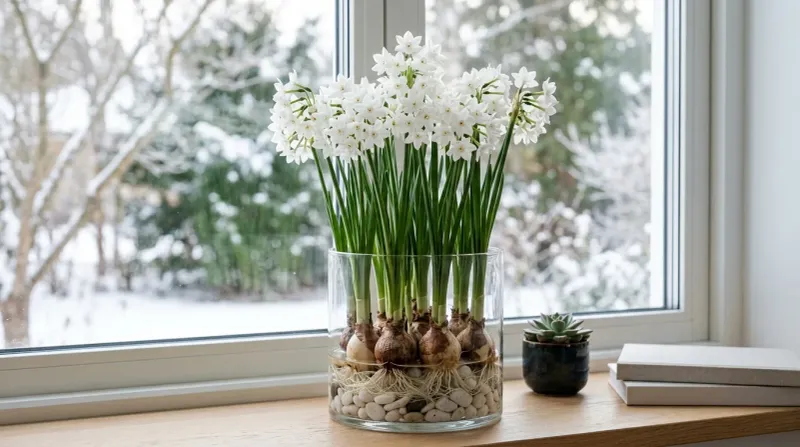
Nothing deflates holiday cheer like a bowl of flowers flopping over the side of the table. Paperwhites grow fast, often 18 inches or taller, and their heavy flower heads can pull the stems right down.
Low light is the biggest culprit. Stems stretch when they hunt for sun, so bright light makes a real difference. Cooler rooms also help keep growth short and sturdy.
Even with good care, some leaning happens. Tuck thin bamboo stakes or bare twigs into the pebbles around the bulbs. Tie a soft ribbon or raffia loosely around the stems at mid-height.
Birch branches or curly willow cuttings look charming and festive as supports. Another trick is choosing a tall glass vase.
The sides hold the stems upright while still showing off the blooms, and a hurricane lamp glass works wonders here.
Some growers also pick shorter varieties. ‘Ariel’ and ‘Inbal’ often stay a bit more compact than the classic ‘Ziva’. Their stems may hold up better in a warm house.
Start your support early, before the stems lean too far. Bending stems back after they flop can snap them. A little planning keeps your display looking neat for the big day.
Keep Those Blooming Paperwhites Cool And The Flowers Will Last Longer
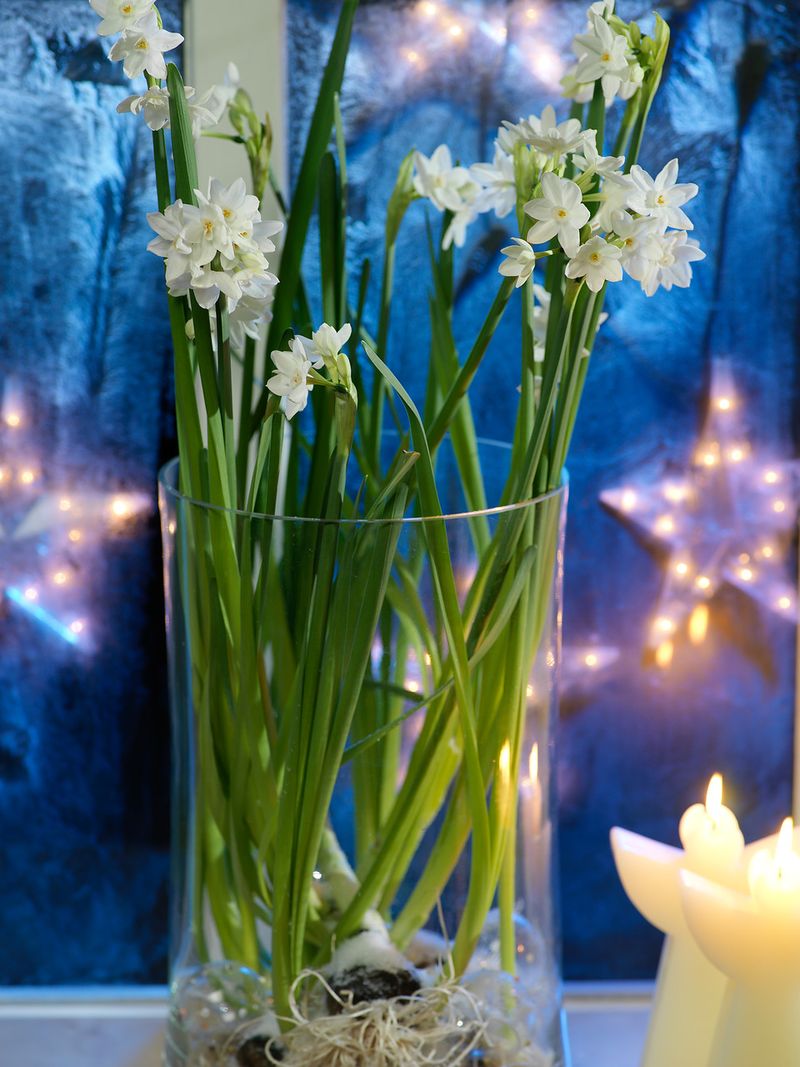
Bloom time is the payoff, so let’s stretch it out. Once the flowers open, they usually last about one to two weeks, depending on your room.
Coolness is the key. Move the bowl out of strong direct sun once the buds open. Bright, indirect light keeps the petals fresh, while hot sun fades them fast.
Night temperatures around 50 to 60 degrees can add several extra days. In a Pennsylvania winter, a cool spot is easy to find. Try an enclosed porch that stays above freezing, a mudroom, or a front hall.
Bring the bowl to the dining table for the holiday meal, then return it to the cool spot afterward. Keep the water topped off too. Blooming stems drink steadily, and a dry bowl causes quick wilting.
Snip off faded flowers as they brown. The cluster will look tidier, and newer buds can still open.
Staggered plantings help here as well. When one bowl starts to fade, the next is often just opening.
With two or three bowls, you can enjoy fresh flowers from mid-December into mid-January, and that long, fragrant season makes the gray days feel much shorter.
Plan On Fresh Paperwhite Bulbs Next November
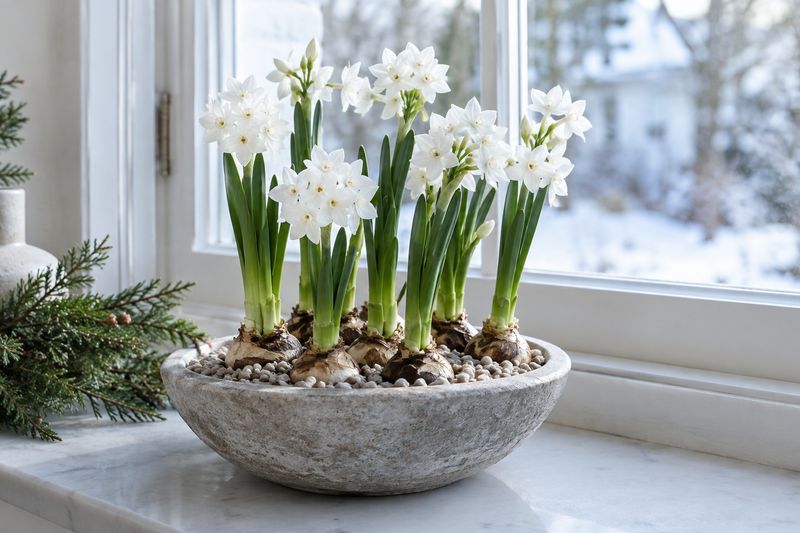
When the last petal browns, it is time to say a fond farewell. Forced paperwhites spend nearly all their stored energy on that one burst of blooms. Bulbs grown in water rarely flower again.
They also are not hardy outdoors in most of Pennsylvania. These bulbs handle winters in USDA zones 8 to 11, and our state sits mostly in zones 5 to 7. Planting them in the yard usually ends in disappointment.
The easy answer is the compost pile. Toss the bulbs, rinse the pebbles, and save the bowl for next year. Clean stones and a washed container make the next round quick to set up.
One safety note matters here. Paperwhite bulbs and leaves are toxic if eaten, so keep them out of reach of curious dogs, cats, and small kids. Wash your hands after handling them too.
Mark your calendar now for next season. Buy fresh bulbs in October or early November, and store them in a cool, dry, dark place until planting day.
Keep them away from ripening apples, which release a gas that can harm flower buds. With good notes from this year, your next holiday display can bloom right on cue.