Don’t Toss Your New Jersey Fig Leaves, Turn Them Into Coconut-Vanilla Syrup
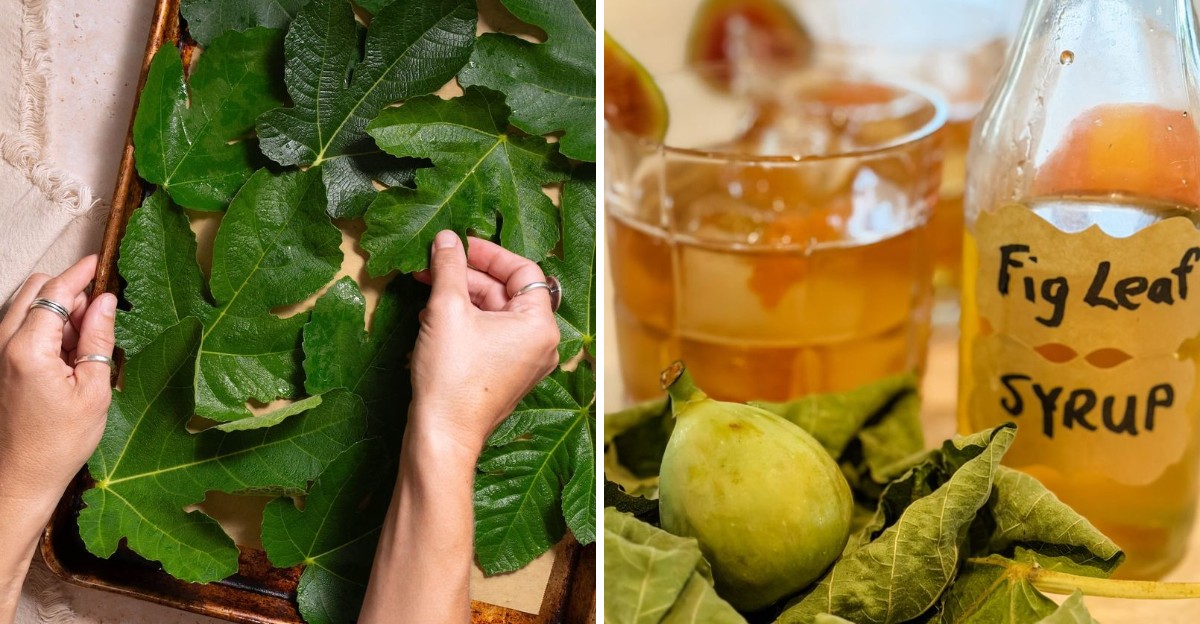
You may be bagging a surprisingly fragrant New Jersey ingredient for the curb. Crush a fresh leaf between your fingers and inhale.
Coconut greets you, then warm vanilla, then cut hay. That scent fades as cold weather turns the leaves yellow.
Capture it in a coconut milk syrup while the leaves are still green and supple. Chefs have steeped fig leaves into custards that taste like toasted coconut.
Gentle heat and a fine strainer unlock the aroma for you. Toasting deepens that aroma into warm, bakery-style sweetness.
Pick leaves that are bright green and flexible, and skip any with spots. Your reward is a pale, creamy syrup that flavors pancakes, lattes, and desserts.
Neighbors may soon lean over your fence and ask for a taste. Snip a few leaves before New Jersey frost, and your fridge gains a signature syrup.
1. Pick The Freshest Leaves Before The First Frost
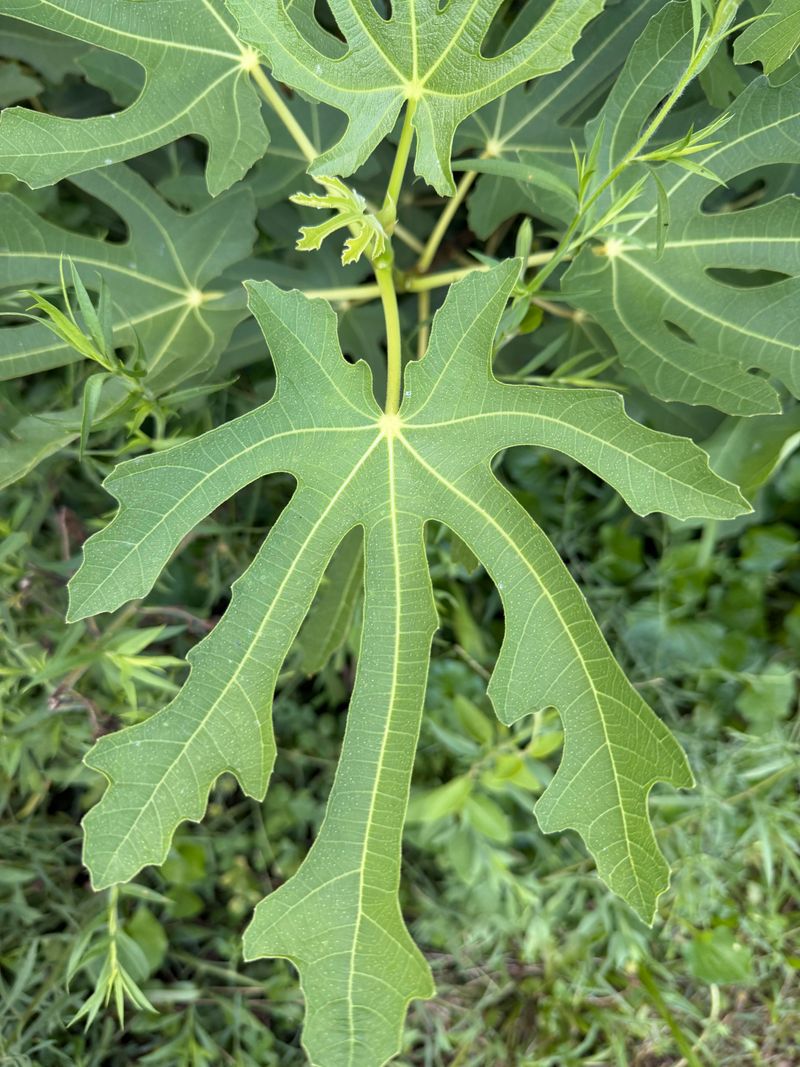
Fig trees across New Jersey hold their best leaves until the first cold nights arrive. Snip a few each October before you wrap the tree for winter, and your kitchen will smell amazing for days.
Timing matters with these New Jersey leaves. The best ones grow in summer and early fall, before cold nights turn them yellow and limp.
Look for leaves that feel thick, bright green, and a little fuzzy on the back. Skip any with brown spots, bug holes, or a dusty white coating. Use leaves only from unsprayed trees, and avoid trees along busy roads.
Medium-sized leaves pack plenty of flavor without being tough. Huge ones can taste grassy, while tiny ones may lack scent.
Pick in the morning after the dew dries but before the afternoon sun warms everything. Leaves picked then may hold more of their sweet, nutty oils.
Wear gloves and long sleeves during this step. Fig sap can irritate skin and, combined with sunlight, cause painful blisters and dark marks. Wash your hands and arms afterward, and take extra care with a latex allergy.
Use clean snips to cut each leaf at the base of the stem. Tearing can damage the branch, and your tree needs to stay healthy for spring.
Around six to eight leaves is plenty for one batch of syrup. Leave most foliage on the tree to store energy before winter.
In New Jersey, frost timing varies by region. Check your local forecast, then pick a few days early.
2. Wash And Dry Every Leaf With Care
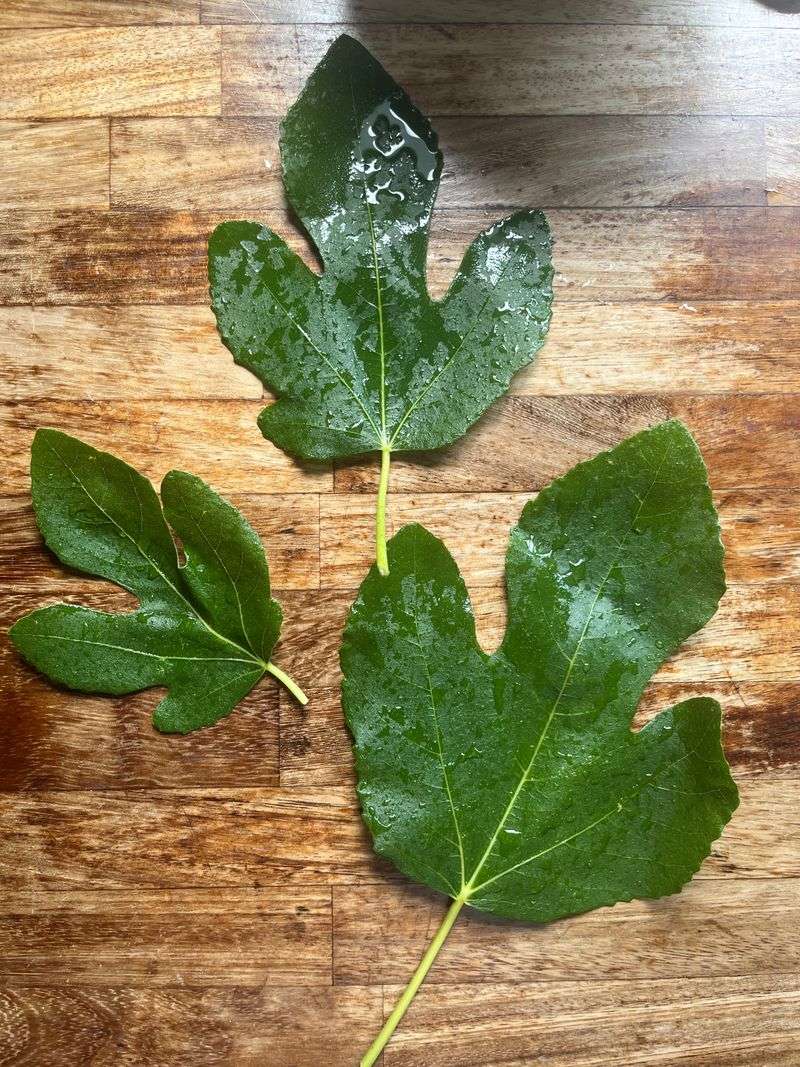
Fig leaves can carry dust and small insects, so a good wash comes first. Fill a large bowl or a clean sink with cool water. Cool water is gentler on the leaves and helps them keep their aroma.
Dunk each leaf gently and swish it back and forth a few times. Pay extra attention to the fuzzy underside, where dust and insects can collect.
Change the water if it starts looking murky or gritty. Leaves near busy roads can collect more dust and residue than you might expect, so pick from trees away from traffic.
Your New Jersey Garden Changes Every Week. Your Plan Should Too.
Gardening in New Jersey changes quickly throughout the season. Every Friday you’ll receive a simple weekly plan showing exactly what to plant, prune, fertilize, harvest, and protect so you never miss the right timing.
After rinsing, lay the leaves flat on a clean kitchen towel. Pat them dry with another towel, pressing lightly so you do not bruise them.
Extra water can make the next step messy and uneven. Wet leaves steam instead of toasting, which changes the final flavor.
If you have a salad spinner, give it a try here. Fold the leaves loosely, spin for a few seconds, then finish with a towel.
Let them rest on the counter for ten to fifteen minutes. A little air time helps any leftover moisture disappear before you turn on the oven.
Now is a good time to trim off the long, tough stems too. Stems add a bitter, sappy taste that can carry into your syrup.
Clean, dry leaves are ready for the fun part. Your kitchen is about to smell sweet and tropical in the middle of autumn.
3. Toast The Leaves To Wake Up Their Flavor
Raw fig leaves smell nice, but toasting turns their flavor way up. Heat wakes up natural compounds that taste like coconut, vanilla, and even toasted nuts.
One of those compounds is called coumarin, which also shows up in tonka beans and sweet clover. It gives the leaves that cozy, bakery-style scent people love.
Coumarin is safe in small amounts, but large amounts can stress the liver, so enjoy the syrup in moderation. Check with your doctor first if you have liver problems, take blood thinners, or manage blood sugar with medication.
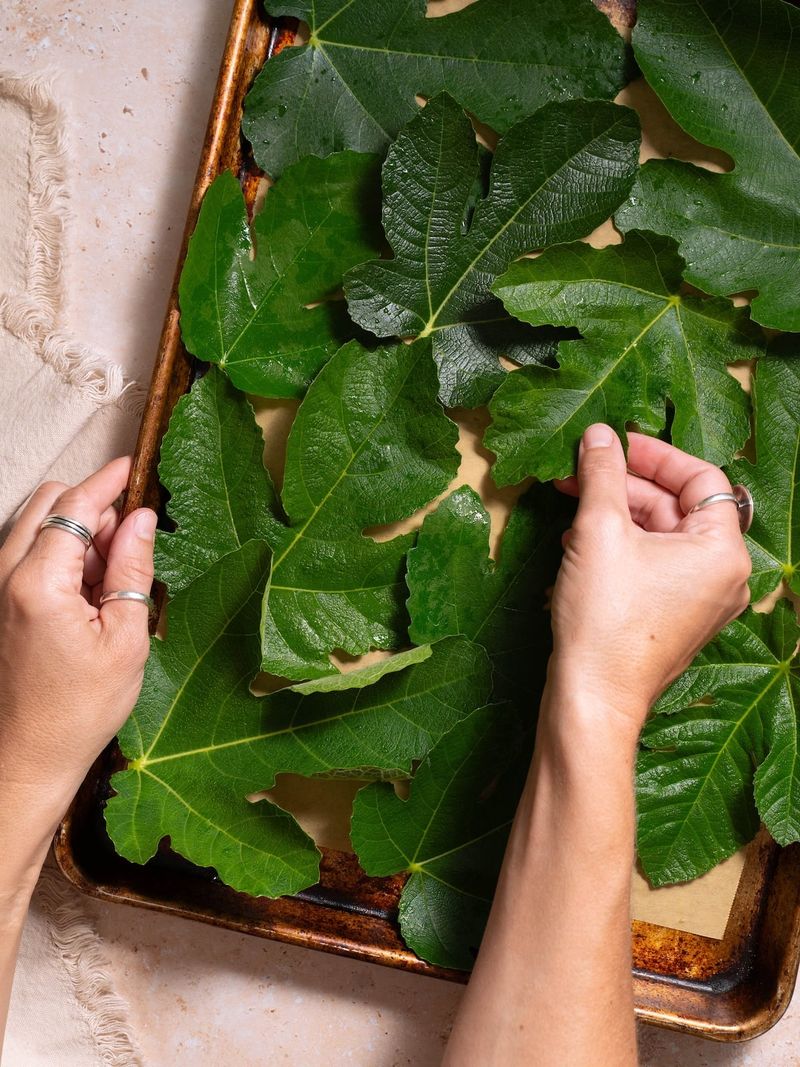
Preheat your oven to about 300 degrees Fahrenheit. Line a baking sheet with parchment paper so the leaves do not stick or scorch.
Arrange the leaves in a single layer without overlapping them. Crowded leaves steam each other, and you want them dry and crisp instead.
Bake for around ten to fifteen minutes, checking often after the first eight. Ovens vary a lot, so trust your nose more than the timer.
You will know they are ready when the edges curl and the color turns olive green. The kitchen should smell sweet and toasty, a bit like warm cookies.
Pull them out right away if you notice dark brown spots or a smoky smell. Over-toasted leaves taste bitter and can affect the whole batch.
Let the toasted leaves cool on the pan for a few minutes. They will turn crunchy and crumble easily, which helps release even more flavor later.
A dry skillet over low heat works if your oven is busy. Press each leaf flat for about a minute per side until fragrant.
Some cooks skip toasting and use fresh leaves for a greener, lighter taste. Try both ways someday and see which version wins at your table.
4. Simmer A Rich Coconut And Sugar Base
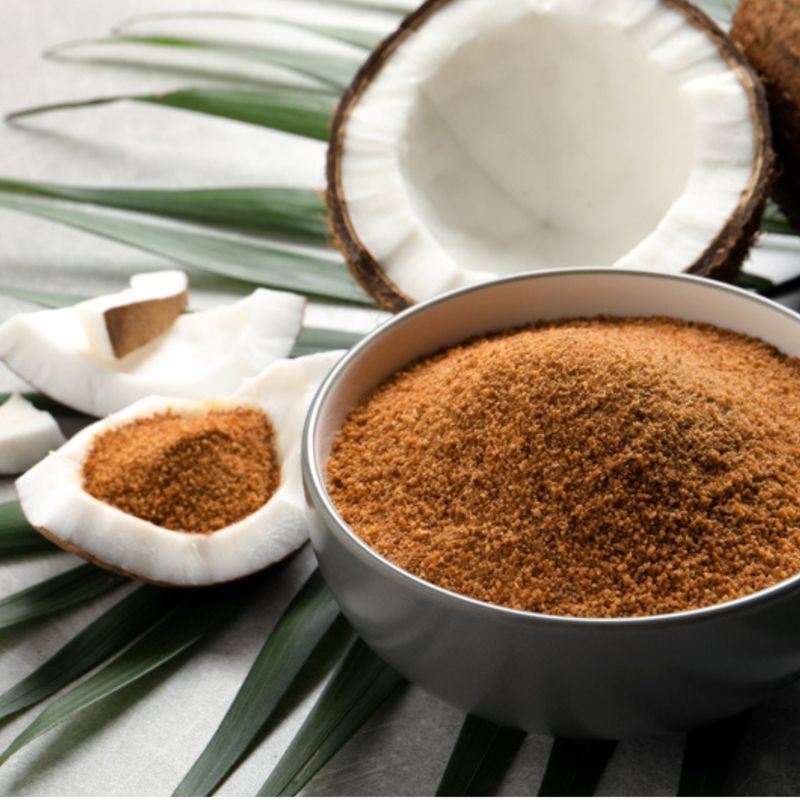
Coconut milk and fig leaves get along like old friends at a fall bonfire. Together they build a creamy, tropical flavor that tastes surprising in chilly October.
For the base, you will need one can of full-fat coconut milk. Light versions work, but they make a thinner syrup with less richness.
Shake the can well before opening it. The cream often separates and sits on top like a thick white cap.
Pour the coconut milk into a medium saucepan and add one cup of sugar. Plain white sugar keeps the color pale, while light brown sugar adds a caramel touch.
A pinch of salt belongs in the pot too. It sounds odd, but salt makes sweet flavors pop and keeps the syrup from tasting flat.
Turn the heat to medium-low and stir until the sugar melts. Keep the mixture at a gentle simmer with small, lazy bubbles rising to the top.
Watch the pot closely during this stage. Coconut milk can foam up fast and spill over if the heat climbs too high.
Prefer a clear syrup instead of a creamy one? Use one cup of water with one cup of sugar, then add coconut flakes for flavor.
Toasted unsweetened coconut flakes give a deeper, nuttier taste than plain ones. Strain them out later along with the leaves for a smooth result.
Simmer the base for about five minutes, stirring now and then. Once it looks slightly thicker and smells sweet, you are ready for the leaves.
5. Steep The Leaves Like A Fancy Tea
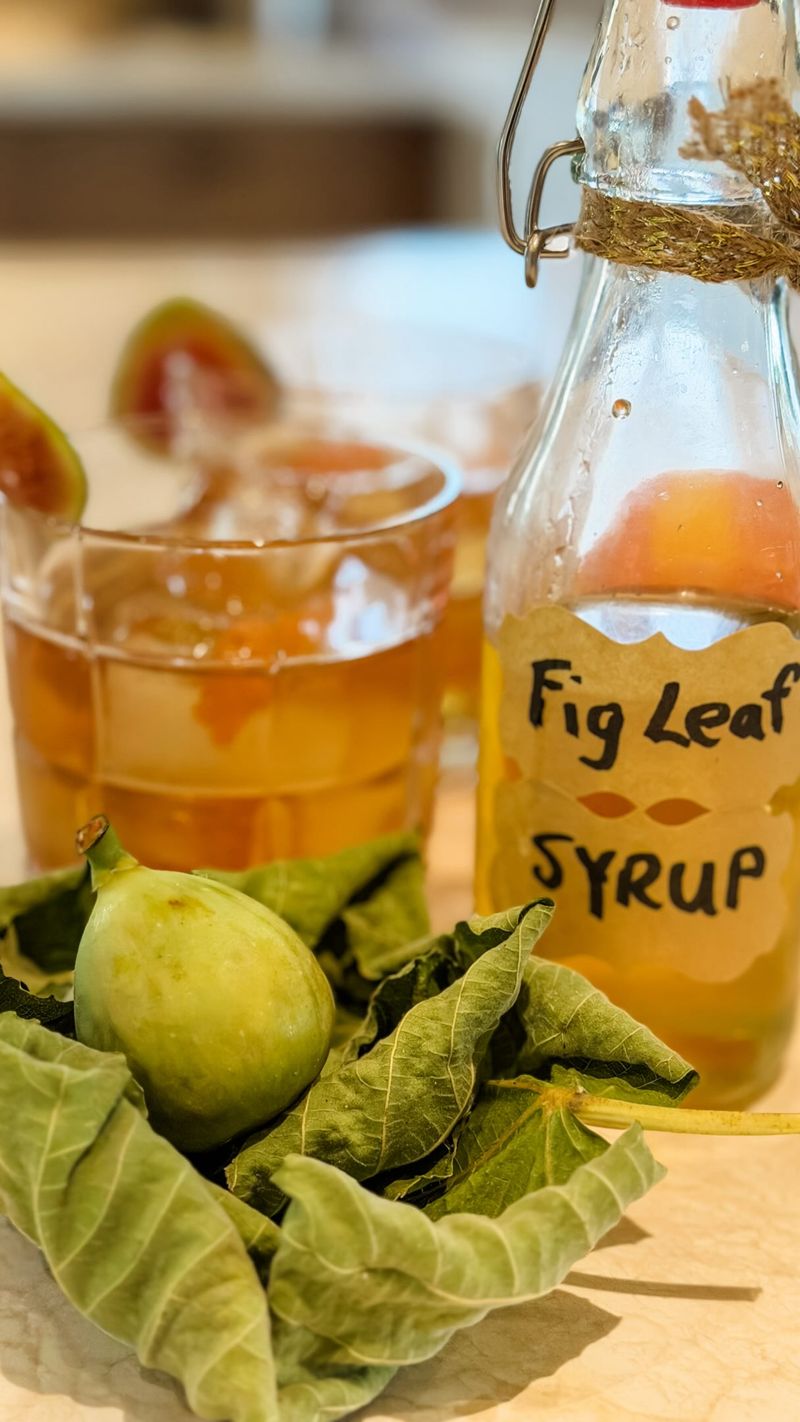
Think of this stage as giving your fig leaves a relaxing hot tub soak. They float, they steep, and they slowly hand over all their flavor.
Turn off the heat under your coconut base before adding anything. Boiling leaves too hard can pull out harsh, bitter flavors you do not want.
Crumble or tear the toasted leaves into large pieces. Drop them into the warm pot and press them under the liquid with a spoon.
Cover the saucepan with a lid to trap the steam. All those lovely aromas will stay in the syrup instead of floating around your kitchen.
Let the leaves steep for thirty minutes to one hour. A shorter steep tastes light and grassy, while a longer one gets bolder and sweeter.
Taste a tiny spoonful every fifteen minutes or so. Your tongue is the best guide for deciding when the flavor feels just right.
Some people let the pot sit in the fridge overnight for an extra strong syrup. Bring it back to room temperature the next day before moving on.
Stir gently once or twice while it steeps. Moving the leaves around helps each piece share its flavor with the liquid.
Notice how the color shifts slightly as the minutes pass. A clear syrup may turn pale gold or green, which looks lovely in a glass bottle. Avoid squeezing the leaves hard at the end. Squeezing can release bitter juices.
6. Add Real Vanilla At Just The Right Moment
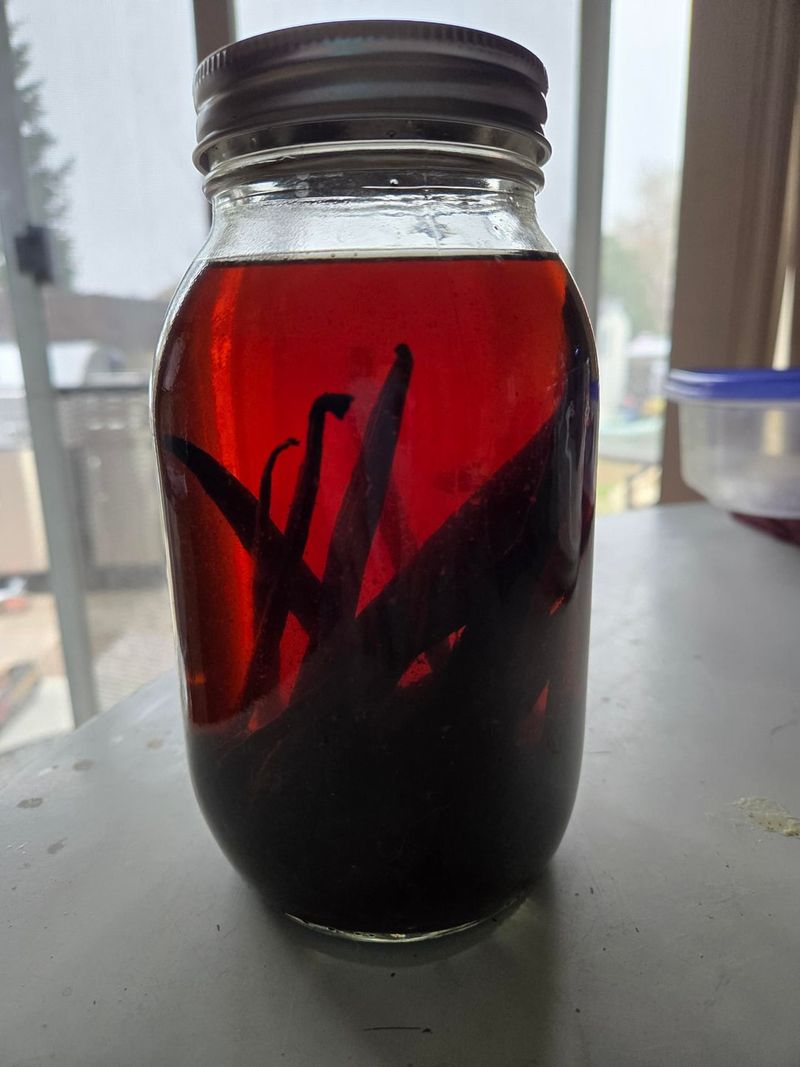
Vanilla comes from an orchid, and each flower is hand-pollinated on farms in places like Madagascar. That labor is why real vanilla is among the priciest spices.
Real vanilla pairs beautifully with fig leaves because they share similar sweet, creamy notes. Together, the flavors taste deeper and rounder than either one alone.
A whole vanilla bean gives the strongest flavor. Slice it down the middle and scrape out the tiny black seeds with a knife.
Add both the seeds and the empty pod to the pot. Put them in while the leaves steep so everything blends together slowly.
Vanilla extract is an easier and cheaper option for most kitchens. Stir in one to two teaspoons after removing the pot from the heat.
Why wait until the end for extract? Heat can cook off the alcohol and some delicate flavor, leaving the syrup a bit dull.
Vanilla bean paste is a handy middle choice if you can find it. It adds those pretty specks without the work of scraping a whole bean.
Real vanilla is the better choice here. Imitation vanilla has a flatter, less rounded flavor that can overpower the soft fig leaf notes.
Taste the syrup after adding vanilla and adjust slowly. A little more goes a long way, so add just a few drops at a time.
Leftover vanilla pods do not need to go to waste either. Rinse them, let them dry completely, then tuck them into a jar of sugar for fragrant baking sugar by Thanksgiving.
7. Strain And Bottle Your Syrup The Smart Way

Leaf bits in a morning latte are unpleasant. A careful strain keeps your homemade syrup silky and smooth from the first drop.
Set a fine mesh strainer over a large bowl or measuring cup. For extra smoothness, line the strainer with cheesecloth or a coffee filter.
Pour the syrup through slowly so nothing splashes over the edges. Let gravity do the work rather than pressing hard on the leaves.
Glass bottles or mason jars make the best storage containers. Wash them in hot, soapy water first, and let them dry before filling.
A small funnel helps you pour without sticky drips all over the counter. Leave a little space at the top of each bottle for easy shaking later.
Coconut milk syrup needs to stay in the refrigerator. Plan to use it within one week for the best taste and safety.
Clear syrups made with water usually last a bit longer, up to two weeks. Discard anything that smells sour, looks cloudy, or grows fuzzy spots.
Label each jar with the date you made it. Masking tape and a marker work just fine if you lack fancy labels.
Shake creamy versions before each use since the coconut can settle at the bottom. A quick swirl brings back that smooth texture in seconds.
Small bottles make thoughtful gifts for teachers, neighbors, or friends this fall. Tell recipients to keep the syrup refrigerated, and mention that it contains coconut.
8. Pour It Over Fall Treats All Season Long
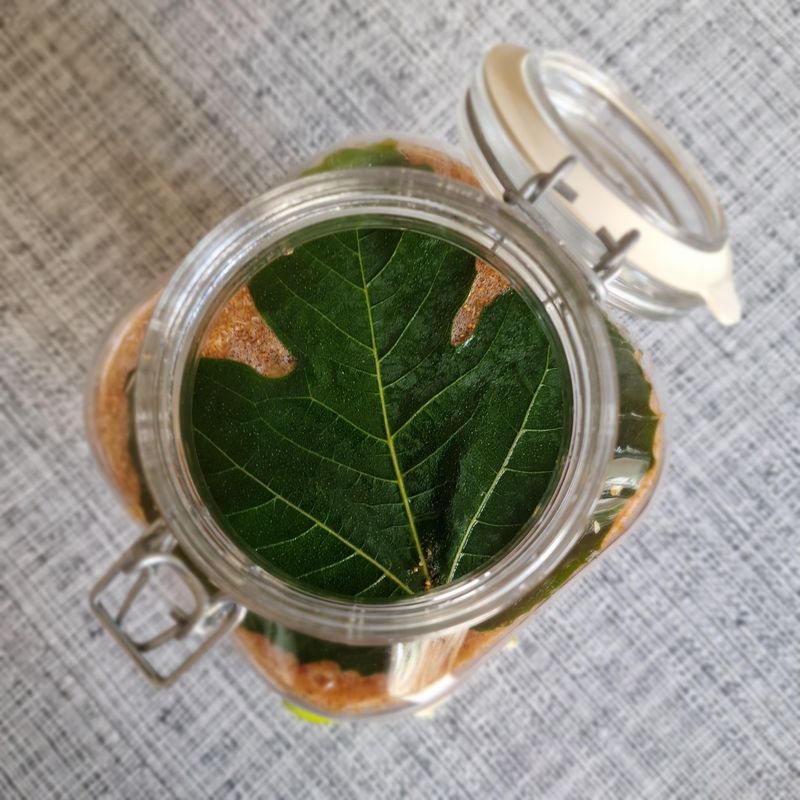
Pancakes on a chilly Saturday morning get a new flavor. A teaspoon or two of coconut-vanilla fig leaf syrup adds a tropical twist to breakfast.
Coffee lovers can stir a spoonful into a hot latte or cold brew. The flavor tastes a bit like a fancy café drink without the long line.
Oatmeal gets cozy with a splash of syrup and a handful of chopped apples. Add cinnamon on top for a bowl that tastes like a fall festival.
Try pouring it over vanilla ice cream or a slice of pumpkin pie. The coconut notes play nicely with warm autumn spices like nutmeg and ginger.
Bakers can brush the syrup over warm cakes or muffins right out of the oven. It soaks in and keeps everything moist and extra flavorful.
Sparkling water with a splash of syrup makes a refreshing homemade soda. Add ice and a lime wedge for a drink kids and adults both enjoy.
Plain yogurt topped with syrup, granola, and fresh pears makes an easy snack. It tastes like dessert but works great for a quick after-school bite.
Halloween parties are a perfect excuse to share your creation with friends. Mix it into hot cocoa for a cozy treat while trick-or-treaters roam the block.
Start small, since the flavor is rich and sweet. One or two teaspoons is often enough to make a big difference.
Best of all, each bottle came from leaves many people would have bagged for the curb. Your backyard tree now supplies a homemade pantry staple.