The Easiest Fruit Tree To Plant In New Jersey This October
Stop boxing up your gloves, because October rewards you for digging. Soil across New Jersey stays workable while autumn rain softens it for your shovel.
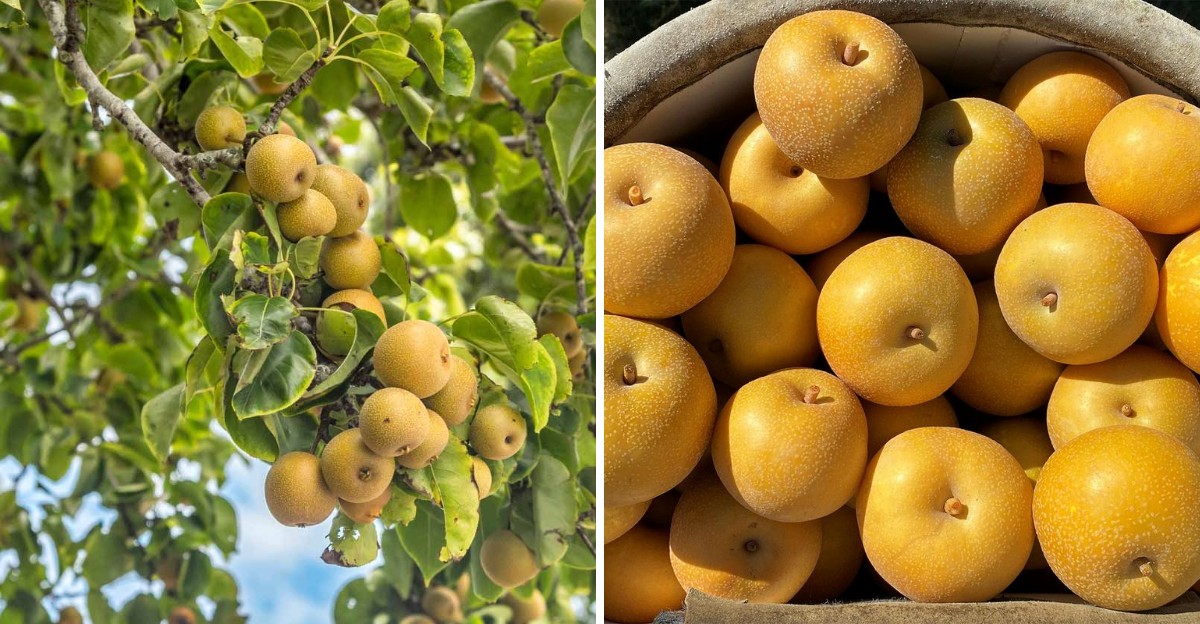
You plant an Asian pear now, and its roots spread before winter arrives. Choose Shinseiki or Hosui, varieties prized for crisp, syrupy flesh.
Bite in and you get the snap of an apple with the drip of melon. Juice runs down your wrist before you reach the core.
Pair your tree with a partner variety nearby, since pollination decides your harvest. Pick a sunny spot with well-drained soil, and you protect your roots from soggy winters.
Fruit arrives within several seasons, and you pick it once skin turns yellow or russet. Skip specialty prices at New Jersey markets, because you grow these pears. Neighbors may lean on your fence and ask what you planted there.
The Asian Pear Tree Is A Strong Pick
Ask a seasoned Jersey grower for an easy fruit tree, and the Asian pear often tops the list. It handles our cold winters and muggy summers with moderate care.
Asian pears grow well in USDA zones 5 through 9. New Jersey sits mostly in zones 6 and 7, which is a sweet spot.
Asian pears bloom early, so open flowers can be damaged by late spring frosts. Plant in a spot with good air drainage and watch the forecast during bloom.
Pest pressure is often lighter than with apples. Still, pear psylla, stink bugs, and spotted lanternfly can cause problems in New Jersey.
Many Asian pears resist fire blight better than European pears, though Shinseiki and Hosui can still be susceptible. This bacterial disease can damage branches.
Size is another bonus for smaller suburban yards. Semi-dwarf trees often reach twelve to fifteen feet or more, depending on rootstock, so picking stays manageable.
Fruit arrives fast too, often within three to four years of planting. That beats waiting six or more years for some standard apple trees.
Popular choices include Shinseiki, Chojuro, Hosui, and Korean Giant. Each one offers its own flavor, from honey sweet to slightly butterscotch.
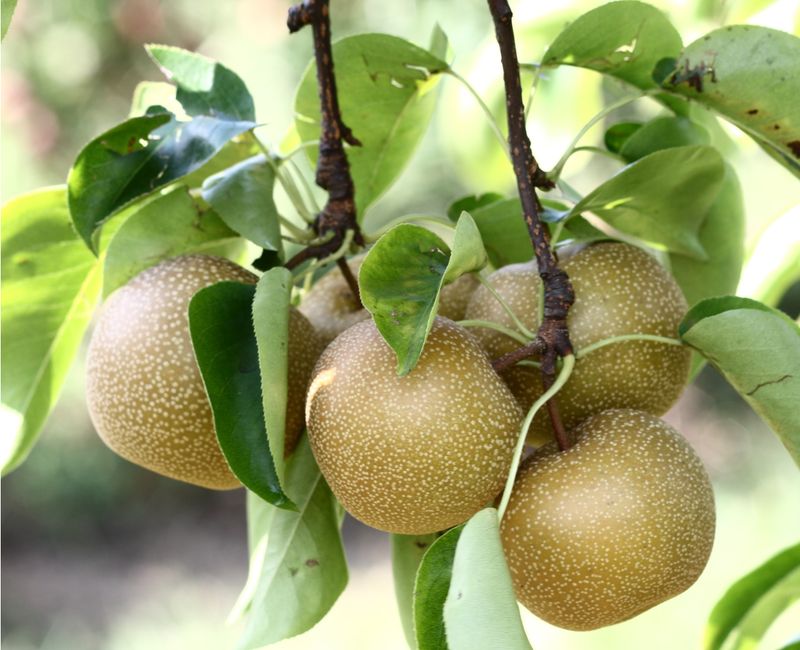
The fruit itself is round and firm, with a crisp snap. Many people call it an apple pear because of that crunchy bite.
Kids usually love the juicy texture straight from the branch. Adults appreciate that the tree needs only moderate care. For a first fruit tree, the Asian pear is a reasonable choice.
October Soil And A Good Planting Window

Cool air above and warm dirt below make October a good time for planting. Roots keep growing in soil long after leaves start turning gold.
In much of New Jersey, soil stays warm enough for root growth into early November. That warmth lets young roots settle in before the ground freezes hard.
Fall rain also does a lot of watering work for you. Summer planting usually means dragging hoses around during hot, dry spells.
Less heat means less stress on a freshly moved tree. Leaves lose less water, so the plant can focus energy underground.
Your New Jersey Garden Changes Every Week. Your Plan Should Too.
Gardening in New Jersey changes quickly throughout the season. Every Friday you’ll receive a simple weekly plan showing exactly what to plant, prune, fertilize, harvest, and protect so you never miss the right timing.
Aim to plant about six weeks before your first hard freeze, so plant as early in October as you can. In southern New Jersey, planting can run into early November.
North Jersey towns near Sussex County may want to plant earlier. South Jersey gardeners near Cape May often have until early November.
Some nurseries hold fall sales. Check local prices, since you may find a healthy tree for less than in spring.
Container trees work well this month. Bare-root trees are best planted while dormant, from late fall to early spring.
By spring, your tree will already have a head start. It wakes up with roots ready to drink and push fresh growth.
Spring-planted trees need more watering through their first summer. Fall planting gives roots a head start on establishment. October planting gives roots time to establish before winter dormancy.
The Lonely Tree Mistake To Skip
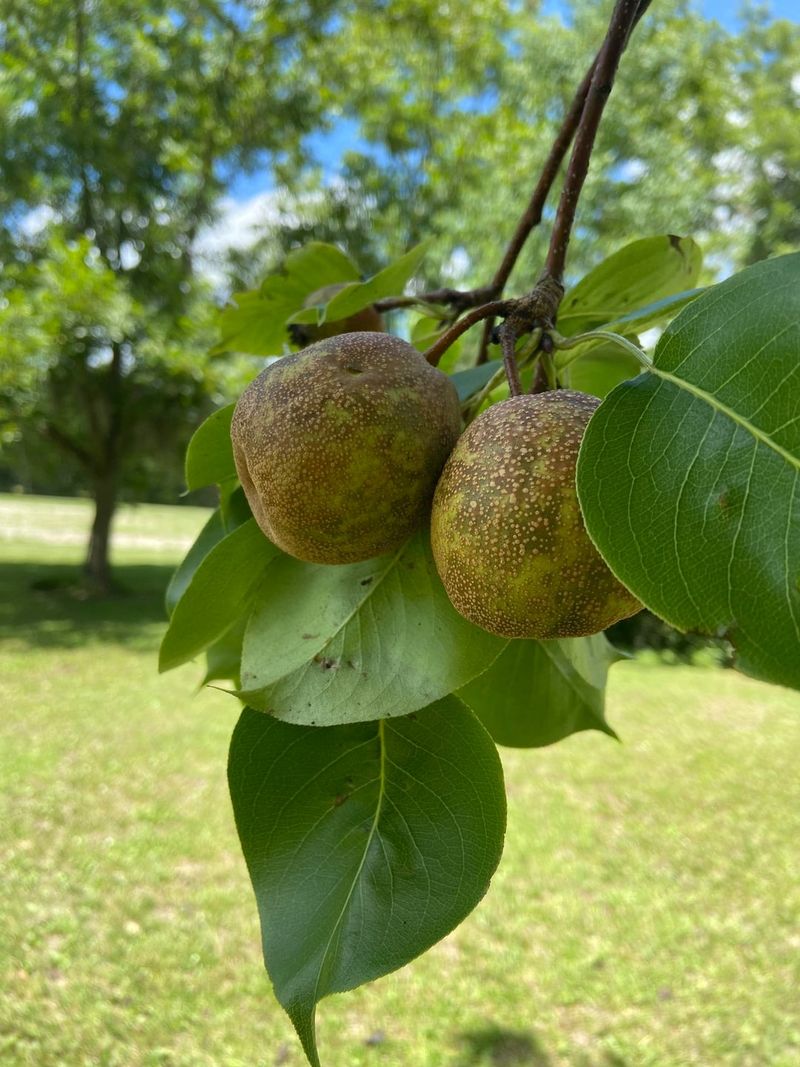
Many beginners run into this problem. They plant one beautiful tree, wait three years, and get almost no fruit.
Most Asian pears need a partner tree for good pollination. Bees must carry pollen from one variety to a different one.
A single tree may bloom heavily each spring. Without a buddy nearby, many of those flowers simply fall away.
Pick two different varieties that bloom around the same time. Hosui and Shinseiki make a classic, reliable pair for Jersey yards.
Chojuro and Korean Giant are also often paired, but confirm bloom overlap with your nursery. Your local nursery staff can help you match bloom times.
Space the trees about fifteen to twenty feet apart. Bees will easily fly between them during warm spring days.
A European pear like Bartlett may serve as a partner, but it is often a weak pollinator for Asian pears. Check bloom charts first, since timing differs.
Got a neighbor with a pear tree close by? That tree might help, though relying on it is unreliable.
Shinseiki is partly self-fruitful, so it can set some fruit alone. Still, a second tree usually brings bigger, heavier harvests.
Two trees also double your fruit for snacking and sharing. Plus, you get a lovely blossom show each April.
Planting both in October lets them establish at the same time. Overlapping bloom periods then support cross-pollination.
Simple Steps For Planting And Mulching
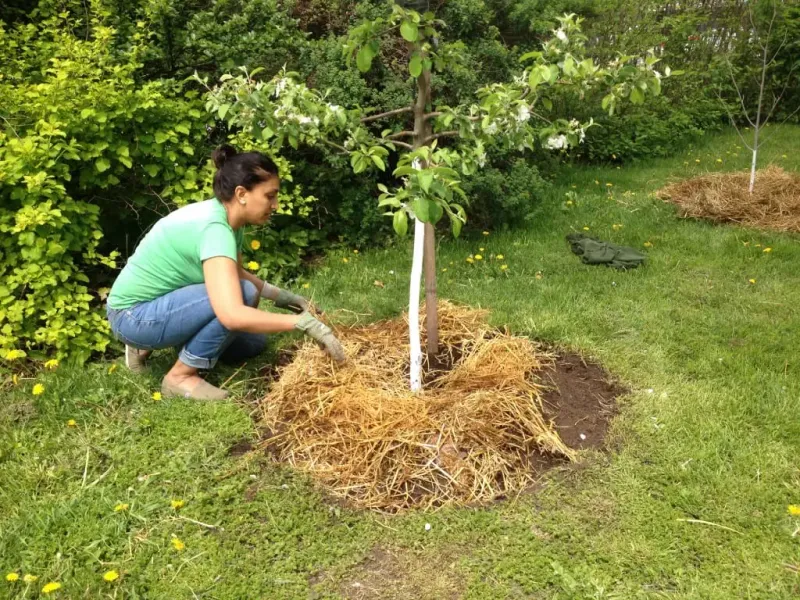
Grab a shovel, a bag of mulch, and maybe some hot cider. Planting this tree usually takes one to two hours.
Pick a sunny spot that gets six to eight hours of light. Good drainage matters, since soggy roots make pears unhappy.
Dig a hole twice as wide as the root ball. Keep the depth about the same as the container or root spread.
Look for the graft union, a bumpy spot near the trunk base. Keep that bump two to three inches above the soil line.
Loosen circling roots gently with your fingers before setting the tree. This helps roots spread outward instead of circling and constricting the trunk.
Refill the hole with your native soil. Skip heavy compost in the hole so roots learn to explore outward.
Water deeply right after planting to remove air pockets. A slow, long soak works better than a quick splash.
Spread two to three inches of wood chip mulch around the tree. Keep it a few inches away from the trunk itself.
Mulch holds moisture and keeps soil temperatures steady through winter. It also blocks weeds from stealing water and food.
Wrap the lower trunk with a plastic tree guard. Rabbits and mice chew young bark in cold months. Check the guard in spring so it does not trap moisture.
Hold off on fertilizer until spring arrives. Feeding now can push tender growth that frost will damage.
Crunchy Harvests Worth The Wait
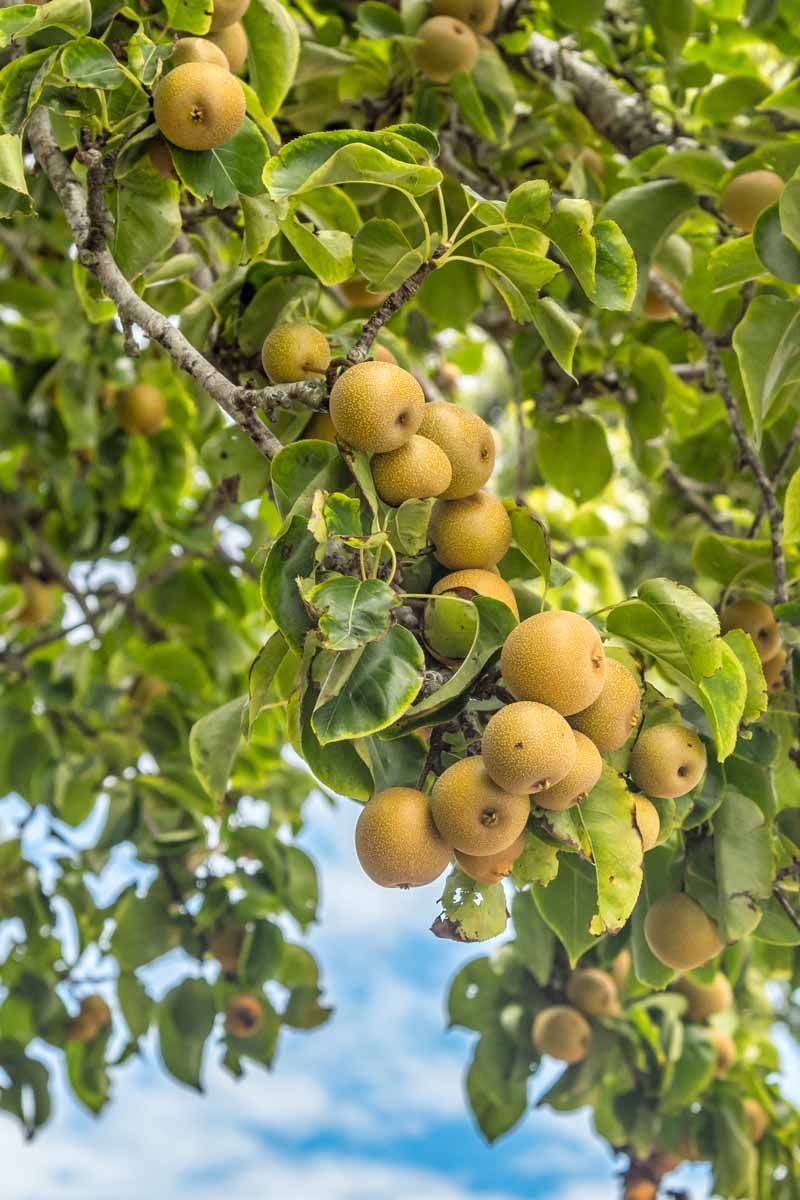
Imagine a late August morning with a basket on your arm. Round golden fruit hangs heavy and ready to pick.
Asian pears ripen right on the tree, unlike European pears. You can pick one and eat it on the spot.
Varieties ripen in New Jersey from late August into October. Shinseiki comes first, Hosui follows, and Korean Giant ripens last.
Ripe fruit changes color, from green to yellow or golden brown. A gentle lift and twist should free the fruit easily.
Taste testing is the best ripeness check of all. If it tastes sweet and juicy, start picking the rest.
A mature tree can produce 100 pounds or more each year. That is a lot of crunchy snacks for one family.
Thin young fruit in late spring for bigger pears. Leave one fruit per cluster, about six inches apart.
Storage is another reason people adore these pears. Kept in the fridge, many varieties stay crisp for several weeks to a few months, depending on the variety.
In Korea and Japan, Asian pears are popular holiday gifts. Some are wrapped in foam sleeves and sold in decorative packaging.
Slice them into salads, lunchboxes, or cheese plates. They also make great pear butter and simple baked desserts.
Sharing a basket with neighbors can build friendships. Some may ask where you planted your tree.
Year Round Care For A Healthy Future
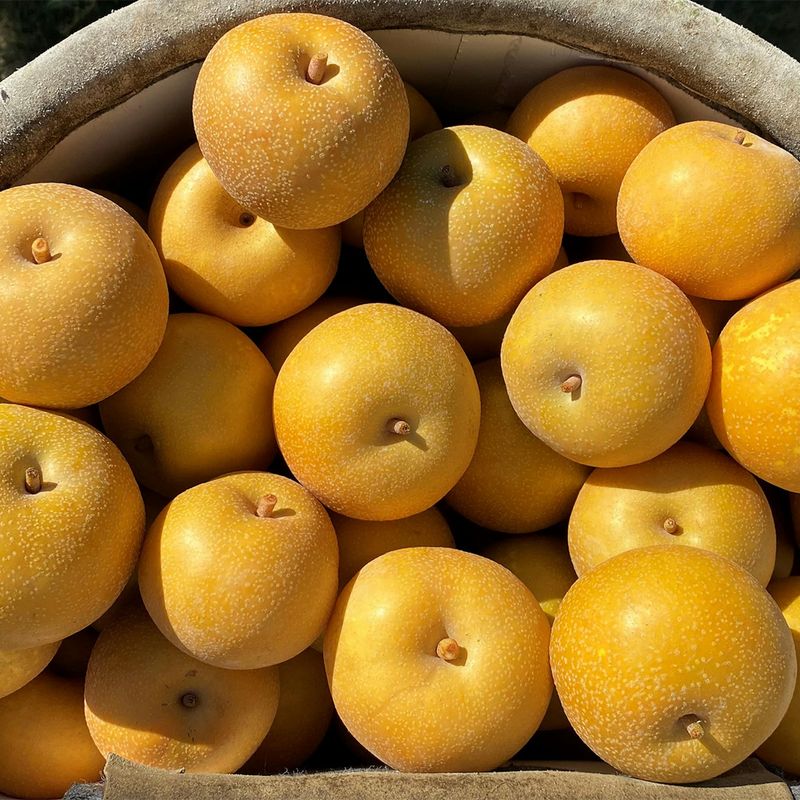
A few simple chores keep your tree strong and productive for decades. Water young trees weekly during dry spells in their first two years. About an inch of water per week works well.
Prune in late winter, around February or early March. Remove crossing branches and open the center for light and air.
Airy branches dry faster after rain, which helps prevent leaf spots. Avoid heavy pruning and excess nitrogen, since both can increase fire blight risk.
Feed lightly each spring with a balanced fruit tree fertilizer. Too much nitrogen creates leafy growth instead of tasty fruit.
Keep an eye out for pear psylla and aphids. A strong spray of water helps with aphids, while pear psylla may need horticultural oil applied at the right time.
Clean up fallen leaves and old fruit each autumn. That tidy habit removes hiding spots for pests and fungus.
Refresh mulch once a year to keep roots comfy. Keep checking that trunk guards still fit as the tree grows.
Deer browsing is common in many Jersey towns. A tall fence of about eight feet, or sturdy trunk cages, protects young trees for the first few years.
Asian pear trees can bear fruit for several decades. Your grandkids might one day pick pears from your October planting. With regular care each season, this tree rewards you with fruit for years.