These Bright Pink Stems And Purple Berries In New Jersey Yards Deserve A Closer Look
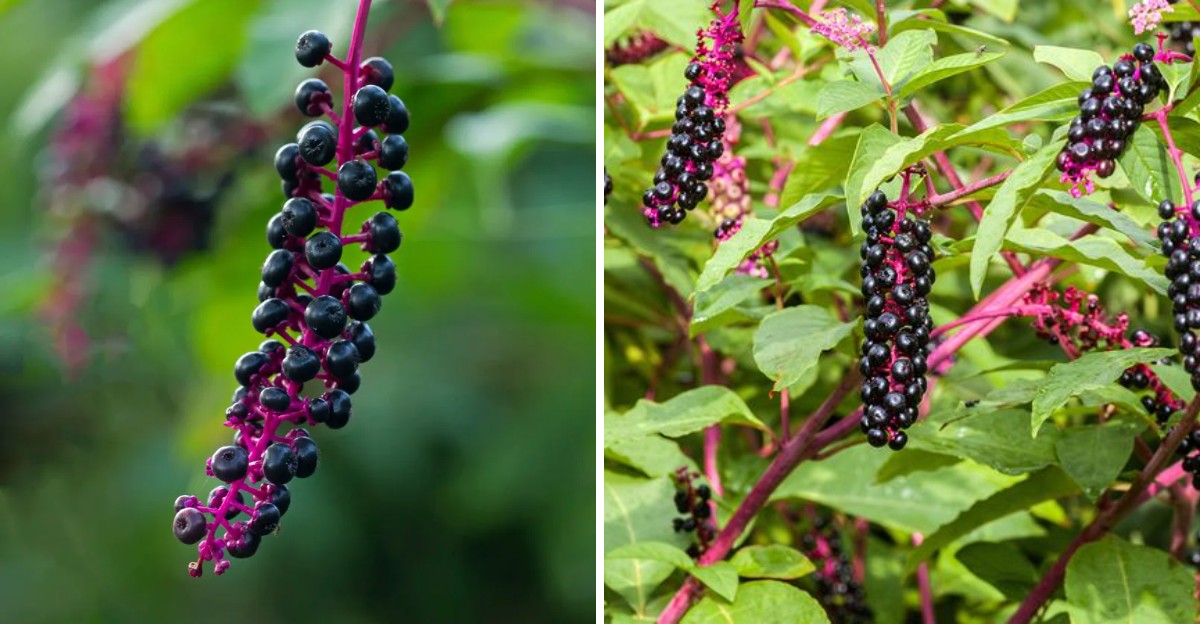
Who invited this magenta giant to your fence line? You spot stems the color of highlighter ink, towering above your head.
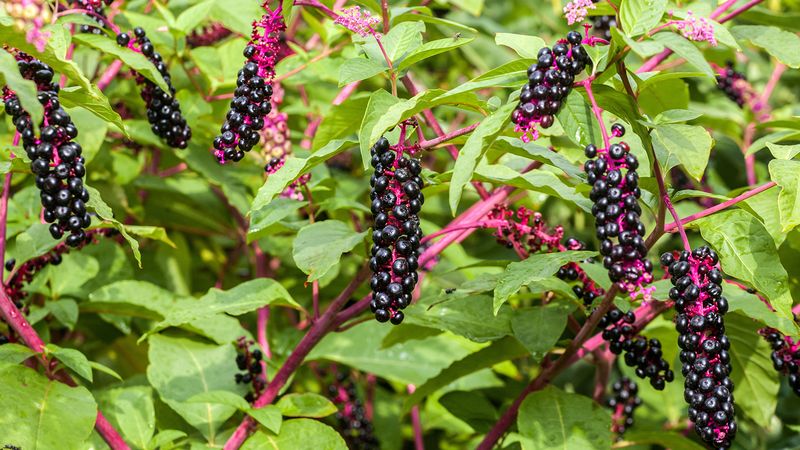
Glossy berries hang in heavy clusters, so dark they look black. Meet pokeweed, a native you did not plant and cannot easily remove.
Birds feast on those berries, then scatter seeds across your property. Your dog, however, can get sick if it eats the fruit.
Berries, leaves, and especially roots carry toxic compounds that can sicken pets and people. Across New Jersey, you will find it along fences, ditches, and unmaintained corners.
Taproots can swell as thick as your forearm, anchoring the plant firmly. Pull it young, or you may manage it for several seasons.
Wear thick gloves, because the juice stains skin and irritates. Gardeners across New Jersey spot that glowing stem, and now you can name it.
A Native Plant Called American Pokeweed
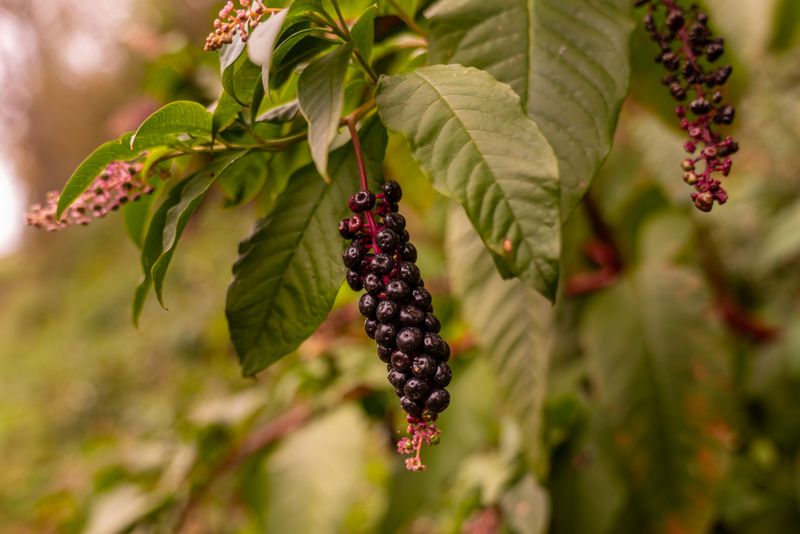
Those glowing stems belong to American pokeweed, a native plant that has grown wild in New Jersey for centuries. Some people mistake it for an ornamental garden plant.
Pokeweed is a perennial, so it returns every year from a thick root buried deep underground. By October, a single plant can reach eight or even ten feet tall.
The leaves are large, smooth, and shaped a bit like a football with pointed ends. Some leaves start turning reddish or purple as the weather cools down.
The berries hang in long clusters that droop like bunches of grapes on a vine. Each berry looks slightly squished, almost like a tiny pumpkin with a flat top.
Native Americans used the berry juice as a dye for clothing and decorations. Pokeberry juice has also been used as ink, and some accounts say Civil War soldiers wrote letters with it.
So the plant is not a strange invader from far away. It belongs here, which surprises many homeowners who assume every tall weed is a foreign pest.
Still, being native does not make it harmless around a busy family yard. Pokeweed contains toxins throughout, with the root being the most toxic, and toxicity increases as the plant matures.
Learning to recognize it is the first smart step for any curious gardener. Once you know the look, you will start spotting it along roadsides and parking lots everywhere.
Take a quick photo and compare it with a trusted plant guide or app. That simple habit can help you avoid guessing wrong about a mystery plant.
Birds As The Busy Seed Planters
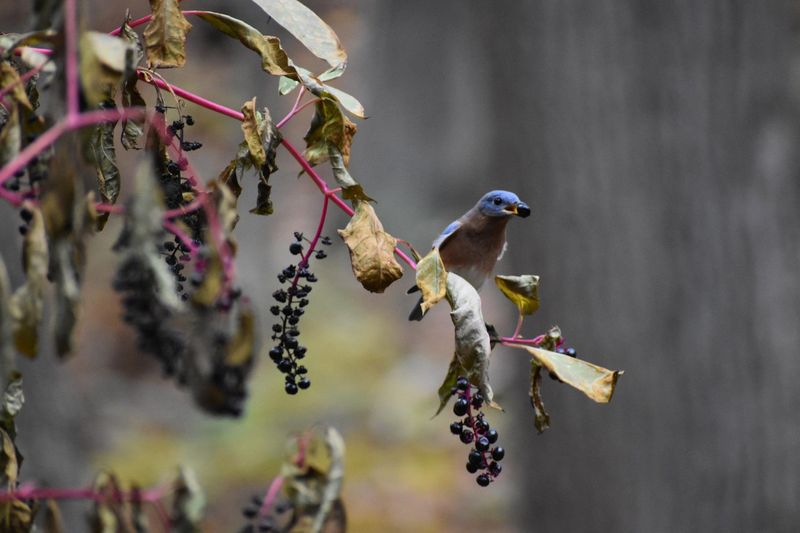
Ever wonder how pokeweed shows up in a spot where nobody planted anything? The answer usually has wings and a big appetite for purple berries.
Robins, catbirds, mockingbirds, and cedar waxwings love the juicy fruit in early fall. Birds are not harmed by the seeds the way people and many mammals can be.
After a meal, a bird flies off and drops the seeds somewhere new. That might be your flower bed, your fence line, or the shady corner behind the shed.
Each plant can make thousands of seeds in a single season. Those seeds have tough coats, and they can stay alive in soil for many years.
Your New Jersey Garden Changes Every Week. Your Plan Should Too.
Gardening in New Jersey changes quickly throughout the season. Every Friday you’ll receive a simple weekly plan showing exactly what to plant, prune, fertilize, harvest, and protect so you never miss the right timing.
Disturbed ground gives them the perfect chance to sprout. Fresh digging, new construction, or a fallen tree can wake up seeds that waited quietly for decades.
New Jersey yards offer plenty of sunny edges and loose soil, which pokeweed adores. Old farm fields and wooded borders across the state are especially popular spots.
So if pokeweed appeared out of nowhere, do not blame yourself or your neighbor. You likely have a feathered gardener to thank for the surprise delivery.
Watching where birds perch can help you predict future pokeweed spots. Look under trees, fences, power lines, and bird feeders, since droppings collect in those places.
Check those areas each spring for young plants with smooth green leaves. Catching seedlings early makes the whole job far easier than dealing with a mature plant later.
Think of it as a friendly treasure hunt with a very useful prize. Your back will thank you next summer.
October Berries At Their Peak
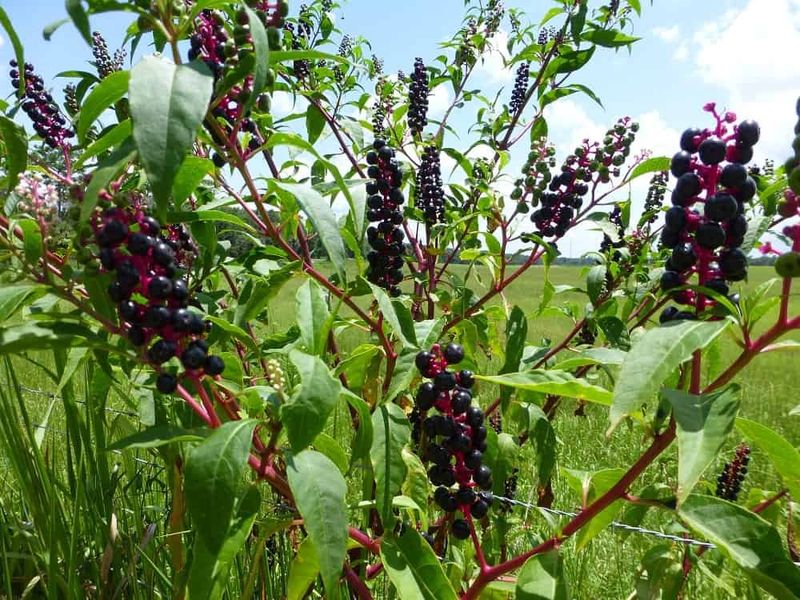
October is showtime for pokeweed, and the plant knows how to put on a performance. Stems turn a vivid magenta while berries ripen into deep, glossy purple.
Some clusters still hold green berries next to ripe ones, creating a striped look. That mix means the plant is still busy making seeds right now.
Fall is a higher-risk season for curious kids and pets because the fruit is easy to reach. The berries can look appealing to children.
It is also the moment when seeds are ready to spread widely. Birds are migrating through New Jersey and stopping to refuel on any fruit they find.
After the first hard frost, the leaves droop and the stems start to fade. The tall stalks may stand brown and hollow through the winter months.
Underground, though, the big taproot stays healthy and ready for spring. Some roots grow as thick as a person’s arm and weigh several pounds.
This timing matters for anyone planning to remove the plant this month. Cutting off berry clusters now stops thousands of seeds from reaching the ground.
Bag those clusters and check your town’s disposal rules rather than using the compost bin. Most home compost piles do not get hot enough to ruin tough pokeweed seeds.
Think of October as a good window before winter makes the plant harder to spot. A few minutes of snipping today can reduce the number of new plants next year.
Grab a sturdy bag and a pair of pruners, and get going this weekend. The birds may grumble a little.
The Taste Test Mistake Kids And Pets Make
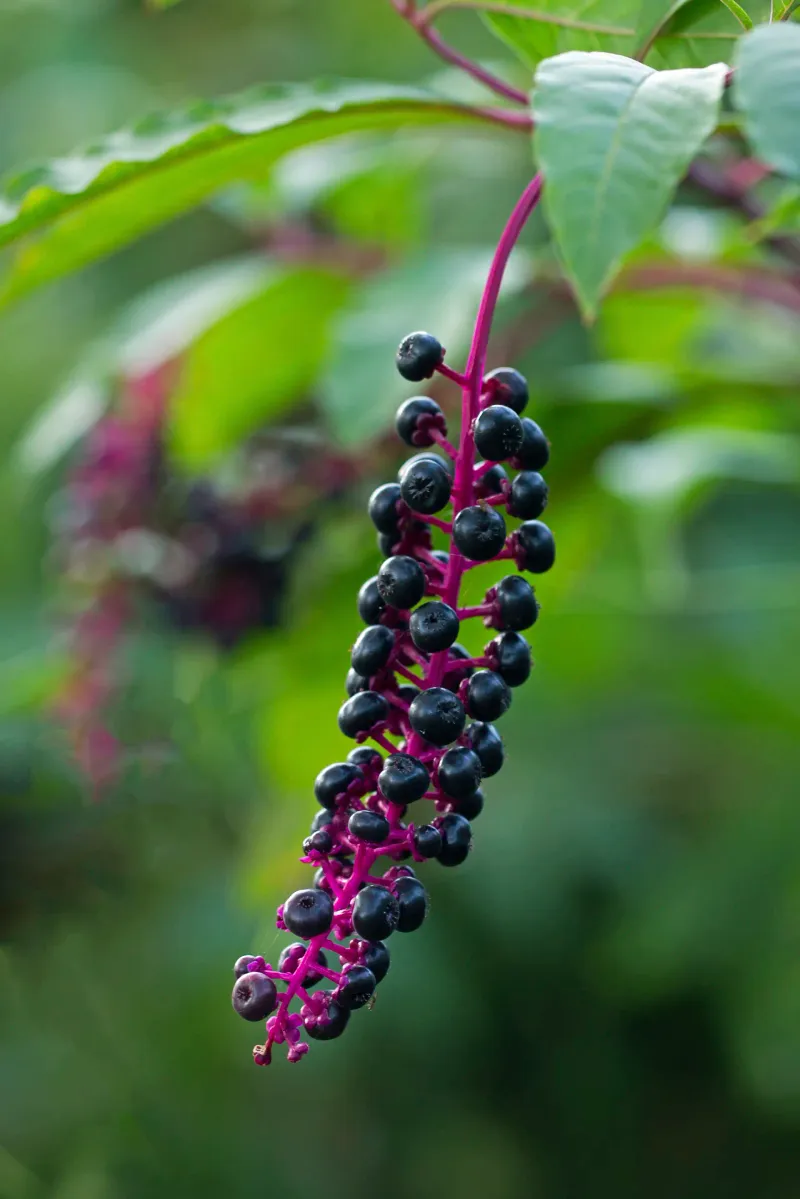
Picture a five-year-old holding a handful of purple berries and grinning with juice-stained lips. Children sometimes sample wild berries each fall.
Pokeweed berries look friendly, but they contain compounds that upset the human stomach. Eating larger amounts can cause vomiting, cramps, and diarrhea, especially in young children.
The root carries the strongest toxins, and people have mistaken it for parsnips or horseradish. Leaves and stems grow more dangerous as the plant gets older and taller.
Dogs and cats can get sick too, especially playful puppies who chew everything. Horses and cattle usually avoid it, but hungry animals sometimes nibble anyway.
Another common mistake is touching the plant with bare hands during cleanup. The sap can irritate skin, and it may cause problems if it enters a cut.
Some people have heard about poke sallet, a Southern dish made from young leaves. Cooks boil those spring leaves several times, but beginners should not try it at home.
If someone swallows berries or any plant part, stay calm and act quickly. Call Poison Control at 1-800-222-1222 for free, expert advice any time of day.
For pets, contact your veterinarian or an animal poison hotline right away. Keep a photo of the plant handy so experts can identify it fast.
Teaching kids a simple rule helps a lot: no wild berries without a grown-up’s okay. Make it a family motto, and repeat it during every backyard play session.
A quick lesson can help prevent an emergency visit. Little ones love being trusted with important jobs like plant patrol.
Safe Removal With Gloves And A Shovel
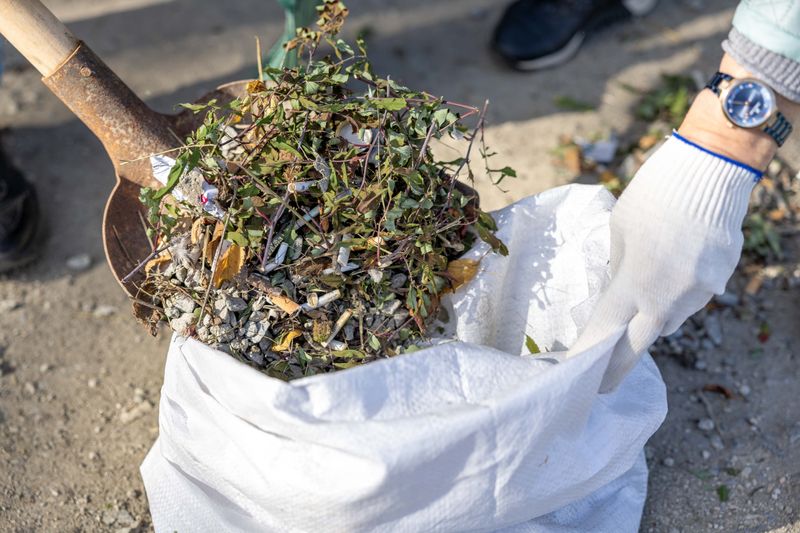
Removing a ten-foot pokeweed is physically demanding. With the right gear and timing, though, you can win this match.
Start by putting on thick gloves, long sleeves, and safety glasses. The sap and berry juice can irritate skin and stain clothes a vivid purple.
Next, snip off the berry clusters and drop them straight into a trash bag. Doing that first keeps ripe seeds from scattering while you work below.
Then cut the stems near the ground with loppers or a pruning saw. Hollow older stems snap easily, but thicker ones may need a few strong cuts.
The real challenge is the root, which can dig more than a foot deep. Use a sharp shovel to loosen the soil in a wide circle around the base.
Pry the root up slowly, trying to remove as much as possible in one piece. Any large chunk left behind can sprout again next spring.
Moist soil after a rainy October day makes digging much easier on your back. Small seedlings pull out by hand, especially when the ground is damp.
Bag everything, including roots and stems, and check your town’s yard-waste rules before disposal, since requirements vary across New Jersey. Wash your gloves and tools afterward so leftover sap does not bother anyone.
Huge patches might need a few rounds of digging across two or three seasons. If the job feels overwhelming, a local landscaper can handle the heavy lifting.
Afterward, your yard will look cleaner, and the risk to kids and pets drops. That payoff makes the effort worthwhile.
A Smart Yard Plan For Next Spring
Old-time gardeners have a saying that one year of seeding means seven years of weeding. Pokeweed proves that old line true, so planning ahead pays off.
Start walking your yard in April and May, when young pokeweed shoots appear. They look like smooth, reddish green stems with tender oval leaves at the top.
Pull or dig those seedlings while their roots are still small and soft. A garden fork works wonders for lifting young plants without snapping them.
Bare soil invites new sprouts, so cover open patches with mulch or plants. A thick layer of shredded bark blocks sunlight that buried seeds need to wake up.
Native ground covers like wild ginger or golden ragwort fill empty spaces beautifully. Shrubs such as serviceberry also feed birds, and their berries are safe for people.
Keeping pokeweed in a wild back corner is also an option for some families. Its berries support migrating birds, so wildlife lovers sometimes let a plant or two stay.
That choice works best where kids and pets do not play. A fence or garden border helps remind everyone to keep their hands off.
Share what you know with neighbors, since birds do not respect property lines. One cleared yard helps, but a whole street working together helps much more.
Keep a simple notebook or phone note listing where pokeweed popped up each year. Over time, patterns appear, and your checks get faster and smarter.
With steady effort, those neon stems will become a rare sight in your yard. Next October, you can sip coffee in peace.