How Graywater Can Help California Gardens Through October Fire Restrictions
October in the Golden State smells like dry grass, warm dust, and a hint of smoke on the wind. Your garden feels it too, with crispy leaves and thirsty soil begging for a drink.
Dry, fire-prone weeks can make watering feel tricky and stressful. In drought years, many communities also ask residents to cut back on outdoor water just when plants need help the most.
There is a clever option hiding inside your house. It flows down your drains daily, and most people send it away without a second thought.
Stick around to learn how to catch it, use it safely, and keep your yard green. Your plants, your water bill, and your neighbors may thank you.
1. California Homes Already Make Free Water Every Day
A typical load of laundry sends about 15 to 40 gallons of water down the drain. Showers and bathroom sinks add even more, and much of it is clean enough for plants.
That used water is called graywater. It comes from washing machines, tubs, showers, and bathroom sinks, but not from toilets or kitchen sinks.
In California, a family of four can make over 100 gallons of graywater a day. That adds up to thousands of gallons a month that could reach thirsty roots instead of the sewer.
October is often one of the driest months in the state. Rain is rare, the air is warm, and dry Santa Ana or Diablo winds can pull moisture right out of the ground.
Using graywater gives your garden a steady drink without tapping more city water. That can matter during drought years, when local rules may limit outdoor watering, and during dry, fire-prone weeks when plants need extra help.
Start small by noticing how often you run the washer or take showers. Write down a rough count for one week, and you will see how much free water you already have.
That simple list helps you plan which plants could benefit. Fruit trees, big shrubs, and native plants near the house are great first choices.
Once you see the numbers, graywater stops sounding strange. It starts sounding like smart, everyday common sense for a home garden.
2. Moist Plants Help Slow Fire Around California Yards
Firefighters often say a green plant is harder to light than a brown one. Plants filled with water act a bit like sponges, soaking up heat before they catch flame.
Dry, crunchy leaves are a different story. They can spark quickly and carry fire toward walls, fences, and decks.
Fire experts in California talk about defensible space around homes. The first five feet near your house should be lean and clean, with no dry brush or piles of leaves.
The zone from five to thirty feet works best with well-spaced, healthy plants. Graywater can help keep that middle area green instead of crispy during tough October weeks.
Point your graywater toward low-growing shrubs, fruit trees, and fire-smart plants in that zone. Avoid soaking wooden fences or mulch right against the house.
Your California Garden Changes Every Week. Your Plan Should Too.
Gardening in California changes quickly throughout the season. Every Friday you’ll receive a simple weekly plan showing exactly what to plant, prune, fertilize, harvest, and protect so you never miss the right timing.
Healthy plants are not a total shield, of course. They work alongside other steps, like clearing gutters and trimming low branches.
Think of graywater as one helpful tool in your safety kit. It keeps leaves plump, soil cooler, and your yard looking cared for.
A quick weekly walk around your property helps too. Look for brown patches, pull dry weeds, and check that water is reaching the right spots.
Small habits like these make your yard calmer and safer while the hills around you stay golden and dry.
3. California Law Makes Simple Graywater Systems Easy
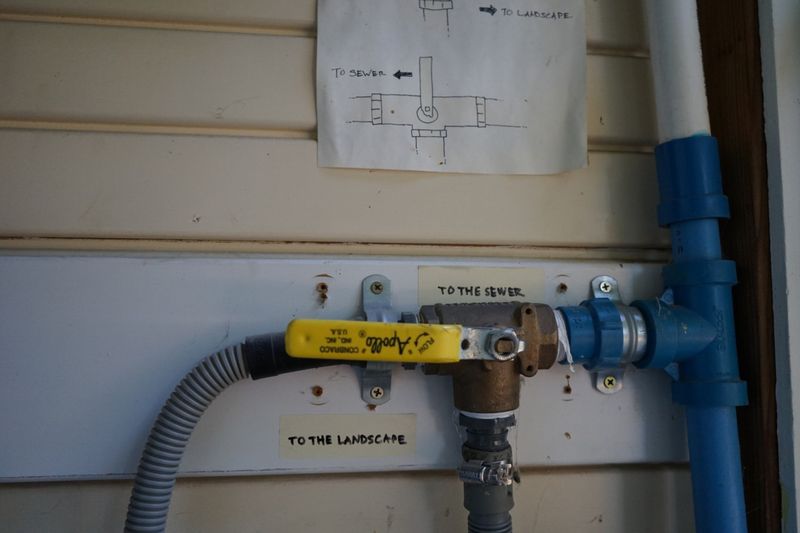
Good news first: many simple graywater setups do not need a permit in California. Back in 2009, the state updated its plumbing code to make home graywater much easier.
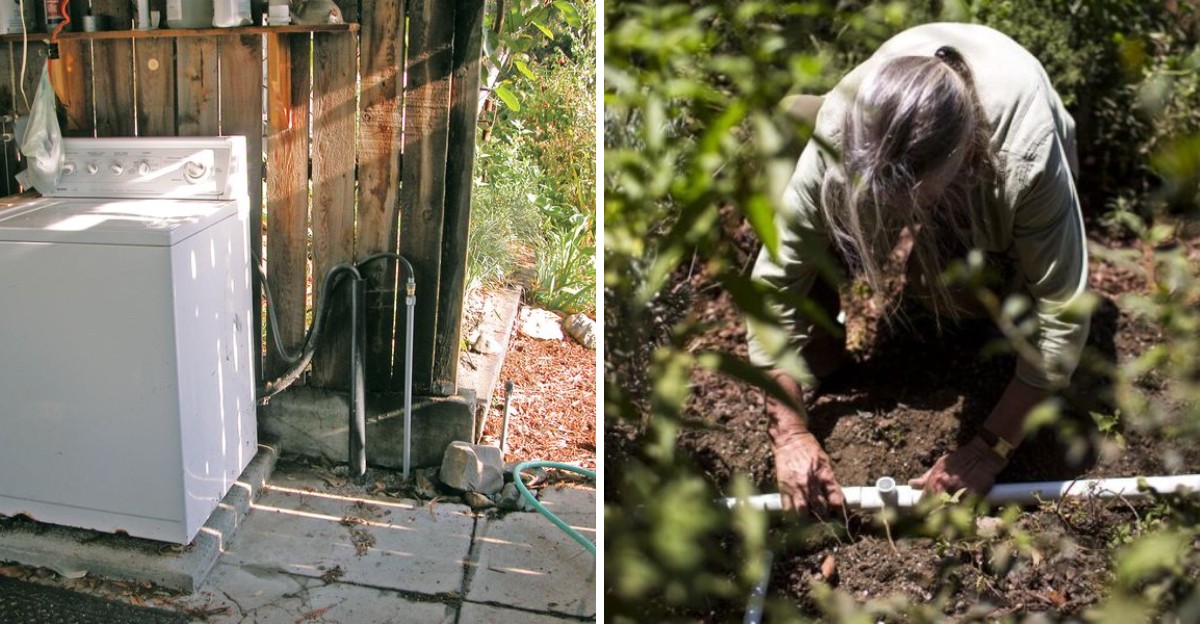
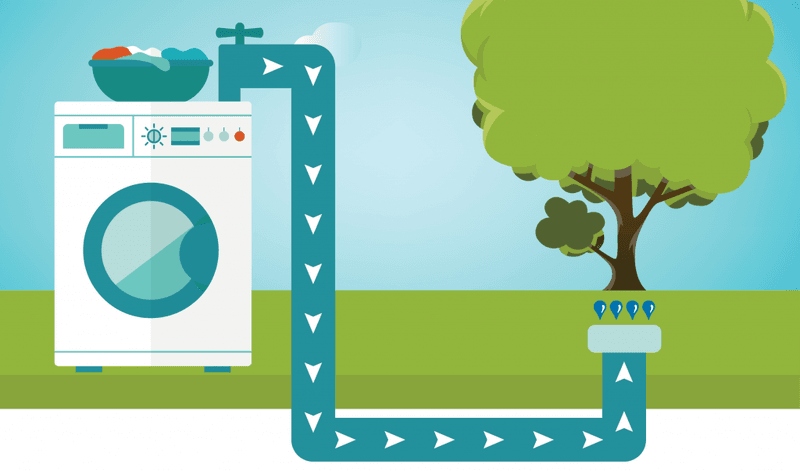
The most popular choice is called laundry-to-landscape. It uses your washing machine’s own pump to push water through a pipe and out into the yard.
As long as you follow a few basic rules, no permit is needed for that type of setup. Rules can vary by city or county, so a quick phone call to your local building office is smart.
Here are some of the main guidelines. Water should go under at least two inches of mulch, rock, or soil, and it should not pool or run off your property.
You also need a three-way valve so you can send water back to the sewer when needed. That comes in handy when washing diapers or using strong cleaners.
Bigger systems that tap into showers and tubs generally need a permit. Those jobs involve changes to house plumbing, so local inspectors want a look.
Some water agencies, including some in San Diego, Los Angeles, and the Bay Area, have offered rebates or free classes for graywater projects. Programs change often and some have ended, so confirm with your own water agency before counting on one.
Check your water agency’s website before buying parts. A little research can save money and help you build with confidence.
4. Pick The Right California Plants For Graywater
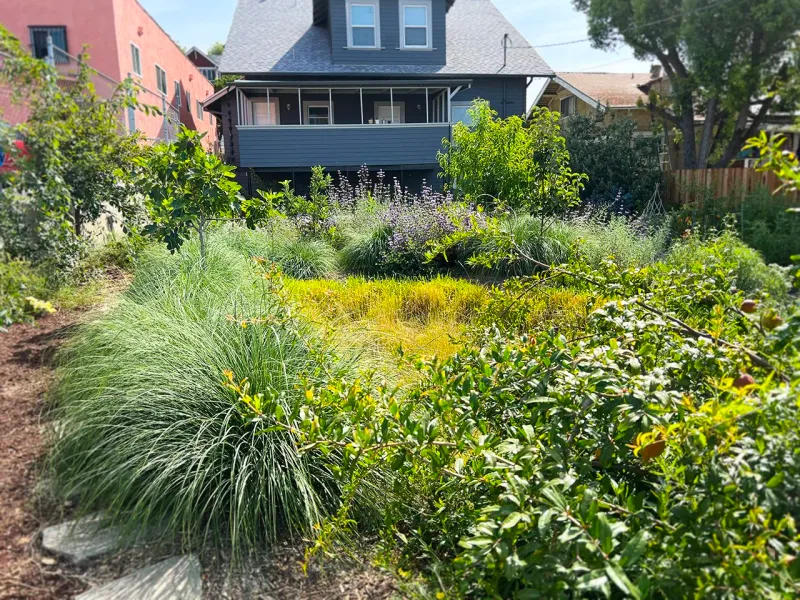
Not every plant likes a bath of soapy water. Some soak it up happily, while others prefer to stay away from it.
Fruit trees are star players in a graywater garden. Citrus, figs, pomegranates, avocados, and apples grow well with a deep, steady drink.
Large shrubs also do great. Pineapple guava, roses, and many California natives like toyon and coffeeberry can handle graywater with ease.
Skip root vegetables and leafy greens you eat raw, such as carrots, lettuce, and radishes. Graywater should not touch any part of a plant you plan to eat.
Tall crops like tomatoes or corn can work if water goes under mulch and stays far from the fruit. Still, trees and shrubs make the easiest start for beginners.
Plants that love acid soil, like azaleas and blueberries, can struggle. Many soaps are a little alkaline, which slowly raises soil pH.
Group thirsty plants together near your laundry room or bathroom. Shorter pipe runs mean less work and better water pressure.
Some gardeners even plant new fruit trees just to use their graywater. A young fig in a mulched basin can become a leafy, shady friend within a few years.
Choose wisely, and every load of laundry becomes a snack for something you love to grow.
5. Choose Garden-Friendly Soaps
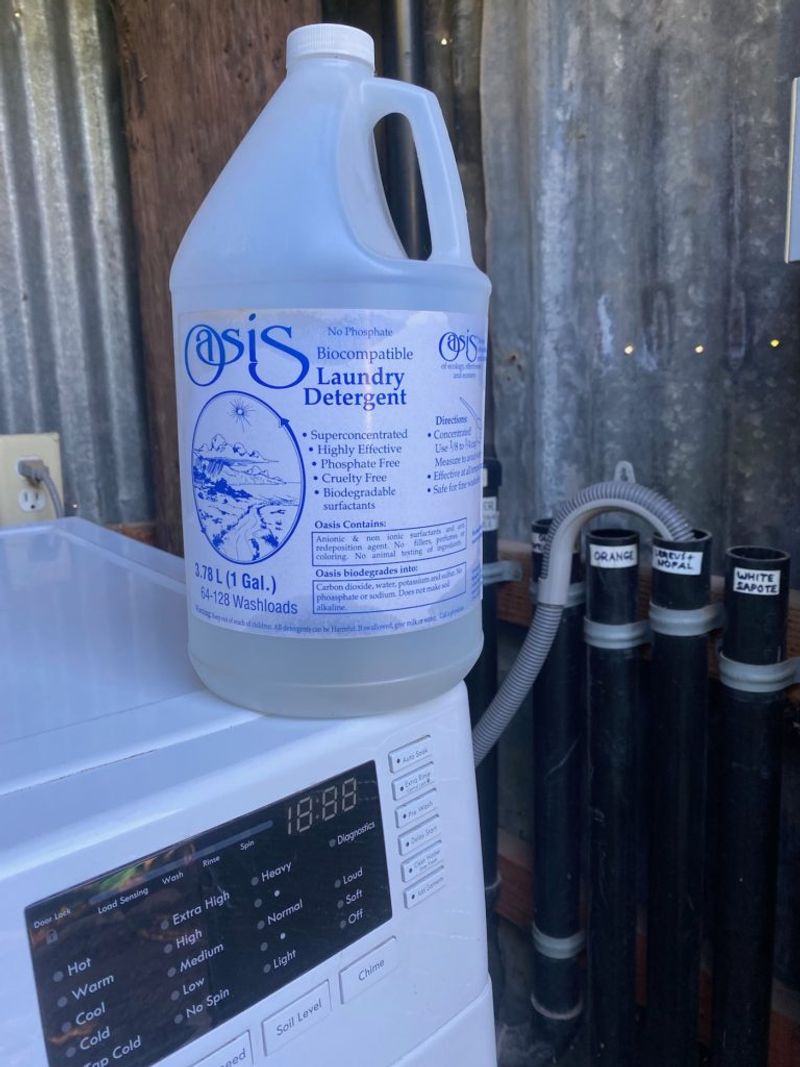
Your plants drink whatever your soap leaves behind. So the bottle on your laundry shelf matters more than you might think.
Many regular detergents contain salt, boron, or bleach. Over time, those can build up in soil and make leaves turn yellow or crispy at the edges.
Look for soaps labeled graywater-safe or plant-friendly. Brands like Oasis and ECOS are often mentioned by graywater groups, but formulas change, so check the label for sodium and boron.
Liquid castile soap is another popular suggestion. Because it is oil-based, it can leave residue over time, so use it in moderation.
Powdered detergents often use sodium as a filler. Liquid soaps tend to be gentler, which is why many graywater fans switch to them.
Avoid products with boron, sometimes listed as borax. Plants need only a tiny bit of it, and too much can quickly cause trouble.
Skip chlorine bleach in loads headed for the yard. Turn your three-way valve to the sewer setting for those washes instead.
Fabric softeners and strong stain removers are best sent down the drain too. A little extra planning keeps your soil happy and loose.
Shampoos and body washes count as well if you use shower water. Choose simple formulas without heavy dyes or perfumes.
Here is a handy tip from experienced gardeners. Use a bit less detergent than the label suggests, since many people use more than they need, and your clothes can still come out clean.
6. Build A Laundry Line For Your Garden
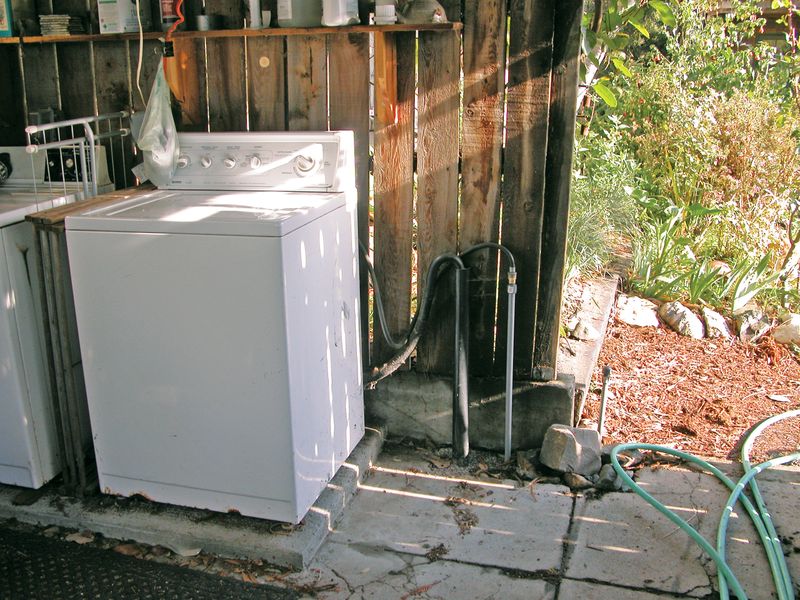
Many people can build a laundry-to-landscape system in one weekend. Tools are basic, and parts often cost somewhere between 100 and 300 dollars, depending on the setup.
Start with a three-way diverter valve near your washing machine. One side sends water to the sewer, and the other sends it outside.
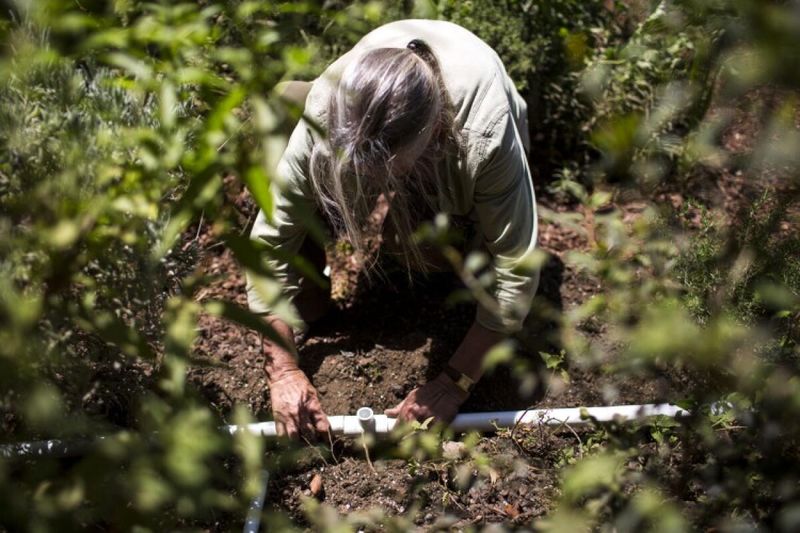
Next, run a one-inch pipe through the wall and into the yard. Many people use flexible black HDPE tubing because it bends easily and lasts a long time.
Along the line, add small outlets that drip into mulch basins. Each basin is a shallow bowl around a plant, filled with wood chips.
Keep the pipe mostly flat or sloping downhill. The washer pump can push water a fair distance, but steep uphill runs strain the motor.
Add an air vent near the top of the line. It stops water from siphoning back and keeps the system flowing smoothly.
Groups like Greywater Action share free plans online and host hands-on workshops around California. Some workshops may charge a fee, so check the details before you sign up.
Watching someone else build one first can make the job feel much less scary.
After setup, run a test load and walk the line. Check that every outlet drips, nothing leaks, and no puddles form on top of the mulch.
Fix small problems right away, and your new system should hum along quietly for years.
7. Mulch Basins Keep California Soil Cool And Damp
Ever stepped barefoot on bare dirt in the afternoon sun? It burns, and plant roots feel that heat too.
Mulch acts like a cozy blanket for soil. A thick layer of wood chips keeps moisture in, blocks harsh sun, and slows down evaporation.
For graywater, mulch basins do double duty. They hide the water so no one touches it, and they filter soap bits as they break down.
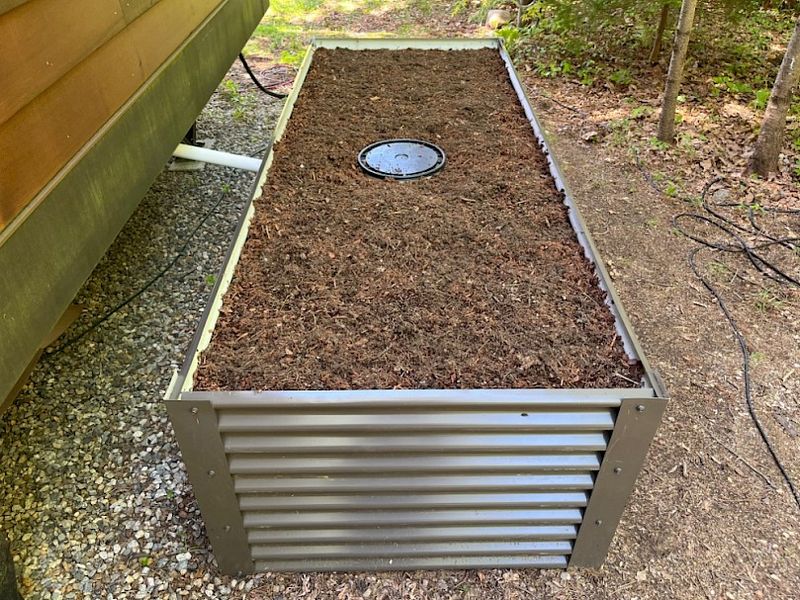
Dig a shallow ring around each plant’s drip line, where outer branches end. Make it about six to twelve inches deep and fill it with coarse wood chips.
Wood chips work better than fine bark dust. Big chunks let water and air move freely, which helps helpful soil life thrive.
Fire safety still matters in California yards. Keep mulch basins at least five feet from your house, and use gravel or rock right next to walls.
Refresh basins once or twice a year as chips break down. Many tree trimming companies give away chips for free, so ask around.
Worms love these damp, shady spots. Over time, they turn old mulch into rich soil that holds even more water.
A well-built basin feels cool to the touch, even on a hot October day. Your plants get a calm, steady home that stays comfortable through dry spells.
8. Stay Safe With Graywater During Fire Season
Safety first is a solid motto for any garden project. Graywater is simple, but a few smart habits protect your family and your yard.
Keep graywater below the surface. Do not spray it through sprinklers, since tiny drops can float in the air.
Do not store graywater for more than a day. Standing water can grow germs and start to smell, so send it straight to plants.
Wash hands after working on the system. Kids and pets should play away from active basins, at least while water is flowing.
During red flag warnings, power shutoffs can happen across parts of California. Your washer will not run then, so plan to water plants with a hose ahead of time if allowed.
Also keep a clear path around your home for firefighters. Tubing and basins should not block gates, side yards, or ladders.
Switch the valve to the sewer if anyone at home is sick. Laundry from illness or dirty diapers is best kept out of the garden.
Watch for soggy spots or bad smells. Those signs often mean a basin needs more mulch or water is flowing too fast in one area.
With these steps, graywater can be a friendly helper. You get greener plants and peace of mind during the tense weeks of autumn.
9. Save Money And Water All Year
Lower water bills feel pretty great. Some households notice a meaningful drop in outdoor water use after adding graywater, though savings depend on the setup, the plants, and how much laundry and showering the household does.
Outdoor watering can make up a large share of a home’s water use in California, and the amount varies by region and climate. Shifting even part of that to graywater can make a dent in monthly costs.
The benefits do not stop in October. Summer heat waves, drought years, and dry winters all become easier to handle with a steady supply on hand.
Your community can benefit too. Using less city water for outdoor irrigation eases demand on local supplies, especially during dry years.
Sewer systems may also get a small break. Sending less water down drains can ease the load on treatment plants.
Neighbors often notice when your fruit trees stay green while other yards fade. Share what you learned, and you might start a mini graywater trend on your street.
Keep a simple notebook to track your savings. Jot down water bills before and after, and celebrate the difference.
Over the years, your soil can grow richer and your plants stronger. Trees that once struggled may turn into shady spots full of fruit.
Graywater turns a daily chore into a gift for the garden. It is one small change that can keep paying back, season after season, in the Golden State.