Pretty Glass Or Plant Savior? Iridescent Watering Globes Face A New Jersey Winter
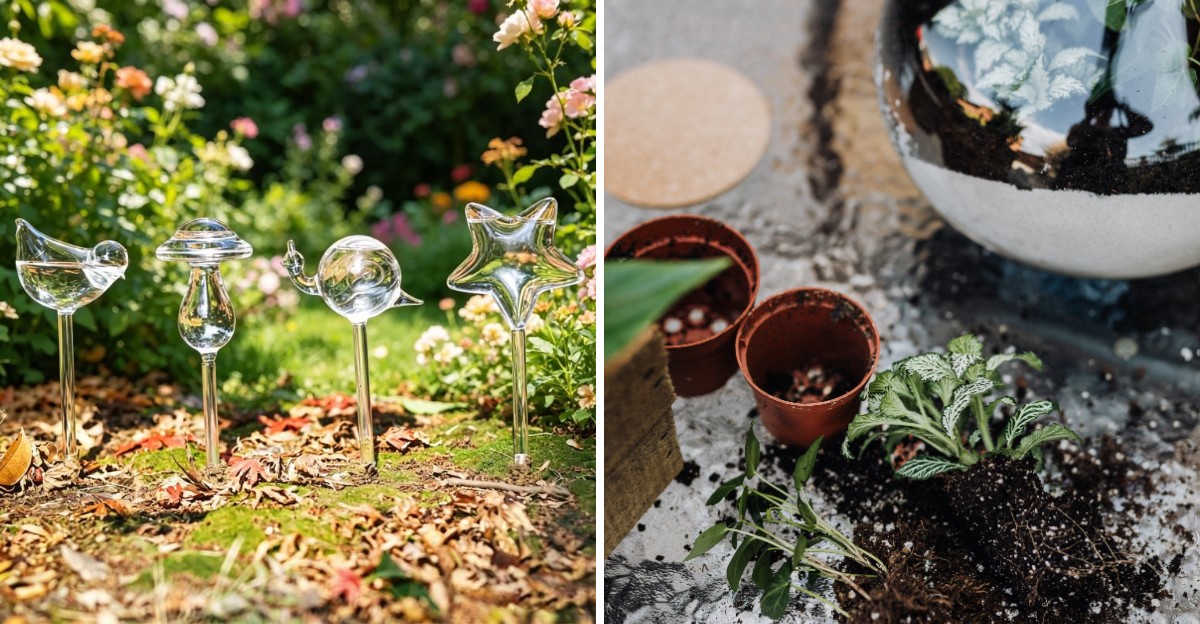
Heated winter homes often drop to roughly 10 to 30 percent humidity, which can approach the dryness of some desert air. My potted ferns noticed it before I did, curling their fronds like tiny paper scrolls by mid-January.
So when shimmering glass bulbs started popping up in garden shops, I grabbed a rainbow-tinted pair immediately. They catch window light like soap bubbles, and they promise to water your plants while you ignore them.
I have to admit my New Jersey kitchen windowsill suddenly looked fancier than it had in years. You might wonder, like I did, whether pretty glass can handle short days and blasting radiators.
October is the perfect month to test them, before the furnace kicks into its long New Jersey shift. Some of what I learned surprised me, and a few of my old habits had to go for good.
1. Air Bubbles Push Water From The Glass Globe Into Soil
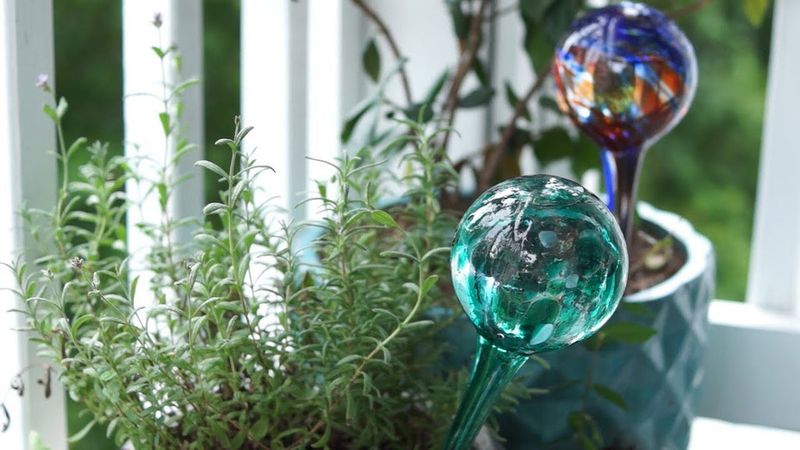
Every glass watering globe works on a tiny tug-of-war between trapped water and the air pockets in your soil. I still grin watching a little bubble rise through the bulb, because it means my plant just took a drink.
When you push the stem into moist soil, the water stays put because air cannot slip inside the sealed bulb. As the soil dries, air sneaks up the stem and lets a small amount of water trickle down.
That swap keeps repeating until the soil around the tip feels damp enough to block air again. It is clever physics, though the globe responds to soil moisture rather than reading your plant’s actual thirst.
Most standard globes hold only a few ounces of water, so their reach stays fairly local around the stem. A large pot with a thirsty plant may empty a small globe in just a few days.
Seller claims of two weeks of watering usually describe small pots under mild conditions, not giant tropical specimens. You should treat those numbers as rough guesses and watch how fast your own globe drains.
Before inserting one, water the pot normally so the soil is evenly moist from top to bottom. A pencil or chopstick can open a starter hole, which protects the slender stem from snapping.
Fill the globe at the sink, cover the opening with a finger, then flip and slide it in. Angle it slightly away from the main roots, and check the water line after the first couple of days.
2. Iridescent Coatings Add Rainbow Shimmer But Not Extra Watering Power
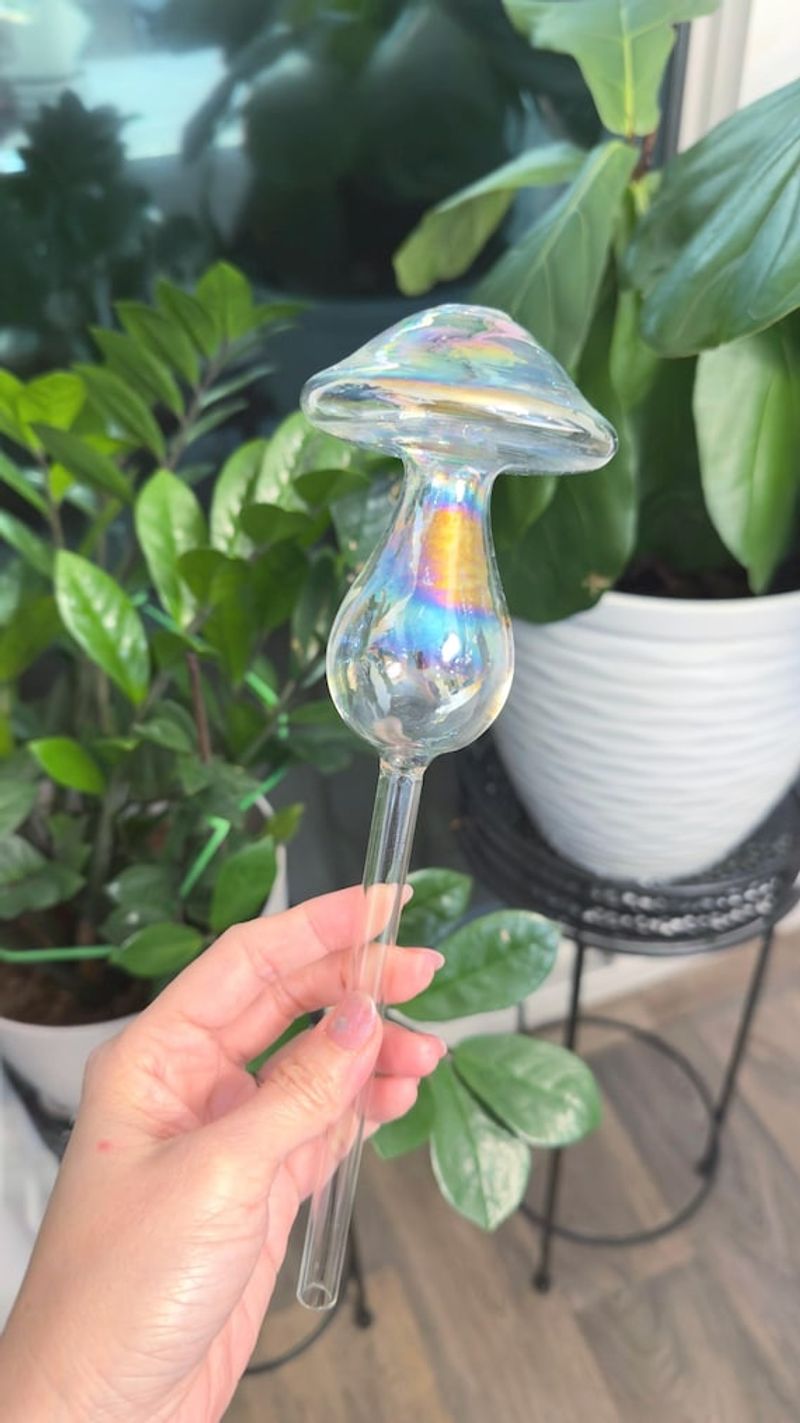
Those rainbow swirls on iridescent globes come from a thin metallic coating, often called a carnival or luster finish. I love how they flash purple and gold when the low October sun slants across a windowsill.
The sparkle does not change how the globe waters, so a shimmering bulb works exactly like a plain clear one of similar size. Capacity and stem width matter far more than color when you want reliable moisture for your plant.
One perk of tinted or coated glass is that it can block some light from reaching the water inside. Less light inside the bulb may slow algae growth compared with crystal clear models sitting in bright windows.
Your New Jersey Garden Changes Every Week. Your Plan Should Too.
Gardening in New Jersey changes quickly throughout the season. Every Friday you’ll receive a simple weekly plan showing exactly what to plant, prune, fertilize, harvest, and protect so you never miss the right timing.
On the flip side, that colorful finish makes it harder to spot the water level at a quick glance. I tilt mine toward a lamp or window to check, which takes a few extra seconds each morning.
Handmade glass globes can also vary a lot in thickness, so some feel sturdy while others seem delicate. Hold them by the bulb rather than the stem, since the narrow neck is usually the weakest point.
Avoid scrubbing the shiny outer surface with harsh abrasives, because rough pads may dull or scratch the coating. A soft cloth and mild dish soap will keep the colors bright through many seasons of use.
So yes, they are pretty, but their beauty does not cancel out their usefulness for the right plants. Think of the shimmer as a bonus that makes a chore feel a little more like decorating.
3. Dry Radiator Heat Drains Watering Globes Faster Than You Expect
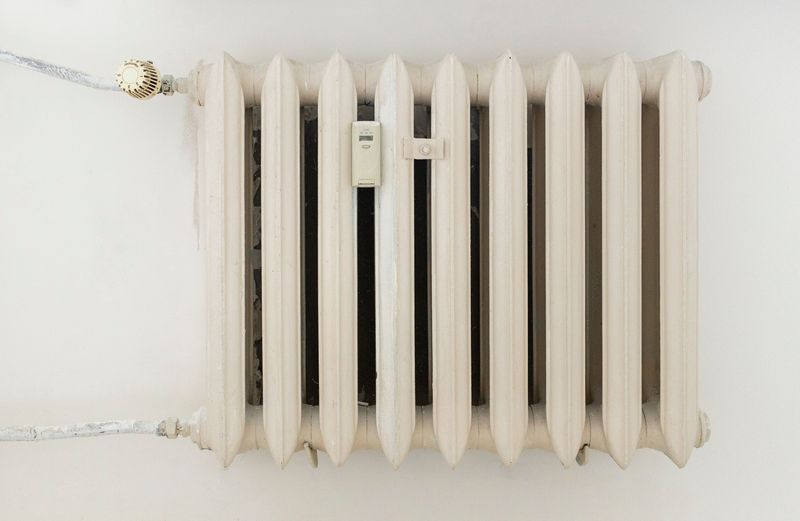
Forced air heat can pull moisture out of potting soil surprisingly fast, especially in small pots near a vent. In my house, a globe beside the radiator emptied noticeably faster than its twin across the room.
Warm, dry air speeds up evaporation from the soil surface, which lets more air reach the globe’s stem. More air entering the bulb means more water released, even when the plant itself is barely growing.
That creates a tricky situation, because the globe looks busy while the roots may not need much moisture. Extra water can collect lower in the pot where roots sit in soggy soil for long stretches.
Many New Jersey homes switch the heat on in October, so now is the time to watch patterns. Note how often you refill each globe during the first few heated weeks and jot it down.
If one empties overnight, the soil may be too loose or the spot may be far too warm. Sliding the pot a few feet from the heat source often slows the drain to a reasonable pace.
You can also add a thin layer of decorative pebbles on top of the soil to reduce surface drying. That simple cover helps the globe release water based on root activity rather than dry air alone.
Personally, I check heated rooms twice as often as cooler ones during the first month of furnace season. A quick finger test two inches deep tells you more than the water line inside the glass.
4. Dense Potting Soil Can Clog The Glass Globe Stem
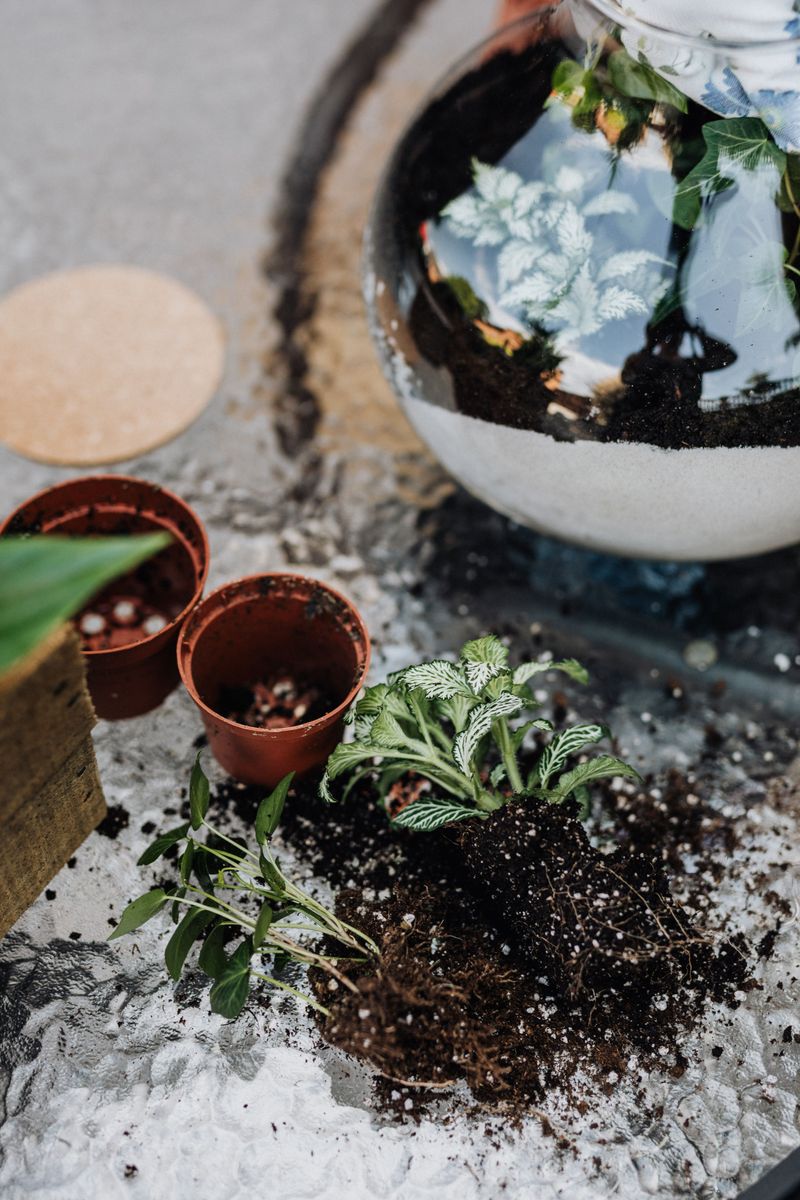
A clogged stem is the sneakiest way a watering globe fails, because the bulb looks full and cheerful. Meanwhile the soil underneath can be dry as a cracker, and the plant quietly wilts while you admire the shimmer.
Fine, dense potting mix can pack into the narrow tip when you push the stem down into the pot. Once soil plugs the opening, air cannot enter, so water stays trapped inside no matter how dry things get.
Making a pilot hole first with a chopstick reduces how much soil gets forced into the glass tip. I also wiggle the stem gently as I insert it, which seems to keep the channel clearer.
On the other hand, very chunky or airy mixes can drain a globe far too quickly. Big air pockets around the tip let bubbles flow constantly, emptying the bulb in a single afternoon.
A standard indoor potting mix with moderate texture usually gives the most balanced, predictable release of water. If your globe stalls for days, pull it out and check the tip before blaming the plant.
Rinsing the stem under running water and poking gently with a thin brush usually clears small soil plugs. Pipe cleaners fit most narrow necks nicely and cost very little at craft or hardware stores.
Early fall is a handy time to test how your soil and globe work together before winter settles. You will learn quickly whether your mix plays nicely or needs a little adjustment for steadier watering.
5. Hard Tap Water Leaves Crusty Rings Inside The Glass Bulb
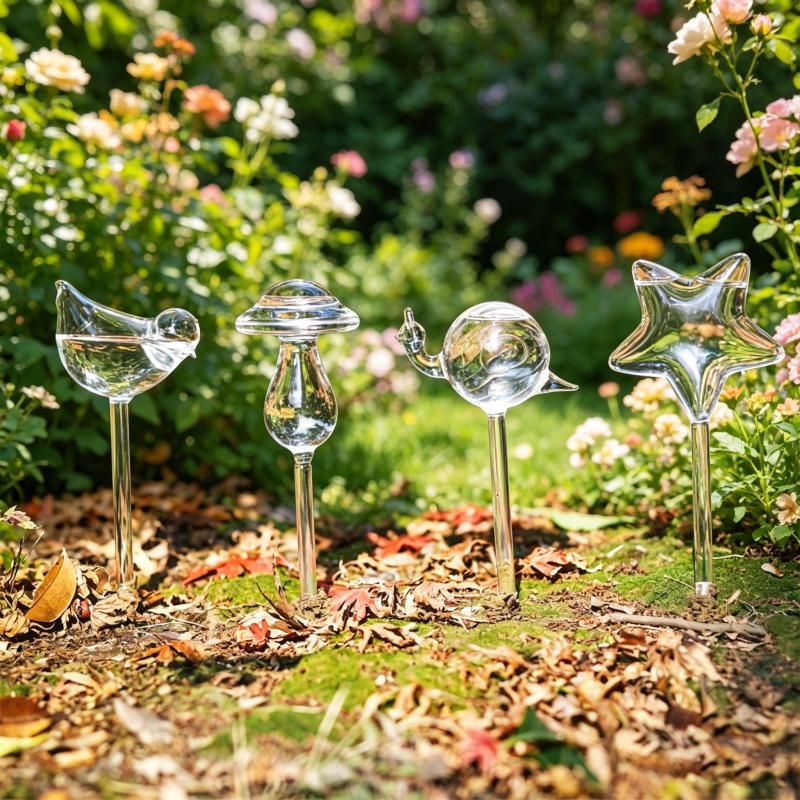
Crusty white rings inside a glass globe are mineral deposits, mostly calcium and magnesium left behind by evaporating water. Water hardness varies across New Jersey, and harder supplies can leave visible rings within a few weeks of use.
Those deposits look unfortunate on iridescent glass, but the bigger issue is buildup narrowing the delicate stem opening. A partially blocked tip slows water flow, which makes the globe far less reliable during busy weeks.
A soak in equal parts white vinegar and warm water softens most mineral crust in about thirty minutes. Swirl a spoonful of uncooked rice inside the bulb afterward, and the grains gently scrub stubborn spots away.
Rinse thoroughly with plain water before refilling, since leftover vinegar is not something your plant roots will enjoy. I set my globes upside down on a towel to dry, which also helps me spot chips or cracks.
Using filtered water or collected rainwater can reduce mineral buildup, especially for plants sensitive to salts in tap water. Spider plants and some prayer plants are known to brown at the tips with fluoride or salty water.
Algae can also grow inside clear bulbs, forming a green film that eventually clings near the narrow neck. Monthly cleaning keeps both problems in check and helps the glass keep its pretty rainbow glow.
I keep a small cleaning kit near my sink, with a pipe cleaner and a jar of vinegar. That little station turns globe maintenance into a five-minute habit instead of a dreaded chore.
6. Pebble Trays And Humidifiers Help Thirsty Houseplant Leaves
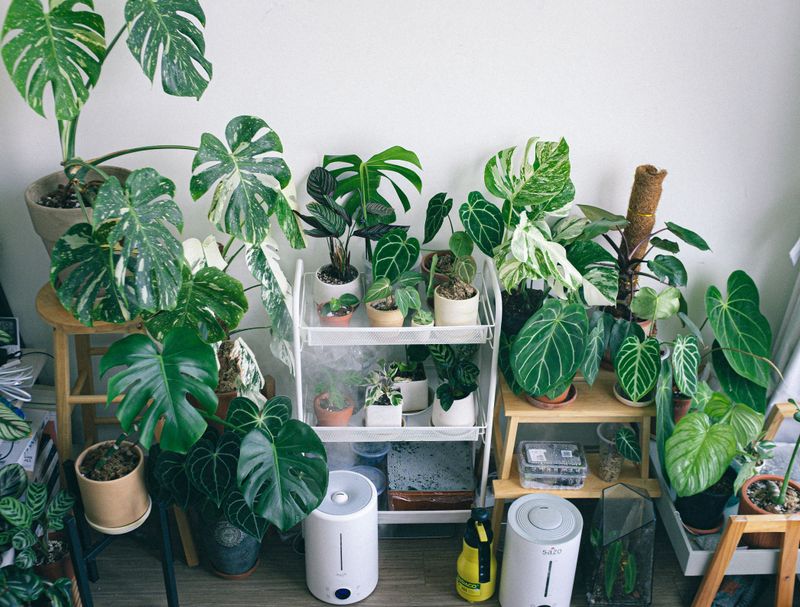
A watering globe moistens the soil, yet the leaves above are still breathing parched winter air all day long. That gap explains why brown, crispy leaf edges can appear even when the pot feels perfectly damp.
Tropical houseplants generally prefer humidity around forty to sixty percent, well above typical heated indoor levels. Calatheas and many ferns react quickly, curling or browning when the air turns dry around them.
A pebble tray is an easy fix, made by filling a shallow dish with gravel and a little water. Set the pot on top so the base stays above the water line rather than soaking in it.
Grouping plants together creates a slightly moister pocket of air, since each one releases water through its leaves. I cluster my ferns and peace lilies near each other, and they look happier for it.
A cool mist humidifier makes the biggest difference, especially in bedrooms or offices with strong forced air heat. Clean it often according to the manufacturer, because standing water inside can grow mold or bacteria.
Misting leaves feels nice, but the effect fades within minutes and does little for long-term humidity. A cheap digital hygrometer tells you the real number, which beats guessing based on how your skin feels.
Setting up these helpers in October gives plants time to adjust before the coldest stretch of winter arrives. Pair them with your globes, and you cover both soil moisture and air moisture in one smart routine.
7. Keep Watering Globes Away From Cold Drafty Windows
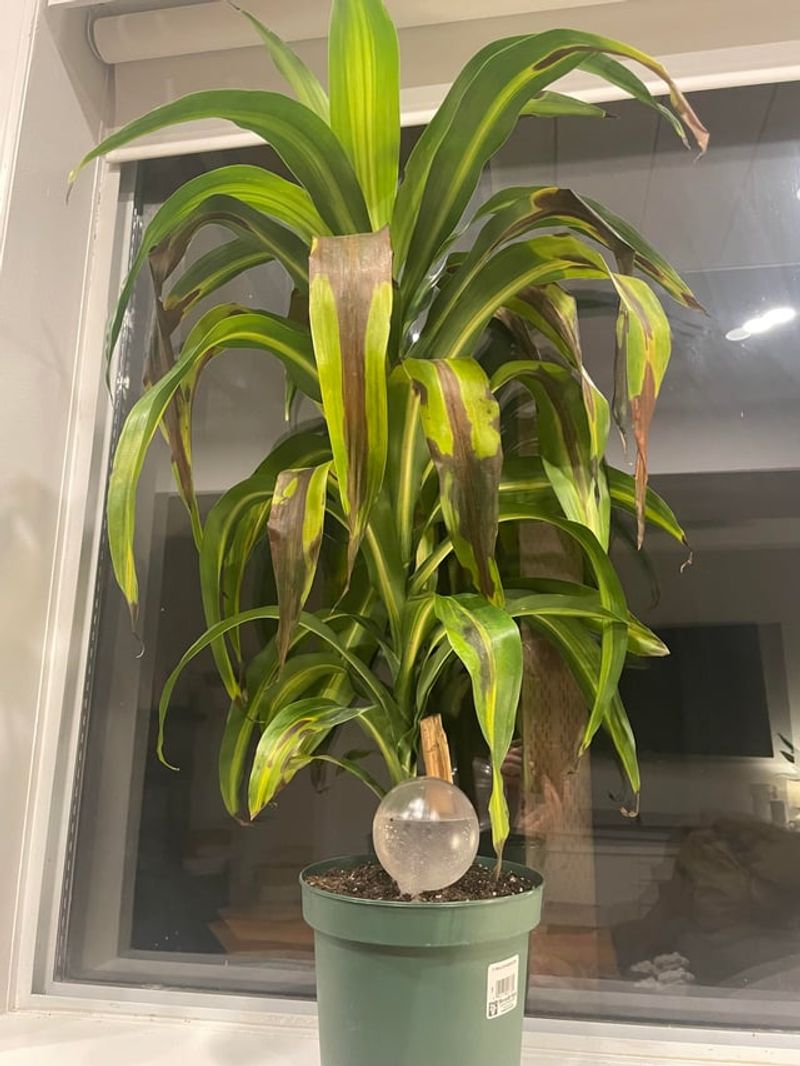
Cold glass panes can chill nearby leaves overnight, and a globe-fed pot on that sill holds wet, cold soil. Most tropical houseplants dislike temperatures below about fifty degrees, and drafty windows can drop that low after sunset.
Wet roots in cold soil are a classic recipe for rot, since chilly roots absorb water much more slowly. That means the moisture from your globe lingers longer than it would in a warmer spot.
Try a simple test by holding your hand near the window on a breezy evening this month. If you feel a noticeable chill, slide plants back a foot or two from the glass.
Exterior doors cause similar trouble, sending blasts of cold air across plants every time someone heads outside. I learned this when my favorite fern near the front door kept dropping fronds every January.
Heat vents and radiators bring the opposite problem, drying soil and foliage fast while draining globes quickly. The sweet spot is usually a bright room with steady warmth, away from both of those extremes.
Thin curtains drawn at night can buffer cold panes while still letting daylight reach plants in the morning. Just make sure leaves do not get trapped between the curtain and the glass during frigid nights.
Southern and western windows usually offer the brightest winter light, which helps plants actually use the water they receive. Choose a bright spot with stable temperatures, and your globes will release moisture at a much healthier pace.
8. The Final Verdict On Shimmering Iridescent Watering Globes
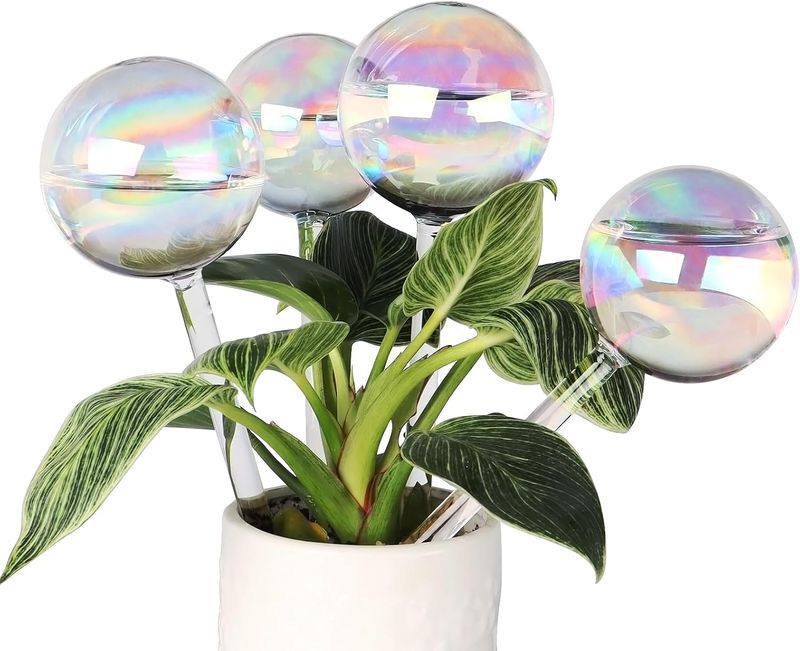
After testing them, I can say these shimmering globes genuinely work, though they are not magic. They follow simple physics, releasing water as soil dries, which is useful when matched with the right plants.
Moisture lovers like peace lilies and Boston ferns gain the most, especially during busy weeks or short trips. Dry-loving succulents and snake plants are better off without them, at least while they rest through winter.
Winter in New Jersey adds extra wrinkles, including dry heated air and fewer hours of strong light. Those conditions change how fast globes empty and how much water your plants can safely handle.
The smartest approach is using globes as helpers while you still check soil with your finger regularly. If the soil feels soggy two inches down, pull the globe and let things dry slightly.
Cleaning matters too, since clogged stems and mineral rings quietly reduce how well the glass performs. A monthly vinegar soak keeps both the water flowing and the iridescent finish looking bright and cheerful.
So are they just pretty decorations, or real tools worth the space on your crowded windowsill this winter? Honestly, they are both, and I plan to keep my rainbow bulbs working right through the cold months.
Start this October by sorting your plants into thirsty and thrifty groups before the furnace runs nonstop. By the time snow flies, your shimmering helpers will be ready to earn their spot on the sill.