Why Red Salamanders Are Good To Have Around Georgia Gardens This Fall
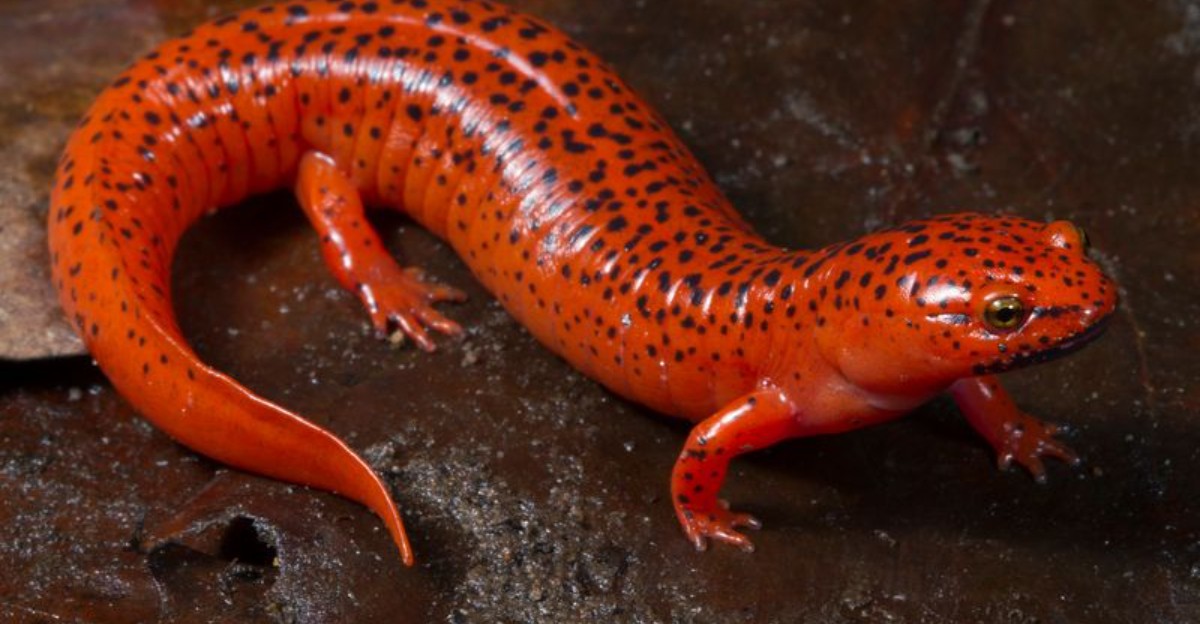
Spotting a bright red salamander beneath a damp log can be quite a surprise, especially if you’ve never encountered one in your yard before. Its striking color stands out against the soil and fallen leaves.
Despite its unusual appearance, this amphibian isn’t something you need to chase away.
Red salamanders spend much of their time in moist, sheltered habitats, often near streams or other damp areas. They feed on various small animals and play a role in the ecosystems where they live.
In Georgia, cooler fall conditions can make moist garden habitats especially interesting places to observe wildlife.
Finding one can also tell you something about the environment surrounding your property.
These salamanders have specific habitat needs, and ordinary yard maintenance can affect the shelter they depend on. Knowing how to share your space with them is worthwhile.
1. Bright Red Salamanders May Be Hiding In Damp Garden Corners
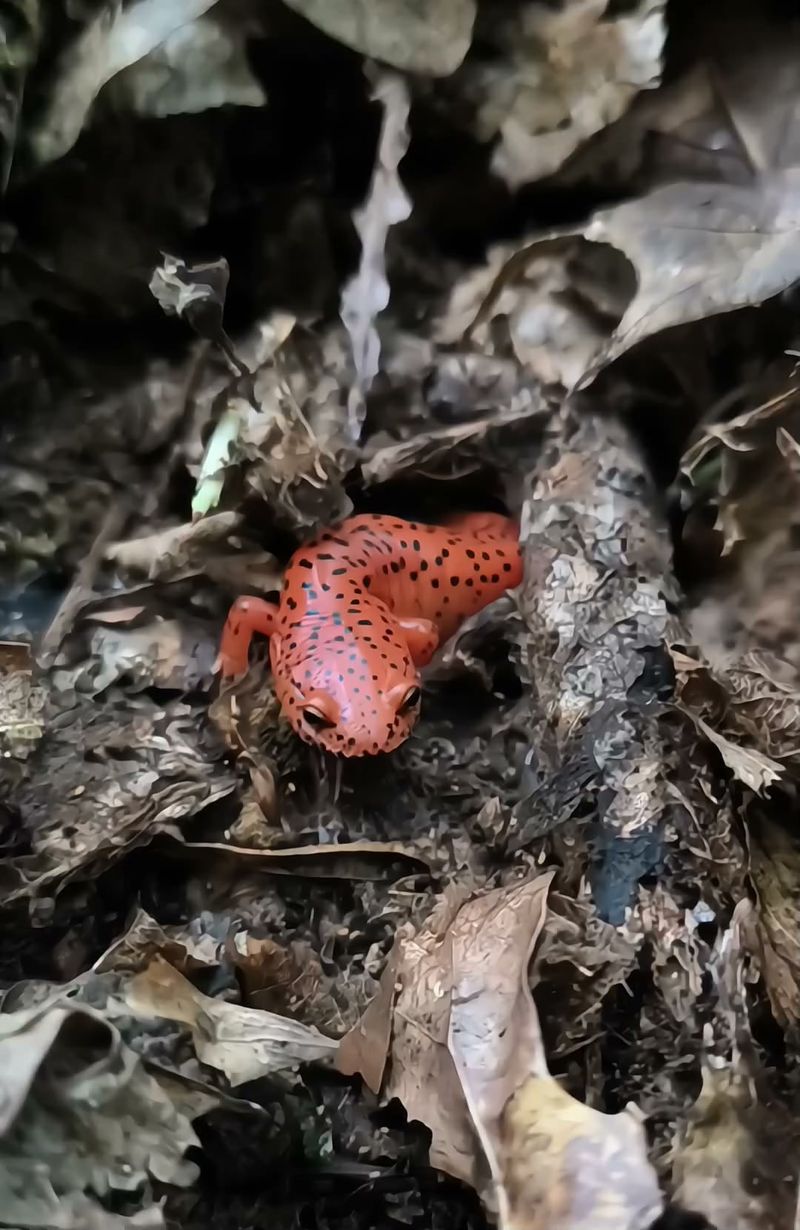
Bright color does not mean easy to find. Red salamanders are shy, and they spend most daylight hours under rocks, logs, or thick leaf litter where the ground stays wet.
Look for them in shaded spots where water seeps out of a hillside or collects near a spring.
Adults are usually reddish orange with scattered black spots, while older ones can fade toward a duller brownish red. Their skin needs moisture, so dry, sunny beds are rarely where they settle.
Across Georgia, they show up most often in the mountains, Piedmont, and parts of the upper Coastal Plain. Yards bordering small streams or wet woods have the best chance of hosting one.
Checking for them takes a gentle touch and a little patience.
Lift a flat rock or board slowly, then set it back exactly the way you found it. Rolling cover back toward yourself helps protect both you and anything resting underneath.
Try to avoid handling them, since sunscreen, lotion, or bug spray on your hands can harm their thin skin.
If you need to move one out of harm’s way, wet your hands with clean water first. Place it in a similar damp, shaded spot close to where it was found.
Spotting even one is a nice reward, but plenty of suitable gardens may have them without the owner ever knowing.
2. These Native Amphibians Feed On Insects And Other Small Creatures
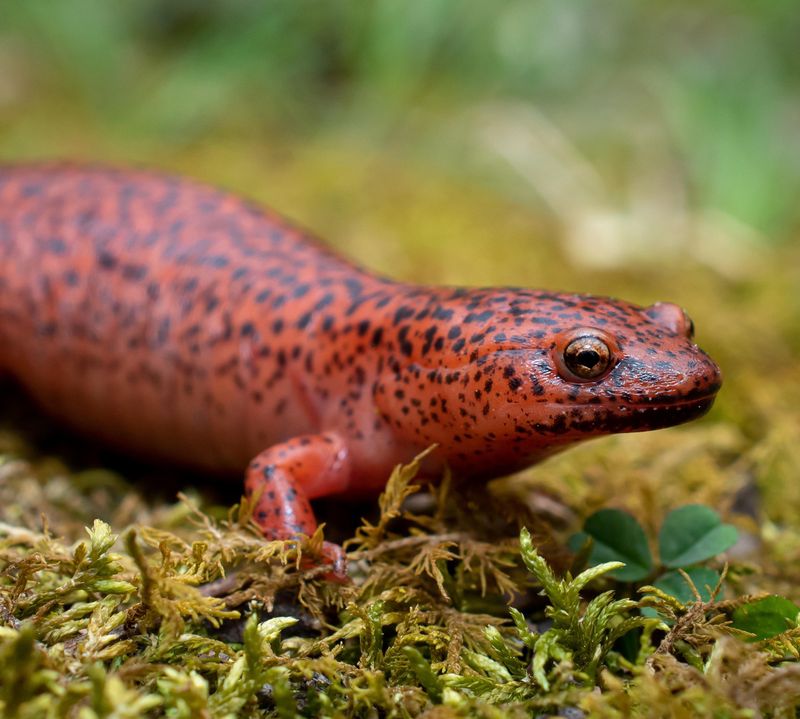
Small mouths can still do steady work. Red salamanders hunt a range of tiny animals, including insects, spiders, earthworms, and other invertebrates living in moist ground.
Their menu depends on what is around, so no two yards will look the same.
Young salamanders often eat aquatic insects in streams before they transform and move onto land. Larvae can stay in the water for a couple of years or more before that change happens.
Once grown, adults forage in soil, under cover, and along wet edges near water.
Some prey items are garden pests, like certain beetle larvae or crawling insects that feed on roots. Others are harmless or even helpful, since salamanders do not pick and choose based on our plans.
Your Georgia Garden Changes Every Week. Your Plan Should Too.
Gardening in Georgia changes quickly throughout the season. Every Friday you’ll receive a simple weekly plan showing exactly what to plant, prune, fertilize, harvest, and protect so you never miss the right timing.
Gardeners in Georgia should think of them as one small part of a balanced yard, not a pest control service.
A single salamander will not wipe out a bug problem. Even so, a healthy mix of predators, including birds, toads, spiders, and salamanders, can help keep small creatures from building up quite as fast.
You can support that mix by leaving a few untidy, shaded spots near wet areas instead of raking every inch clean.
Native plants along a stream edge also help by drawing in the insects these hunters rely on. Over time, a varied yard tends to feed a varied set of animals.
3. Slugs And Snails Can Also Be Part Of Their Diet
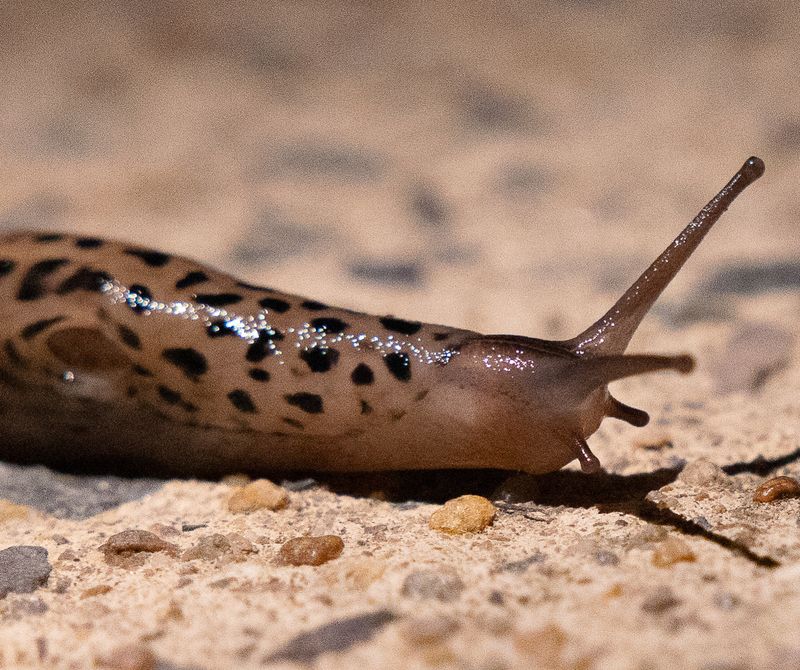
Hostas with ragged holes tell a familiar fall story. Slugs and snails love cool, damp weather, and shady beds near water can see plenty of them.
Red salamanders are known to eat small slugs and snails along with other soft-bodied prey.
That said, slugs are not their main focus, and how many they eat will vary a lot from one site to another. Expect a little help, not a fix.
Still, any natural pressure on slugs is welcome when lettuce, hostas, or fall greens are getting chewed.
In Georgia, cool-season crops like collards and kale often go in during late summer and early fall. Those tender leaves can draw slugs on wet nights, especially in beds near mulch or ground cover.
Hand-picking slugs after dark with a flashlight is one simple option that will not harm salamanders.
Slug baits deserve a careful look before use. Some contain metaldehyde, which can be toxic to pets and wildlife, while iron phosphate products are generally considered lower risk when used as labeled.
Shallow traps and boards laid on the soil can also help you collect slugs in the morning.
Remember that the same moist conditions slugs enjoy are the ones salamanders need. Keeping those spots instead of drying everything out gives the hunters a fair chance to show up.
4. Moist Soil Near Streams Gives Them Places To Hunt
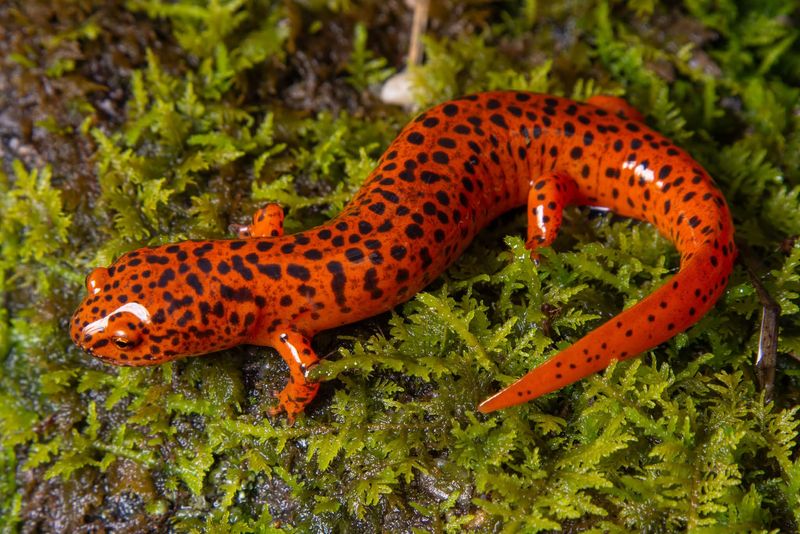
Water is the whole story for red salamanders. They breathe partly through their skin, and that skin has to stay moist for them to survive and stay active.
Cool streams, springs, and seeps give them both a nursery for their young and damp ground for hunting.
Females usually lay eggs in hidden spots near springs or underground water, often in fall, though timing can vary by area. The larvae then grow up in clean, cool water.
Muddy, warm, or polluted streams are much less likely to support them.
If your yard in Georgia touches a creek, the bank may be the most valuable habitat you own. Keeping a strip of native plants along that edge helps shade the water and hold the soil in place.
Mowing right up to the bank removes cover and can let more soil wash in after storms.
Leaving a buffer of grasses, ferns, or shrubs is a practical step most homeowners can manage. Even a few feet can make a difference, though wider buffers generally do more.
Fertilizer and grass clippings should stay away from the water’s edge.
Extra nutrients can feed algae and cloud the stream. Local Extension offices or soil and water conservation districts can share advice on streamside planting suited to your area.
5. Fallen Leaves And Logs Provide Important Shelter
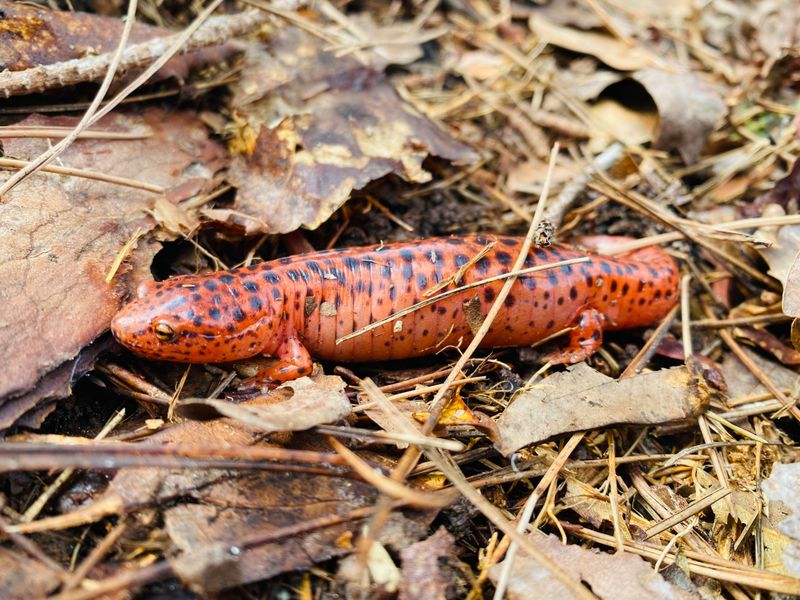
Raking can wait in at least one corner of the yard. Fallen leaves trap moisture against the soil and create cool, sheltered spaces that salamanders use during the day.
Rotting logs work even better, since they stay damp inside long after the surface dries.
Without that cover, red salamanders have fewer places to rest, hide from predators, and stay out of drying air. Bare soil heats up and dries out faster on sunny afternoons.
You do not need to turn the whole yard into a forest floor to help.
Choose a shady spot near any wet area and let the leaves pile up naturally through fall. A log or two from a pruned tree can be laid flat on the ground nearby.
Flat stones placed on moist soil also make good hiding places.
Across much of Georgia, oak, maple, and hickory leaves drop heavily from October into November, depending on the location and weather. That gives gardeners plenty of free material to work with each autumn.
Shredding some leaves for compost and leaving others whole is a fair compromise.
Keep leaf piles away from house foundations and walkways where they could hold moisture against wood or become slippery. Placing them in back corners or under trees keeps the yard neat while still offering shelter to small wildlife.
6. Fall Rains Can Bring Them Out On The Surface At Night
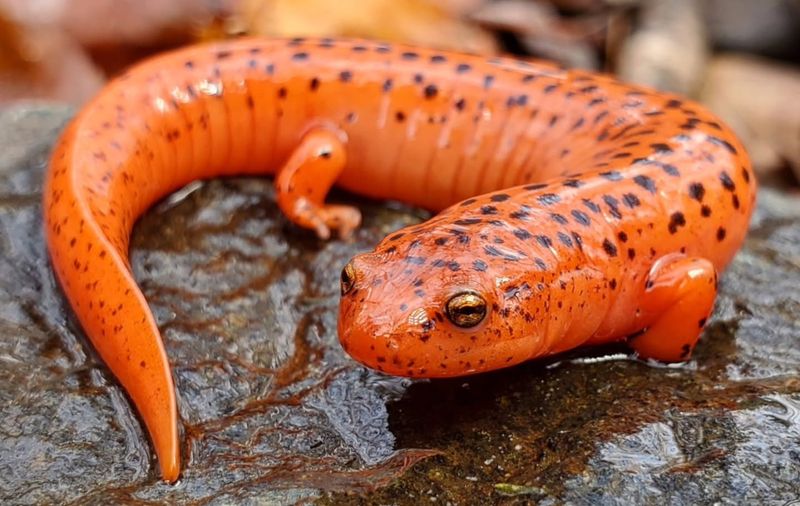
Rainy autumn nights change everything for salamanders. When the air is humid and the ground is soaked, they can move around in the open without as much risk of drying out.
Grab a flashlight and take a slow walk along a wet garden path after dark.
You may not see anything, and that is perfectly normal. Red salamanders are secretive, and sightings depend on your habitat, the weather, and plain luck.
Cooler temperatures in fall often line up with more rain in parts of Georgia, though some years bring dry spells instead.
During drought, salamanders tend to stay deep under cover or underground. A single good soaking rain after a dry stretch may bring more activity than a week of light drizzle.
Watch your step on driveways and paths near streams on wet nights.
Amphibians sometimes cross pavement, and slow, careful walking or driving helps avoid accidents. Using a red-filtered light can make your search a little less disruptive to the animals you find.
Resist the urge to collect any salamander you spot, even just to show the kids.
Watching quietly for a minute is a great way to learn how they move and hunt. Snap a photo instead, then let them go about their night undisturbed.
7. Avoiding Pesticides Helps Protect These Garden Visitors
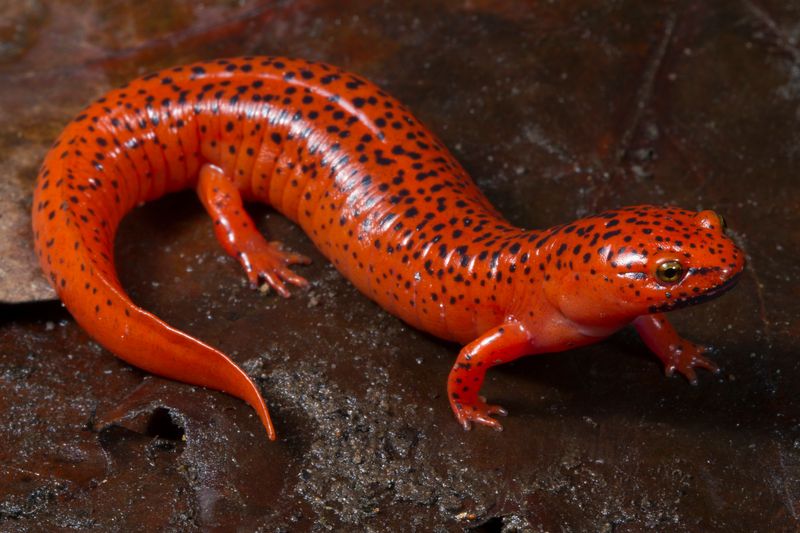
Thin skin is both a strength and a weakness. Salamanders absorb water through their skin, which also means chemicals in soil or water can reach them easily.
Insecticides can also reduce the small creatures they rely on for food.
Cutting back on sprays does not mean ignoring pests. It means picking the most targeted, lowest-risk option first and treating only when a real problem appears.
Hand-picking, row covers, and good spacing for airflow handle a lot of fall garden issues.
When a product is truly needed, read the label closely and follow it exactly. Avoid spraying near streams, ditches, or wet spots, and skip application right before heavy rain when runoff is likely.
Spot treatment is gentler on wildlife than blanket spraying the whole yard.
Lawn care matters too. Weed and feed products, heavy fertilizer use, and broadcast insecticides can wash toward water, especially on sloped Georgia lots with clay soil.
Leaving clippings on the lawn and testing soil before fertilizing can cut down on what washes away.
UGA Extension offers soil testing and integrated pest management advice for home gardeners across the state. Using those resources helps you protect plants while keeping your yard safer for the quiet red visitors living under the leaves.