Why Ohio Fall Color Looks Dull Some Years (And What That Means For Your Trees)
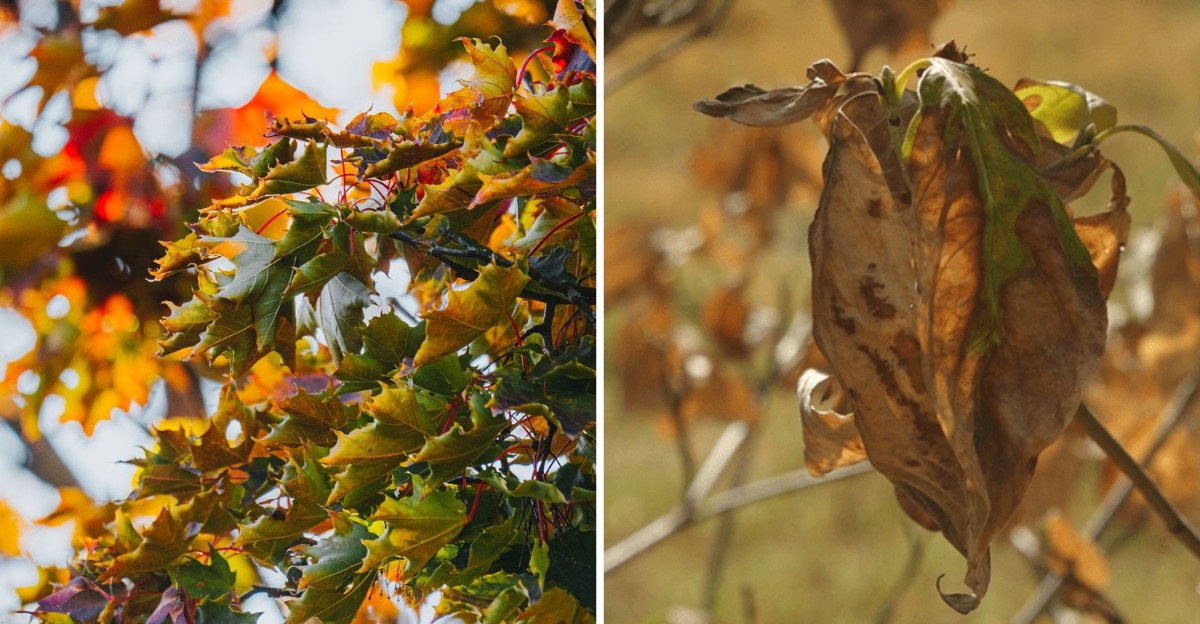
The red in a sugar maple leaf is not hiding there all summer. The tree actually builds that red pigment fresh in autumn, using sugar trapped in the leaf on bright days.
Yellow and orange are a different story. Those pigments sit in the leaf for months, quietly covered by green, and simply appear when the green fades away.
I love that a single leaf holds two separate color stories at once. It means one dry August or one warm October in Ohio can change the whole show, even when the trees look perfectly fine to you.
So when a hillside turns brown and blah instead of blazing, the trees are not just having an off year. They are reacting to everything that happened since spring. What if your own backyard maple is trying to tell you something?
Those Sugar Maple Reds Start Long Before October
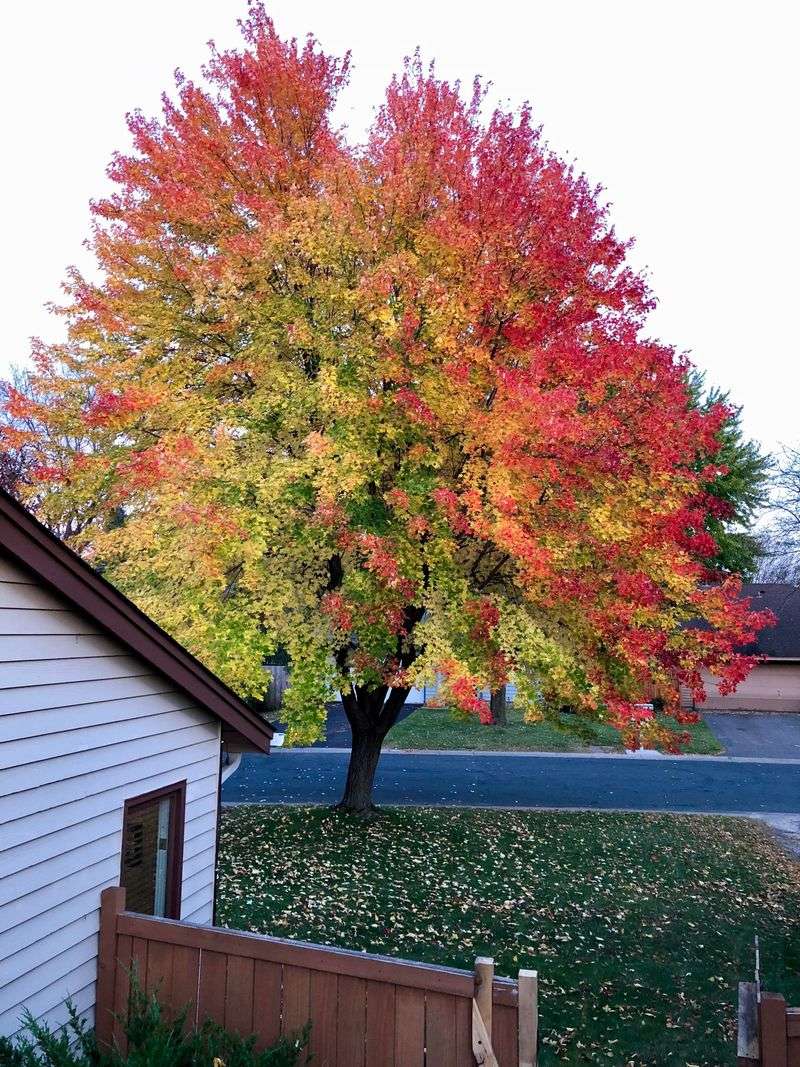
Leaves change because days get shorter, not because the air gets cold. Once nights grow long enough, trees start shutting down the green chlorophyll that powered them all summer.
As green fades, yellow and orange pigments called carotenoids show through. They were there the whole time. Reds and purples come from anthocyanins, which the tree makes new each fall from sugars stuck in the leaf.
Here is where weather steps in. Light sets the calendar, but sunshine, rain, and temperature decide how bright the final colors get. Ohio State University specialists often point out that summer and early fall weather shape the show far more than any single frosty morning.
Personally, I find that freeing. A dull year usually is not a sign your tree forgot how to perform. It is a sign the season gave it a rough script to work with.
For your yard, that means you can read the leaves like a report card. Bright reds suggest the tree had sugar to spare. Plain browns or early yellows hint at stress somewhere along the way, and the next sections cover what that stress usually looks like.
Sunny Days And Cool Nights Make The Brightest Leaves
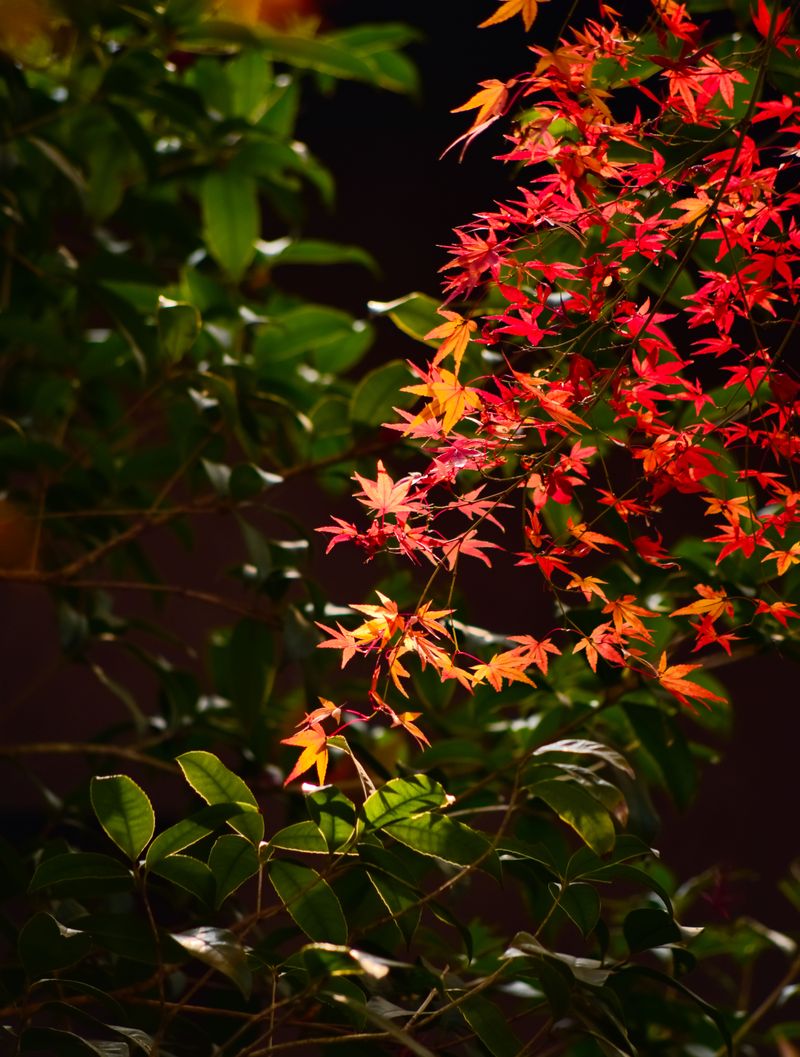
Ask any leaf watcher their dream forecast, and you will hear the same recipe. Warm, sunny days followed by cool nights that stay above freezing create the richest reds.
Bright sun lets leaves keep making sugar. Cool nights slow the veins that carry that sugar out of the leaf, so it stays trapped. The tree then turns that stored sugar into red anthocyanin pigment.
A soil that is moist but not soggy helps too. Trees with steady water through late summer hold their leaves longer, giving the color time to build.
I like checking the forecast in late September for this exact pattern. When I see a week of clear skies and nights in the 40s, I plan a drive, because that is usually when maples, sumacs, and sassafras start to glow.
Remember that each species brings its own palette. Hickories and tulip trees lean golden, while sweetgums and red maples can turn wine-colored. A strong year lights up the whole mix, but even a weak year often leaves your yellow trees looking fairly cheerful, since their color does not depend on autumn sugar.
Your Ohio Garden Changes Every Week. Your Plan Should Too.
Gardening in Ohio changes quickly throughout the season. Every Friday you’ll receive a simple weekly plan showing exactly what to plant, prune, fertilize, harvest, and protect so you never miss the right timing.
Drought Stressed Trees Drop Brown Leaves Early
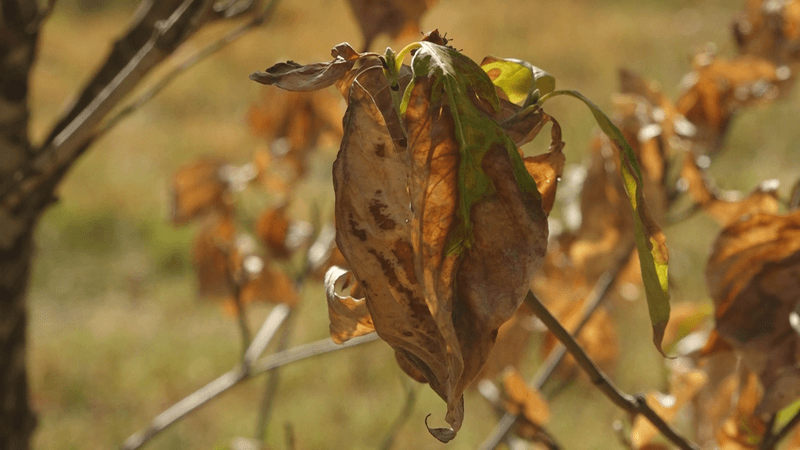
Dry summers are probably the biggest reason Ohio color falls flat. When rain disappears in July and August, trees go into water-saving mode.
One of their main tricks is dropping leaves early. Fewer leaves means less water lost to the air. Those leaves often skip the color stage and turn brown, crispy, or a tired yellow before falling.
You may notice the problem shows up unevenly. Trees along streets, parking lots, and dry hilltops usually react first, while trees near creeks or in low, damp spots hold on longer. That pattern is a strong clue that water, not disease, is the issue.
I have watched a young red maple in a sunny corner go brown in early September while the same species across town still looked green. Same tree, different water story.
A dry fall can also hurt. Even after a decent summer, a parched September and October can shorten the season and mute the reds. If your trees are browning early in a dry stretch, deep watering can help them hold on and store energy for winter, even if this year’s color is already set.
Gray Skies And Soaking Rain Wash Out The Reds
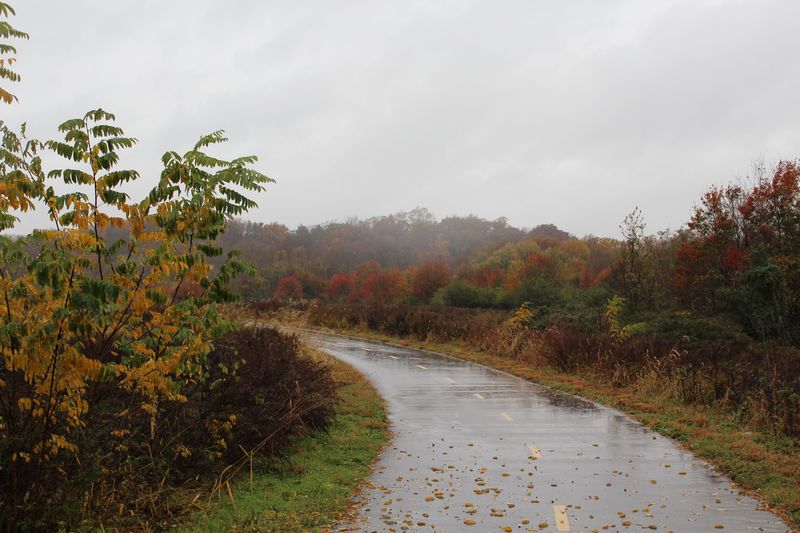
Too much water brings its own trouble. A long run of cloudy, rainy weather in fall cuts the sunlight leaves need to make sugar.
Less sugar means fewer red pigments. So a soggy October can leave maples looking pale yellow or a dull mix of green and tan instead of scarlet. Yellows tend to hold up better, since they do not depend on fresh sugar.
Wet, warm conditions can also invite leaf diseases such as anthracnose and leaf spots. These cause blotchy brown patches that make a tree look tired long before autumn arrives. Most leaf spots are cosmetic and rarely threaten a healthy tree.
Then there is wind. A strong storm during peak week can strip branches overnight. I have raked a lawn full of gorgeous orange leaves that were on the tree just a day earlier, which is a little heartbreaking.
Wet years are not all bad, though. Trees that had plenty of moisture usually go into winter well fed. So a soggy, muted fall can still mean a healthy, vigorous spring. You may lose some sparkle, but your trees are often in solid shape underneath.
Warm October Nights Keep Oak And Maple Leaves Green Longer
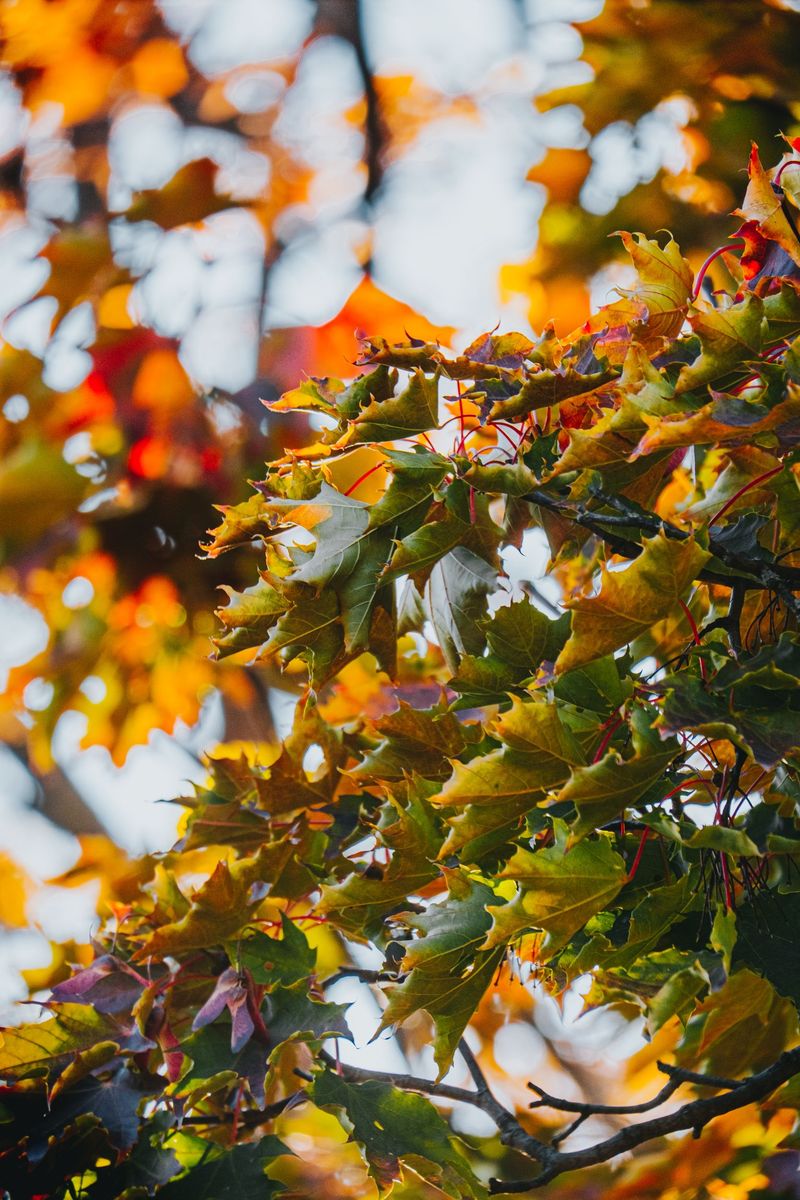
Mild autumns have become more common across much of the Midwest. Climate Central’s data shows fall temperatures warming in many U.S. cities, including several in Ohio.
Warm nights matter because sugars move out of leaves more easily when it is not chilly. The tree has less stored sugar to turn into red pigment, so reds come out weaker.
Warmth can also push peak color later. Leaves may hang on green into late October, then turn quickly and drop before they reach full brilliance. In some years the color window feels short and rushed.
Ohio’s own geography adds a twist. The northeast snowbelt and higher ground in the east often color up earlier than the southern counties near the Ohio River, which usually peak later. Warm spells can stretch that gap even further.
Honestly, I have learned to be patient in warm years. Instead of calling the season a bust in mid-October, I wait a week or two. Sometimes the oaks finally burst into deep russet and bronze just when I had given up hope, and those late shows can be surprisingly lovely.
A Hard Early Freeze Can Turn Leaves Brown Overnight
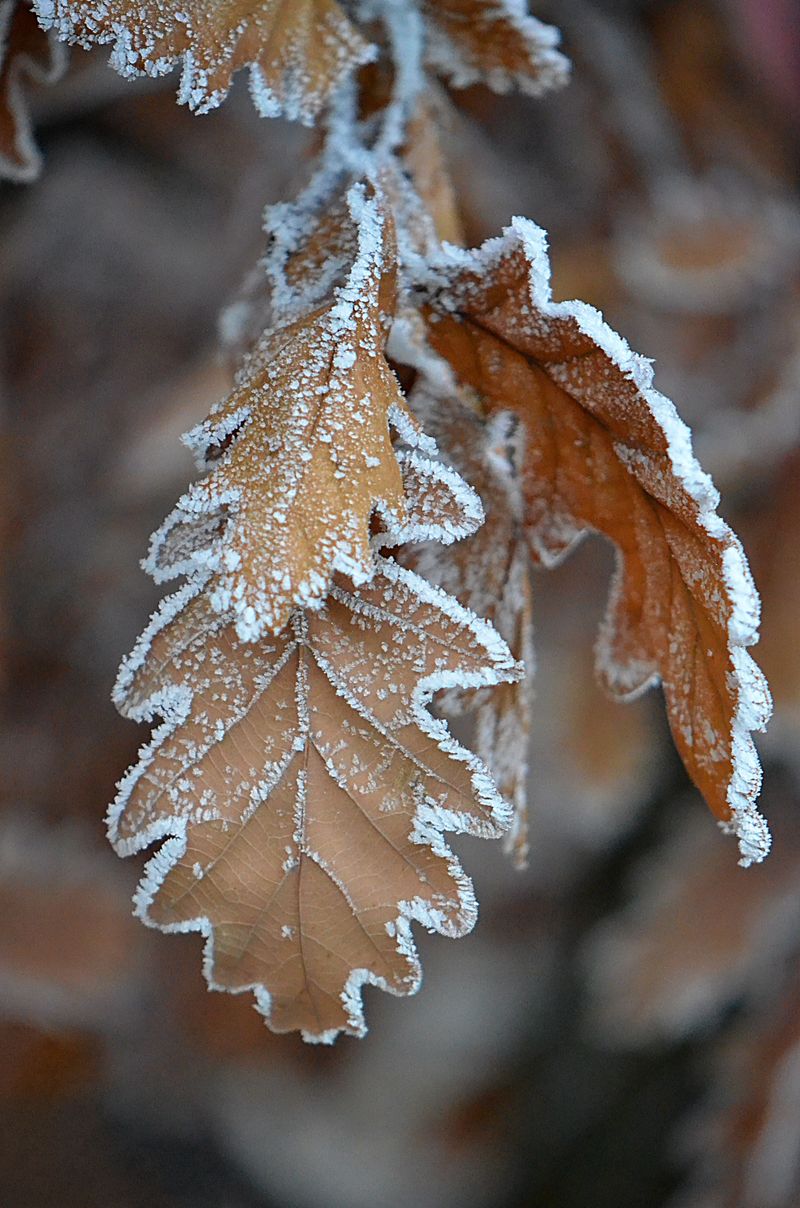
Cool nights help color, but a hard freeze is a different animal. Temperatures well below freezing can damage leaf cells before the color process finishes.
Once those cells are hurt, the leaf stops making pigments. Instead of turning red or orange, it may go limp, brown, and crunchy within a day or two. A light frost usually does little harm, so the key word here is hard.
Timing makes all the difference. A sharp freeze in early October, before most trees peak, can cut the season short for whole neighborhoods. The same freeze in early November mostly hits leaves that were already finished.
Low spots in your yard often get hit first. Cold air sinks and pools in valleys and dips, so trees there can brown up while trees on a slope nearby stay colorful. I find that pattern fun to spot on a morning walk.
For the tree itself, an early freeze on leaves is rarely a serious problem. Healthy trees have already set buds for next year. Still, if freeze damage stacks on top of drought, keep an extra eye on that tree next spring.
One Maple Turning Weeks Early Could Be Waving A Red Flag
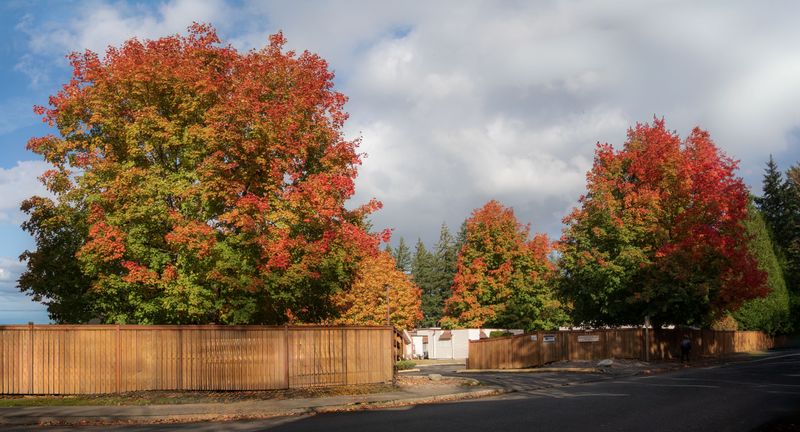
Some trees change color way ahead of their neighbors. If one maple blazes red in August while others of the same kind stay green, take a closer look.
Early color on a single tree, or even on one branch, is a classic stress signal. Arborists and extension experts link it to problems like root damage from construction, compacted soil, girdling roots that wrap the trunk, too much mulch piled against the bark, or pests and disease.
Here is a quick checklist I use. Look at the trunk base for a flare where it widens into roots. If it looks like a straight pole going into the ground, roots may be buried or circling. Check for cracks, oozing, or holes in the bark.
Also think back on recent changes. A new driveway, patio, or trench within a few years can quietly harm roots.
Stressed trees also pull fewer nutrients from their leaves before dropping them. That means they head into winter with less in the tank. A tree that colors early every single year deserves real attention, not just a shrug.
Deep Watering And A Mulch Ring Help Trees Shine Next Fall
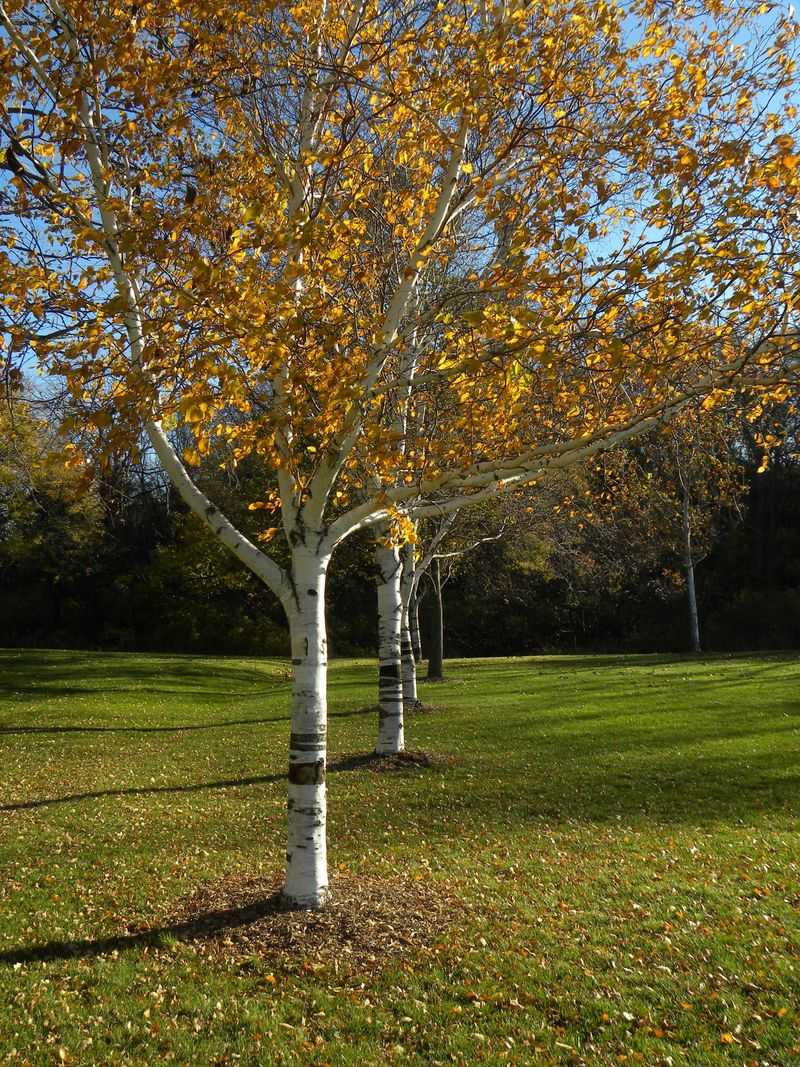
You cannot change the weather, but you can give your trees a better shot at handling it. Small habits add up over a few seasons.
Start with water. During dry spells, soak the soil slowly around the drip line instead of sprinkling the trunk. A long, deep drink every week or so beats short daily splashes. Young trees planted in the last few years need this the most.
Next, spread a wide ring of wood chips or shredded bark about 2 to 4 inches deep. Keep it a few inches off the trunk, shaped like a donut, not a volcano. Mulch holds moisture, cools roots, and slowly feeds the soil.
Protect the root zone, too. Avoid parking, piling soil, or digging under the canopy when you can.
Planting choices help as well. Native trees like sugar maple, red maple, black gum, sassafras, and serviceberry are adapted to Ohio conditions and bring reliable color.
Finally, if a tree shows early browning or thinning year after year, call an ISA certified arborist. A muted autumn is often just weather, but a pattern is worth a professional look.