The One Thing You Must Do To Ohio Hostas Right Now Before August Heat Arrives
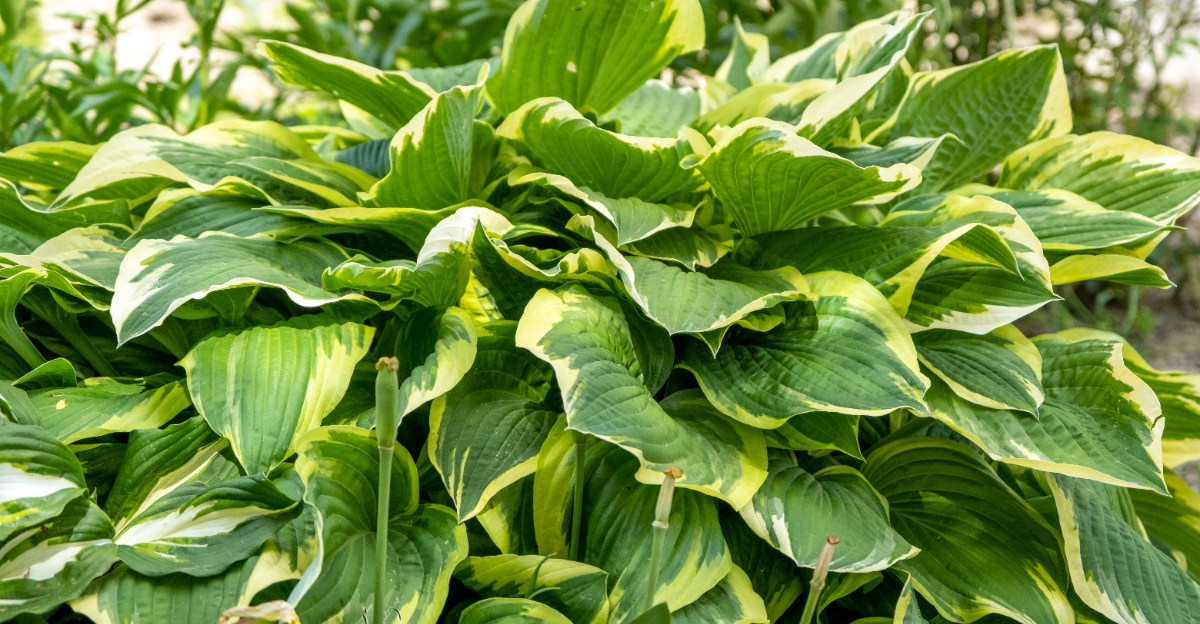
Ohio hostas have a reputation for handling themselves, and through most of the season that reputation holds up fine. August is where that assumption gets tested.
The heat that arrives in late summer hits hosta beds in ways that show up on the leaves and linger through the rest of the season in a way that is hard to reverse once it starts.
There is a window right now, before August commits fully, where one specific task makes a real difference in how hostas come through the hardest stretch of Ohio summer.
Miss it and the consequences are visible by mid-August in beds that looked perfectly healthy just weeks before. Most Ohio gardeners treat hostas as set and forget plants.
For most of the year that works. Right now, in this specific window, there is one thing worth doing that separates the beds that finish strong from the ones that fade out early.
1. Water Hostas Deeply Before August Heat Builds
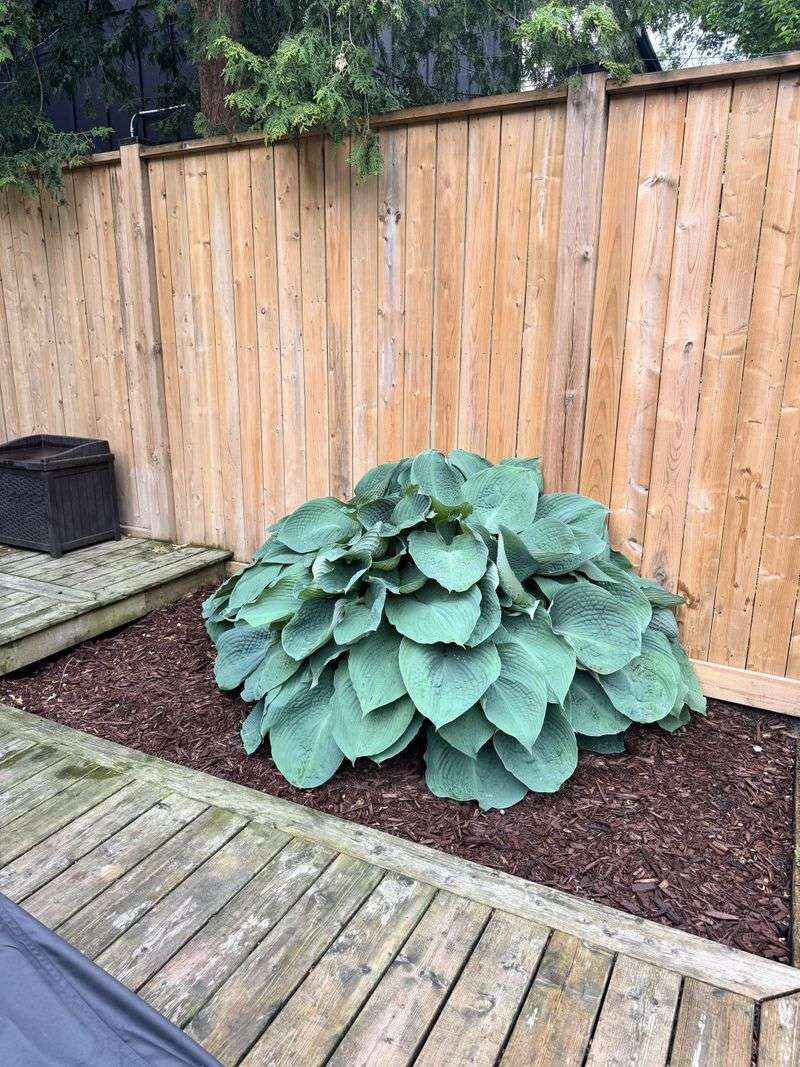
A shade bed can look calm on top while the soil below the leaves is already drying out. That is exactly what happens in late July when heat starts building and rain gets unreliable.
Watering deeply before that stress arrives gives roots a head start they can actually use.
Deep watering means soaking the root zone slowly, not just misting the leaf surface. A slow, steady soak from a hose or soaker line lets water move down several inches where hosta roots actually live.
Surface watering evaporates fast and never reaches the lower root zone.
Morning is the best time to water. Soil absorbs moisture before midday heat pulls it away, and foliage dries before evening, which helps reduce crown rot risk.
Avoid watering late at night when leaves and crowns stay damp for hours.
Do not water on a fixed daily schedule without checking the soil first. Sandy soils dry faster than clay, and a bed under dense tree canopy may stay moist longer than an open border.
Check the soil a few inches down before deciding whether to water. Steady, thoughtful moisture is the goal, not a soggy bed.
2. Check The Soil Before You Water Again
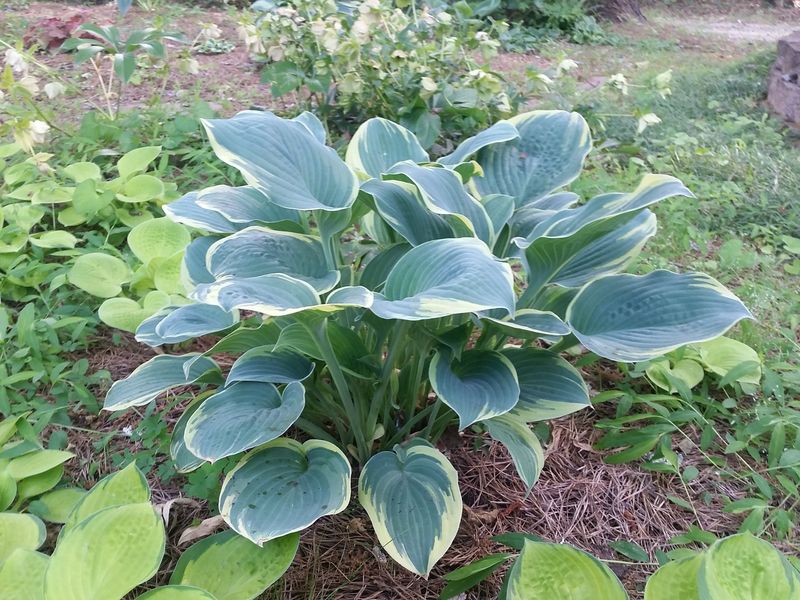
Before Ohio’s August heat settles in, the most important thing after deep watering is knowing whether that water is actually reaching the place hostas need it. The top of a shade bed can be misleading.
Mulch may look damp after rain or a quick watering, but the soil underneath can still be dry where the roots are working. That is why checking moisture below the surface matters so much right now.
Push a finger, small trowel, or soil probe a few inches into the soil near the hosta, staying away from the crown so you do not disturb the plant. If the soil feels dry, crumbly, or dusty at that depth, the bed needs a slow soak.
If it feels cool and lightly moist, wait before watering again. This simple check prevents two common mistakes: underwatering plants that look fine on top and overwatering beds that are already holding moisture.
Your Ohio Garden Changes Every Week. Your Plan Should Too.
Gardening in Ohio changes quickly throughout the season. Every Friday you’ll receive a simple weekly plan showing exactly what to plant, prune, fertilize, harvest, and protect so you never miss the right timing.
Ohio gardens vary a lot from yard to yard. Sandy soil drains quickly and may need attention sooner.
Heavy clay holds moisture longer but can become compacted or soggy if watered too often. Beds under mature trees may dry out faster than expected because tree roots pull moisture before hostas can use it.
The goal is not to water constantly. The goal is to keep the root zone evenly moist before heat stress builds.
3. Water At The Base Instead Of Soaking The Leaves
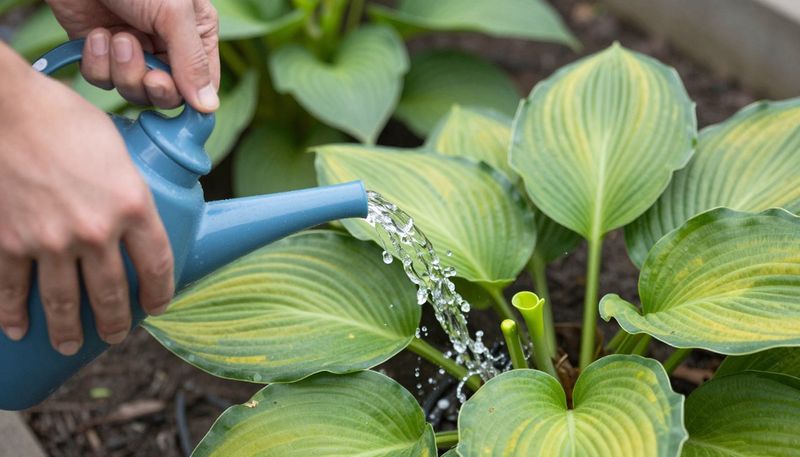
When hostas begin looking tired in late summer, it is easy to spray the whole plant and assume that is helping. The leaves may look fresher for a few minutes, but the roots are what need the water.
Before August heat arrives, direct moisture to the soil around the base of the plant instead of soaking the foliage.
Hosta leaves are broad and layered, which means water can sit on them longer than it would on smaller, airier plants. In a shaded Ohio bed, especially one with thick plantings or limited air movement, wet leaves may stay damp for hours.
That is not ideal during humid late-summer weather. It can make the bed feel heavy, encourage leaf spotting, and keep the crown wetter than necessary.
A watering wand, soaker hose, or hose set to a slow trickle works better than a hard spray from above. Aim for the soil around the root zone and let the water soak in gradually.
If the mulch shifts or water begins running away from the plant, slow down and give the soil time to absorb it.
This approach also wastes less water. Instead of coating leaves that will dry off or evaporate, the moisture moves where the plant can actually use it.
Hostas do not need a shower before August. They need a deep drink at the roots.
4. Refresh Mulch Without Burying The Crown
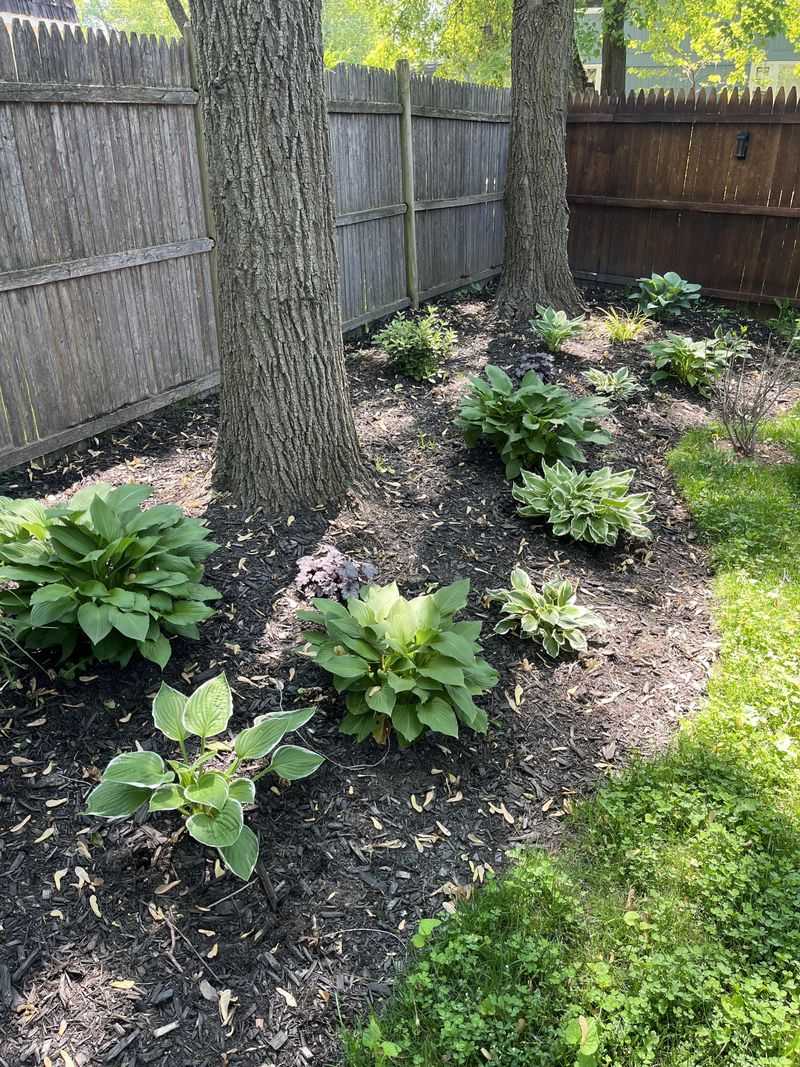
Mulch can make a real difference for Ohio hostas heading into August, but only if it is used correctly. After deep watering, a light mulch refresh helps hold moisture in the soil and protects shallow roots from the worst temperature swings.
This is especially useful in shade beds that sit under trees, along foundations, or near dry borders where summer heat pulls moisture out quickly.
The key is moderation. Hostas benefit from a thin, even layer of mulch spread over the soil, not a mound packed against the plant.
Keep mulch pulled back from the crown, which is the central point where leaves emerge. If mulch is piled too close, it can trap moisture against that area and create the kind of damp, stagnant condition hostas do not appreciate.
A good mulch layer should help the soil stay cooler and reduce evaporation after watering. It should not smother the plant or hide the crown.
If the existing mulch has broken down, crusted over, or washed away, loosen it gently and add just enough to restore coverage. Avoid creating a thick blanket that prevents water from soaking through.
This small step supports the deep watering you already did. Water gets into the root zone first, and mulch helps keep it there longer.
That combination is what helps hostas stay steadier when August turns hot and dry.
5. Give Tree-Planted Hostas Extra Attention
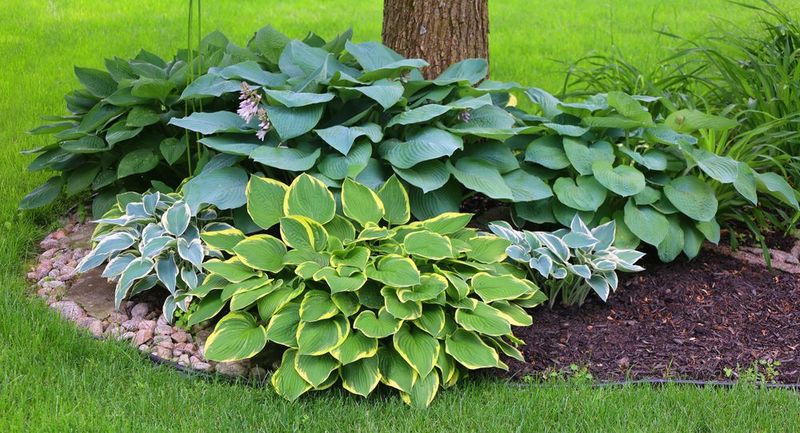
Hostas planted under trees often look protected because they are shaded, but those are some of the beds that can struggle most when August heat arrives. The problem is not always sun exposure.
It is competition. Mature trees take up a surprising amount of water, and their roots often reach directly into the same soil where hostas are trying to stay hydrated.
Tree canopies can also block rainfall. A summer storm may leave open areas of the garden soaked while the soil beneath dense branches gets very little moisture.
From a distance, the bed still looks shaded and safe, but underneath the leaves the hostas may be running short on water.
These beds need closer checking before August. Do not assume that shade means moisture.
Test the soil a few inches down and water slowly if it feels dry. A fast watering is especially ineffective under trees because dry soil and surface roots can cause water to run off before it reaches hosta roots.
Hostas under maples, oaks, and other large trees may need more careful soaking than plants in a regular border. Water around the root zone, not just at the crown, so moisture spreads through the area where the plant is feeding.
This is one of the easiest ways to prevent mid-August decline in beds that otherwise looked healthy in July.
6. Watch For Early Stress Before Leaves Turn Brown
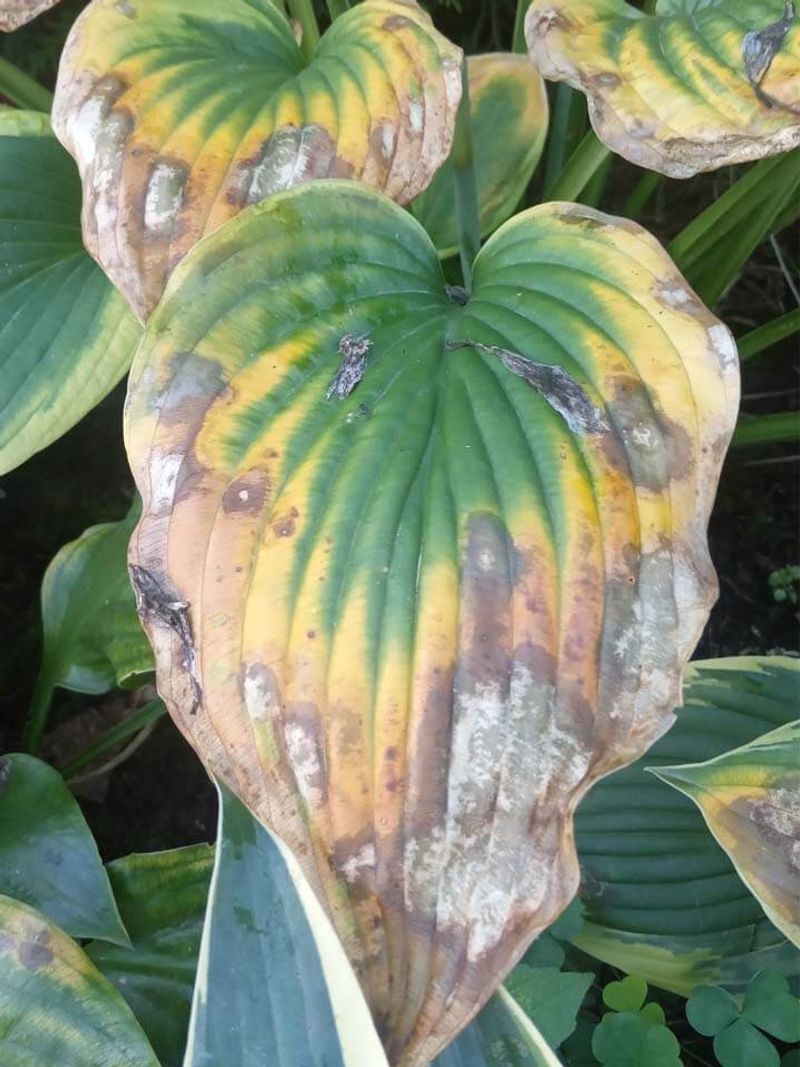
By the time hosta leaves have crispy brown edges, the plant has already been under stress for a while. That is why Ohio gardeners should watch for earlier signs before August heat fully arrives.
Catching stress early gives you a chance to correct moisture problems before the damage becomes permanent for the season.
The first sign is often soft wilting during the warmest part of the day. Some afternoon droop can happen in hot weather, but the plant should recover once temperatures cool.
If the hosta still looks limp in the morning, the soil may be too dry. Another warning sign is dull foliage.
Leaves may lose their firm, fresh look before they actually yellow or brown.
Leaf edges are also important. When margins begin to look dry, papery, or slightly curled, the plant is telling you the root zone is not keeping up with heat and moisture loss.
Thin-leaved varieties often show this faster than thicker, heavily textured hostas.
Watering after damage appears can help stop things from getting worse, but it will not turn browned tissue green again. That is why deep watering before the hottest stretch is so important.
The goal is to prevent stress, not simply react to it once the bed already looks tired.
7. Avoid Shallow Daily Watering During Hot Weather
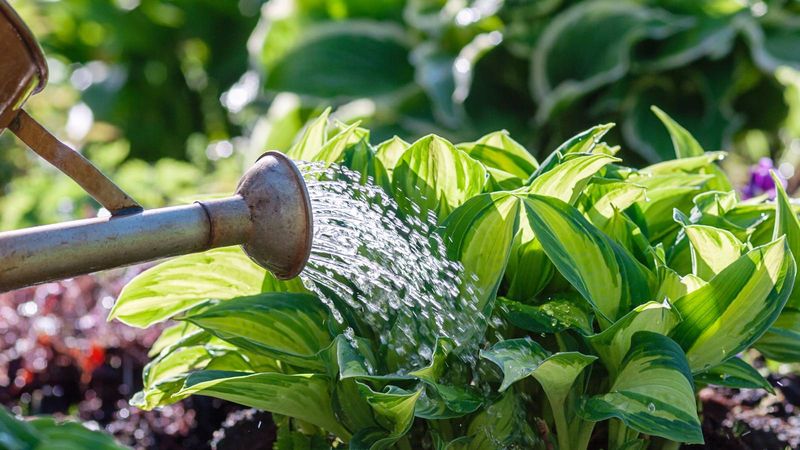
When late-summer heat arrives, many gardeners respond by watering a little every day. It feels helpful, but for hostas it can cause more problems than it solves.
Shallow daily watering keeps moisture near the surface instead of encouraging it to reach deeper into the root zone. The top layer may look wet, but the soil several inches down may still be dry.
Hostas need consistent moisture, not constant surface dampness. A light daily sprinkle can also keep crowns and lower leaves too wet, especially in shaded beds where air movement is limited.
That combination is not ideal during humid Ohio weather. It can leave the planting area damp without truly supporting the roots.
A better approach is to water deeply, then give the soil time to use and hold that moisture. Check the bed before watering again.
If the soil is still moist a few inches down, wait. If it has dried out, water slowly and thoroughly.
This method trains the gardener to respond to the actual condition of the bed instead of panic-watering because the forecast looks hot. It also helps hostas handle heat more evenly.
One deep soak at the right time does far more good than several quick surface waterings that never reach the roots.
8. Focus On Newer Or Recently Divided Hostas First
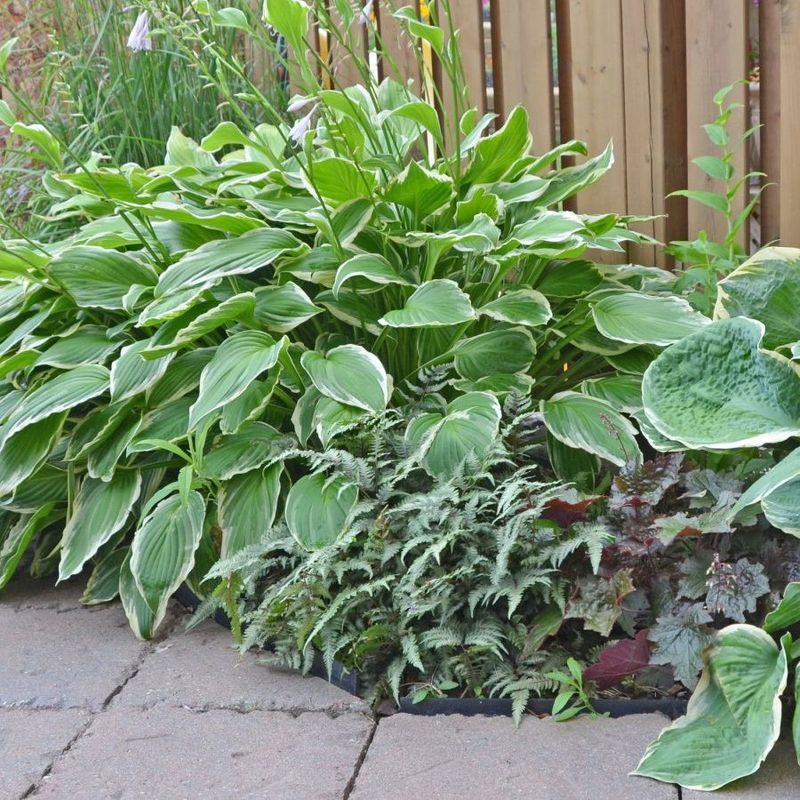
Established hostas are usually tougher than they look, but newer plants need more attention before August heat arrives. A mature clump has a larger root system and more stored energy to draw from during stressful weather.
A newly planted hosta, recent division, or small young plant does not have the same advantage yet.
These plants may dry out faster because their roots have not spread deeply or widely into the surrounding soil. Even if the rest of the bed looks fine, newer hostas can struggle first.
That is why they should be checked separately instead of treated exactly like older clumps nearby.
Look closely at hostas planted this spring or moved earlier in the season. If their leaves droop quickly, yellow at the edges, or fail to perk back up in the morning, they may need a deeper soak.
Water slowly around the root ball and the surrounding soil so the plant is encouraged to root outward.
Do not drown them, but do not let them dry hard either. Young hostas need steady moisture as they settle in, especially before the most intense late-summer heat.
Giving them extra care now helps them establish properly and prevents a weak finish that can affect how well they return next season.