Why Do Evergreens Turn Brown In Winter And How Can You Prevent It
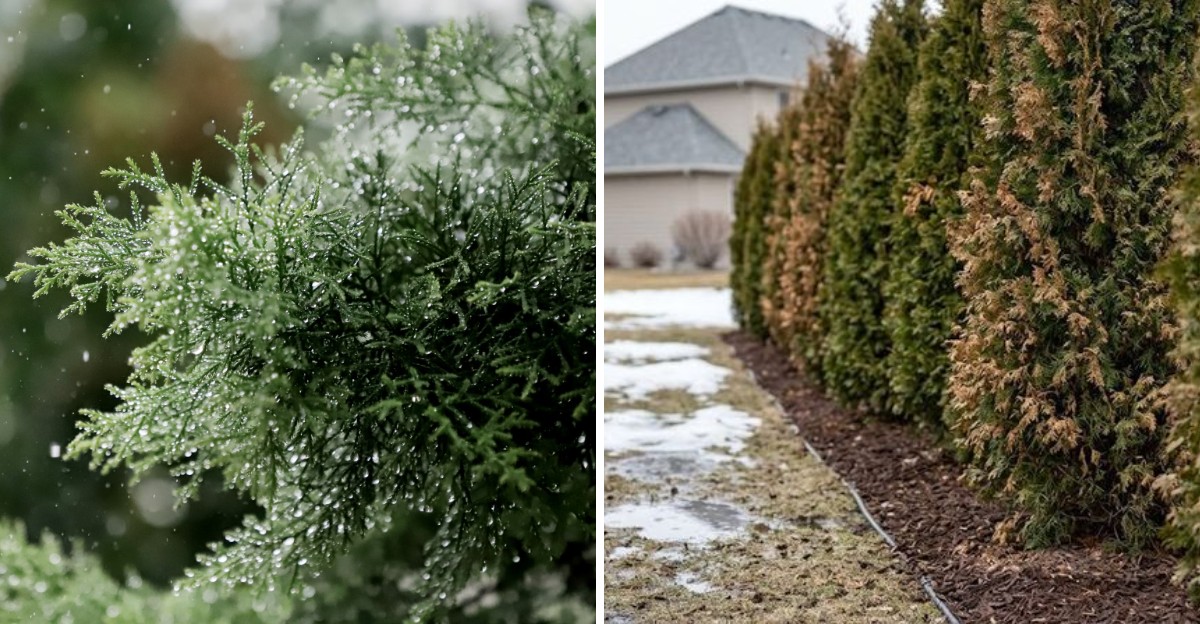
Pine needles keep breathing out water vapor on frigid afternoons, even when the ground beneath them is frozen solid. That hidden thirst explains why a perfectly green hedge can look rusty and scorched by early spring.
The damage usually shows up on the south or southwest side, where bright sun and dry wind hit hardest. Snow cover helps, but a bare, windy winter can leave even tough spruces and junipers looking crispy.
I have to admit my first browned arborvitae sent me into a full panic one March morning. You might notice the same rusty patches and wonder if your favorite shrub is gone for good.
October is the perfect window to change that story, long before the first hard freeze arrives in your yard. So what simple fall habits separate a cheerful, glowing green hedge from a sad, toasted one?
Thirsty Evergreen Needles Lose Water While Roots Sit In Frozen Soil
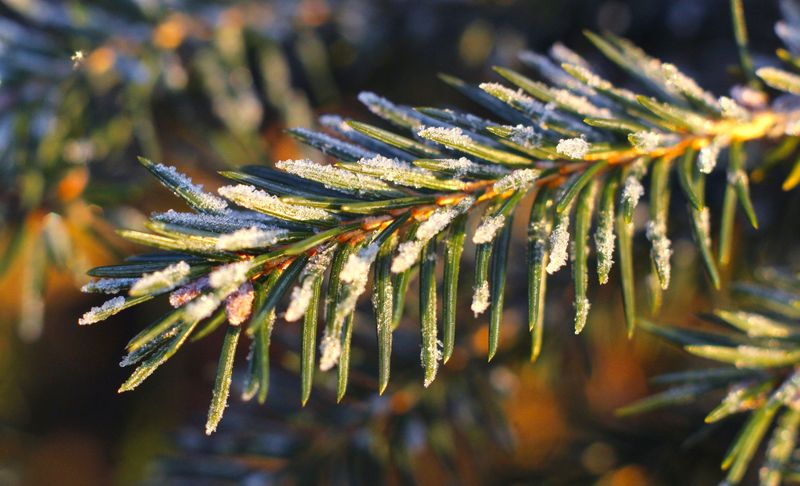
Evergreen needles act like tiny leaky straws, sending water into the air on every sunny winter afternoon. Meanwhile, roots trapped in frozen soil cannot sip a single drop to replace what the needles lose.
Gardeners call this winter desiccation, and university extension experts list it as the top reason evergreens brown. The foliage basically dries out, much like a houseplant someone forgot to water during a busy summer vacation.
I find it fascinating that evergreens keep working all year instead of resting like leafless maples and oaks. That busy lifestyle is wonderful in summer, but it becomes a real liability once January settles in.
Symptoms often appear in late winter or early spring, when needle tips turn reddish brown or straw colored. Broadleaf evergreens like rhododendrons may show crispy leaf edges and curled leaves that look badly scorched.
Newly planted evergreens are hit hardest because their small root systems cannot gather much water from the soil yet. If you planted anything this past spring or summer, give it extra attention over the coming weeks.
Too much water causes trouble as well, since soggy soil starves roots of oxygen and weakens them. Check that your planting spot drains well before you start any heavy fall watering routine this month.
Understanding this hidden thirst changes how you treat your yard each autumn, or at least it did for me. Once you see the cause clearly, the prevention steps that follow start making a lot of sense.
Icy Wind Pulls Moisture From Exposed Juniper Branches
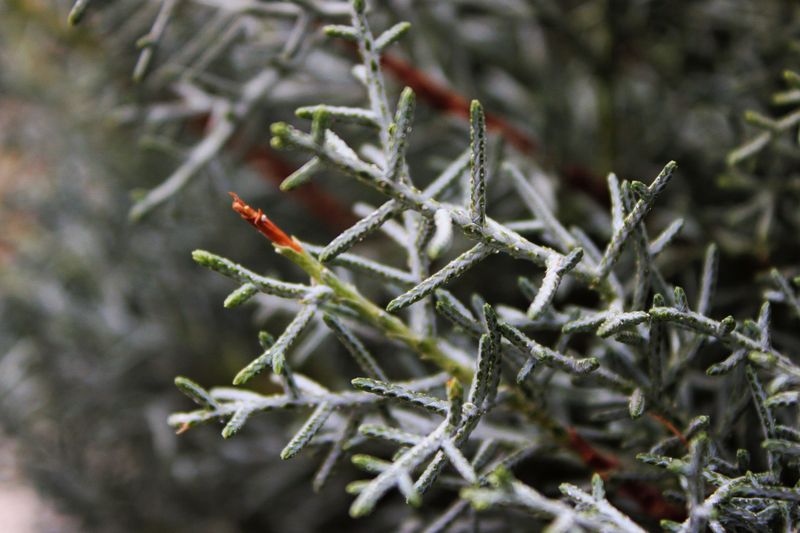
Winter wind works like a hair dryer set on cold, sweeping moisture off every needle it touches. I can almost hear my poor junipers sighing whenever a dry northwest gale rattles across the yard.
Moving air strips away the thin layer of humid air that normally hugs each needle and slows evaporation. Without that cushion, water escapes faster than the plant can possibly pull it from cold soil.
Damage often shows up on the windward side, where branches take the full blast day after day. Corner lots and the narrow gaps between houses can funnel gusts into a surprisingly strong stream of air.
A missing snow blanket raises the risk, since snow normally insulates roots and shelters lower branches from gusts. Bare, open winters let the ground freeze deeper, which locks water away from roots even longer.
Take a breezy October afternoon to stand in your yard and feel where the wind hits hardest. You will quickly spot which evergreens sit in that path and need a little extra help.
Long term, a windbreak of sturdy native trees or a slatted fence can soften those gusts nicely. Choose species rated for your hardiness zone so the windbreak itself does not struggle through winter.
I like how a few smart changes can turn a windswept corner into a calmer spot for plants. Your evergreens cannot move out of the wind, so giving them shelter is the kind thing to do.
Bright Winter Sun Scorches The South Side Of Arborvitae
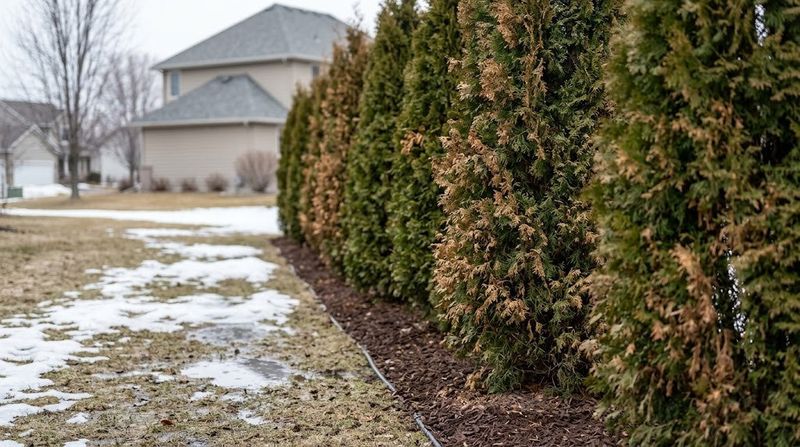
Sunny winter days feel cheerful to us, but your arborvitae might quietly disagree with that sparkling blue sky. Bright sun warms needles enough to wake them up, and they start losing moisture they cannot replace.
Snow on the ground makes things worse by bouncing extra sunlight right back up into the foliage. That reflected glare adds even more warmth to the side of a shrub facing the afternoon sky.
You might notice the browning on just one side of a plant while the shaded side stays green. Extension specialists point to the south and southwest exposures as the usual trouble spots for this damage.
Temperature swings add another problem, because sunlit tissue warms quickly and then chills fast when clouds or sunset arrive. That rapid freeze and thaw pattern can injure cells inside the needles and bark over one afternoon.
Personally, I learned this lesson with a row of arborvitae planted against a bright south-facing brick wall. The heat bouncing off that wall turned the lower branches a sad coppery tan by March.
October is a smart time to walk around your yard and note which evergreens face harsh afternoon sun. Those exposed shrubs deserve first dibs on deep watering and a protective screen later this fall.
For future plantings, tuck sensitive types like yews and hemlocks on north or east sides with gentler light. A little planning today saves you from staring at scorched foliage every spring for many years to come.
Road Salt Spray Turns Roadside White Pines Brown
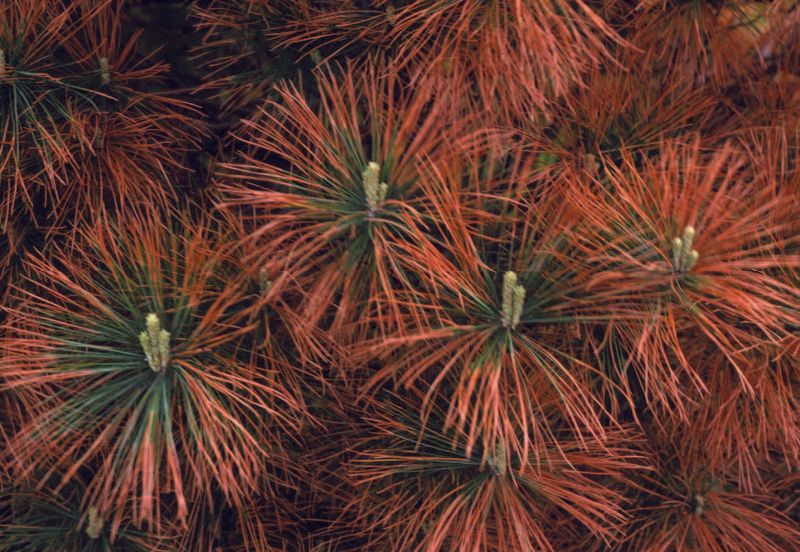
Those salty white streaks on your car each winter land on roadside evergreens too, and plants can’t tolerate them. Salt pulls moisture right out of plant cells, so the effect looks a lot like winter drying.
Damage happens two ways, either through salty spray drifting onto needles or salty runoff soaking into the soil. Roots that absorb salt struggle to take up water, even when the ground holds plenty of moisture.
You might notice browning that starts at needle tips and creeps inward over several weeks in spring. The side facing the street or driveway usually looks worst, which is a big clue that salt is involved.
White pines are famously sensitive, and I have watched whole rows along busy roads turn rusty by spring. Many spruces and firs also react poorly when plows toss slushy salt water onto their branches.
October is your chance to stock up on gentler deicers before stores run low after the first storm. Calcium or potassium based products cause less plant damage than plain rock salt, which is sodium chloride.
Sand or grit adds traction on walkways without any salt at all, and it works surprisingly well on steps. Avoid shoveling salty snow onto garden beds, since that slush melts straight into the root zone.
For new plantings, keep salt-sensitive evergreens well back from roads and driveways whenever your yard space allows. A thorough spring soaking can also help flush leftover salt deeper into the soil and away from roots.
Golden Inner Pine Needles Drop Naturally Every Fall
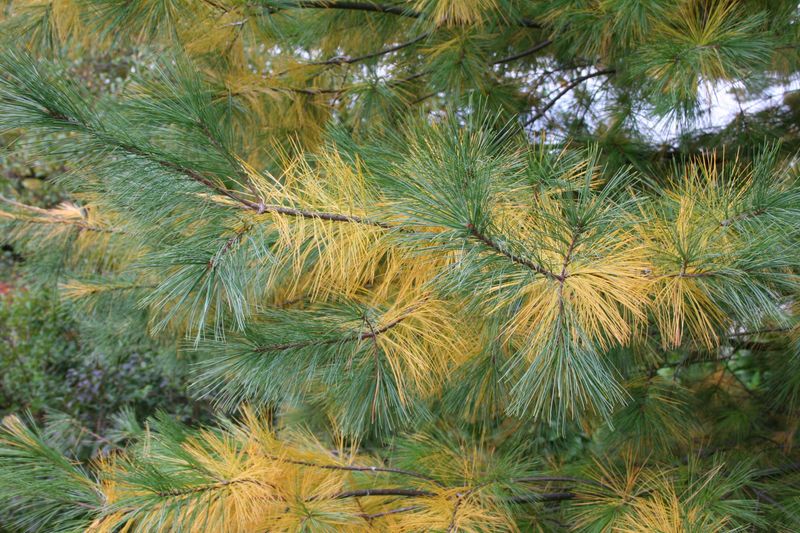
Before you panic about a browning pine this October, peek inside the branches and check where the color sits. Golden needles near the trunk, with bright green tips outside, usually mean nothing is wrong.
Evergreens do shed their foliage, just not all at once like maples and oaks do each autumn. Each year they drop their oldest inner needles, which have done their job and no longer get much sunlight.
White pines put on a dramatic show, sometimes turning their whole interior a striking yellow for a few weeks. Arborvitae shed too, and their browning inner sprays often alarm owners who expect solid green all year.
I once called a tree service over this, only to hear a friendly chuckle on the phone. The arborist explained that seasonal needle drop is a normal, healthy part of every evergreen’s growth cycle.
Winter burn looks different, because it hits outer needles and fresh tips that face sun or wind. Natural shedding stays tucked inside the canopy and spreads fairly evenly around the whole tree from top to bottom.
Leave those fallen needles under the tree, since they make a free mulch that slowly feeds the soil.
Research shows that fallen pine needles do not drastically acidify garden soil, despite what many longtime gardeners believe. If browning shows up on new growth or on just one side, it is time to investigate further.
A Soaker Hose Gives Evergreens A Deep October Drink
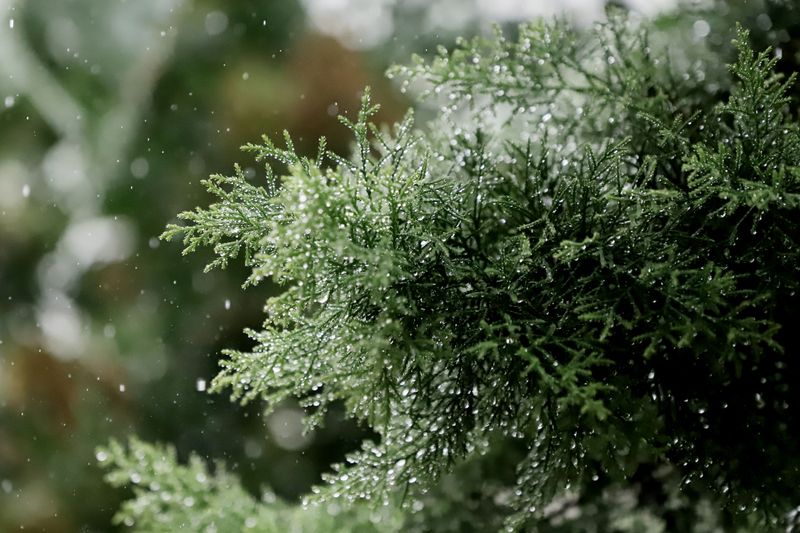
A slow trickle from the garden hose might be the cheapest winter insurance your evergreens will ever get. Think of it as packing a big lunch for a long road trip without any rest stops.
Extension experts across cold regions recommend deep, infrequent watering all through fall until the ground finally freezes solid. Moist soil holds a reserve that roots can tap during midwinter thaws, which helps needles stay plump.
I like to lay a soaker hose in a loose circle around the drip line and let it run slowly. That outer ring is where many feeder roots live, not snug right up against the trunk itself.
Aim to soak the top foot of soil, then wait until it dries slightly before watering again. Stick a long screwdriver into the ground, and if it slides in easily, the moisture runs deep enough.
Fall rain often feels like plenty, but a dry October can leave roots far thirstier than you expect. A simple rain gauge tells you quickly whether nature has done the job or you need to help.
Water during the warmer middle part of the day when air temperatures sit comfortably above freezing. Skip soggy spots with poor drainage, since waterlogged roots can rot instead of storing up moisture.
Personally, I mark my calendar for weekly checks until the hose finally freezes to the spigot. Your newest plantings and broadleaf evergreens like boxwood will thank you with greener color next spring.
Burlap Screens Shield Tender Yews And Hemlocks
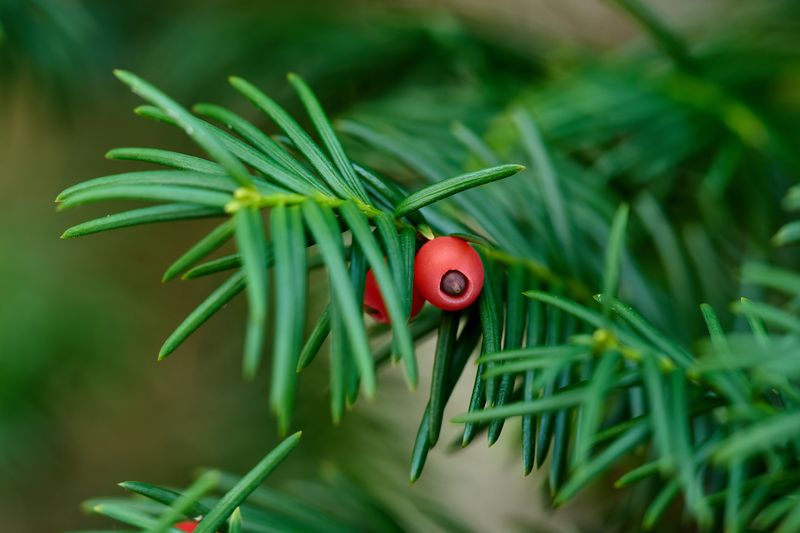
Few garden tasks feel as old-fashioned as stapling burlap to wooden stakes, yet few work quite as well. A simple screen blocks harsh sun and drying wind before either one reaches your favorite shrub.
Yews and hemlocks top the list of evergreens that appreciate this kind of protective shelter in exposed spots. Broadleaf types like boxwood and rhododendron also benefit, especially when they sit near open lawns or driveways.
Set the stakes now in October, before the ground freezes and makes pounding them in a real chore. You can wait to attach the burlap until late November or early December, depending on your local weather.
Place the screen on the southwest or windward side, leaving several inches of space between the fabric and foliage. Wrapping burlap tightly around branches can trap moisture and rub against needles, which causes its own damage.
I believe burlap beats plastic every time, since the woven fabric breathes and lets excess heat escape. Plastic sheeting can cook plants on sunny days, turning a helpful shelter into a tiny greenhouse.
For heavily exposed shrubs, you can build a full enclosure on all sides while leaving the top open. That opening allows light and fresh air in, and it keeps heavy snow from collapsing the frame.
Remove the screens in early spring once harsh winds calm down and the ground starts to thaw. Your neighbors may tease you about the burlap fort, but your green shrubs will have the last laugh.
Anti-Desiccant Spray Coats Glossy Rhododendron Leaves
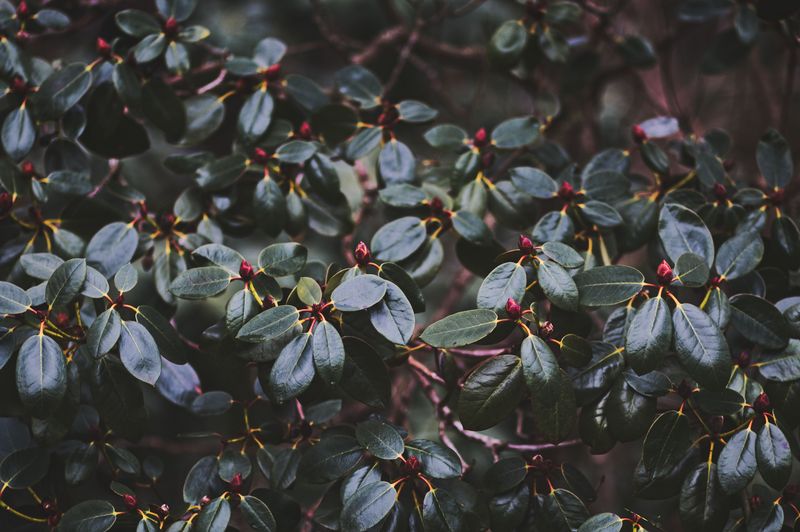
Spraying a shrub with a waxy coating sounds a bit like giving it sunscreen, and the idea is similar. Anti-desiccant products such as Wilt-Pruf form a thin film that aims to slow moisture loss from foliage.
Many garden centers recommend applying them in late fall, then again during a mild spell in midwinter. The film wears off over time, so one spray rarely lasts through a whole cold season.
I have to be honest here, because university research results on these popular sprays are quite mixed. Some extension studies found little benefit, while others noted modest help on broadleaf evergreens like rhododendrons and boxwood.
Timing matters a lot, so apply the spray on a dry day when temperatures sit above about 40 degrees. The coating needs several hours to dry properly before any rain or freezing weather arrives in your area.
Read the label carefully, since many sources warn against using these products on certain types of evergreens. Blue spruces and some junipers can lose their pretty blue waxy bloom after treatment, so skip those.
I treat a spray as a backup rather than a cure, saving it for my most exposed shrubs. Deep watering and a good mulch layer still do far more heavy lifting than any bottle on the shelf.
October is the right time to buy a bottle and read the instructions before the weather turns cold.
Put Down The Pruning Shears Near Your Boxwood Until Spring
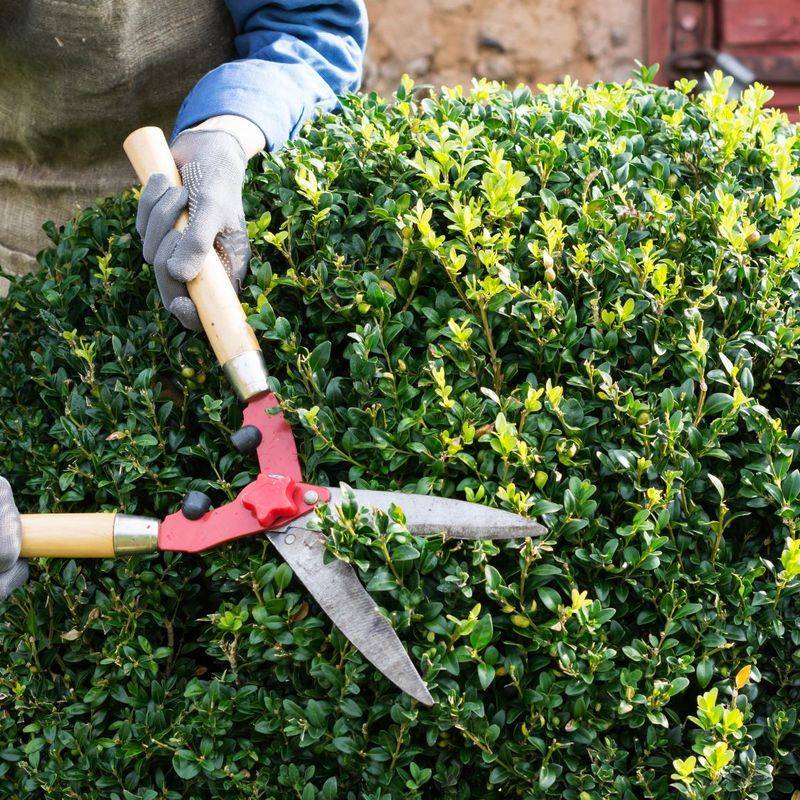
Grabbing the hedge trimmers on a crisp October weekend feels productive, but your boxwood would rather you waited. Fresh cuts can trigger tender new shoots that have no time to toughen up before frost.
Plants spend autumn hardening off, slowly shifting into a sturdier state that handles freezing nights much better. Late pruning interrupts that process and leaves soft growth exposed to the first hard cold snap.
Fertilizer works the same mischief, because a late dose of nitrogen pushes leafy growth at the wrong moment. Extension experts suggest feeding evergreens in early spring instead, ideally after a simple and inexpensive soil test.
Honestly, I trimmed my holiday hedges far too late for years before learning this lesson the hard way. Those crisp shapes looked lovely in November, then turned patchy and brown by the following March.
If winter burn does strike, resist the urge to cut brown branches off the moment snow melts. Wait until new growth appears in spring, because many branches that look rough will push fresh buds.
Pines and spruces often replace damaged needles from healthy buds at their branch tips, so pruning may be unnecessary. Only remove growth that stays bare and brittle after the rest of the shrub has leafed out.
Patience might be the hardest gardening skill, but it pays off beautifully with slow-growing evergreens like boxwood and yew. Use these cool October days to sharpen your tools instead, and save the real cutting for spring.