Tennessee Native Vines That Cover Fences Faster Than Anything Store-Bought
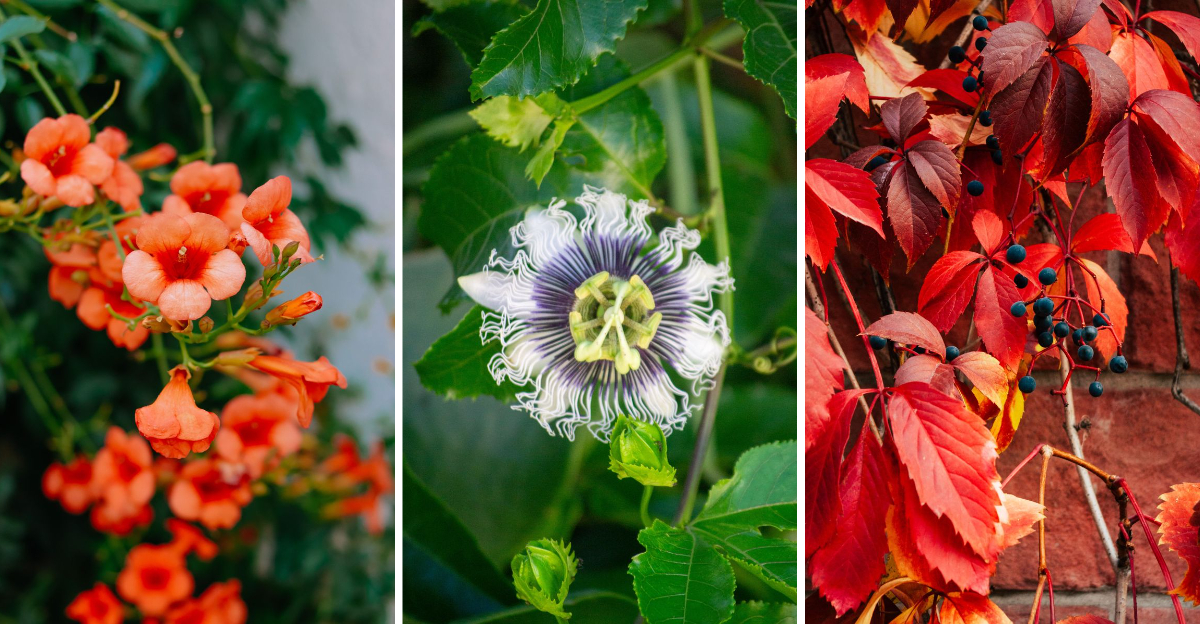
Your chain-link fence has been staring back at you all spring, empty and a little embarrassing.
Meanwhile, big-box nurseries want forty bucks a pot for vines that struggle through their first two summers before doing anything.
Skip that gamble. Tennessee forests have spent thousands of years perfecting climbers that handle humidity, drought, and clay soil without a single complaint.
These plants don’t need much help. They need a fence and a head start. Walk any old fence line in rural Tennessee and you’ll spot the evidence: tangles of green that showed up uninvited and never left.
That’s the kind of vigor you want working for you, not against you. Birds nest in it, pollinators visit it, and you get privacy without lifting a finger after planting day.
Forget the imported stuff that struggles here. Most of these vines are Tennessee natives through and through, built for this exact climate, and ready to turn a bare fence into a living wall by August.
1. Coral Honeysuckle
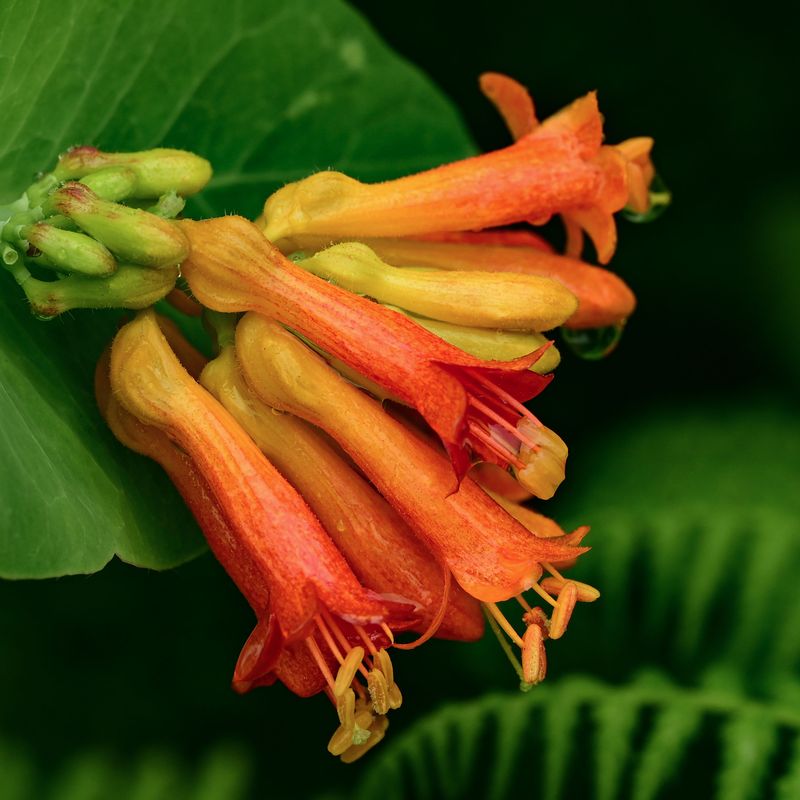
If Japanese Honeysuckle is the aggressive, invasive member of the vine world, Coral Honeysuckle is its well-behaved native cousin.
Lonicera sempervirens blooms in gorgeous red and yellow tubes from spring all the way into fall. The color combination looks almost too exotic for something growing wild in Tennessee.
Unlike its invasive relative, this vine plays nicely with neighboring plants. It does not strangle trees or smother shrubs. That polite growth habit makes it one of the safest choices for a mixed garden fence.
Hummingbirds and butterflies compete for the nectar all season long. The blooms keep coming in waves, especially when the vine gets at least six hours of daily sun.
More sun genuinely equals more flowers with this species. Growth rate is steady rather than rapid, typically reaching twelve to fifteen feet at maturity. It will cover a fence panel within one full growing season under good conditions.
Pair it with a faster grower if you need instant coverage while it establishes. Coral Honeysuckle tolerates clay soil, which is great news for most Tennessee yards.
Amending the soil with compost gives it a head start, but it will succeed even without that extra effort. Watering during the first summer is the most important step you can take.
The glossy blue-green berries that follow the blooms feed migrating birds in autumn. This vine genuinely gives back to the local ecosystem every single month of the growing year.
2. Crossvine
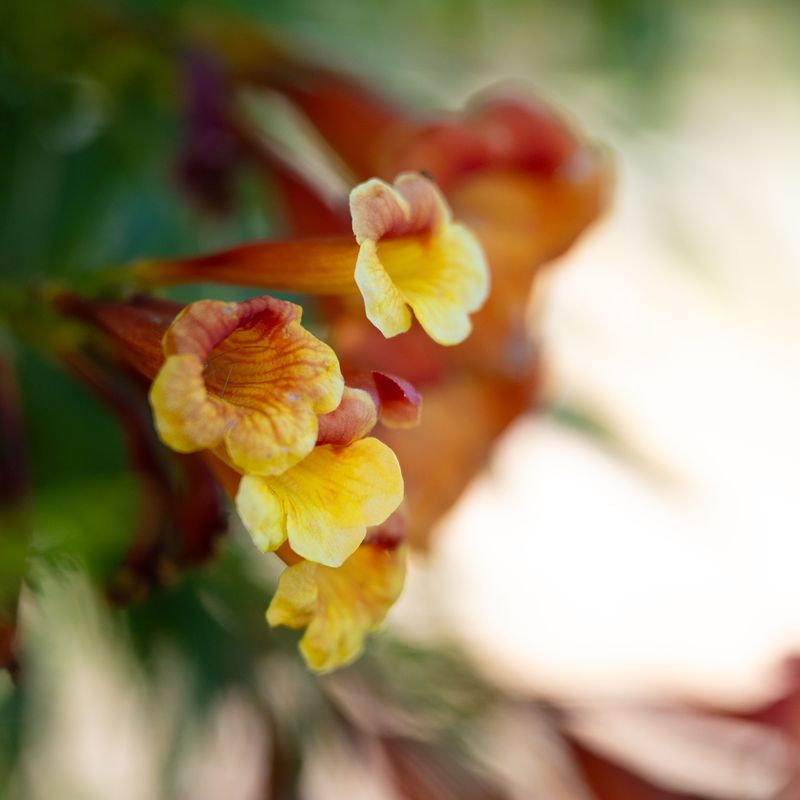
Crossvine blooms before most gardeners even get outside in spring. Bignonia capreolata opens its orange and yellow trumpet flowers in March and April, well ahead of the competition.
That early show is one reason savvy Tennessee gardeners keep coming back to it. The name comes from the cross-shaped pattern you see when you cut the stem.
It is a fun quirk that makes this vine feel a little mysterious. Kids especially get a kick out of discovering that hidden detail.
Crossvine is semi-evergreen in most parts of the state, meaning it holds onto some leaves through mild winters.
That quality gives your fence partial coverage year-round rather than leaving it bare from November through March. For privacy-focused gardeners, that matters a lot.
Tendrils with sticky pads allow it to scale brick, wood, and wire fencing without additional support. It reaches thirty feet or more at full maturity and covers ground quickly once roots settle in.
Few Tennessee native vines that cover fences match its combination of speed and evergreen presence.
Plant it in full sun to partial shade for best results. It handles dry spells well once established, making summer maintenance easy.
A hard prune after the spring bloom keeps the shape tidy without sacrificing next year’s flowers.
Hummingbirds absolutely adore the early blossoms when few other nectar sources are available. Crossvine serves as a critical early-season food stop on their northward migration route each spring.
3. Virginia Creeper
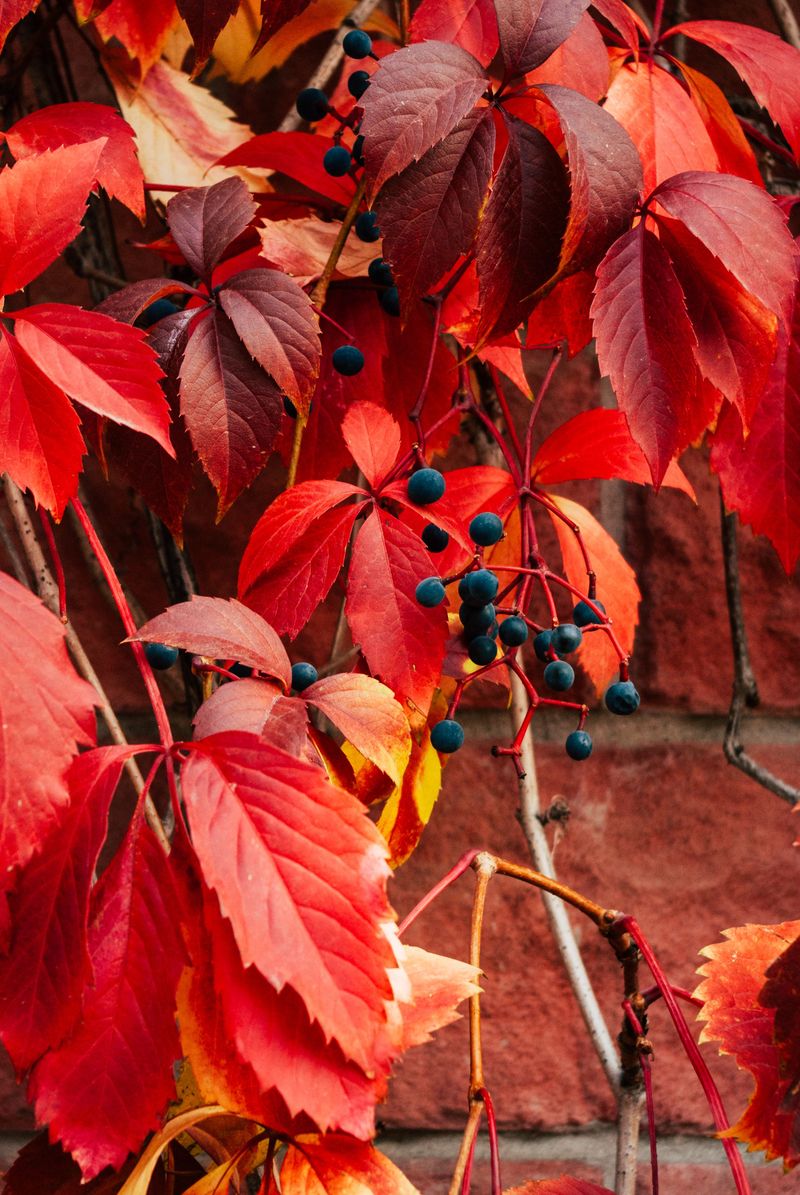
Fall turns this vine into a fireworks show. Virginia Creeper, or Parthenocissus quinquefolia, shifts from deep green to blazing scarlet every autumn.
Few store-bought vines put on a seasonal display this dramatic. It climbs using adhesive-tipped tendrils that grip almost any surface.
Brick walls, chain-link fences, and wooden posts are all fair game. Growth is rapid, often reaching twenty feet within the first two years after planting.
This vine thrives in sun or shade, which makes it incredibly flexible for tricky fence spots. Shaded north-facing fences that stump other climbers are no problem for Virginia Creeper.
Adaptability like that is rare, even among native plants. Birds love the small dark berries that appear in late summer. More than thirty bird species feed on them regularly.
Planting this vine essentially adds a free wildlife feeding station to your yard. Maintenance stays minimal once the vine gets going.
A yearly trim keeps it from sneaking onto surfaces you want to protect. Its root system is not invasive, so nearby garden beds stay safe and undisturbed.
Tennessee native vines that cover fences with this level of color and wildlife value are genuinely hard to beat.
Virginia Creeper earns its spot on any fence with minimal fuss and maximum payoff every single season.
4. Trumpet Creeper
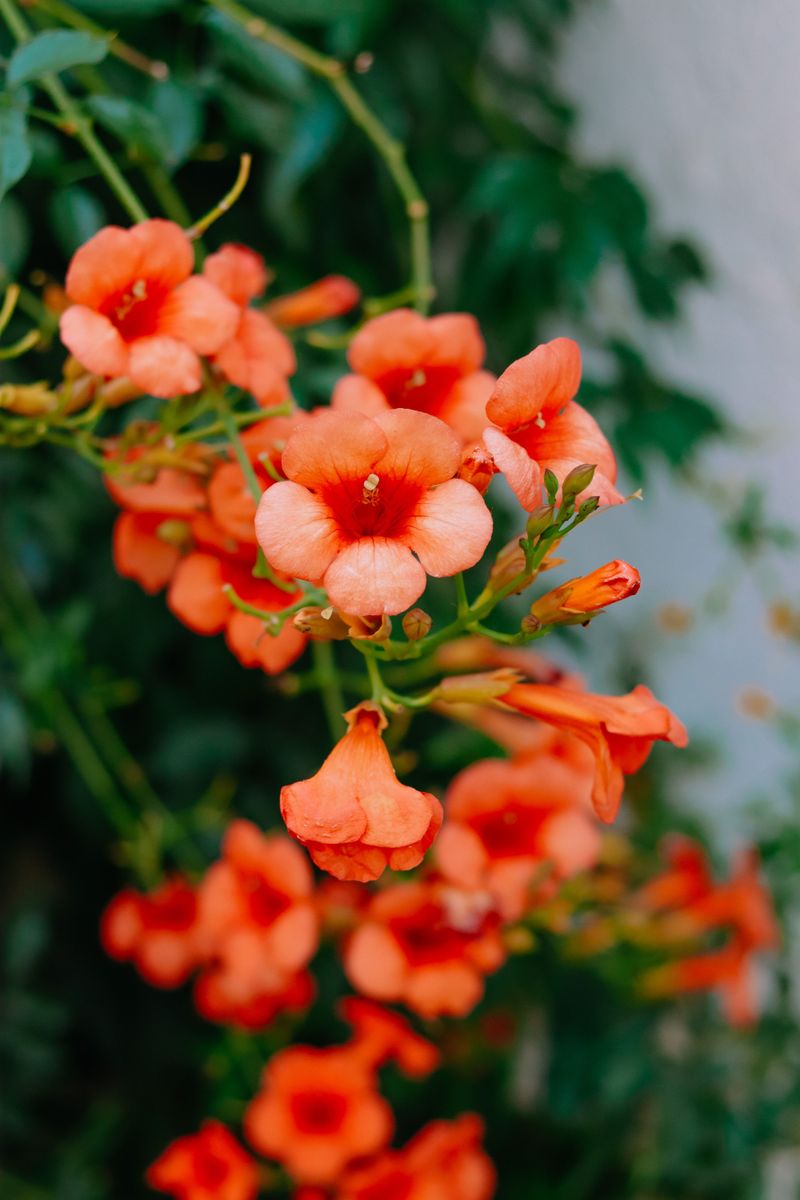
Hummingbirds found this vine before gardeners ever did. Trumpet Creeper, known scientifically as Campsis radicans, is one of the fastest-growing fence-coverers in the Southeast.
Its bold, orange-red blooms are impossible to miss from across the yard. This vine grabs onto wood, brick, and wire with aerial rootlets that act like tiny anchors. Once established, it can grow ten feet or more in a single season.
That kind of speed makes it a top pick for Tennessee native vines that cover fences fast. Plant it in full sun for the best bloom show. It handles heat, drought, and poor soil without complaint.
You will not find many store-bought options that tough it out the way this one does. One fair warning: Trumpet Creeper spreads enthusiastically. Suckers pop up in surprising spots, so keep a shovel handy for control.
Trim it back hard each spring to keep the growth manageable and the blooms looking their best. Pollinators are drawn to it heavily during summer.
Ruby-throated hummingbirds visit daily when the flowers are open. It’s a rewarding sight to see in your own backyard, season after season.
5. American Wisteria
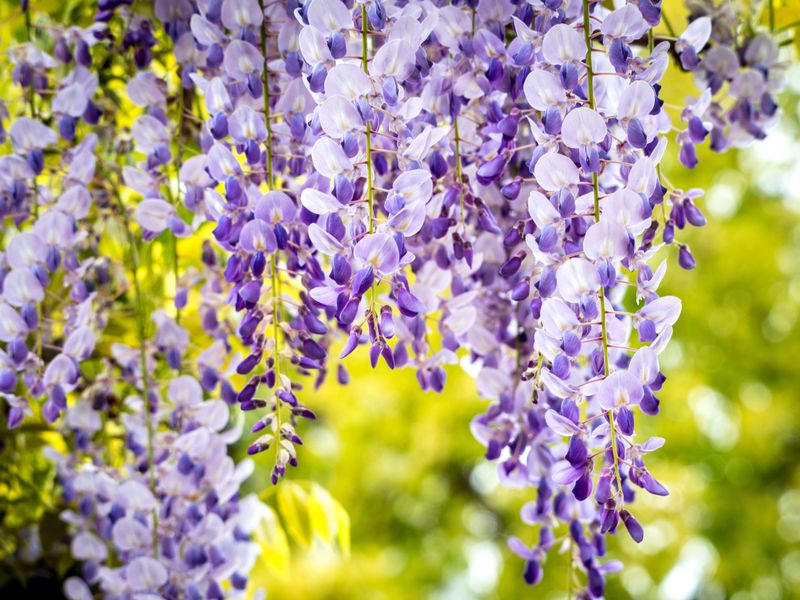
Purple waterfalls hanging off a fence in May sound like a garden fantasy. American Wisteria, or Wisteria frutescens, makes that fantasy a reality without the nightmare that comes with the invasive Asian varieties.
This one stays where you plant it. Asian wisterias have earned a reputation for overtaking entire trees and structures. American Wisteria blooms just as beautifully but behaves with far more restraint.
The flower clusters appear in dense, grape-like bunches that smell faintly sweet on warm afternoons.
It grows vigorously, reaching twenty-five to thirty feet over several years. The first year or two may feel slow, but patience pays off enormously once the root system matures.
Gardeners who stick with it get rewarded with a fence that looks like a painting every spring. Full sun produces the best blooms, so pick your sunniest fence section for planting.
Well-drained soil helps, but this vine tolerates occasional wet feet better than most woody climbers. A sturdy support structure matters since mature plants get heavy.
Pruning twice a year keeps growth controlled and encourages more flower buds. Cut back new growth in midsummer and again in late winter before buds swell. Skipping those trims leads to a tangled mess that is harder to manage each season.
Bumblebees visit these blooms constantly when they open. A fully flowering American Wisteria buzzing with pollinator activity is one of the most rewarding sights in a home garden.
6. Passionflower (Maypop)
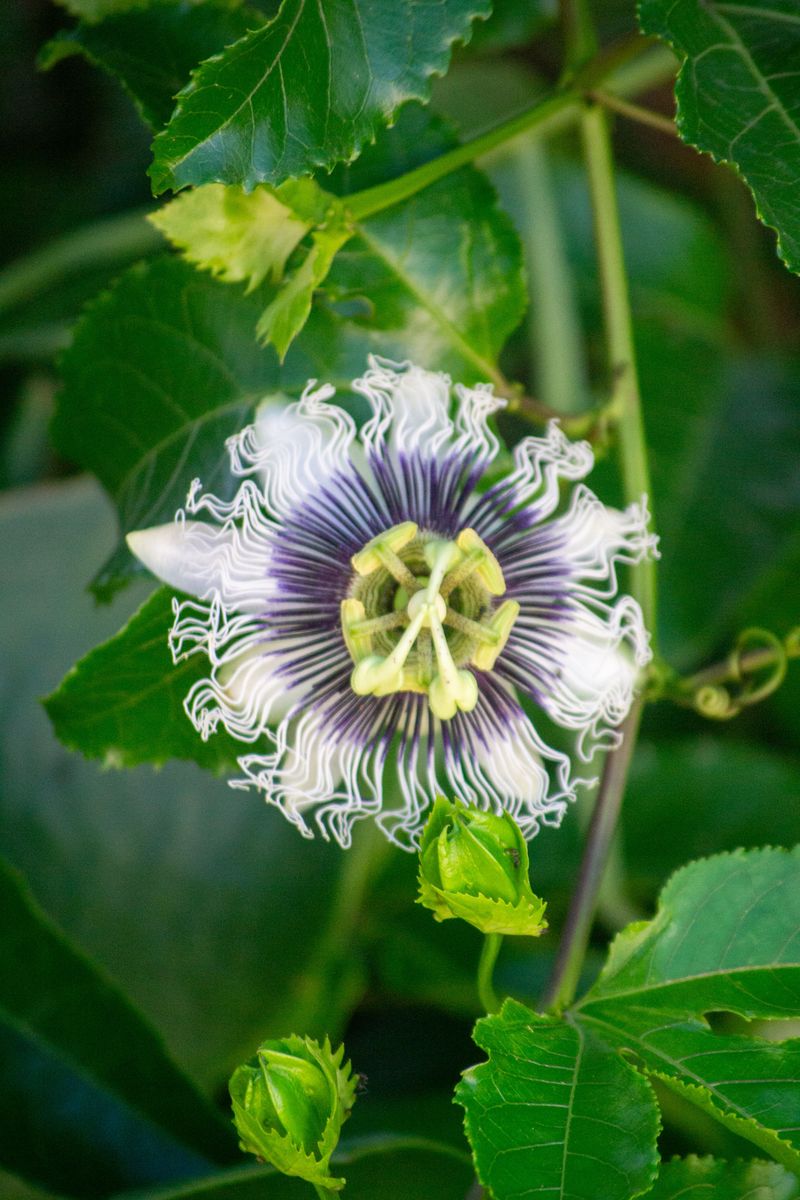
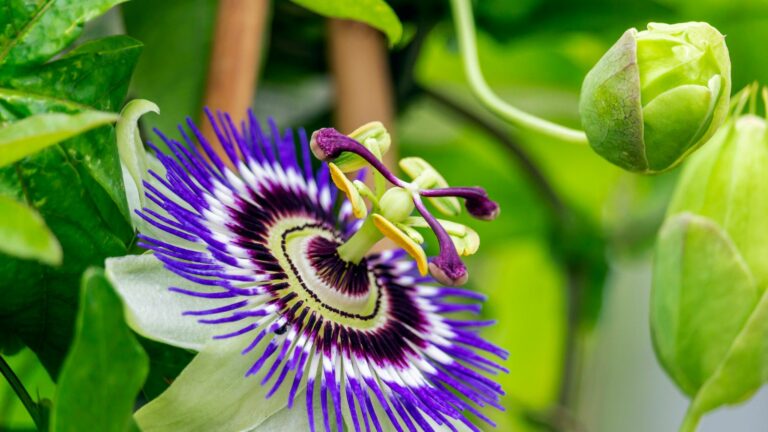
Nothing growing in a Tennessee yard looks more like it belongs in a tropical greenhouse. Passionflower, or Passiflora incarnata, produces blooms so elaborate and strange that first-time visitors always stop and stare.
Each flower looks hand-assembled by someone with a lot of imagination and too much free time. Despite those exotic looks, this plant is completely native and incredibly tough.
It handles winter freezes by retreating to the roots and resprouting vigorously each spring. That underground resilience means it comes back stronger after every cold season.
Maypop earns its nickname from the popping sound the egg-shaped fruits make underfoot in late summer. Those fruits are edible and taste like a mild tropical blend of flavors.
Indigenous peoples across the Southeast used them as a food source for generations. Growth can reach fifteen to twenty feet in a single season under good conditions.
It spreads by underground runners, so expect new shoots popping up a few feet from the main plant. Mowing around the base controls spread without harming the vine itself.
Gulf Fritillary and Zebra Longwing butterflies depend on this plant as their primary larval host.
Planting it essentially builds a butterfly nursery right on your fence line. That ecological value alone makes it worth every inch of space it takes.
Tennessee native vines that cover fences while doubling as a wildlife sanctuary are rare finds. Passionflower checks every single box a nature-loving gardener could want from one plant.
7. Climbing Hydrangea
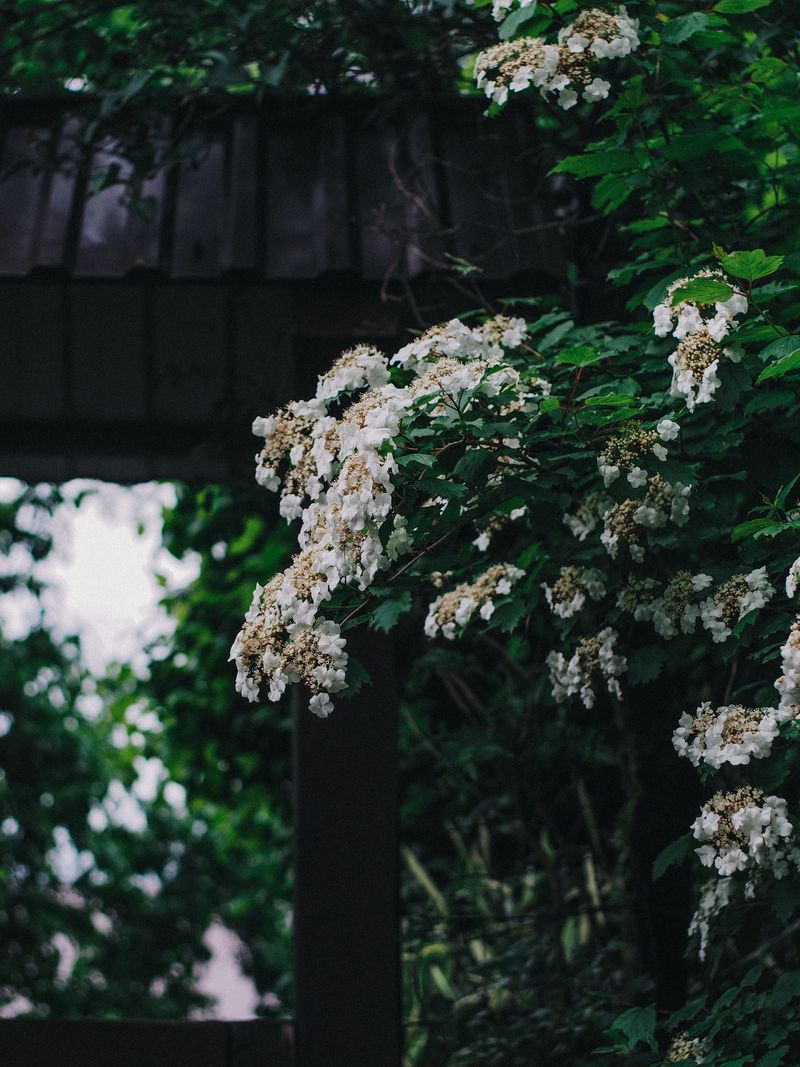
Shaded fences get ignored by most fast-growing vines, but Climbing Hydrangea thrives exactly where others give up.
Hydrangea anomala petiolaris is the answer for that dark north-facing fence that has stumped you for years.
Unlike the other vines on this list, it’s native to Asia rather than North America, but it earns its place here as one of the few reliable performers in deep shade. Its large white lacecap blooms light up shadowy corners like nothing else can.
Slow to establish in the first two or three years, this vine rewards patience with extraordinary results. Once its roots settle, growth accelerates noticeably and the coverage becomes dense and lush.
Think of those early years as the vine quietly building its foundation underground. Aerial rootlets allow it to cling to wood, stone, and brick without needing wire or trellis support.
The stems become woody and attractive over time, adding winter interest even after the leaves drop. A mature Climbing Hydrangea looks architectural and intentional in every season.
Pollinators visit the blooms in large numbers during the June flowering period. The flat flower heads make landing easy for bees, beetles, and hoverflies of all sizes.
Few ornamental vines support that breadth of insect diversity so effortlessly. Fall foliage turns a clean buttery yellow before dropping, adding one more seasonal layer of beauty.
The peeling cinnamon-colored bark on older stems adds texture through the winter months. This vine earns its keep on the fence twelve months a year.
For homeowners who want low-maintenance elegance on a shaded fence, this plant is the clear answer. No store-bought option competes with its four-season performance in difficult light conditions.
8. Virgin’s Bower
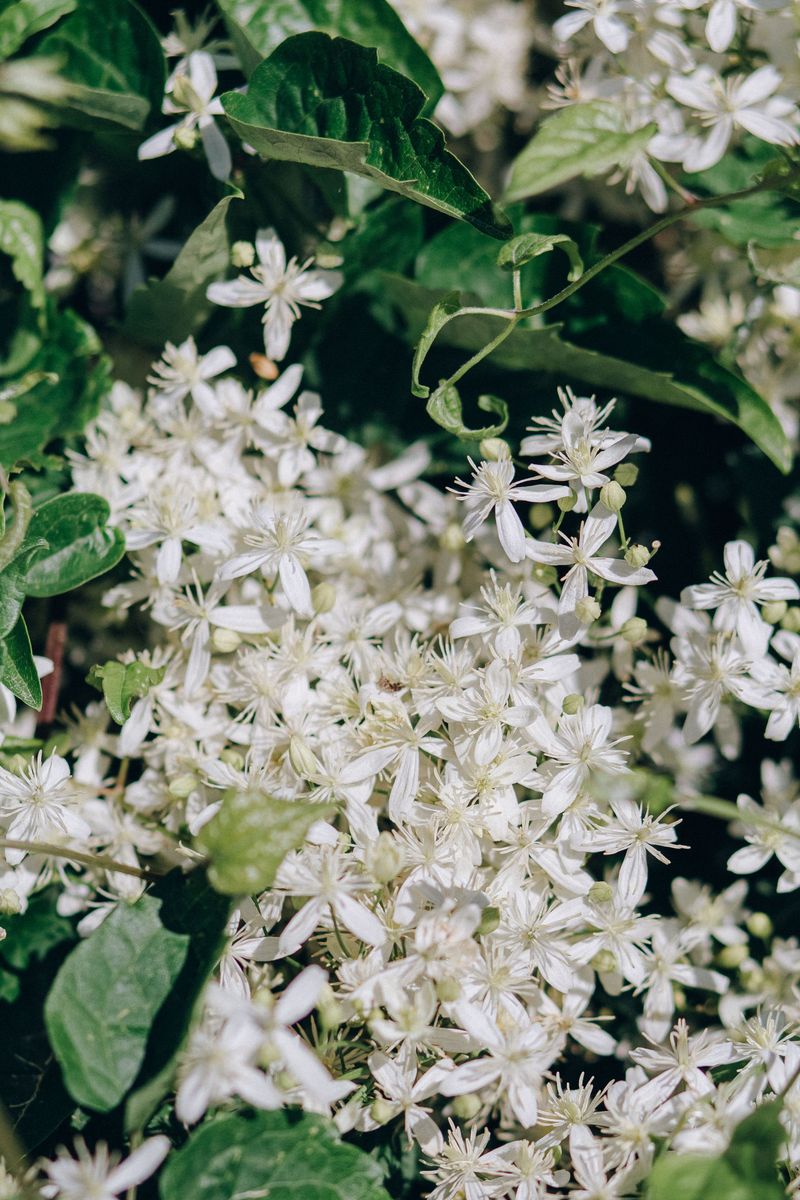
Late summer is when most vines start looking tired, but Virgin’s Bower is just getting started.
Clematis virginiana bursts into clouds of tiny white flowers in August and September, right when every other bloomer is fading out. That late-season timing makes it genuinely irreplaceable in a layered garden planting.
This native clematis grows fast and furiously, easily reaching fifteen feet in one season. It scrambles over fences, shrubs, and anything else within reach using twisting leaf stalks as hooks.
Give it a wire fence and watch it disappear under a blanket of white by early fall. The fluffy silver seed heads that follow the blooms are almost as showy as the flowers themselves.
They persist on the vine well into winter, catching light and moving in the breeze. Gardeners who leave them standing get a bonus display that lasts for months after the last petal falls.
Full sun to light shade works equally well for this adaptable climber. Moist, well-drained soil gets the best results, but established plants handle dry spells without drama.
Cutting it back to about two feet each late winter keeps the growth fresh and vigorous each new season.
Songbirds use the fluffy seed fibers to line their nests in early spring. That nesting material benefit adds yet another layer of wildlife value to an already generous plant.
Tennessee native vines that cover fences while supporting birds, bees, and butterflies this completely deserve every inch of fence space they claim.