The Spotted Lanternfly Is Spreading Toward Minnesota, And Here’s How To Spot The Warning Signs
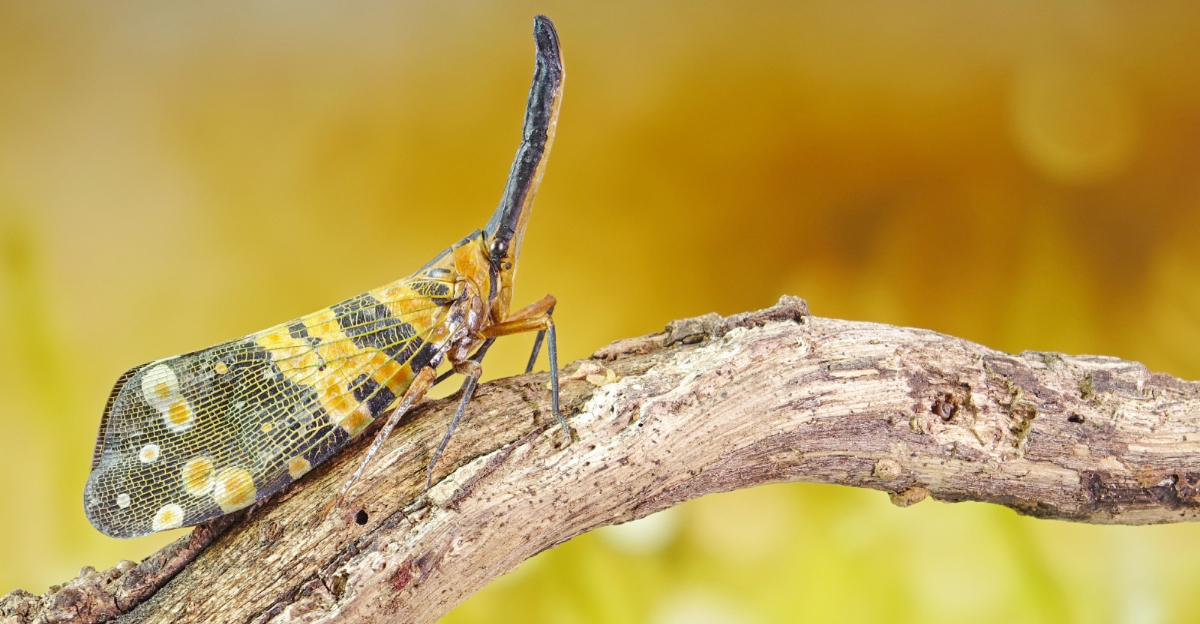
A colorful insect with a knack for trouble is working its way closer to Minnesota, and local gardeners shouldn’t wait to take notice.
The spotted lanternfly looks almost ornamental with its spotted wings and bright red underlay, but don’t let the appearance fool you.
This pest has already caused serious damage across more than a dozen U.S. states, weakening trees and reducing crop yields in affected regions. It doesn’t fly far on its own.
Instead, it rides along on car bumpers, shipping pallets, firewood, and nursery plants, quietly crossing state lines before anyone notices.
Minnesota’s grapevines, fruit orchards, and maple trees could be vulnerable if the bug becomes established here. However, officials note its preferred host plant, tree of heaven, is not widespread in the state.
Anyone with a backyard garden, a few fruit trees, or even a single grapevine should know what early signs to look for. Here’s what to check before this pest catches you off guard.
1. Watch For Tree Of Heaven

If there is one plant that practically rolls out a welcome mat for the spotted lanternfly, it is tree of heaven. This invasive tree, known scientifically as Ailanthus altissima, is the lanternfly’s absolute favorite host plant.
Tree of heaven grows fast and spreads aggressively along roadsides, fence lines, and disturbed areas. You have probably seen it without knowing what it was, since it blends into the landscape easily.
Its leaves look a bit like sumac, with long compound leaflets arranged along a central stem. Each leaf can have anywhere from 11 to 41 leaflets, and the whole thing can stretch over two feet long.
One clear giveaway is the smell when you crush a leaf. It gives off a strong, unpleasant odor that many people compare to burnt peanut butter or garbage.
Walk your property line and check areas near alleys, ditches, and disturbed ground. Spotted lanternflies lay their eggs on this tree more than any other species, making it a key scouting target.
If you find tree of heaven on your land, contact your local extension office about safe removal options. Eliminating it now reduces the habitat that could support a lanternfly population later.
Knowing this tree by sight is one of the most powerful tools a gardener has against the spotted lanternfly spreading across the Midwest right now.
2. Examine Grapevines Closely

Grapevines are basically where the spotted lanternfly goes to settle in for the season. These pests feed heavily on grapevines, draining the sap and leaving vines too weak to survive a harsh winter.
Start your inspection at the base of the vine and work your way up. Run your fingers along the woody stems and check every surface carefully, including the underside of leaves.
Spotted lanternfly nymphs are small and easy to miss early in the season. Young nymphs look like tiny black bugs with white spots, while older ones develop bright red patches on their bodies.
Adult lanternflies are more dramatic looking, with spotted forewings and vivid red hindwings. Seeing one on your grapevine is a serious red flag that demands immediate action.
Beyond the bugs themselves, watch for signs of feeding damage. Oozing sap on the stem, wilting shoots, or a sudden decline in vine health can all point to a lanternfly problem you have not yet spotted with your eyes.
Commercial vineyards in Pennsylvania and New York have reported devastating crop losses because of this pest. Backyard gardeners growing grapes for jam, juice, or wine face the same real threat.
Make vine inspections a weekly habit from late spring through fall. Catching an infestation early gives you far better options than dealing with a full-blown colony on your beloved grapevines.
3. Inspect Vehicles After Travel

Your car might be carrying a stowaway you never agreed to transport. Spotted lanternflies are notorious hitchhikers, clinging to vehicles and riding hundreds of miles to new territories without anyone noticing.
After any road trip through states like Pennsylvania, New Jersey, Ohio, or Indiana, give your vehicle a thorough once-over. Focus on the grille, wheel wells, bumpers, and the undercarriage where egg masses like to hide.
Egg masses look like smeared mud or dried putty on a flat surface. They are roughly an inch long and grayish-brown, making them easy to overlook if you are not specifically searching for them.
Check inside your car too, especially if you parked under trees during your travels. Lanternflies can slip through a cracked window and hide under seats or in cargo areas without any trouble.
Campers and RVs deserve extra scrutiny because they have more surface area and more hidden spots for egg masses. Check roof edges, slide-out seams, and any exterior storage compartments before heading home.
Boats, ATVs, and trailers also need inspection after trips through affected regions. Outdoor equipment that sits near trees during camping trips is especially vulnerable to picking up unwanted passengers.
Building a quick inspection habit every time you return from out of state could be the single most effective thing you do to protect your garden this season.
4. Check Firewood For Eggs
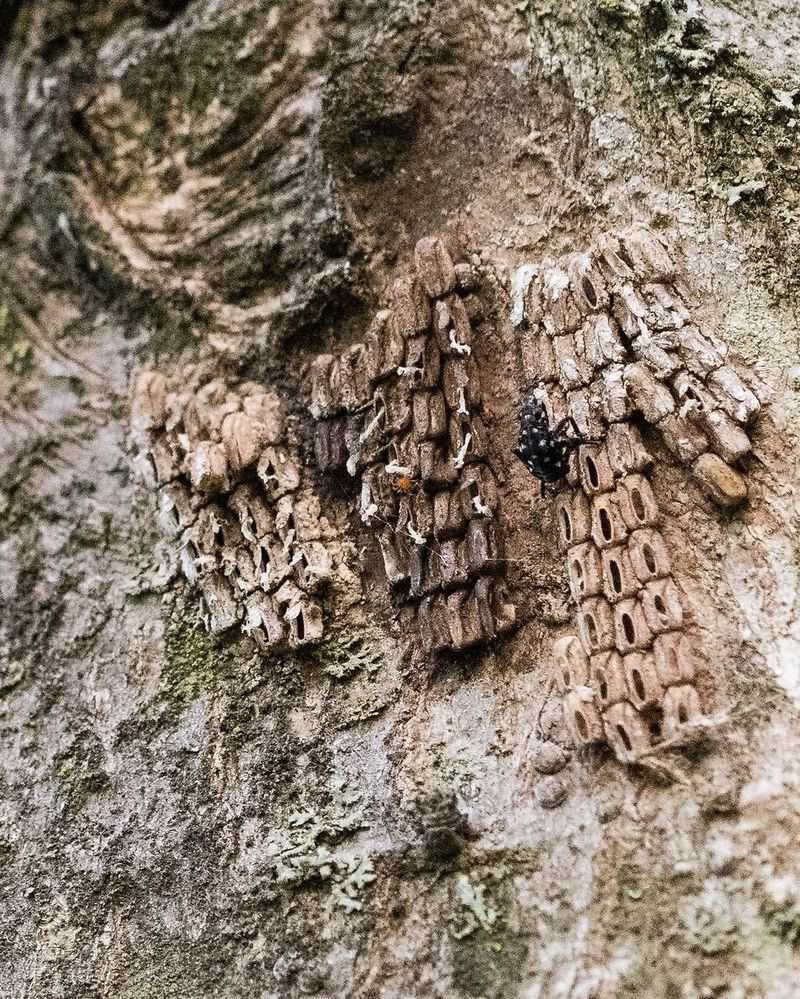
Firewood is one of the sneakiest ways invasive pests travel across state lines. The spotted lanternfly lays egg masses on almost any flat, hard surface, and the rough bark of firewood is practically perfect for the job.
If you bought firewood from out of state or received it as a gift from a traveler, inspect every single piece before burning or storing it. Egg masses can survive cold temperatures and hatch right on schedule in spring.
Look for patches that resemble dried mud or cracked putty pressed onto the wood surface. Fresh egg masses have a waxy coating that protects them through winter, while older ones look dull and cracked.
Each egg mass holds between 30 and 60 eggs, so one overlooked log could introduce dozens of new pests to your yard. That math should make every gardener pay close attention.
Always buy firewood locally and burn it where you buy it. That simple rule, promoted by forestry agencies across the country, is one of the best defenses against pest spread.
If you find a suspicious egg mass, do not just toss the log aside. Scrape the mass into a bag with hand sanitizer or rubbing alcohol, seal it tightly, and dispose of it in the trash.
Protecting your garden from the spotted lanternfly starts with the woodpile, so make this check a regular part of your outdoor routine this fall and winter.
5. Scan Trunks For Egg Masses

Tree trunks are prime real estate for spotted lanternfly egg masses, and most gardeners walk right past them without a second glance. A thorough trunk scan in late fall through early spring can stop a new generation before it ever hatches.
Female lanternflies lay eggs on smooth-barked trees as well as rough ones, meaning almost every tree in your yard is a potential target. Apple, cherry, plum, and willow trees are especially popular choices for egg laying.
Get close to the trunk and examine it at eye level, then crouch down to check lower sections too. Egg masses often appear on the lower three feet of the trunk, but they can be found higher up as well.
The masses look like a smear of light gray or tan putty with a slightly bumpy texture. After winter weathering, they crack and look more like dried mud, which makes them blend into bark even better.
Do not forget to check fence posts, garden stakes, storage bins, and outdoor furniture nearby. Lanternflies are not picky about where they lay eggs as long as the surface is relatively flat and stable.
Scraping egg masses off with a plastic card and dropping them into alcohol is the recommended removal method. Never crush them on the ground, as that does not reliably destroy all the eggs inside.
A careful trunk scan right now could prevent hundreds of hungry nymphs from emerging in your garden come spring.
6. Notice Sticky Honeydew Residue
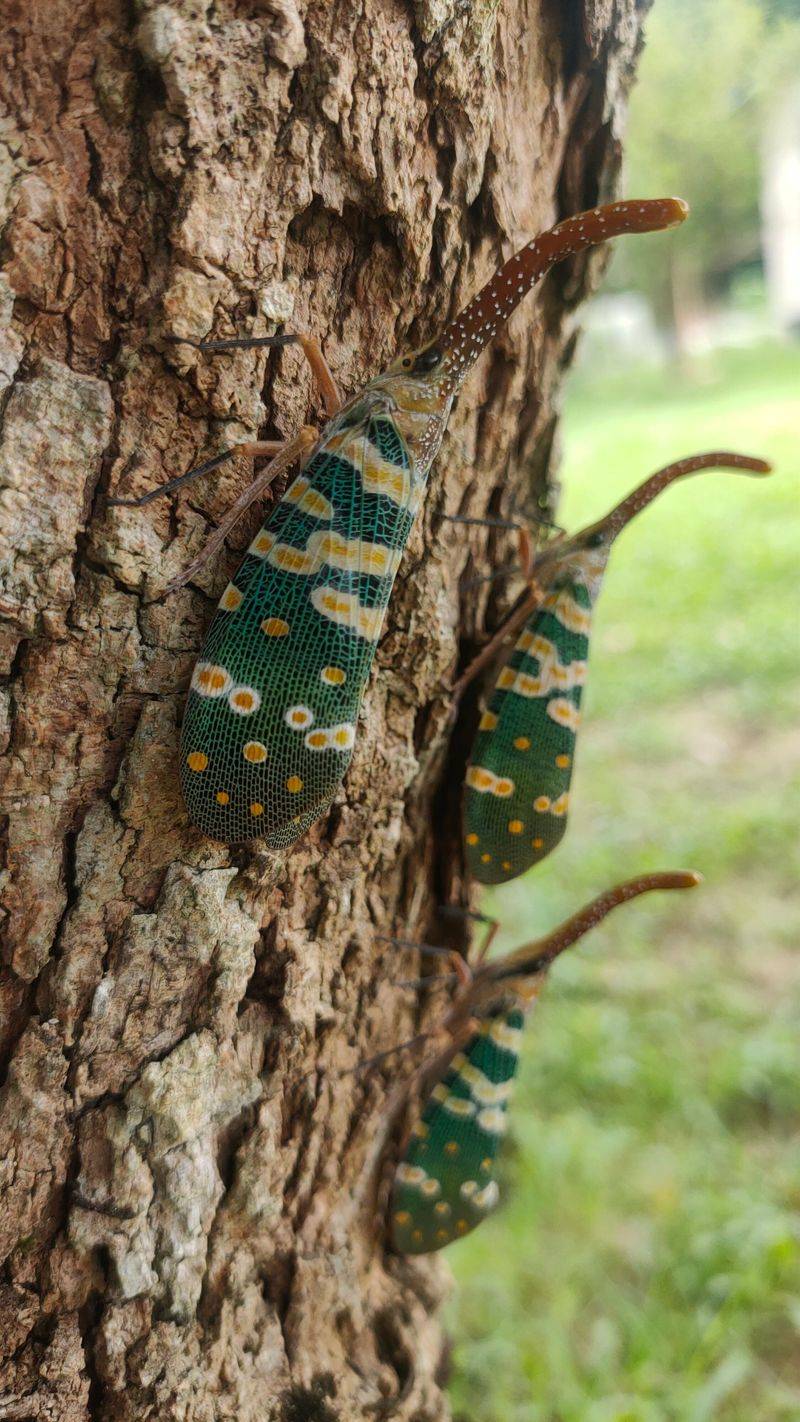
Something sticky on your plants is never a good sign, and when it comes to the spotted lanternfly, that stickiness is a big clue. As lanternflies feed, they excrete a sugary liquid called honeydew that coats everything beneath them.
You might notice it on leaves, branches, garden furniture, or even the ground below infested trees. The substance feels tacky to the touch and has a faintly sweet smell that is hard to miss on a warm day.
Honeydew creates a second problem beyond the feeding damage itself. It encourages the growth of a black fungus called sooty mold, which coats surfaces and blocks sunlight from reaching leaves.
Plants struggling under a layer of sooty mold cannot photosynthesize properly, which weakens them significantly over time. What starts as a sticky mess can spiral into serious long-term damage for trees and shrubs.
Honeydew also attracts other insects like wasps, ants, and flies, turning your garden into a buzzing, sticky situation. If you suddenly notice unusual insect activity around a tree, look up and check the branches carefully.
Not every sticky plant is caused by lanternflies, since aphids and scale insects produce honeydew too. However, if you find honeydew combined with other signs like egg masses or feeding wounds, the lanternfly becomes a strong suspect.
Catching this residue early and tracing it back to its source puts you ahead of the problem before the spotted lanternfly population grows too large to manage easily.
7. Photograph Any Suspicious Sightings

You spot something colorful on your fence post and your gut says something is off. Before you do anything else, grab your phone and take a clear photo from multiple angles.
Good documentation is the backbone of any pest tracking effort. Researchers and state agencies rely on photos from everyday gardeners to map where new populations are appearing across the country.
Try to capture the insect from the front, side, and top if possible. A close-up showing wing patterns, body color, and size gives experts the best chance of making a confident identification.
Spotted lanternflies are about an inch long with distinctive spotted forewings and vivid red hindwings that flash open when they feel threatened. If you see those red wings, your photo just became very important data.
Make sure your photo includes something for scale, like a coin, a ruler, or even your finger placed near the insect. Context clues in the background, like the type of plant it is sitting on, also help with identification.
If the insect moves before you finish photographing, note the location, date, time, and plant species involved. Written records paired with even a blurry photo are far better than no record at all.
Your one snapshot could help scientists understand exactly how fast the spotted lanternfly is moving toward new regions, making you an unexpected hero in the fight to protect Midwestern gardens.
8. Report Findings To MDA
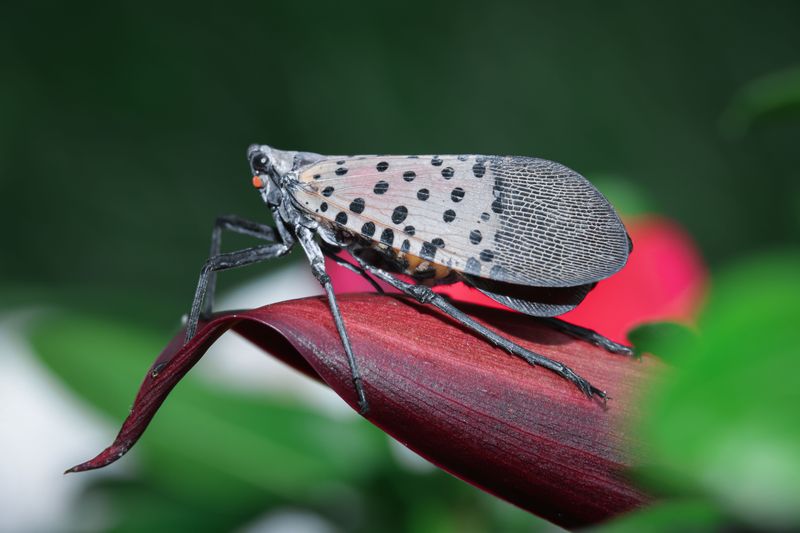
Finding a suspicious insect in your garden is only half the job. The other half is making sure the right people know about it as fast as possible.
The Minnesota Department of Agriculture, known as the MDA, has a dedicated reporting system for invasive species sightings. Submitting a report takes just a few minutes and can make a real difference in how quickly officials respond.
You can report online through the MDA website using their Report a Pest tool. The form asks for your location, the date of the sighting, a description of what you saw, and any photos you captured.
Early reports give state officials the chance to investigate before a new population has time to establish itself.
Do not assume someone else will report it. Every sighting adds valuable data, even if you are not completely certain of what you saw.
If you are unsure whether what you saw is actually a spotted lanternfly, report it anyway. The MDA would rather investigate a false alarm than miss a real introduction of this destructive pest.
Reporting your findings to the MDA is the most direct way you can help protect Minnesota gardens, farms, and forests from the spotted lanternfly right now, and it costs you nothing but a few minutes of your time.