The Last Lawn Mow Of The Year And Why Height Matters More Than You Think
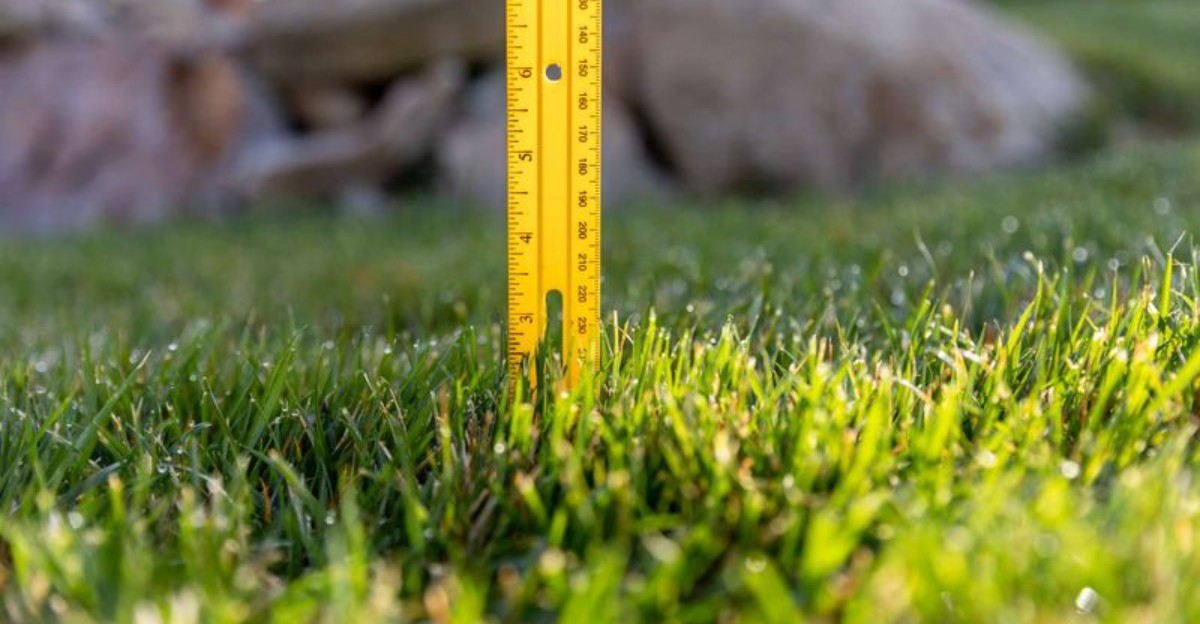
A single pass of the mower in late fall can shape how your grass looks next April. That still amazes me every year.
Grass blades work like tiny solar panels. In autumn, they pack sugars down into the crown and roots, and that stored energy carries the plant through the cold months. Cut away too much leaf, and you cut off part of the pantry.
I used to treat the final mow like a quick tidy before the rake came out. Personally, I had no clue a half inch could matter so much. Extension experts point out that height affects winter stress, disease, and how fast the yard greens up later.
You need to know one more twist. Going too tall can cause trouble too, especially where snow piles up for weeks. So where does the sweet spot sit for your yard?
That Final Pass With The Mower Sets Up Your Spring Grass
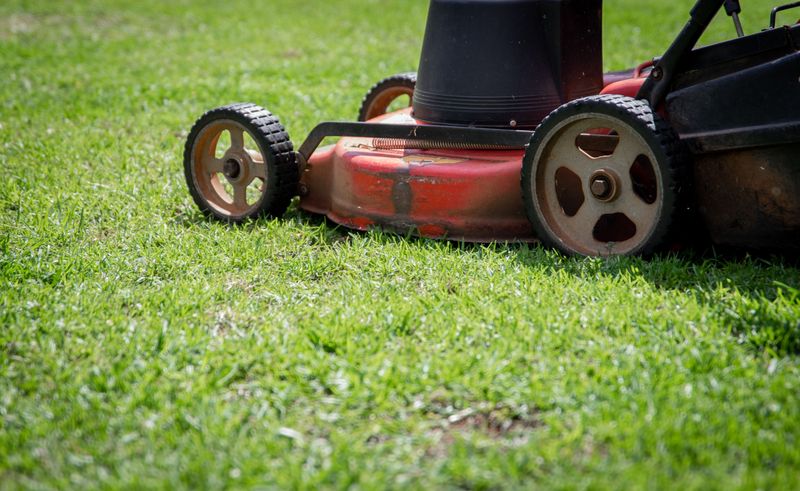
Most folks think of the last mow as a goodbye wave to the season. In truth, it works more like packing a lunch for a long trip.
Grass keeps growing slowly in fall, often until soil temperatures drop into the 40s. During that time, the plant sends carbohydrates down to the roots and crown, the small growing point at the soil line that has to survive winter.
Your final cut decides how much green leaf stays behind to keep that process going. Leave enough blade, and photosynthesis continues on mild, sunny days. Shave it off, and the plant has less to work with right when it needs reserves most.
I find it helpful to watch the calendar and the lawn together. When growth slows and you only need to mow every two weeks or so, the season is winding down. Keep mowing until the grass truly stops growing, then make that last pass count.
Height may seem like a small detail. Yet it quietly controls how strong, thick, and green your yard looks when spring rolls around again.
Most Cool Season Lawns Love A 2 To 3 Inch Final Cut
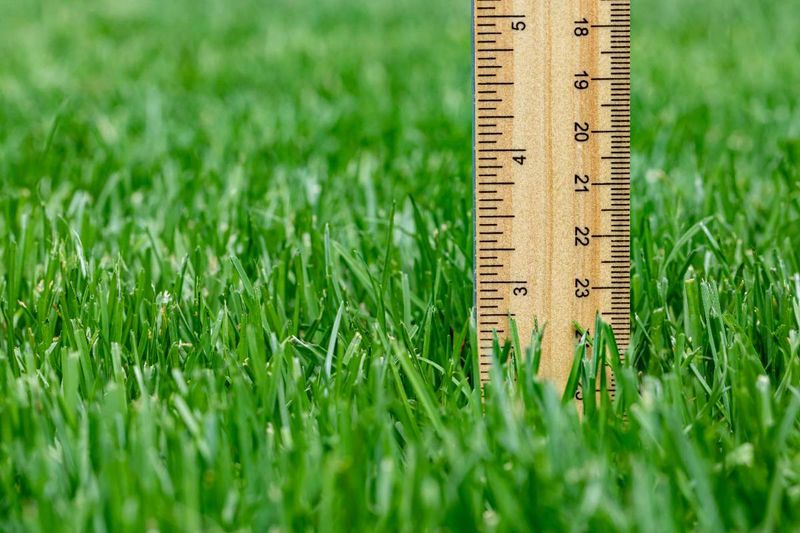
Here comes the number you came for. Many university extension services, including Minnesota and Nebraska, suggest a final height of roughly 2 to 3 inches for cool-season lawns.
Kentucky bluegrass, tall fescue, fine fescue, and perennial ryegrass fall into this group. Some experts lean toward the lower end, around 2 to 2.5 inches, in areas with heavy snow cover. Tall fescue often prefers staying closer to 3 inches since it naturally grows upright and taller.
So how do you get there without stressing the grass? Lower your mower deck gradually over the last two or three mowings instead of dropping it all at once. A lawn sitting at 3.5 inches can come down to about 3, then to 2.5 on the next pass.
That slow approach follows the trusted one-third rule. You should remove no more than a third of the blade in a single cut, because bigger chops shock the plant and slow root growth.
Grab a simple ruler and check a few spots after mowing. I like this quick habit because mower deck settings rarely match the actual height. Uneven ground and dull blades can fool you, so a real measurement keeps you honest.
Scalped Grass Leaves The Crown Out In The Cold
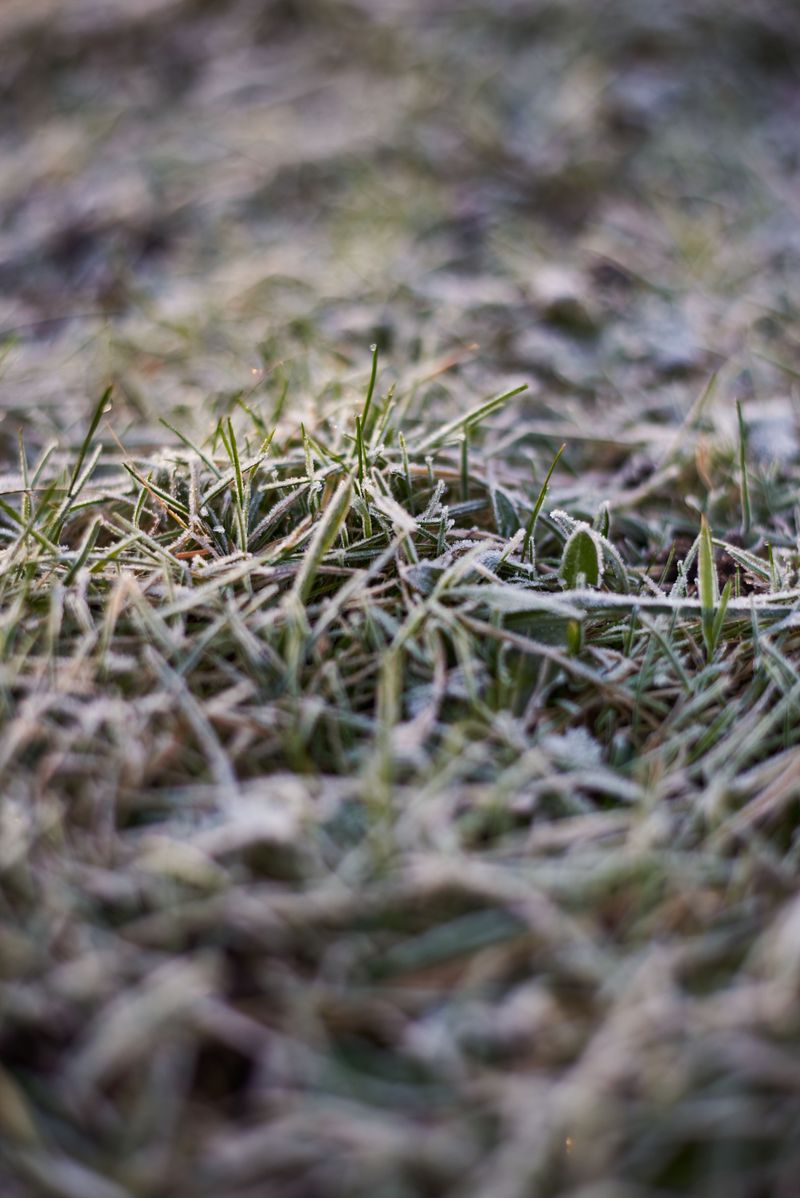
Ever seen a lawn mowed so low it looks tan instead of green? That is scalping, and it is one of the most common fall mistakes gardeners make.
Cutting very short removes most of the leaf surface. With fewer blades, the grass makes less food, so it heads into winter with thinner energy reserves. The crown also sits more exposed to freezing winds, drying air, and wild temperature swings.
Winter desiccation is a real concern here. On sunny, windy days with frozen ground, grass can lose moisture it cannot replace. Short turf has less leaf cover shading the soil, so damage tends to show up as brown, patchy spots in spring.
Weeds love those thin areas. Crabgrass seeds need sunlight on bare soil to sprout, and a scalped lawn hands them an open invitation. Dandelions and other broadleaf weeds also move in fast where turf is weak.
Some people scalp hoping to skip a mowing or two in spring. I understand the temptation, but the trade rarely pays off. A slightly taller lawn recovers faster, stays denser, and saves you weed headaches later. Set the deck higher and let your grass keep its winter coat.
Long Matted Blades Under Snow Invite Snow Mold
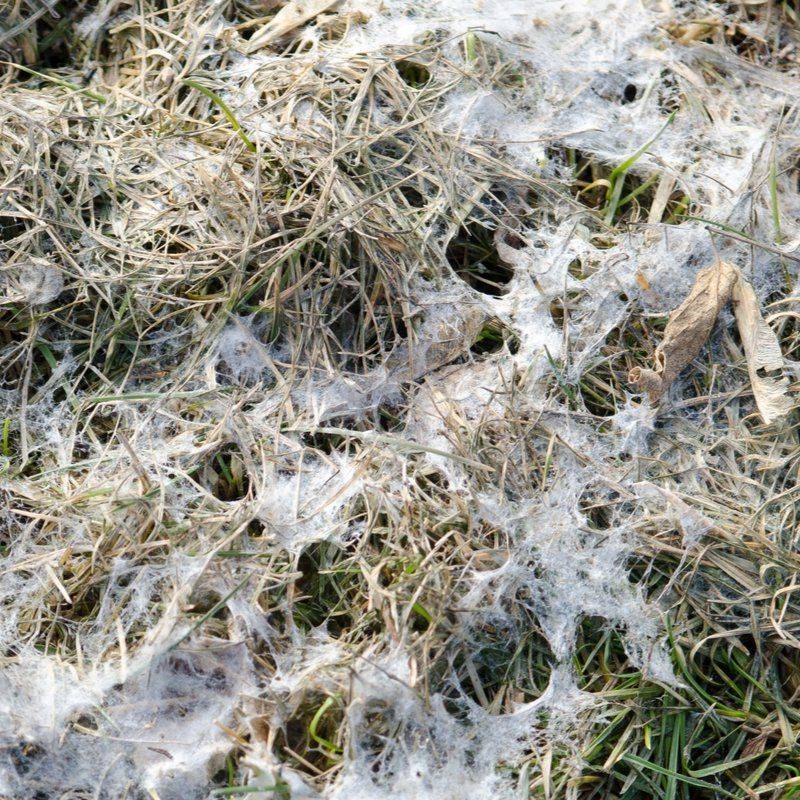
Snow melts in March, and suddenly your yard has crusty, gray or pinkish circles. Welcome to snow mold, a fungal problem that shows up in many northern lawns.
Two main types exist. Gray snow mold usually needs long-lasting snow cover, while pink snow mold, also called Microdochium patch, can develop in cool, wet weather with or without snow. Both thrive in damp, still conditions close to the soil.
Tall grass that flops over under heavy snow creates exactly that kind of hideout. Matted blades trap moisture and limit airflow. That is why experts warn against leaving the lawn too shaggy heading into winter in snowy regions.
In most cases, gray snow mold damage stays on the leaves and the grass recovers. Gently raking matted spots in spring helps air and sunlight reach the crowns, and growth usually returns as temperatures warm.
A few other habits reduce the risk. Avoid heavy nitrogen feeding very late in fall, clear leaves off the lawn, and try not to pile shoveled snow in one big mound on the grass. A neat 2 to 3 inch height keeps blades upright enough to breathe without leaving the crown bare.
Bermuda And Zoysia Lawns Play By Different Rules
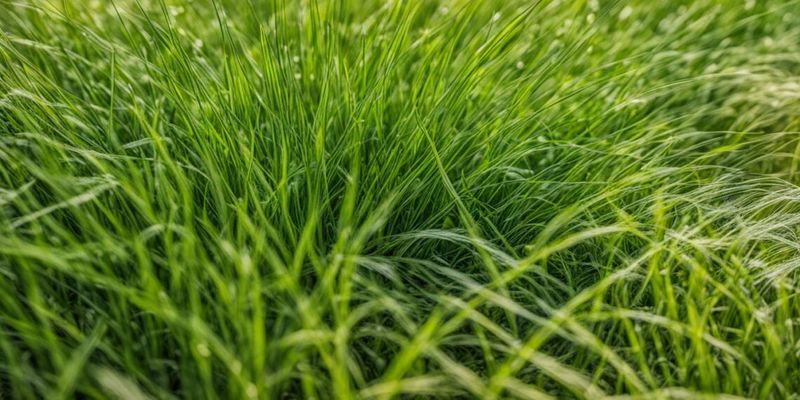
Southern lawns tell a whole different story. Warm-season grasses like Bermuda, zoysia, St. Augustine, and centipede slow down and turn tan once nights cool, usually after the first frost.
Because they go dormant, these lawns often need fewer late-season mowings. Many extension guides suggest keeping the mower at the higher end of the normal range in fall. The extra leaf helps protect the stems and stolons, especially near the northern edge of where these grasses grow.
Exact heights vary by grass type. Common Bermuda often sits around 1 to 2 inches, zoysia around 1 to 2.5 inches, and St. Augustine much taller, typically 2.5 to 4 inches. Bumping up toward the higher end of your grass’s normal range before dormancy is a sensible plan.
Winterkill is a bigger worry for warm-season turf than snow mold. St. Augustine and centipede can struggle after hard freezes, and short, stressed lawns tend to suffer more.
I always tell southern gardeners to check their local extension office first. Grass varieties and climate differ a lot across the South. A quick search for your county and grass type gives you a reliable target height in minutes.
Sharp Mower Blades Make Your Last Cut Kinder To The Grass
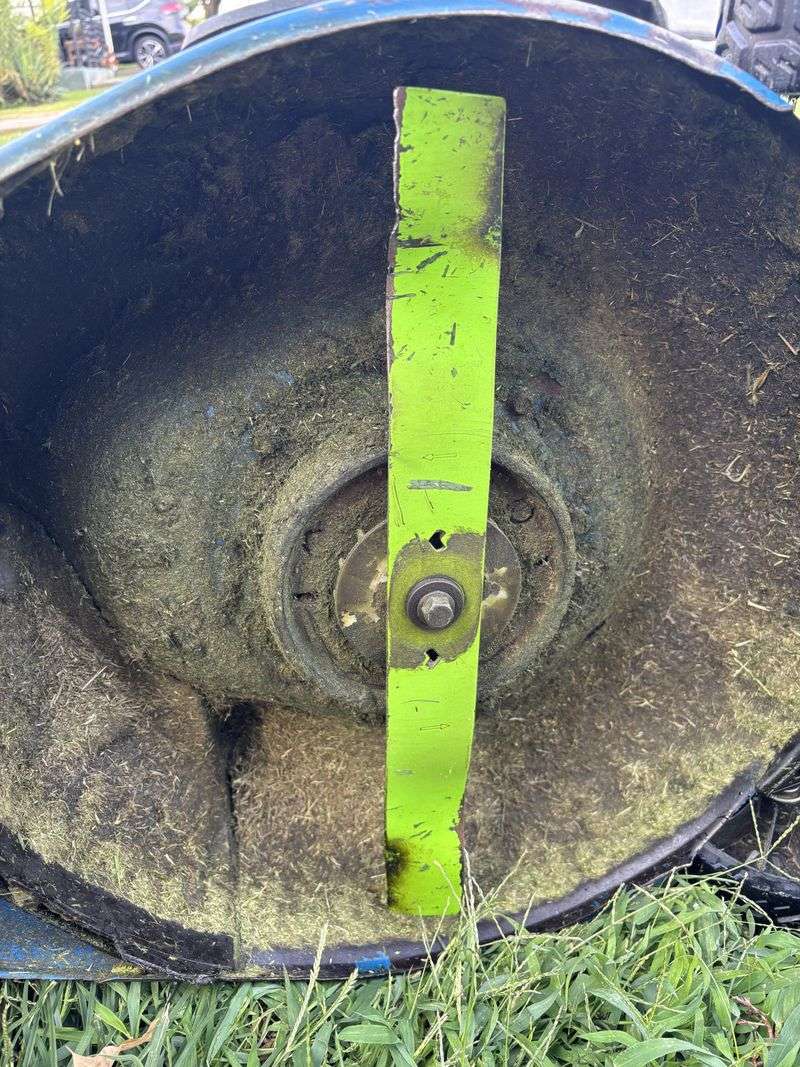
Height grabs all the attention, but blade sharpness quietly matters just as much. A dull blade tears grass instead of slicing it cleanly.
Look closely at your lawn after mowing. Ragged, frayed, or whitish tips mean the blade needs attention. Those torn ends lose more moisture and give fungal diseases an easier way in, which is the last thing you want before winter.
Most homeowners do well sharpening blades once or twice per season. If you hit sticks, rocks, or sandy soil often, plan on more frequent sharpening. Always disconnect the spark plug or remove the battery before handling the blade.
Timing helps too. Mow when the grass is dry, since wet clippings clump and smother turf underneath. Fall mornings bring heavy dew, so early afternoon often works best.
Fun fact for curious gardeners. The first lawn mower was patented in England in 1830 by Edwin Budding, who borrowed the idea from a machine that trimmed fabric in cloth mills.
After the final mow, clean off caked clippings and store the mower somewhere dry. Your future self will thank you next spring when it starts up with a sharp blade and is ready to go.
Fallen Leaves, Fertilizer, And Other Jobs To Finish After Mowing
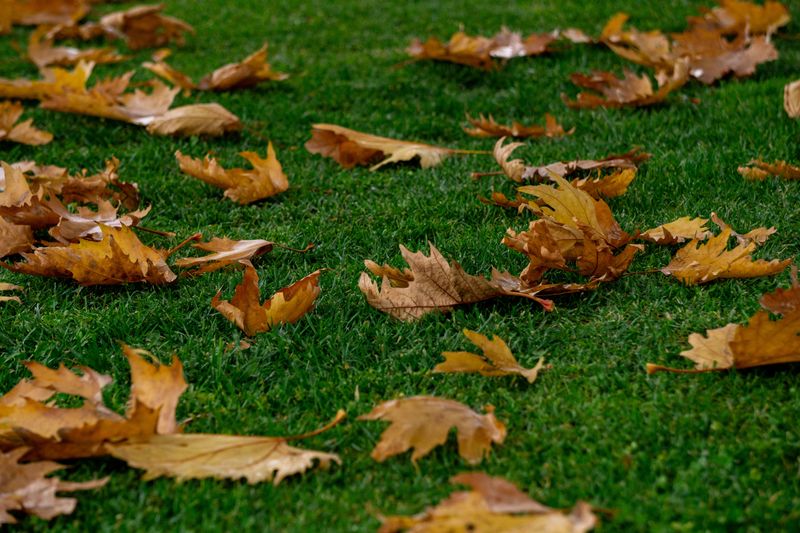
Once the mower gets parked, a few simple chores wrap up the season nicely. Each one supports the work your final cut started.
Leaves come first. A thick, soggy layer blocks light and traps moisture, which can smother grass and encourage disease. Michigan State research found that shredding leaves with a mulching mower returns organic matter to the soil without harming the lawn, provided grass blades still show through.
Fall feeding is the next step for cool-season lawns. Extension services often recommend applying nitrogen in early to mid fall, when grass is still actively growing. Warm-season lawns are a different case, since feeding them right before dormancy is generally discouraged.
Drain hoses and irrigation lines before hard freezes arrive. Cracked pipes in spring are no fun to fix.
Finally, jot down your mowing height, fertilizer date, and any trouble spots. I keep a small notebook in the garage for this, and it has saved me plenty of guesswork.
Small habits add up. A thoughtful last mow, clean leaves, and a little planning give your lawn its best possible start when green returns.