Cutting Your Grass Too Short Creates This Problem
Saturday morning smells like gasoline, coffee, and fresh clippings drifting lazily across a warm, sun-baked driveway. The mower hums, the stripes look sharp, and the whole yard seems ready for a glossy magazine cover.
Two weeks later, that same green looks thin, pale, and weirdly crunchy under your bare feet. Strange brown patches appear, and stubborn little intruders start popping up in ground you honestly thought belonged to you.
Most folks blame the weather, the sprinkler, or the soil, and they buy another expensive bag of something. The actual troublemaker is usually a small setting you adjusted one afternoon without thinking twice about it.
Tiny decisions made in the yard have a sneaky habit of shouting at you months later. Small mowing habits often show their effects months later, especially on hot summer afternoons.
Turf Cut Too Short And The Weeds That Follow
Picture a lawn shaved so low that pale stems show, like a bad haircut on a summer afternoon. That exposed look invites the exact problem homeowners spend money and weekends dealing with all season.
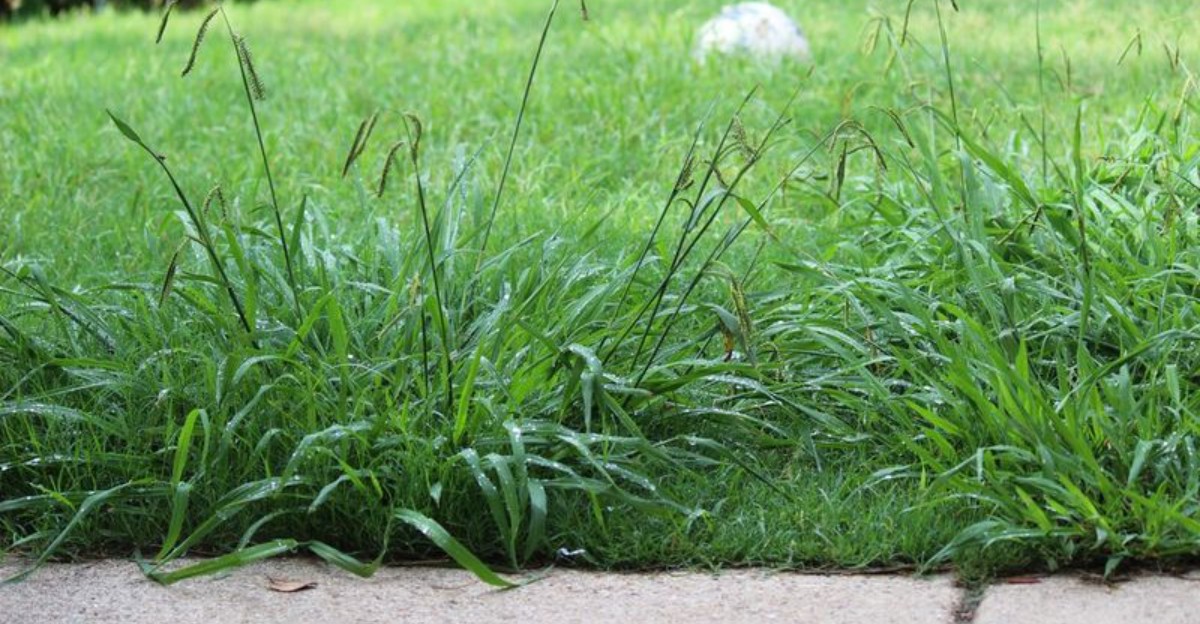
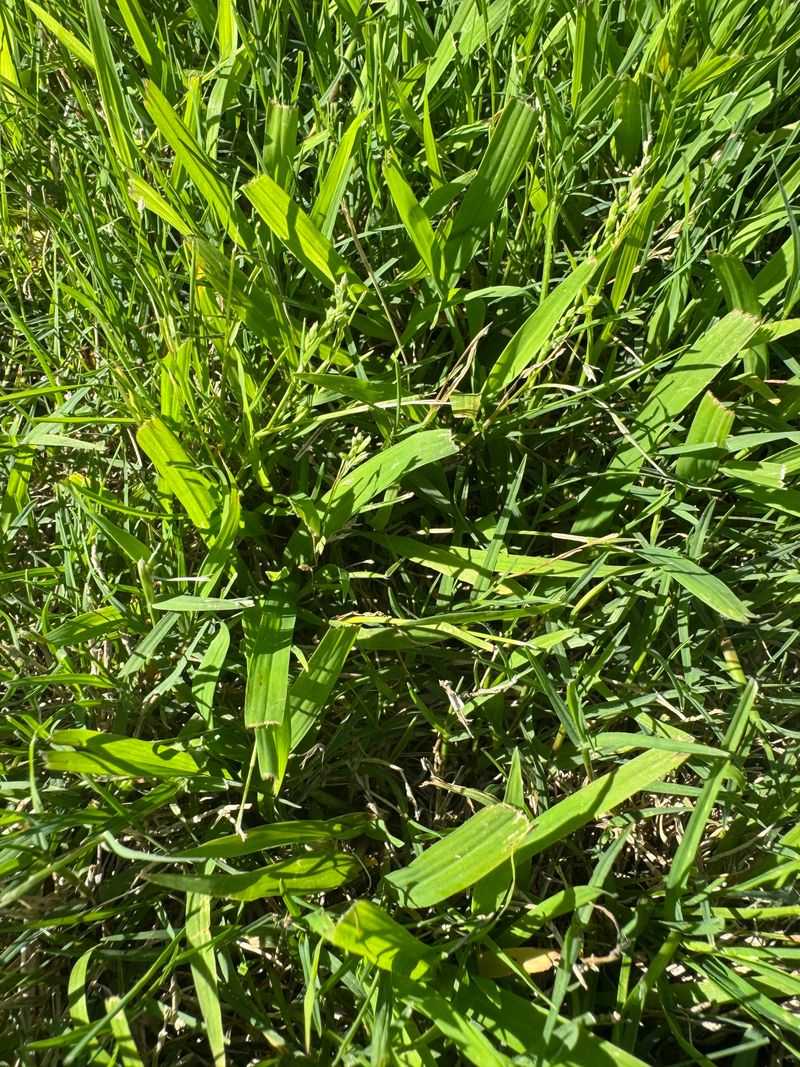
Weeds need sunlight touching bare soil, and short grass hands them that sunlight on a silver platter. Crabgrass seeds sitting in the top inch of dirt wake up fast once light reaches them.
Tall grass works like a living curtain, shading the ground and keeping those seeds fast asleep. University turf studies have linked higher mowing heights to reduced weed pressure.
Clover, chickweed, and dandelions all thrive in thin turf where competition is weak and light is plentiful. Your grass simply cannot crowd them out when it has no leaf surface left to grow with.
Each blade is a tiny solar panel, and cutting it short removes the food factory. Less food means slower regrowth, and slower regrowth means open gaps that opportunists fill within days.
Homeowners often respond by spraying more chemicals, which treats the symptom instead of the mowing habit. Raising the mower deck one or two notches usually does more than an entire cart of products.
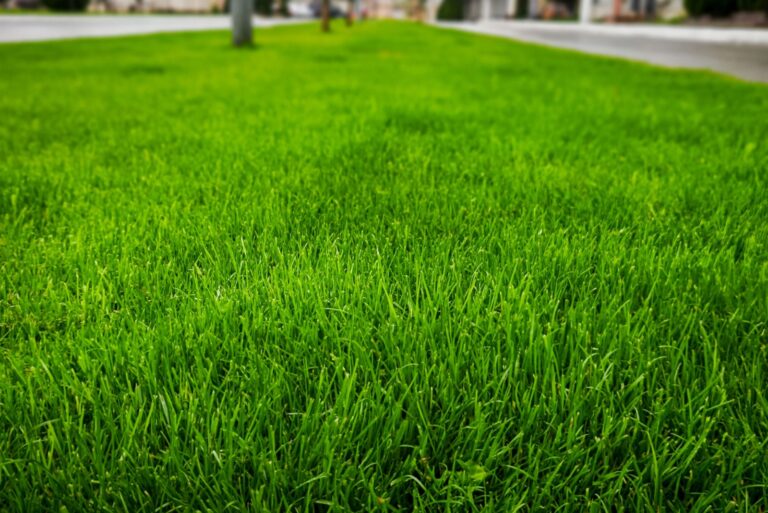
Think of mowing height as free weed control that costs nothing except a small mental adjustment. Thicker, taller turf shades soil, blocks seeds, and quietly solves the problem you keep trying to fix.
Give the higher setting three full weeks before judging the results in your yard. Most people notice fewer weeds, greener color, and less blaming of the neighbor’s dandelions.
The Root System Behind Every Healthy Blade
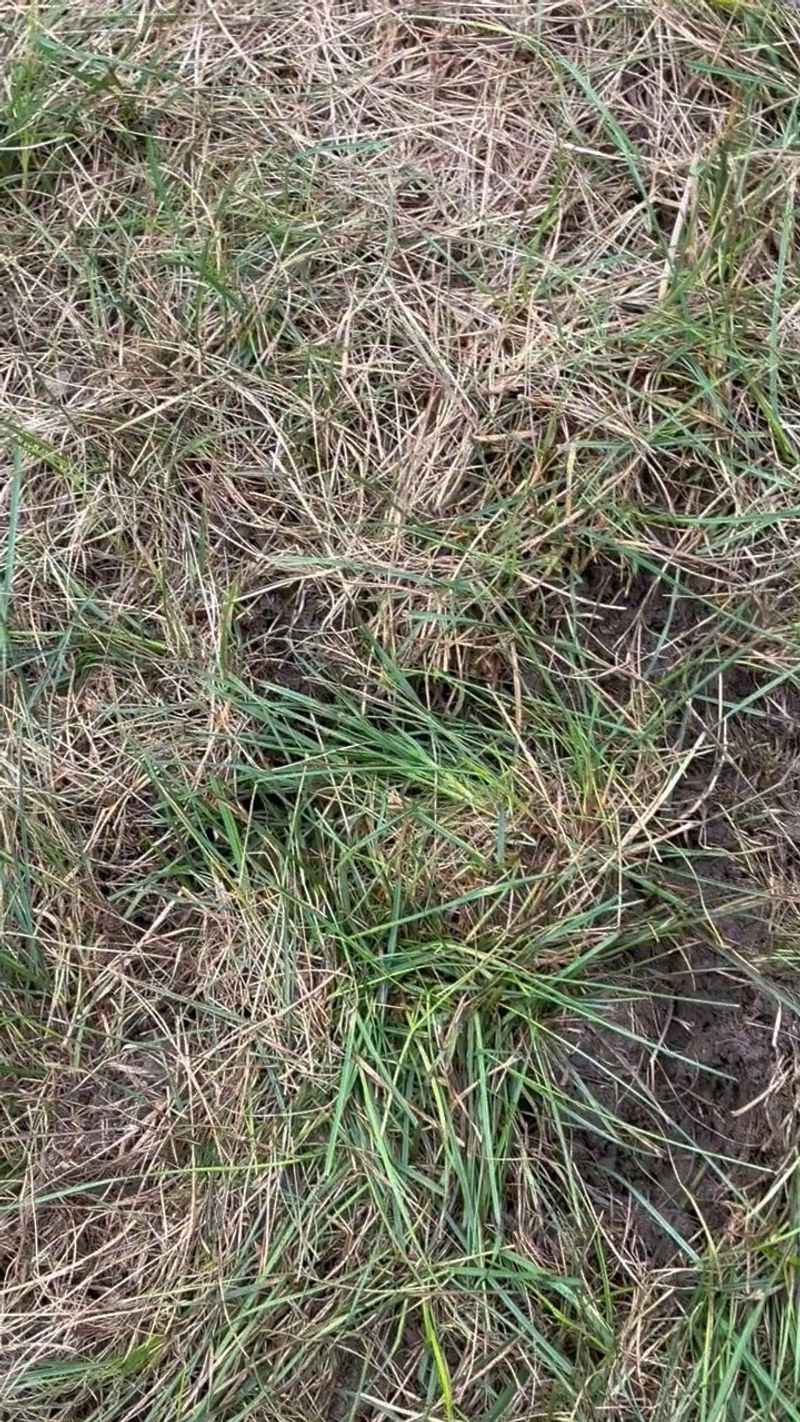
Underground, grass roots mirror what happens above the soil line, almost like a reflection in water. Short blades mean short roots, and short roots mean a plant that panics during dry weather.
Turf specialists describe it simply, since the plant cannot support deep roots without enough leaf area. Cut off the leaves and the plant sacrifices root tissue to survive the sudden shock.
A lawn mowed at three inches can push roots six inches down or deeper. A lawn cut down to one inch often holds roots barely two inches into the dirt.
Shallow roots dry out first, which explains why lawns cut too short brown while taller neighbors stay green. Watering more seems like the fix, but you are basically paying for a design flaw.
Deep roots also reach nutrients that shallow roots simply cannot touch in compacted summer soil. Fertilizer applied to a shallow-rooted lawn often washes past the roots and feeds nothing useful.
Recovery from heat, foot traffic, and drought all depends on what is happening underground. Grass with strong roots bounces back in days, while stressed grass sulks for weeks.
Think of roots as a savings account that your mower deck can either build or drain. Every extra half inch of blade height adds a little more to that account.
Next mowing day, imagine the roots stretching downward every time you raise the deck slightly. That mental picture has saved more lawns than any fancy bag of fertilizer ever has.
Mower Height Settings And Seasonal Timing
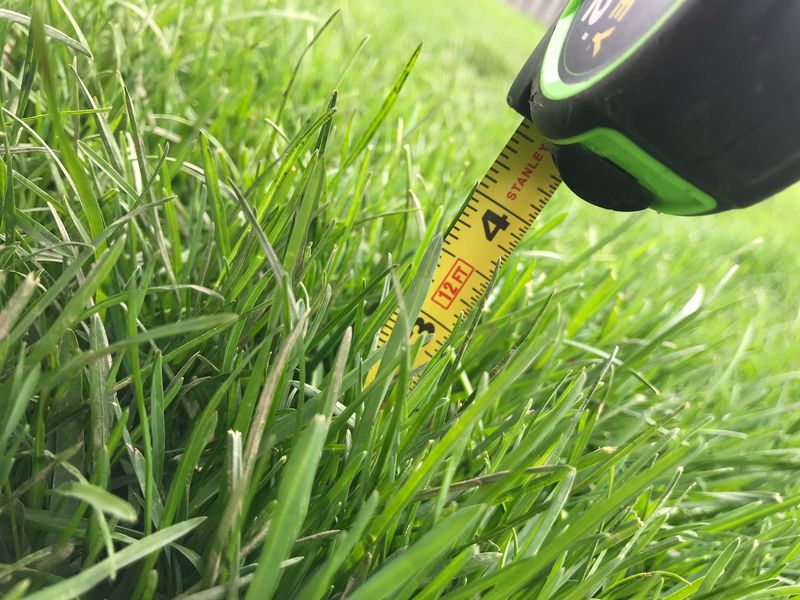
Timing matters just as much as height, and summer is when mistakes show up loudest. Grass cut low in July faces blazing sun with almost no protection over its crown.
Cool-season types like fescue and bluegrass prefer three to four inches during hot months. Bermuda and zoysia tolerate lower cuts, though they still suffer when shaved without any mercy.
Spring tempts everyone, since the grass grows fast and a short cut buys extra free time. Cutting low then strips away the leaf tissue your lawn needs for its strongest growing weeks.
Fall brings cooler air, and slightly shorter cuts help reduce matted leaves and winter disease problems. Even then, dropping more than half an inch at once stresses the plant unnecessarily.
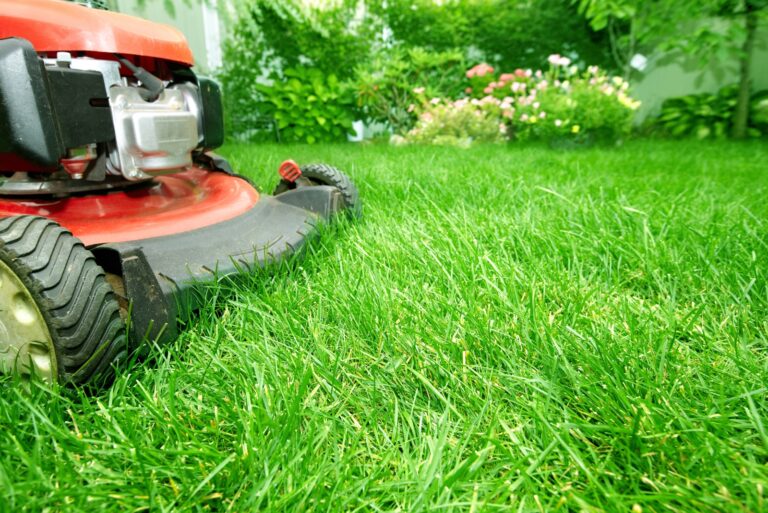
Mower decks lie more often than people realize, especially on older machines with worn wheels. Park on concrete and measure from the ground to the blade with a simple tape.
Soil temperature drives growth, so mow more often in spring and less during heat waves. Waiting two full weeks between cuts almost guarantees you will remove far too much at once.
Early morning mowing sounds peaceful, yet wet grass tears instead of slicing cleanly and evenly. Late afternoon usually works better, giving the lawn cool overnight hours to seal its cuts.
Set a reminder based on growth, not on the calendar or your weekend routine. Your lawn does not know it is Saturday, and honestly it does not care much.
The One-Third Rule Most Homeowners Forget

Lawn pros repeat one number constantly, and it happens to be the easiest rule to ignore. Remove no more than one third of the blade height during any single mowing session.
Grass standing at four and a half inches should drop to three, not down to one. That gentle trim leaves enough green tissue for photosynthesis to continue without any interruption.
Breaking that rule sends the plant into shock, similar to skipping meals for several days straight. Growth stalls, color fades, and the lawn spends energy on repair instead of thickening up.
Vacations create the classic scenario, with grass reaching eight inches while you are away. Instead of one brutal cut, mow high first, wait three days, then lower it slightly.
Clippings also behave better under the one-third rule, breaking down quickly and feeding the soil below. Huge clumps of long clippings smother the grass underneath and create pale, ugly patches.
Sharp blades make the rule work, since dull blades shred tips and invite disease. Sharpen them twice each season, or more often if your yard hides gravel, sticks, and stones.
Following that single guideline solves problems that people usually blame on grubs or bad soil. It costs nothing, takes no extra time, and works on nearly every common grass type.
Write the number on a piece of tape and stick it to your mower handle. Silly? Maybe, but tape has rescued more lawns than most weekend gardening advice.
Thin Turf, Bare Soil, And Summer Stress
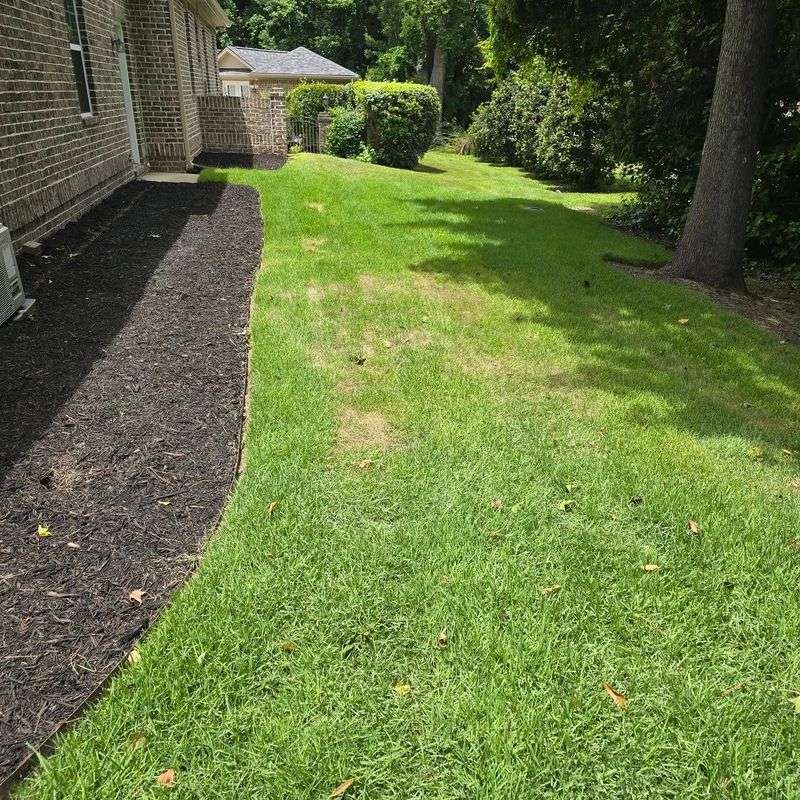
By August, the damage from cutting too short in spring becomes impossible to hide from the street or sidewalk. Thin patches, crunchy edges, and washed-out color tell the story to anyone walking past slowly.
Bare soil heats up dramatically, sometimes climbing twenty degrees hotter than shaded ground just nearby. Hot soil bakes roots, dries moisture quickly, and makes recovery painfully slow for struggling turf.
Moisture disappears much faster too, so irrigation bills climb while the results keep getting worse. Some families water daily and still watch the yard fade anyway.
Insects notice weakened grass, and stressed turf attracts chinch bugs and armyworms with surprising ease. Healthy, taller lawns resist these pests far better than thin, struggling ones ever could.
Fungal issues follow a similar pattern, since wounded plants defend themselves poorly against infection. Brown patch and dollar spot show up far more often in scalped, stressed, thin lawns.
Foot traffic finishes the job, wearing paths where a thick canopy once cushioned every single step. Kids, dogs, and lawn chairs all leave marks that barely fade before autumn arrives.
Compaction increases as the ground hardens, which chokes roots and blocks water from soaking in properly. Aeration helps, though prevention through smarter mowing costs far less time, money, and effort.
Standing back and looking at the entire yard usually reveals the pattern pretty quickly. The greenest strip is often the one your mower missed, which honestly feels a little insulting.
Recovery Steps And Smarter Mowing Habits
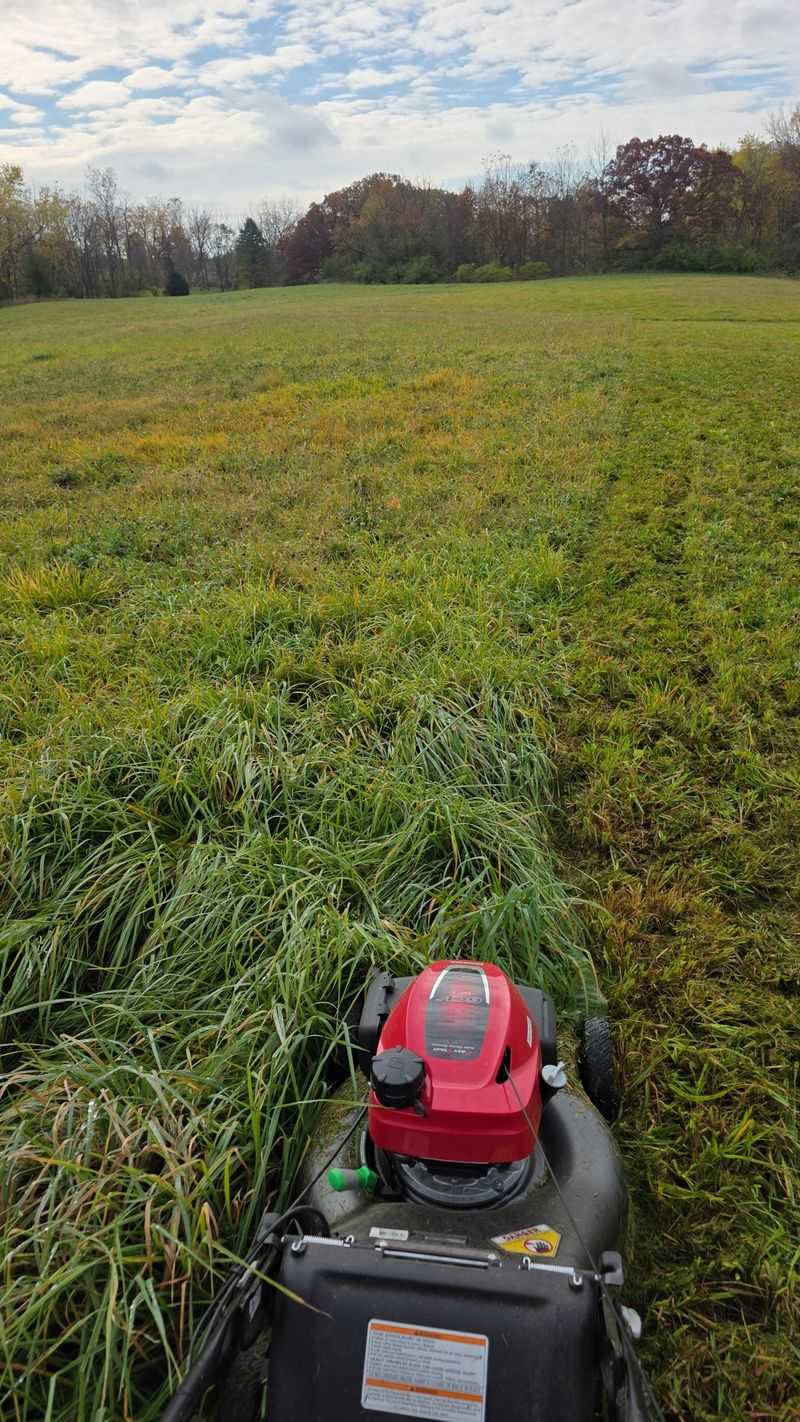
Grass forgives mistakes faster than most people expect. Raise the mower deck gradually, lifting it one notch every week until you reach the target.
Water deeply twice a week instead of lightly every morning, encouraging roots to chase deeper moisture. About one inch total per week suits most lawns during warm, dry stretches of summer.
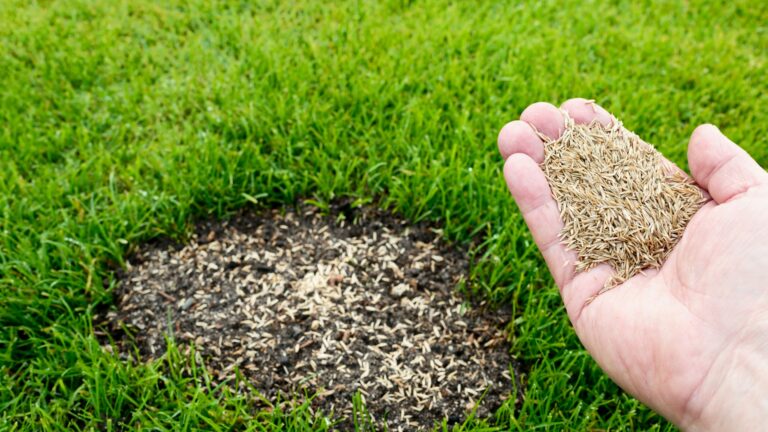
Overseed thin areas in early fall, when the soil stays warm and weed pressure finally drops. Rake lightly, spread the seed, and keep the surface damp for two or three weeks.
Feed the lawn with a slow-release fertilizer rather than a quick green-up that fades away fast. Steady nutrition supports root growth, which matters far more than a brief color boost.
Leave the clippings on the lawn, since they return nitrogen and moisture back to the soil. Bagging everything throws away free fertilizer that your yard genuinely wants to keep around.
Mark your mower deck with paint or a small notch so nobody resets it accidentally. Family helpers and hired crews love dropping the height, usually without asking permission first.
Measure the grass occasionally with a ruler, because eyes judge height poorly from standing level. Three inches looks surprisingly tall until you compare it with a neighboring, thin yard cut too short.
Stick with the taller setting through one full season and judge the results honestly. Most people stay there, mostly because mowing less often feels like a small personal victory.