The Ohio Fruit That Tastes Tropical but Survives Midwestern Winters
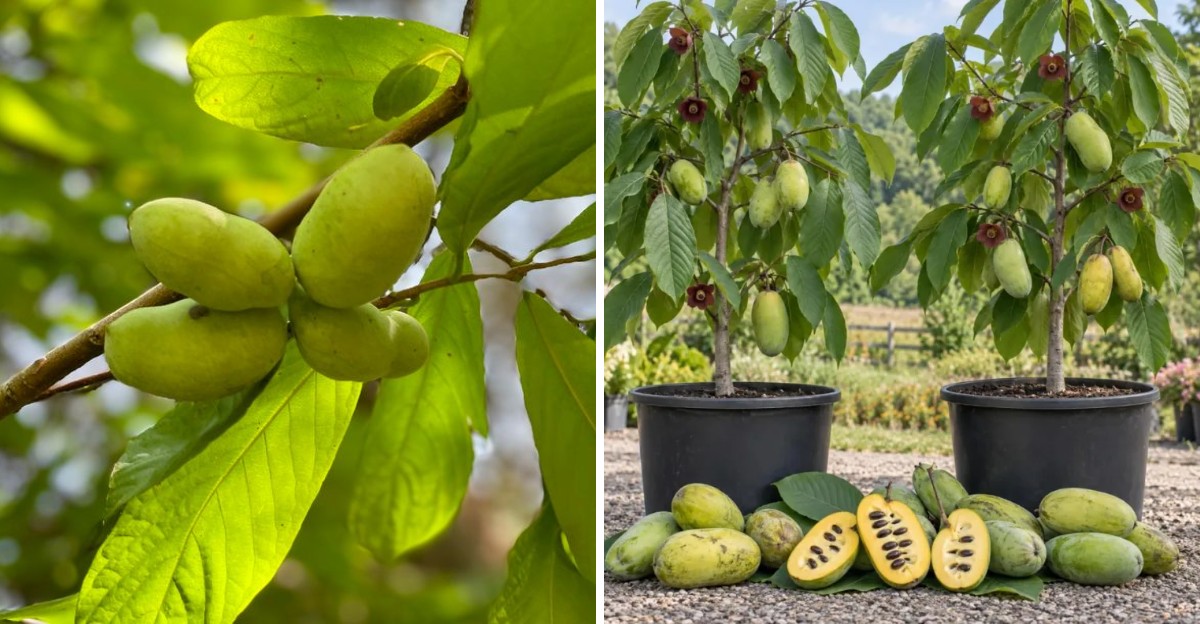
The largest edible fruit native to North America grows wild in Ohio woods, and most people walk right past it.
Its closest relatives live in the tropics. Cousins include cherimoya, soursop, and custard apple.
Yet this tree shrugs off snow and actually needs winter cold to bloom. I still find that wild every time I think about it.
The flavor is the real surprise. People compare it to banana, mango, and pineapple swirled into a soft custard.
You won’t find it in most grocery stores, and the reason makes sense once you learn how fast it ripens.
Personally, I believe every backyard with a shady corner deserves a shot at growing one. So why has this sweet local treasure stayed a secret for so long?
1. A Tropical Family Tree Hides Behind Those Green Pawpaw Fruits
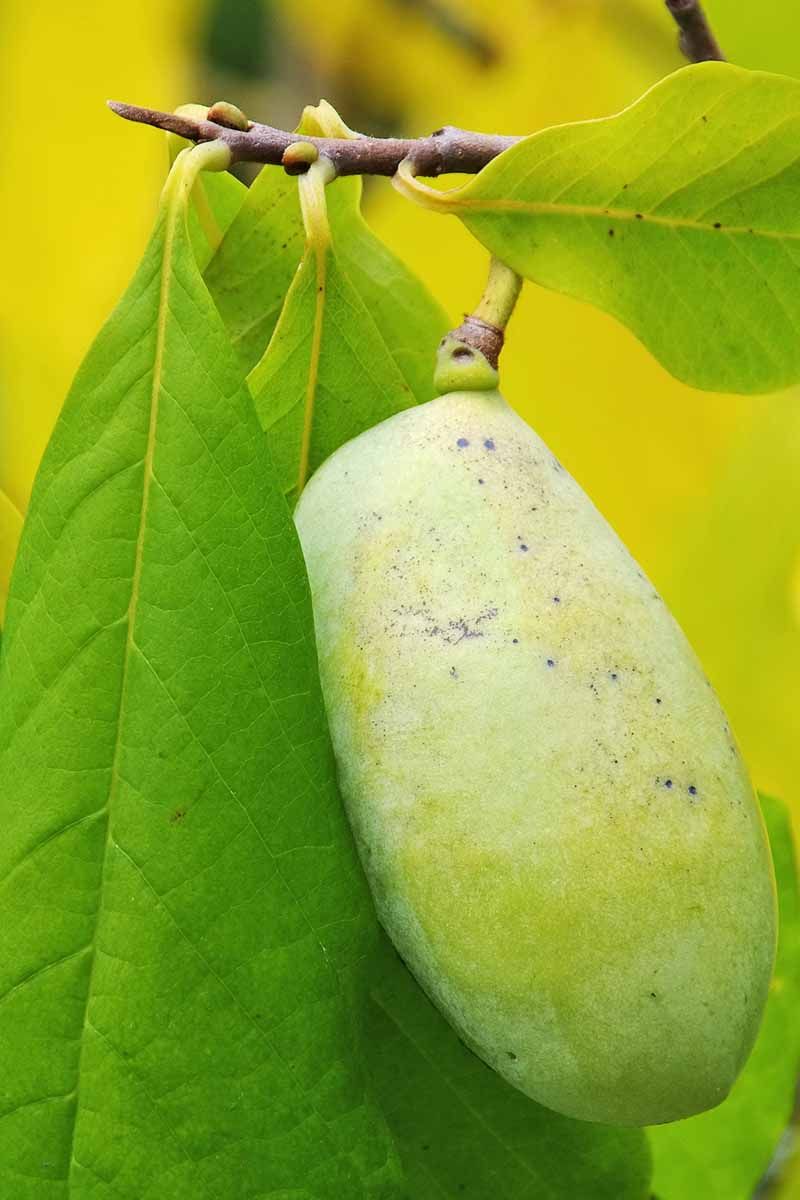
Meet the pawpaw, known to botanists as Asimina triloba. It belongs to the Annonaceae family, a group made up mostly of tropical and subtropical plants.
Most of its relatives grow in warm places like Central America and Southeast Asia. Cherimoya, soursop, and custard apple all share this family tree.
The pawpaw is the rare member that settled into cold, snowy country.
Ohio designated the pawpaw as its official native fruit in 2009. That honor fits, since the tree grows wild in forests across the state.
Its native range stretches from eastern Kansas to western Connecticut, and south to Louisiana and the Florida panhandle.
So how does a tropical cousin handle a Midwest winter? The answer is simple.
Over a very long time, this species adapted to colder climates while keeping that rich, custardy fruit its family is famous for.
I love that a fruit this exotic tasting has been hiding in local woods the whole time. Native Americans valued it as food long before settlers arrived.
George Washington reportedly enjoyed it, and the Lewis and Clark Expedition ate pawpaws on their journey.
Next time you hike near a creek, look for big, droopy leaves. You might be standing beside one.
2. Pawpaw Trees Actually Need Cold Winters to Make Fruit
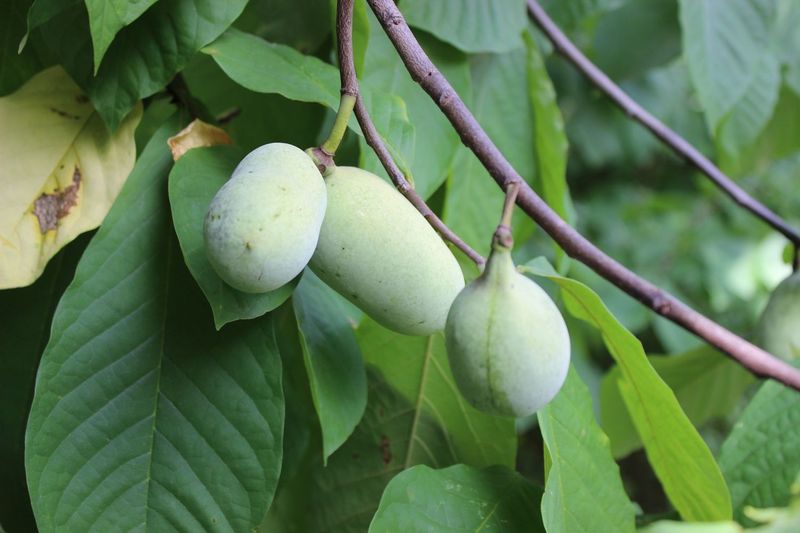
Cold weather is not the enemy here. In fact, pawpaws depend on it.
These trees grow well in USDA hardiness zones 5 through 8, and some can handle zone 4. Most of Ohio sits in zones 5b through 6b, which makes the whole state a comfortable home.
Winter chilling helps pawpaw trees meet their dormancy requirements before spring growth. Pawpaw trees need sufficient winter chilling to flower reliably in spring, although the exact requirement can vary by cultivar.
Without that cold rest, flowering and fruiting suffer.
Think of it like a long winter nap. The tree drops its leaves in fall, sits quietly through the frost, then counts those chilly hours.
Once it has enough, warm spring days signal that it is time to bloom.
That is the big reason pawpaws struggle in truly tropical places. Their cousins love heat, but this tree needs a real winter to reset.
For you as a gardener, this means no fancy wrapping or heated greenhouse. A mature pawpaw can usually ride out a typical Ohio cold snap on its own.
Your Ohio Garden Changes Every Week. Your Plan Should Too.
Gardening in Ohio changes quickly throughout the season. Every Friday you’ll receive a simple weekly plan showing exactly what to plant, prune, fertilize, harvest, and protect so you never miss the right timing.
Young trees benefit from a layer of mulch around the base, kept a few inches away from the trunk, to protect roots from wild temperature swings.
3. One Bite of Creamy Pawpaw Pulp Tastes Like a Banana Mango Mashup
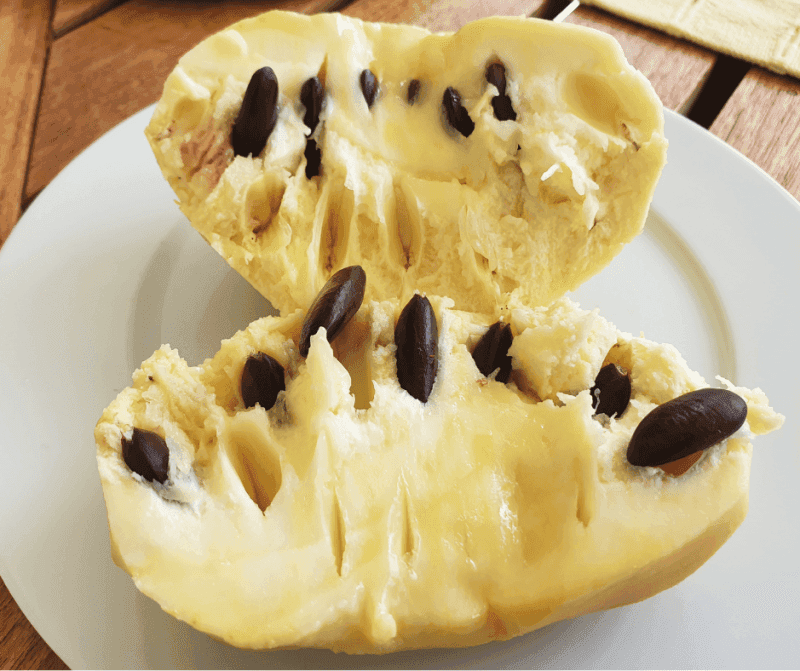
My first taste of a ripe pawpaw honestly made me laugh. It felt like someone had blended a banana, a mango, and a scoop of vanilla pudding.
The pulp is soft and creamy, almost like custard. People often describe hints of pineapple, papaya, melon, citrus, and sometimes even cinnamon.
No wonder folks gave it nicknames like wild banana, Appalachian banana, Hoosier banana, and hillbilly mango.
Flavor can change quite a bit from tree to tree. Wild pawpaws vary a lot, while named varieties are often chosen for sweeter, milder taste.
Ripeness matters too, since an overripe fruit can turn a little bitter.
Eating one is easy. Cut it in half and scoop the pulp with a spoon.
Spit out the large, shiny seeds as you go.
Skip the skin and seeds, though. Both contain compounds that can upset your stomach.
Unripe green fruit can cause tummy trouble as well.
Beyond fresh eating, pawpaw pulp shines in ice cream, smoothies, and baked goods. It swaps in nicely for mashed banana in bread or muffins.
Freeze extra pulp in small bags, and you can enjoy a taste of late summer in the middle of January.
Pawpaw fruit is highly perishable once ripe, so refrigerating it can help extend its usable life. If you freeze the pulp for later use, remove the seeds and skin first, as the pulp is the part commonly used in recipes.
4. Plant Two Different Pawpaw Trees or Expect Very Little Fruit
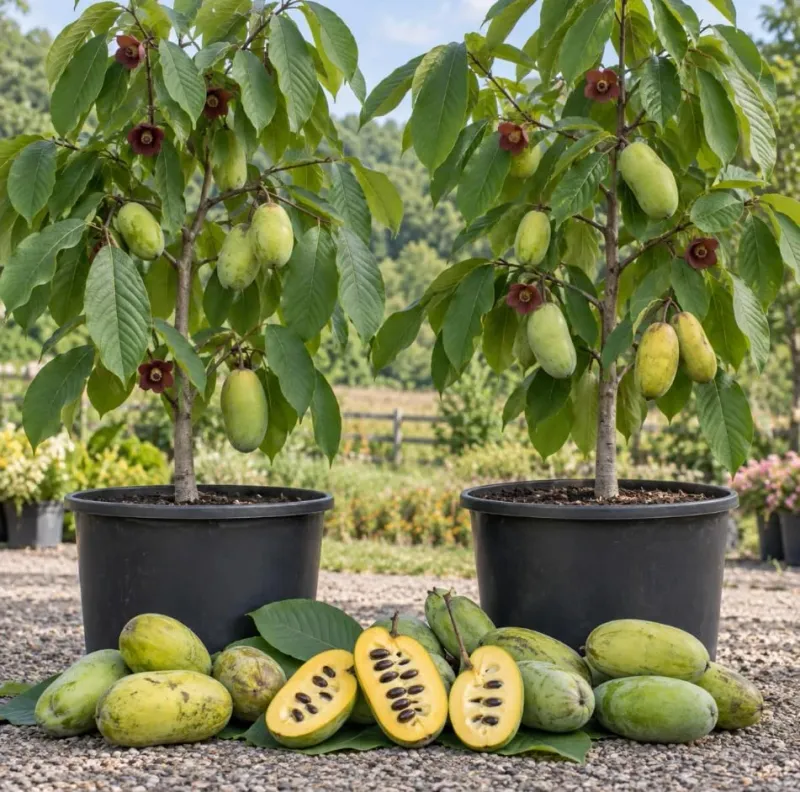
Plenty of gardeners plant one pawpaw, wait years, and wonder why it never fruits. The culprit is usually pollination.
Pawpaw flowers contain both male and female parts. However, the female parts mature before the pollen is ready.
Because of that timing, a single tree usually cannot pollinate itself.
You need at least two genetically different trees. Grafted trees of two separate named varieties work well, and so do two seedlings from different sources.
Watch out for one sneaky trap. Pawpaws spread by root suckers, so a wild patch is often one big clone.
Those trees share identical genes and won’t help each other set fruit.
Spacing matters as well. Plant your trees fairly close, often within about 30 feet, so pollinators can travel between them easily.
Choose container-grown trees when you can. Pawpaw roots are coarse and brittle, so bare-root trees often struggle after transplanting.
Late winter or early spring, while the tree is still dormant, is the best planting window.
Patience pays off too. Grafted trees may fruit in a few years, while seedlings can take longer.
Once both trees mature and bloom together, your harvest can grow surprisingly generous.
Hand-pollination can improve fruit set when natural pollination is limited. Even with successful pollination, fruit production depends on factors such as suitable weather and the trees’ maturity.
5. Young Pawpaw Seedlings Crave Shade Before They Want Sun
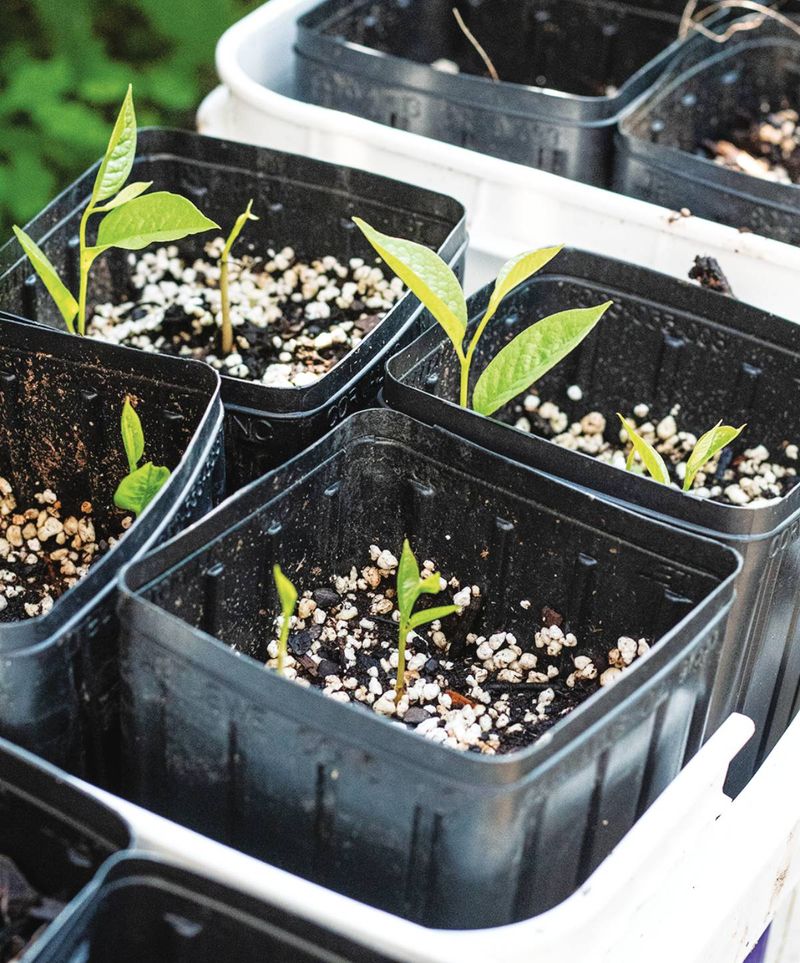
Baby pawpaws are a bit fussy about sunlight. In the wild, they start life under taller trees, so their big, tender leaves are used to shade.
For the first couple of years, protect young trees from harsh afternoon sun. Strong light can scorch those leaves and slow growth.
A simple shade cloth frame or a spot near taller plants works nicely.
Once established, the story flips. Mature pawpaws produce the most fruit with at least six hours of direct sun each day.
Trees left in deep forest shade often grow fine but fruit poorly.
Soil is the other big piece. Pawpaws like deep, fertile, well-drained ground rich in organic matter.
A slightly acidic pH between about 5.5 and 7.0 suits them well.
Soggy spots are a problem. These trees do not tolerate heavy, waterlogged soil, so skip low areas where puddles linger after rain.
Steady moisture still matters, especially in the first year and while fruit develops. Water deeply during dry spells rather than giving quick sprinkles.
A soil test through your county extension office can help you adjust conditions before planting, which saves plenty of guesswork later.
A layer of organic mulch can help retain soil moisture and regulate soil temperature around young pawpaw trees. Keep the mulch a few inches away from the trunk to reduce the risk of excessive moisture against the bark and related problems.
6. Those Maroon Pawpaw Flowers Smell Funky for a Smart Reason
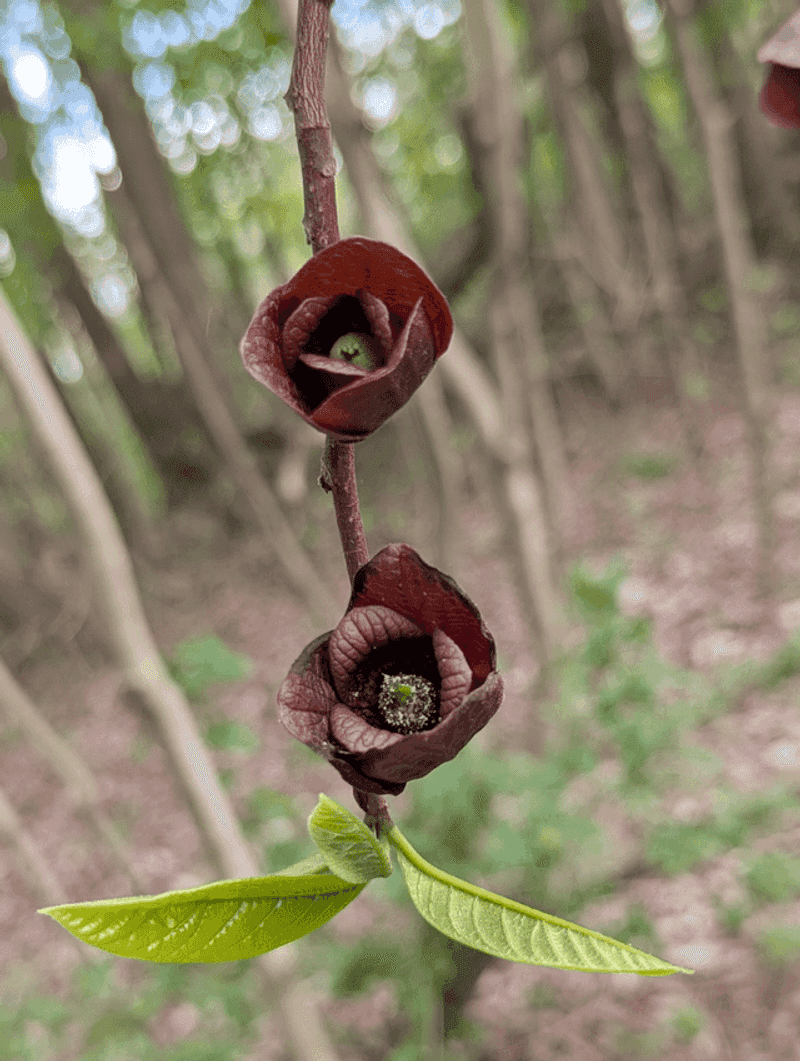
Lean in close to a blooming pawpaw in spring, and you might wrinkle your nose. The dark maroon, bell-shaped flowers can give off a faint scent some people compare to rotting meat.
That odor is no accident. Bees show little interest in these blooms.
Instead, flies and early beetles do most of the pollinating.
Flowers appear in early to mid spring, often before the leaves fully open. Each one hangs downward like a tiny upside-down cup.
Because natural pollinators can be spotty, some backyard growers lend a hand. They gently collect pollen with a small paintbrush from one tree and dab it onto flowers of a different tree.
It sounds silly, but it can boost fruit set.
A few old-time growers even hang smelly scraps nearby to draw more flies. I’ll let you decide whether your neighbors would approve.
Pawpaw leaves also host zebra swallowtail caterpillars. These striking black and white butterflies depend on pawpaw as their larval food.
The caterpillars rarely cause serious damage, so let them munch. Spotting those striped wings fluttering around your yard is a wonderful bonus for planting a native tree.
Pawpaw flowers are adapted to attract flies and beetles rather than relying primarily on bees for pollination. If you want to encourage natural pollination, planting pawpaws outdoors where these insects can reach the flowers may help support fruit production.
7. Soft Ripe Pawpaws Fall Fast and Spoil in Days
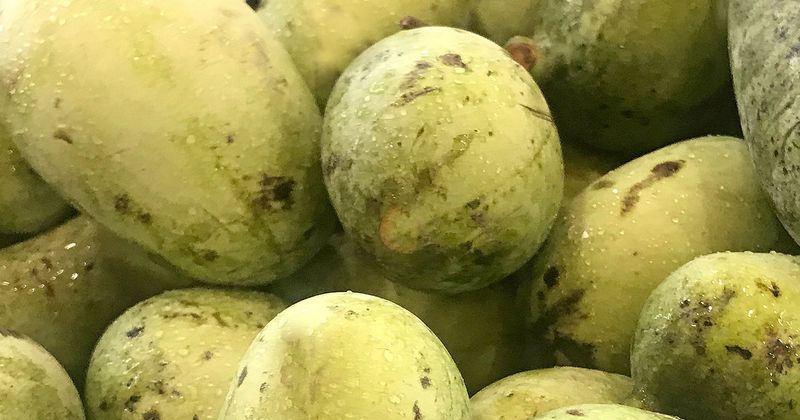
Timing is everything at harvest. In Ohio, pawpaws usually ripen from late August into October, with September as the peak month.
The season is short, often only three to five weeks. Miss it, and raccoons, opossums, and other critters will gladly finish the job for you.
So how can you tell a pawpaw is ready? Give it a gentle squeeze.
A ripe fruit feels soft, much like a ripe peach, and smells sweet and fruity.
Ripe fruit often pulls away from the branch with a light tug. Many drop to the ground on their own.
Some growers shake the trunk softly and catch fruit on a tarp.
Color is less reliable. Some varieties stay mostly green when ripe, while others show yellow tones or dark freckles.
Once picked, the clock starts ticking. Ripe pawpaws bruise easily and last only two or three days at room temperature.
The fridge can buy you about a week.
That short shelf life explains why stores rarely sell them. Farmers markets and local growers are your best bet.
Better yet, the Ohio Pawpaw Festival in Albany each September celebrates this fruit with tastings and growing talks.
8. A Backyard Pawpaw Patch Rewards Low-Effort Gardeners
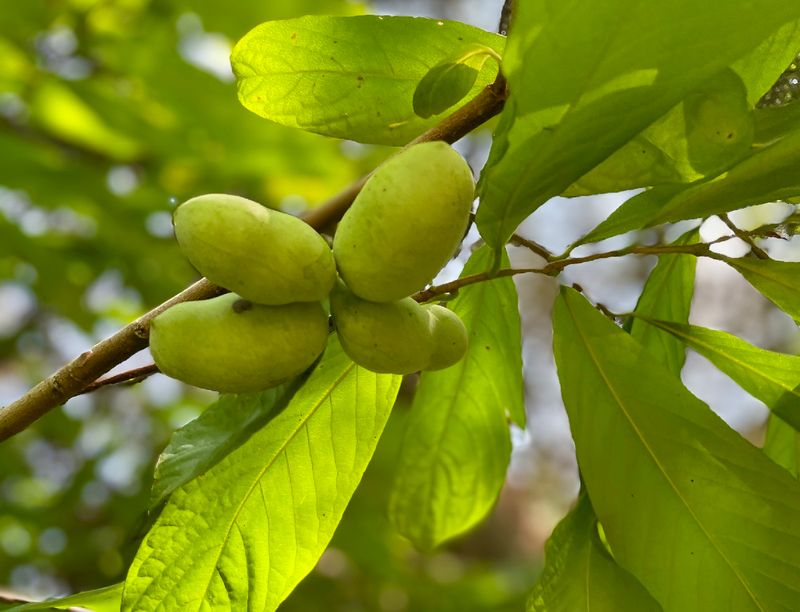
Low maintenance is one of the best perks of growing pawpaws. Most serious pests and diseases leave them alone, which is a refreshing change from apples or peaches.
Deer are the main threat to young trees. They may nibble leaves or rub antlers on thin trunks.
A simple wire cage or trunk guard for the first few years helps a lot.
Mature leaves taste unpleasant to deer, so older trees mostly take care of themselves. Japanese beetles may chew leaves, but damage is usually cosmetic.
Leaf spot diseases sometimes show up in wet weather, causing dark spots on leaves and fruit skin. The pulp inside usually stays fine.
Good airflow and cleaning up fallen leaves and fruit help reduce problems.
Pruning is minimal. Remove root suckers if you want a single trunk, or let them grow into a natural thicket.
Weather can still play a role. Recent drought and extreme swings have been linked to earlier, smaller harvests in parts of Ohio and Kentucky.
Deep watering during dry summers helps.
Start with two container trees this spring, give them shade early and sun later, and you could be scooping homegrown tropical flavor within a few years.