7 Venomous Arizona Creatures That Move Into Garages And Woodpiles Once Winter Arrives
When the desert nights finally cool off, you are not the only one looking for a cozy spot. Garages, sheds, and stacked firewood start to look like perfect winter homes to some of Arizona’s most venomous neighbors.
Knowing who might be hiding in that box of holiday decorations or under that log can save you from a painful surprise. Here are seven creatures worth watching for, plus simple ways to make your space less inviting to them.
1. Arizona Bark Scorpion
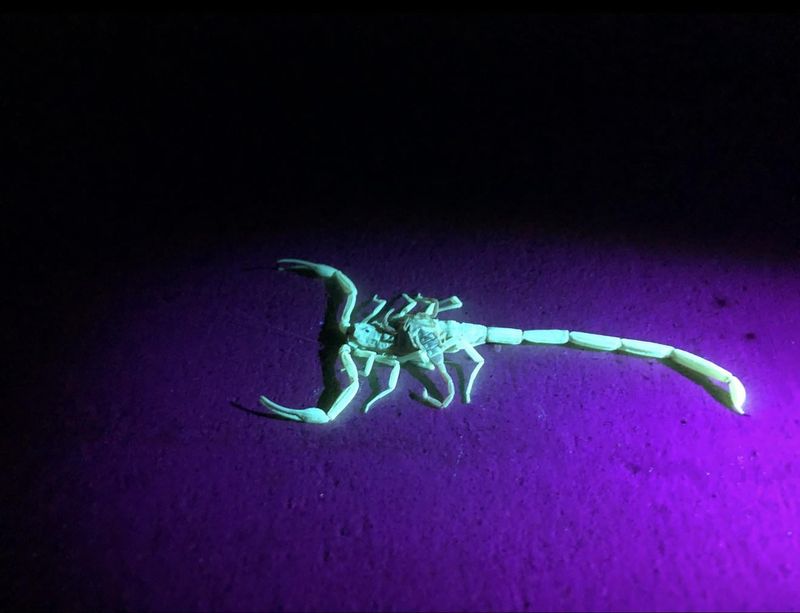
Grab a UV flashlight on a cool December night and sweep it along your garage walls. If you live in Phoenix or Tucson, there is a fair chance something will glow back at you.
The Arizona bark scorpion is the most venomous scorpion in North America, and it has a strange winter habit. As temperatures drop, these slim, straw-colored hunters cluster together in sheltered spots, sometimes in groups of a dozen or more.
Wall voids, cracks in block walls, tree bark, and the gaps between stacked logs all make great hideouts.
Unlike most scorpions, bark scorpions climb with ease. They can scale stucco, wood, and even the edges of storage bins, which is why people find them on ceilings and inside shoes.
Their sting causes intense pain and numbness, and young children and older adults may need medical care.
To keep your garage less inviting, seal gaps under doors with weatherstripping and fill cracks in walls. Store firewood off the ground and away from the house.
Out in the yard, native birds like roadrunners and cactus wrens may help keep numbers down, so a habitat-friendly landscape with native shrubs can work in your favor too.
2. Black Widow Spider
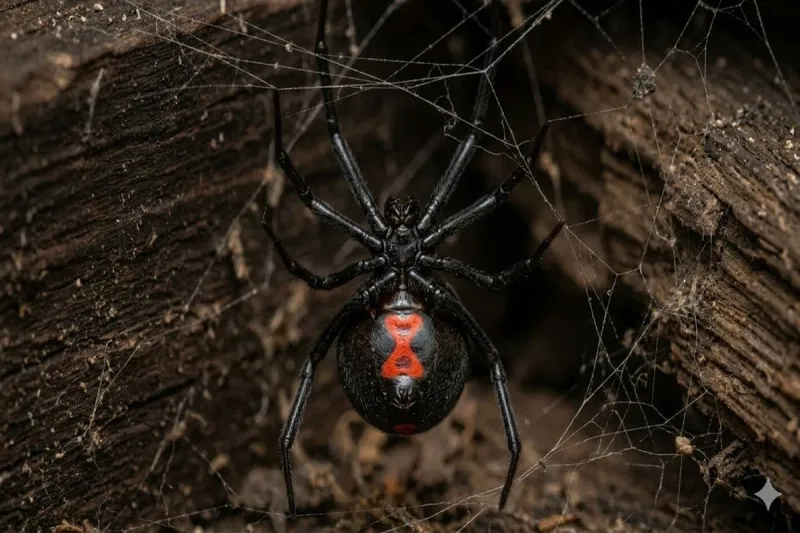
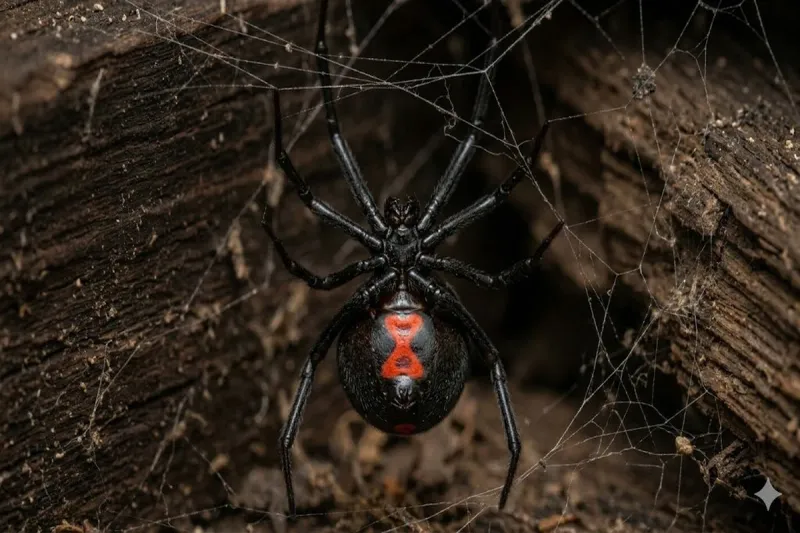
Shiny, black, and marked with a bright red hourglass, the female black widow looks like she dressed up for a night out. Sadly, her favorite party spot might be the corner of your garage.
Black widows are common across Arizona, and winter pushes them toward quiet, protected places. Garages, sheds, crawl spaces, and woodpiles are top choices.
They spin tangled, messy-looking webs that feel strong and sticky, often low to the ground or tucked behind boxes that rarely move.
Here is a fun fact: the hourglass is sometimes split into two red marks, and young widows can have orange or white patterns that look nothing like the adults. Males are smaller, paler, and pose little risk to people.
A bite from a female can cause muscle cramps, sweating, and strong pain, so it is smart to wear gloves whenever you reach into a woodpile or grab a stored item. Shake out gardening gloves and boots before putting them on.
Decluttering helps a lot. Swap cardboard boxes for sealed plastic bins, sweep webs regularly, and keep firewood stacked away from walls.
Less clutter means fewer cozy corners for webs.
3. Arizona Recluse Spider
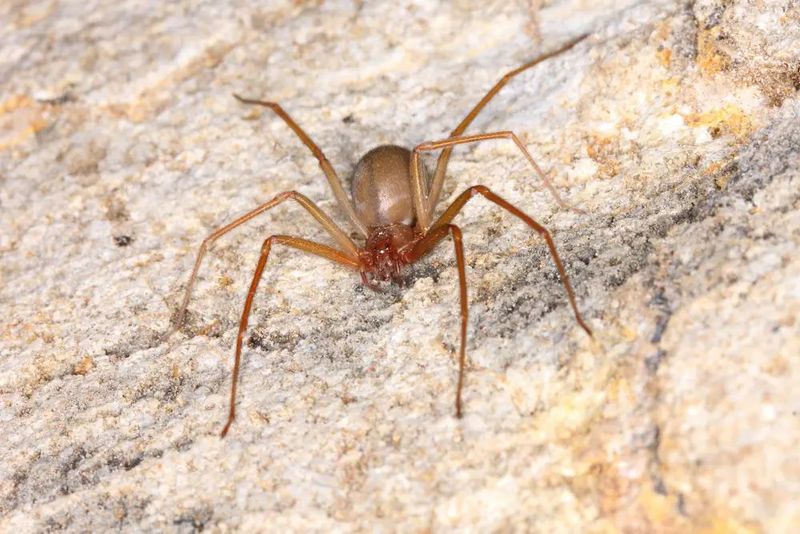
Plenty of Arizonans swear they have found a brown recluse at home. Technically, they probably met a cousin instead.
The true brown recluse is not native to Arizona, but the state has its own species, including the Arizona recluse and the desert recluse. They share the family look: a tan body, long legs, and a faint violin shape on the back.
Your Arizona Garden Changes Every Week. Your Plan Should Too.
Gardening in Arizona changes quickly throughout the season. Every Friday you’ll receive a simple weekly plan showing exactly what to plant, prune, fertilize, harvest, and protect so you never miss the right timing.
Their venom can cause skin sores that heal slowly, so they deserve real respect.
Recluses live up to their name. They hunt at night and love dry, dark, undisturbed spaces like block wall gaps, attics, storage closets, and the hollows of old cactus skeletons.
When it gets chilly, they may wander indoors looking for warmth and settle into garages full of rarely touched stuff.
Most bites happen when someone presses a hidden spider against skin, like slipping on an old jacket or reaching into a box. Shake out clothes stored in the garage and keep shoes in sealed containers.
Sticky traps placed along walls can help you spot activity early. Pair them with good sealing around doors and vents, and your garage becomes far less appealing to these shy roommates.
4. Western Diamondback Rattlesnake
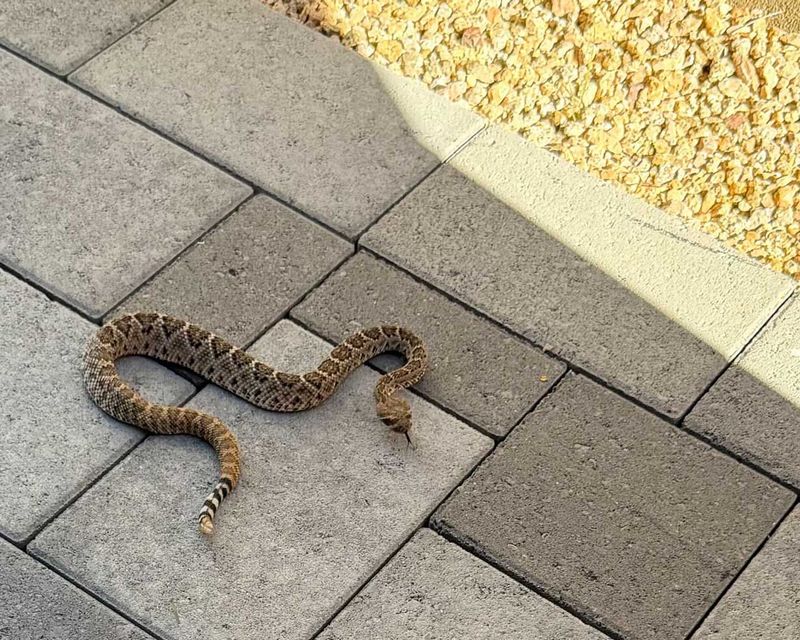
Winter does not always mean snakes are gone for good. On a sunny 75-degree January afternoon, a rattlesnake might decide it is time for a quick warm-up.
Arizona has more rattlesnake species than any other state, and the western diamondback is the one homeowners meet most. In cold months, rattlesnakes slip into a sluggish state called torpor, resting in burrows, rock piles, and small caves.
They are not fully asleep, though, and warm spells can bring them out to bask.
Garages with open doors and woodpiles near the house can attract snakes for two reasons. They offer shelter, and they often attract rodents, which are a favorite meal.
A pile of firewood full of mice is basically a snack bar.
Keep the garage door closed when you are not using it, and install a rubber seal along the bottom. Stack wood on a rack at least a foot off the ground and clear brush away from foundations.
If you spot a rattlesnake, give it plenty of space and call a professional relocation service. Watch where you step and reach, even in winter, and keep pets leashed during warm days.
5. Giant Desert Hairy Scorpion
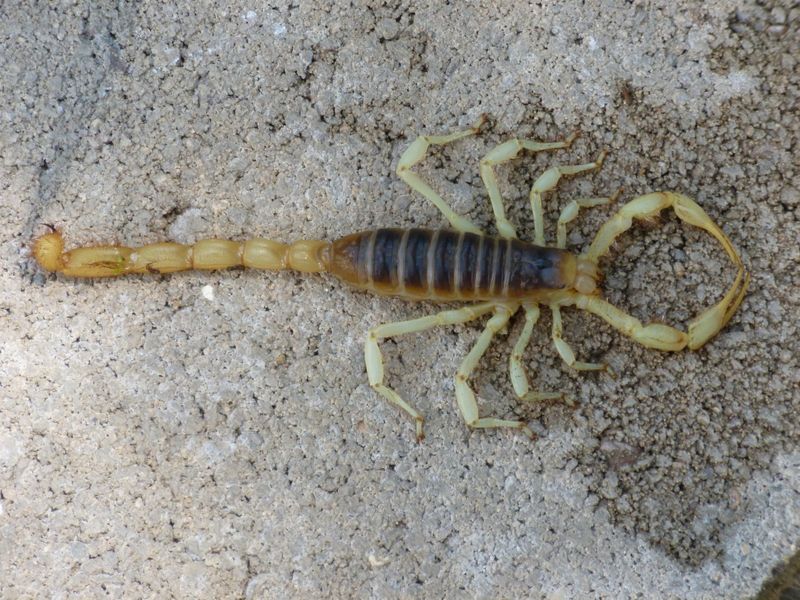
Picture a scorpion as long as your hand, covered in tiny hairs, with a yellow body and dark back. Meet the giant desert hairy scorpion, the biggest scorpion in North America.
Size can be misleading. Its sting usually hurts about as much as a bee sting for most healthy adults, which is far milder than its smaller bark scorpion cousin.
People with allergies should still be careful, of course.
Those hairs are not just for show. They help the scorpion sense vibrations in the ground, letting it detect prey and danger in total darkness.
Pretty clever for a desert dweller.
Most of the time, these scorpions live in deep burrows that protect them from heat and cold. They tend to slow down in winter, but they sometimes squeeze through gaps under doors, torn screens, or foundation cracks.
Once inside a garage, they may tuck into folded blankets, shoes, or piles of clothes.
Check items before using them, especially camping gear and old towels stored on garage shelves. Fixing torn screens and sealing cracks helps.
Since they cannot climb smooth surfaces well, sealed plastic bins with lids give your stored things good protection.
6. Giant Desert Centipede
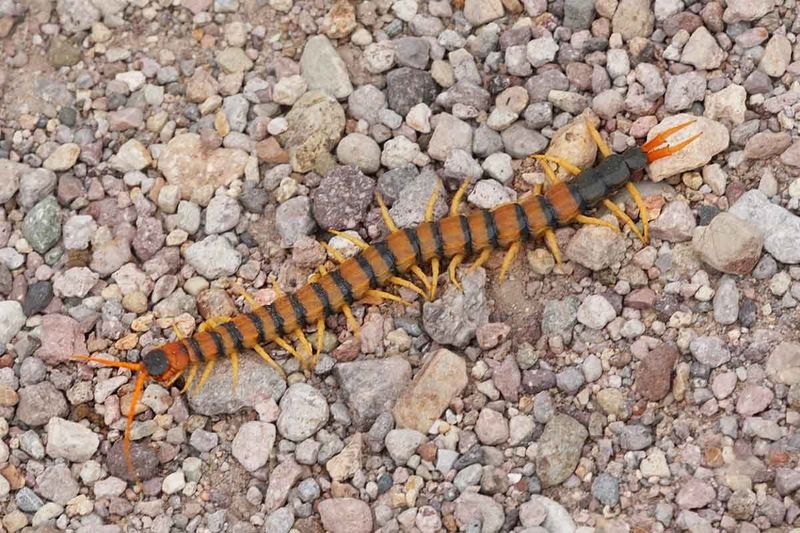
Flip over an old cardboard box and something orange, black, and fast shoots across the floor. Your heart jumps, and honestly, that reaction is fair.
The giant desert centipede can grow up to eight inches long, making it one of the most dramatic creatures in the Sonoran Desert. Its bright colors are a warning to predators.
It hunts insects, spiders, and even small lizards, gripping prey with venomous claws near its head.
Quirky detail: the pair of legs at its back end looks like a second head. Predators sometimes attack the wrong end, giving the centipede a chance to escape.
These centipedes like moisture and darkness. Outdoors, they hide under rocks, logs, and debris.
In winter, they may move into garages, sheds, and crawl spaces, especially where boxes sit on the floor and collect a bit of dampness. A bite is quite painful and may cause swelling, though it is rarely serious for healthy adults.
Fix leaky hoses and drip lines near the garage, since extra moisture draws them in. Keep storage off the floor using shelves, and wear gloves when moving stacked wood or old pots.
7. Gila Monster
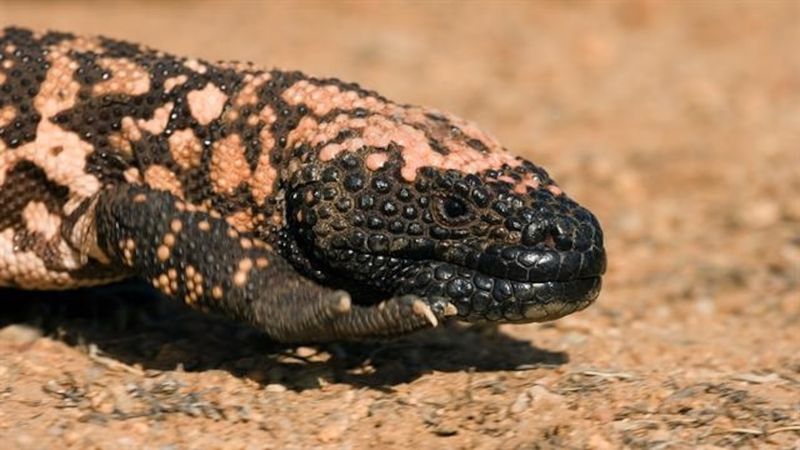
Spotting a Gila monster feels a bit like winning the desert lottery. They spend up to 90 percent of their lives underground, so most Arizonans rarely see one.
This chunky lizard, with beaded pink, orange, and black skin, is the only venomous lizard in the United States. Instead of injecting venom with fangs like a snake, it grips tightly and chews, letting venom flow through grooves in its teeth.
Bites are very painful but uncommon, because Gila monsters are slow and prefer to avoid people.
During winter, they stay tucked in burrows and almost never appear on the surface. Still, homes built near open desert sometimes report one sheltering near woodpiles, rock walls, or even inside a garage when spring warmth returns.
Did you know? A medicine for diabetes was developed from a compound found in Gila monster saliva.
That is one impressive resume.
Gila monsters are protected by Arizona law, so never handle or harm one. If one turns up in your garage, keep pets away, leave a path open, and contact a wildlife relocation service.
Respect from a distance keeps both of you safe.