The Most Useful Native Tree You Can Plant In Arizona
Summer sun can make parts of a yard almost impossible to enjoy by afternoon. Gravel keeps throwing heat back into the air.
Bare areas near patios and driveways feel even hotter during long stretches without clouds or rain.
The right shade tree can completely change that feeling.
A lot of fast growing trees become frustrating later on. Large branches snap during storms.
Roots spread into nearby areas. Heavy watering becomes harder to keep up with once temperatures stay extreme for weeks at a time.
Desert landscapes need something much tougher. Strong roots, reliable shade, and the ability to handle dry conditions matter far more than rapid growth alone.
One native option in Arizona keeps standing out because it handles brutal heat without turning into a constant maintenance problem for homeowners.
1. Velvet Mesquite Casts Cooler Shade Across Hot Yards
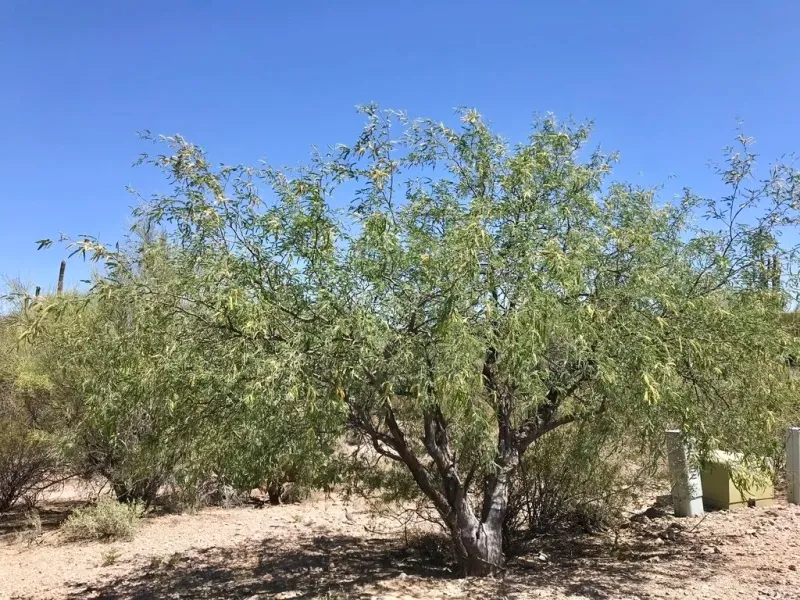
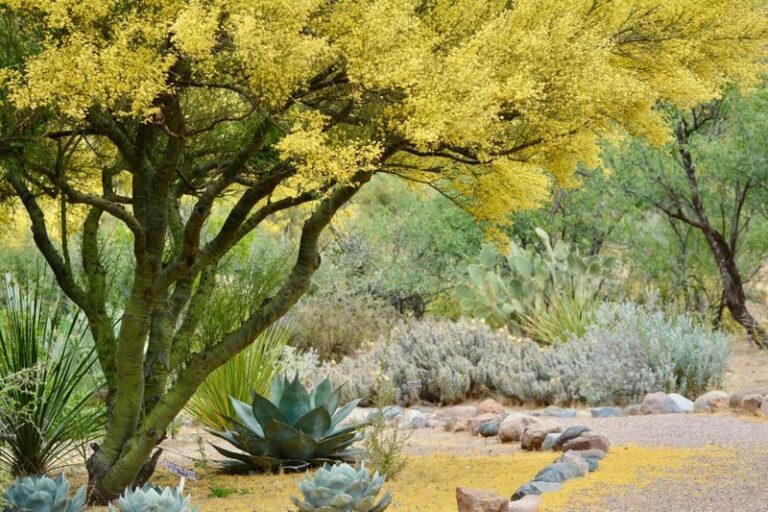
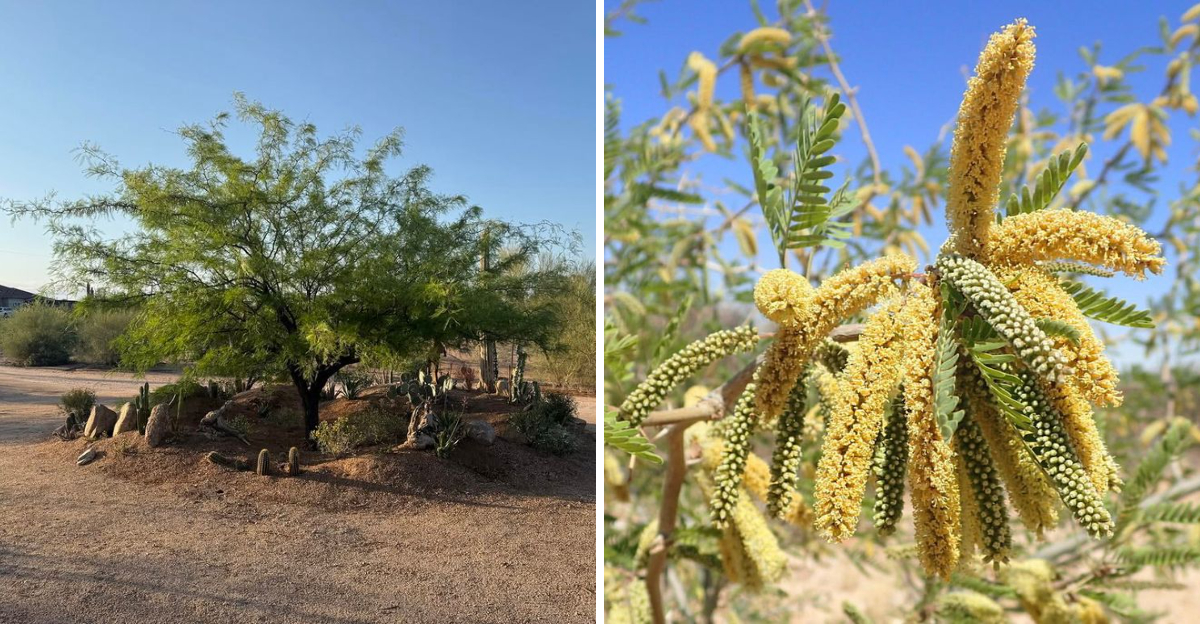
Nothing beats sitting under a mesquite canopy when the temperature pushes past 105 degrees. Velvet mesquite grows a wide, spreading crown that blocks direct sun across a surprisingly large patch of ground.
A mature tree can spread its canopy 30 to 40 feet across, which means real, usable shade for patios, garden beds, and outdoor seating areas.
Unlike shade cloth or patio covers, a living canopy also cools the air underneath it through a natural process called transpiration. Leaves release moisture, and that moisture lowers the temperature right around the tree.
Planting placement matters a lot. Position the tree on the west or southwest side of your home to block the hottest afternoon sun.
That simple choice can reduce cooling costs during summer months. Leave enough room from the house for the canopy to spread freely without branches pressing against the roof or gutters.
It also provides habitat for birds and beneficial insects, adding life and balance to the landscape.
Over time, its deep root system helps stabilize soil and improve drought resilience around the yard.
2. Deep Roots Cope Better With Long Dry Spells
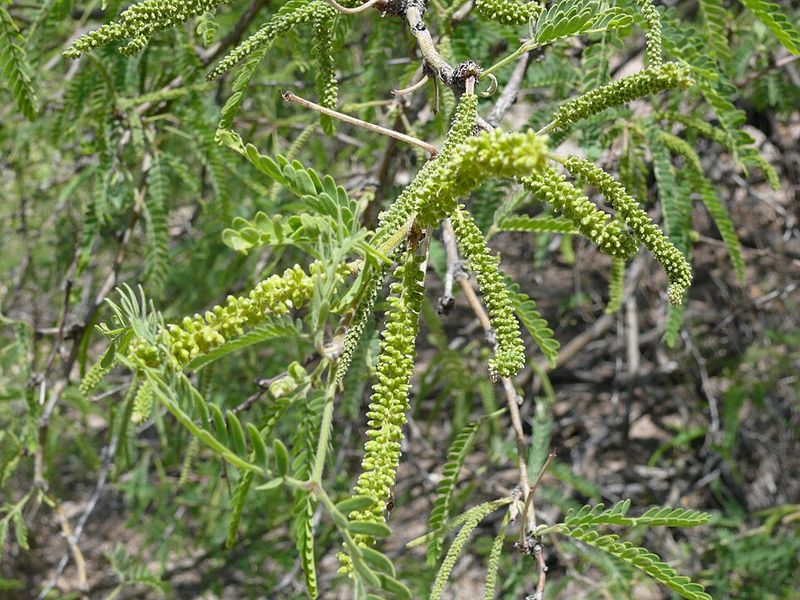
Velvet mesquite roots are built for survival in ways most other trees simply are not. A taproot can push down 50 feet or more in the right soil conditions, reaching water tables that surface-rooted trees never access.
That depth is why mesquite stays green during dry stretches that stress or damage other plants nearby.
Lateral roots also spread wide, sometimes extending two to three times the width of the canopy above ground. Together, the deep taproot and wide lateral system give the tree access to moisture from multiple directions and depths.
That redundancy is exactly what a desert tree needs to get through unpredictable rainfall years.
Younger trees need irrigation support while their roots establish. Watering deeply and infrequently encourages roots to chase moisture downward rather than staying shallow.
Frequent shallow watering actually works against you here. It trains roots to stay near the surface, which makes the tree more vulnerable during extended dry periods.
Once the root system matures, typically after three to five years depending on soil and watering habits, the tree largely manages on its own. Established mesquites in the Tucson area routinely go months without supplemental water and show no visible stress.
Your Arizona Garden Changes Every Week. Your Plan Should Too.
Gardening in Arizona changes quickly throughout the season. Every Friday you’ll receive a simple weekly plan showing exactly what to plant, prune, fertilize, harvest, and protect so you never miss the right timing.
3. Thick Branches Give Birds Safer Desert Shelter
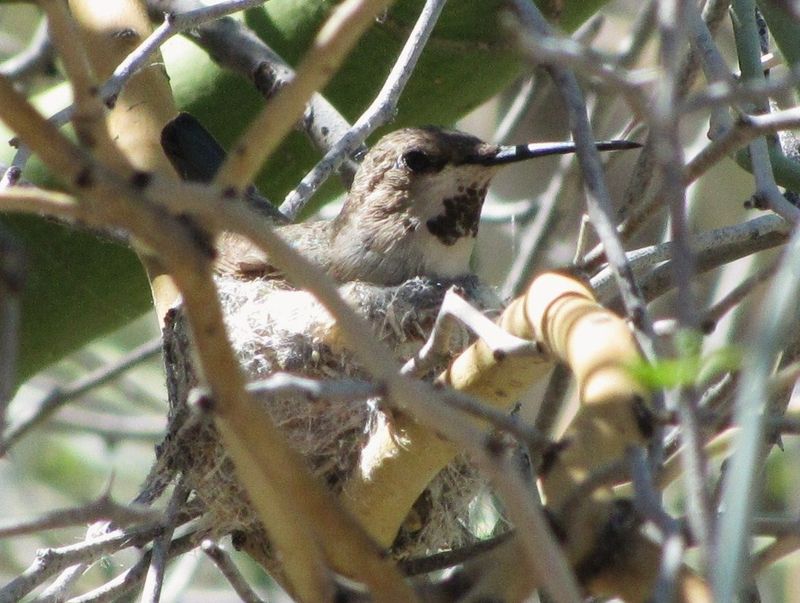
Birds in the desert need more than food. Shelter from predators, extreme heat, and wind matters just as much.
Velvet mesquite delivers on all three counts, and its naturally dense, thorny branch structure makes it one of the most protective nesting sites available to desert birds.
Curve-billed thrashers frequently build nests deep inside mesquite canopies where thorny branches form a natural barrier. Predators like hawks have a much harder time reaching eggs or chicks when sharp spines line every approach.
That built-in defense makes mesquite a preferred nesting location compared to smoother-barked trees nearby.
Gambel’s quail use mesquite thickets for ground-level cover. Families of quail move through the shade and low branches during the hottest parts of the day, resting and feeding on fallen seeds below the canopy.
Watching a quail covey work its way under a mature mesquite is one of the more satisfying sights in a desert yard.
Elf owls, one of the smallest owl species in North America, sometimes roost in older mesquite trunks where woodpeckers have already carved cavities. Cactus wrens, mourning doves, and verdins also use mesquite regularly for nesting and perching.
4. Wildlife Activity Around Mature Canopies Rises Fast
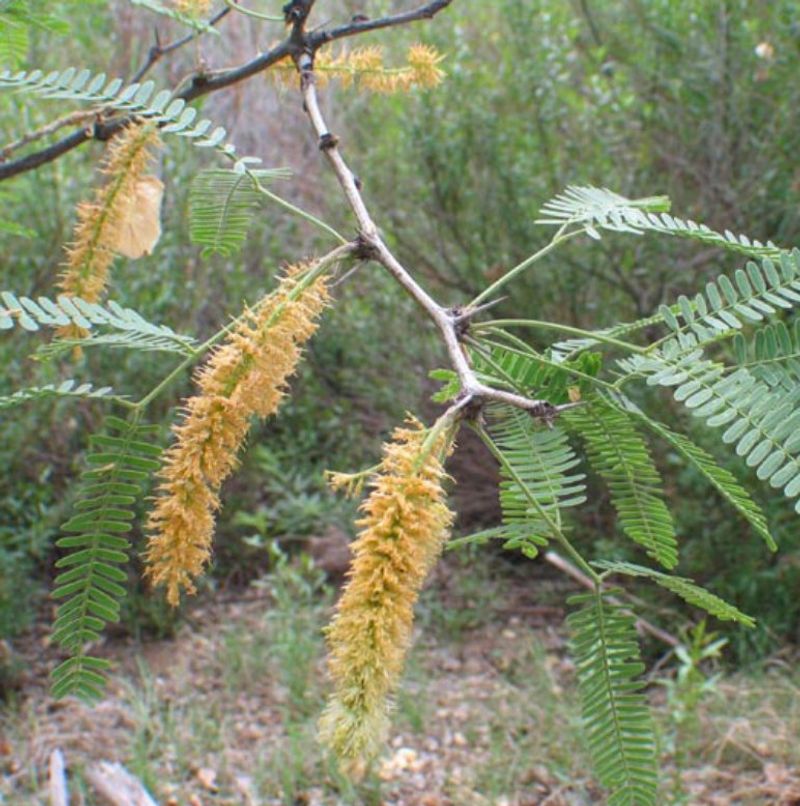
A yard with a mature mesquite feels different from one without. Wildlife shows up in layers, from insects working the bark to hawks perching at the crown.
Activity builds gradually as the tree matures and its canopy fills in, but once it reaches full size, the variety of visitors can be genuinely surprising.
Mesquite seed pods are a major food source. Pods ripen in late summer and fall, and the sweet, starchy pulp inside attracts everything from coyotes and javelinas to Harris’s antelope squirrels and white-winged doves.
Historically, Indigenous communities across the desert Southwest harvested mesquite pods as a staple food, grinding them into flour for bread and porridge.
Insect diversity under the canopy is high. Beetles, ants, moths, and dozens of other species feed on bark, wood, leaves, and fallen pods.
Insectivorous birds follow that insect activity closely. More insects mean more birds, and more birds mean a more active, interesting yard throughout the year.
Reptiles use mesquite shade during the hottest midday hours.
5. Fallen Leaves Slowly Improve Tough Ground Below
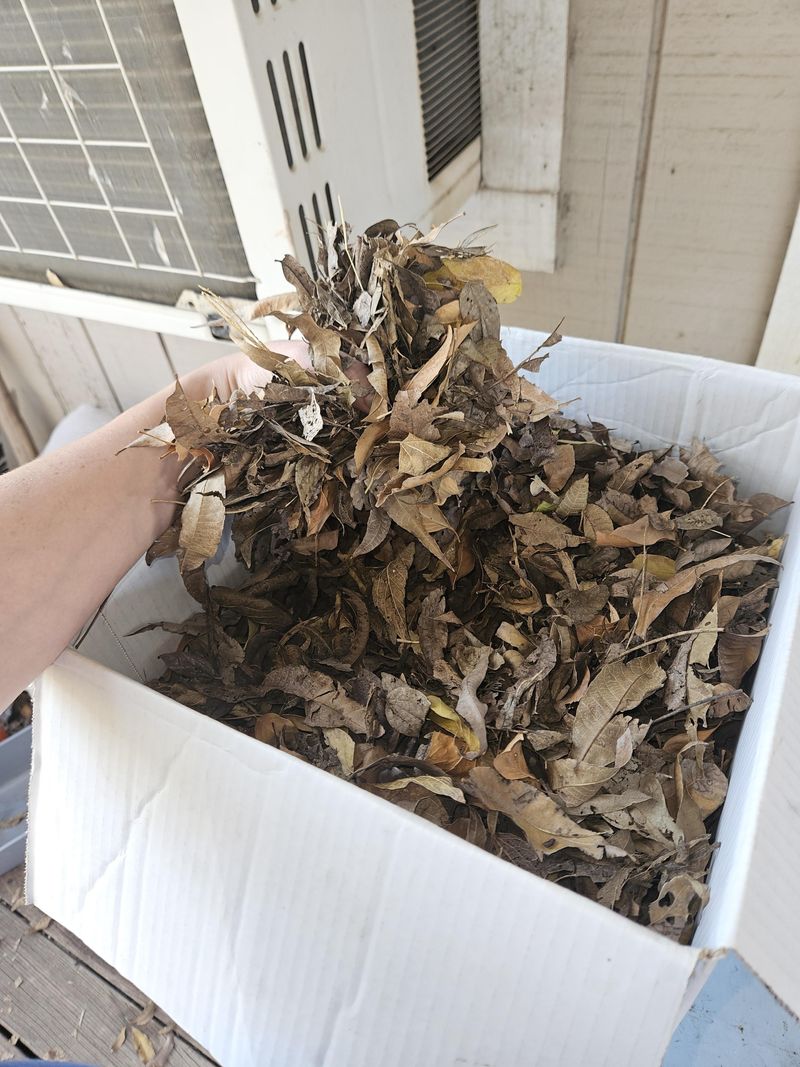
Forget store-bought soil amendments for a moment. Mesquite leaves are doing quiet, steady work on the ground below the canopy every single day.
As leaves drop and break down, they add organic matter to soil that is often compacted, low in nutrients, and poorly structured after years of desert heat and minimal rainfall.
Mesquite is a legume, which means its roots form partnerships with nitrogen-fixing bacteria in the soil. Those bacteria pull nitrogen from the air and convert it into a form plants can actually use.
Over time, the soil under a mesquite becomes noticeably richer than surrounding bare ground. Gardeners who plant under established mesquites often report better results with companion plants and ground covers.
Leaf litter also reduces water evaporation from the soil surface. A thin layer of decomposing leaves acts like a natural mulch, slowing moisture loss between rain events or irrigation cycles.
That matters a lot during long dry stretches when surface soil can lose moisture within hours of watering.
Earthworms and beneficial soil insects move into the improved soil over time, further breaking down organic material and improving drainage.
6. Mature Growth Gets By With Less Summer Water
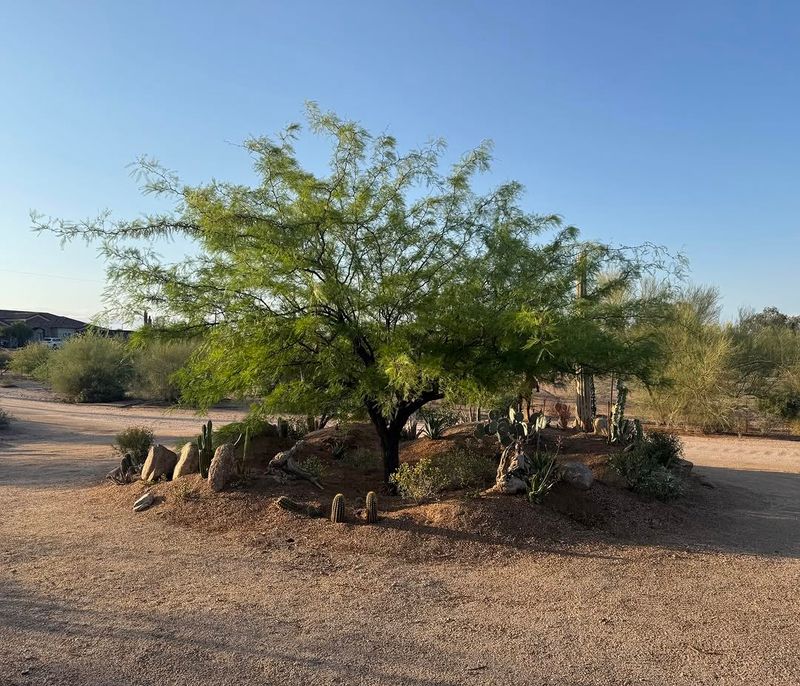
Water bills in desert cities climb fast during summer, and every plant that needs regular irrigation adds to the cost. Velvet mesquite flips that equation once it reaches maturity.
An established tree can get through most summers on rainfall alone, depending on your elevation and soil type.
Average annual rainfall in much of the low desert runs between 7 and 12 inches, split between winter storms and the summer monsoon season. Velvet mesquite evolved to make the most of both rain windows.
It leafs out in spring, grows actively during the monsoon, and slows down during the dry stretches in between. That growth rhythm matches the desert calendar almost perfectly.
New homeowners sometimes overwater mesquite out of habit or worry. Too much water, especially in poorly draining soil, can cause more problems than drought stress.
Roots sitting in wet soil for extended periods become vulnerable to fungal rot. Deep, infrequent watering during the establishment phase builds a root system that handles dry summers with ease later on.
After five or six years in the ground, most velvet mesquites in Phoenix or Tucson need supplemental water only during extended dry spells lasting several months. Even then, one or two deep soaks are usually enough to carry the tree through.
Compared to non-native shade trees that need weekly irrigation all summer long, the water savings over a decade add up to a significant number. Low-water landscaping starts with choosing the right tree from the beginning.
7. Spring Flowers Draw Native Bees In Huge Numbers
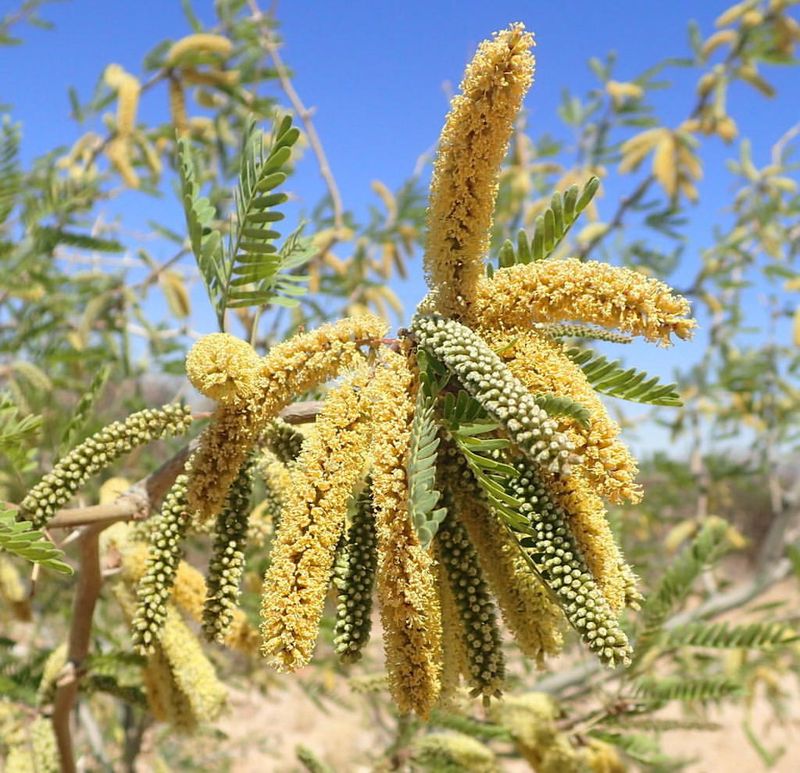
Every spring, velvet mesquite bursts into long, pale yellow flower clusters called catkins. These blooms are small but packed with nectar and pollen.
Native bees show up fast, sometimes within hours of the first flowers opening.
Sonoran Desert bees depend heavily on mesquite bloom time. Species like the digger bee and several sweat bee varieties time their active season around mesquite flowering.
Without mesquite, many of these bees would lose one of their most dependable early-season food sources. That connection between tree and bee has built up over thousands of years.
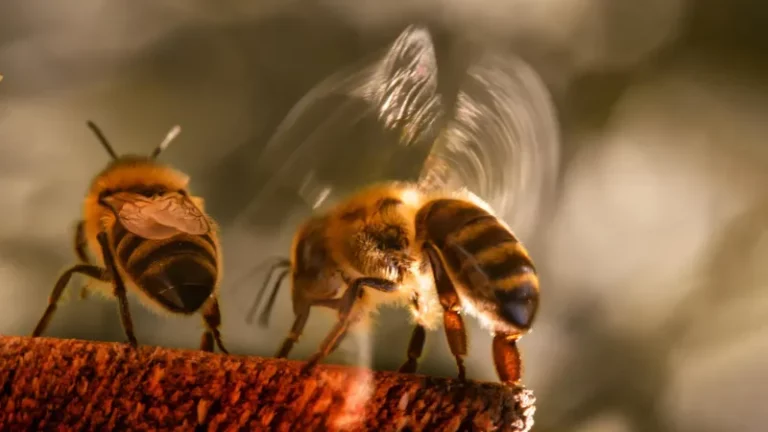
Honeybees visit mesquite flowers too, and beekeepers in the region have long valued mesquite honey for its mild, slightly sweet flavor. Supporting native pollinators goes beyond honey production, though.
Pollinators drive reproduction in dozens of other desert plants that birds and small mammals rely on for food.
Flower production typically runs from April through June, depending on rainfall and elevation. Trees that receive a deep watering in late winter often produce heavier bloom sets.
Even without extra water, most established trees flower reliably each year.