9 Ornamental Grasses That Light Up Your Arizona Yard When the Low Fall Sun Hits Them
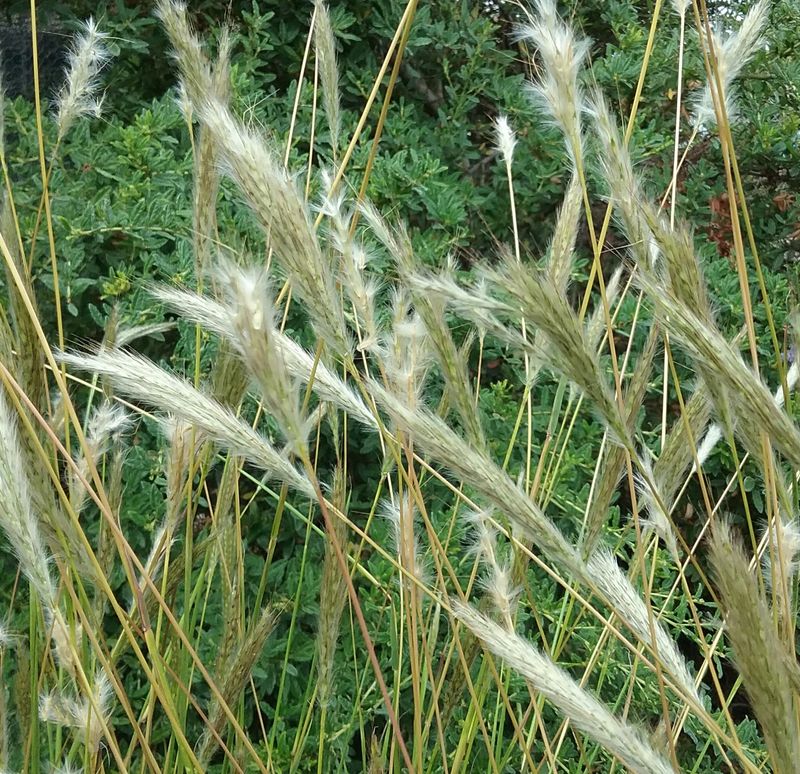
Sunlight in October travels through more atmosphere at a low angle, so seed heads glow like tiny lanterns at dusk. I noticed this one evening when a scruffy clump by my gate suddenly looked lit from within.
Desert gardeners in Arizona have a quiet advantage here, because many native grasses peak right when the sun drops lower. Their fluffy plumes and fine blades catch backlight better than most showy flowers ever manage to do.
I love how these clumps also shelter sparrows and lizards that happily snack on insects you would rather not meet indoors. Most of them sip water once established, which matters a lot when Arizona summers top 110 degrees.
October is also prime planting season, giving roots months of mild weather before next summer returns. So which of these sunset performers deserves that golden-hour spot along your back wall or front walkway?
1. Deer Grass
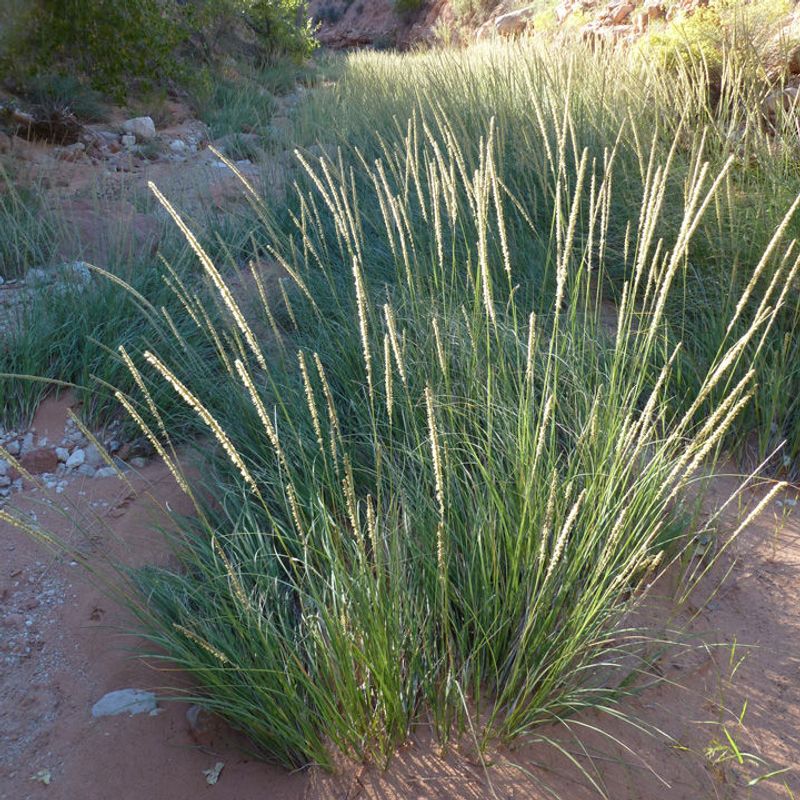
Few desert plants pull off the backlit fountain look quite like deer grass when the evening sun slides behind it. Its tall, straw-colored flower spikes rise above the mound and glow like a spray of golden wands.
Muhlenbergia rigens grows wild in sandy washes across the Southwest, so Phoenix heat barely ruffles it. Expect a clump around three feet tall and up to five feet wide once it settles in.
I like planting it where low October light hits from the west, ideally against a darker wall or boulder. The contrast makes those slender spikes pop in a way photos rarely capture.
Wildlife appreciates it too, since the dense base offers nesting cover and finches pick through the seed heads all winter. Rabbits mostly leave it alone, which feels like a small miracle in many desert neighborhoods.
Give it full sun or light shade, then deep soak every one to two weeks during next summer’s heat. Shear it back in late winter, and fresh green blades will push up quickly once spring warms the soil.
2. Pink Muhly
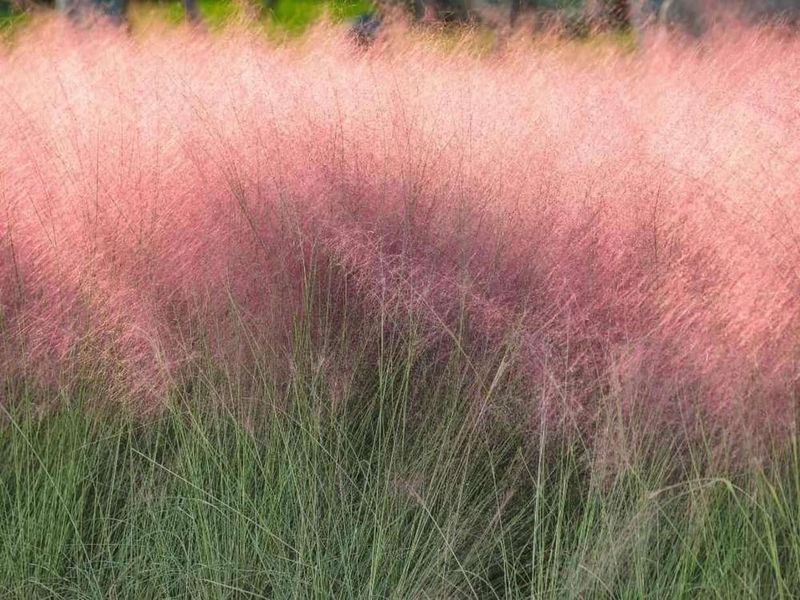
October is the month pink muhly has been waiting for, and the timing feels almost theatrical. Clouds of rosy plumes erupt over plain green clumps, and backlighting turns them into glowing cotton candy.
Muhlenbergia capillaris hails from the southeastern states, yet it handles low desert sun and reflected heat surprisingly well. Plants usually reach two to three feet, with the popular Regal Mist variety blooming especially strong.
Personally, I think a single plant looks lonely, so plant several in a sweep. Set them where morning or late afternoon light shines through, and neighbors will slow their cars to stare.
Butterflies visit the blooms, and birds may tuck the dried flower threads into nests come spring. The airy plumes also hold up nicely through fall before fading to a soft tan with frost.
Plant it in full sun with well-drained soil, since soggy roots cause trouble faster than drought does. Extra water during bloom keeps the color rich, and a hard cutback in late winter resets the whole show.
3. Bull Grass
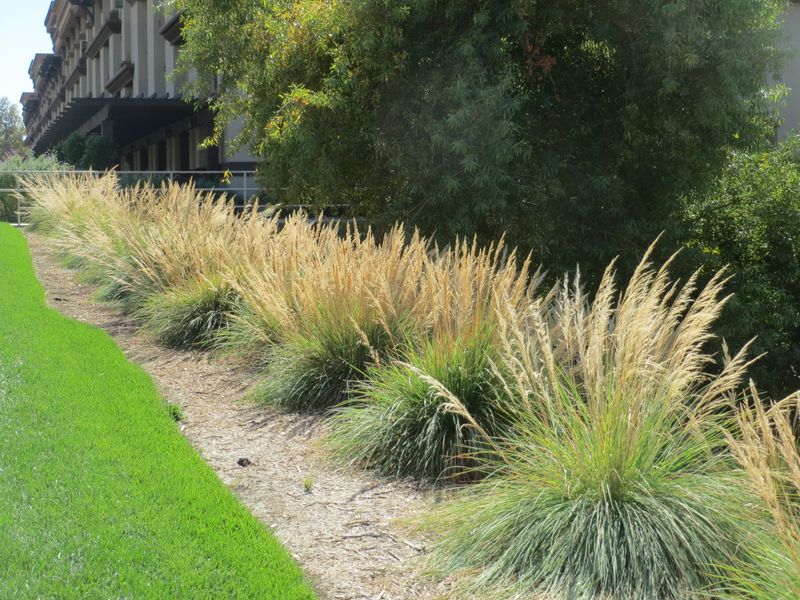
Bull grass sounds tough, and honestly it lives up to the name while still delivering a surprisingly pretty fall display. Its silvery-purple plumes stand tall above wide, blue-green clumps and shimmer when the sun sits low.
Muhlenbergia emersleyi grows naturally on rocky slopes and canyons in southern Arizona, so it shrugs off heat and poor soil. Mature clumps often reach three feet tall, with flower stalks rising higher in late summer and fall.
You might notice the plumes start with a purplish tint before softening to a pale, almost silver color. That gradual shift means the backlit glow changes week to week, which keeps a fall garden walk interesting.
I like it as a sturdier stand-in for pink muhly in hotter, rockier corners where fussier grasses sulk. Its coarse foliage also gives quail and ground-feeding birds a shady spot to rest and hide.
Plant it in full sun or partial shade, and water deeply every couple of weeks while roots establish. Trim old growth in late winter, leaving a few inches so the crown regrows cleanly next spring.
4. Sideoats Grama
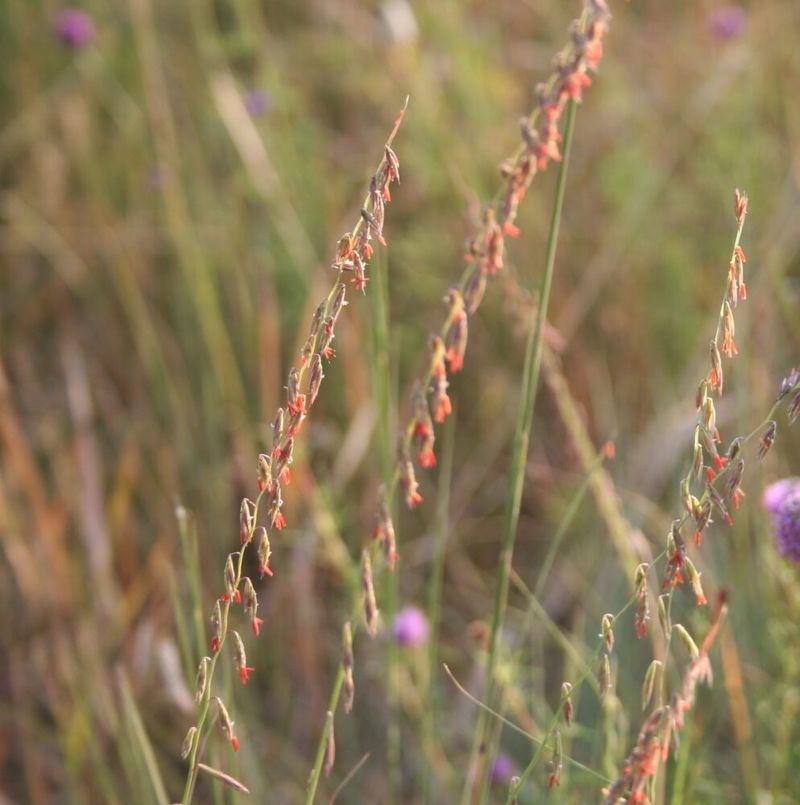
Look closely at sideoats grama and you will spot dozens of tiny oat-like flowers dangling from just one side of each stem. Backlit by October sun, those little flags look like strings of copper beads swaying in the breeze.
Bouteloua curtipendula is native to much of North America, including high desert grasslands, and it tolerates rocky, alkaline soil with ease. Clumps stay fairly compact, usually two to three feet tall with wiry upright stems.
What surprises me most is the fall color down low, where the leaves blush purple and red as nights cool. The seed spikes bleach to tan at the same time, creating a warm two-tone effect.
Several skipper butterflies use it as a larval host, and seed-eating birds forage on the spikes through fall. Deer generally pass it by, which helps gardeners near open desert or foothill neighborhoods.
Give it full sun to part shade and very little water once established, since monsoon rains usually carry it. Well-drained soil keeps it happy, and a light trim in late winter tidies it before fresh growth.
5. Blue Grama
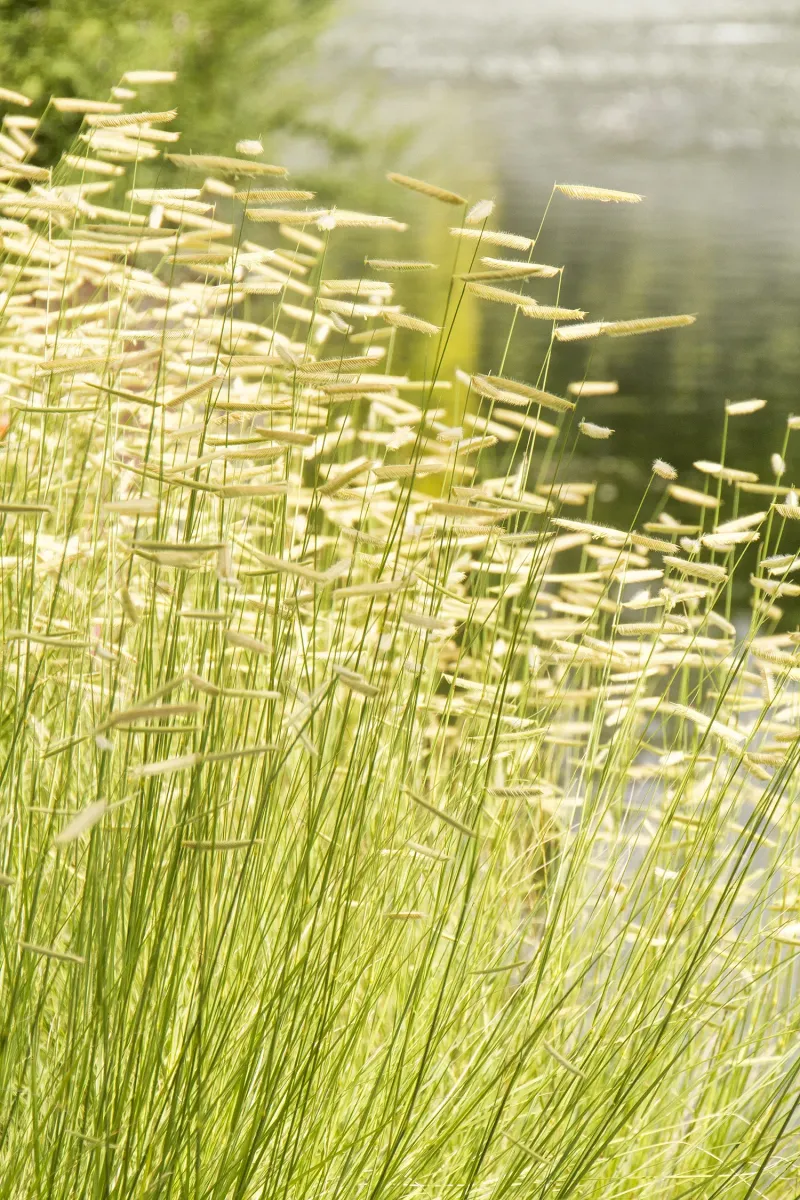
Seed heads on blue grama curl into tiny crescents that look exactly like eyelashes, and kids tend to love that detail. When the low sun catches them sideways, each eyelash turns into a glowing golden sickle.
Bouteloua gracilis is native across Western grasslands and serves as the official state grass of New Mexico and Colorado. It stays short, roughly one to two feet tall, making it great for borders and small spaces.
Personally, I tuck it along pathways where I can admire the seed heads up close during October evenings. Planted in drifts, it can even work as a low-water meadow substitute for a thirsty patch of lawn.
Its seeds feed sparrows and other small birds, while the low tufts give lizards some cover between sunny rocks. Those lizards earn their keep by snacking on crickets and other insects around the patio.
Full sun and well-drained soil suit it best, and it shines brightest in higher-elevation yards like Prescott or Flagstaff. Low desert gardeners can still grow it with a little extra summer water and some afternoon shade.
6. Cane Bluestem
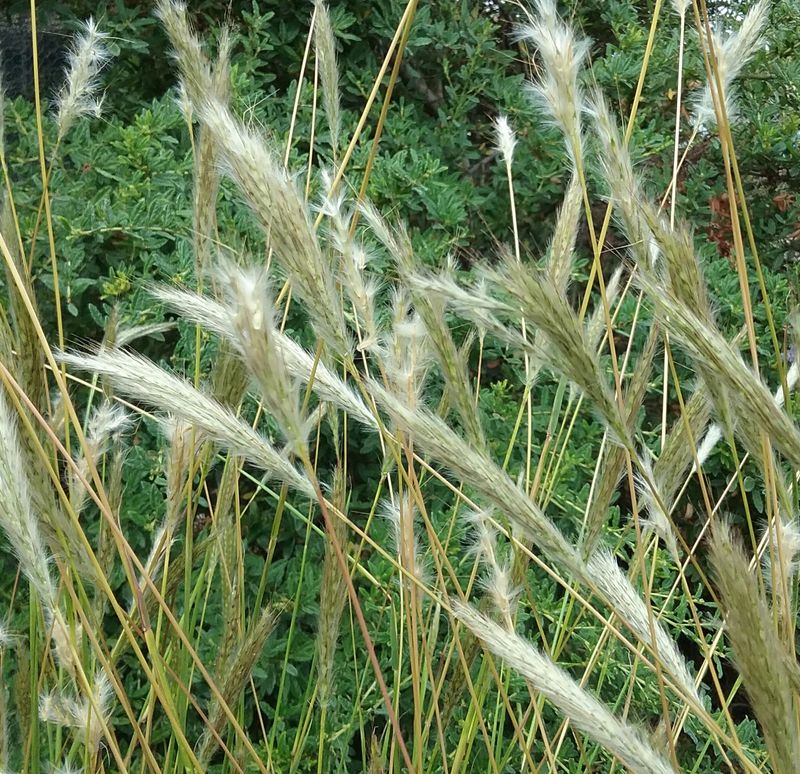
Cane bluestem keeps a secret until fall, when its plain stems suddenly sprout fluffy, silvery seed heads that sparkle in backlight. On a breezy October afternoon, a clump looks dusted with frost even when it is ninety degrees.
Bothriochloa barbinodis is a native bunchgrass found along roadsides, washes, and slopes across much of Arizona. It usually grows two to four feet tall, with bluish stems and noticeable fuzzy joints along each cane.
I have to admit it looks a bit scruffy in midsummer, so I place it behind lower shrubs. By fall, though, the silky tufts take center stage and outshine nearly everything nearby at sunset.
Seed-eating birds pick at the tufts in winter, and the upright clumps give ground birds a quick place to duck for cover. The fluffy seeds drift on the wind, so expect a few volunteers you can share or pull.
Plant it in full sun with almost any well-drained soil, including rocky or sandy spots near the street. It needs little water once established, and a late-winter cutback keeps the clump looking fresh.
7. Little Bluestem
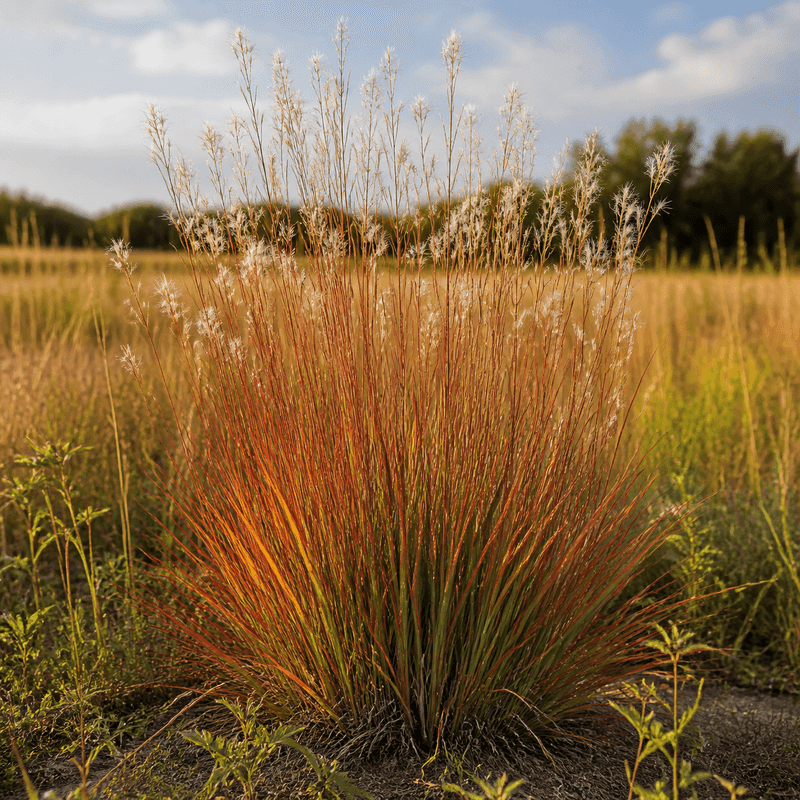
Little bluestem may own the best fall color of any grass on this list, shifting from blue-green to glowing bronze-orange. Add low October sun behind it, and the whole clump seems to burn like a gentle ember.
Schizachyrium scoparium grows naturally across most of North America, including mountain and plateau regions of the state. Plants typically stand two to four feet tall, forming upright clumps with a bluish tint near the base.
After the color peaks, puffy silvery-white seed heads appear and hang on into winter, catching light all over again. You get two seasonal shows from one plant, which feels like a bargain to me.
Birds find both shelter and seeds in it, and several skipper butterflies depend on it as a larval host plant. Its deep, fibrous roots also help hold loose soil in place on slopes and berms.
Grow it in full sun with well-drained soil, since rich soil and heavy watering make stems flop. It performs best at middle and higher elevations, while low desert plantings appreciate some afternoon shade and occasional water.
8. Giant Sacaton
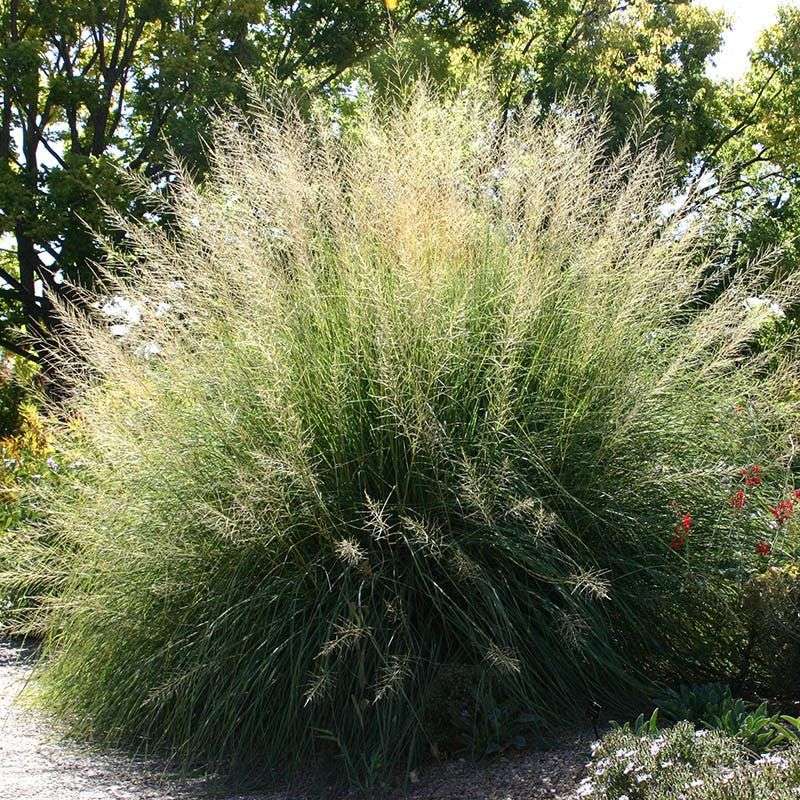
Giant sacaton is the bold statement grass for anyone wanting height, with golden seed heads that can top six feet. When the sun drops behind those plumes, they glow like a soft curtain of light.
Sporobolus wrightii grows naturally in southeastern Arizona floodplains and grasslands, from roughly two thousand to seven thousand feet. It handles clay or sand, along with salty and alkaline soil that challenges many ornamental plants.
I can’t imagine a better living screen for hiding a block wall or the neighbor’s trampoline. Clumps reach about five feet wide, so give each plant plenty of elbow room when planting this month.
Historically, sacaton grasslands covered wide river bottoms and offered cover for birds and small mammals. In a yard, a mature clump still provides dense shelter and helps slow runoff during heavy monsoon storms.
Full or partial sun works, and established plants need only occasional deep watering during long dry stretches. Cut it to the ground in early spring, and new gray-green blades will rebound fast with warmer days.
9. Bamboo Muhly
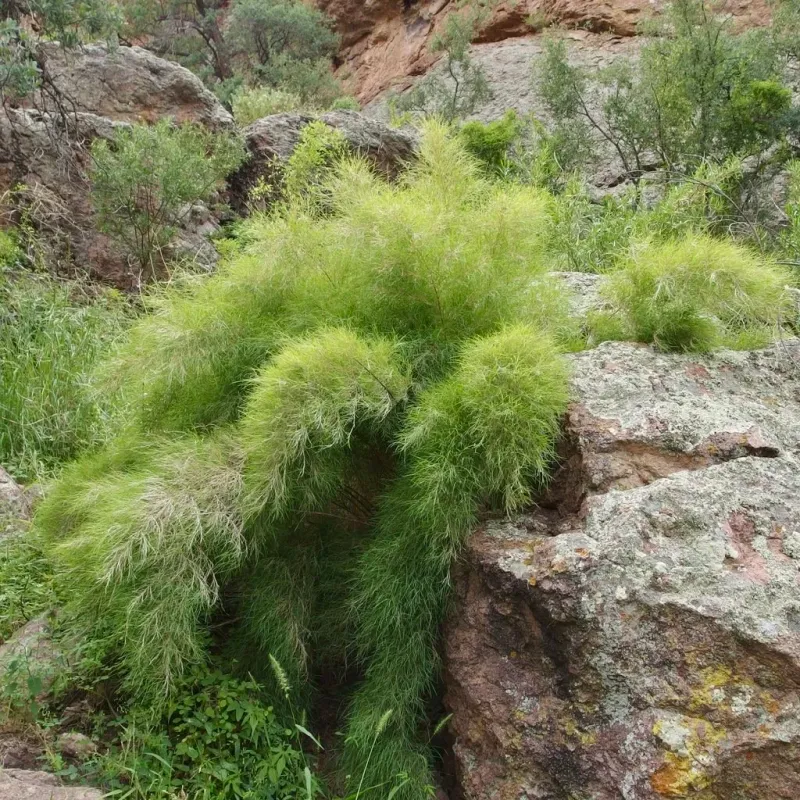
Bamboo muhly fools plenty of visitors, because its feathery, airy stems really do resemble a delicate clump of bamboo. Light filters through the fine foliage at sunset, giving it a soft, hazy glow all season.
Muhlenbergia dumosa is native to southern Arizona and northern Mexico, often growing on rocky canyon slopes. It reaches four to six feet tall, forming a graceful screen without the spreading habits of true bamboo.
Unlike flashier plume grasses, its magic comes from texture rather than color, and the low autumn light amplifies that. I love how the stems sway with the slightest breeze, scattering little flickers of light everywhere.
Small birds use the dense stems for shelter, and the shade underneath creates a cooler pocket for lizards. Those resident lizards help control insects, which is a nice bonus near patios and seating areas.
Plant it in full sun or light shade, and water roughly weekly during next summer’s hottest stretch. A hard freeze can brown the tips, so a late-winter trim keeps it tidy and ready for spring.