Why Milkweed Bugs Suddenly Cover Your Ohio Milkweed in Fall
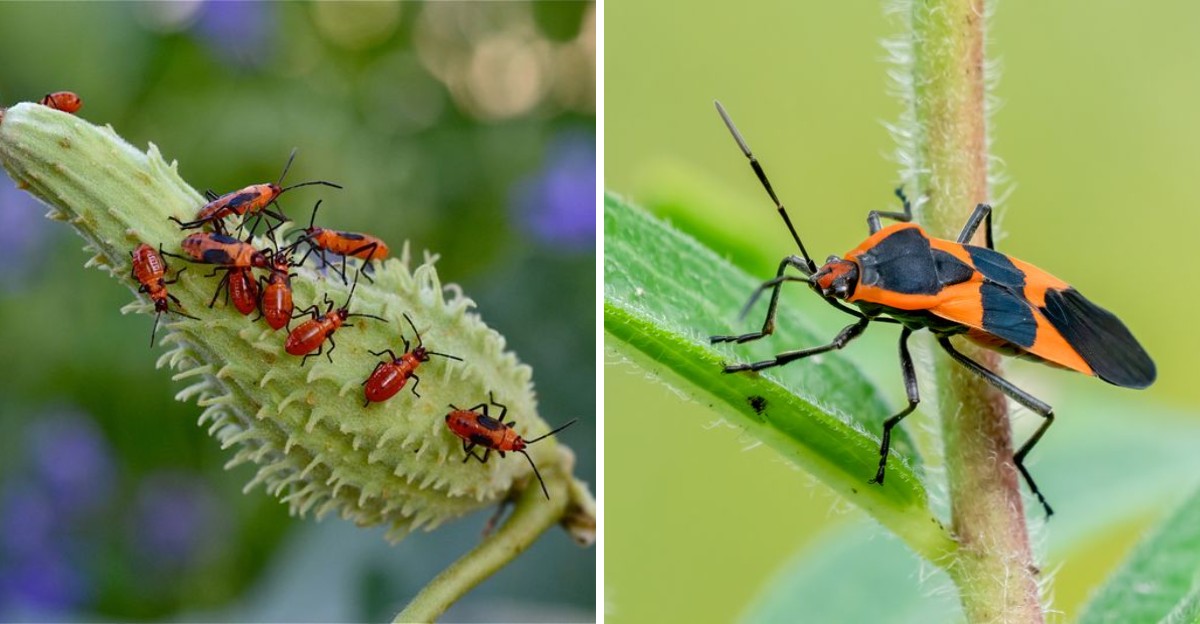
You step out with your coffee on a crisp fall morning, and something bright orange is crawling across your milkweed where only green leaves sat yesterday. Lean closer and the whole stalk seems to shimmer.
Dozens of tiny, painted-looking bugs are shuffling over the dry pods like shoppers at a busy market. Your first reaction might be panic, and honestly, that is fair.
Surprise crowds in the garden rarely feel like good news. Here is the twist though: this autumn gathering is a lot more charming than it looks.
Milkweed bugs are showing up in Ohio gardens right when the seed pods split open, and the story behind it involves ripe seeds, chilly nights, and a clever bit of bug chemistry. Grab a sweater and let’s meet your uninvited guests.
1. Ripe Seed Pods Act Like A Dinner Bell
Seeds are the whole reason for the party. Large and small milkweed bugs feed mostly on milkweed seeds, and fall is when those seeds finally ripen.
All summer, the pods on your plants stay green and tightly sealed. The bugs nibble here and there, but the real feast stays locked away.
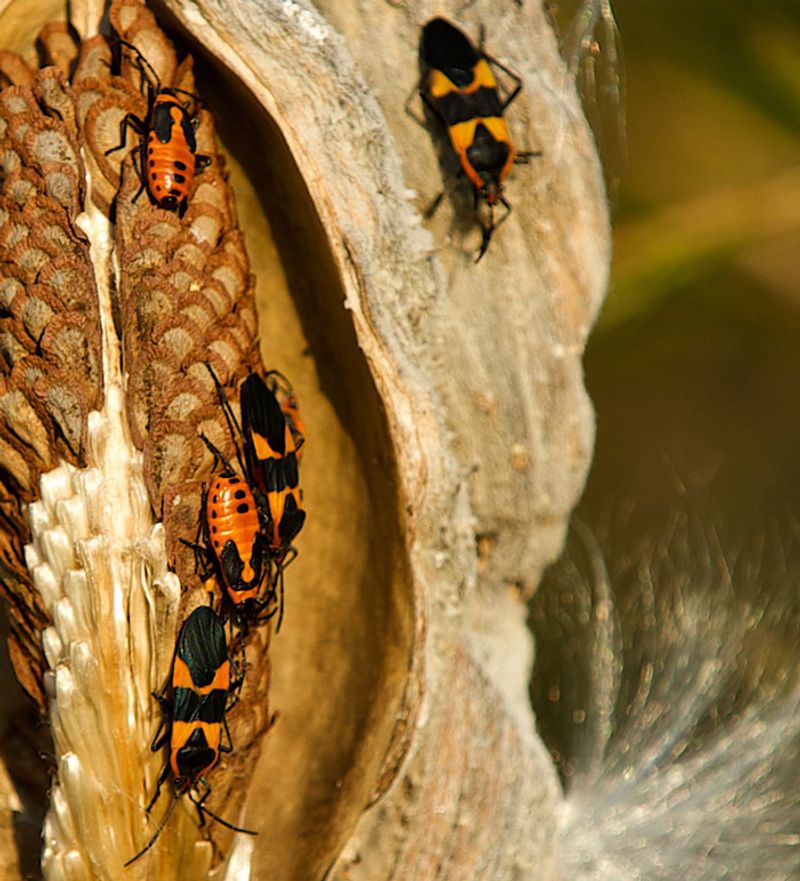
Then September rolls around in Ohio, and the pods start to dry, crack, and split open.
Once those seams open, the seeds become easy to reach. A milkweed bug has a long, straw-like mouth called a beak.
It pokes that beak right through the pod wall or into the exposed seeds and sips out the oily insides.
Word seems to travel fast in bug world. Milkweed bugs tend to gather in groups, and chemical cues may play a role, though researchers have not fully pinned down how bugs locate ripening pods.
Whatever the signal, a few visitors can turn into a crowd that covers every pod within days.
Here is a handy trick for curious gardeners. Check your plants every few days in late summer and note when the first pods start to crack.
You will likely spot the biggest bug crowds within a week or two of that moment.
Keeping a simple notebook helps you predict the timing next year. Many gardeners find the rush lines up closely with the first cool nights.
2. Bugs Build Their Numbers All Summer Long
Ever wonder where so many bugs came from overnight? The honest answer is that they did not show up overnight at all.
Milkweed bugs have been quietly building their numbers since early summer. A single female can lay hundreds of tiny yellow eggs tucked between pod seams and fluffy silk.
In warm Ohio weather, those eggs hatch in about a week.
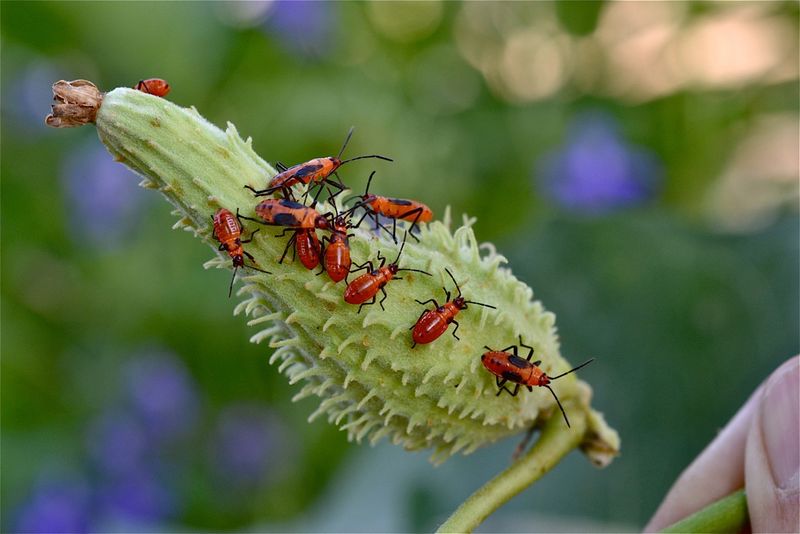
The babies, called nymphs, look like little red beads with black legs. They shed their skins five times as they grow, getting bigger and showing more black markings each time.
In roughly a month, they become full adults ready to lay their own eggs.
Large milkweed bugs move north again each year rather than overwintering in Ohio, so local populations usually have time for only one to two generations before fall. That is still enough for eggs, nymphs, and adults to share the same plants by autumn.
Your milkweed patch has basically become a crowded apartment building.
You can enjoy watching the life stages side by side. Kids especially love spotting the tiny red nymphs next to the bigger winged adults.
Try snapping a photo of one pod each week from August to October. Lining the pictures up later shows the population boom in a way that numbers alone cannot.
It also makes a terrific science fair project for a middle schooler.
3. Cooler Nights Push Bugs To Bunch Together
Cold mornings change bug behavior in a big way. Insects cannot make their own body heat the way people and dogs can.
When Ohio nights drop into the 40s, milkweed bugs slow down and look for ways to stay warm. One smart move is huddling together.
A tight group holds a little heat and blocks some of the chilly breeze.
You may notice the clusters look thickest in the early morning. As the sun climbs, the bugs spread out and get busy feeding again.
By late afternoon, they often creep back toward each other before dark.
Bugs also gather on the sunny side of stems and pods. The dark parts of their bodies may help them soak up a little extra warmth, a bit like a black car seat on a summer day.
That said, the main job of their bold orange and black pattern is something else entirely, as we will see in the next section.
For a fun backyard experiment, check your plants at sunrise and again around noon. Count the bugs in one cluster both times and compare the results.
Most people notice a clear difference in how packed together the bugs are. Weather apps showing the overnight low can help you connect the dots.
On the frostiest mornings, you might find bugs barely moving at all until things warm up.
4. Bright Colors Warn Birds To Back Off
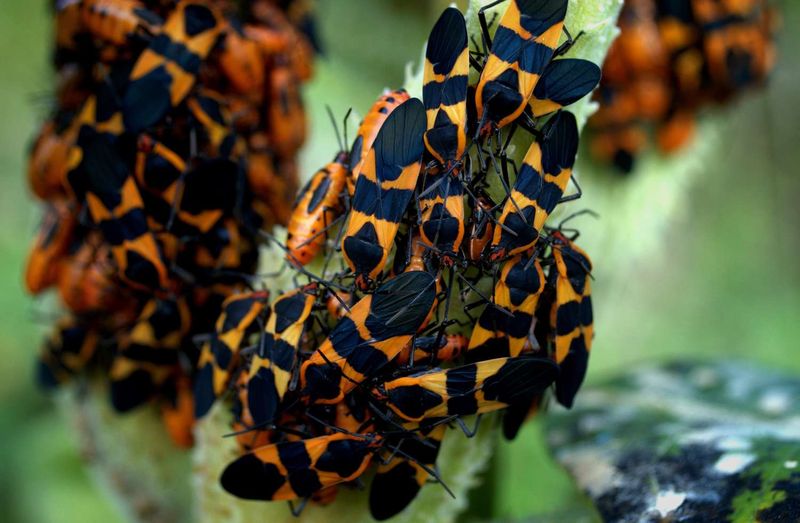
Bold fashion has a purpose in the insect world. That flashy orange and black outfit works like a big stop sign for hungry animals.
Milkweed plants contain bitter chemicals called cardiac glycosides. When the bugs feed on the seeds, they store some of those chemicals in their own bodies.
A bird that grabs one gets a nasty, sour mouthful and quickly spits it out.
Birds learn fast, and they remember bright colors. After one bad snack, a robin or blue jay in Ohio will usually skip anything wearing that same pattern.
Scientists call this warning coloration.
Monarch butterflies use the very same trick. That is why monarchs and milkweed bugs share such similar colors.
Matching outfits make the warning message even stronger.
Being safe from birds lets the bugs gather out in the open. They do not need to hide under leaves or scatter at every shadow.
A huge orange crowd sitting in plain view is actually a pretty safe place to be.
Gardeners can take a lesson here. Those bold colors mean the bugs are not dangerous to you, just unpleasant to eat.
Still, wash your hands after handling them, since they can give off a faint odor when disturbed.
5. Some Visitors Are Prepping For A Southern Trip
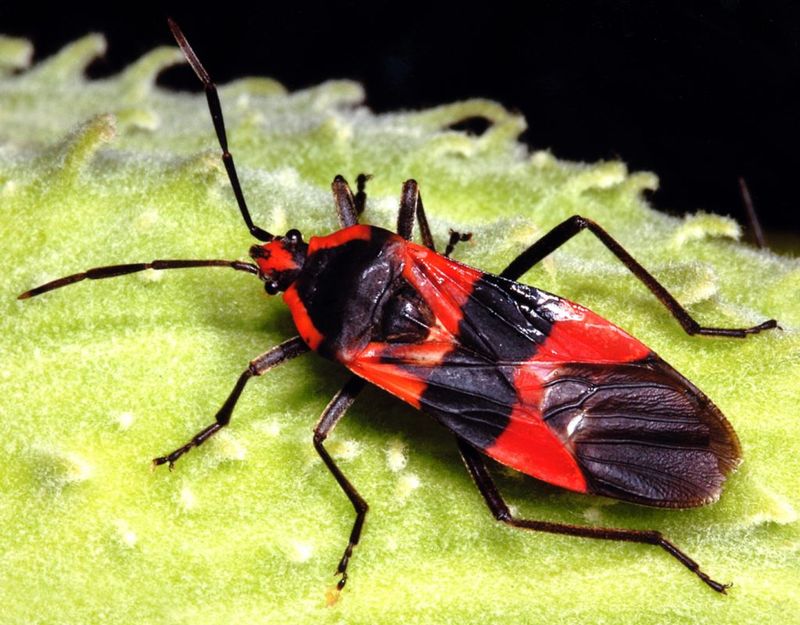
Monarchs get all the fame for traveling south. Fewer folks know that large milkweed bugs make a similar journey.
Large milkweed bugs cannot handle a harsh northern winter very well. Many adults born in late summer fly south in fall, sometimes heading toward the Gulf states, and the species works its way back north the following year.
Before they leave, they need fuel.
That is where your plants come in handy. Bugs crowd onto ripe pods to load up on oily seeds, a bit like a road trip snack stop.
Some passing through from farther north may land in Ohio gardens for a quick refill.
Not every milkweed bug follows this plan, though. The small milkweed bug tends to stay put and tuck itself into leaf litter or other sheltered spots over the winter.
So your crowd may be a mix of locals and travelers.
How can you tell the two kinds apart? Size is the easiest clue.
Large milkweed bugs are noticeably bigger and show a bold orange and black pattern with black wing tips.
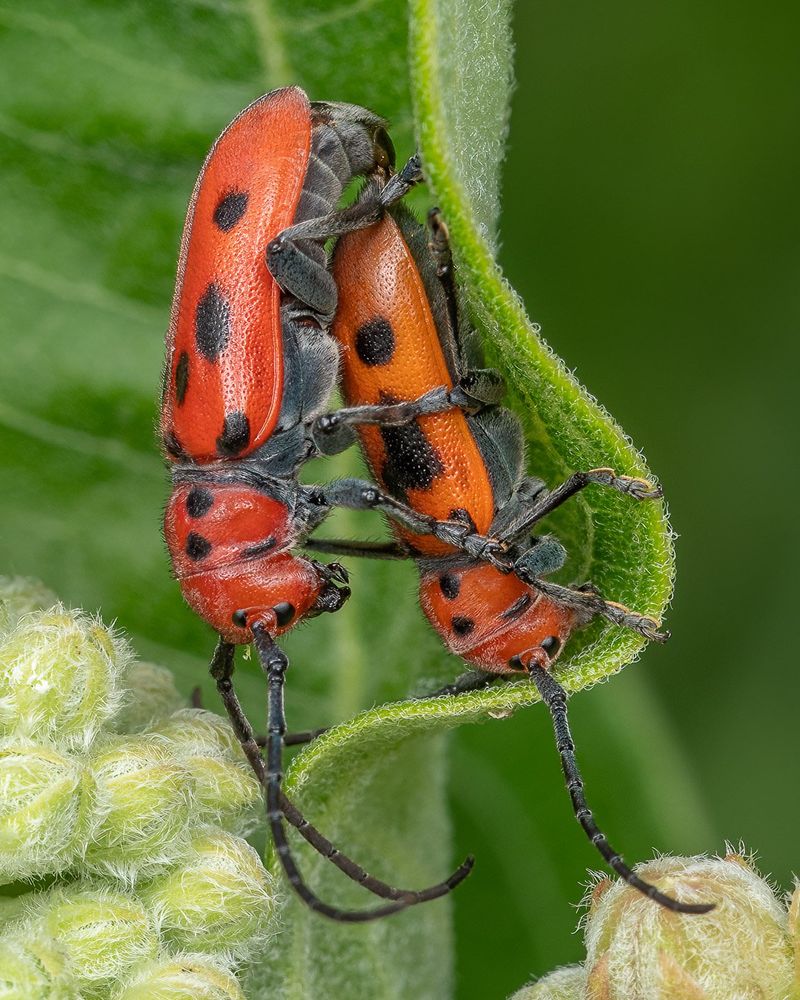
Small milkweed bugs are more compact and show a red or orange X shape on the back, almost like a little letter painted on.
Grab a magnifying glass and see which type rules your patch. Spotting both kinds side by side is a neat bit of backyard detective work worth sharing with neighbors.
6. Your Garden Is Probably In No Real Danger
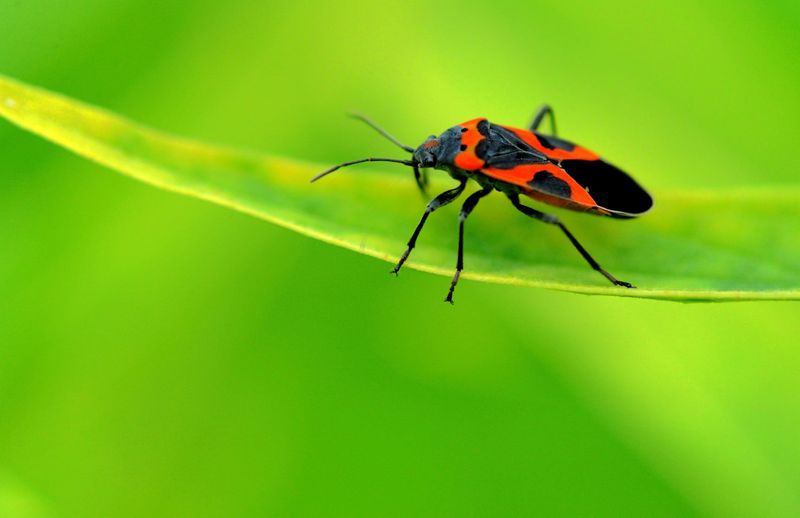
Take a deep breath, because your tomatoes are safe. Milkweed bugs are picky eaters who care mostly about one thing.
These insects feed almost entirely on milkweed seeds. They rarely bother vegetables, flowers, or shrubs in a typical Ohio yard.
Once in a while, they may poke at nearby seeds or plants, but serious harm is uncommon.
Even the milkweed itself usually handles the visit just fine. Common milkweed spreads by underground roots, so it comes back each spring whether or not seeds survive.
A busy fall bug season does not wipe out your patch.
The only real change you may see is fewer seeds that can sprout. Bugs sucking on seeds can leave many of them empty or flat.
If you planned to save seeds for planting, that matters a little.
Here is an easy fix for seed savers. Slip a small mesh bag, like an organza gift bag, over a few green pods before they open.
Tie it loosely at the stem.
The bag keeps bugs out while letting the pod dry naturally. Later, you can collect clean, healthy seeds to share with friends or scatter in a new pollinator bed.
7. Skipping Sprays Helps Monarchs And Pollinators
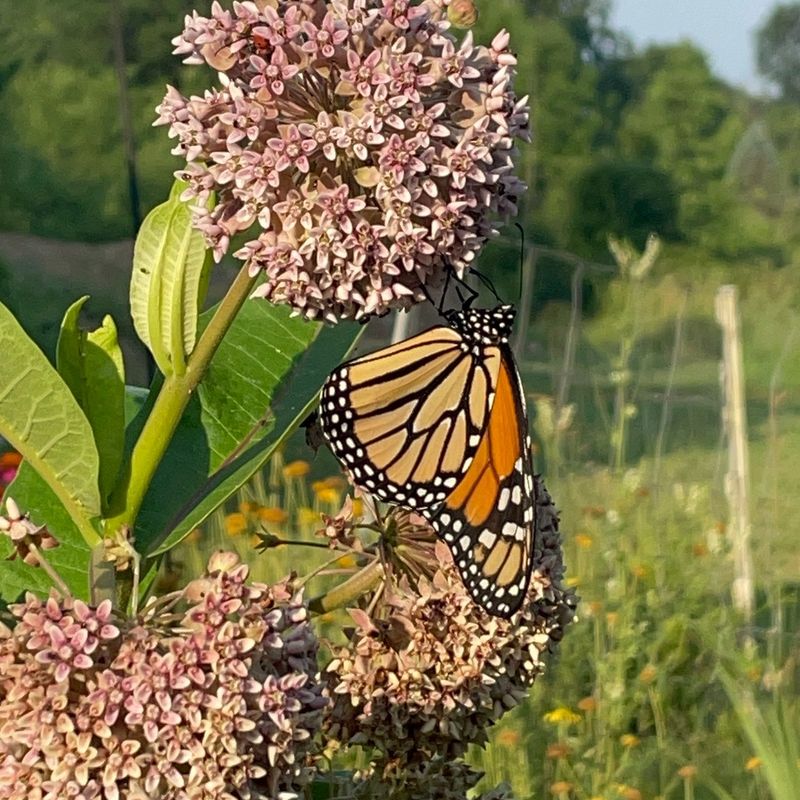
Reaching for a bug spray might feel like the natural move. Hold off, though, because that choice can backfire in a big way.
Milkweed is the plant monarch caterpillars depend on for food. Late-season monarchs in Ohio may still be laying eggs or growing on the same plants as the bugs.
A spray meant for milkweed bugs can harm those caterpillars too.
Bees, butterflies, and helpful beetles also visit milkweed and nearby flowers. Chemicals drift and linger on leaves, flowers, and soil.
You could end up hurting the very visitors you planted milkweed to support.
The bugs are a small part of the local food web as well. Their chemical defenses give them relatively few predators, though some, such as praying mantises, certain spiders, and assassin bugs, do eat them.
Leaving things alone lets those natural helpers do their part.
If the numbers truly bother you, try gentle methods instead. A strong blast from the garden hose knocks many bugs off.
Hand picking into a bucket of soapy water works on small patches.
Cutting off heavily covered pods also lowers numbers quickly. Bag them and toss them with yard waste.
Each of these steps keeps your pollinator garden safe while still giving you some control.
8. Kids Can Learn A Lot From Bug Crowds
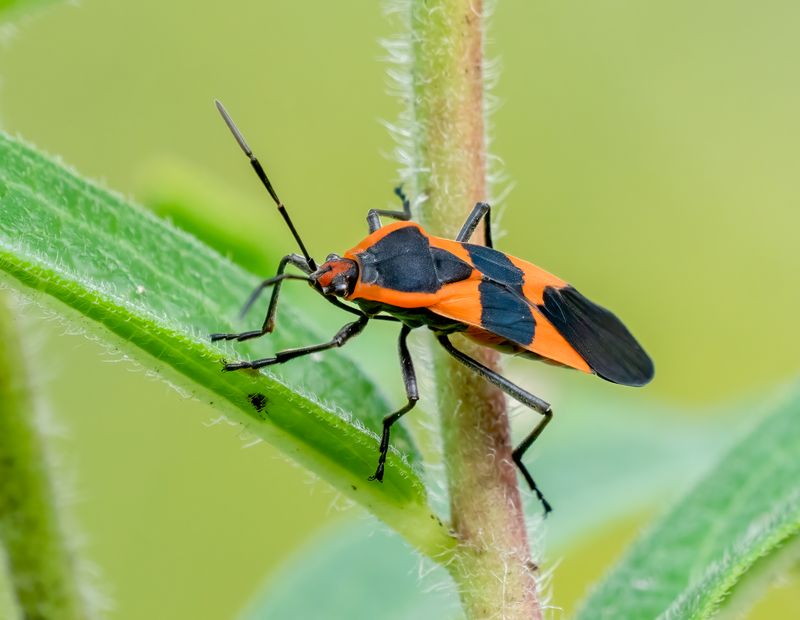
Few backyard events make a better outdoor classroom. A pod covered in bugs is practically begging for a curious kid with a magnifying glass.
Milkweed bugs are slow, easy to find, and safe to watch up close. Ohio teachers sometimes even raise them in classrooms because they grow so quickly.
Your own garden offers the same lesson for free.
Start with simple questions. How many legs does each bug have?
Can you find the beak tucked under its head? Which bugs have wings, and which ones are still babies?
Next, try a counting challenge. Pick one pod and count the bugs every day for a week.
Draw a little chart and see if the numbers rise, fall, or stay steady with the weather.
Young artists can sketch the patterns on the bugs’ backs. Comparing large and small milkweed bugs makes a great side project.
Older kids can research why monarchs and these bugs share colors.
Keep the visit gentle by watching instead of grabbing. Remind kids to wash hands afterward, just as a good habit.
These easy moments can spark a lifelong love of nature, and they cost nothing but a little time outside.
9. Simple Fall Cleanup Tips For Next Season
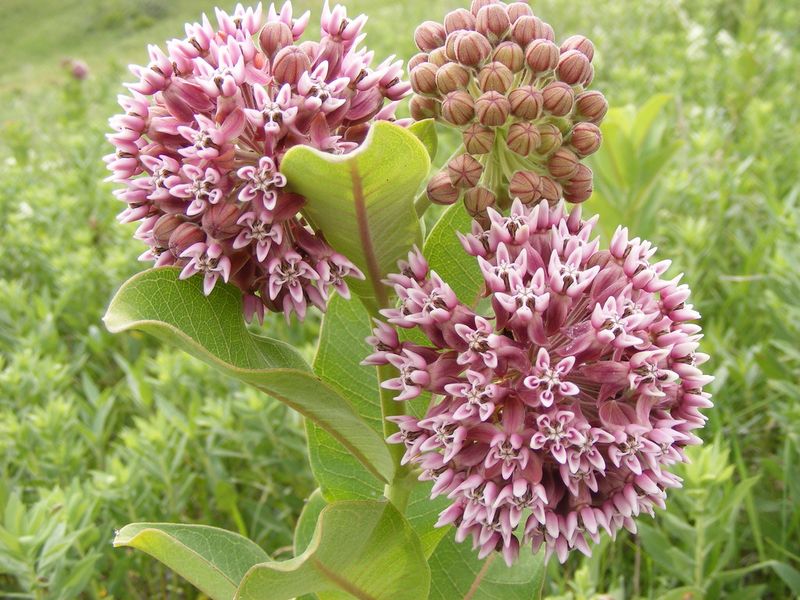
Late fall brings one more decision for milkweed lovers. What should you do with the old stalks once the bugs thin out?
Many Ohio gardeners like a middle path. Leave some stems standing over winter, since hollow stalks and leaf litter shelter helpful insects and native bees.
Birds also enjoy poking around in tidy, natural spots.
If last season’s bug crowd felt like too much, trim back some stalks after the first hard frost. Toss heavy clusters of pods in yard waste rather than the compost pile.
Keep expectations realistic, though. Large milkweed bugs migrate back north each spring, and small milkweed bugs overwinter as adults in leaf litter and other sheltered spots rather than inside the pods, so cleanup will not keep them away entirely.
Think about how many pods you really want. Snipping off a portion of green pods in late summer lowers the seed supply.
Less food available may mean a smaller fall crowd.
Planting choices matter too. Swamp milkweed and butterfly weed are lovely native picks that can feel less overwhelming than big patches of common milkweed.
Smaller plantings may mean smaller crowds, though milkweed bugs can feed on the seeds of any milkweed species.
Above all, remember that a little bug buzz signals a lively garden. Your milkweed is doing its job, feeding a whole community of creatures.
Next September, you may even find yourself looking forward to the orange crowd.