Why Gambel’s Quail Keep Visiting Certain Arizona Yards In Summer
One visit might seem like a coincidence. After the third or fourth, it starts feeling like part of the daily routine.
The same little birds appear, wander through the yard for a while, and quietly move on before you have much time to watch them. Their visits become so regular that you almost expect to see them each morning or evening.
Watching wildlife return to the same place over and over naturally raises questions. Something about the yard is encouraging those visits, even if nothing seems unusual at first glance.
Small details around a property can make a surprising difference without ever drawing much attention.
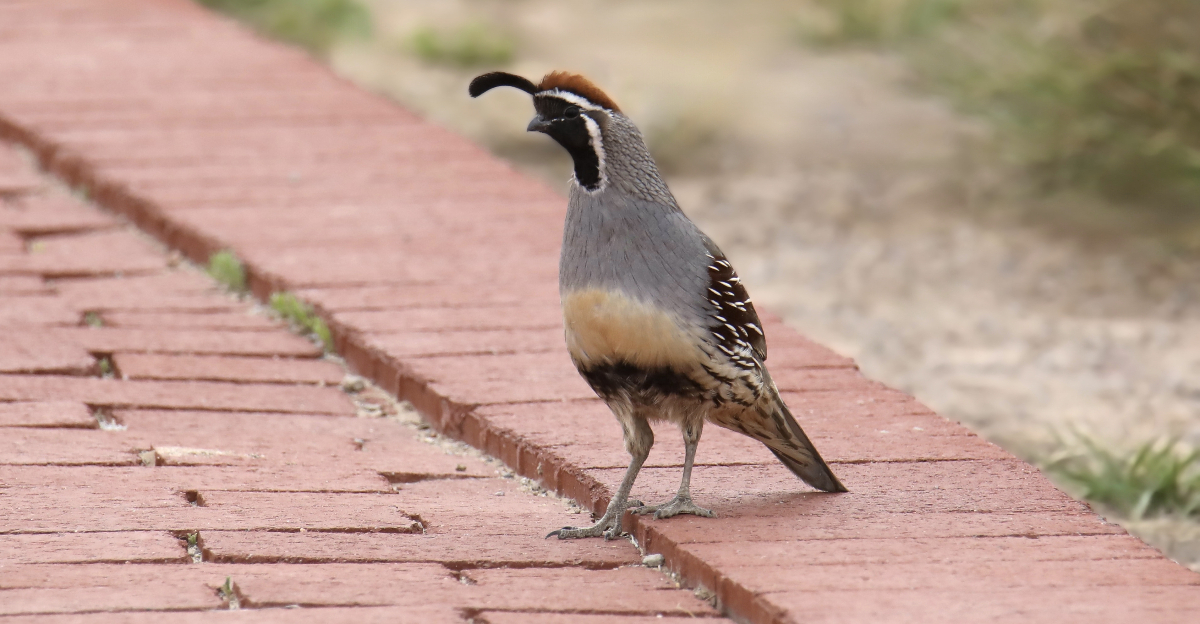
During summer, Gambel’s quail often return to the same Arizona yards because they find what they need there.
Once you know what attracts them, those repeated visits become much easier to understand.
1. Reliable Water Draws Them In Every Day
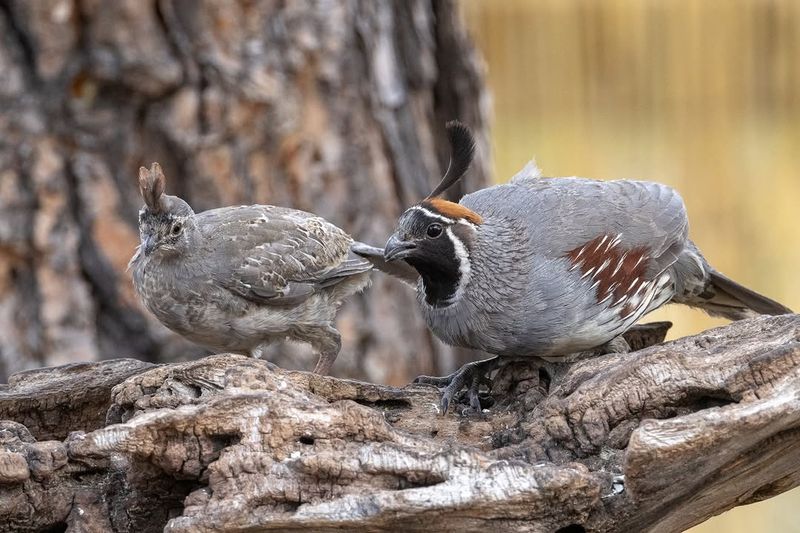
Water is everything for desert birds in summer. Gambel’s quail need it daily, and yards with a consistent water source rise to the top of their mental map fast.
A shallow dish, a dripping spigot, or a low birdbath placed near ground level works well. Quail are cautious drinkers.
They prefer spots where they can see in all directions before committing to a sip.
Elevated birdbaths often get ignored. Ground-level water sources with open sight lines get repeat visits, sometimes multiple times a day during peak heat.
Keeping the water clean matters too. Algae buildup or stagnant water can deter birds quickly.
Rinsing the dish every couple of days keeps things fresh and appealing.
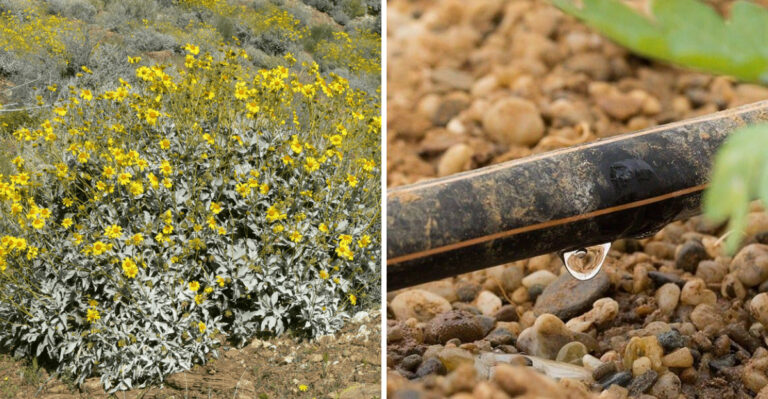
Drippers and misters add extra appeal because the sound and movement of water catches their attention from a distance. Even a slow drip onto a flat rock can pull quail in from several yards away.
Placement near low cover is smart. Quail feel safer drinking when a shrub or brush pile is just a few steps away.
That quick escape route makes them far more likely to return. Yards that offer clean, accessible water close to shelter become reliable stops on their daily summer route without fail.
2. Native Plants Supply Seeds And Natural Cover
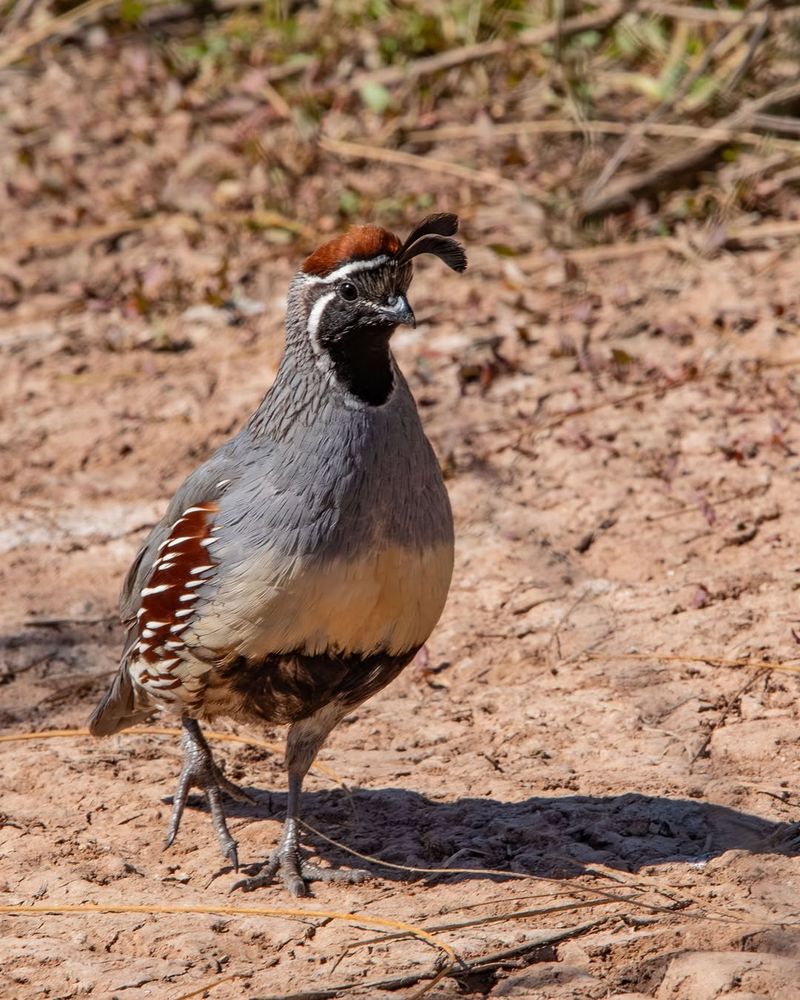
Native plants do double duty in a quail-friendly yard. Seed production and physical cover come bundled together, which makes them far more valuable than decorative non-native plants.
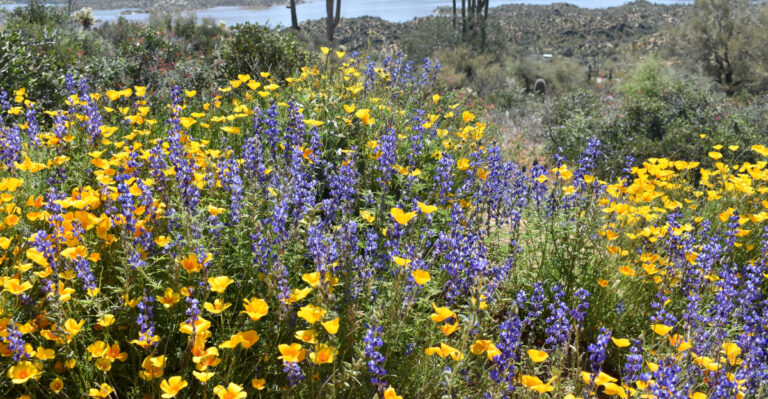
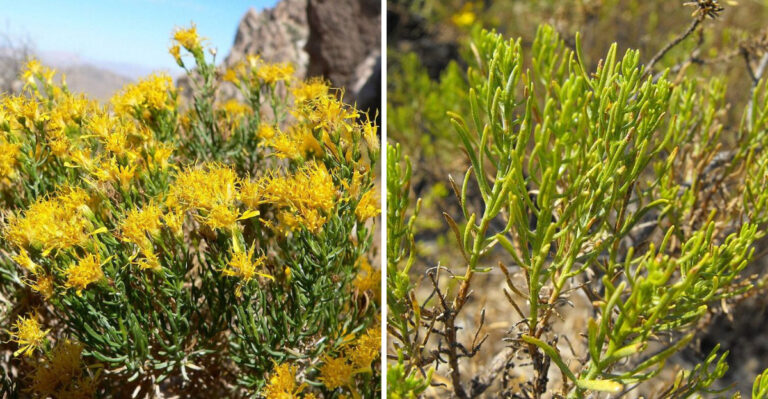
Plants like desert marigold, globe mallow, and wolfberry produce seeds that Gambel’s quail actively seek out. Palo verde and ironwood trees drop seeds and provide shaded ground beneath their canopies where quail love to scratch and forage.
Non-native ornamentals rarely offer the same food value. Quail recognize familiar native species quickly and return to them season after season when the plants are producing.
Globe mallow is worth mentioning specifically. It blooms and seeds reliably through summer heat and offers low, dense foliage that quail use for quick cover between feeding sessions.
Wolfberry shrubs are another strong choice. Birds eat the berries and seeds while using the dense, thorny branches for shelter.
That combination of food and protection in one plant is hard to beat.
Your Arizona Garden Changes Every Week. Your Plan Should Too.
Gardening in Arizona changes quickly throughout the season. Every Friday you’ll receive a simple weekly plan showing exactly what to plant, prune, fertilize, harvest, and protect so you never miss the right timing.
Spacing matters when planting for quail. Clusters of native shrubs with open ground between them mimic natural desert habitat.
Quail feel comfortable moving through patchy vegetation rather than crossing wide open spaces.
Yards that feel like a miniature version of the surrounding desert landscape tend to attract the most consistent quail activity throughout the entire summer season.
3. Open Spaces Make Feeding Easier
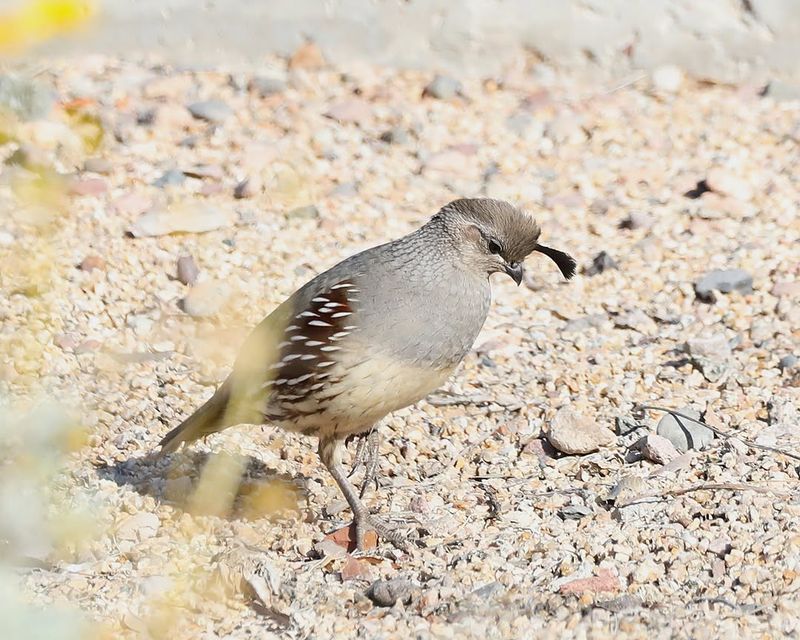
Quail are ground feeders, and they need room to move. Yards packed with dense ground cover or tall grass make foraging difficult and stressful for them.
Open patches of bare or graveled ground let quail walk freely, scan for food, and watch for threats at the same time. Cluttered yards feel risky.
Spacious ones feel workable.
Scattered seed on open ground is one of the easiest ways to encourage regular visits. Millet and cracked corn work well.
Avoid placing seed directly under dense shrubs where quail cannot see approaching predators clearly.
Natural desert yards with gravel mulch and spaced-out native plants already match what quail prefer. Manicured lawns with thick grass are far less appealing because seeds get lost and movement feels restricted.
Quail also forage in a social pattern. One or two birds act as lookouts while the rest feed.
Open space makes that system work. When visibility is good, the group relaxes and stays longer.
Morning hours are prime feeding time. Yards that offer accessible open ground with seed present during early morning hours see the most consistent activity.
Adding a loose gravel border around feeding areas also helps. Seeds stay visible on gravel instead of getting buried in soil, which makes every foraging session more productive and efficient for the whole covey.
4. Dense Shrubs Offer Shelter From Predators
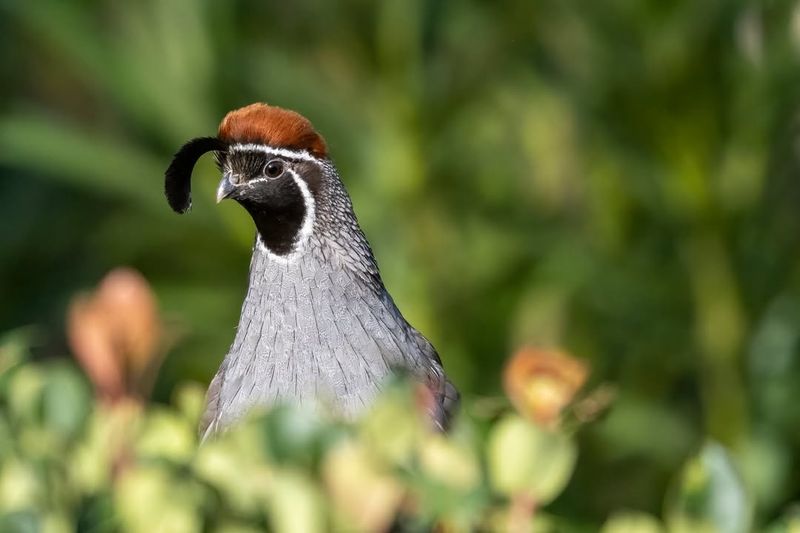
Safety is a top priority for quail at all times. Yards with dense, low shrubs give them a place to bolt when something feels wrong, and that security keeps them coming back.
Creosote, desert hackberry, and wolfberry all form thick tangles that quail use as safe zones. A quick retreat into dense branches can mean the difference between a calm afternoon and a scattered covey.
Hawks are the main aerial threat in summer. Quail know this instinctively.
Yards with overhead cover or dense canopy shrubs reduce that risk significantly, and quail spend more time in those spaces as a result.
Brush piles also serve this function surprisingly well. A loose pile of trimmed branches stacked near a feeding area gives quail an immediate retreat option.
It looks messy to some homeowners but works beautifully for wildlife.
Spacing between shrubs matters as much as the shrubs themselves. Quail need clear pathways between cover spots.
If the distance feels too exposed, they hesitate. Short hops between shrubs feel manageable and safe.
Yards that have two or three dense shrub clusters spaced across the property give quail a network of safe zones to move between. That setup mirrors how they naturally navigate desert terrain.
Once quail identify a yard with reliable cover, they integrate it into their daily patrol route and return consistently throughout summer without much prompting needed.
5. Bare Soil Gives Them Room To Dust Bathe
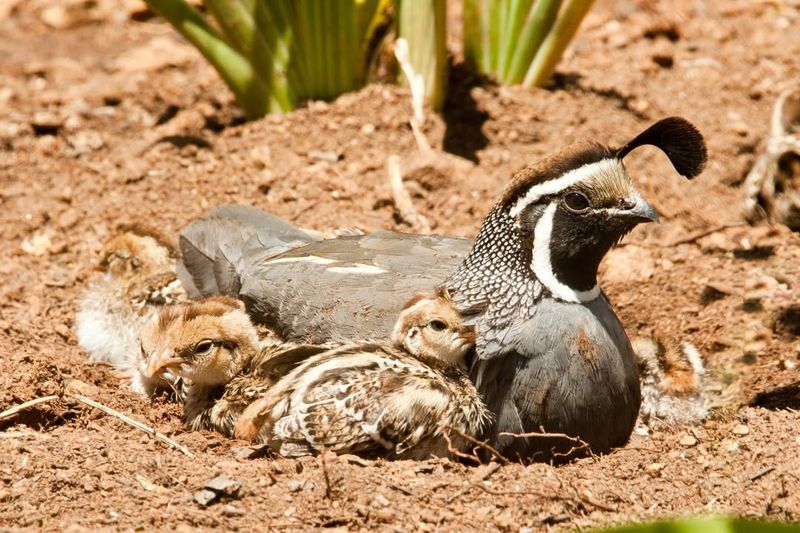
Dust bathing is not optional for quail. It is a regular behavior they use to manage feather condition and reduce skin irritants.
Yards without bare soil patches miss out on this particular draw.
Loose, dry soil is the preferred material. Quail scratch out a shallow bowl shape, then roll and fluff their feathers to work the dust through their plumage.
It looks chaotic but serves a real grooming purpose.
Fine sand or powdery decomposed granite works just as well as bare dirt. The key is dryness and looseness.
Compacted or wet soil does not work for dust bathing and gets ignored.
Sunny spots are preferred for this activity. Quail often dust bathe during midday when temperatures peak.
A warm, dry patch in full sun near some cover is basically an ideal setup for them.
Leaving a small area of your yard without gravel or mulch is a simple way to invite this behavior. A patch roughly the size of a large planter is enough.
Quail will find it and use it regularly once they discover it.
Families with chicks use dust bath sites together. Watching a whole covey bathe at once is genuinely entertaining.
Creating one intentional spot in your yard for this behavior adds real wildlife activity and gives quail one more reason to treat your property as a regular stop all summer long.
6. Low Disturbance Encourages More Frequent Visits
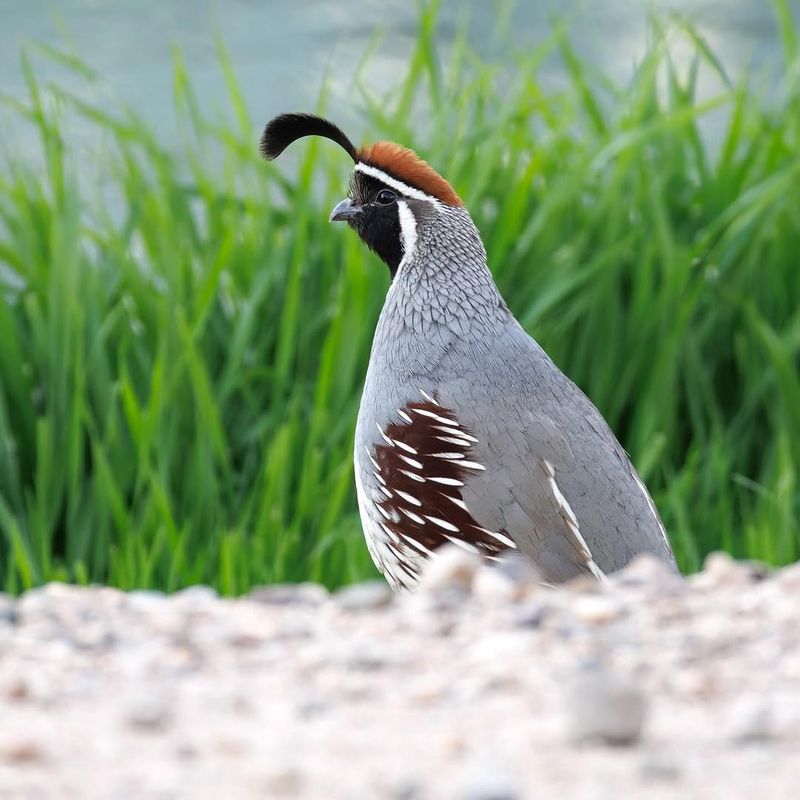
Quail are alert birds. Loud noises, sudden movement, and frequent human activity near their feeding zones push them away fast.
Calm yards get more visits, plain and simple.
Yards with dogs that patrol the perimeter, kids running through the space, or frequent foot traffic near feeding areas see far less quail activity. Consistent disturbance teaches quail that a yard is not worth the stress.
Early mornings tend to be the quietest time in most neighborhoods. That timing lines up perfectly with peak quail foraging hours.
Yards that stay undisturbed before 9 a.m. are naturally more attractive to visiting coveys.
Even well-meaning activity like refilling feeders at the wrong time can disrupt a feeding session. Setting up feeders and water in advance, then stepping back, works better than hovering nearby hoping to watch.
Noise from mechanical equipment like irrigation systems, pool pumps, or air conditioning units can also matter. Quail habituate to steady background noise over time but react strongly to sudden, irregular sounds that feel like a threat signal.
Building a routine around low disturbance is genuinely effective. Keeping pets inside during peak quail hours, avoiding yard work in early morning, and limiting sudden movements near windows all contribute to a calmer environment.
Over several weeks, quail start treating low-disturbance yards as reliable safe zones and visit with noticeably greater confidence and frequency.
7. Summer Food Sources Support Daily Foraging
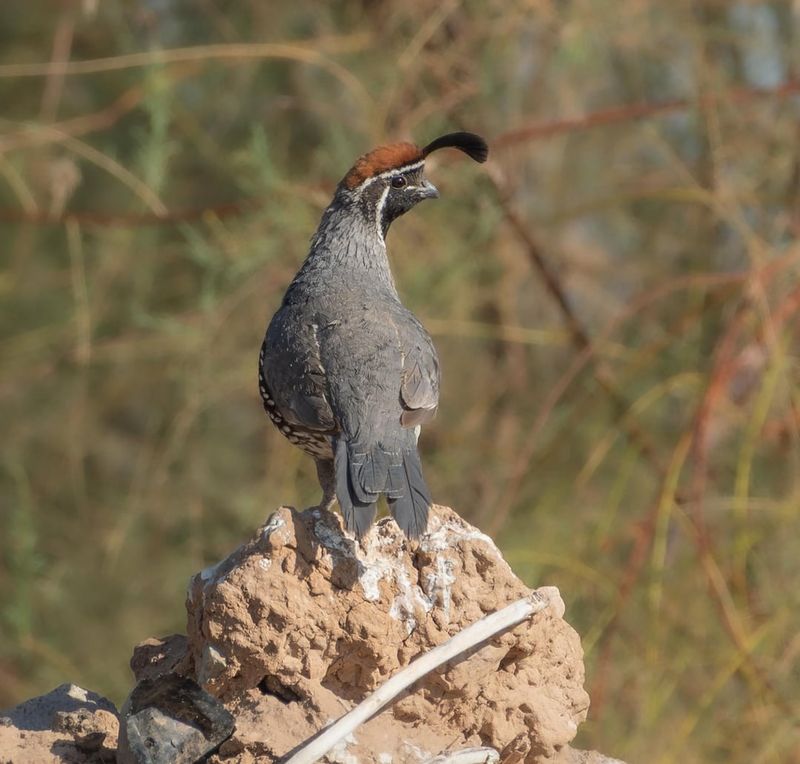
Summer foraging for Gambel’s quail is more complex than most people realize. Seeds are the foundation, but insects become increasingly important during the breeding season when protein demand rises sharply.
Chicks especially need insects for proper development. Parent birds actively seek out yards where beetles, ants, and small invertebrates are accessible.
Avoiding heavy pesticide use keeps that food source intact.
Supplemental feeding with millet, safflower, or cracked corn can fill gaps when natural seed sources run low. Scatter feeding on open ground mimics how quail naturally find food and feels less artificial than a raised platform feeder.
Timing of food availability matters. Quail forage most actively in early morning and again in late afternoon.
Having seed present during those windows makes a yard far more useful to a regular covey.
Fruiting native plants add variety to summer diets. Wolfberry fruit, prickly pear pads, and saguaro fruit all attract quail when available.
A yard with even one productive native food plant becomes a seasonal destination worth revisiting.
Quail in the Sonoran Desert face serious heat stress during peak summer. Yards that reduce foraging effort by offering reliable, accessible food close to water and cover let birds meet their daily energy needs without burning excess calories.
That efficiency is exactly what keeps a covey choosing your yard over the neighbors every single morning without fail.