Those Tiny Flies Around Your Virginia Houseplants Are Fungus Gnats. Here’s How To Get Rid Of Them
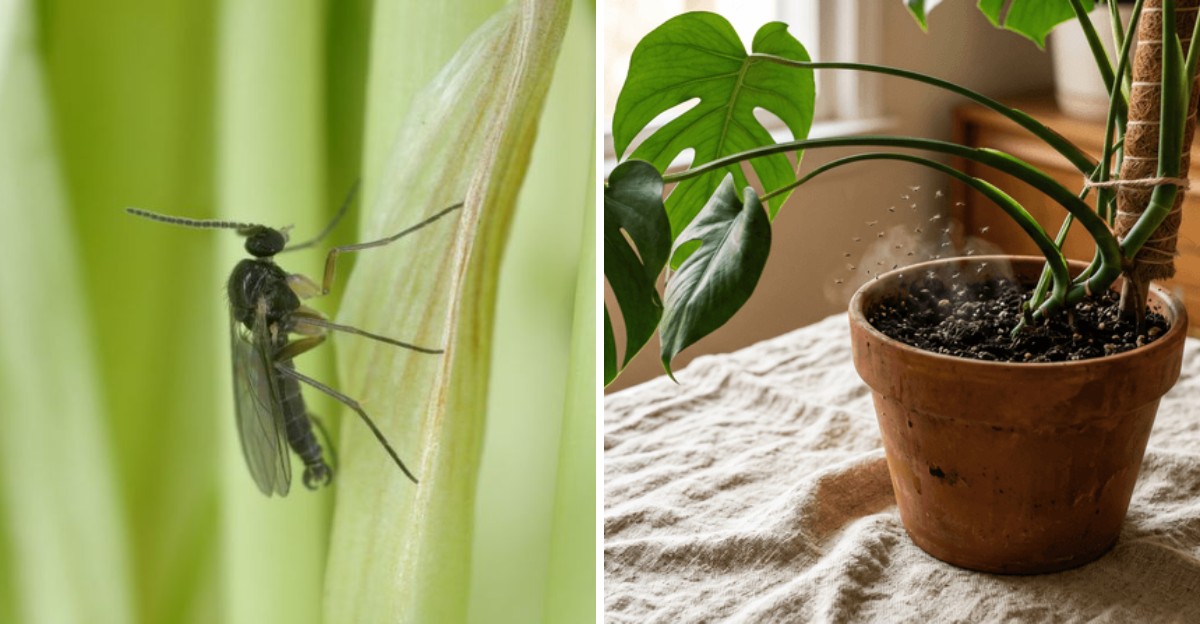
A single female of this tiny pest can lay up to 300 eggs in about a week. She does it right in the potting soil of the plant sitting on your windowsill.
I found that out the hard way one October. My pothos had just come inside from the porch, and suddenly little black specks were drifting past my coffee mug. They flew in lazy zigzags and seemed to love my face more than the plant.
Virginia gardeners see this every fall and winter. We haul tender plants indoors, keep watering like it is still July, and the soil stays damp for days. That cozy, soggy pot is a nursery waiting for guests.
Personally, I think the flying adults are the least interesting part. The real story is happening an inch below the surface.
So what exactly is wiggling around down there in your pots?
The Little Black Flies Above Your Potting Soil Have A Hidden Partner
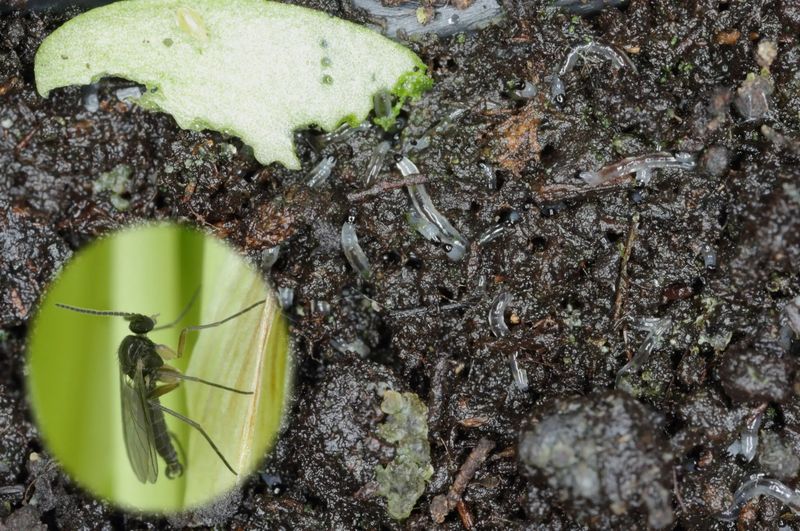
Those slow, wobbly fliers circling your peace lily are fungus gnats. They are delicate, dark gray or black flies, about 1/8 inch long, with long legs and see-through wings.
Adults are mostly a nuisance. They do not chew leaves or bite people, and they live only about a week.
They walk across the soil more than they fly, and they tend to hop up when you water or bump the pot.
The partner hiding in the soil is the larva. Each one is a slender, clear or whitish worm with a shiny black head, growing to about 1/4 inch long.
You will usually find them in the top two or three inches of moist potting mix.
Their whole life cycle can finish in roughly three to four weeks indoors. Eggs hatch in a few days, larvae feed for about two weeks, and then they pupate and pop out as new adults.
Because generations overlap, you can see flies for weeks even after you start working on the problem.
One quick tip helps with identification. Fruit flies are tan with red eyes and hang around the kitchen fruit bowl.
Fungus gnats are darker and stick close to your plants. Knowing which one you have saves you from chasing the wrong fix.
Let That Top Inch Of Houseplant Soil Dry Out Between Waterings
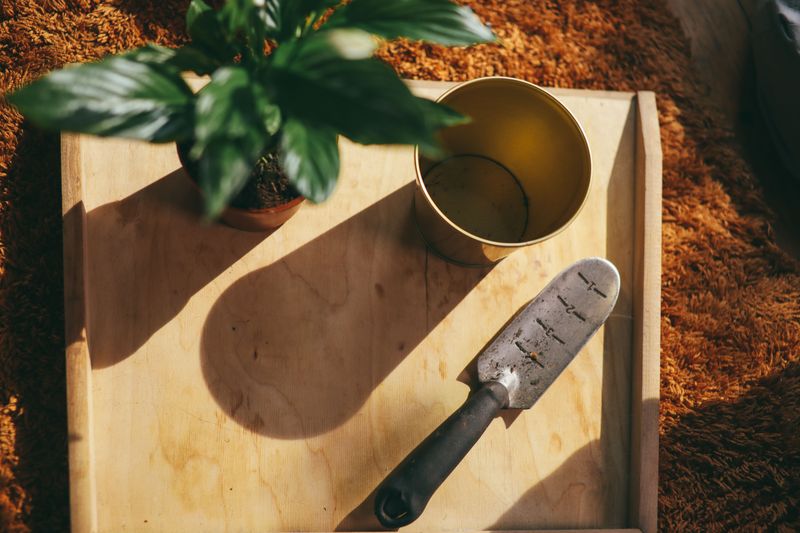
Soggy soil is the single biggest reason gnats move in. University extension experts agree that drying out the surface is the most important step you can take.
Larvae need constant moisture to survive. When the top inch or two of potting mix dries, eggs and young larvae struggle, and females look elsewhere to lay eggs.
Use your finger as a moisture meter. If the soil feels damp at your first knuckle, wait another day or two.
Winter makes this extra important in a Virginia home. Days are shorter, furnaces run, and most houseplants grow slowly from November through February.
They simply drink less, so a summer schedule leaves pots wet far too long.
Bottom watering is a handy trick I use for small pots. Set the pot in a saucer of water for 20 to 30 minutes, then let it drain well.
The roots get a drink while the surface stays drier.
Empty saucers and cachepots after watering, too. Standing water at the bottom keeps the whole pot soggy.
Also check that every container has a drainage hole.
Some tropical plants, like ferns, prefer steady moisture. For those, lean more on the traps and soil treatments in the next sections instead of drying them out hard.
A Spoonful Of BTi Mosquito Bits Goes After The Larvae In Your Pots
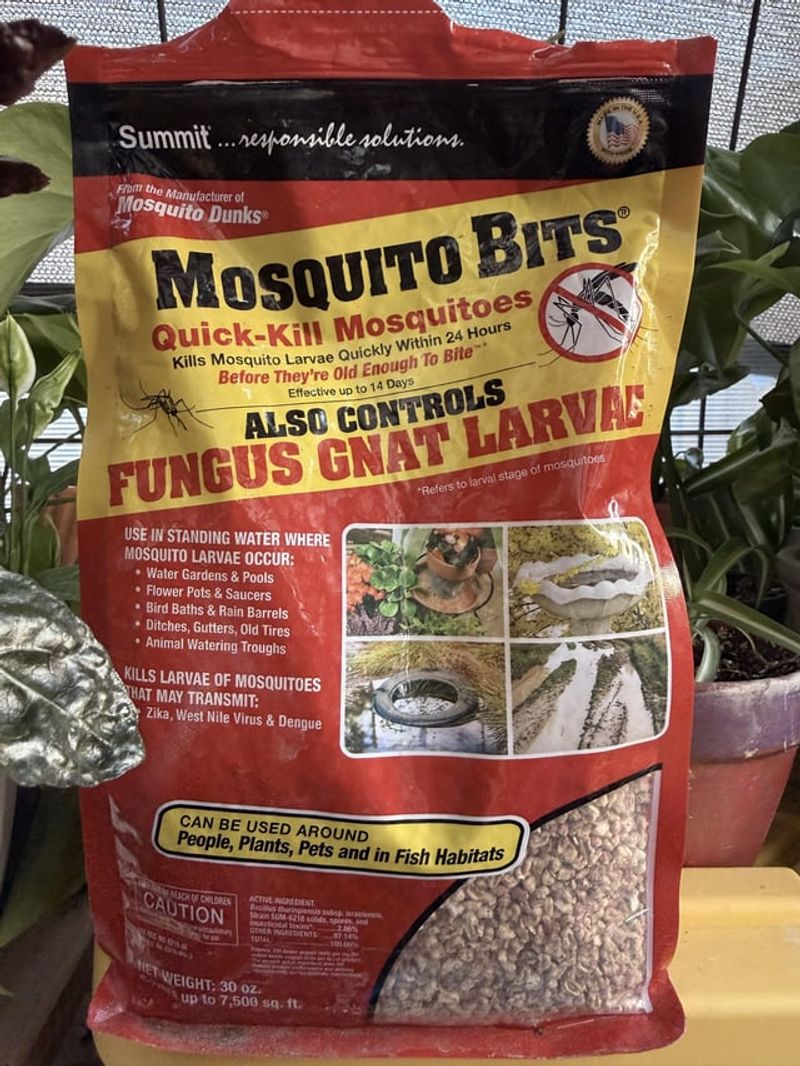
Mosquito Bits might be the most surprising weapon in your plant cabinet. The product contains Bacillus thuringiensis israelensis, often shortened to BTi, a natural soil bacterium.
BTi works only on the larvae of certain flies, including fungus gnats and mosquitoes. Larvae swallow it while feeding, and it stops them from eating.
Extension sources note it is low risk for people, pets, and plants when used as the label directs.
Many gardeners make a simple soak. Stir the granules into your watering can, let them sit for about 30 minutes or longer, then water as usual.
Some people sprinkle a light layer of granules right on the soil surface instead. Check the package for exact amounts.
Timing matters. BTi breaks down fairly fast, so one treatment is rarely enough.
Plan to repeat it every week or so for about three to four weeks, which covers new larvae as eggs keep hatching.
Store-bought liquid BTi products for houseplants are another option. Look for the words Bacillus thuringiensis israelensis on the label, since other Bt strains target caterpillars and will not help here.
Pair BTi with drier soil and you hit gnats from two directions at once.
Yellow Sticky Traps Catch The Adult Gnats Before They Lay Eggs
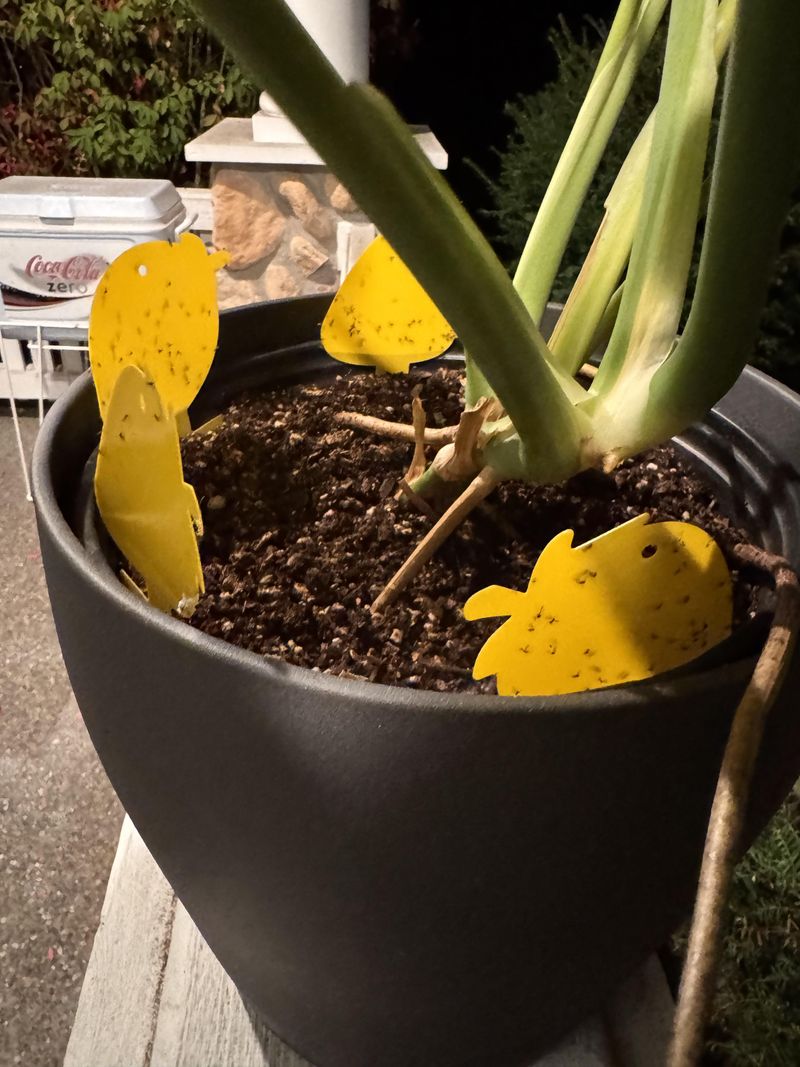
Fungus gnats have a weird fondness for bright yellow. That quirk makes yellow sticky cards one of the cheapest tools you can buy.
Cut the cards into small squares and push them into the soil on a stake, or lay them flat just above the surface. Adults hover low, so traps work best close to the pot rather than high on a shelf.
Traps will not solve the problem alone. They catch adults, but larvae keep feeding underground.
Think of them as a helper that cuts down on egg laying while your other steps handle the soil.
They also work as a scoreboard. Count the gnats on a fresh card each week.
If the numbers drop steadily, your plan is working. If they climb, a pot somewhere is still too wet.
Want to check for larvae directly? Press a thin slice of raw potato onto the soil and flip it over after a day or two.
Larvae often gather on the underside, which shows you which plant is the source.
Swap traps when they get crowded or dusty. Keep them away from curious cats and long hair, because the glue is very sticky and tough to remove.
Microscopic Nematodes Can Hunt Gnat Larvae In The Soil For You
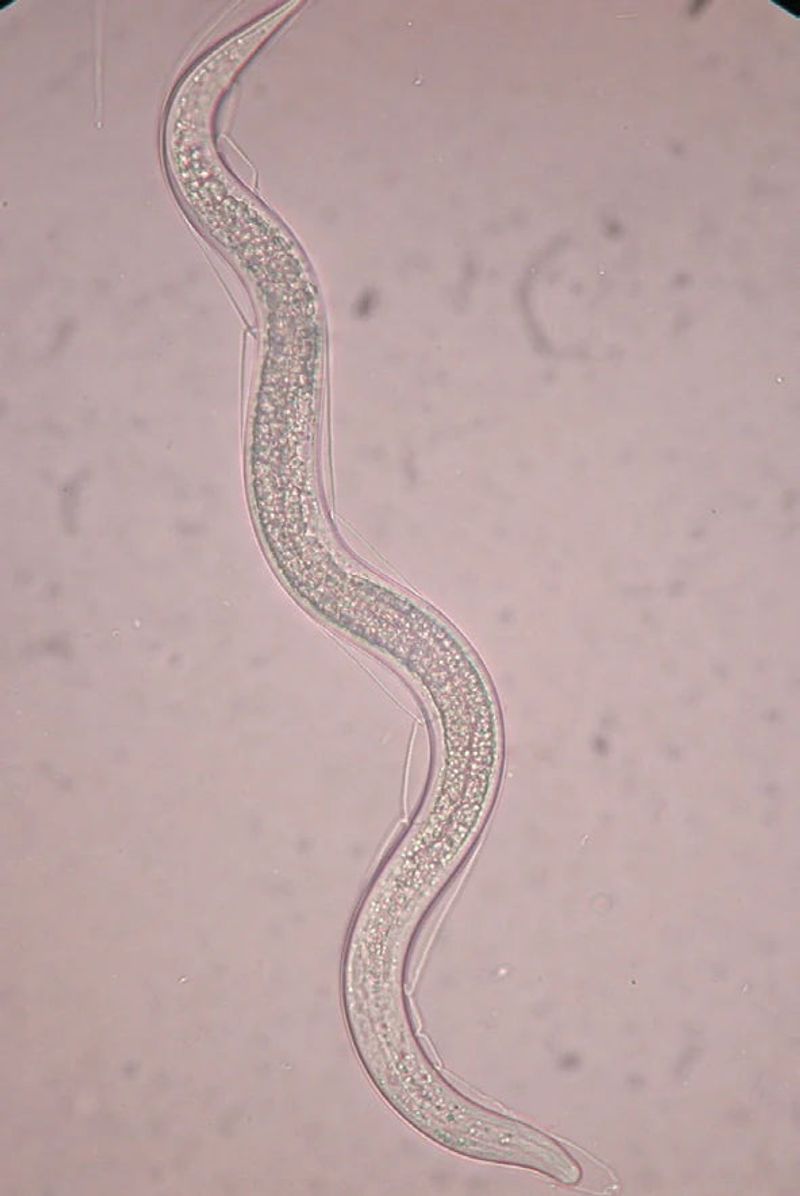
Tiny roundworms you cannot even see can go hunting on your behalf. The species Steinernema feltiae is sold specifically to control fungus gnat larvae.
These beneficial nematodes swim through moist soil and enter the larvae. They release bacteria that cause the larvae to stop feeding and fail to develop.
They do not harm people, pets, or your plants.
You usually order them online or from a garden center. They arrive alive in a sponge, gel, or powder, so keep them refrigerated and use them soon.
Mix them into water and pour the solution over the soil.
Here is the twist. Nematodes need a moist environment to move, so this method fits plants that prefer steady moisture, like ferns or calatheas.
Water before and after applying, and avoid hot, bright conditions that can harm them.
Greenhouse growers have used these little helpers for years. For a home gardener with many plants, they can be a smart choice compared with treating pot after pot by hand.
Results take a couple of weeks to show. Keep your sticky traps up so you can watch adult numbers fall.
A second application is sometimes recommended if gnats hang on.
Bringing Porch Plants Indoors Each Fall Can Invite Gnats Inside
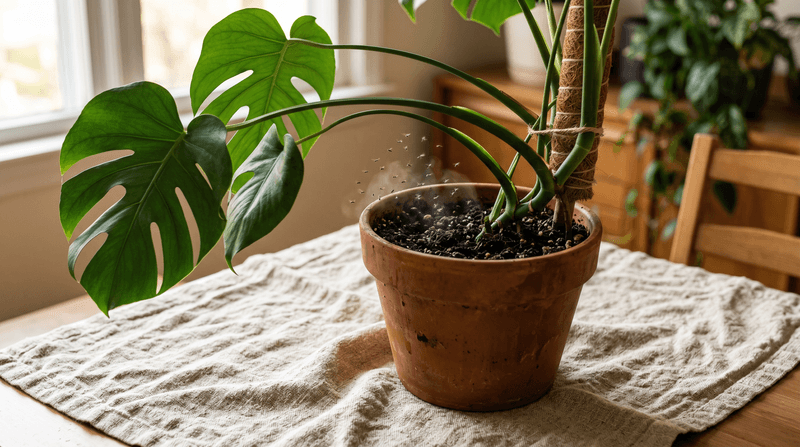
Every autumn in Virginia, porches empty as tropical plants head inside before the first frost. Coastal areas may have a few extra weeks, while mountain towns get chilly much sooner.
That move is a common moment for gnat trouble to begin. Outdoor pots may already hold eggs or larvae from damp summer soil.
Once indoors, warm rooms and slower plant growth keep the mix wet even longer.
Give each plant a quick checkup before it crosses the threshold. Look over the soil surface, tip the pot to peek at drainage holes, and try the potato slice test on suspicious pots.
A short quarantine helps a lot. Keep returning plants in one room for two or three weeks with a sticky trap nearby.
If gnats show up, you can treat that group without spreading them around the house.
Consider scraping off the top inch of old soil and replacing it with fresh, dry mix. Larvae live mostly near the surface, so this simple swap can remove many of them.
Cut back on watering as days shorten. A plant that drank daily in August might need water only every week or two by December.
Peat-Heavy Potting Mix Can Hold More Moisture Than Plants Need
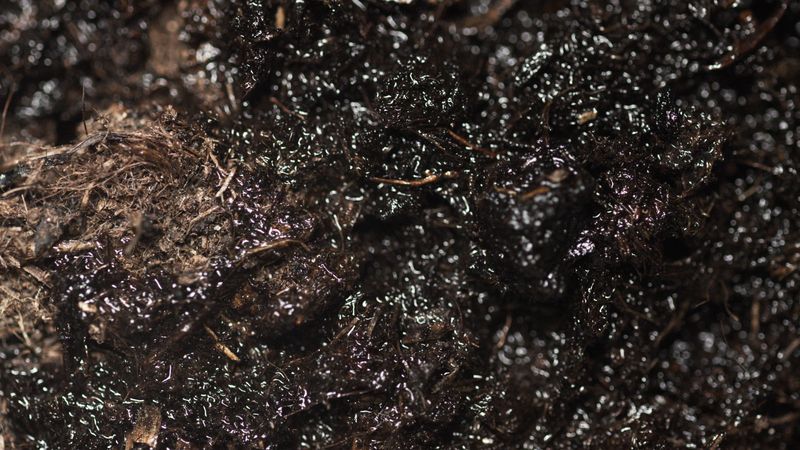
Not all bags of potting soil behave the same. Mixes loaded with peat moss or rich compost hold water for a long time, and decaying organic matter feeds gnat larvae.
When repotting, choose a well-draining mix. Adding perlite, pumice, or orchid bark opens up air pockets so the soil dries faster between waterings.
Aroids like pothos and monstera tend to enjoy that chunkier texture anyway.
Pot size plays a role too. A small plant in a huge container sits in a lot of wet soil its roots cannot reach.
Moving up only one or two inches in diameter keeps moisture more balanced.
Terracotta is a friendly helper here. Unglazed clay breathes, so it pulls moisture out of the soil faster than plastic or glazed ceramic.
Store open bags of potting mix sealed tight. An open bag sitting in a damp garage can attract egg-laying adults before you even use it.
Some gardeners top their pots with a half inch to an inch of coarse sand or fine gravel. That dry layer makes the surface less appealing for egg laying.
Just remember it can hide how wet the soil underneath really is.
Seedlings And Cuttings Need Extra Protection From Gnat Larvae
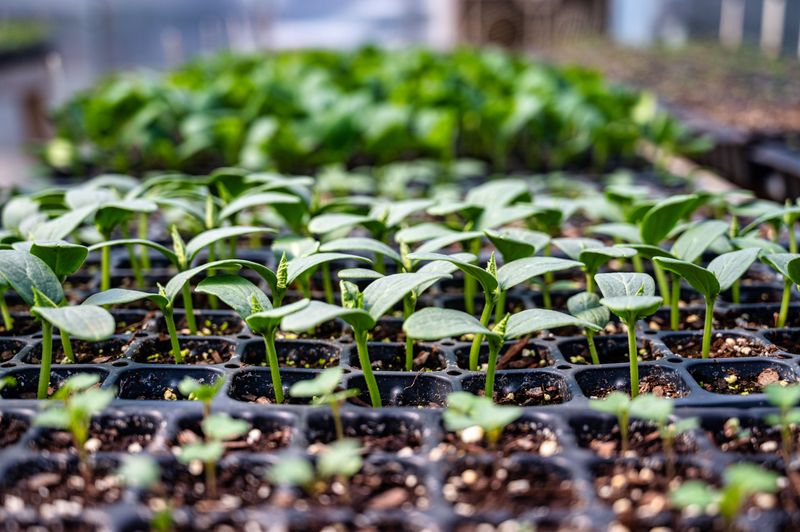
Healthy, mature houseplants usually shrug off a small gnat crowd. Young plants are a different story, and that is the takeaway I want you to remember.
Larvae mainly eat fungi and rotting organic matter. In large numbers, though, they nibble fine root hairs and may tunnel into tender stems.
Seedlings and fresh cuttings have few roots to spare, so wilting, yellowing, or stalled growth can follow quickly.
Many Virginia gardeners start tomato and pepper seeds indoors in late winter, often February or March. Those warm, damp seed trays are perfect gnat nurseries, so watch them closely.
Use fresh, sterile seed-starting mix instead of old soil. Water from below, run a small fan for airflow, and set a sticky card beside the tray from day one.
Cuttings rooting in soil benefit from the same care. Rooting in water first, then moving to a light, airy mix, can sidestep some gnat issues.
Above all, stay consistent for about a month. Combine drier soil, BTi or nematodes, and traps until the flies fade away.
Gnats return when habits slip, but now you know how to spot them early and keep your plants thriving.