The Fall Tree-Planting Mistake Ohio Homeowners Make That Hides The Root Flare
Fall in Ohio smells like crunchy leaves and wood smoke, and every October I get the itch to plant something. A few years back, I brought home a young maple, dug a hole, dropped it in, and stepped back feeling like a gardening genius.
It looked great. It also sat too low, and I had no clue.
The mistake was hiding right at ground level, tucked under soil and good intentions, and my neighbors could not spot it from the street either. Rude of that tree, honestly, to keep a secret for years.
A buried root flare can quietly shape the next twenty years of a tree’s life. The fix is easy once you know what to look for.
Grab your gloves, and let me share what I learned.
1. Planting Too Deep Is The Mistake Hiding In Plain Sight
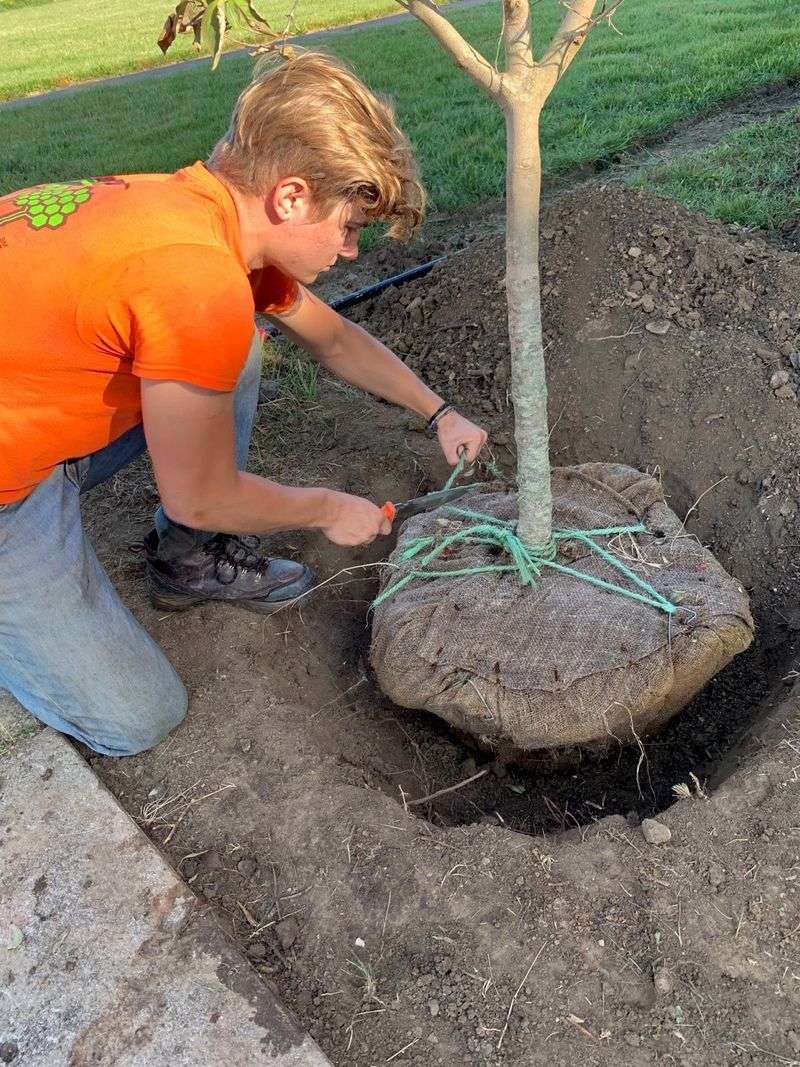
Ask many arborists in Ohio about the most common planting slip, and planting too deep comes up again and again. Trees get buried too low in plenty of neighborhoods.
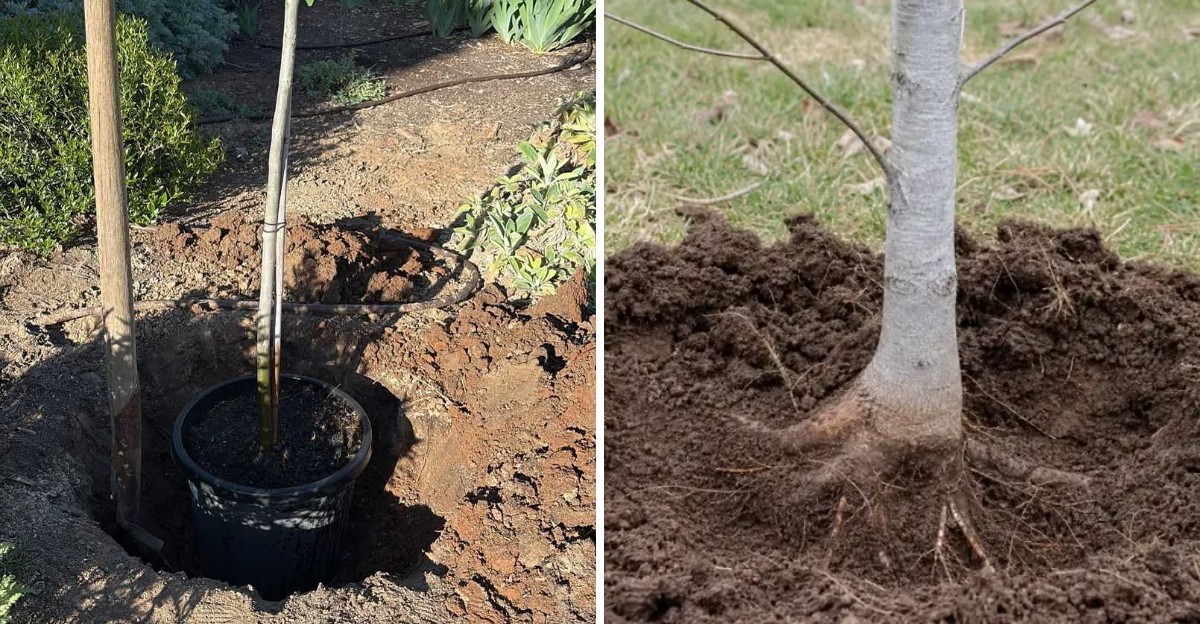
A healthy tree should look like it is standing on wide feet. The trunk should spread out right where it meets the soil, a lot like the base of a wine glass.
When a tree goes in too low, that spread disappears, and the trunk looks like a fence post stuck in the dirt.
Why does this matter so much? Roots need oxygen, and most of the important feeder roots live in the top foot of soil.
Bury them deeper, and they struggle to breathe, drink, and grow. Ohio clay soil can make things harder, since it holds water and packs down tight.
The tricky part is that a deep-planted tree may look fine for years. Leaves come out each spring, and nobody suspects a problem.
Then, slowly, growth slows, branches thin out, and the tree seems tired for no clear reason.
Here is a quick test you can do today. Walk outside and look at the base of your young trees.
If the trunk goes straight into the ground with no flare at all, it may be sitting too low and deserves a closer look before winter arrives.
2. Finding The Root Flare Before You Dig
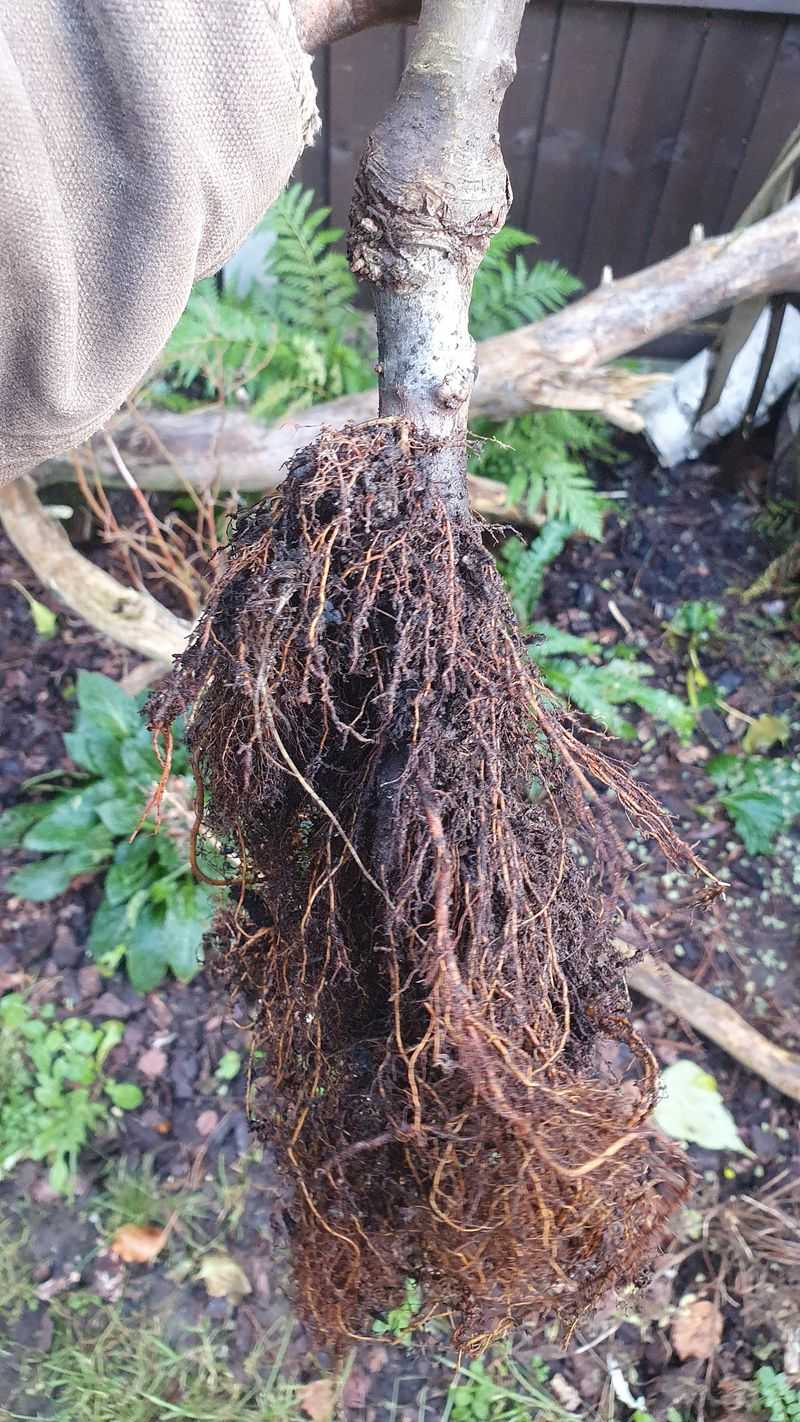
Think of the root flare as the tree’s ankle. It is the spot where the trunk widens and the first big roots start heading outward.
Before any shovel hits the ground, find that ankle. Start at the trunk and gently brush away soil or mulch from the top of the root ball with your fingers or a small hand trowel.
Keep going until you see the trunk begin to curve outward and the top roots appear.
Sometimes you only need to move an inch of dirt. Other times, especially with balled and burlapped trees sold around Ohio, you may dig down four or five inches before the flare shows up.
Do not panic if it takes a while, because that hidden depth is exactly what you are hunting for.
Once you spot it, measure from the flare to the bottom of the root ball. That number tells you how deep your hole should be, and it is often shallower than people expect.
A simple tip helps a lot here. Tie a bit of bright ribbon or tape around the trunk right at the flare so you can see it while you work.
That way, when the tree is in the hole and you start filling, you know exactly where the soil line should stop.
3. Nursery Soil Can Bury The Flare Before You Start
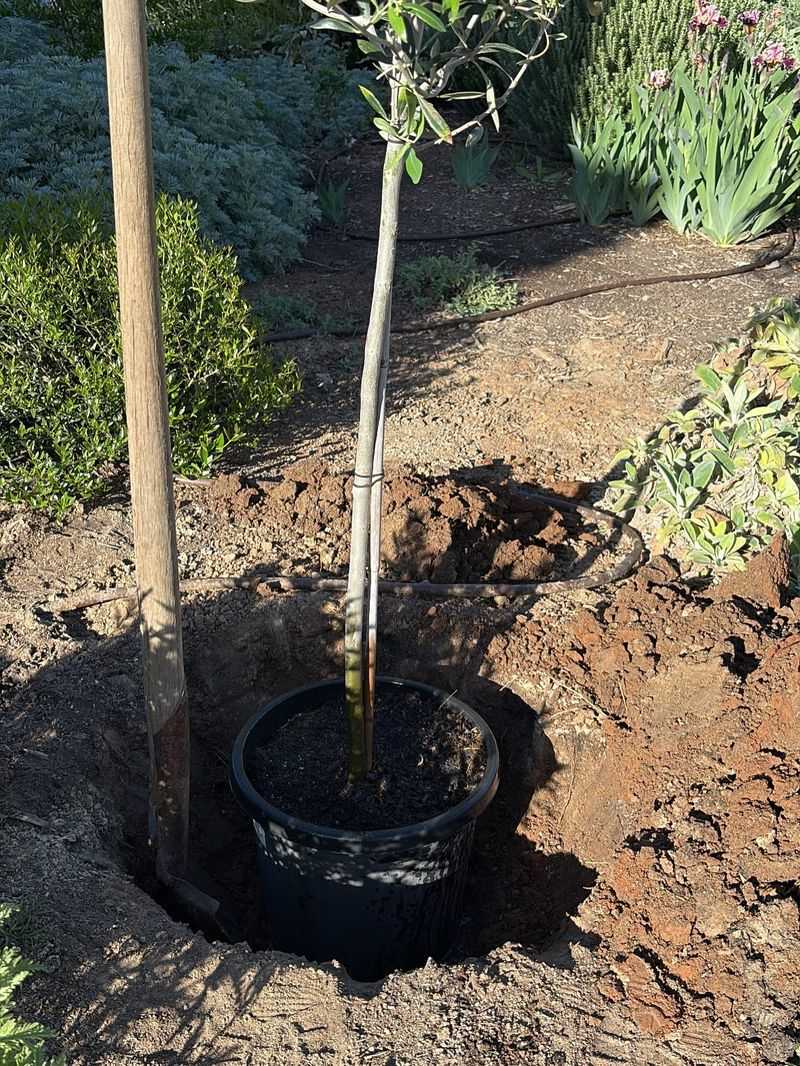
Here is a surprise many shoppers never hear about. Your tree may already be planted too deep before it even leaves the garden center.
Nurseries grow thousands of trees, and things happen along the way. A young tree gets moved into a bigger pot, and extra soil gets added on top.
Machines dig field trees, and loose dirt spills over the root ball. By the time the tree reaches an Ohio lot, the flare can be hiding under several inches of extra soil.
That is why trusting the soil line in the pot is risky. It looks neat and level, so it seems like the right height.
In reality, it may be sitting well above where the tree truly wants to be.
When you shop, take a moment to poke around near the trunk. Gently press a finger into the soil to feel for the first roots.
If you have to dig deep, ask the staff about it or pick a different tree with a flare closer to the top.
At home, scrape away that extra nursery soil before planting. Some people worry about disturbing the roots, but removing loose soil from the top is safe and helpful.
Your tree will thank you with stronger growth and fewer problems down the road.
4. Dig The Hole Wide, Not Deep
Most of us grew up thinking a deep hole means a happy tree. It feels like giving the roots extra room to settle in, but that is not quite how roots work.
Roots mostly grow sideways, not straight down. They spread out like a big pancake in the top layer of soil, where air and water mix best.
So the hole should match that habit: wide and shallow.
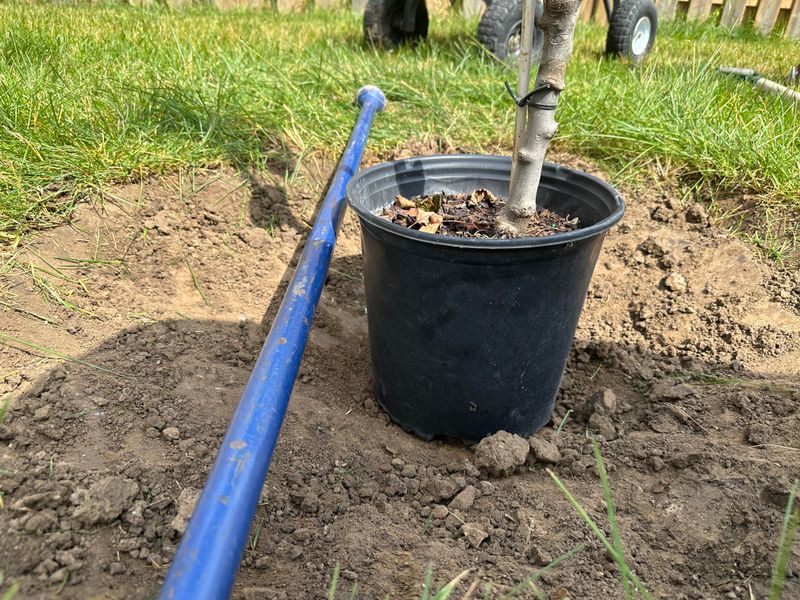
A good rule of thumb is to dig the hole two to three times wider than the root ball. The depth should match the distance from the flare to the bottom of the root ball, and no more.
If you accidentally dig too deep, do not just toss loose soil back in. Pack it firmly so the tree does not sink later.
In heavy Ohio clay, the sides of the hole can turn slick and smooth from the shovel. Roots have a hard time pushing through that glazed wall.
Rough up the sides with a garden fork so new roots can break into the native soil more easily.
On heavy clay or slow-draining sites, many experts suggest setting the flare an inch or two above the surrounding ground. That small bump looks odd at first, but it gives room for settling and helps keep the trunk base dry.
In better-drained soil, the flare generally sits at or just above the surrounding grade. Think of either approach as a little insurance policy for your tree’s future.
5. Buried Flares Can Invite Rot And Stress
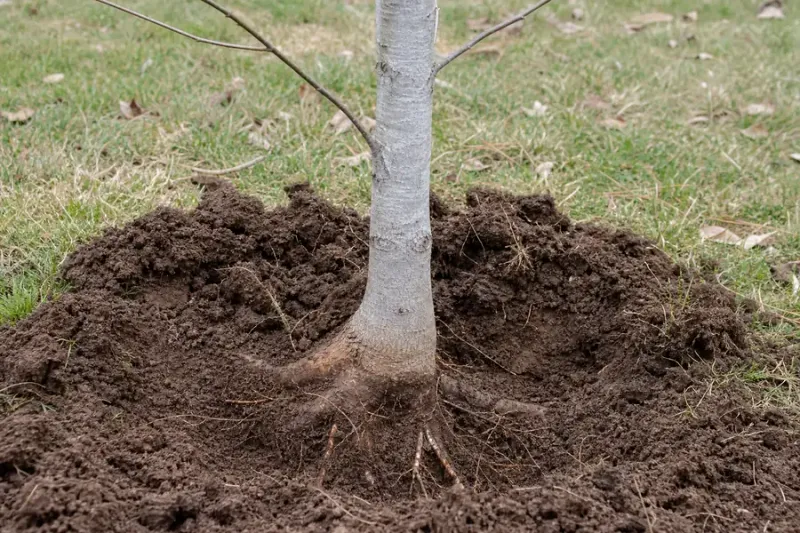
Bark is a bit like a raincoat. It works great when it is out in the air, but it was not built to sit in wet soil all day.
The trunk tissue at the flare is meant to stay above ground. When it gets buried, moisture sits against it for long periods.
In a rainy Ohio spring, that soggy soil can soften the bark and open the door to fungus and rot.
Once rot sets in, it can spread quietly around the trunk. You might notice dark, spongy patches, peeling bark, or tiny mushrooms near the base.
Insects such as borers also tend to target weakened trees and often show up when a tree is already stressed.
Deep roots can cause trouble too. They sit in soil with less oxygen, so they may grow slowly and struggle to take up water.
During a hot August dry spell, a deep-planted tree can show stress sooner than one planted at the right height.
What can you do if you suspect a problem? Carefully pull soil back from the trunk until the flare shows again.
For bigger trees, call a certified arborist, who may use an air tool to clear soil safely. Catching it early gives your tree a real chance to bounce back and stay strong.
6. Girdling Roots Can Cause Trouble Years Later
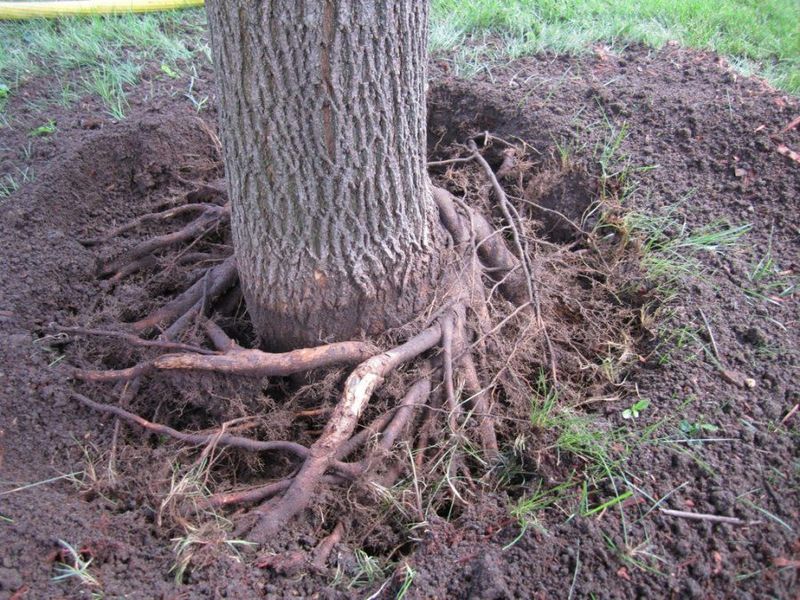
Some tree problems take their sweet time showing up. Girdling roots are one of the sneakiest, and there are two main ways they form.
The first is deep planting. When a tree sits too low, new roots often form higher up on the buried trunk, and some of them curl around it instead of heading outward.
The second is life in a nursery container. Trees grown in pots can develop roots that circle the inside of the container, and those roots may keep circling after planting.
Over time, circling roots thicken and squeeze the trunk like a too-tight belt.
The squeeze can cut off the flow of water and nutrients moving up and down the tree. At first, nothing seems wrong.
Ten or fifteen years later, one side of the canopy may thin out, leaves may turn color early, or the tree may lean during a storm.
Maples, lindens, and honeylocusts are well known for this issue in Ohio neighborhoods. A quick clue is a trunk that looks flat on one side at the base, rather than flaring out evenly.
Prevention is far easier than repair. At planting time, check the outside of the root ball for circling roots, especially on potted trees, and plant at the right depth.
Gently tease circling roots outward or snip them with clean pruners. For older trees showing signs, an arborist can expose the base and remove problem roots before they cause bigger headaches.
7. Settling Soil Can Pull A Tree Lower
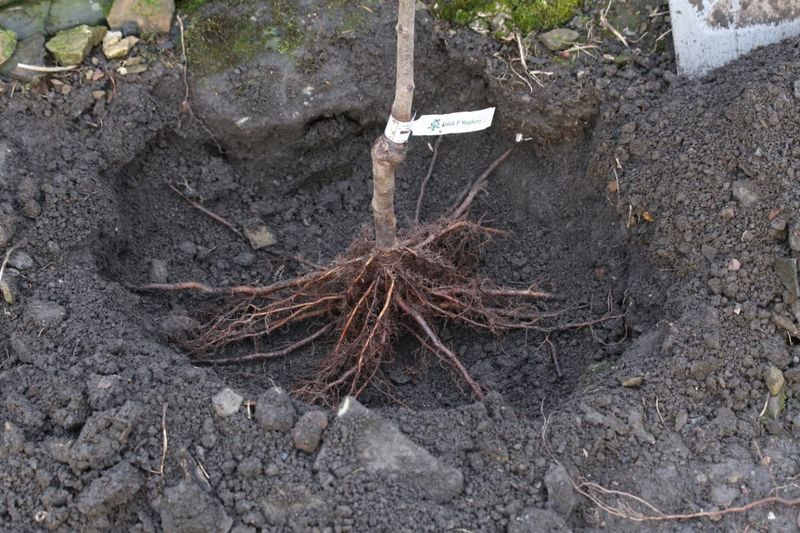
You can plant a tree at the right height and still end up with a buried flare. Sneaky, right?
The culprit is settling soil.
Loose soil under the root ball slowly packs down as it gets watered and rained on. A tree that started level can sink an inch or two by spring without anyone noticing.
Ohio’s freeze-thaw cycles add a twist. Frost can push a newly planted tree upward, so the tree may shift in either direction during its first winter.
The easiest way to avoid sinking is to set the root ball on firm, undisturbed soil. Do not fluff up the bottom of the hole, even though it feels helpful.
Solid ground underneath acts like a sturdy floor that keeps the tree right where you put it.
When backfilling, add soil in layers and water each layer gently. Water helps remove big air pockets, which are a major cause of sinking later.
Avoid stomping hard with your boots, since that can crush roots and squeeze out air the soil needs.
Plan a quick check-up in early spring. Brush away any soil or mulch that crept up against the trunk over winter, and look for any change in how the tree sits.
If the tree sank badly, it may be worth gently lifting and replanting it while it is still young. Small trees handle a fix like that much better than big ones.
8. Mulch Volcanoes Hide The Flare Too
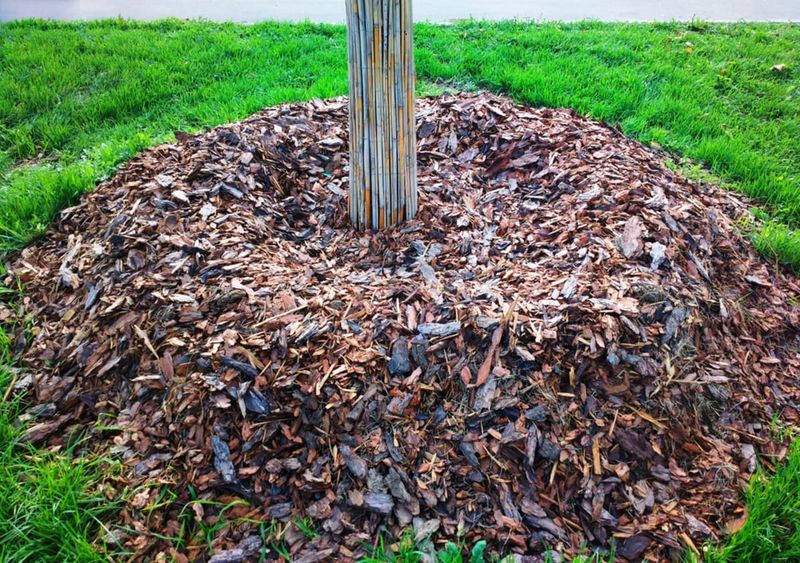
Drive through many Ohio subdivisions, and you will likely spot them. Tall cones of mulch piled high against tree trunks, looking like tiny brown volcanoes.
They may look neat, but they create the same trouble as deep planting. The mulch covers the flare, traps moisture against the bark, and gives mice and voles a cozy spot to chew on the trunk in winter.
Roots can even grow up into the mulch and start circling.
Mulch itself is wonderful for trees. It keeps soil cool in summer, holds in moisture, and cuts down on weeds and mower damage.
The trick is all in how you spread it.
Aim for a flat ring about two to three inches deep. Spread it out as wide as you can, ideally to the edge of the branches.
Then pull it back a few inches from the trunk so the flare stays bare and visible, like a donut with a hole in the middle.
Shredded hardwood, wood chips, or pine bark all work well. You can skip a full fresh layer each year if the old mulch is still thick.
Just rake it loose and top it off lightly. With that simple habit, your tree’s flare stays visible for many happy seasons.