These Are The Cool-Season Vegetables Worth Getting Into The Virginia Ground Before Fall
Frost doesn’t scare every vegetable growing in your garden. Virginia gardeners know cool air sharpens flavor, not dulls it. You can still harvest fresh food from cold soil.
Cabbage tightens its leaves and grows sweeter after chill. Kale shrugs off frost like it barely noticed. Carrots store sugar underground to survive dropping temperatures.
Spinach thickens its leaves the colder nights get. Nothing about this season asks you to slow down.
Soil across Virginia stays workable long after summer fades. Timing matters more than luck right now.
Seeds placed this week outpace those placed next month. Young seedlings root faster in cool, forgiving dirt.
Growth doesn’t stop just because leaves turn. Every day you wait costs you flavor and yield.
Roots deepen while temperatures drop and pests disappear. Flavor sharpens under a little stress.
Waiting until spring wastes valuable ground. Once you see what thrives in this cold, you won’t stop.
1. Spinach Thrives In Cooling September Soil
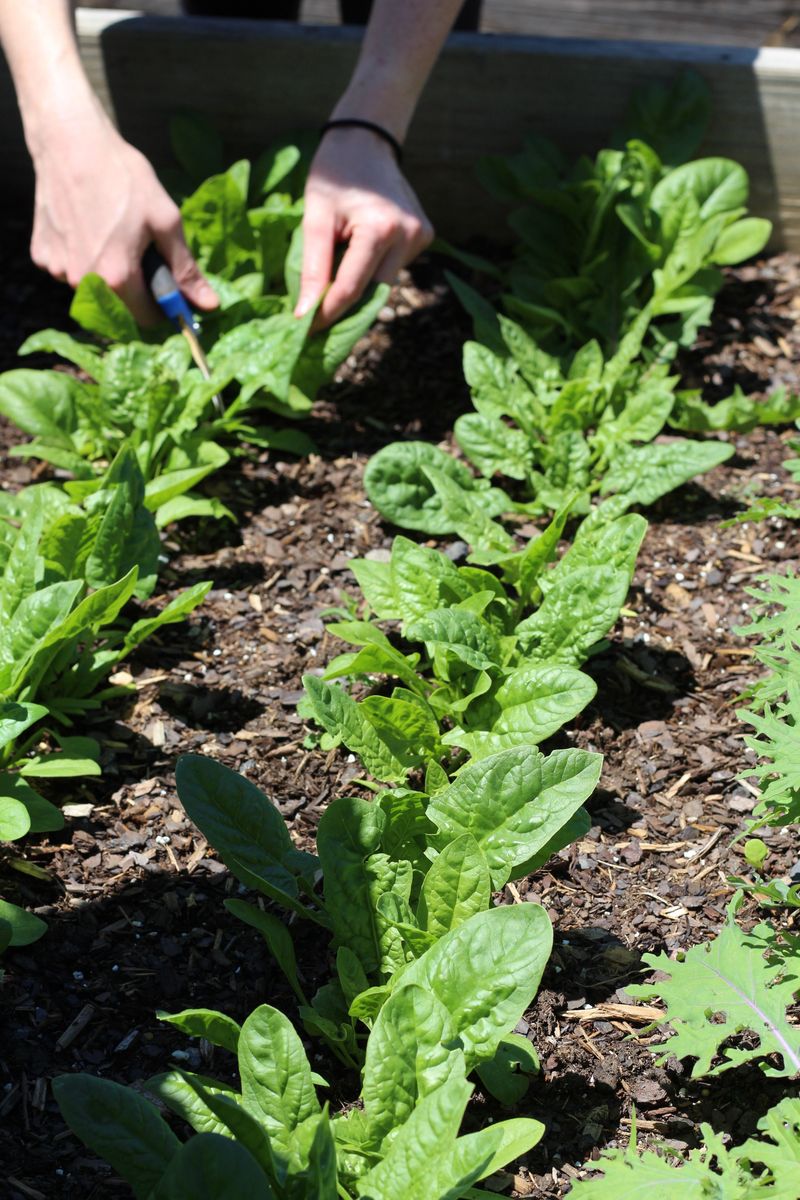
Popeye was onto something big. Spinach is one of the most rewarding cool-season vegetables you can plant in Virginia soil before fall arrives.
September is prime time for spinach because the soil starts to cool down after summer heat. Cooler ground encourages faster root development and leafy growth.
Spinach seeds germinate best when soil temperatures sit between 45 and 75 degrees Fahrenheit. That sweet spot happens naturally in Virginia during early September.
Plant seeds about half an inch deep and one inch apart in rows. Thin seedlings to three inches once they sprout to give each plant room to grow.
Spinach grows fast, often ready to harvest in as little as 40 days. You can start picking outer leaves early and let the center keep producing.
Water consistently but avoid soaking the soil. Spinach roots dislike sitting in puddles, so well-draining garden beds work best for this leafy green.
A light layer of mulch around the base helps lock in moisture and protect roots from sudden temperature swings. Straw or shredded leaves both work great.
Spinach also tolerates a light frost, which means it can keep producing even after early cold snaps hit. That makes it one of the most forgiving fall crops around.
Rich in iron, vitamins A and C, and fiber, spinach earns its spot in any fall garden. Plant it now and enjoy fresh salads all the way through November.
2. Lettuce Grows Quickly Before First Frost
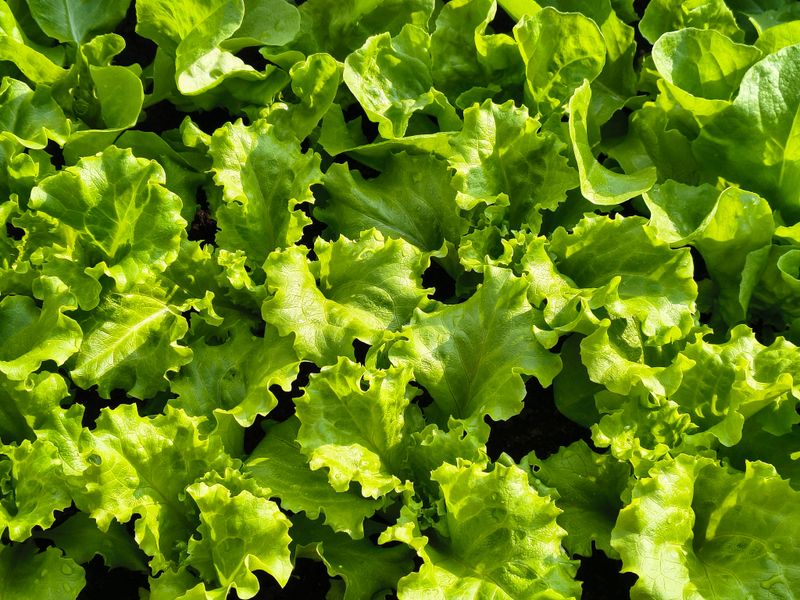
Many gardeners enjoy pulling crisp lettuce from their own garden on a cool October morning. Lettuce is one of those cool-season vegetables that almost seems designed for fall growing.
Lettuce grows surprisingly fast, often reaching harvest size in just 45 to 60 days. Planting in early September generally gives you enough time before the first frost, though exact dates vary by region across the state.
Choose loose-leaf varieties like Black-Seeded Simpson or Red Sails for the quickest results. These types produce edible leaves faster than head lettuce varieties do.
Scatter seeds thinly over prepared soil and press them gently into the surface. Lettuce seeds need light to germinate, so do not bury them too deep.
Your Virginia Garden Changes Every Week. Your Plan Should Too.
Gardening in Virginia changes quickly throughout the season. Every Friday you’ll receive a simple weekly plan showing exactly what to plant, prune, fertilize, harvest, and protect so you never miss the right timing.
Keep the soil consistently moist during germination, which typically takes five to ten days. Once seedlings appear, water deeply but less frequently to encourage strong root growth.
Lettuce prefers partial shade in warmer fall days, especially in the first weeks after planting. A spot that gets morning sun and afternoon shade works perfectly.
Harvest outer leaves as the plant grows to extend your picking window. This method, called cut-and-come-again, keeps the plant producing for weeks longer than a single harvest would.
Lettuce has a long history in home gardening, stretching back centuries across many cultures. That deep-rooted tradition makes it a natural fit for any backyard plot.
Getting lettuce into Virginia ground before fall means fresh salads without a grocery store trip. That kind of reward never gets old.
3. Kale Tolerates Light Frost With Ease
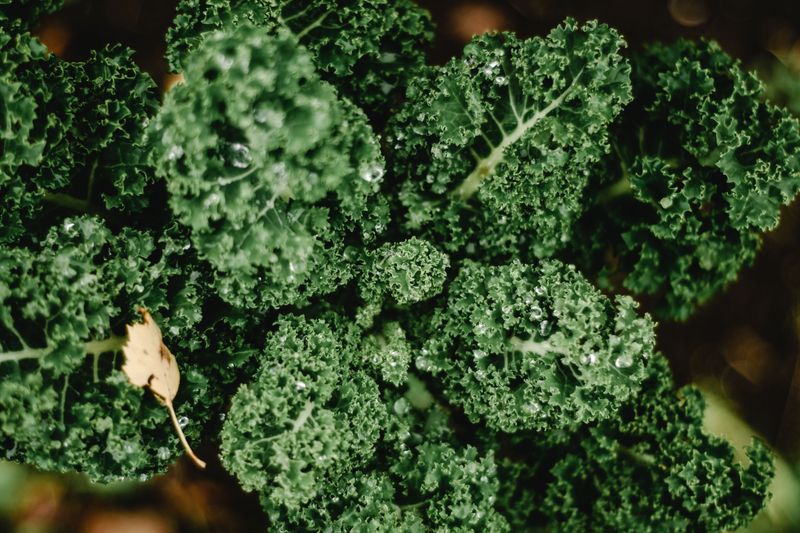
Kale does not just survive frost, it actually tastes better after one. This nutrient-dense vegetable is one of the toughest cool-season vegetables you can grow before fall takes over.
When frost hits kale leaves, the plant converts starches into sugars as a natural defense. That process gives kale a sweeter, milder flavor that raw summer kale simply cannot match.
Plant kale seeds or transplants six to eight weeks before your expected first frost date. In most of Virginia, that generally means getting kale into the ground by mid-September, though the exact timing depends on your specific region.
Space plants about 18 inches apart to allow air circulation between them. Good airflow reduces moisture buildup and helps prevent fungal issues in cooler, damper fall weather.
Kale grows well in full sun but handles partial shade better than most brassicas. A few hours of direct light each day is enough to keep plants healthy and productive.
Water young plants regularly until they establish strong roots. After that, kale is fairly drought-tolerant and does not need daily attention to stay healthy.
Harvest leaves from the bottom of the stalk upward, leaving the top growing tip intact. This approach keeps the plant producing new leaves well into winter.
Curly kale, Lacinato, and Red Russian are all excellent varieties for Virginia fall gardens. Each has a slightly different flavor and texture, so try more than one type.
Kale is packed with calcium, vitamin K, and antioxidants. Growing it at home means you get the freshest, most nutrient-dense leaves possible right from your yard.
4. Radishes Mature Fast For Early Harvests
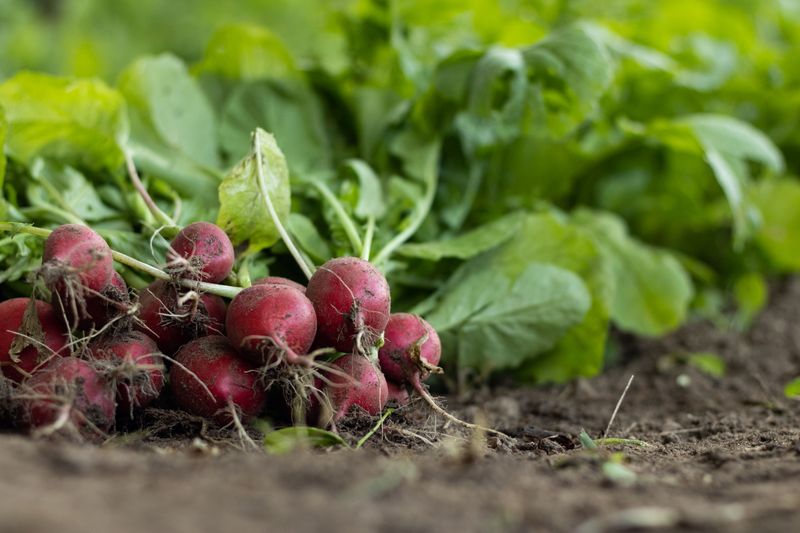
For gardeners who prefer quick results, radishes are an excellent choice for the fall garden. These little root vegetables mature in as few as 22 days, making them the fastest cool-season vegetables around.
Sow radish seeds directly into the soil about half an inch deep and one inch apart. Thin seedlings to two inches once they sprout to prevent crowding at the root level.
Radishes prefer loose, well-draining soil that lets their roots swell without obstruction. If your garden soil is heavy or clay-heavy, loosen it with compost before planting.
Keep the soil evenly moist throughout the growing period. Uneven watering causes radishes to crack or develop a pithy, hollow texture inside, which ruins the satisfying crunch.
Fall radishes tend to be milder and less spicy than those grown in summer heat. The cooler temperatures slow their development just enough to mellow out that sharp bite.
Try varieties like Cherry Belle, French Breakfast, or Watermelon radish for fall planting. Watermelon radishes take longer to mature but reward you with a stunning pink interior that wows at the table.
Radishes also work as a companion plant in the fall garden. Their fast growth helps break up compacted soil and can even deter certain pests from bothering slower-growing neighbors.
Harvest radishes promptly once they reach full size. Leaving them in the ground too long causes them to become woody and overly peppery, losing that fresh garden flavor.
Plant a new row every week for a continuous supply of crunchy, garden-fresh radishes all autumn long.
5. Turnips Handle Virginia’s Mild Autumn Well
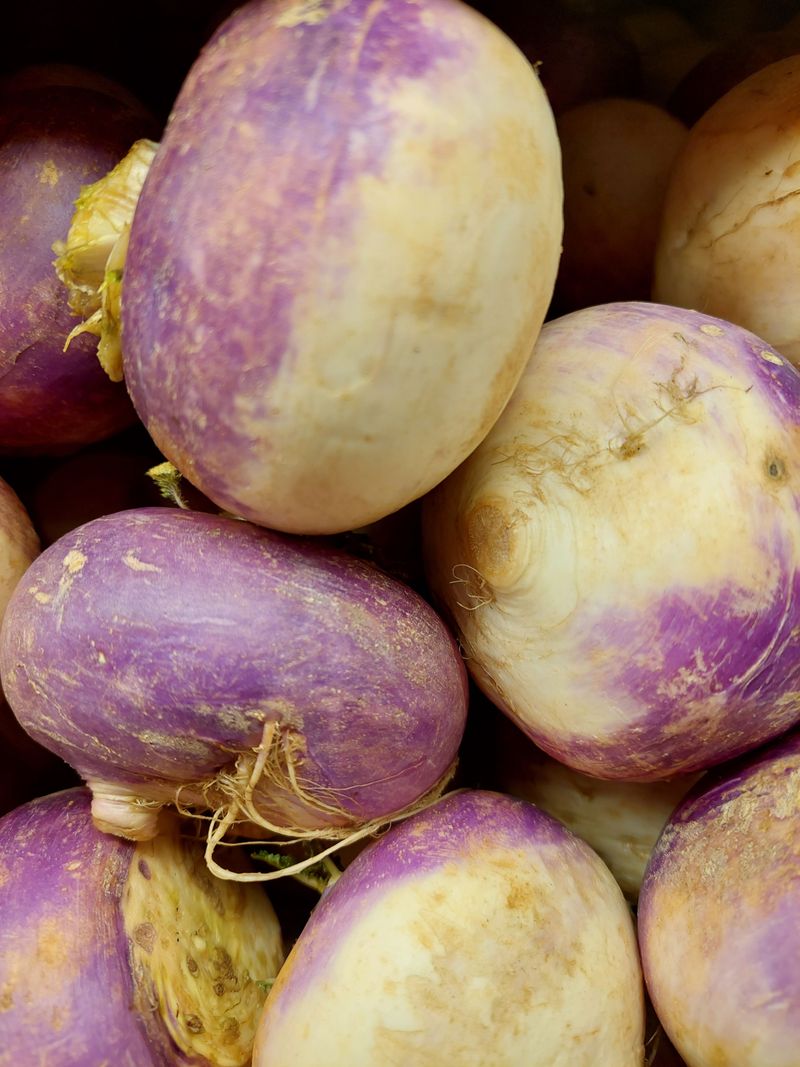
Turnips have a bit of an unfair reputation as boring or old-fashioned. But anyone who has roasted a fresh fall turnip knows that this root vegetable deserves a serious second look.
Virginia’s mild autumn climate is practically perfect for turnip growing. These cool-season vegetables prefer temperatures between 40 and 60 degrees Fahrenheit, which fall delivers naturally across the state.
Sow turnip seeds directly into the garden about 45 to 65 days before your first expected frost. For most of Virginia, that generally falls in late August or early September, though local frost dates can shift the window earlier or later.
Scatter seeds thinly and cover with a quarter inch of soil. Once seedlings appear, thin them to four to six inches apart so each root has room to expand underground.
Turnips are a two-for-one crop because both the roots and the greens are edible. Harvest the tops when they are young and tender for a nutritious addition to soups and stir-fries.
Water turnips consistently, aiming for about one inch per week. Dry spells followed by heavy rain can cause roots to split, so steady moisture is the key to quality harvests.
Purple Top White Globe is the most popular variety for fall planting in Virginia. Hakurei is a Japanese variety that produces smooth, sweet, almost fruit-like roots that are delicious eaten raw.
Turnips store well in a cool, dark place after harvest. You can enjoy them for weeks after pulling them from the garden without losing much flavor or texture. Roasted, mashed, or added to stew, turnips are a versatile autumn crop worth growing.
6. Chard Withstands Cooler Nighttime Temperatures
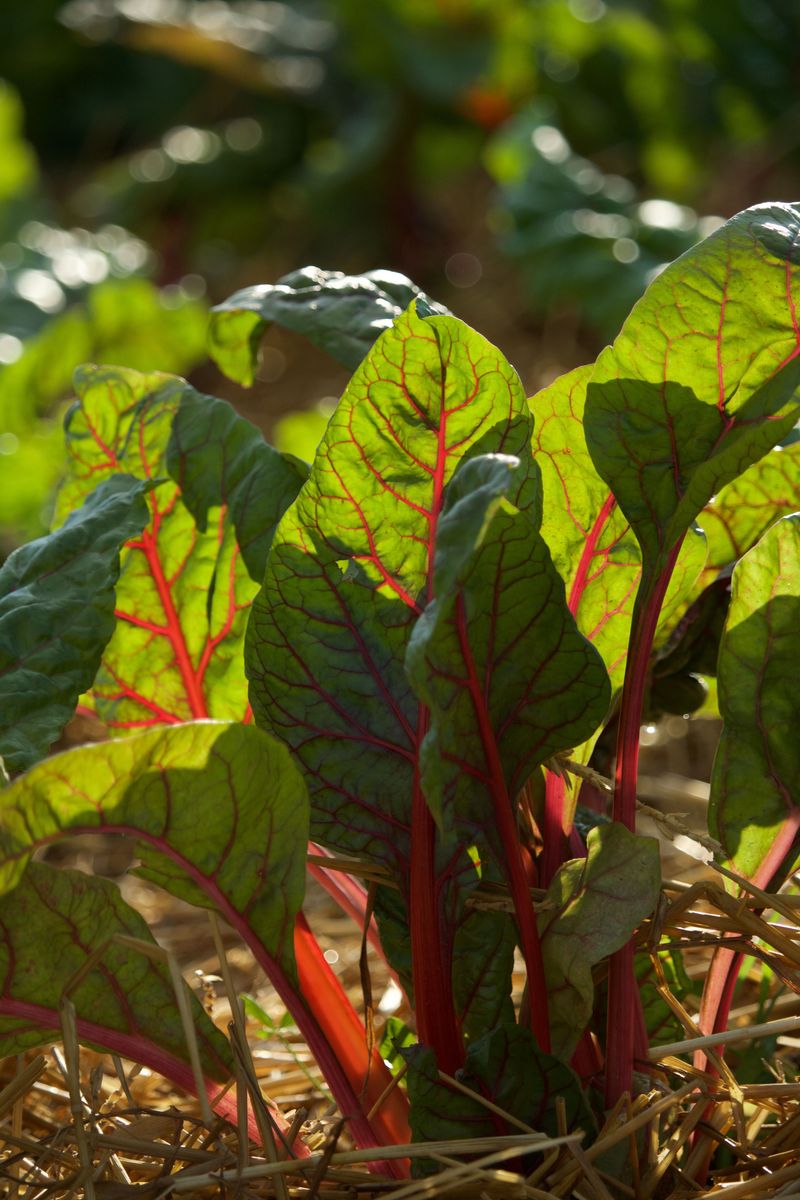
Swiss chard adds striking color to the fall vegetable garden. Its stems come in red, yellow, and orange, making it as visually appealing as it is useful.
Chard handles cooler nighttime temperatures better than most leafy greens. It can tolerate light frost without significant damage to the leaves or stems, depending on the variety and how long the cold lasts.
Plant chard seeds about half an inch deep and six inches apart in rows spaced 18 inches apart. Thin seedlings to 12 inches once they establish to give each plant enough growing space.
Chard grows well in both full sun and partial shade, which makes it flexible for different garden layouts. It adjusts to whatever light conditions your fall garden provides without much fuss.
Water chard regularly, especially during dry autumn stretches. Consistent moisture keeps the leaves tender and prevents them from becoming tough or bitter in flavor.
Harvest outer leaves once they reach six to eight inches long. The plant will keep pushing out new growth from the center, giving you a continuous supply of fresh leaves throughout fall.
Both the stems and the leaves are edible, and each part cooks differently. Stems take longer to soften, so add them to the pan a few minutes before tossing in the leaves.
Rainbow chard varieties like Bright Lights are especially popular for home gardens. They add color to the plate and to the garden bed at the same time, benefiting both the kitchen and the garden.
Chard pairs beautifully with garlic, olive oil, and lemon. Grow it now and taste something truly fresh this autumn.
7. Arugula Grows Well In Shorter Days
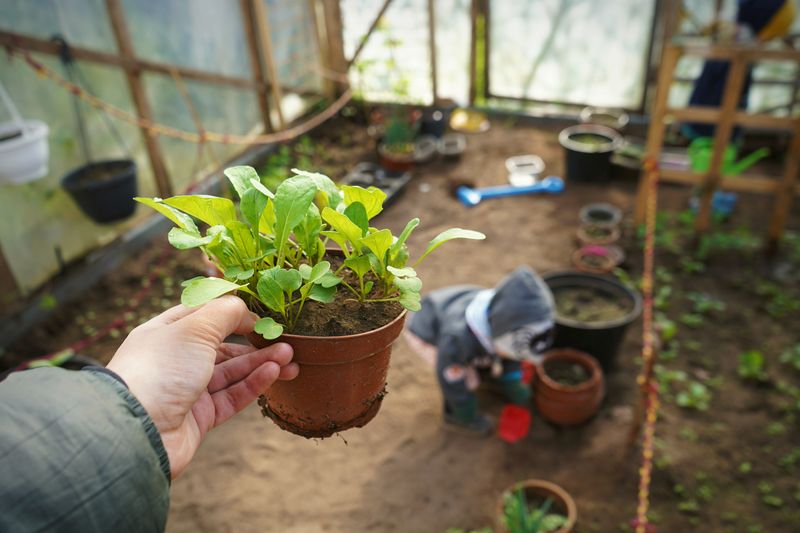
Arugula has a peppery, nutty bite that makes every salad feel a little more grown-up. This fast-growing cool-season vegetable actually thrives as summer fades and daylight hours shorten each day.
Shorter autumn days slow arugula’s natural tendency to bolt, which means it stays leafy and flavorful much longer than summer plantings typically last. That extended harvest window is a huge advantage for fall growers.
Sow arugula seeds directly into the ground about a quarter inch deep and one inch apart. It germinates quickly, often sprouting within five to seven days under good moisture conditions.
Arugula prefers well-draining soil with moderate fertility. Too much nitrogen from heavy fertilizing pushes leafy growth but dulls that signature peppery flavor that makes arugula so distinctive and crave-worthy.
Thin seedlings to about six inches apart once they reach two inches tall. Good spacing encourages stronger individual plants and reduces competition for water and nutrients in the soil.
Harvest leaves when they are two to four inches long for the mildest, most tender flavor. Larger leaves develop a more intense peppery bite, which some cooks actually prefer for bold dishes.
Arugula pairs brilliantly with shaved Parmesan, lemon juice, and a drizzle of olive oil. Toss it fresh from the garden and you have a flavorful, high-quality salad in minutes.
This crop also grows well in containers on a porch or patio if garden space is limited. A simple pot with good drainage and a sunny spot is all arugula really needs to flourish. Growing arugula before fall means peppery, fresh leaves right through the season.
8. Collards Sweeten After Light Frost Exposure
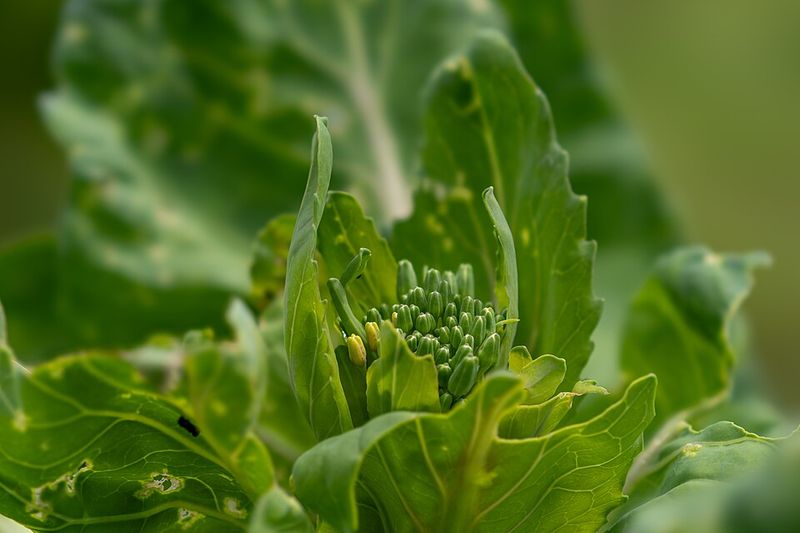
Many Southern cooks say collard greens taste best after a frost. This beloved cool-season vegetable is a true Virginia fall garden staple with deep roots in American food culture.
Collards belong to the brassica family, which includes cabbage, broccoli, and kale. Like their leafy cousins, they convert starches to sugars when cold air arrives, producing a noticeably sweeter flavor after frost exposure.
Plant collard transplants or seeds six to eight weeks before your area’s first expected frost. In central Virginia, that generally falls in early to mid-September, though exact timing can vary by region and local frost dates.
Space collard plants 18 to 24 inches apart to allow their large leaves room to spread. Crowded plants compete for light and nutrients, which stunts growth and reduces overall leaf production.
Collards are heavy feeders, so work compost into the soil before planting. A side-dressing of balanced fertilizer about four weeks after transplanting gives plants the nutrients they need for strong fall growth.
Water plants deeply once or twice a week rather than giving them frequent shallow drinks. Deep watering encourages roots to grow downward, which makes plants more stable and drought-resistant over time.
Harvest outer leaves starting from the bottom of the stalk as they reach full size. Leave the central growing tip untouched and the plant will keep producing fresh leaves for months.
Georgia Southern and Champion are two reliable collard varieties for Virginia fall gardens. Both handle cold well and produce large, tender leaves that hold up beautifully in long-cooked Southern dishes.
These cool-season vegetables reward patience with some of the richest fall flavors your garden can produce.