9 Edible Wild Mushrooms Found In New York Forests This Fall (And The Look-Alikes To Avoid)
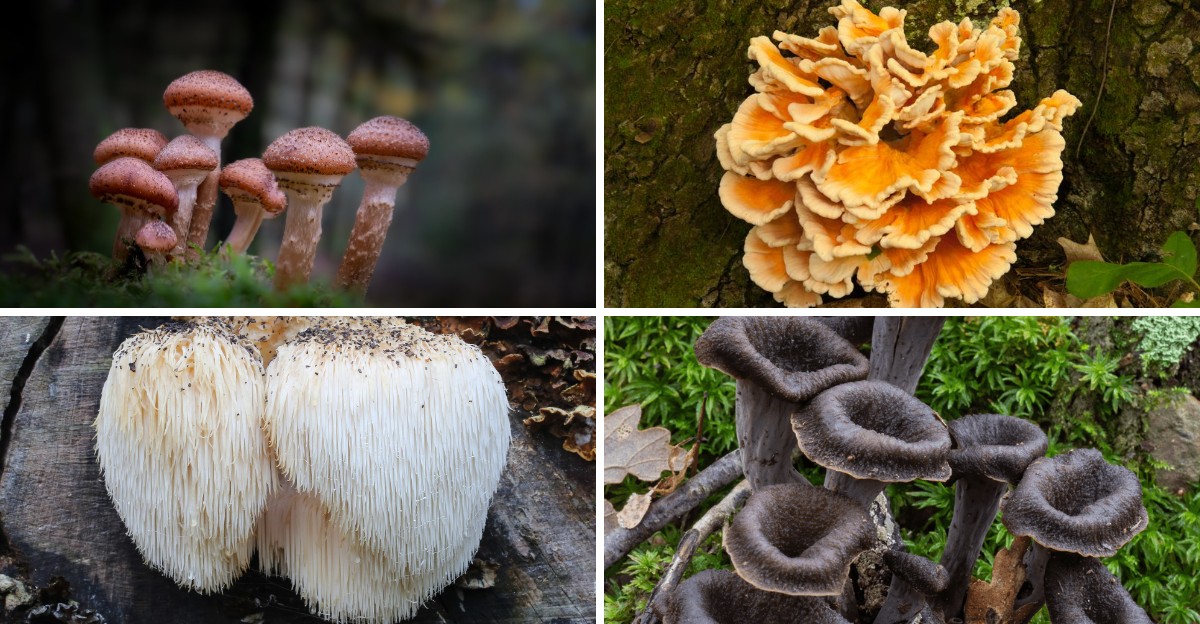
A bright orange mushroom on New York stumps can glow a faint green in the dark woods at night. That eerie light looks magical, yet the same mushroom can send careless foragers running for the bathroom.
Fall turns New York hardwood forests into a giant pantry, with fungi popping up on old logs and mossy ground. Some taste like buttery seafood, while a few sneaky twins look nearly identical and cause serious trouble.
I have to admit my first foraging walk ended with a basket full of pretty mushrooms I couldn’t name. You need sharp eyes and patience, plus a willingness to leave anything doubtful sitting right where it grew.
Personally, I think learning the look-alikes matters just as much as learning the tasty ones themselves. So which wild treasures are worth a closer look, and which ones should stay in the woods?
1. Hen Of The Woods
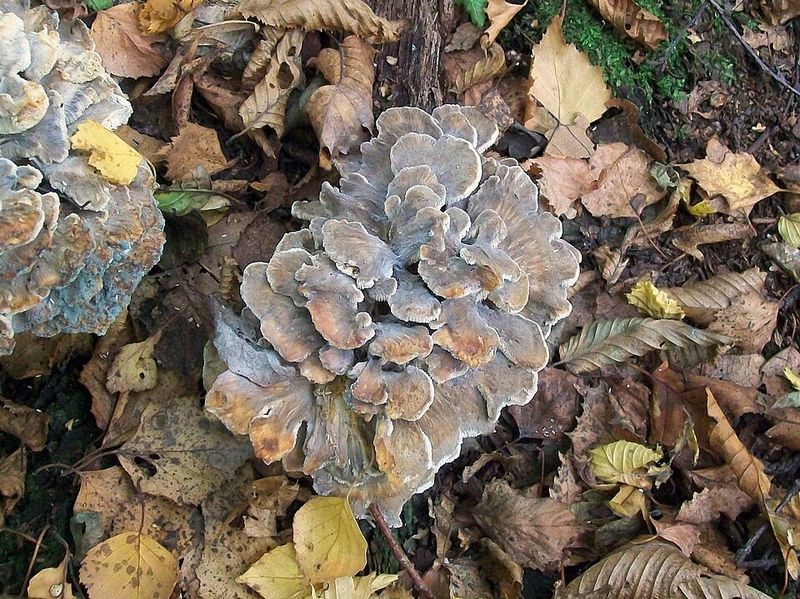
Finding a hen of the woods feels like spotting a fluffy gray chicken nesting at the foot of an oak. Some clusters weigh over thirty pounds, which means one lucky find can feed your whole family for weeks.
Grifola frondosa, also sold as maitake, grows in frilly rosettes of overlapping brown or gray caps with pale edges. Flip one over and you will see tiny white pores underneath instead of gills, a helpful clue for beginners.
Mature oaks are its favorite partners, and the fungus often returns to the same tree year after year. I love how foragers guard those secret spots like family recipes, sharing them only with trusted friends.
Late September through October is prime time in New York, especially after a good soaking rain. Check the base of big old oaks in parks and older woodlands, scanning carefully for gray ruffles among fallen leaves.
Few true look-alikes cause serious harm, which makes this one a favorite for careful beginners learning the ropes. The black-staining polypore looks similar, but its flesh darkens when bruised and gets tough as it ages.
Cut the cluster cleanly at the base with a sharp knife, then brush away dirt and hiding insects. Soak pieces briefly in cool water if bugs remain, then pat them dry before cooking them thoroughly.
Roasted until crispy at the edges, the fronds taste rich and savory, almost like a meaty forest snack. Personally, I freeze extra pieces after a quick sauté, so I can enjoy the flavor all winter long.
2. Oyster Mushrooms
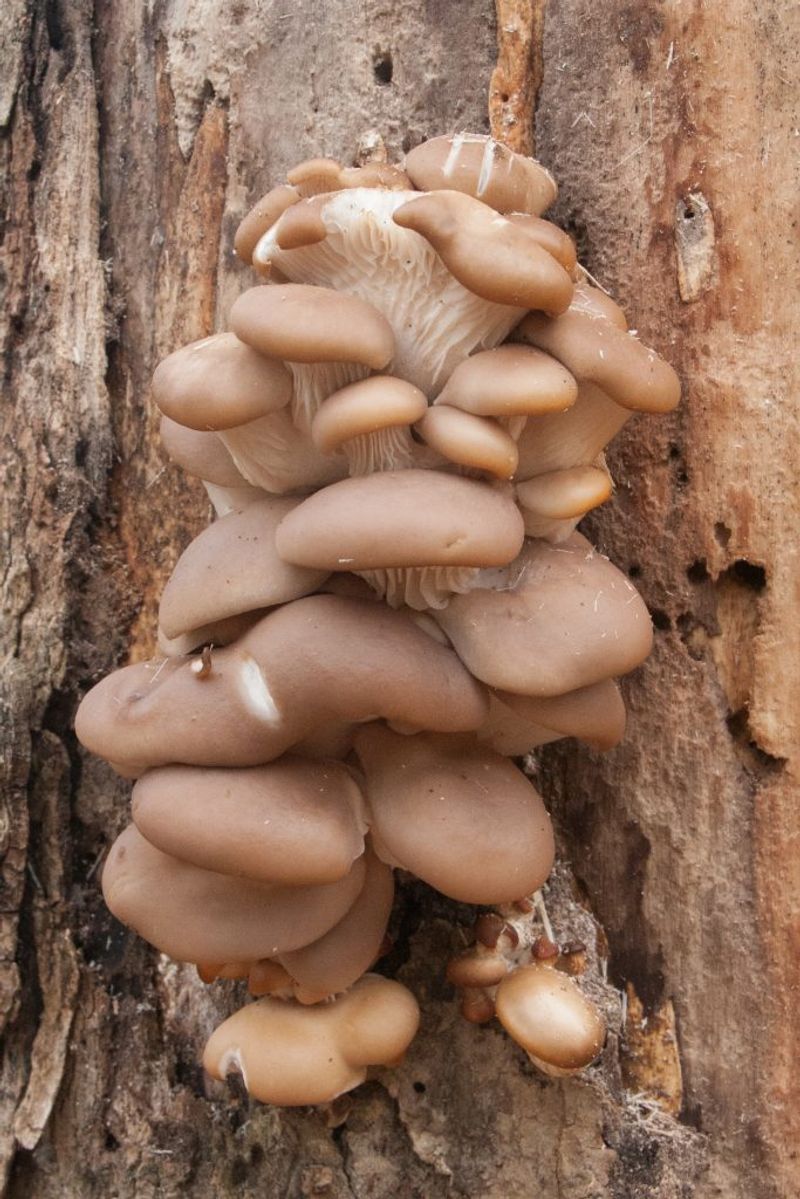
Oyster mushrooms stack on fallen logs like a pile of soft, pale seashells waiting for someone to notice them. Brush past a cluster and you might catch a faint sweet scent, sometimes compared to anise or licorice.
Pleurotus ostreatus grows in overlapping shelves on decaying hardwoods, especially beech and maple trunks in cool forests. Caps range from white to gray-brown and usually measure two to ten inches across when fully grown.
Underneath, white gills run down to a short stubby stem, or sometimes there is barely any stem at all. Drop a cap gill-side down on dark paper overnight, and you should find a white to lilac spore print.
Your New York Garden Changes Every Week. Your Plan Should Too.
Gardening in New York changes quickly throughout the season. Every Friday you’ll receive a simple weekly plan showing exactly what to plant, prune, fertilize, harvest, and protect so you never miss the right timing.
Cool, damp October weather suits them perfectly, and they keep popping up well into winter on mild days. I believe they are one of the friendliest finds for new foragers, since they show up so reliably.
Watch out for angel wings, a thin white look-alike that grows on conifer wood instead of hardwood. That mushroom has been linked to serious poisonings, especially in people with kidney problems, so skip anything on pines.
The jack-o’-lantern mushroom also clusters on wood, but it shows bright orange from cap to gills. Eating one brings hours of cramps and vomiting, so color alone should send you walking the other way.
Pick young, firm caps and skip any that look soggy or crawling with tiny beetles. Cook them well in butter until golden, and you will taste why chefs love their gentle, delicate flavor.
3. Honey Mushrooms
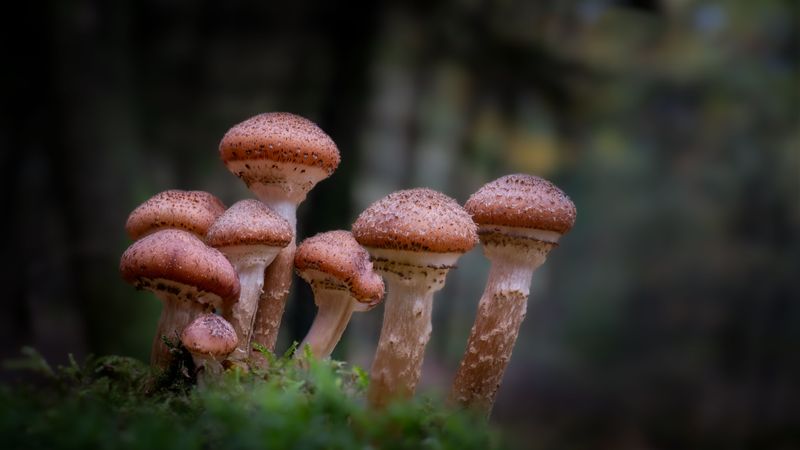
Honey mushrooms burst from stumps in golden crowds, sometimes covering an entire yard after a soggy fall week. Underground, their stringy black cords spread through roots, and one Armillaria colony in Oregon covers over two thousand acres.
Caps are honey-colored to golden brown, often with tiny dark hairs near the center like scattered pepper. Many have a white skirt-like ring on the stem, though the ringless honey mushroom skips that feature.
September through November is their busy season in New York, with big flushes following heavy rain. Look at the base of oaks and around old stumps, since these fungi feed on both living and decaying wood.
The serious part comes next, because Galerina marginata grows on the same wood and carries dangerous liver toxins. It is usually smaller and more slender, but the true test is a rusty brown spore print.
Honey mushrooms leave a white print, so I take spore prints of every single cap before cooking. Sulfur tuft is another troublemaker, with greenish yellow gills and a purple brown print instead of white.
Jack-o’-lanterns can also crowd around stumps, yet their bright orange color and missing ring give them away. When in doubt, toss the whole batch, since one wrong mushroom mixed in can ruin your week.
Even correct honey mushrooms can upset some stomachs, so cook them thoroughly and try a small portion first. Their nutty flavor works wonderfully in soups and gravies once you know your batch is safe.
4. Chicken Of The Woods
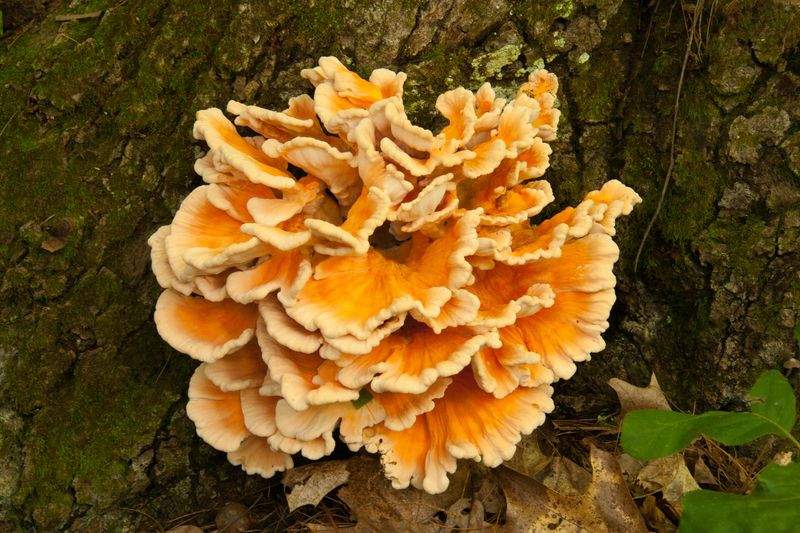
Nothing in the autumn woods glows quite like chicken of the woods, a shelf of orange and yellow. You can spot it from across a ravine, which feels like the forest is waving a bright flag.
Laetiporus sulphureus grows in overlapping fans on oak trunks and stumps, often two to ten inches wide each. Its name comes from the texture, which pulls apart in strings that really do resemble cooked chicken breast.
Peak season runs from August into October, so early fall still offers decent chances on wetter days. Look closely at old oaks and fallen hardwood logs, particularly ones that have started softening with age.
Turn a shelf over and you will find tiny pores instead of gills, a key detail for safety. The jack-o’-lantern shares the bright orange color, but it has true knife-like gills and causes nasty stomach trouble.
I like how this mushroom rewards beginners, though a few people react poorly to it even when cooked. Try a small cooked portion first, and avoid specimens growing on conifers or locust trees, which some experts flag.
Harvest only the soft outer edges, since the older parts near the base turn woody and chalky. Fresh edges should bend easily and ooze a little moisture, while dry crumbly pieces belong in the compost.
Slice the tender pieces thin and sauté them slowly, because undercooked chicken of the woods can upset stomachs. Personally, I toss them into tacos with lime, and nobody at the table misses real chicken.
5. Giant Puffball
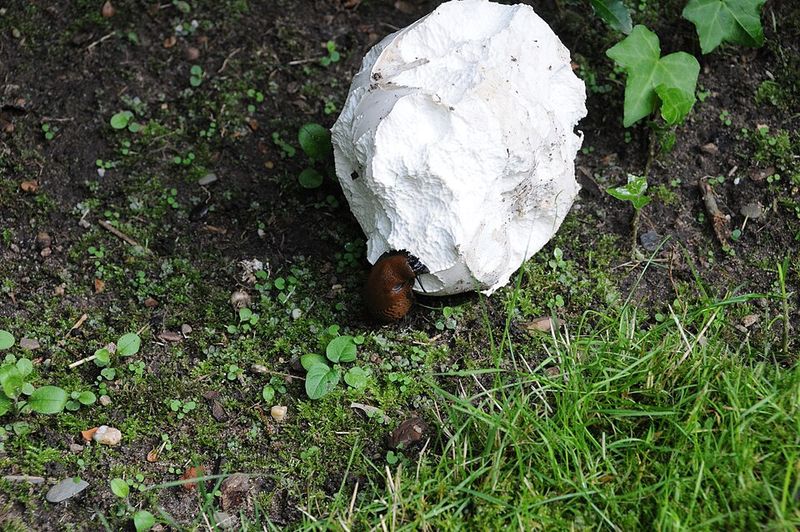
Stumbling across a giant puffball feels like finding a lost volleyball resting quietly in a grassy meadow. Some grow past twenty inches wide, and one large specimen can hold trillions of tiny spores inside.
Calvatia gigantea prefers open meadows and forest edges rather than deep shady woods with thick leaf cover. Records show them appearing from July into October, so early fall walks still turn up a few.
The golden rule is simple, because every puffball must be sliced in half from top to bottom. Inside, the flesh should be pure white and firm, with a smooth texture like a fresh marshmallow.
Any yellow or brown color means it is too old, and you should toss it back without hesitation. Earthballs look similar outside, yet their thick skin hides a dark purplish black interior that causes stomach upset.
The scariest mix-up involves young Amanita mushrooms, which start life as smooth white eggs in the soil. Cut one open and you will see the faint outline of a cap and gills, a serious warning sign.
I can’t imagine eating any round white mushroom without slicing it first, no matter how sure I feel. Smaller puffball species carry the same risk, so use this test on every single one you find.
Peel off the outer skin, cut the flesh into thick slabs, then fry them until crisp and golden. The mild flavor soaks up garlic butter beautifully, and kids often enjoy it more than store mushrooms.
6. Hedgehog Mushroom
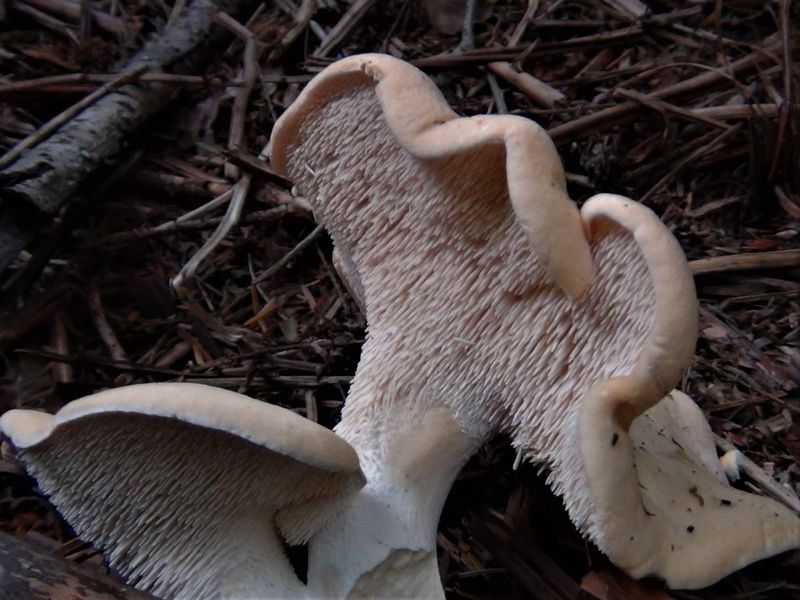
Flip a hedgehog mushroom over and you will find soft little spines dangling underneath like a tiny shag carpet. Those spines rub off easily with a thumb, and they make this one of the easiest mushrooms to identify.
Hydnum repandum has a lumpy cap ranging from creamy white to orange-tan, often shaped like a shallow bowl. The stem is usually paler than the cap, and handled spots bruise to a darker orange over time.
Hedgehogs grow on the ground in hardwood or mixed forests, often popping up as chanterelles start fading. September is their peak in New York, though October walks can still reward you with a basketful.
Many foraging experts say there are no known toxic look-alikes, which brings huge relief to nervous beginners. Tough cousins like Hydnellum and Sarcodon exist, but they feel woody or bitter instead of soft and breakable.
A quick tear test helps, because true hedgehogs rip apart easily with fleshy, crumbly texture inside. I love how even a few caps can transform a simple pasta into something that tastes downright fancy.
Brush off dirt gently and scrape away loose spines if they hold grit, especially on larger older caps. Bigger hedgehogs sometimes taste slightly bitter, so a quick blanch before frying can mellow them out nicely.
Their meaty bite and sweet nutty flavor remind many cooks of chanterelles, only firmer and easier to clean. You might notice slugs love them too, so gather yours before the slimy competition shows up.
7. Lion’s Mane
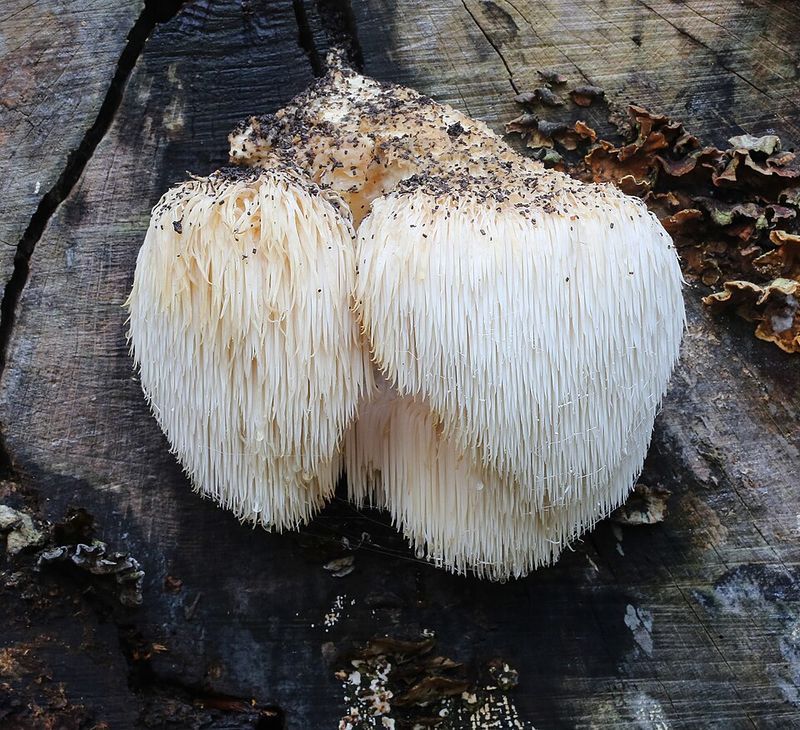
Lion’s mane looks like a frozen waterfall of white icicles clinging to the side of a beech tree. Spotting one for the first time feels almost unreal, like the forest grew a fluffy pom-pom overnight.
Hericium erinaceus forms a single rounded mass of long dangling spines, while bear’s head tooth branches more. Both grow on living or decaying hardwoods like oak and beech, often high on a wounded trunk.
October is a great time to search, since cool nights and steady rain encourage fresh clusters. Bring binoculars if you can, because many specimens sit well above eye level on old standing trees.
What surprises me most is that every Hericium species found here is considered edible by experts. That means no poisonous twins hide among the spiny white mushrooms, which feels rare in the fungus world.
Still, check that the spines are clean white or cream, since yellow or brown ones indicate age. Older pieces turn sour and spongy, so choose firm young clusters that feel springy to the touch.
Lion’s mane holds lots of water, so tear it into chunks and dry sauté before adding any butter. Press the pieces down in the pan until they brown, and the texture becomes surprisingly tender and juicy.
Many people say it tastes like crab or lobster, which makes for fun cakes served with lemon. Return to the same tree next fall, since the fungus often fruits again from that wounded spot.
8. Black Trumpet
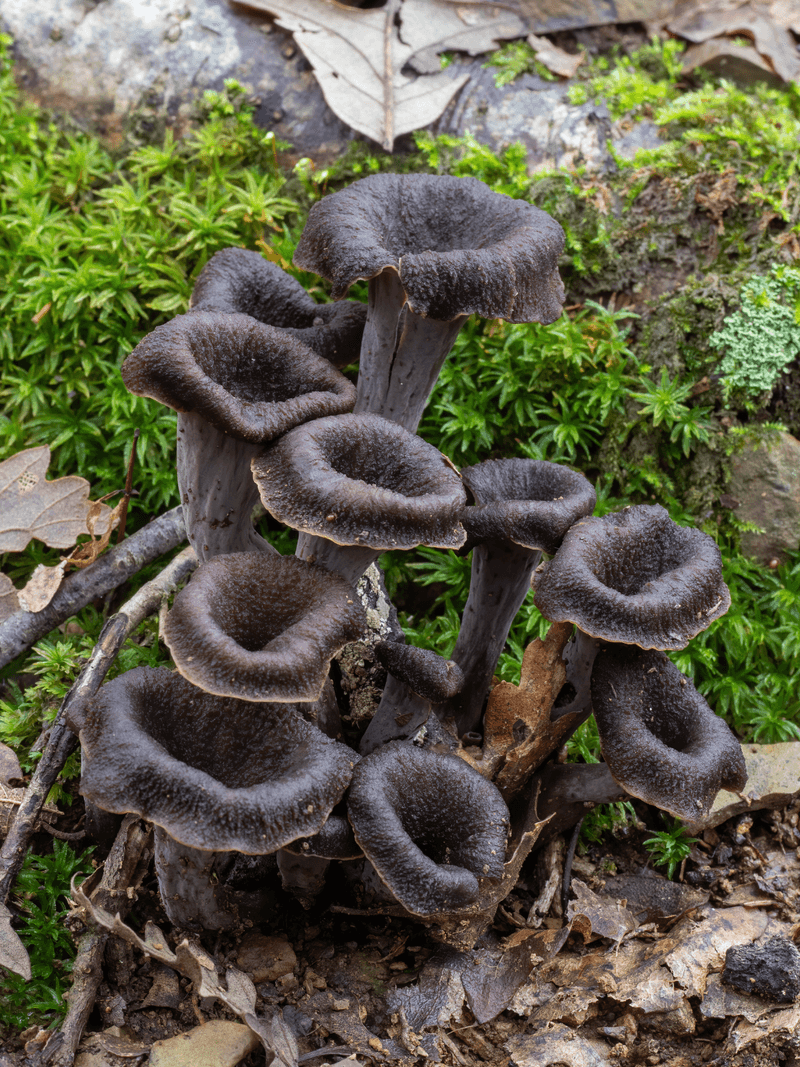
Black trumpets hide so well among fallen oak leaves that experienced foragers call them the forest’s best disappearing act. You can stand right on top of a patch and still miss dozens of dark little funnels.
Craterellus fallax is the eastern species, shaped like a hollow vase with ash gray to black coloring. The underside is smooth or slightly wrinkled, with no true gills, so it feels almost velvety to touch.
Peak season usually lands in August and September, though some patches hang on into early October. Look in mossy spots under oaks and beeches, especially along damp slopes and shaded creek banks.
Most guides agree there are no dangerous look-alikes, though careful identification still matters every single time. Shape is your best clue, because a true black trumpet is hollow from the rim straight down.
I have to admit that my eyes ache after an hour of scanning leaf litter for them. Once you find one, slow down and crouch low, because these mushrooms usually grow in generous groups.
Rinse them well, since their hollow shape traps sand and tiny critters that love hiding inside. Split larger trumpets lengthwise to check for debris, then let them air dry on a clean towel.
Their smoky, earthy flavor is so strong that a small handful can flavor an entire pot of risotto. Dried black trumpets keep for months, and crumbling them into sauces feels like sprinkling magic dust.
9. Golden Chanterelle
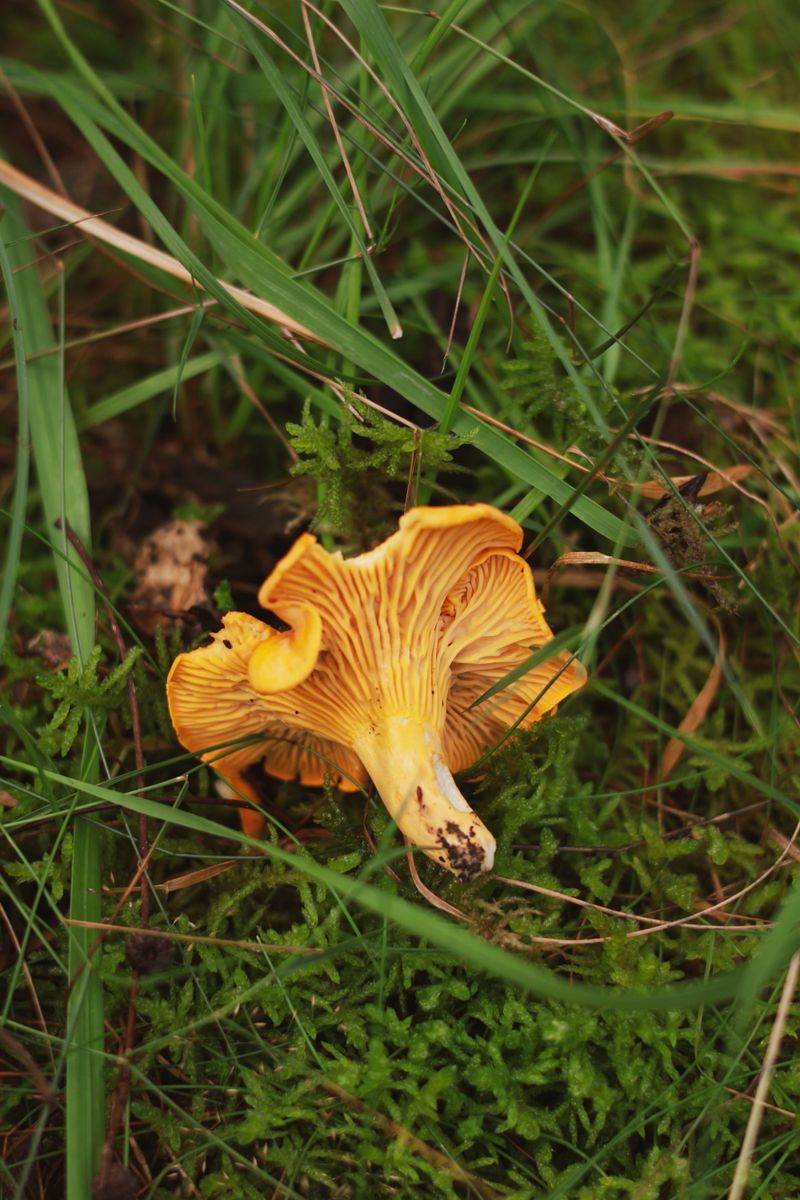
Chanterelles smell like ripe apricots, and that fruity scent drifting up from the forest floor feels like a treat. Their golden color glows against green moss, making every find feel like spotting a coin on the trail.
Cantharellus flavus and its relatives grow on the ground near oaks and beeches rather than on logs or stumps. Their season runs mostly from July through September, so October finds tend to be late stragglers.
Look underneath for blunt, forked ridges that run down the stem, which experts call false gills. Real gills look sharp and knife-like, while chanterelle ridges feel rounded and blend smoothly into the stem.
The jack-o’-lantern is the biggest troublemaker, growing in tight orange clusters on wood or buried roots. It has thin crowded true gills, lacks the apricot smell, and causes miserable vomiting and cramps.
False chanterelles grow nearby too, with deep orange true gills that are often brighter than the cap. That one is not considered dangerous, but its flavor disappoints, so leave it for the forest critters.
Personally, I tear a chanterelle lengthwise, because the inside should look pale and stringy like string cheese. Jack-o’-lantern flesh stays orange throughout, which gives you one more quick check before anything hits the pan.
Cook them in a dry pan first to release moisture, then add butter and a pinch of salt. Local mushroom clubs in New York lead fall walks, and joining one sharpens your eyes faster than any book.