Why Pennsylvania Gardeners Mulch Garlic Heavily Before The Ground Locks Up
A single bulb can heave itself right out of a frozen garden bed. Freezing and thawing soil pushes buried cloves upward, sometimes leaving them sitting on top like forgotten marbles.
Pennsylvania winters love that kind of mischief. One week the ground is rock hard, and the next week it turns to mud after a warm rain. Roots planted in October get tugged back and forth all season long.
I like how a crop this tough still asks for a little help. The cloves themselves handle cold just fine. It’s the wild swings that cause the trouble, and you can do something about them with a pitchfork and a few bales.
Personally, I think the trick is all about timing and thickness. Too early or too thin, and the plan falls flat. So how much cover is enough, and when should it go down?
1. Those Garlic Cloves Are Tougher Than The Soil Around Them
Garlic is a cold-loving crop. In fact, hardneck types actually need a long chilly spell to form those big, divided bulbs next summer.
So the cold itself is rarely the problem. The trouble comes from the ground beneath. When wet soil freezes, it expands and lifts. When it thaws, it settles again.
Repeat that dozens of times between November and March, and shallow cloves can get nudged right up toward the surface.
Growers call this frost heaving. Penn State Extension and many experienced garlic farmers point to it as a main reason for mulching after fall planting. A clove that ends up exposed loses its grip on the soil, and its fresh roots can dry out or tear.
Pennsylvania is a perfect stage for this drama. Thaws and refreezes happen often across much of the state, especially in southern counties where winter flips back and forth.
A heavy layer of mulch slows down those swings. It keeps the soil temperature steadier, so the ground freezes once and mostly stays put. Your cloves get to sit quietly and grow roots instead of riding an underground elevator all winter.
2. A Thick Straw Blanket Keeps Garlic Roots Steady All Winter
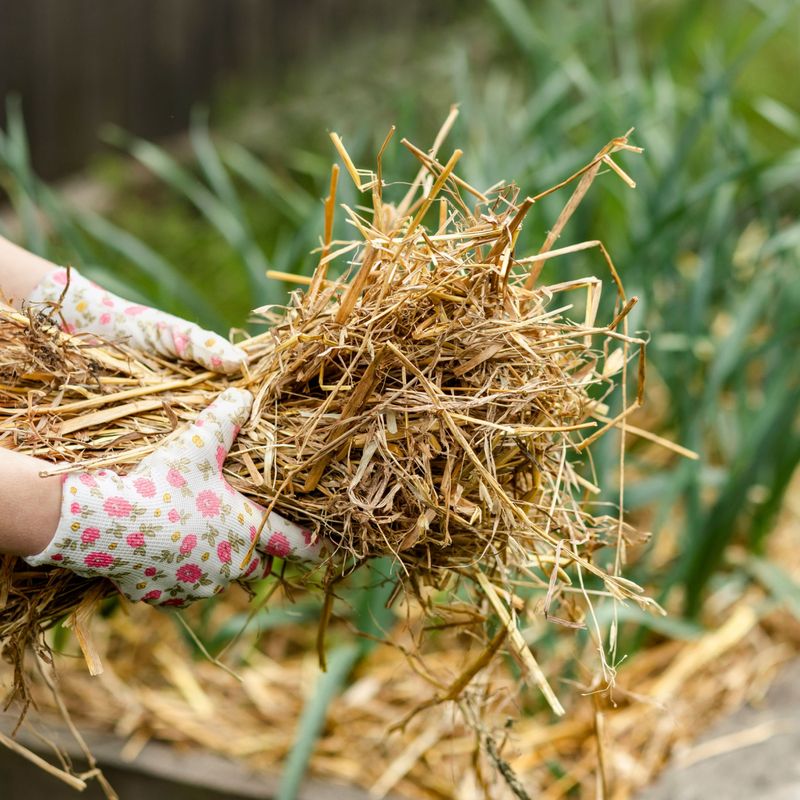
Golden straw piled over a garlic bed looks almost too simple to matter. Yet that fluffy layer works like a thermostat for the soil.
Straw traps air between its hollow stems. Trapped air slows the movement of heat, so the soil underneath cools down gradually and warms up gradually.
Sudden January thaws barely reach the cloves, and a quick cold snap afterward doesn’t send the ground into shock.
That steadiness is the main goal. Mulch won’t make the soil warm in midwinter, and it isn’t supposed to. It just keeps conditions calm so roots stay anchored.
Moisture is another quiet bonus. Bare soil can dry out from winter wind and sun, even when the air feels cold. A covered bed holds onto water better, which helps young roots stay healthy until spring growth kicks in.
I find it oddly comforting to walk past a well-mulched bed in February. The snow melts, the mud returns, and the straw just sits there doing its job. You can’t see the roots, but you know they’re snug.
Your Pennsylvania Garden Changes Every Week. Your Plan Should Too.
Gardening in Pennsylvania changes quickly throughout the season. Every Friday you’ll receive a simple weekly plan showing exactly what to plant, prune, fertilize, harvest, and protect so you never miss the right timing.
Wind protection matters too. Open, breezy sites benefit even more, since exposed soil swings in temperature faster than sheltered ground.
3. Four To Six Inches Of Mulch Is The Sweet Spot For Garlic
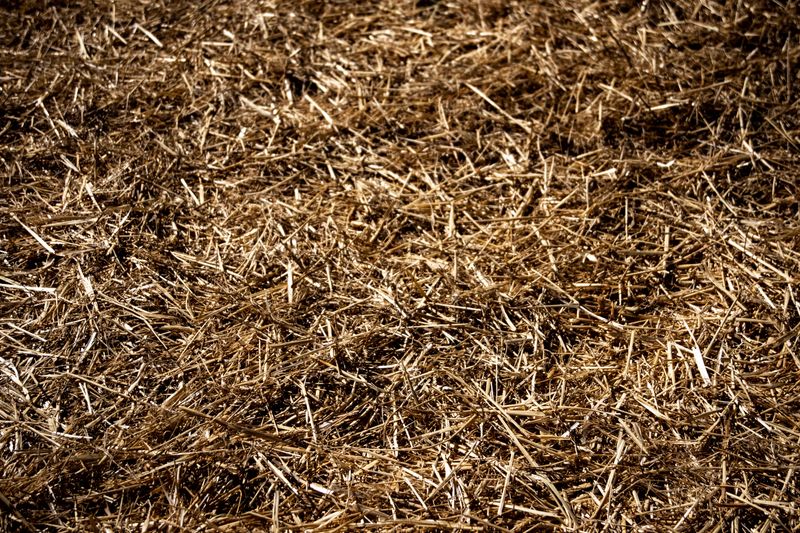
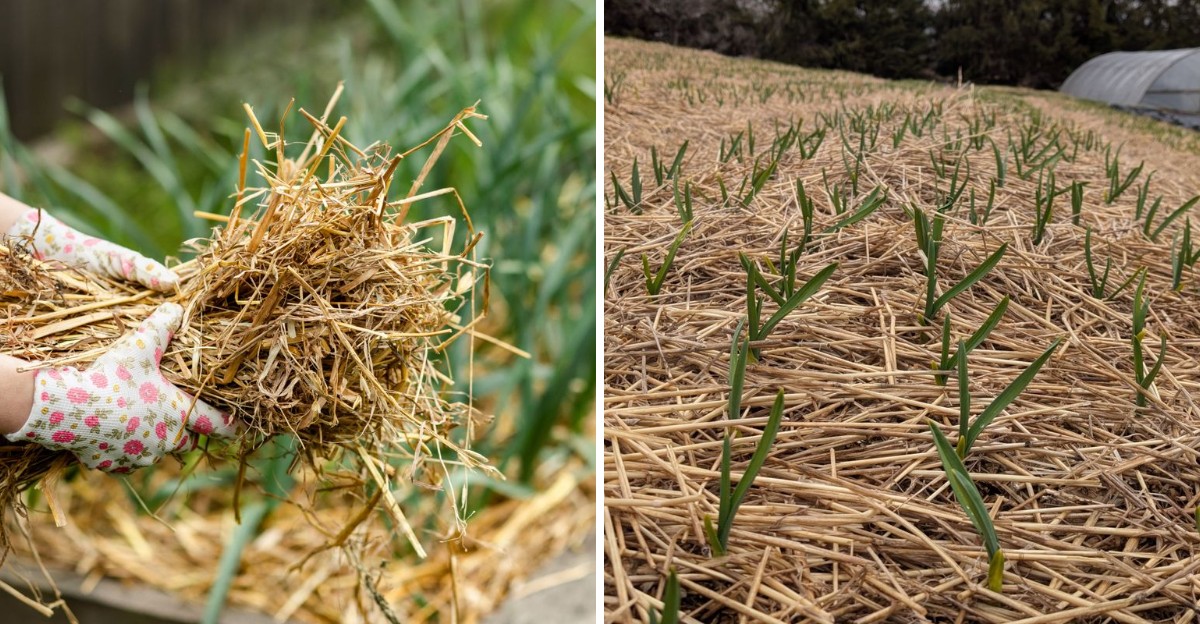
“Heavy” sounds vague until you grab a ruler. Most garlic growers in cold areas aim for roughly 4 to 6 inches of loose mulch over the bed.
That depth gives enough insulation to calm temperature swings. It also smothers weeds and shields the soil from pounding rain.
Some guides suggest less, around 3 inches, for milder spots. Colder, windier hilltops often do better with the full 6.
Fluffiness matters as much as depth. Straw and shredded leaves settle a lot over winter. A 6-inch pile in November may shrink to 3 or 4 inches by March, which is fine.
Here’s a quick way to apply it. Shake straw apart into loose flakes rather than dropping solid chunks. Spread it evenly so no patch of soil peeks through. Then step back and fill any thin spots.
Avoid packing it down hard. Garlic shoots are strong, but a matted wet layer can slow them in spring.
One bale of straw usually covers a decent-sized home bed. Penn State and other extension sources note that wheat straw is a common choice, though oat straw or shredded leaves work nicely too.
4. Timing Your Straw Before The Ground Freezes Solid
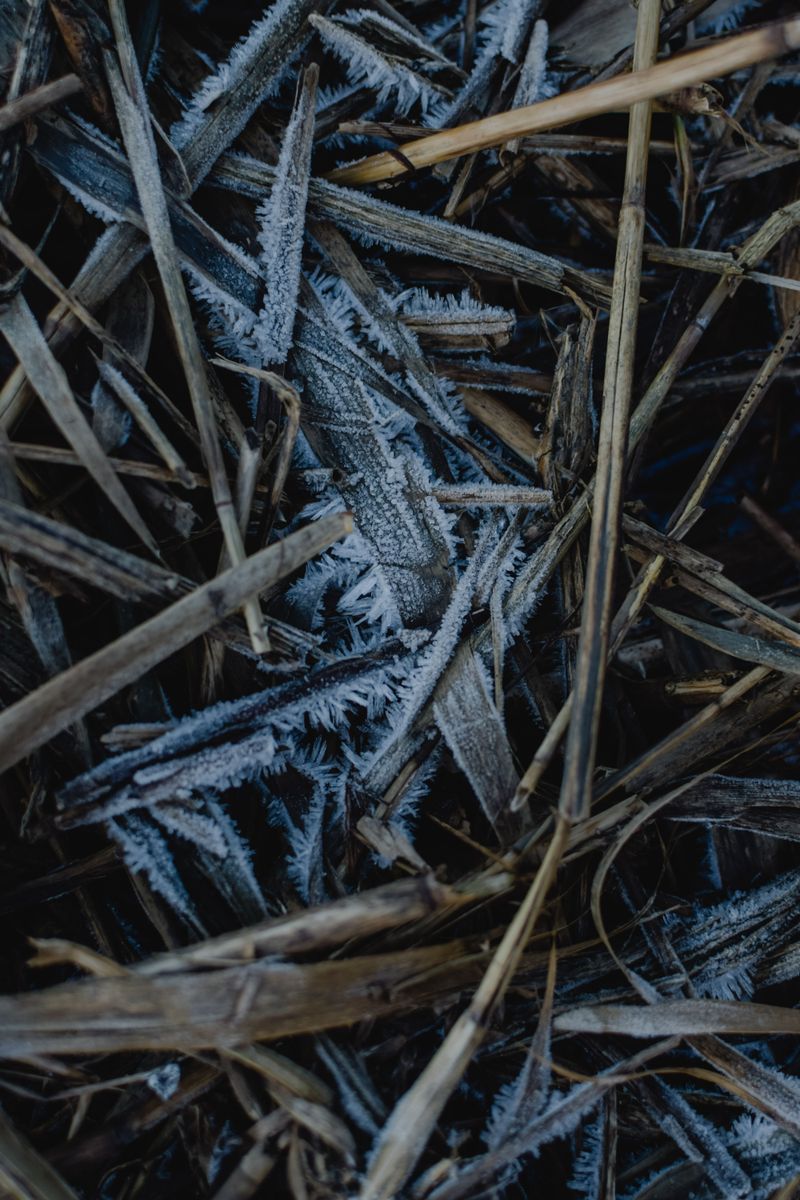
Mulch too early and you might fool the garlic into growing tall leaves before winter. Mulch too late and the ground may already be frozen and heaving.
The best window usually falls a few weeks after planting, once the soil has cooled and the cloves have started rooting. Many gardeners wait for a hard frost or two, then spread their straw before the soil freezes solid.
In Pennsylvania, garlic often goes in from early October through early November. Southeastern growers near Philadelphia can lean later.
Folks in the northern tier or up in the mountains tend to plant and mulch a bit sooner, since cold arrives earlier there.
A little green sprout poking up in fall isn’t a crisis. Hardy garlic leaves can handle some cold, and the mulch helps protect them.
Keep an eye on the forecast as Thanksgiving approaches. A string of nights in the low 20s is a strong hint that the ground will lock up soon.
Personally, I keep a bale stacked near the beds by early November. That way, one chilly weekend is all it takes to tuck everything in.
5. Shredded Leaves And Clean Straw Make The Best Garlic Cover
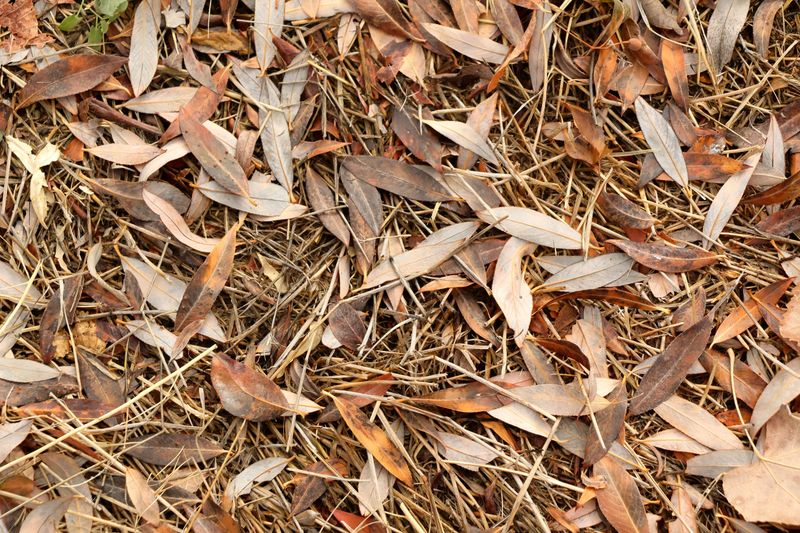
Free mulch is falling from your trees every October. Shredded leaves make a fantastic garlic blanket, as long as they’re chopped first.
Whole leaves tend to mat into a soggy layer that sheds water and slows spring shoots. Run them over with a mower a few times, and they become light and crumbly. Maple, oak, and other common yard leaves all work.
Wheat straw remains the classic pick. Oat and barley straw are fine choices too. Hay can work, but it often carries lots of weed and grass seeds, which may sprout right in your bed.
Cleanliness counts. Look for straw that is bright, dry, and not musty. Avoid any material from fields with herbicide residue, since some long-lasting weed sprays can harm vegetable crops.
Fresh wood chips are a poor fit here. They’re heavy, slow to break down, and can tie up nitrogen near the soil surface.
Pine needles get mentioned now and then. They’re light and airy, though they can be tricky to find in bulk. Whatever you choose, think fluffy, clean, and easy to rake off. Your garlic will thank you.
6. Weeds Hate A Deep Mulch Layer Over Your Garlic Bed
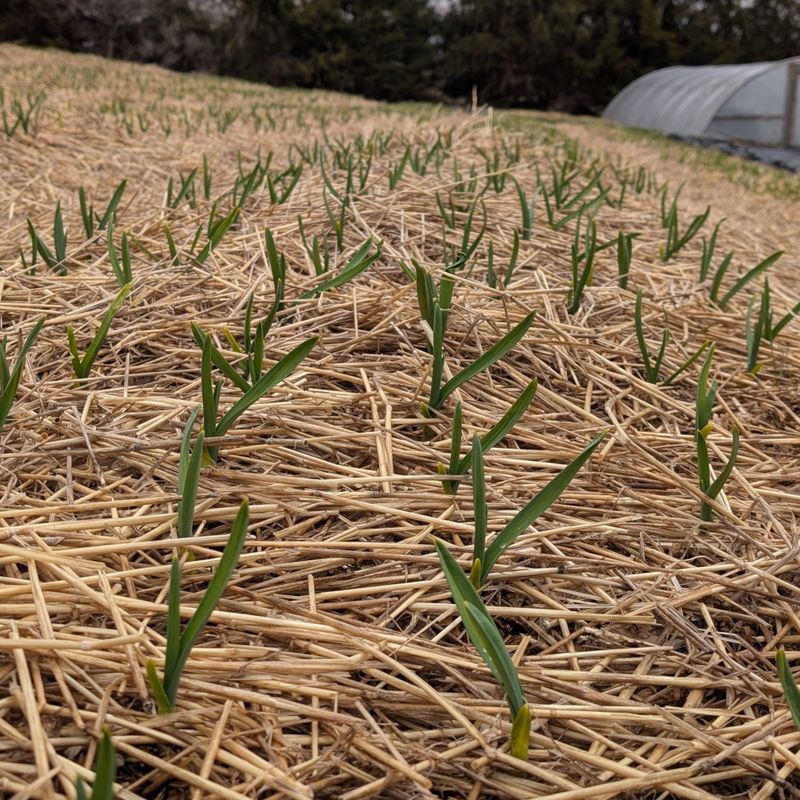
Garlic is a terrible fighter. Its thin, upright leaves cast very little shade, so weeds can easily crowd it out.
Research and grower experience agree on this point. Weed competition can noticeably shrink garlic bulbs, especially during the spring growth spurt when bulbs are sizing up.
A deep mulch layer blocks light from reaching weed seeds at the soil surface. Many seeds need light to sprout, so they simply sit there.
The few weeds that do push through come up weak and pull out easily. That means less kneeling in the mud come April. Honestly, I’ll take that trade any day.
There’s a hidden benefit for you too. Hand weeding near garlic can disturb shallow roots. Fewer weeds means fewer chances to accidentally yank or nick a growing plant.
Leaving the mulch in place through spring keeps the soil cooler and moister as the weather warms. Garlic likes steady moisture while bulbs form.
Watch for tough perennial weeds like quackgrass or bindweed. Mulch slows them but won’t stop their creeping roots. Clear those before planting in fall for the cleanest start.
7. Spring Garlic Shoots Usually Find Their Way Through The Straw
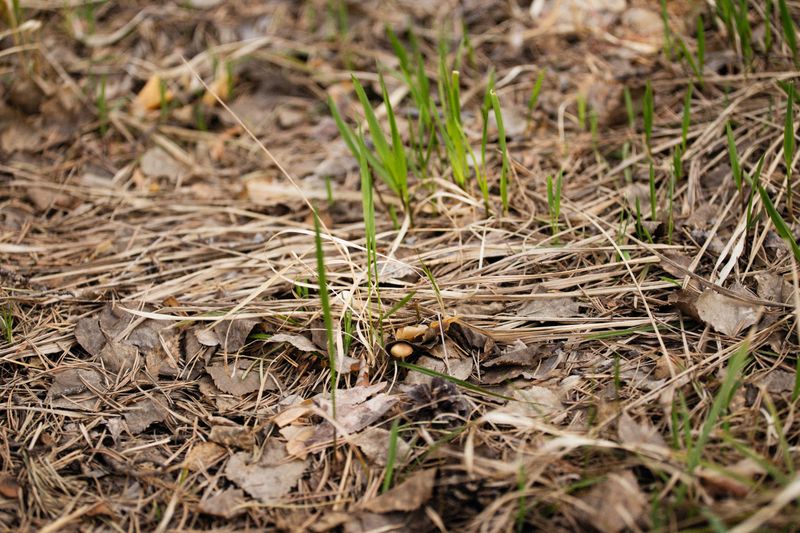
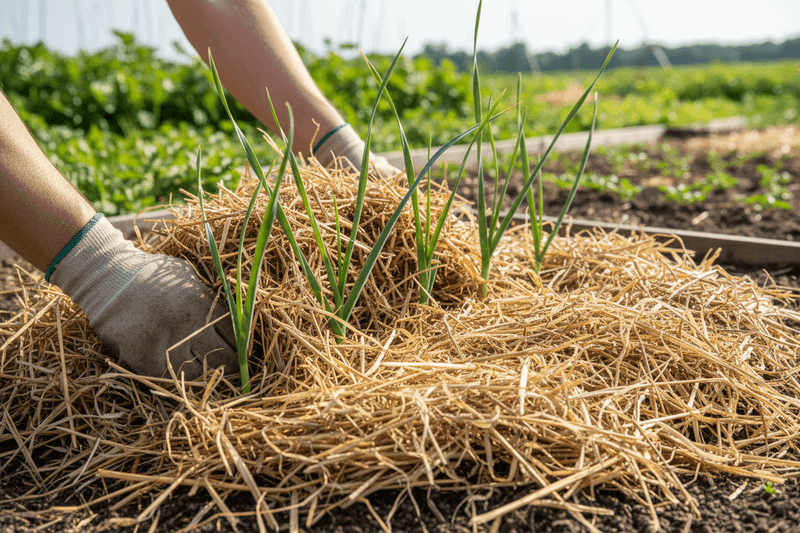
Late March often brings a cheerful sight. Bright green spears start poking up through the straw, sometimes with snow still in shady corners.
Most garlic shoots push through loose mulch on their own. Check the bed when spring arrives anyway. If you spot pale, bent, or trapped shoots, gently loosen the mulch above them with your fingers.
Some growers in heavier, wetter soils pull back part of the mulch in early spring. That helps the ground warm and dry a bit faster. Others leave it fully in place all season. Both approaches work, so base the choice on your own soil.
Clay soils, common across many Pennsylvania valleys, hold extra water. Thinning the mulch slightly there can help reduce soggy conditions around the bulbs.
Sandy or rocky soils dry quickly. Keeping the full layer helps hold onto moisture as spring rains fade. Spring is also when garlic needs a nitrogen boost.
Simply part the straw, sprinkle fertilizer or compost along the rows, and tuck the mulch back. A quick weekly glance is plenty. You’re mostly making sure every clove made it up.
8. A Well Tucked Garlic Bed Pays Off With Bigger Summer Bulbs
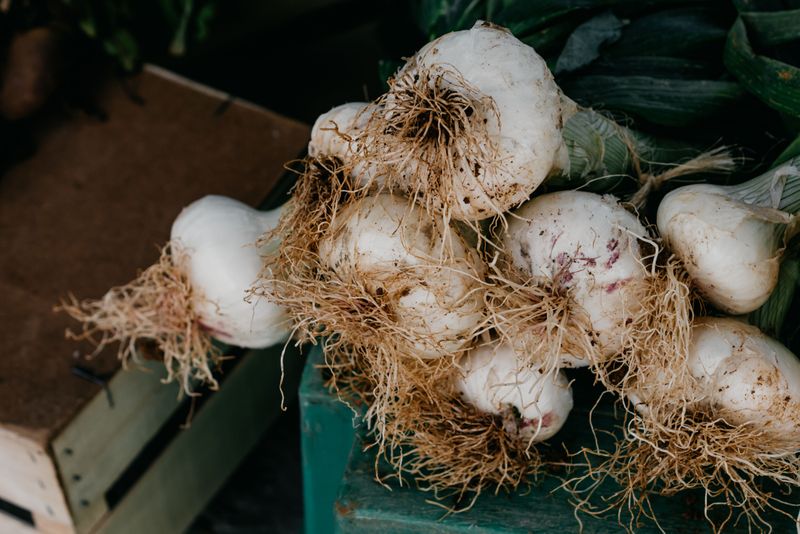
July harvest day feels like opening a gift you wrapped nine months ago. Fat, papery bulbs come out of the soil, and the straw from last fall is still there, crumbled and earthy.
That steady winter cover helped in several ways. Cloves stayed anchored, roots stayed moist, and weeds stayed quiet. Each of those small wins adds up to healthier plants and better bulb size.
Penn State Extension notes that hardneck garlic, the type many Pennsylvania gardeners prefer, is typically ready in early to mid-July. Watch for lower leaves turning brown while several upper leaves stay green.
Save the best bulbs for replanting. Choosing your biggest heads year after year is one of the easiest ways to grow stronger garlic adapted to your own garden.
Leftover mulch doesn’t go to waste either. Work it into the soil or pile it in the compost bin, where it adds organic matter for next season.
So when the first hard frost hits this fall, grab that bale. A Saturday afternoon of spreading straw sets the stage for a harvest worth bragging about.