Get Your Christmas Cactus Blooming For The Holidays In 8 Steps
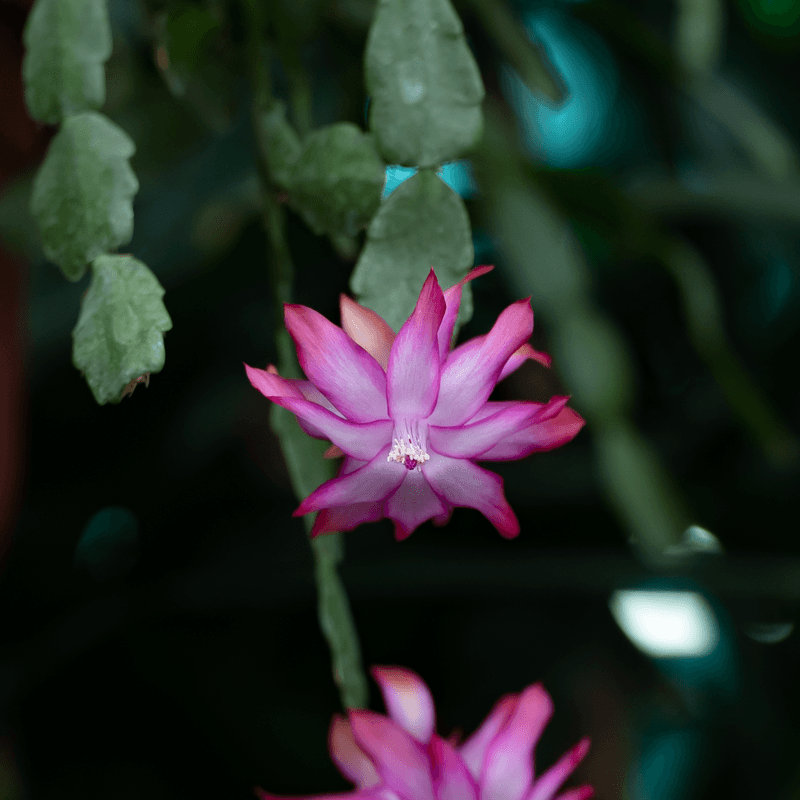
A single streetlight shining through your window at night can quietly cancel a whole season of holiday flowers. The plant in question grows wild on mossy tree branches in the coastal mountains of southeastern Brazil.
Back home, it reads the length of each night like a calendar and responds to cooler evenings. Long, dark nights and chilly air together tell it that the moment for setting buds has arrived.
I learned this lesson the hard way after my plant spent one October beside a glowing reading lamp. You can guess the result, because December brought plenty of green stems and no bright pink blossoms.
Turns out a few small habits started now can make the difference between bare branches and a showy table centerpiece.
Are you ready to find out what your green houseguest secretly wants from you during these crisp October weeks?
1. Long Uninterrupted Nights In A Dark Closet
Your plant is a short-day bloomer, which means it actually counts the hours of darkness rather than daylight. Give it about 12 to 14 hours of steady darkness each night, and flower buds start forming.
Penn State Extension and Cornell both note this light trick works best when started six to eight weeks ahead. For a Thanksgiving show, that puts your starting line right around late September or early October.
Even a brief flick of a hallway light can reset the clock and delay your plant’s bud-making plans. Streetlights and television glow sneak through curtains more often than most of us realize, especially late at night.
My favorite fix is a spare closet where the plant spends its nights from about six until eight. Some friends of mine prefer a cardboard box or dark cloth draped gently over the pot each evening.
Remember to bring it back into bright light every morning, since the plant still needs daytime energy. Forgetting it in the closet for days will leave it weak and pale instead of ready to flower.
Setting a phone reminder makes the routine much easier, especially during busy school and work weeks. Once you spot tiny buds at the stem tips, you can relax the strict darkness schedule.
That first glimpse of pink bud tips feels like a tiny victory every single year for me. Your patience in October is the quiet reason those holiday flowers appear right on schedule.
2. Bright Morning Light From An East Window
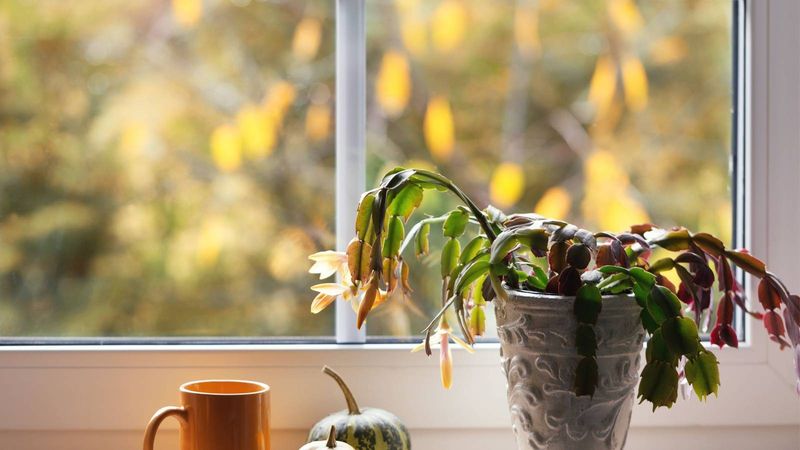
Sunshine still matters during the daytime, even while you are busy giving your plant long, dark nights. Bright, indirect light fuels the energy it needs to build healthy buds and hold onto them.
An east-facing window is often ideal, offering gentle morning sun without the harsh afternoon glare. Aim for roughly four to six hours of filtered brightness through a sheer curtain or similar screen.
Too much strong afternoon sun can scorch the flat stems, leaving them bleached or yellow and visibly stressed. A reddish tint sometimes appears from cool temperatures or dry soil too, so check conditions before panicking.
On the other hand, a gloomy corner leaves the plant weak, with stretched stems and few flower buds. Finding that happy middle ground takes a little trial and error, but the effort pays off nicely.
If you summered your plant outdoors under a shady tree, bring it inside before chilly weather arrives. Place it near a bright window gradually, so the sudden switch does not shock the tender green segments.
I love watching my plant soak up those soft morning rays while my coffee cools on the windowsill. Its glossy green segments seem to glow, and by November the tips start showing tiny colored buds.
Turning the pot a quarter turn now and then keeps growth even before buds begin forming. Stop rotating once buds appear, because the plant prefers keeping its flowers pointed toward the same light source.
3. Cool Nights Near 55 Degrees Help Set Flower Buds
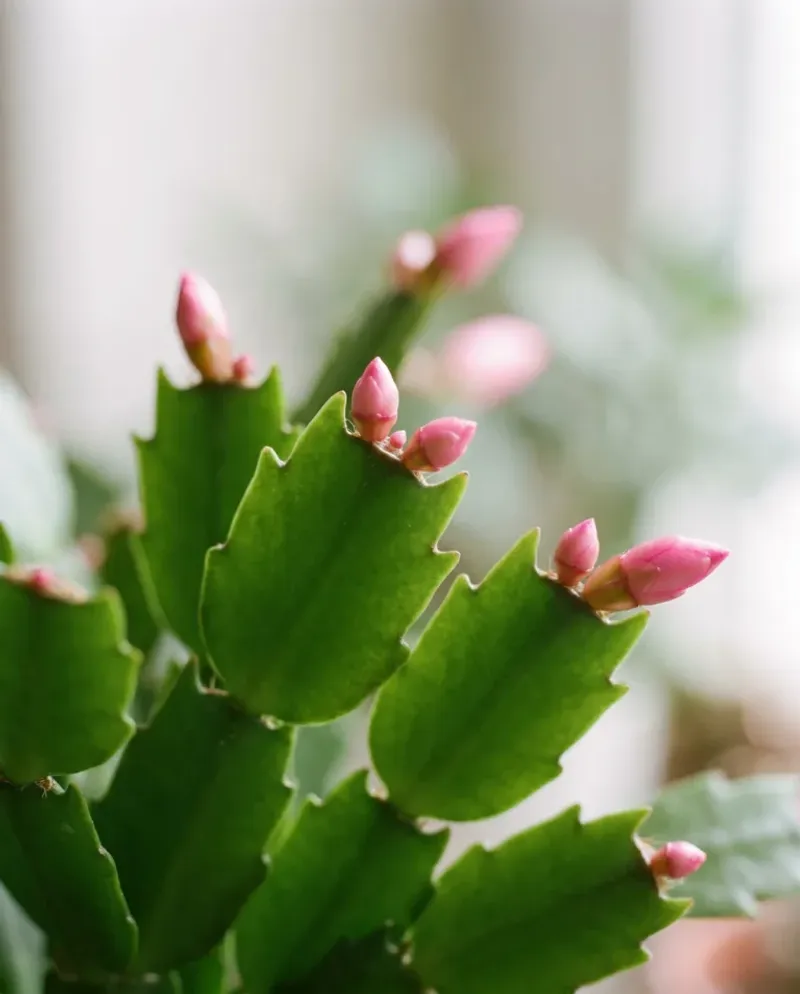
Chilly evenings act like a gentle alarm clock for this tropical plant, waking up its flower-making instincts each fall. Night temperatures between about 50 and 55 degrees Fahrenheit give the strongest signal for bud formation.
Some sources stretch that comfortable range a bit, suggesting nights up to roughly 65 degrees still work fairly well. Warmer than that, though, and many plants simply refuse to set buds no matter how dark it gets.
Cool temperatures near 50 degrees can even trigger blooms without strict darkness, according to several university extension specialists. Combining cool nights with long darkness gives you the most reliable results, in my own experience over many seasons.
A cool spare bedroom or an unheated sunporch often makes a wonderful October home for your plant. Daytime temperatures around 60 to 65 degrees keep it comfortable while those nights do the important work.
Watch out for frost, because this plant is not built for freezing weather at all. Bring outdoor pots inside before nights dip much below 50, since cold damage can harm tender stems.
Heat vents and fireplaces are sneaky troublemakers, blasting warm air that confuses the plant’s seasonal signals. I keep a cheap thermometer near my plant, and it has taught me plenty about hidden warm spots.
Cold drafts from leaky doors cause trouble too, so aim for cool but steady conditions instead. Think of it as autumn mountain weather, crisp at night and mild once the morning sun returns.
4. Lighter Watering Lets The Soil Dry Between Drinks
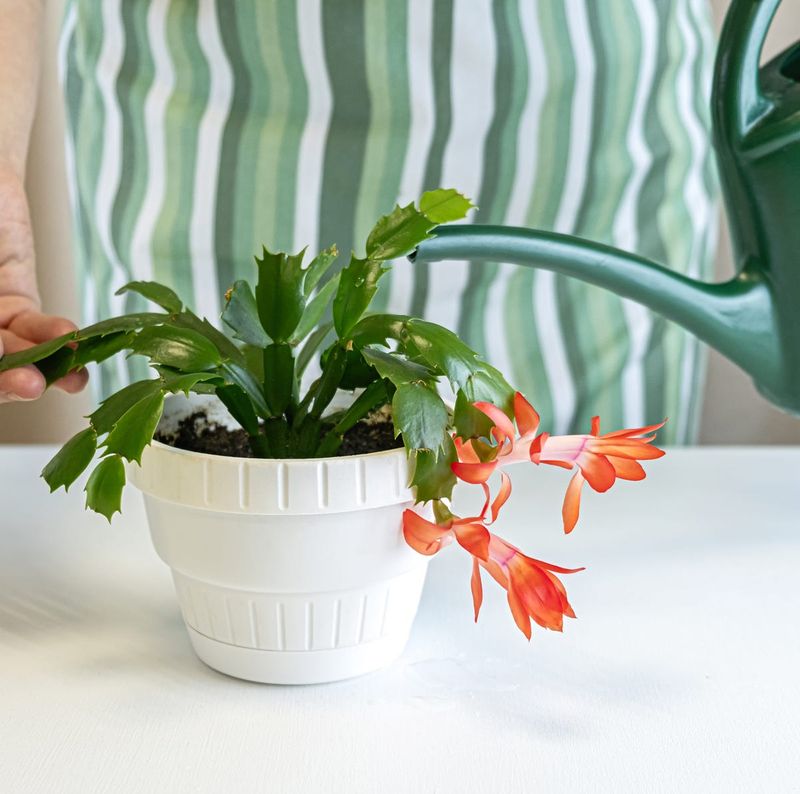
Holding back the watering can feels wrong at first, but your plant actually likes a drier fall routine. Slightly thirsty conditions mimic its native seasons and nudge the plant toward making flower buds instead of leaves.
Starting in October, let the top inch or two of soil dry out before you water again. Poke a finger into the mix, and if it feels damp, simply wait a few more days.
Remember that this is still a forest plant, not a desert cactus, so bone-dry soil for weeks is harmful. Stems that look limp or wrinkled may be a request for a thorough drink, but check the soil first, since overwatering and root rot can cause similar symptoms.
Overwatering is the bigger danger, because soggy roots can rot quickly in cool, dim autumn conditions. Root rot often shows up as wilting stems, which fools many gardeners into adding even more water.
When you do water, soak the pot well and let every extra drop drain from the bottom. Empty the saucer afterward, since standing water around the roots invites the very rot you want to avoid.
I used to water on a strict weekly schedule, and my plant sulked with soft, yellowing segments. Switching to the finger test changed everything, and the next season brought a beautiful wave of blossoms.
Once buds appear and start swelling, you can gradually water a little more often to support them. Steady moisture during bloom time helps prevent those frustrating moments when buds drop before they open.
5. Low Nitrogen Fertilizer Or None At All For Fall
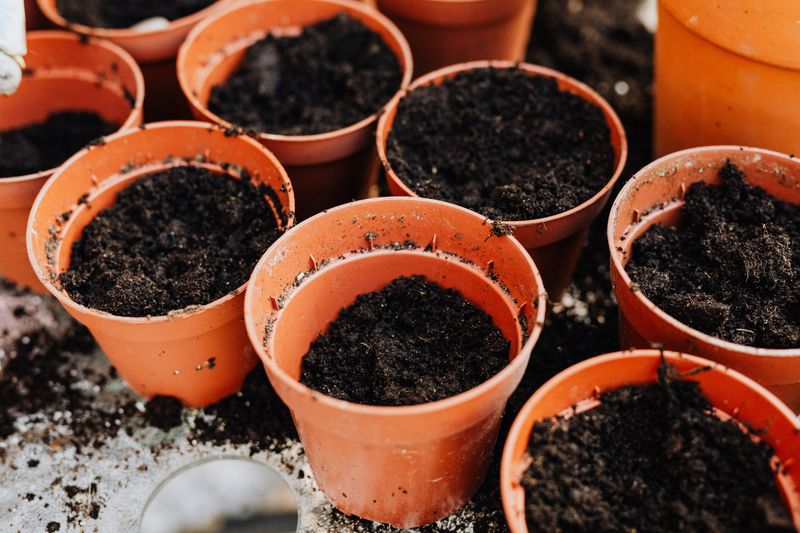
Feeding your plant heavily right now is like serving dessert before dinner, fun but rarely helpful. High-nitrogen fertilizer pushes fresh green growth when you really want the plant focused on flower buds.
Most experts suggest stopping your regular feeding routine in late summer, usually somewhere around August or September. If you missed that window, simply skip the fertilizer starting today, and your plant will adjust just fine.
Some growers prefer a light fall boost using a low-nitrogen, high-phosphorus formula to support bud development. I keep things simple and stop feeding during this stretch, and my plant still blooms beautifully.
Salt buildup from frequent fertilizing can also burn roots, especially when the plant drinks less in autumn. A crusty white ring on the pot rim is a hint that salts are collecting in the soil.
Flushing the pot with plain water every few months helps rinse away that buildup before it causes problems. Just let the water run through the drainage holes for a minute, then allow everything to drain well.
After the flowers fade, wait until spring, then return to a balanced houseplant fertilizer at half strength. Spring and summer are the real growing seasons, so save your enthusiasm for those months ahead.
Some growers also add a little Epsom salt during the growing months, since these plants appreciate magnesium. For now, though, a quiet, unfed fall gives your plant the clear message it needs to bloom.
6. A Pebble Tray Brings Rainforest Humidity To Your Christmas Cactus
Moss-covered branches high in Brazilian mountain forests are where wild relatives of your plant hang out. That misty mountain home explains why it enjoys humidity levels around 50 to 60 percent indoors.
Heated homes in late fall can feel as dry as a cracker, which stresses many tropical houseplants. Low humidity can lead to shriveled buds that drop off before they ever get the chance to open.
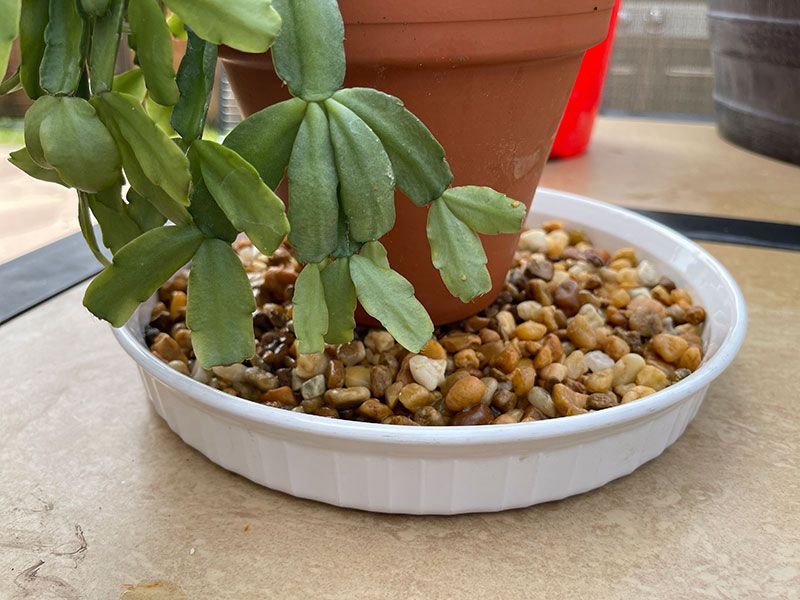
A pebble tray is my favorite low-effort solution, and it costs almost nothing to set up. Fill a shallow tray with gravel, add water just below the top, then rest the pot on the stones.
Keep the bottom of the pot above the waterline, since soggy roots create a whole new problem. As the water evaporates, it creates a small pocket of moist air right around the plant’s stems.
Grouping several houseplants together also raises humidity a bit, because plants release moisture through their leaves. My windowsill cluster has become a tiny jungle, and everyone in it seems happier for the company.
Misting can give a quick, temporary boost, though the effect fades within minutes on most days. A small room humidifier works better if your home gets especially dry once the furnace starts running.
Check the pebble tray every few days and refill it, since dry stones offer no benefit whatsoever. This easy habit pays off later, when those buds stay plump and cheerful through the holiday season.
7. Leave Budding Christmas Cactus Stems In One Steady Spot
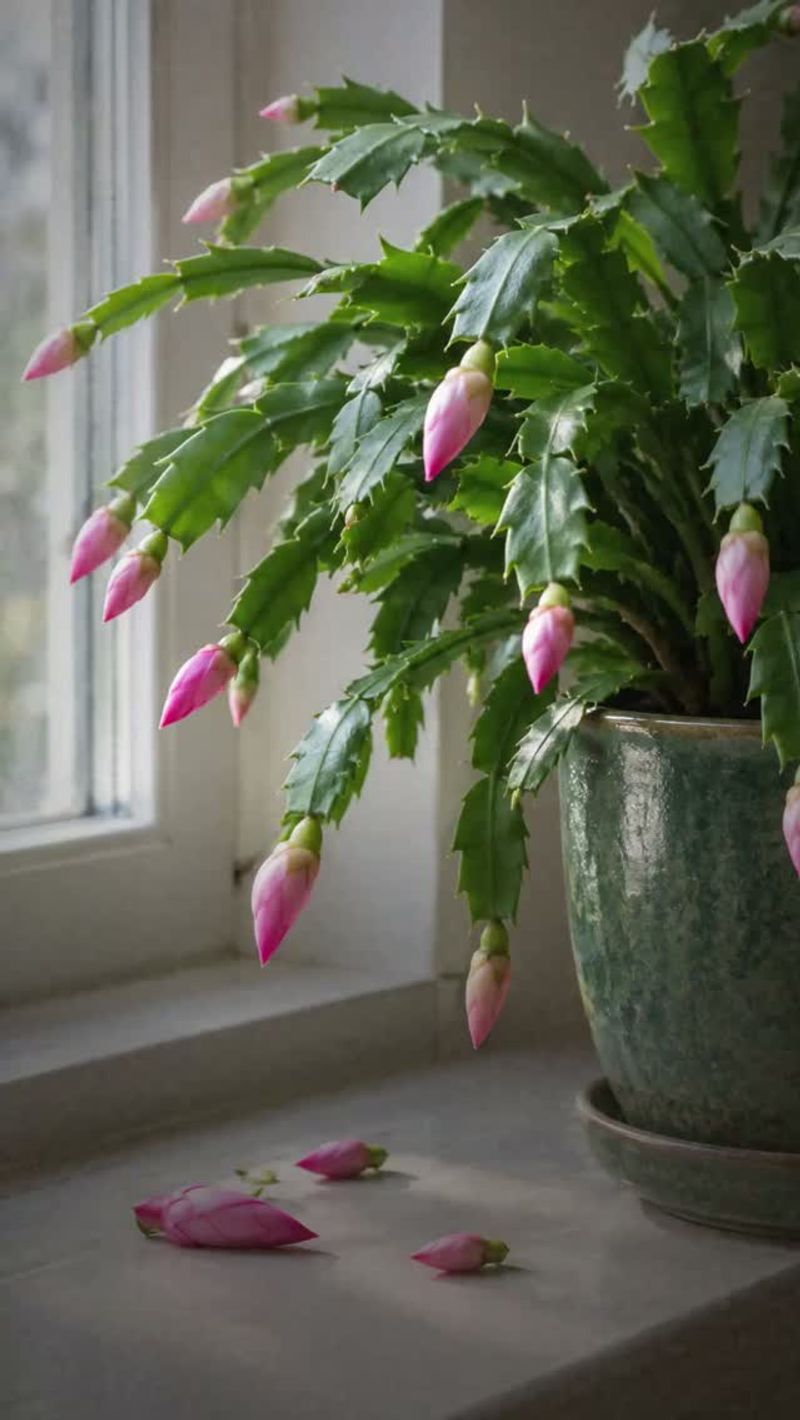
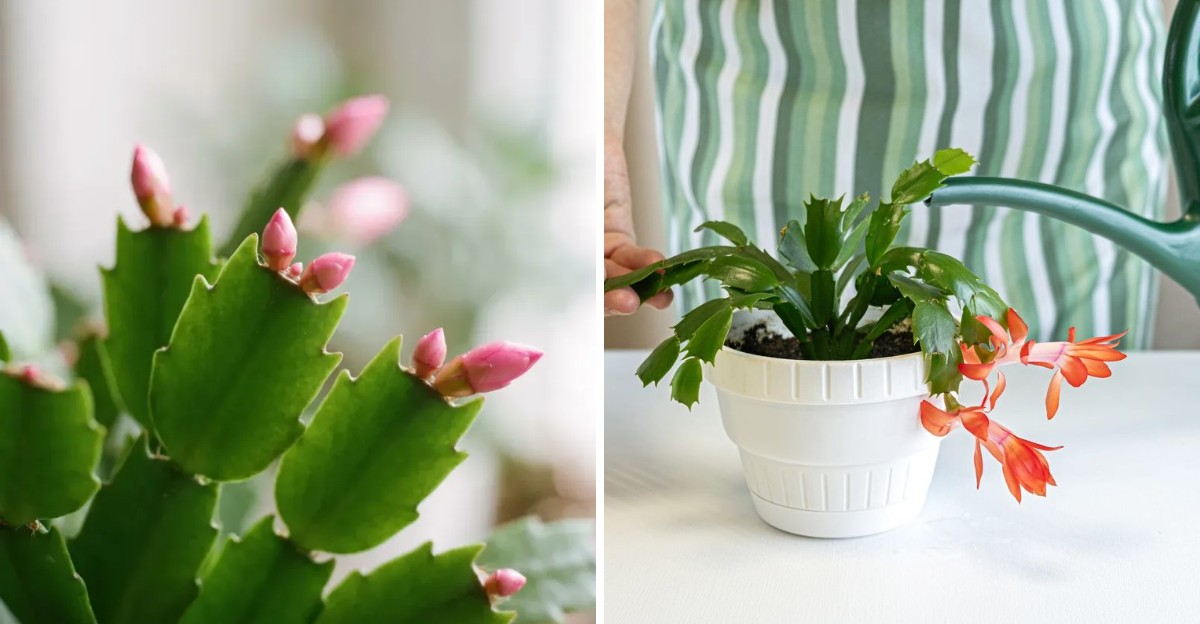
Those tiny buds are surprisingly dramatic, and a simple trip across the room can make them fall off. Sudden shifts in light or temperature often cause bud drop, which is easily the most heartbreaking holiday plant problem.
Once you see buds forming at the stem tips, choose a permanent spot and let the plant stay there. Resist the urge to carry it around to show friends, no matter how proud you feel.
I learned this after moving my budding plant to the dining table for a party, sadly too early. Within a single week, half the buds had dropped onto the white tablecloth like little pink confetti.
Drafts are another sneaky culprit, whether they come from heating vents or from leaky windows and doors. Hold your hand near the plant on a breezy day to check for any chilly air leaks nearby.
Keeping conditions steady also means avoiding big swings in watering, since sudden drought can trigger bud drop too. Small, consistent routines matter more than any fancy product or special trick during this delicate stage.
If you plan to give the plant as a gift, move it before buds form, not after. That way it can settle into its new home and set flowers without the stress of travel.
Patience feels hard when those buds look ready, but stability helps them swell into gorgeous, layered blossoms. Your reward arrives right around the holidays, when every stem tip bursts open with color at once.
8. Fast Draining Potting Mix With Bark And Perlite
Underneath all those pretty stems, the roots are quietly asking for one simple thing, plenty of fresh air. In the wild, these plants cling to tree bark, where rainwater drains away quickly after every shower.
Heavy, dense potting soil holds too much water, which leaves roots soggy and vulnerable to rot. Stressed roots rarely support a strong bloom, so good drainage is the foundation for everything else.
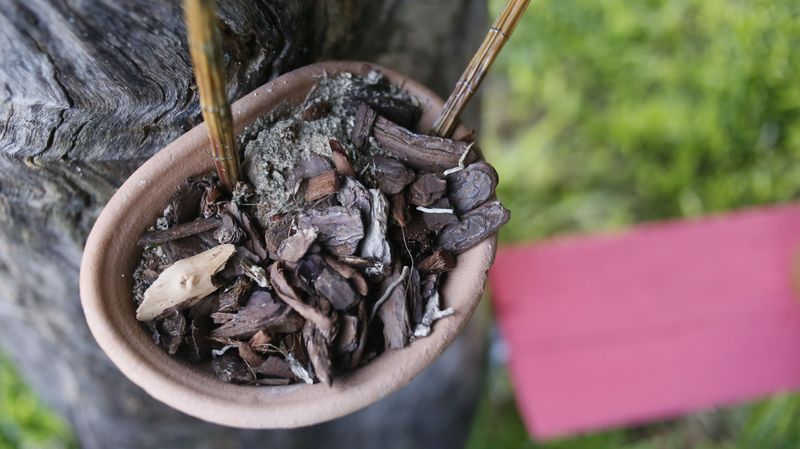
A mix made for succulents or orchids works nicely, or you can blend your own at home. Combine regular potting soil with perlite or fir bark to create a light, airy texture the roots love.
Make sure your pot has drainage holes, because even the best mix struggles without an escape route. Decorative containers without holes can still work if you use them as a cover over a plastic pot.
October is not the ideal month for repotting, since disturbing roots now could interfere with bud setting. These plants actually bloom well when slightly root-bound, so a snug pot is nothing to worry about.
If drainage looks poor right now, simply water less often and make sure excess water escapes freely. Save any repotting project for late winter or spring, after the flowers have finished their holiday performance.
I repotted mine into a chunky bark blend two springs ago, and it rewarded me with record blooms. A little attention to the roots now sets you up for many joyful holiday seasons ahead.