What Indiana Gardeners Should Do With Leftover Halloween Pumpkins Instead Of Tossing Them
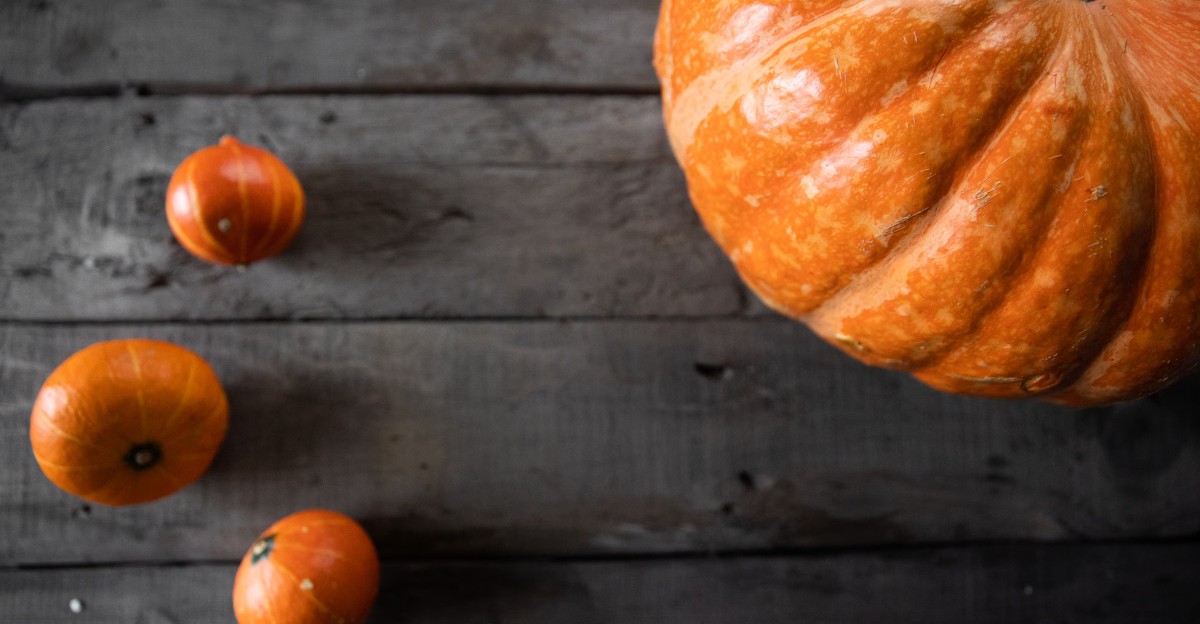
A pumpkin is about 90 percent water, which explains why a carved one can slump into mush in just a week or two. I still laugh at how fast that proud grin turns into a sagging frown.
All that water and soft flesh hides a real gift for your yard. The rind, pulp, and seeds hold carbon and nutrients that soil microbes happily break down. When the same squash heads to a landfill, it rots without air and gives off methane instead.
There’s a soft spot in my heart for a slouching jack-o-lantern, since I see it as free garden fuel. Here in Indiana, early November is also the perfect moment to put it to work. Cool weather slows the mess, and empty beds are ready for a little extra help.
So what exactly should happen to that orange orb on your porch before the first hard freeze shows up?
That Soggy Jack-O-Lantern Is Worth More Than You Think
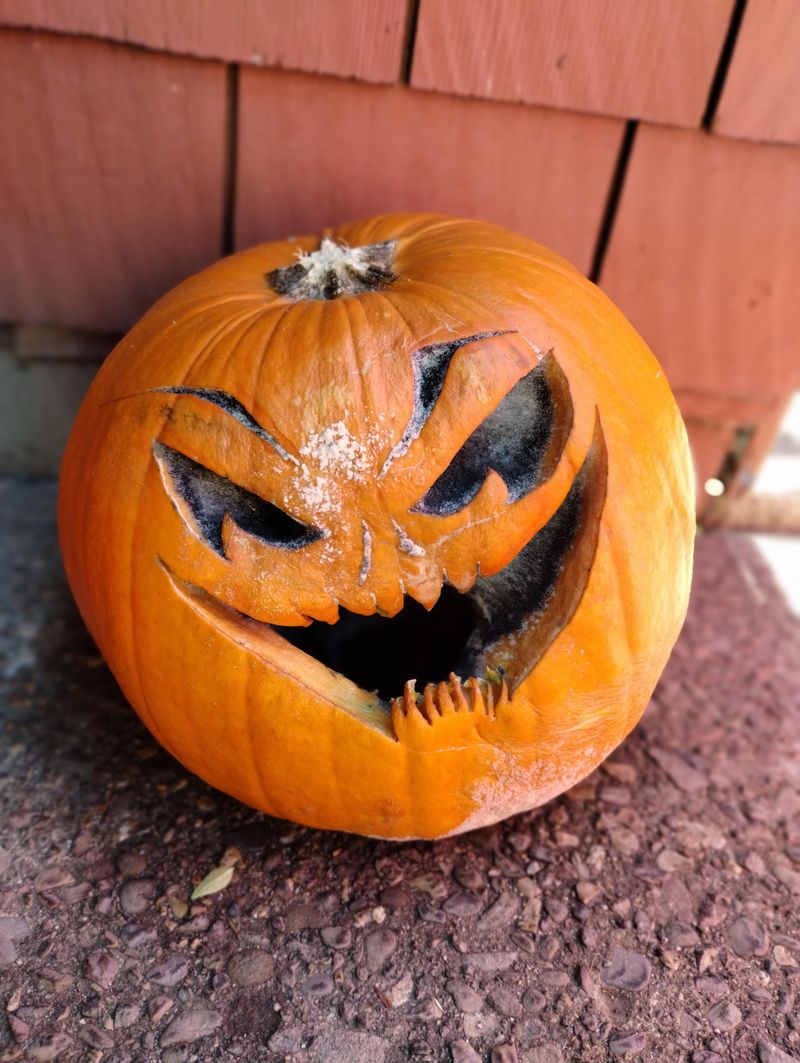
Your porch pumpkin has one more job left, and it is a big one. Underneath that drooping face is a bundle of water, sugars, fiber, and plant nutrients that soil life loves to eat.
Pumpkins contain potassium, phosphorus, and a small amount of nitrogen. None of it is enough to replace fertilizer, but it adds organic matter, which feeds earthworms and helpful microbes. Over time, that matter helps soil hold moisture and crumble nicely in your hands.
Purdue Extension and other university programs encourage keeping yard and food scraps out of the trash for exactly this reason. Organic waste makes up a large share of what goes into landfills nationwide. Buried in a landfill with little oxygen, a pumpkin produces methane, a strong greenhouse gas.
I like to think of a spent jack-o-lantern as a slow-release snack for next spring’s garden. Before you do anything, though, give it a quick inspection. Pull out candle wax, glitter, stickers, and plastic bits.
Painted pumpkins are trickier because many paints are not safe for soil or animals. Those usually belong in the trash. A plain pumpkin, even a moldy one, is still fine for composting or burying, and the easiest method is waiting in your backyard.
Your Compost Bin Will Gobble Up Pumpkin Chunks Fast
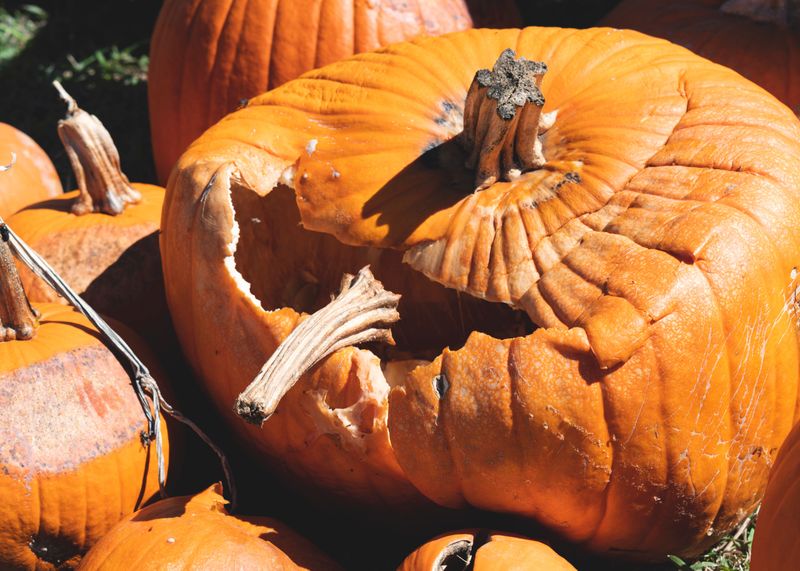
Composting wins the prize for the simplest pumpkin plan. Soft flesh and thin walls break down far faster than sticks or stems, so they disappear in a matter of weeks in an active pile.
Start by smashing or chopping the pumpkin into fist-sized pieces. A whole one can sit there for months because microbes can only work on the outside. Kids usually volunteer for the smashing part, and honestly, so do I.
Pumpkins count as a green material because they are wet and higher in nitrogen than dry browns. Balance them with browns like dry leaves, shredded cardboard, or straw. A good rule is about two or three parts brown to one part green, which keeps the pile from turning slimy and smelly.
Your Indiana Garden Changes Every Week. Your Plan Should Too.
Gardening in Indiana changes quickly throughout the season. Every Friday you’ll receive a simple weekly plan showing exactly what to plant, prune, fertilize, harvest, and protect so you never miss the right timing.
Bury the chunks in the middle of the pile instead of tossing them on top. That hides them from raccoons and keeps heat in the center. Mold already growing on the pumpkin is no problem, since it is part of the same breakdown team.
Indiana nights get chilly in November, so decay may slow down. That is fine. The pile will pick up speed again in spring, and you will have dark, crumbly compost for your spring beds.
Bury Pumpkin Pieces Right In An Empty Garden Bed
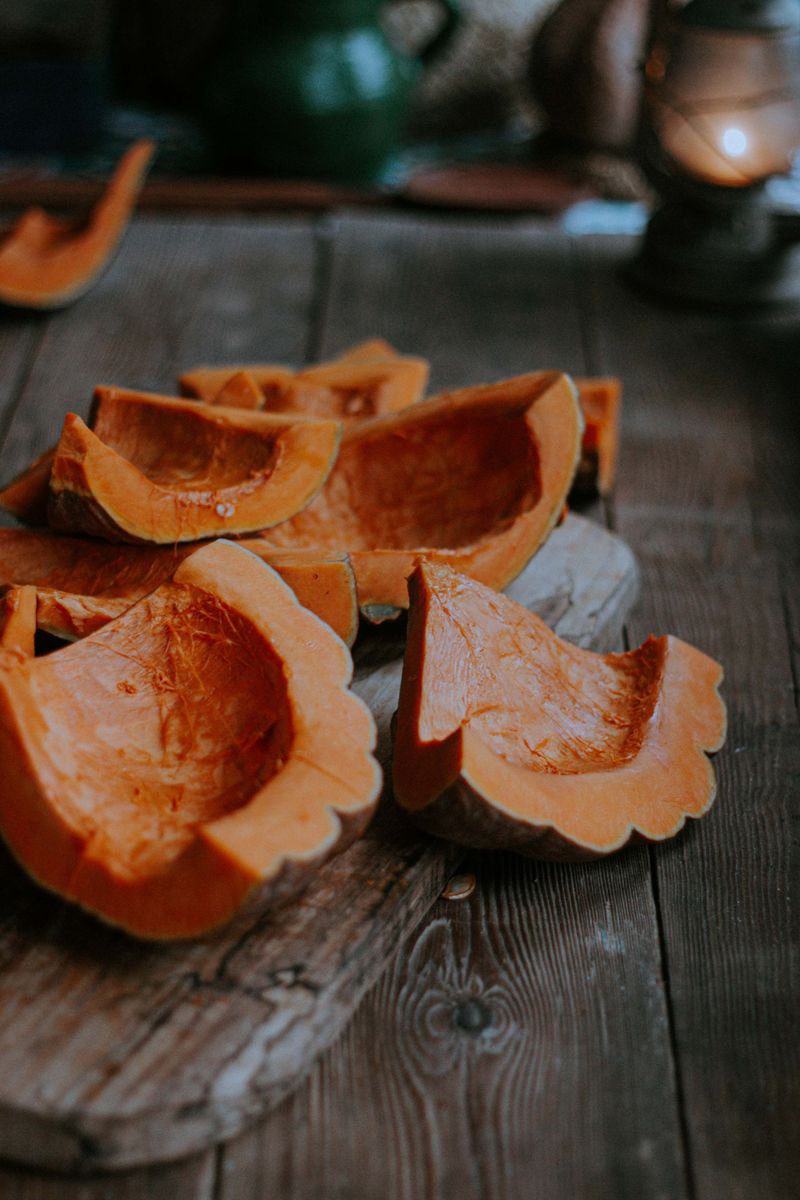
No compost pile? No worries at all. Trench composting lets you skip the bin and feed your soil directly where next year’s plants will grow.
Pick a bed that is finished for the season, like where your tomatoes or beans grew. Dig a trench or hole about 8 to 12 inches deep. That depth keeps odors down and makes it harder for animals to dig the pumpkin back up.
Break the pumpkin into small pieces and drop them in. Scoop out the seeds first unless you enjoy surprise pumpkin vines popping up in May. Cover everything with soil and add a layer of shredded leaves on top.
Over winter, worms and microbes go to work underground. By spring planting, most of the pumpkin will have turned into rich organic matter. You may still find a tough stem or two, which you can toss aside.
Timing matters here. Northern Indiana ground can freeze earlier than the southern part of the state, so dig while the soil is still workable. Early to mid November usually works well for most gardeners. One afternoon of shovel work now means happier carrots and peppers later.
Scoop Out Those Pumpkin Seeds Before Anything Else
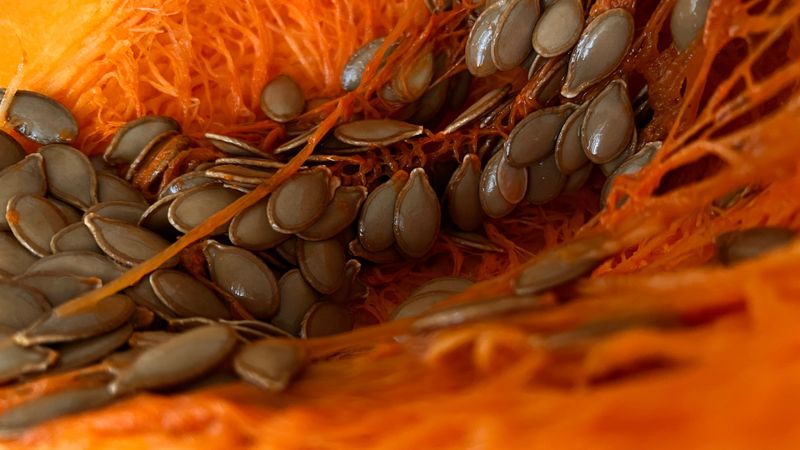
Seeds are the little treasures inside every pumpkin, and they deserve their own plan. Pulling them out first gives you more choices and keeps unwanted sprouts out of your beds.
Rinse the seeds in a colander to wash off the stringy goop. Spread them on a towel and let them dry for a few days. Now you can roast some for yourself, save a handful for birds, or keep a few for planting.
Saving seeds for next year comes with a catch. Most jack-o-lantern pumpkins are hybrids, so the plants may not look like the parent. Pumpkins also cross easily with other squash, which can lead to odd shapes and colors.
Some gardeners love that mystery, and I count myself among them. Store dried seeds in a paper envelope in a cool, dry spot. Indiana gardeners usually sow pumpkins outdoors in late May or early June after frost danger passes.
Only save seeds from fresh, firm pumpkins. Mushy, moldy ones are better off going straight to compost. A quick sort today saves you headaches later and gives you a fun gardening experiment for next summer.
Backyard Birds Will Happily Snack On Plain Pumpkin Seeds
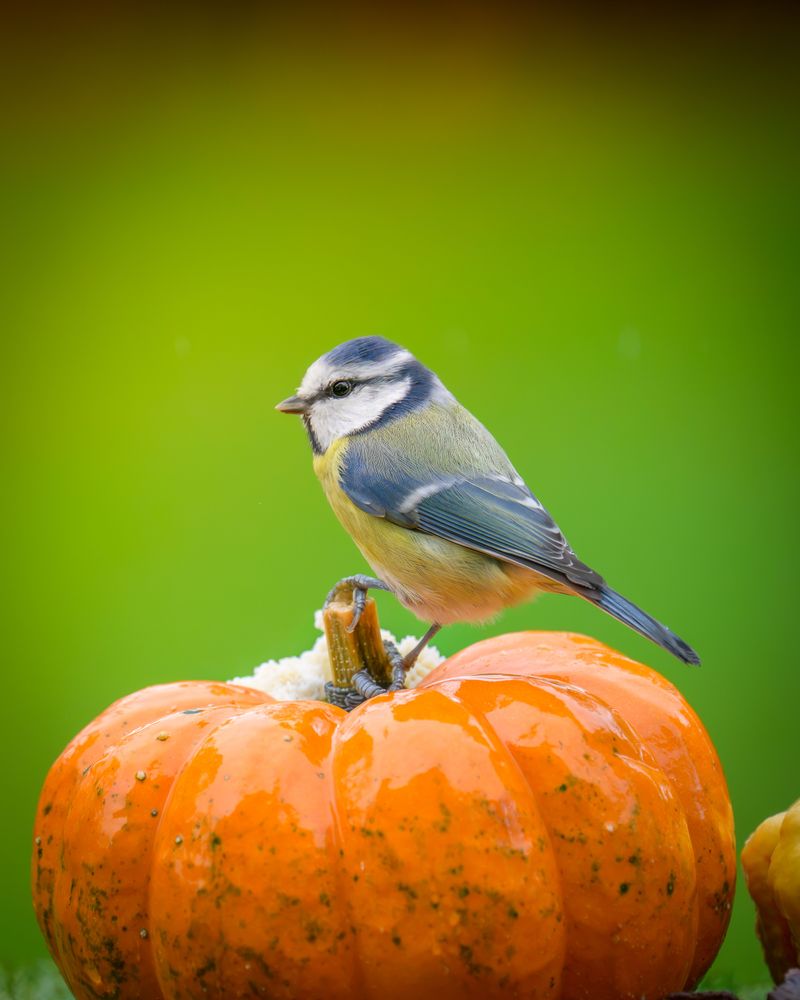
Cardinals, chickadees, nuthatches, and blue jays all enjoy a pumpkin seed buffet. Those seeds are packed with fat and protein, which helps small birds stay warm on frosty mornings.
Keep the offering plain. Salt, butter, and seasonings are not good for wildlife, so set aside a batch before you season your own snack. You can serve the seeds raw or roasted without oil, and chopping them makes them easier for small beaks.
A platform feeder or tray works best. Some folks cut a small pumpkin in half, hollow it out, and use the shell as a bowl hung from a branch. It looks adorable, but swap it out once it softens or starts to mold.
Wildlife experts urge caution with scattering big piles of pumpkin flesh on the lawn. That can draw deer, raccoons, and rats closer to your home. A moderate amount of seeds in a feeder is a smarter choice.
Clean your feeders often, since damp food can spread bird illnesses. Watching a cardinal crack open a seed you saved is a sweet little reward for skipping the trash can.
Local Farm Animals Think Pumpkins Are A Real Treat
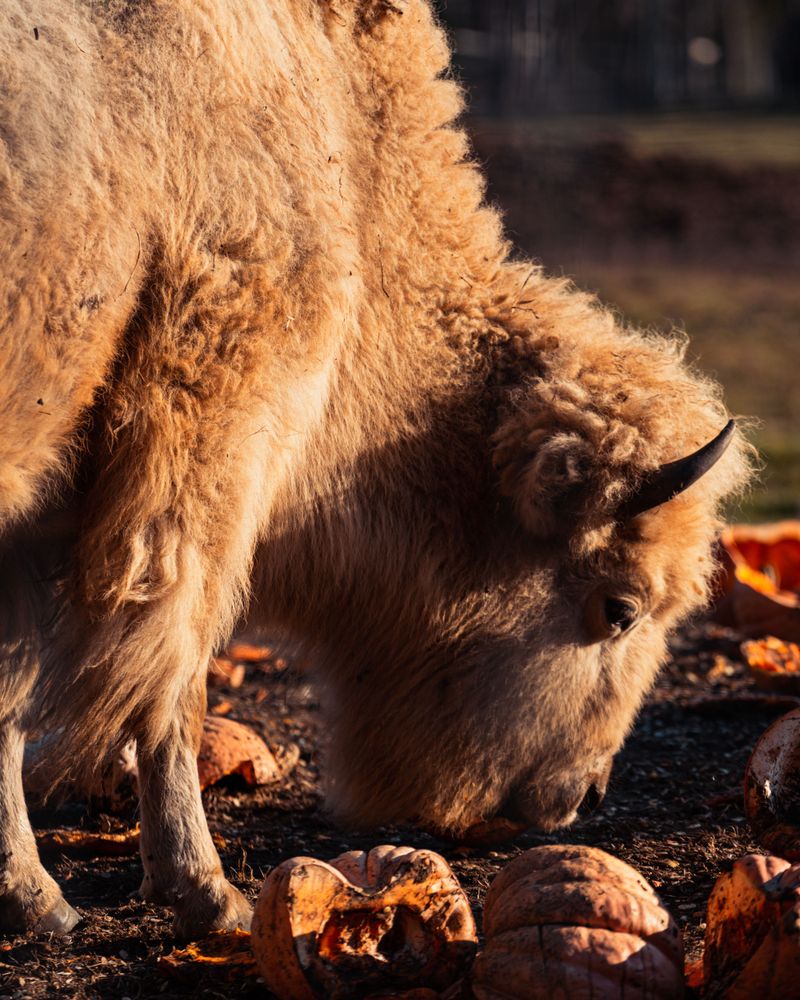
Pigs crunch through pumpkins like kids at a candy bowl. Goats, sheep, chickens, and cows also enjoy them, which makes donation a fun choice for families.
Plenty of Indiana farms, sanctuaries, and backyard flock owners welcome clean pumpkins after Halloween. Oinking Acres Farm Rescue and Sanctuary in Brownsburg has accepted pumpkin donations in past seasons. Rules change from year to year, so call or check social media before you show up.
Animal safety comes first. Donate only pumpkins that are fresh, unpainted, and free of wax, glitter, or marker. Most places turn away moldy ones, since mold can make animals sick.
Got backyard chickens of your own? Smash a pumpkin open and let the flock peck away. They will gobble the seeds and flesh, and it gives them something fun to do on gray days.
Neighborhood apps and community groups are full of people offering or asking for pumpkins each November. A quick post might connect you with a goat owner just down the road. I love that one porch decoration can turn into a happy afternoon for a barnyard full of hungry critters.
Uncarved Pumpkins Can Still Land On Your Dinner Table
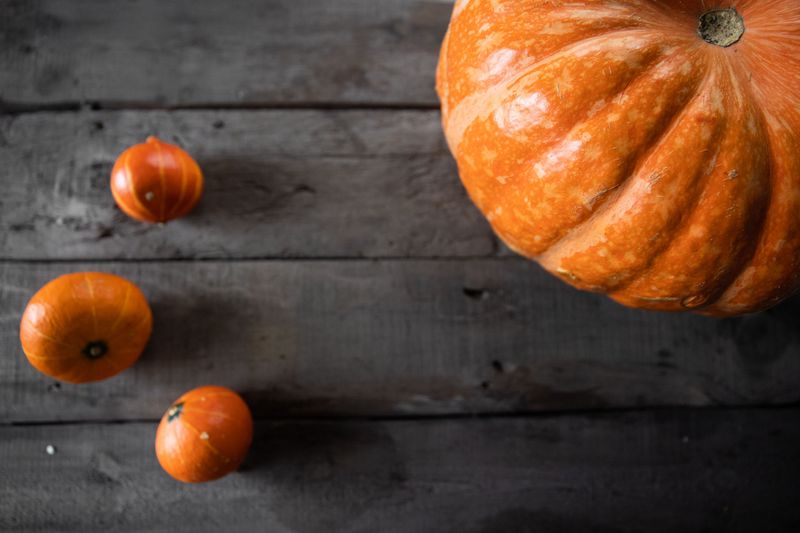
Kitchen time gets a second chance if your pumpkin was never carved. Whole, firm pumpkins that sat in a cool spot can stay good for weeks or even a couple of months.
Big carving pumpkins tend to be stringy and watery, so flavor may be mild. They still work in soups, breads, and muffins. Smaller pie or sugar pumpkins taste sweeter and make smoother puree.
To cook one, wash it, cut it in half, and scoop out the seeds. Roast the halves face down at 400 degrees until a fork slides in easily. Then scoop out the soft flesh and blend it.
Food safety experts warn against eating carved pumpkins. Once cut, they sit out and collect bacteria and mold quickly. Those belong in compost, not your soup pot.
Plain cooked pumpkin also makes a fiber-rich treat for many dogs in small amounts. Ask your vet first and skip anything with sugar or spice. Extra puree freezes nicely in ice cube trays, which makes it easy to grab a little whenever a recipe calls for it.
Community Pumpkin Smash Events Make Recycling A Party
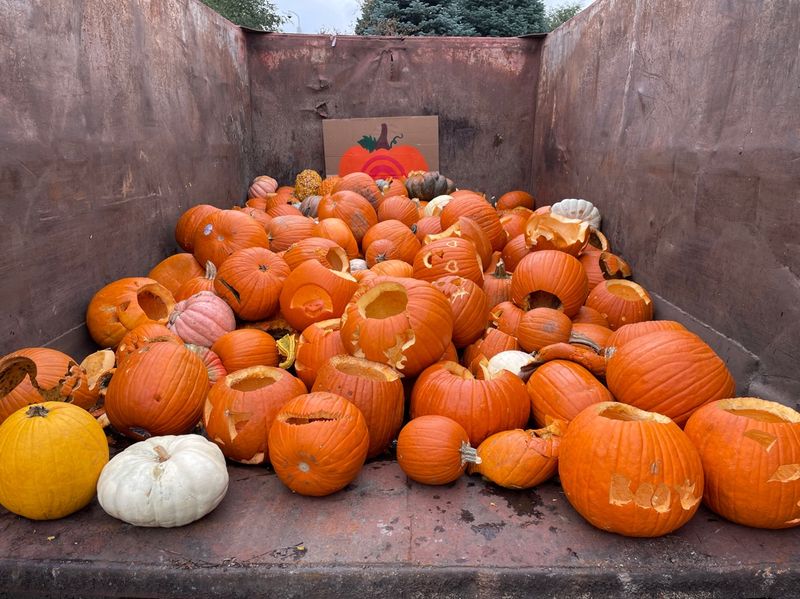
Smashing pumpkins on purpose might be the most joyful chore of the year. Many communities now host pumpkin smash or drop-off days to collect gourds for composting.
Cities and solid waste districts across Indiana have run these events, often in early November. Some partner with local compost facilities, while others take pumpkins to farms. Check your county solid waste district website or city news page to see what is happening near you.
Curbside yard waste programs are another option in some towns. Rules vary, so read the guidelines before setting a pumpkin out. Most require removing candles and decorations.
Even without an event nearby, you can host your own mini smash. Gather the family, roll pumpkins into a tarp, and break them up for the compost pile or garden trench. It turns cleanup into a memory instead of a task.
My best takeaway is simple. Treat your Halloween pumpkin as the first ingredient for next year’s garden. Whether it feeds the soil, the birds, or a happy pig, that orange globe keeps giving long after the last trick-or-treater heads home.